

History is filled with civilizations that once thrived with culture, trade, and innovation, yet vanished without a trace. From bustling cities to monumental achievements, these societies disappeared due to environmental changes, political upheaval, or unknown forces. Exploring their ruins and artifacts reveals fascinating glimpses into human ingenuity and the fragility of civilizations, reminding us that even the greatest empires can fade into mystery, leaving only whispers of their stories behind.
1. The Indus Valley Civilization
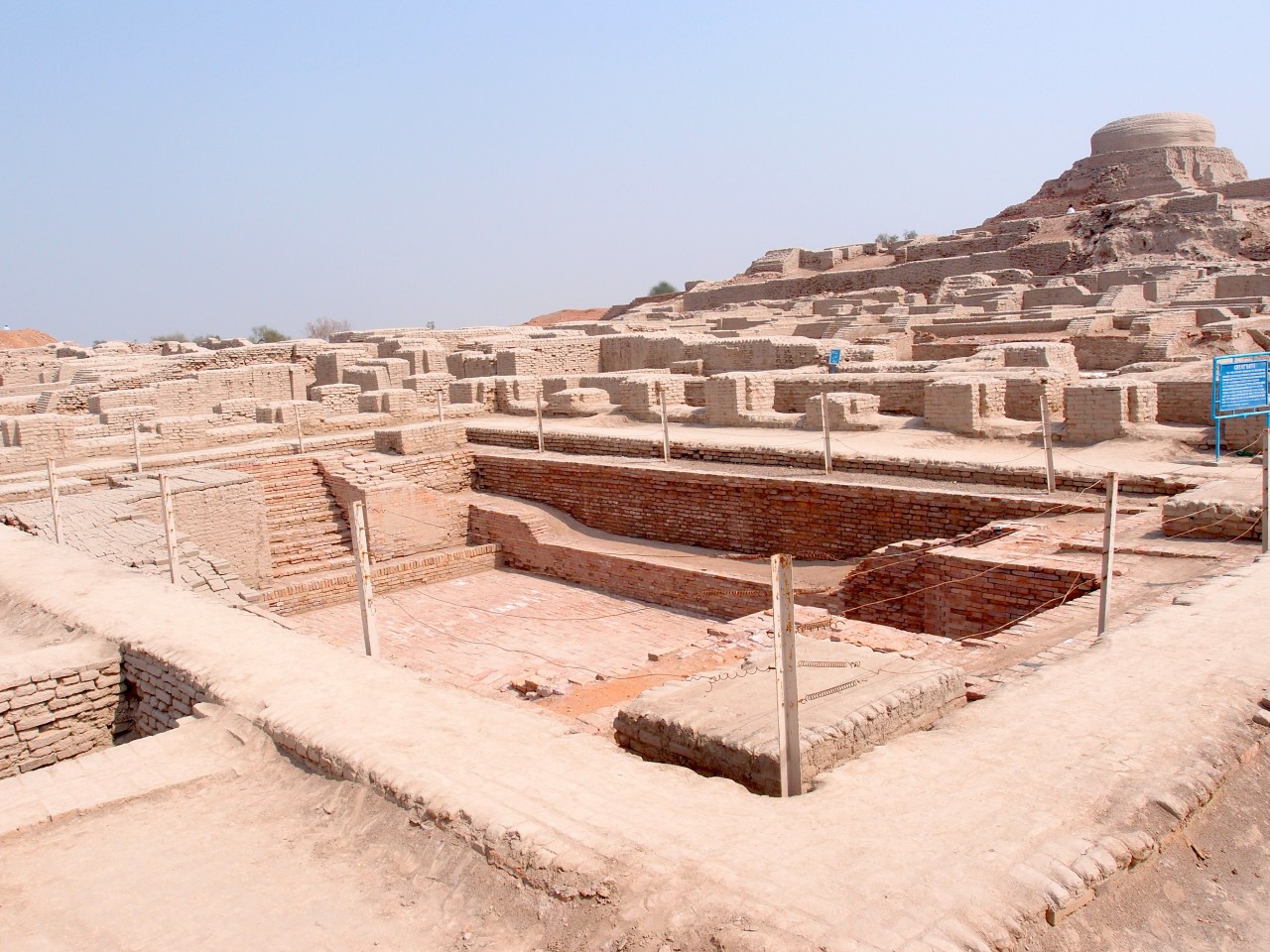
The Indus Valley Civilization, one of the earliest urban cultures, thrived in modern-day Pakistan and northwest India around 2500 BCE. It featured meticulously planned cities, advanced drainage systems, and standardized weights and measures. Suddenly, around 1900 BCE, it collapsed, leaving no clear record of why. Shifts in river courses, climate change, or possible invasions may have contributed. Its disappearance underscores how even highly organized societies can vanish, leaving only streets, seals, and artifacts to tell their story.
2. The Ancestral Puebloans (Anasazi)

The Ancestral Puebloans crafted extraordinary cliff dwellings and stone communities in the American Southwest, flourishing for centuries. By the 13th century, they had mysteriously abandoned their homes, leaving pottery, tools, and elaborate structures behind. Scholars suggest prolonged drought, resource depletion, or internal social pressures could have driven them away. Their sudden disappearance transformed the region into a historical enigma, with ruins that offer invaluable insights into the ingenuity and fragility of a vanished culture.
3. The Olmecs
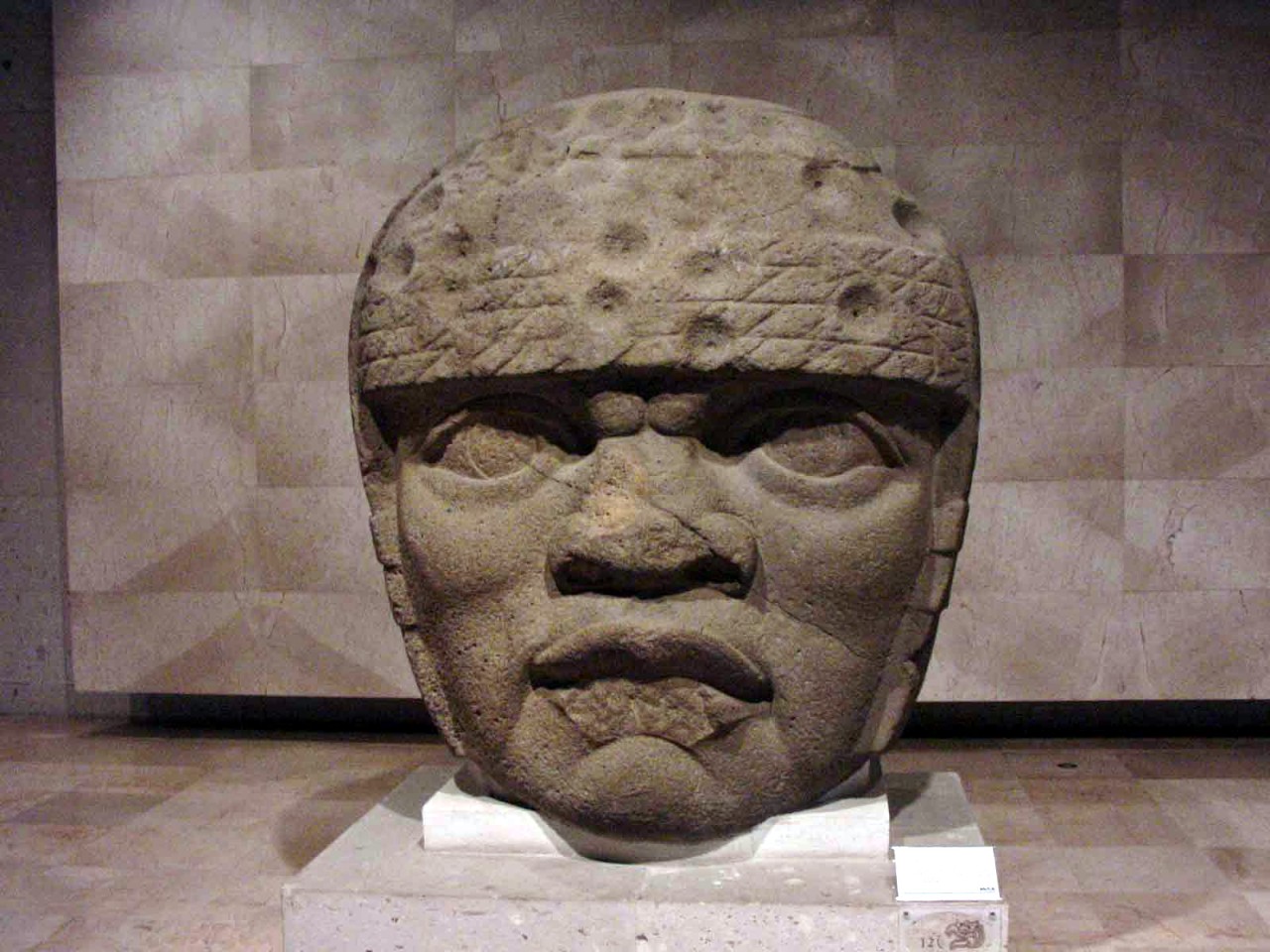
The Olmec civilization, flourishing along Mexico’s Gulf Coast from around 1200 BCE, is considered the “mother culture” of Mesoamerica. Famous for colossal stone heads, early writing, and religious systems, the Olmecs had a sophisticated society whose decline around 400 BCE remains largely unexplained. Environmental shifts, flooding, or societal collapse may have played roles. Though the civilization vanished, its cultural and artistic influence persisted, shaping later Mesoamerican civilizations such as the Maya and the Aztec.
4. The Minoans
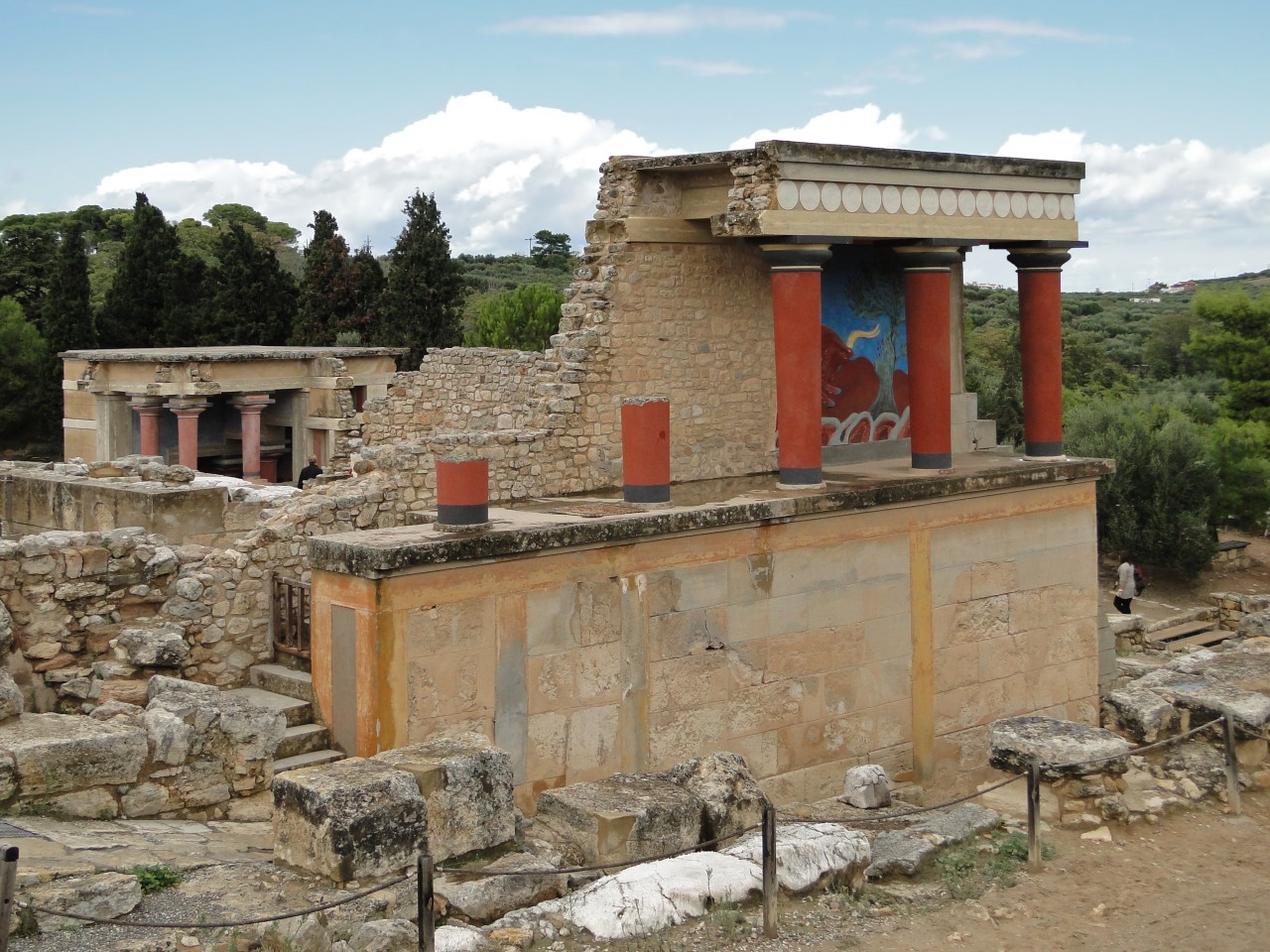
The Minoans of Crete were known for palaces like Knossos, advanced art, and maritime trade networks around 2000–1450 BCE. Their civilization suddenly weakened, and many sites were abandoned. Volcanic eruptions, earthquakes, and foreign invasions are often cited as possible reasons, though the exact cause is uncertain. The Minoans’ disappearance shows how natural disasters and societal vulnerabilities can erase thriving cultures, leaving behind only ruins and frescoes that hint at their once-flourishing way of life.
5. The Mycenaeans, Greece
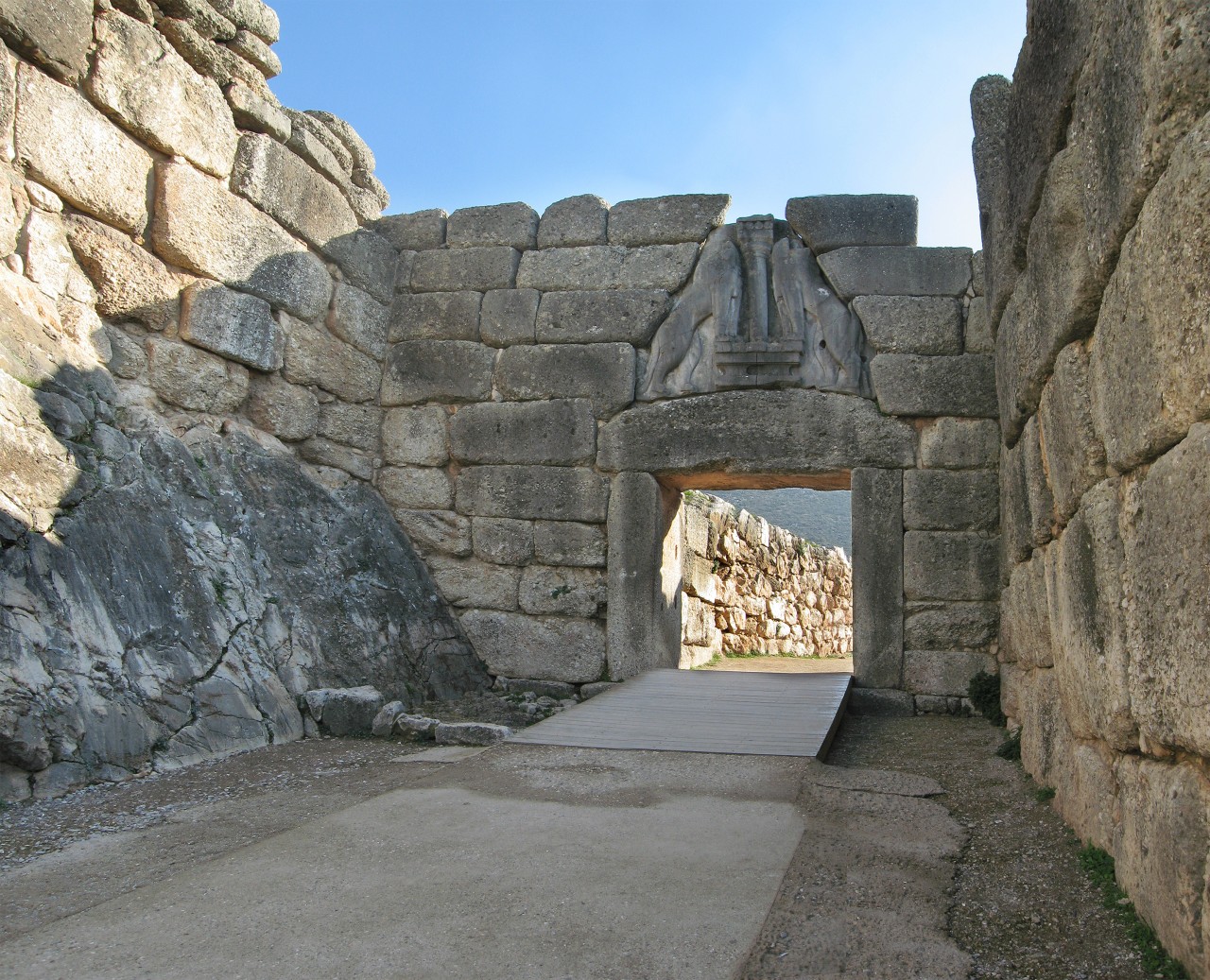
The Mycenaean civilization flourished on mainland Greece from around 1600 to 1100 BCE, known for fortified palaces, elaborate tombs, and complex trade networks. They played a foundational role in later Greek culture, influencing language, religion, and art. Around 1100 BCE, the Mycenaean cities were abandoned, likely due to a combination of invasions, natural disasters, and internal societal collapse. Their disappearance left monumental ruins, offering archaeologists clues to a society that bridged the Bronze Age and classical Greece.
6. The Nabateans
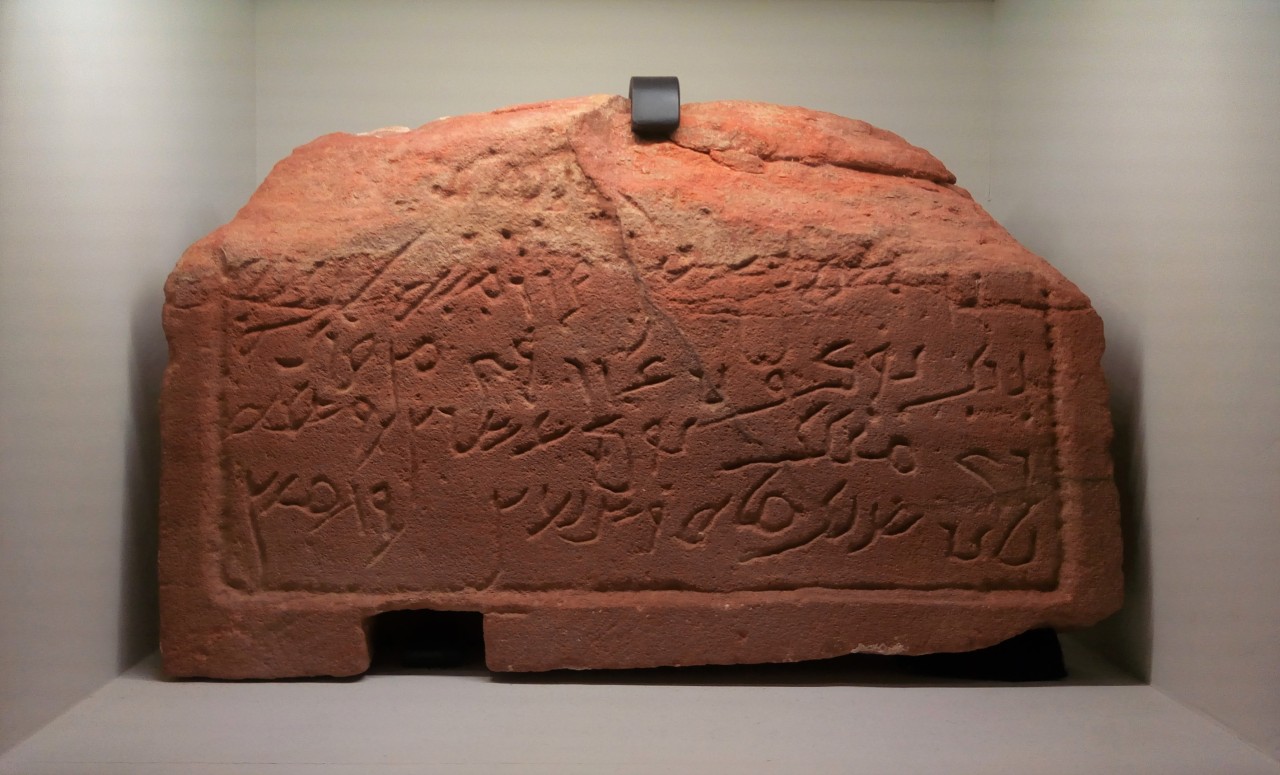
The Nabateans, famed for Petra’s carved sandstone architecture, dominated Middle Eastern trade routes from the 4th century BCE. Their civilization slowly disappeared around the 2nd century CE, likely due to shifting trade, Roman annexation, and economic decline. Petra’s intricate water management and monumental tombs survive as testimony to their ingenuity and adaptation to a harsh desert environment. The Nabateans’ story highlights how strategic locations can foster prosperity yet still leave societies vulnerable to broader economic and political shifts.
7. The Hittites
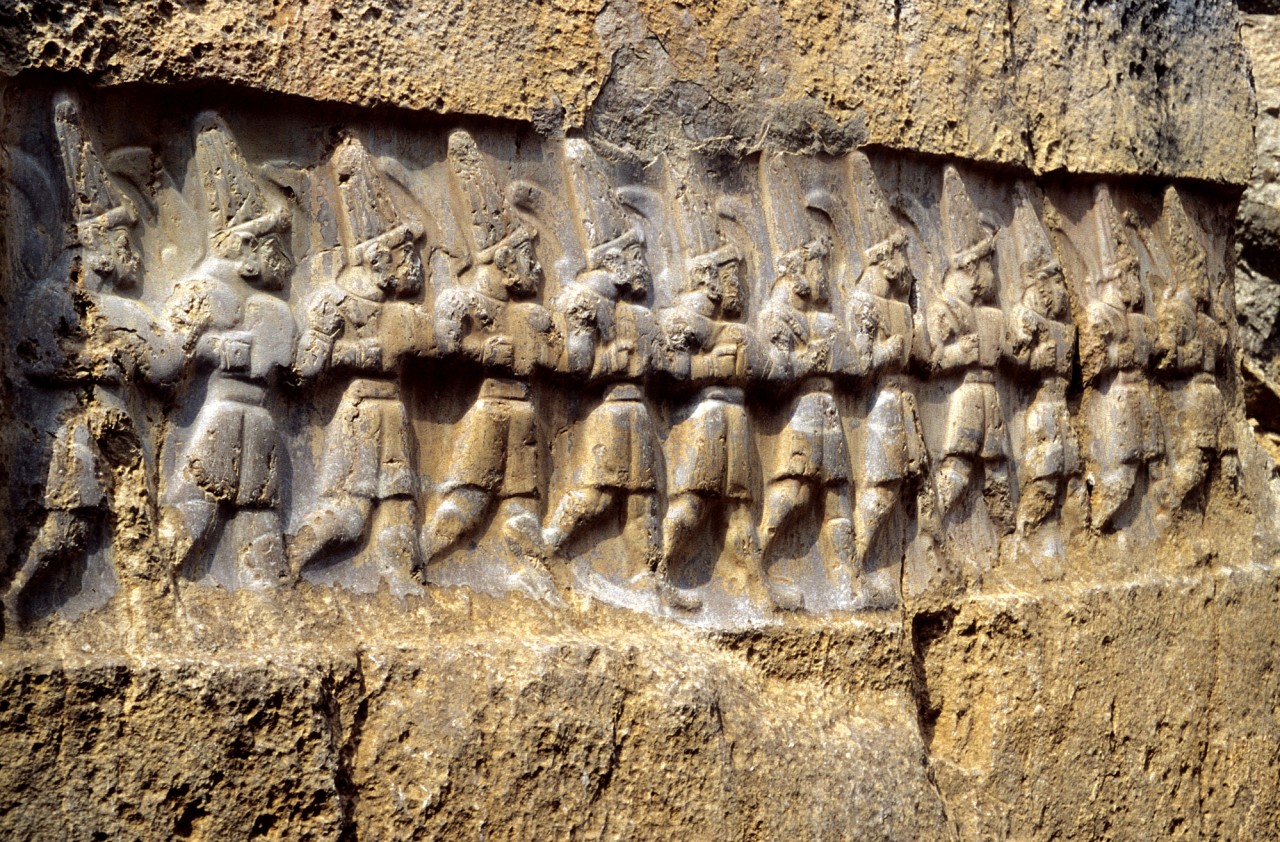
The Hittites ruled Anatolia and surrounding regions from around 1600–1200 BCE, competing with Egypt and Assyria for dominance. Suddenly, their cities were abandoned, and the empire collapsed. Invasions, internal strife, and widespread regional disruption are possible causes. Despite vanishing from prominence, their legal codes, architecture, and cuneiform tablets offer a glimpse into a sophisticated society. Their disappearance demonstrates that even powerful empires can dissolve quickly under the combined pressures of war, politics, and changing environments.
8. The Khmer Empire
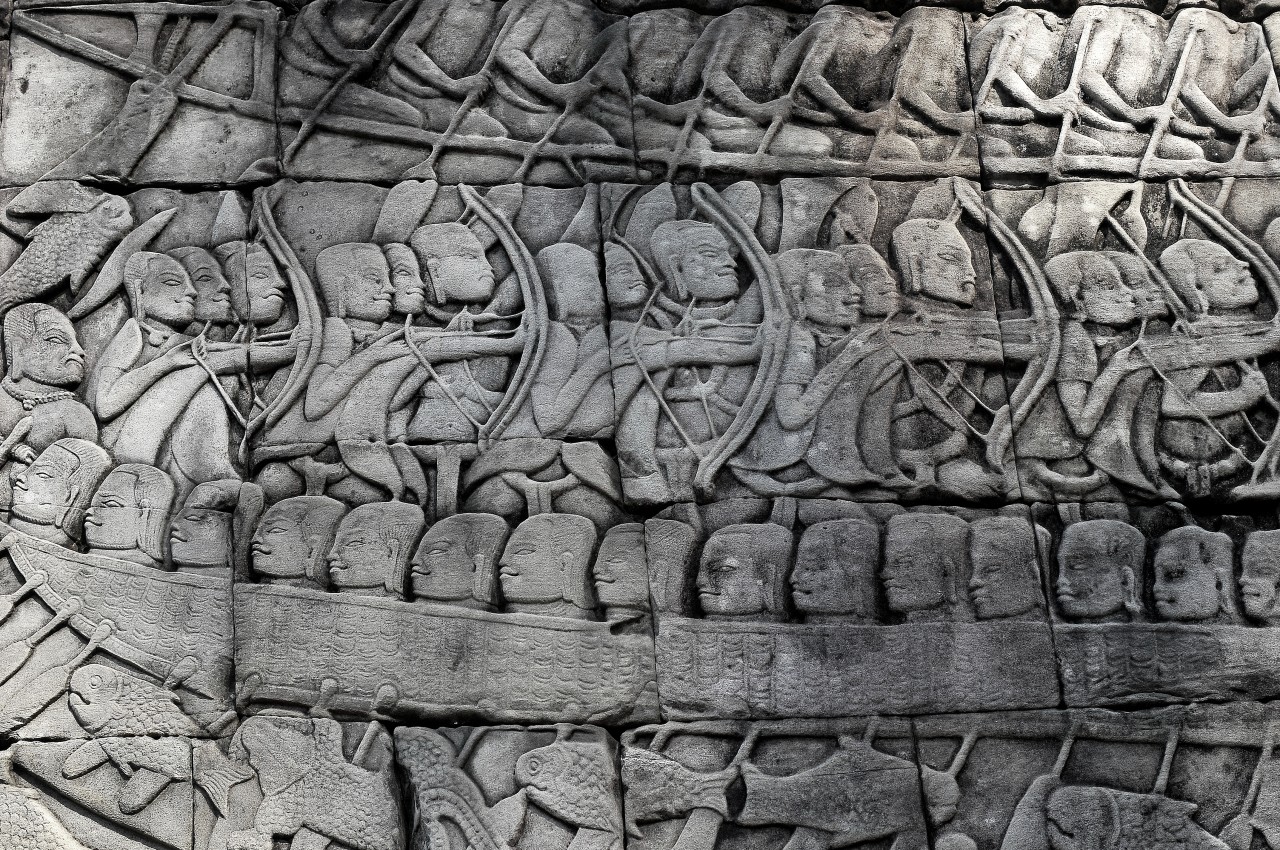
The Khmer Empire, builders of Angkor Wat and other grand temples, thrived from the 9th to 15th centuries CE. At its peak, it showcased advanced hydraulic systems and monumental architecture. Many cities were gradually abandoned, likely due to climate change, water management failures, and regional conflicts. The overgrown ruins of Angkor today provide a testament to their ingenuity and resilience while leaving mysteries about why such an influential empire slowly faded from its former prominence.
9. The Easter Island Civilization (Rapa Nui)

The Rapa Nui people of Easter Island built the famous moai statues and thrived in isolation. By the 17th century, much of the population had declined dramatically. Deforestation, overuse of resources, and contact with Europeans likely contributed. The once-thriving society became dramatically reduced, leaving massive statues as haunting reminders. Their collapse illustrates the delicate balance between humans and their environment and serves as a cautionary tale about the consequences of ecological mismanagement in isolated societies.
10. The Sumerians
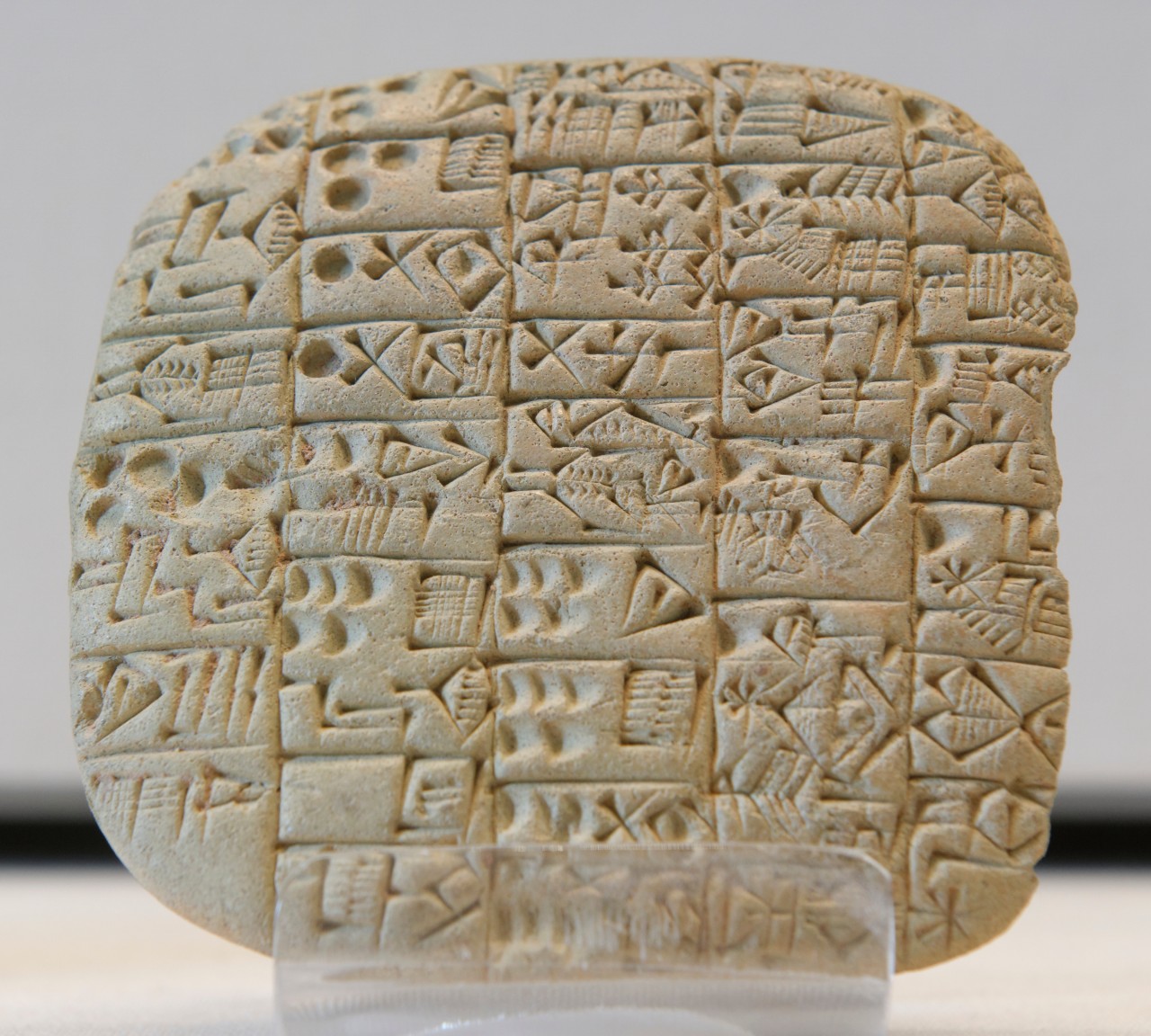
The Sumerians, emerging around 4500 BCE in Mesopotamia, pioneered cities, writing, and governance. By 2000 BCE, invasions, environmental challenges, and shifting river patterns contributed to their decline. Despite vanishing from history, their inventions, including cuneiform, irrigation, and codified law, profoundly influenced subsequent civilizations. The disappearance of Sumerian political structures highlights that societies may fade even as their cultural and technological contributions echo through the ages.