
For many Baby Boomers, baseball loyalty was formed early and never wavered. Teams were tied to family rituals, radio broadcasts, summer evenings, and shared generational memory. Loyalty was not transactional or performance based. It was emotional, inherited, and permanent. Even as players changed and stadiums modernized, allegiance remained fixed. These teams represent more than wins and losses. They symbolize eras when baseball felt slower, more personal, and deeply woven into American daily life. That bond still shapes how many Boomers experience the sport today.
New York Yankees
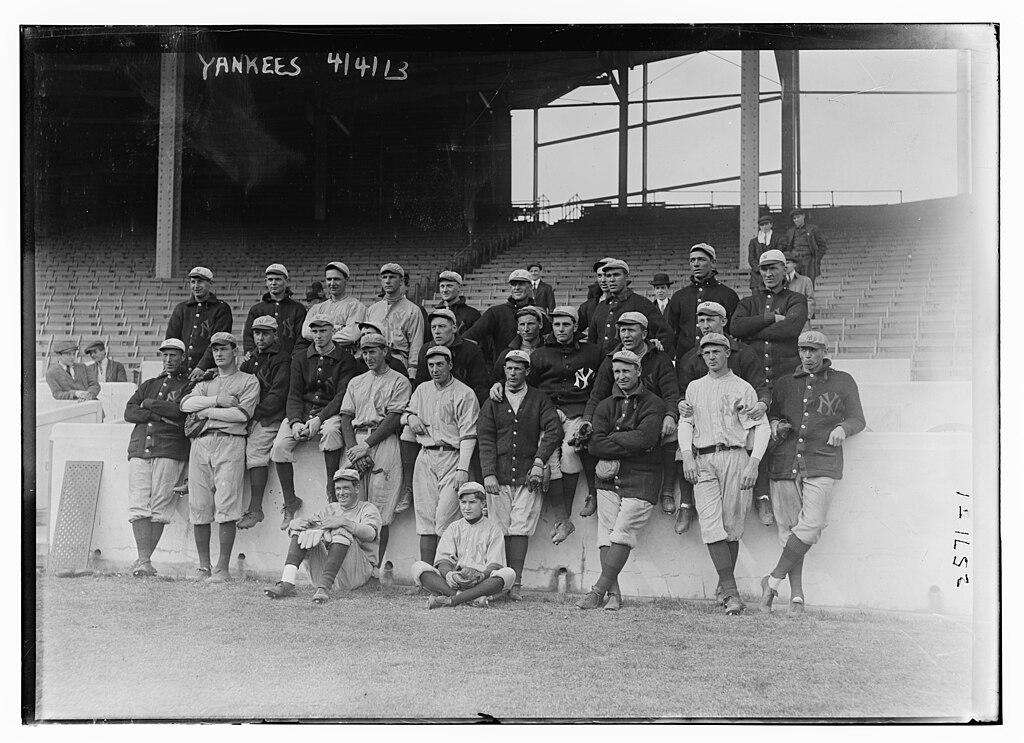
For Boomers, the Yankees represented dominance, tradition, and expectation. Many grew up watching dynasties built around legendary names that felt larger than the sport itself. Championships were frequent, and success was assumed rather than hoped for. Loyalty was reinforced by family viewing habits and national broadcasts. Even during leaner years, allegiance remained unshaken. The Yankees became part of personal identity for many Boomers, symbolizing stability and excellence in a rapidly changing America.
St. Louis Cardinals
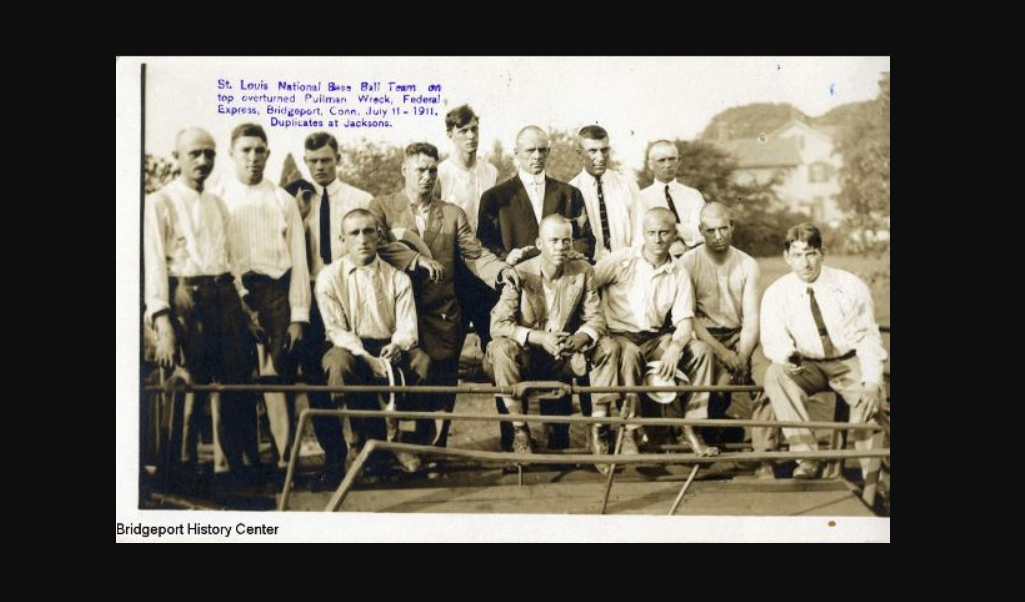
The Cardinals earned deep loyalty among Boomers through consistency and community connection. For generations, the team was heard on radio long before it was seen on television. Voices traveled across the Midwest, turning games into shared regional experiences. The Cardinals represented discipline, fundamentals, and continuity. Boomers remain loyal because the team reflected values they grew up respecting. Win or lose, the Cardinals felt like a constant presence tied to family and place.
Los Angeles Dodgers
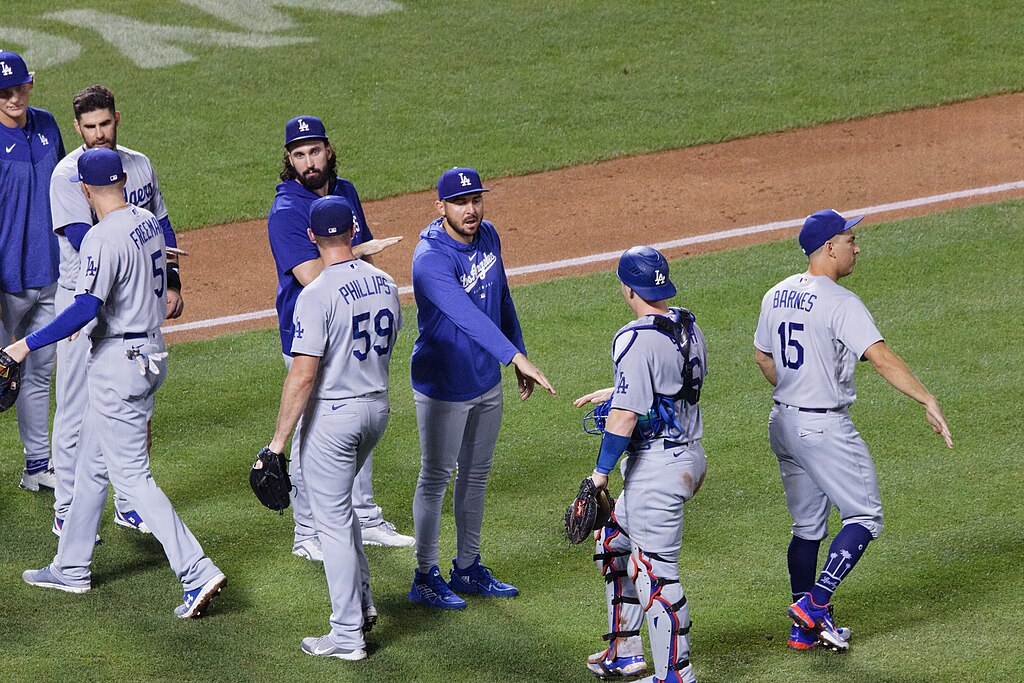
Boomer loyalty to the Dodgers was shaped by transition and history. For some, it began in Brooklyn before moving west. That relocation created emotional scars but also enduring connection. The Dodgers symbolized both loss and resilience. Boomers followed the team across coasts, carrying loyalty with them. Legendary players and iconic moments reinforced attachment. The Dodgers became proof that allegiance could survive change, making the bond even stronger over time.
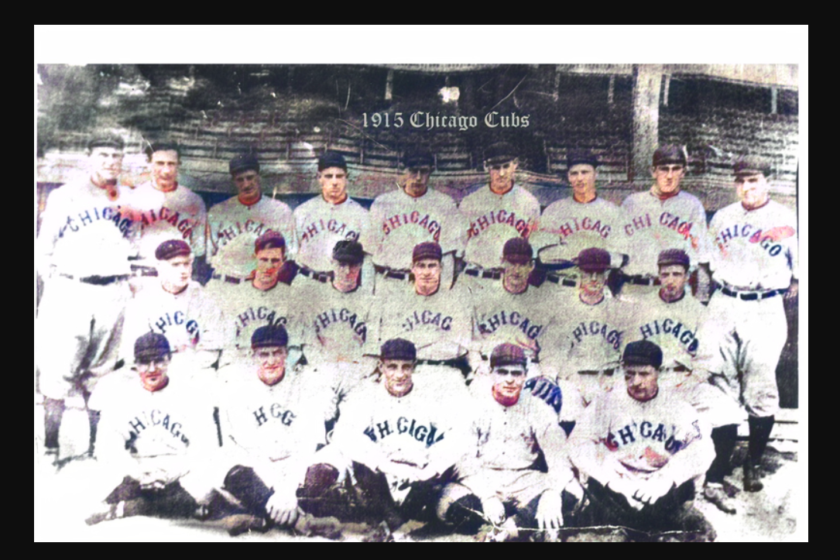
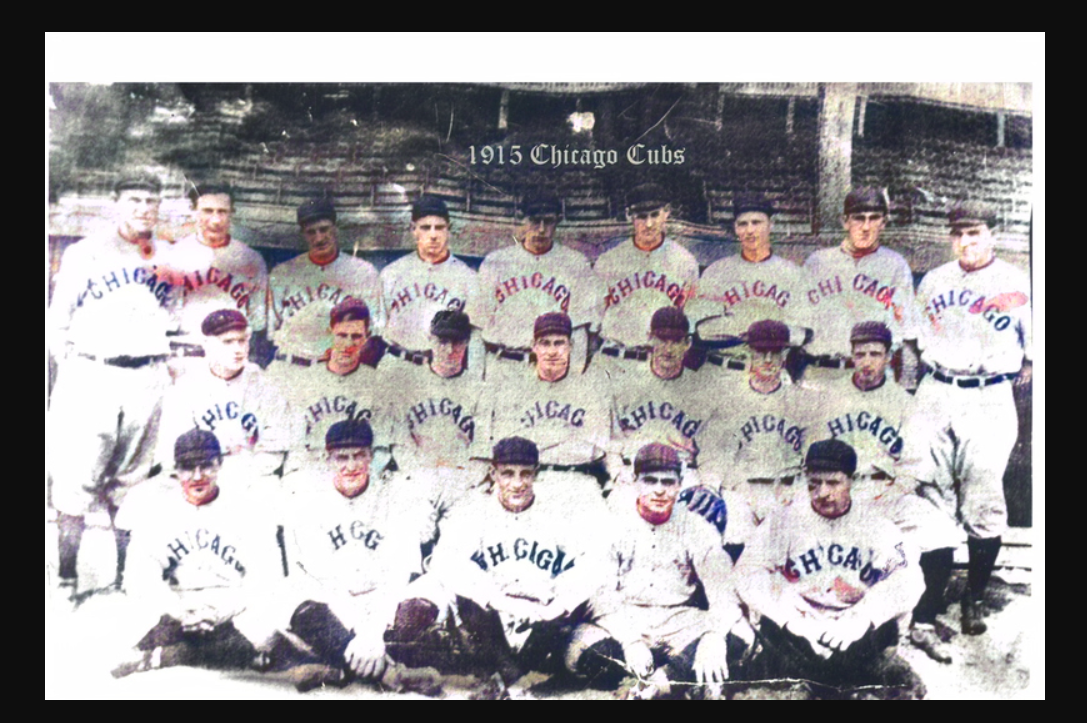
Chicago Cubs
Cubs loyalty among Boomers was built on patience and identity rather than success. Generations supported the team despite long championship droughts. Day games, ivy covered walls, and summer routines created emotional attachment. Being a Cubs fan became part of who you were, not something you chose casually. When success finally came, it validated decades of loyalty. Boomers remain devoted because endurance itself became the reward.
Boston Red Sox
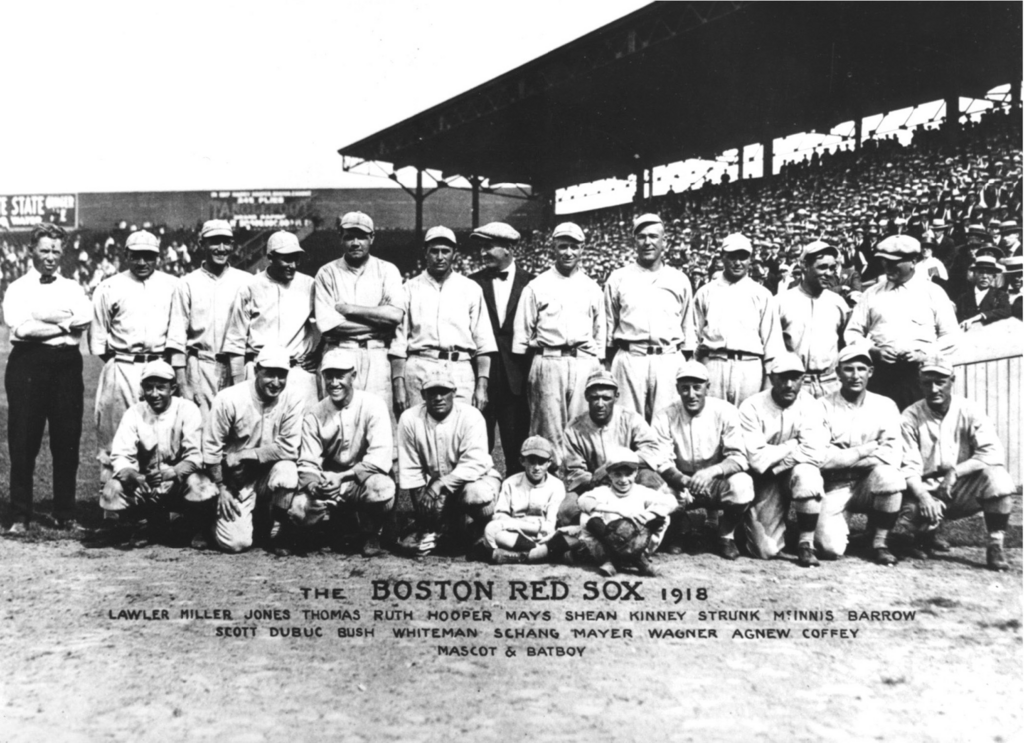
Boomers who grew up with the Red Sox experienced loyalty shaped by heartbreak and hope. Decades of near misses forged a deep emotional bond. Fenway Park, radio voices, and family traditions reinforced attachment. Supporting the Red Sox meant embracing frustration as part of identity. When championships finally arrived, they felt earned rather than expected. That long journey solidified loyalty that remains fierce regardless of current standings.
San Francisco Giants
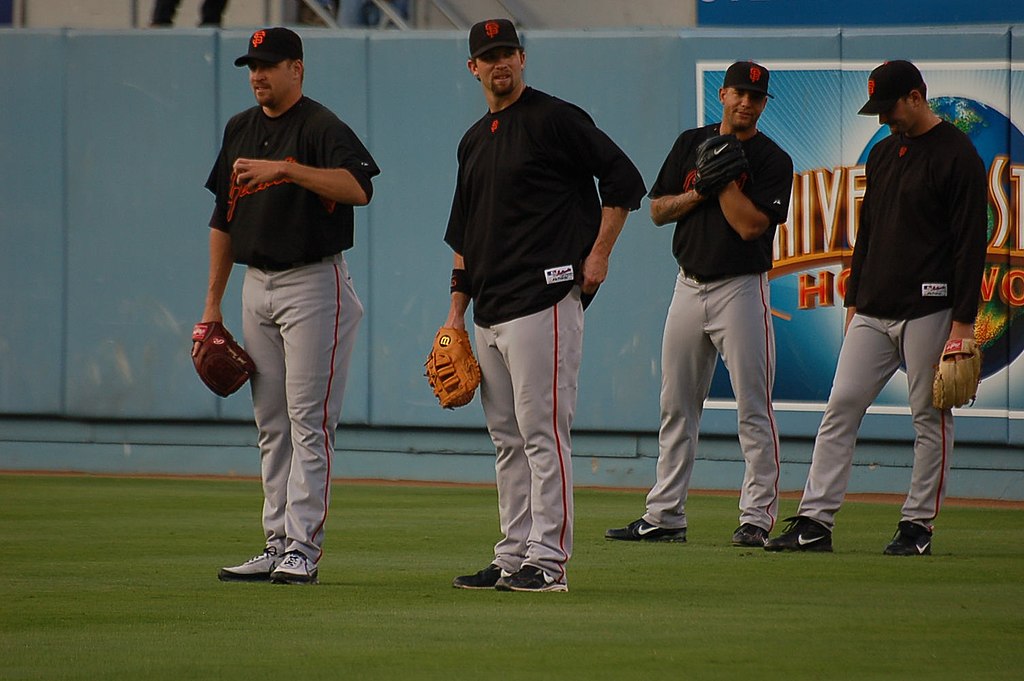
For many Boomers, loyalty to the Giants was shaped by family routines and West Coast identity. Games were woven into evenings through radio and television, creating steady companionship. The Giants represented grit, pitching excellence, and a sense of regional pride. Even during rebuilding years, fans stayed attached. The team felt rooted in community rather than spectacle. That emotional consistency keeps Boomer loyalty strong, as supporting the Giants became a lifelong habit rather than a response to winning seasons.
Detroit Tigers
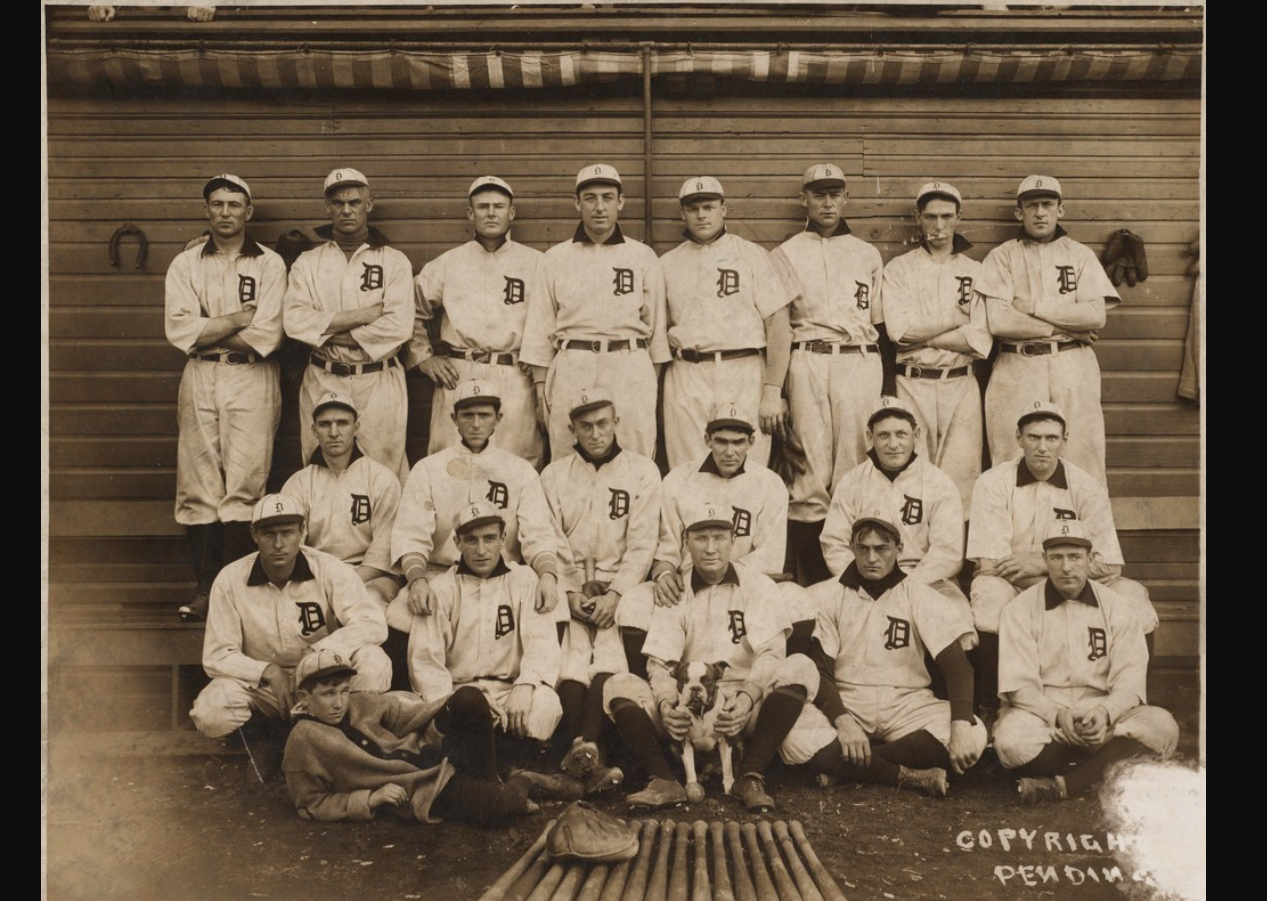
Boomer devotion to the Tigers grew during eras when baseball mirrored blue collar resilience. The team symbolized toughness, loyalty, and perseverance through economic shifts. Families bonded over games during long summers, passing allegiance down naturally. Championships mattered, but identity mattered more. Supporting the Tigers felt like supporting the city itself. Boomers remain loyal because the team represents endurance and shared memory rather than constant success.
Pittsburgh Pirates
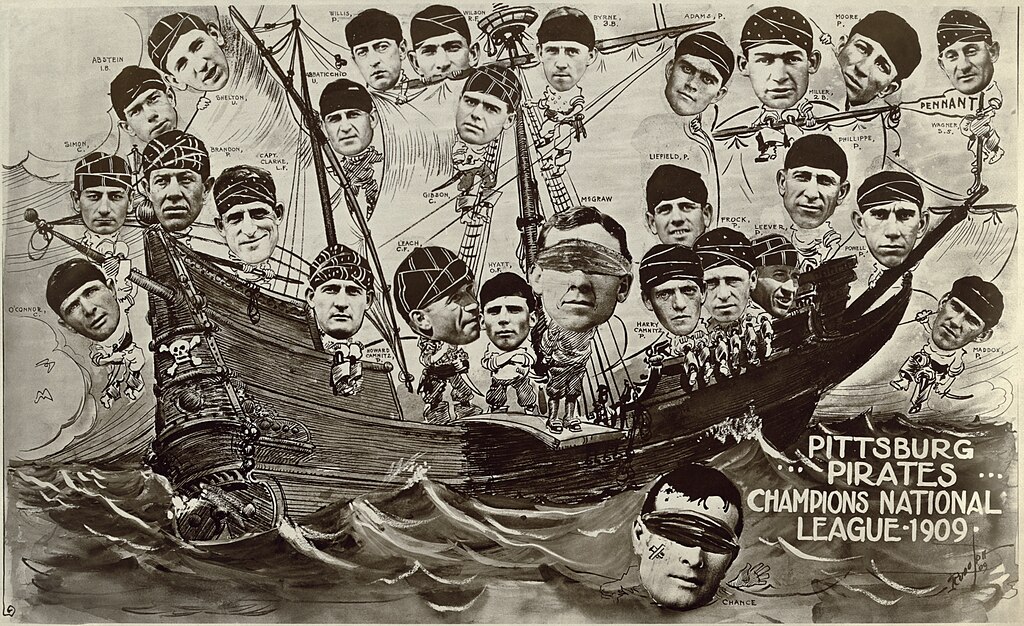
For Boomers, the Pirates were tied to moments of brilliance that defined childhood memories. Legendary teams created emotional highs that lingered long after. Even as success faded, loyalty endured. Supporting the Pirates became about remembering what once was rather than expecting what might be. The bond is nostalgic and deeply personal. Boomers remain attached because the team carries echoes of joy from formative years.
Cincinnati Reds
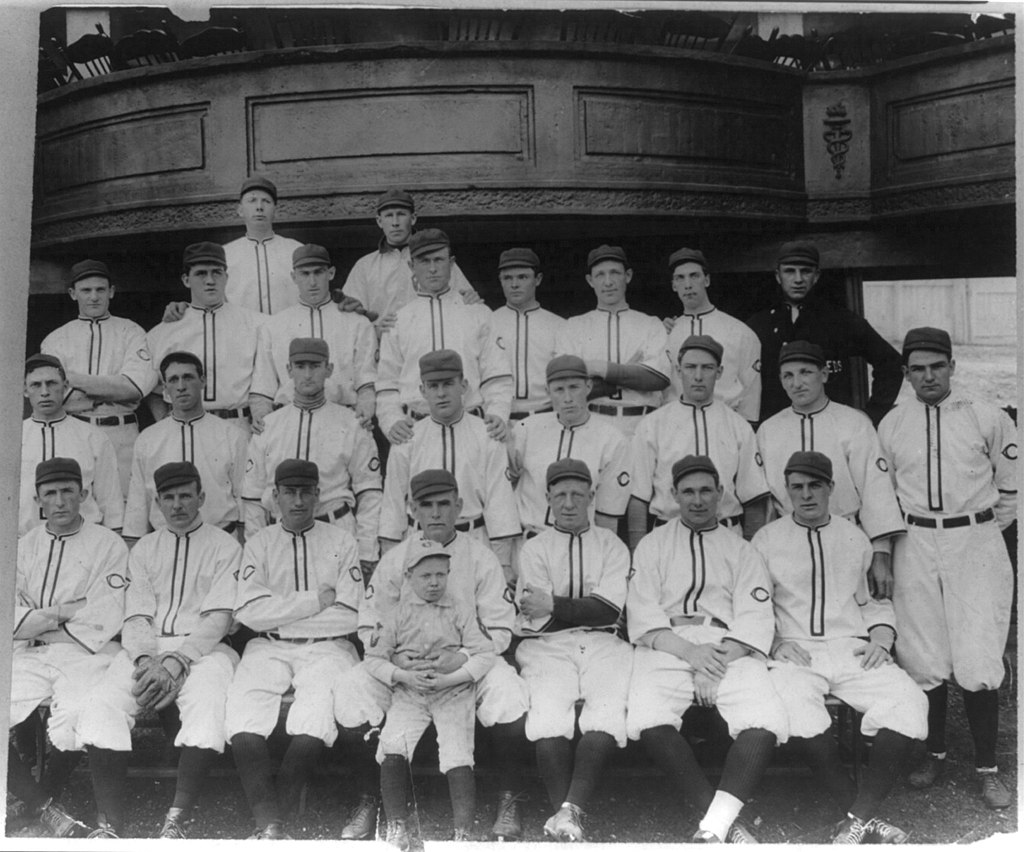
The Reds earned Boomer loyalty through eras of dominance and personality. Powerful teams captured imagination and created pride that lasted decades. Families gathered around broadcasts, forming shared memories tied to winning baseball. Even when performance declined, allegiance stayed firm. Boomers remain loyal because the Reds represent a time when baseball felt central to family life and national culture.
Oakland Athletics
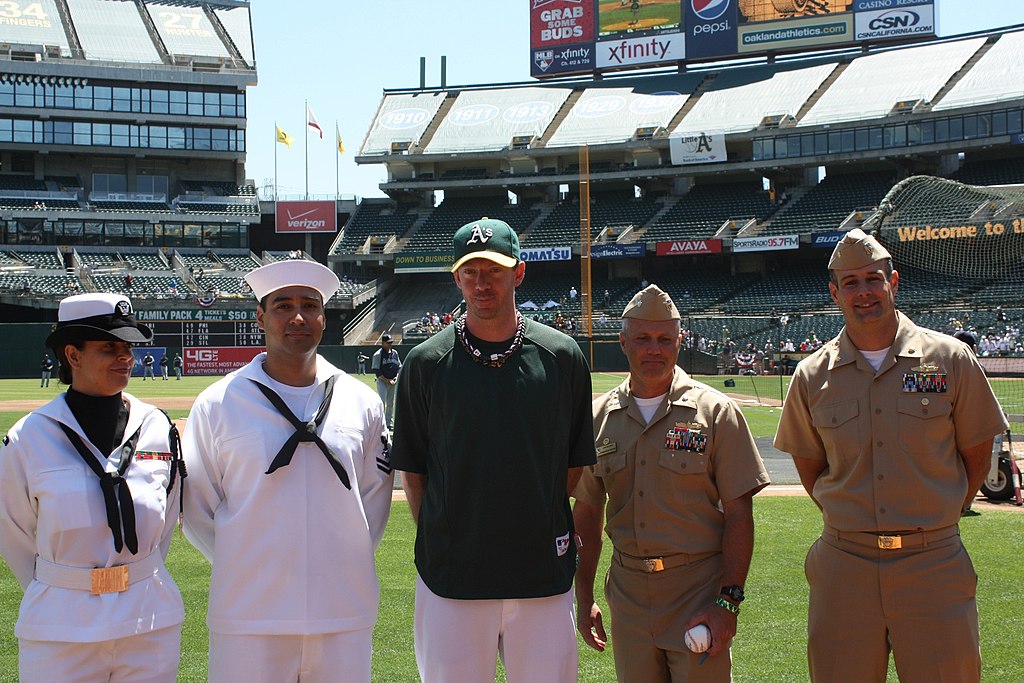
Boomers loyal to the Athletics connected with the team’s underdog spirit. Innovative strategies and colorful personalities defined memorable eras. Supporting the A’s felt rebellious and independent. Loyalty persisted through relocations, uncertainty, and rebuilding. For Boomers, the team symbolized creativity and defiance. That identity continues to resonate, keeping allegiance alive despite change.
Boomer loyalty to baseball teams reflects a deeper relationship with time, memory, and identity. These teams were present during childhood, family rituals, and defining cultural moments. Loyalty formed when fandom was inherited, not chosen. Even as the sport evolves, those bonds remain. For Boomers, baseball allegiance is not about current standings. It is about continuity, belonging, and holding onto something familiar in a changing world.