
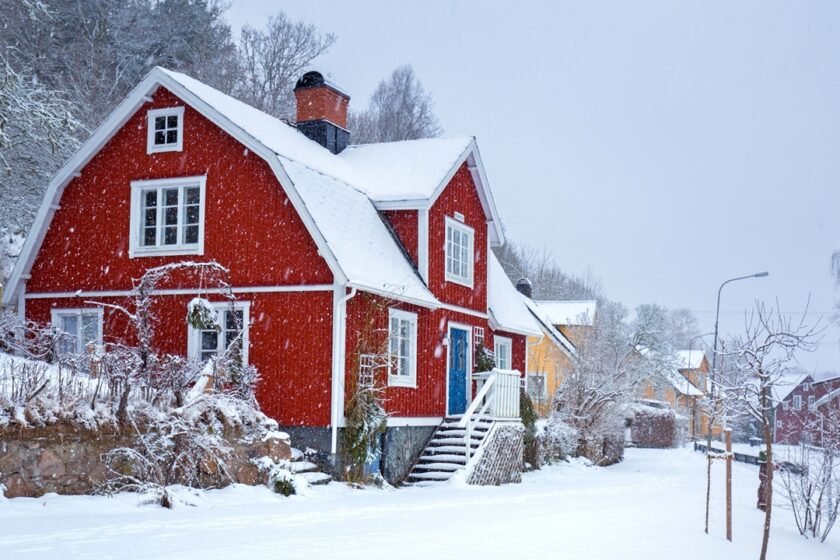
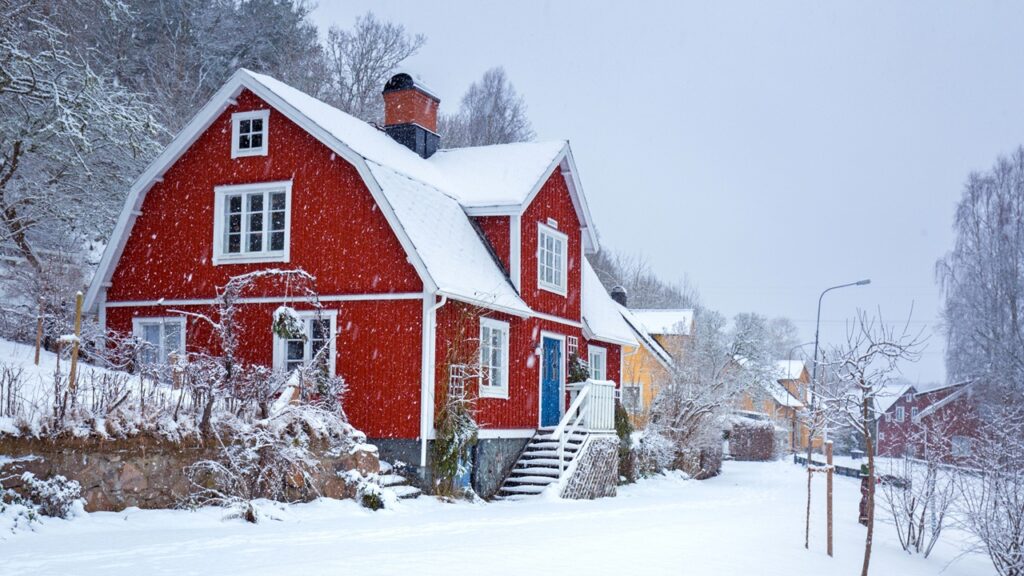
Building homes in cold regions requires thoughtful planning to ensure warmth, durability, and energy efficiency. From insulation techniques to material choices, every detail matters when facing harsh winters and freezing temperatures. Architects with experience in cold climates emphasize strategic design elements that maximize heat retention and minimize energy costs. Discover the 10 best practices recommended by experts to create comfortable, resilient homes that stand strong against the coldest weather.
Steep Gable Roofs
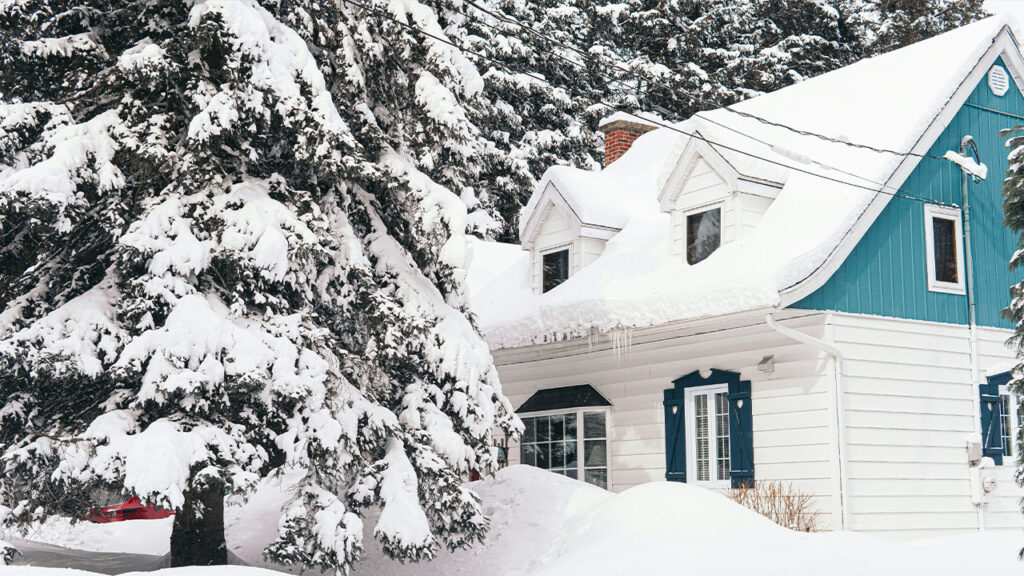
Steep gable roofs are a staple in cold-climate architecture due to their efficient snow-shedding design. The sharp angle allows snow to slide off easily, preventing heavy accumulation that could damage the roof or cause leaks. This feature reduces the risk of ice dams, which can lead to water infiltration. Additionally, the steep pitch enhances durability by minimizing snow load stress, making it an essential design choice for homes in snowy regions.
Triple-Glazed Windows
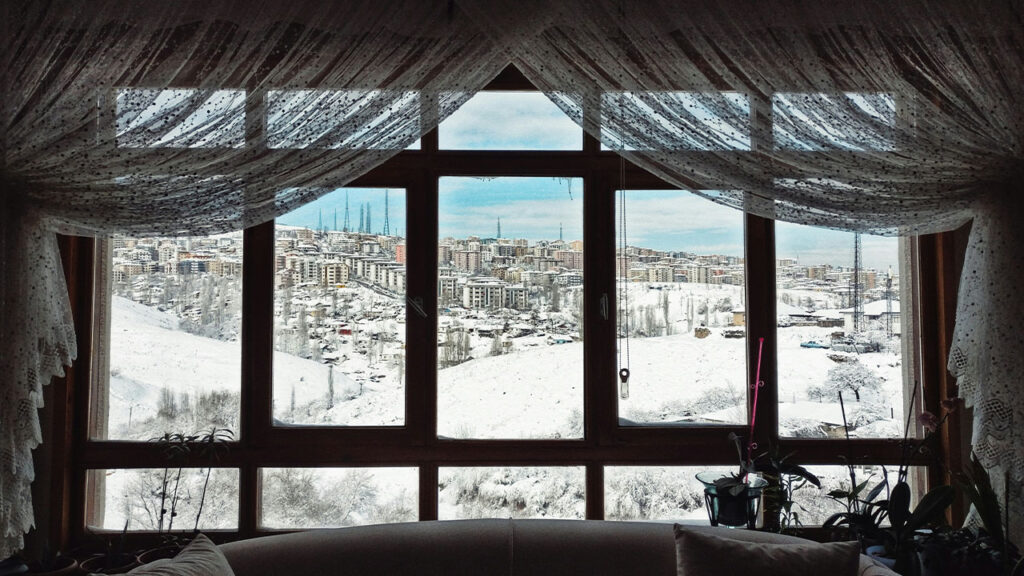
Triple-glazed windows are designed to provide superior insulation, keeping the cold air out and the warmth in. Featuring three panes of glass with insulating gas layers in between, they significantly reduce heat loss compared to traditional windows. This energy-efficient design minimizes drafts and condensation, ensuring a comfortable indoor environment even during extreme cold. Triple-glazed windows are a smart investment for maintaining warmth and reducing heating costs in cold regions.
Covered Entryways
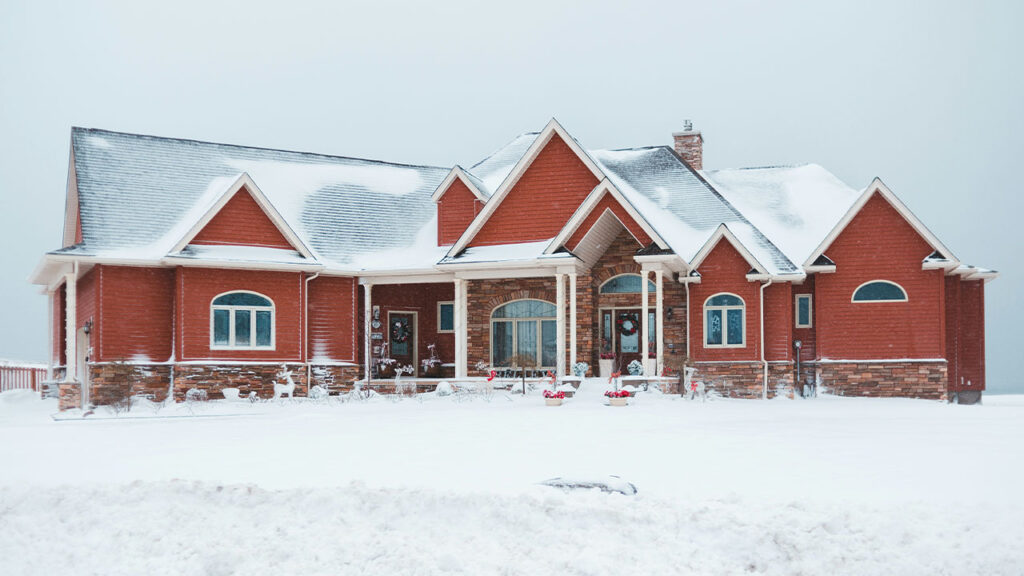
Covered entryways are essential for protecting the home’s main access points from harsh winter elements. By shielding doors from snow and wind, they prevent icy build-up and reduce heat loss when entering or leaving the house. These entryways also enhance safety by minimizing slippery surfaces. Architecturally, they add a welcoming touch while ensuring functionality in snowy climates, making them a practical and aesthetically pleasing design choice.
Deep Roof Overhangs
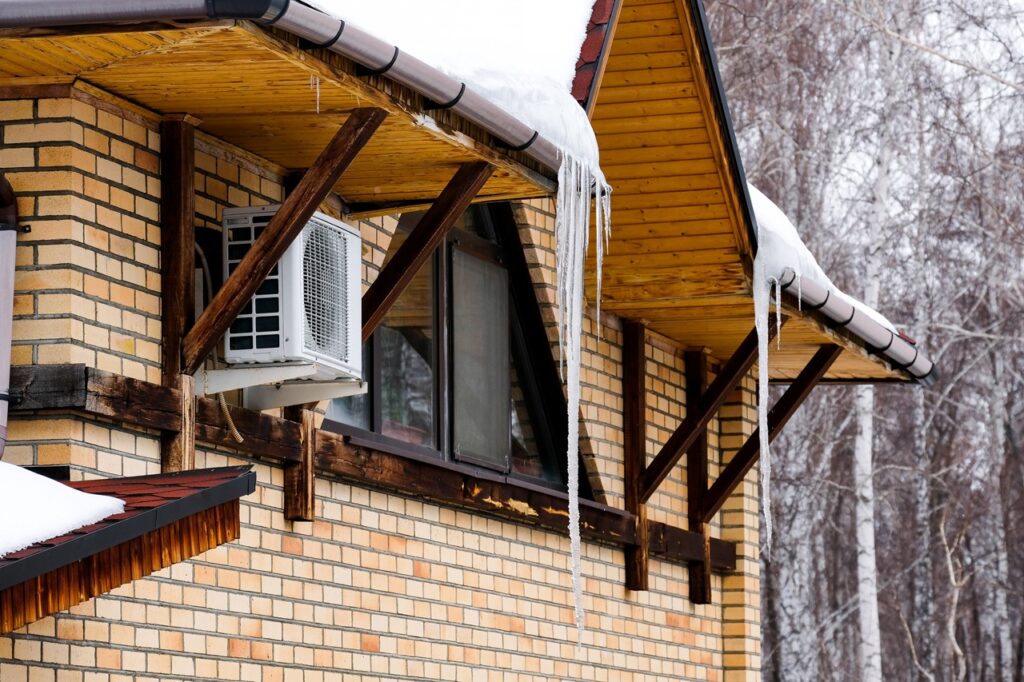
Deep roof overhangs are designed to manage snow and ice buildup, directing precipitation away from the house’s foundation and walkways. By extending the roofline, they prevent icicles and snow slides from falling near entrances, enhancing safety. Additionally, they protect windows and siding from moisture damage while providing shade in summer months. This architectural feature balances form and function, making it ideal for homes in regions with heavy snowfall.
Enclosed Mudrooms
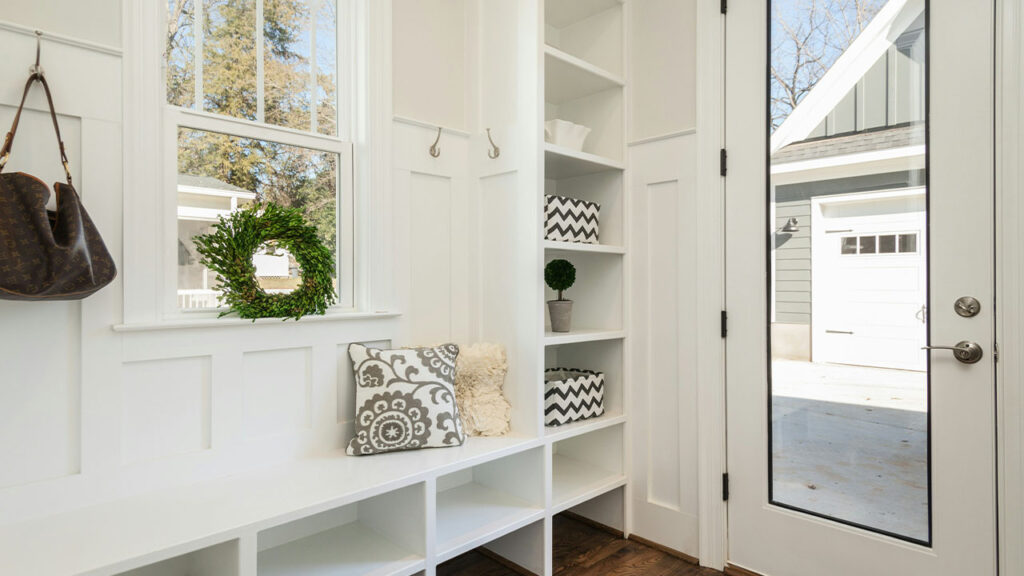
Enclosed mudrooms act as a buffer zone between the cold outdoors and the warm indoors, reducing heat loss when entering or leaving the house. These transitional spaces prevent cold drafts from sweeping into the living area, maintaining indoor temperature and energy efficiency. Additionally, they provide a practical spot for storing winter gear, keeping snow and mud contained. Enclosed mudrooms are a functional, energy-saving addition for homes in cold climates.
South-Facing Windows
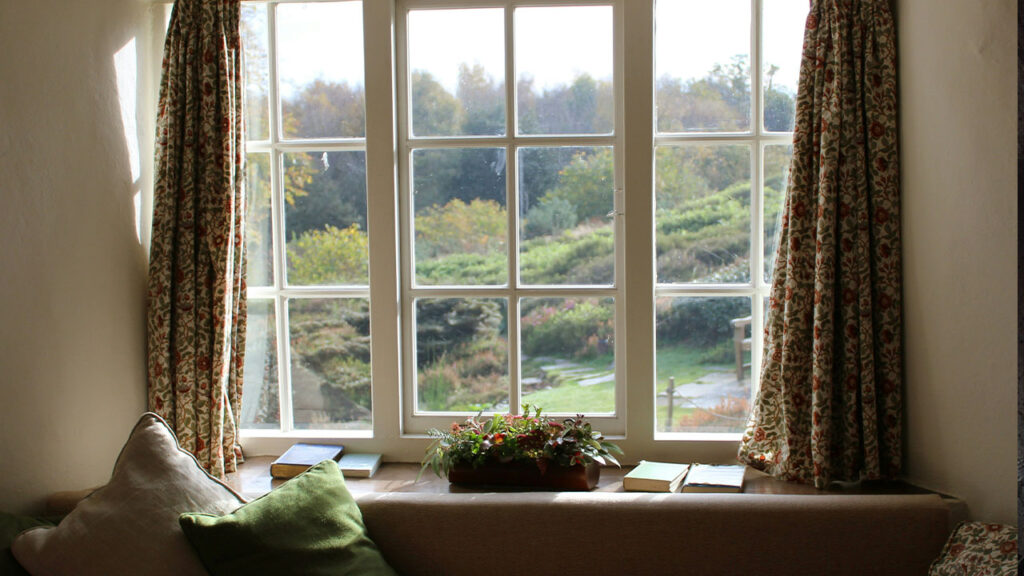
South-facing windows maximize passive solar gain by capturing the sun’s natural heat during the day. In cold climates, this architectural feature efficiently warms living spaces without relying on active heating systems. Properly sized and strategically placed, these windows enhance natural light while minimizing heat loss. Paired with insulating curtains or shades at night, south-facing windows provide a sustainable way to reduce heating costs and maintain a cozy indoor environment.
Double-Wall Construction
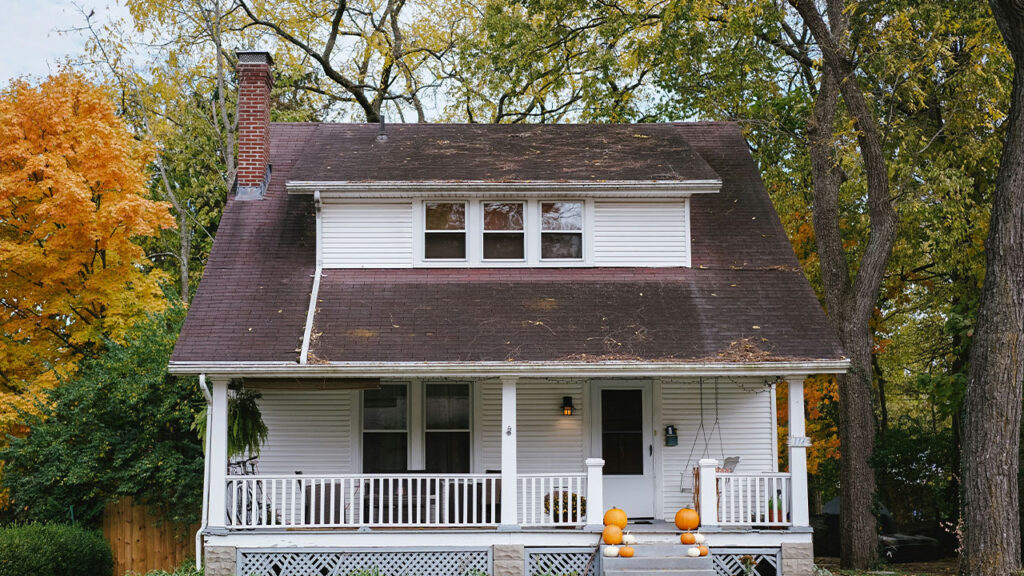
Double-wall construction offers superior insulation by creating a thick barrier between indoor and outdoor temperatures. This technique involves building two separate wall frames with an insulating space in between, significantly reducing heat loss and improving energy efficiency. It also minimizes cold spots and drafts, ensuring consistent warmth throughout the home. Ideal for extreme cold regions, double-wall construction enhances durability and comfort while lowering heating expenses.
Foundation Insulation
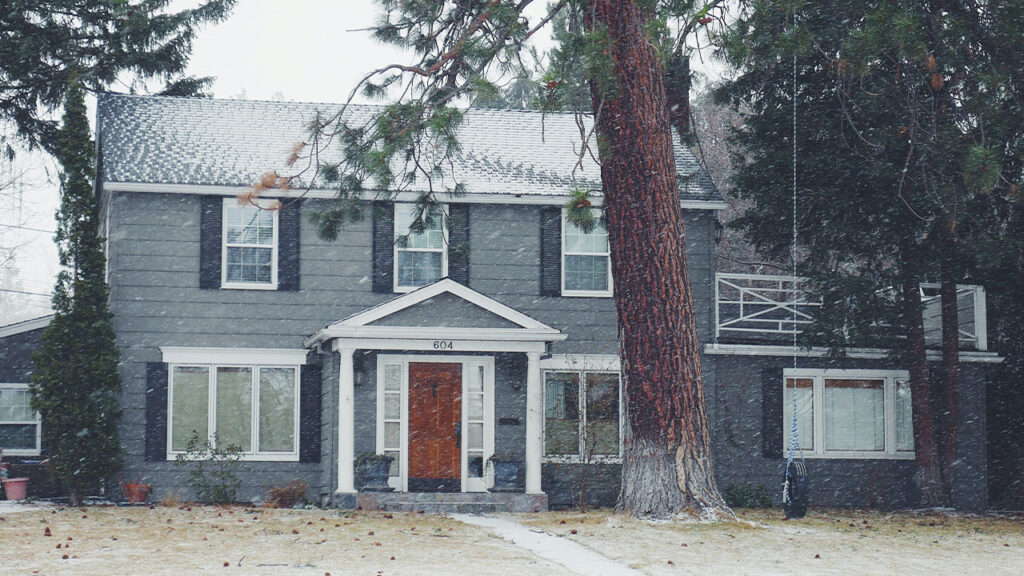
Foundation insulation is crucial for protecting homes from ground frost and preventing heat loss through the base. In cold climates, insulating the foundation keeps floors warmer and reduces the risk of structural damage caused by frost heave. It also enhances energy efficiency by maintaining a stable indoor temperature. This feature is especially effective in basements, where it helps create a more comfortable living space. Proper foundation insulation ensures longevity and energy savings.
Chimneys Designed for Efficient Heating
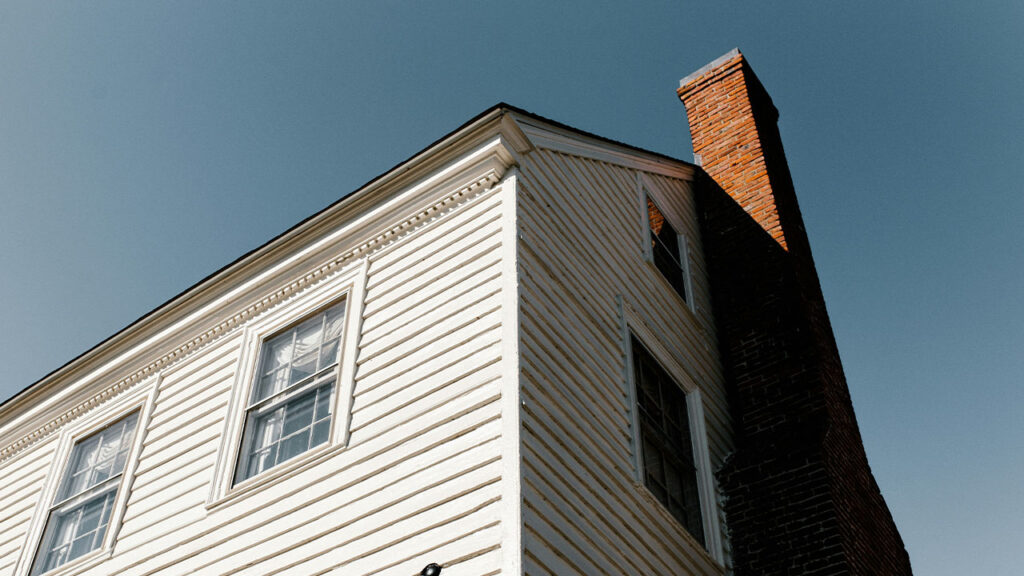
Chimneys designed for efficient heating enhance warmth while minimizing energy waste in cold climates. Modern chimney designs include insulated flues that maintain optimal heat transfer, preventing heat from escaping through the chimney walls. Additionally, airtight dampers help control airflow, improving heating efficiency. By maximizing heat retention and reducing drafts, well-designed chimneys contribute to a cozy, energy-efficient home environment during harsh winters.
Compact Building Shape
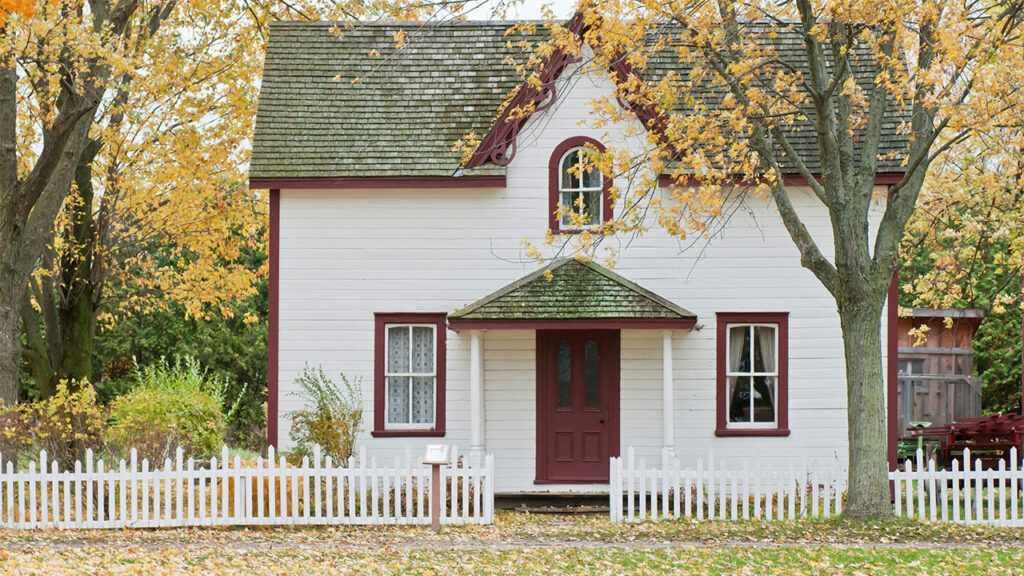
Compact building shapes are essential for maximizing heat retention in cold climates. By minimizing exterior surface area, they reduce heat loss and enhance energy efficiency. Designs with fewer corners and protrusions help maintain consistent indoor temperatures by reducing exposure to cold winds. This architectural strategy also improves structural durability and simplifies snow management. Compact homes are a practical, efficient choice for retaining warmth and lowering heating costs.