

From bouncing pickles to high-heeled restrictions, the United States is home to a surprising number of bizarre and outdated laws that still exist today. Some of these rules were created for practical reasons, such as ensuring safety or protecting property, while others emerged from unusual or whimsical circumstances. Examining these strange regulations offers a fascinating glimpse into the history, culture, and values of different states. They entertain, surprise, and reveal how legislation can preserve quirky stories from the past while shaping everyday life in unexpected ways.
1. Connecticut’s Bouncing Pickles Law

In Connecticut, a pickle is only officially considered a pickle if it can bounce. This unusual law originated in the early 20th century as a simple quality control measure. The idea was that a fresh, properly brined pickle would have enough firmness to bounce, serving as an easy test for merchants and consumers. While it may seem absurd today, it reflects a practical concern for food standards in a time before modern regulations and inspections. The law remains a quirky reminder of how creative and specific some state regulations once were.
2. Colorado’s Snowball Fight Ban
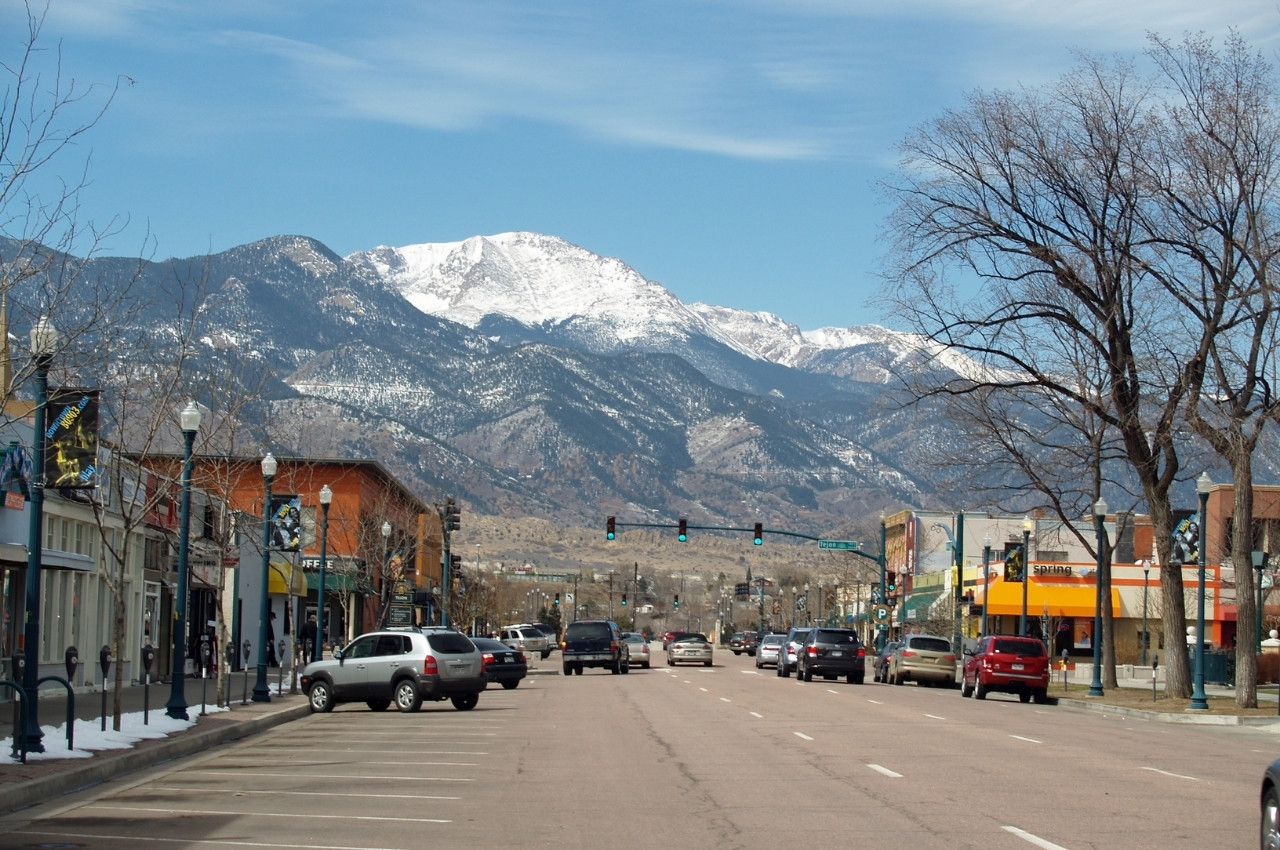
Certain towns in Colorado have laws that make snowball fights technically illegal. These rules were established to prevent injuries and property damage during the winter months, especially in areas where streets and public spaces were crowded. Although snowball fights seem harmless, accidents and disputes are taken seriously by local authorities. The law illustrates how communities historically sought to balance fun with public safety, showing that even recreational activities sometimes required legal oversight. Today, it stands as a curious relic of past concerns.
3. Georgia’s Chicken Crossing Rule

In Quitman, Georgia, it is illegal for chickens to cross the road. While this law sounds amusing, it was rooted in practical concerns about traffic safety and protecting livestock. Stray animals could cause accidents or disrupt daily life, prompting lawmakers to implement specific rules. Though rarely enforced now, it highlights how rural legislation often emerged from real-world problems, reflecting the importance of protecting both property and community order. It also provides a humorous glimpse into the unexpected ways law has intersected with everyday life.
4. Alabama’s Blindfolded Driving Ban
Alabama forbids driving while blindfolded, a law that seems obvious today but originally addressed the potential for reckless novelty stunts with vehicles. In the early days of automobiles, people sometimes engaged in daring or foolish behaviors that endangered themselves and others. By criminalizing blindfolded driving, lawmakers sought to prevent accidents before they occurred. This law illustrates the foresight in early traffic safety legislation, showing that seemingly absurd rules can have serious practical origins.
5. Alaska’s No Waking Bears Rule
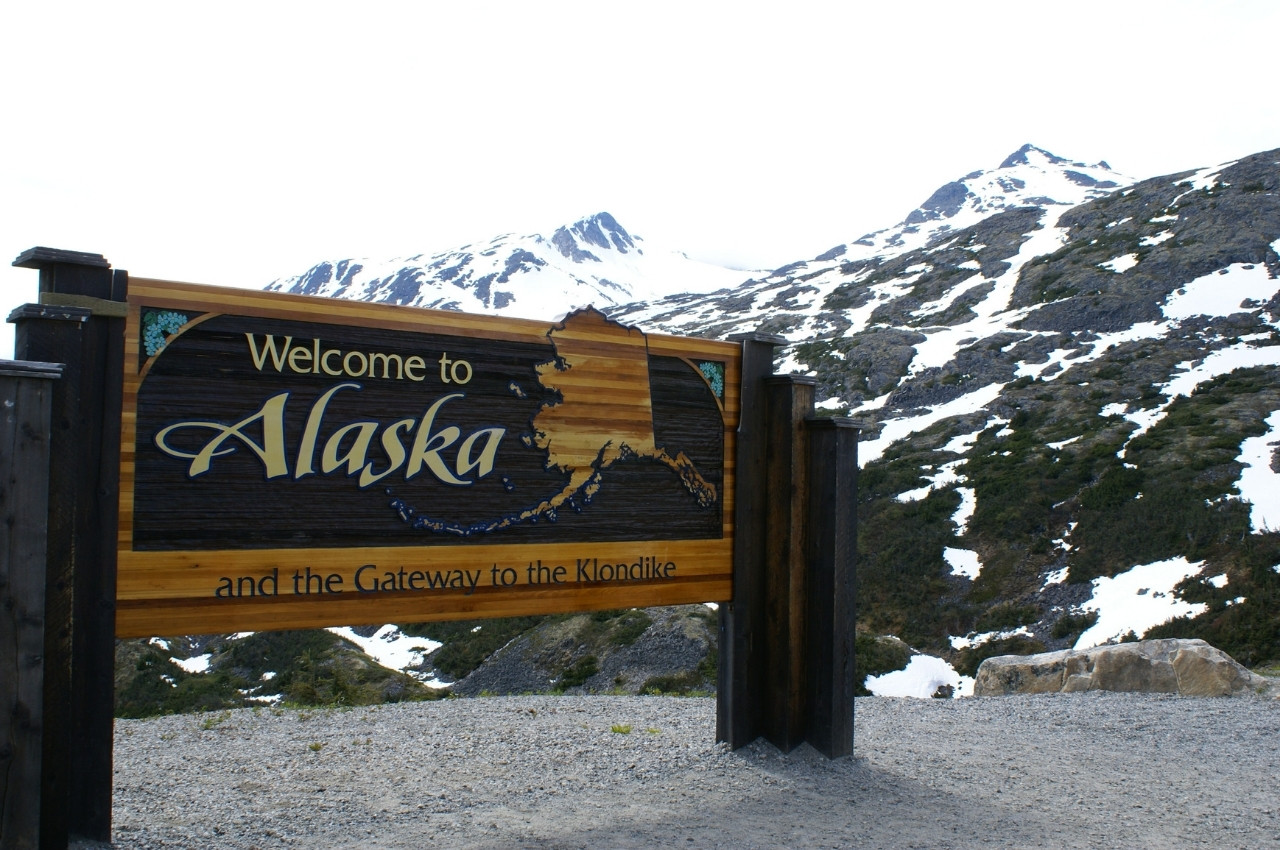
Alaska prohibits waking bears for photo opportunities, a law designed to protect both humans and wildlife. Bears are strong and unpredictable, and disturbing them can provoke aggressive behavior or harm delicate ecosystems. This regulation reflects Alaska’s unique challenges in balancing tourism, photography, and environmental protection. It serves as a reminder that interacting with wildlife carries responsibilities, and the law codifies respect for nature while emphasizing safety for both animals and people.
6. Arizona’s Donkeys Cannot Sleep in Bathtubs Law
Arizona passed a law forbidding donkeys from sleeping in bathtubs after a real incident in the 1920s. A donkey had sought refuge in a tub during a flood, which then floated away and caused significant property damage. The law was a practical response to an unusual problem, designed to prevent future incidents. It demonstrates how legislation can emerge from very specific, often bizarre circumstances, highlighting the creativity and adaptability of lawmakers addressing unusual situations in rural communities.
7. Carmel, California’s High Heel Restriction

In Carmel, California, wearing high heels over two inches without a wide base is prohibited, a regulation created to prevent injuries on uneven streets and sidewalks. This law represents a careful consideration of pedestrian safety while balancing personal expression. Although unusual, it demonstrates how municipal codes can address very specific hazards, showing the attention to detail and concern for public welfare that local governments have historically maintained in even the most everyday aspects of life.
8. Delaware’s Ban on Selling Dog or Cat Hair

Delaware law forbids the sale of dog or cat hair, a regulation originally designed to protect public health and prevent the sale of fraudulent or unsafe products. In earlier times, unregulated animal materials could carry hygiene risks or be misrepresented to consumers, making such a law practical and necessary. While it seems odd today, it reflects how lawmakers historically addressed public safety concerns with creative solutions. This law stands as a curious example of how legislation can appear whimsical over time while serving an important protective purpose.
9. Idaho’s Anti-Cannibalism Law
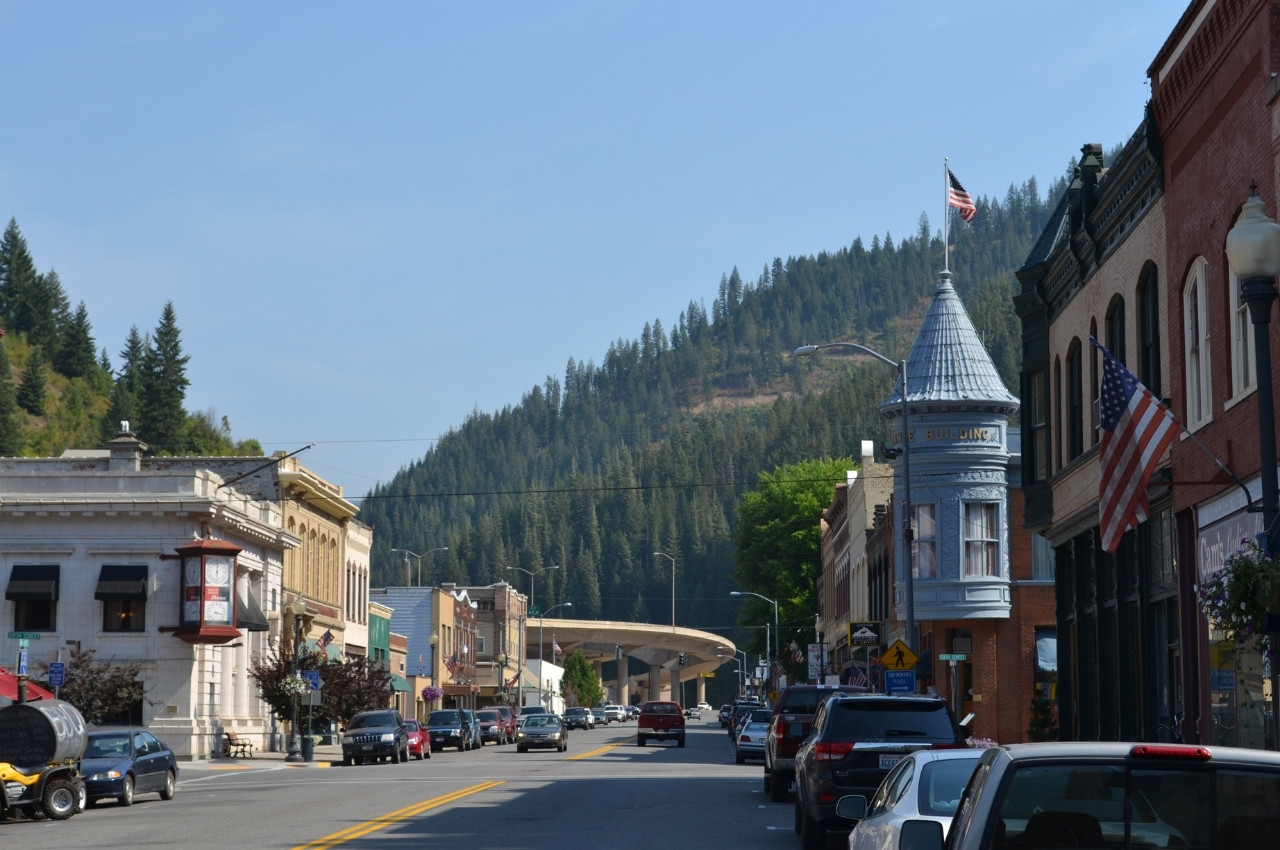
Idaho explicitly bans cannibalism, a law that may appear extreme but codifies basic moral and legal boundaries. While cases are virtually nonexistent, this statute establishes clear societal norms regarding human safety and decency. Laws like this serve both symbolic and practical purposes, ensuring that even highly unlikely scenarios are covered under legal protections. It demonstrates the foresight of lawmakers in defining unacceptable behavior and preserving ethical standards for the community.
10. Louisiana’s Unsolicited Pizza Law
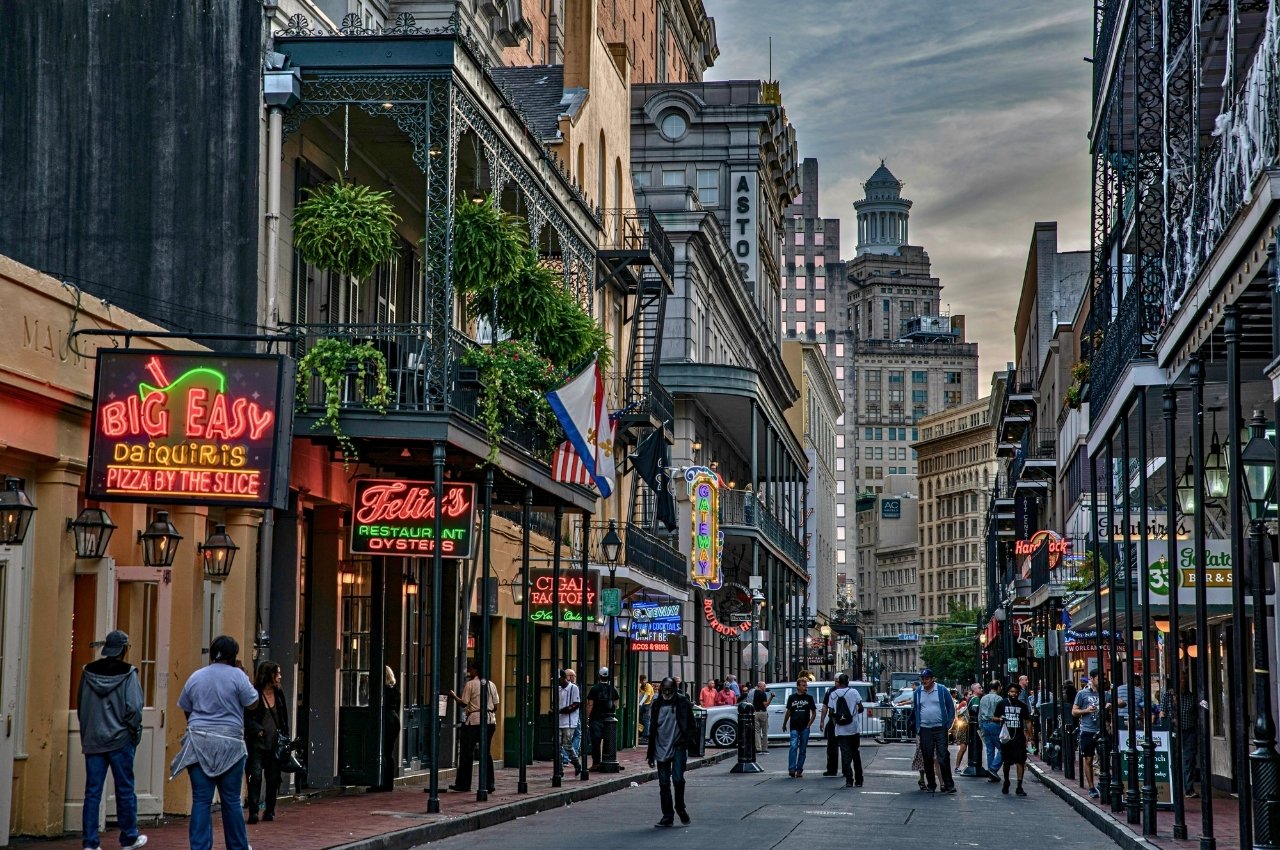
In Louisiana, it is illegal to send someone unsolicited pizza, a law designed to prevent harassment and nuisance behavior. Though it sounds humorous, the rule originally addressed concerns about property intrusion and unwanted solicitations. Even seemingly trivial activities can become subject to regulation when they disrupt public peace or create inconvenience. Rarely enforced today, the law provides a striking example of how creative lawmakers have historically responded to everyday challenges, turning even pizza delivery into a matter of legal concern.