

European rail passes aim to trim costs and streamline multi-country trips, yet several travelers stumble into avoidable errors. Misreading the pass terms, skipping seat reservations, or boarding non-covered trains can transform ease into hassle. Mapping itineraries, verifying restrictions, and understanding activation timelines are essential to extracting the pass’s full value. Those who overlook these steps tend to waste time and money, adding stress to their journey. Recognizing the most common pitfalls helps travelers move more smoothly, avoid unnecessary costs, and explore Europe efficiently, with less stress and better preparation.
1. Failing to Plan Routes Ahead of Time

Neglecting to map routes before departure can be expensive and aggravating. Passengers might select slower regional services, overlook ideal timetables, or spend hours sorting connections. Certain high-speed or cross-border routes demand seat reservations even when holding a pass. Proper planning helps you pick the quickest trains, guarantee seats, and streamline travel. Checking schedules and grasping connections boosts the pass’s value. Without advance route planning, travelers face higher costs, lost experiences, and inefficient journeys, diminishing the convenience the rail pass promises.
2. Activating the Rail Pass Too Late
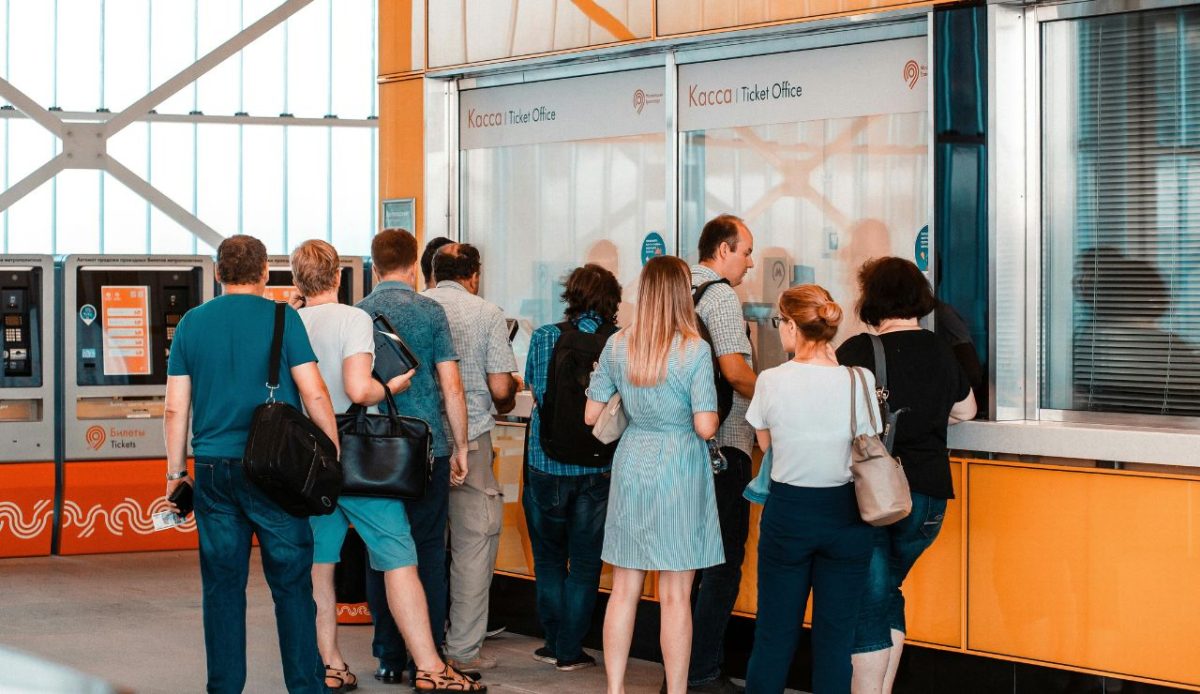
Setting up the rail pass on the incorrect date is a frequent mistake that lowers its value. Some travelers begin using it after reaching their destination, wasting valuable travel days. Others activate it too soon, forfeiting chances for long-haul journeys. Reviewing activation rules and scheduling the initial travel day with care maximizes usefulness. Precise timing prevents wasted days and confusion when boarding across several nations. Thoughtful activation planning is key for those aiming to traverse Europe efficiently. A single oversight can squander value and incur extra costs, defeating the pass’s purpose.
3. Ignoring Seat Reservations

Many travelers wrongly assume a pass covers every seat. Fast, international, and well-used routes commonly need individual reservations made ahead. Skipping this step can result in denied boarding or steep penalties. In-demand routes such as Paris to Barcelona or Rome to Florence often sell out, making early bookings crucial. Securing a reservation guarantees comfort, prevents standing on lengthy journeys, and lowers stress. Overlooking seat bookings undercuts the rail pass’s convenience, potentially turning a smooth trip into a stressful and expensive ordeal for unsuspecting travelers.
4. Using the Pass on Non-Covered Trains
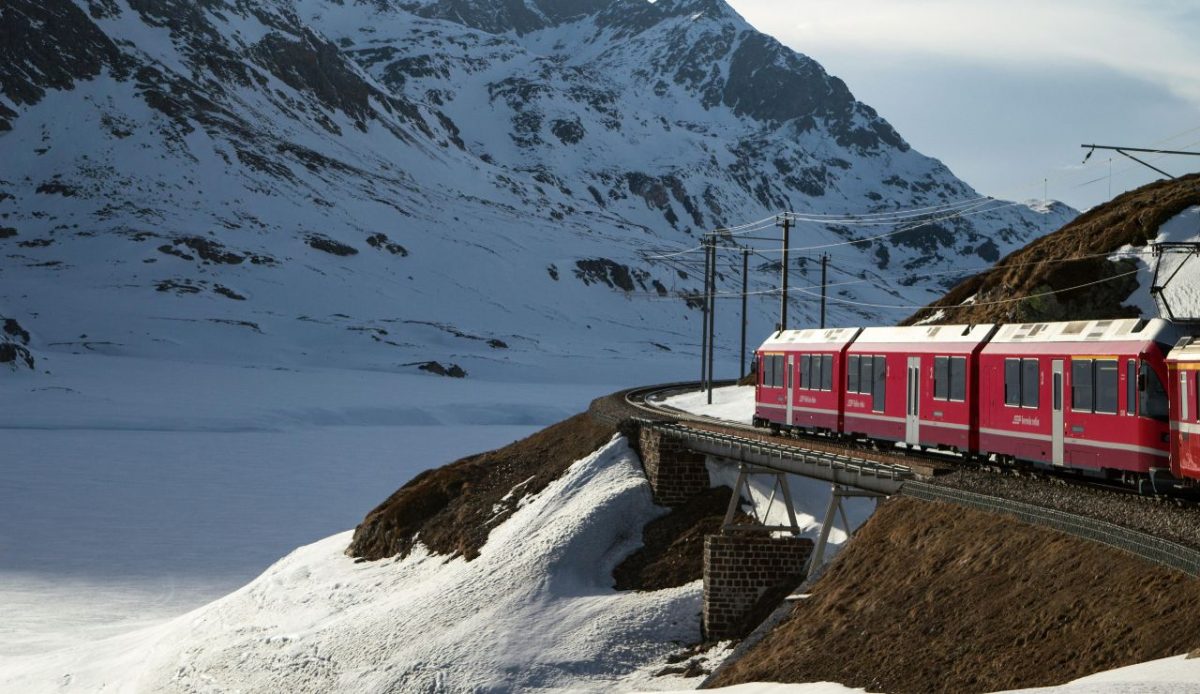
European rail passes don’t cover every train. Private operators, overnight services, and certain scenic or regional services frequently need additional tickets. Assuming universal coverage can lead to surprise charges at the station. Knowing which routes are included helps prevent unexpected expenses. Review every itinerary, particularly for cross-border trips. Being aware of exclusions supports efficient and affordable planning. By identifying which trains are included, travelers dodge frustration, save money, and maximize the rail pass, enabling seamless travel with no wasted time.
5. Forgetting to Validate Tickets

Neglecting to validate a rail pass or ticket before boarding is costly. Numerous European nations mandate a stamped or activated pass, with conductors enforcing it rigorously. Validation might involve a ticket office or a self-service machine, depending on the country. Without proper validation, travelers risk fines or denied boarding, complicating plans and increasing stress. Being aware of local rules for activation ensures seamless cross-border travel. By validating each pass correctly, travelers meet regulations, avoid penalties, and keep their European rail journey hassle-free.
6. Traveling During Peak Hours Without a Plan

European trains are often busy during rush hours, weekends, and holidays. Those who don’t plan for peak periods risk lengthy rides spent standing or encountering full trains. Awareness of peak times lets travelers shift departure times for greater comfort. Pairing seat reservations with off-peak travel reduces stress and amplifies the pass’s advantages. Failing to plan around busy windows can make trips uncomfortable and cut into sightseeing. Knowing schedules helps ensure smooth, efficient, and enjoyable journeys with fewer delays.
7. Misjudging Travel Distances

Many travelers underestimate the gaps between European destinations. Lengthy trips without solid planning can cut into sightseeing time, exhaust travelers, or necessitate pricey overnight stays. Verifying timetables establishes realistic timelines and helps set achievable plans. Aligning travel planning with efficient train choices prevents rushed experiences. Those who miscalculate distances risk missing key activities or incurring surprise costs. Knowing travel times helps maximize enjoyment at each stop while reducing fatigue. Accurate distance planning is central to balancing discovery with efficiency.
8. Not Considering Pass Flexibility Options

European rail passes come in various formats: continuous or flexible days. Picking the wrong one can mean missed chances or higher prices. Flexible passes fit non-consecutive travel, while continuous passes cover consecutive trips. Overlooking these choices can hamper efficiency or raise costs if travel days aren’t used optimally. Grasping pass flexibility ensures cost-effectiveness and the liberty to explore. Thoughtful selection aligned with the itinerary prevents unused days or extra charges, letting travelers enjoy Europe with greater comfort and ease.
9. Forgetting to Bring Identification

Many travelers overlook that European rail passes require valid ID, typically matching the name on the pass. Without identification, passengers can incur fines, be denied boarding, or encounter delays. Always bring passports or government-issued IDs while on the move. Conductors frequently verify IDs, and proper documentation ensures regulatory compliance. Forgetting this simple but critical item can derail plans and cause costly issues. Keeping ID on you at all times ensures smooth travel, easy boarding, and peace of mind across the journey.
10. Overestimating the Pass’s Cost Savings

Not every itinerary gains from a rail pass. Those who make only a few trips or rely on inexpensive regional trains may end up paying more than buying individual tickets. Weighing total ticket costs against the pass price is crucial. Knowing when the pass genuinely cuts costs prevents squandered investments. Investigating travel plans, train varieties, and route options boosts efficiency and value. A rail pass suits long, multi-country journeys, but poor calculations can lead to overspending. Thoughtful planning helps travelers maximize savings while enjoying Europe’s vast rail network without wasteful spending.