
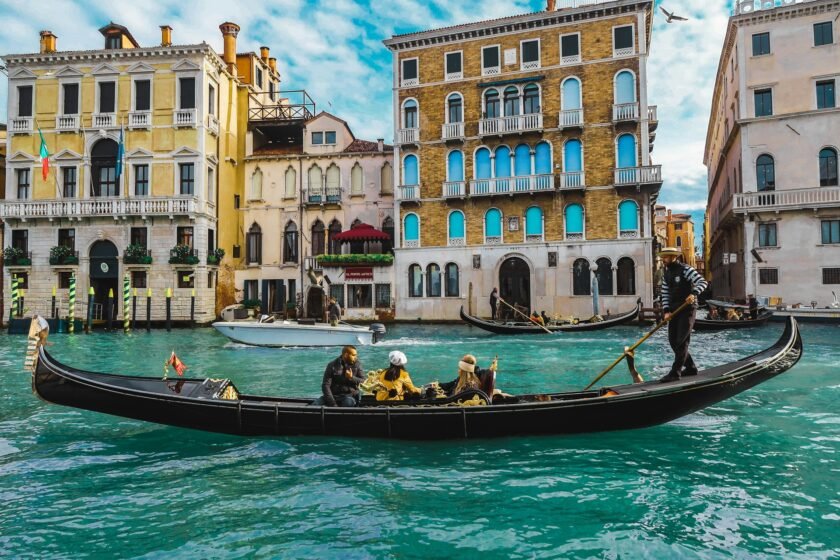
Across iconic destinations such as Venice, Bhutan, Fernando de Noronha, and Cinque Terre, a simple daily fee can slow crowds while funding essential care where it matters most.
In some places visitors are welcomed at the gates and asked to contribute daily. Sometimes a city hopes to soften day-tripper surges; other times a protected landscape funds rangers and trail upkeep. The fee may seem modest beside flights and lodgings, yet it reshapes the day: timed entries, clearer budgets, and fewer impulsive detours. What looks like a straightforward ticket often carries a broader narrative about preservation, crowd management, and local dignity. When the system works, it yields cleaner paths, calmer plazas, and fewer worn corners. Each daily charge acts as both a filter and a pledge to keep beauty standing.
Venice, Italy
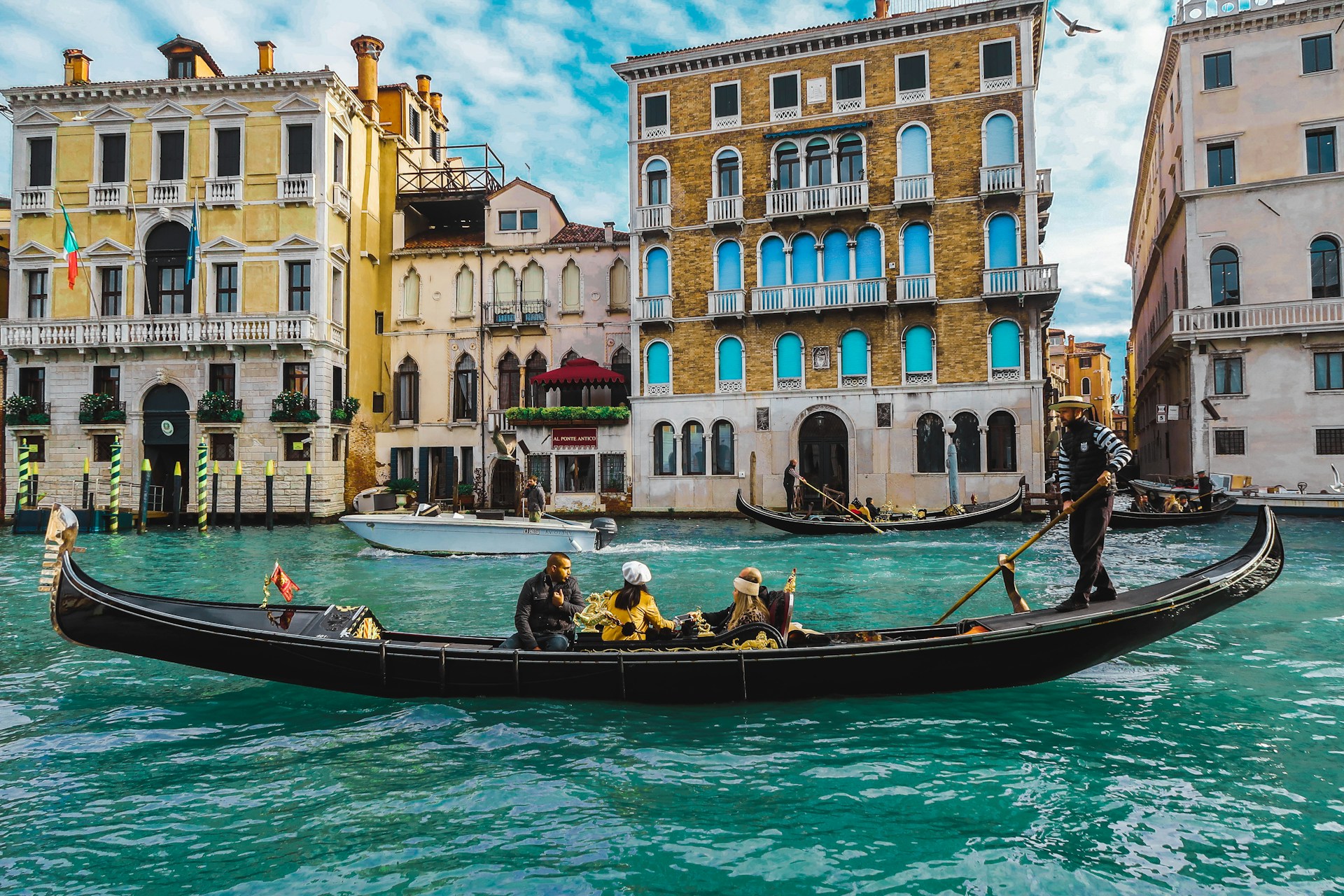
During peak crowds, the historic center operates as a place that benefits from reservations in addition to entry. A daily access levy applies to day visitors for a single day, €5 if prepaid and €10 for bookings made close to arrival. Overnight guests are typically exempt, but day-trippers must register and carry a QR code, turning a visit into a counted entry; in 2025 the scheme ran on 54 dates between April and July to ease pressure during the busiest hours.
Bhutan
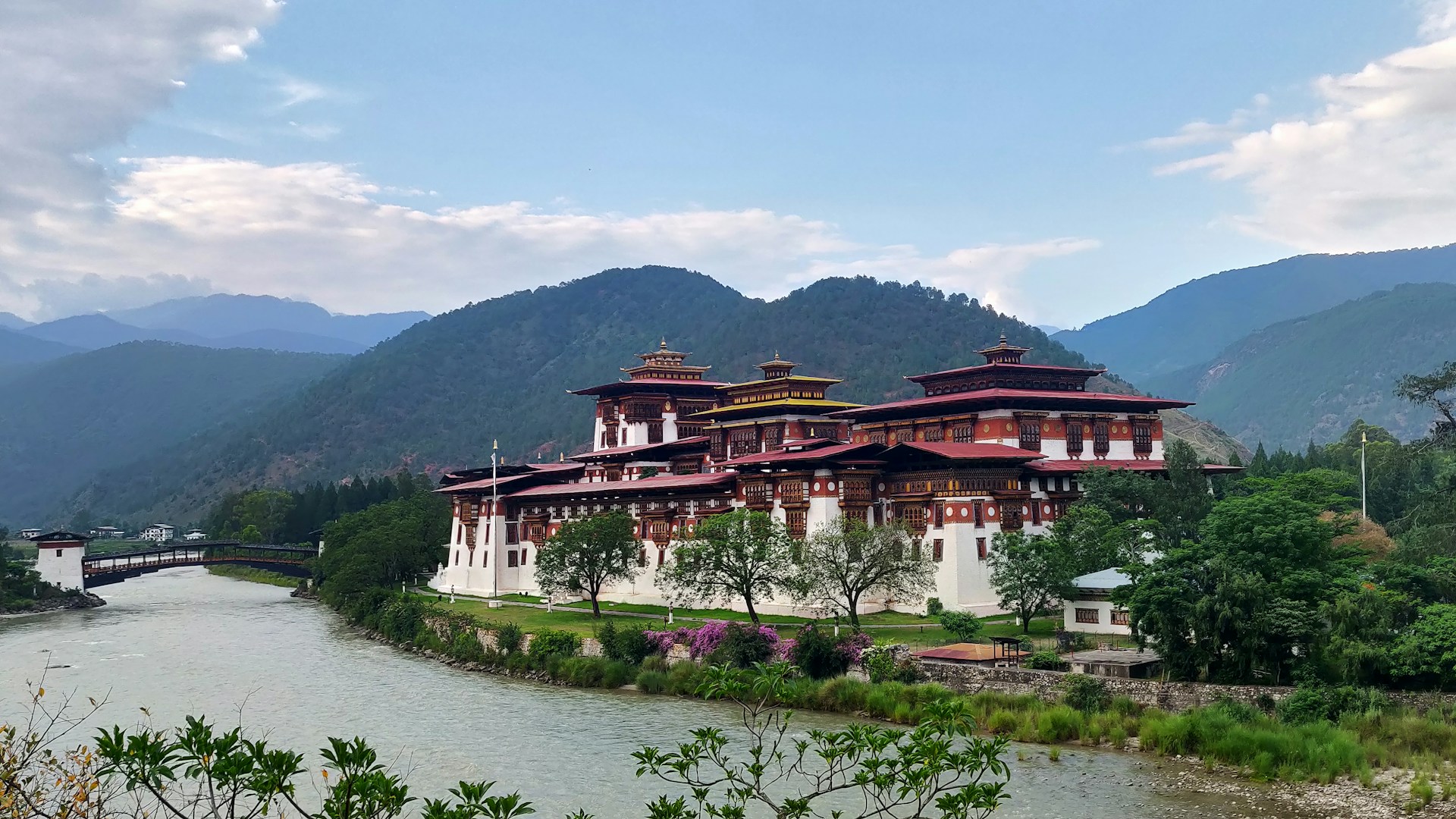
Bhutan’s daily Sustainable Development Fee is built into the visa process and charged per person per night. For most international travelers it sits at US$100, with reduced rates for children, framed as a direct investment in culture, conservation, and public infrastructure. The rules even include a 24-hour waiver for certain border-town stays, but in the core valleys the fee accrues with each night, nudging travel toward longer stays, deeper conversations, and a steadier pace that aligns with Bhutan’s high-value, low-volume approach in practice.
Fernando de Noronha, Brazil
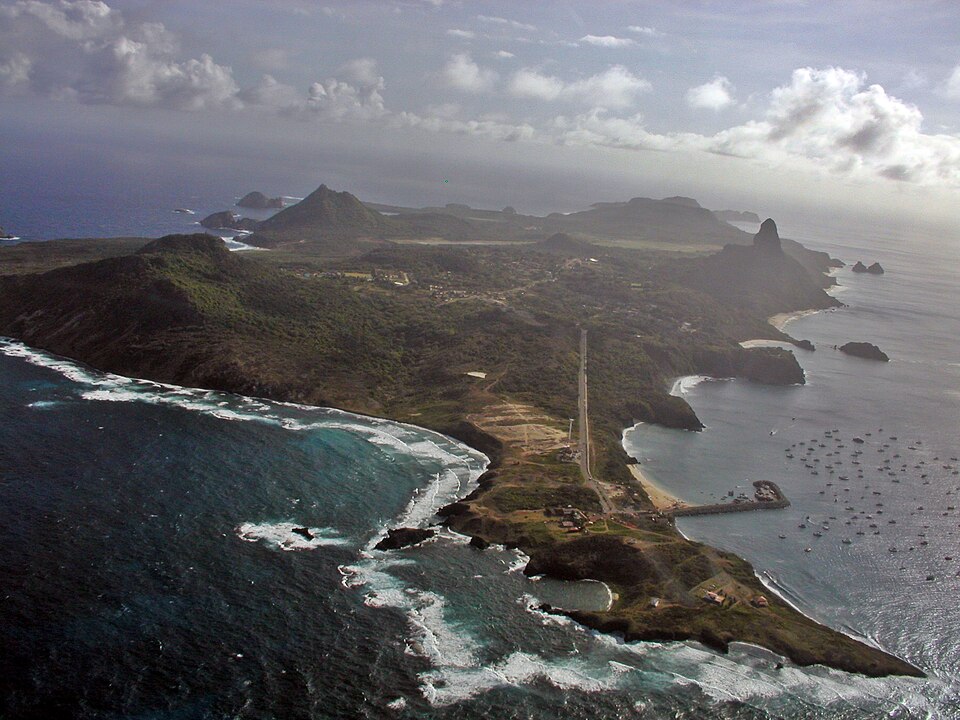
Fernando de Noronha constrains its footprint with a municipal Environmental Preservation Fee calculated by length of stay, effectively pricing each day on the island. The official table lists a one-day amount of R$ 101,33 for 2025 and a higher total as days accumulate, reflecting the cost of water logistics, waste handling, and fragile shoreline protection. It is paid per visitor and tied to authorized time on the archipelago, so even a short getaway contains a clear conservation accounting, and the fee signals that fresh water and tranquil coves are not unlimited for everyone landing there.
Cinque Terre National Park, Italy
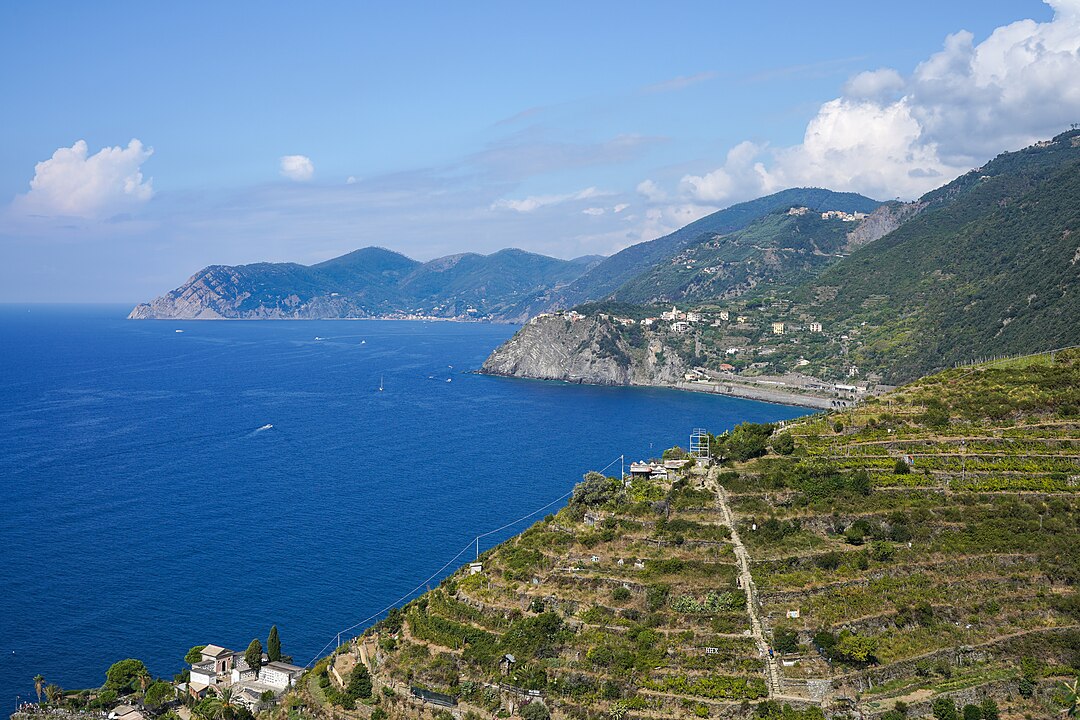
Cinque Terre’s villages are free to enter, yet the famous cliff-hugging footpaths require day-based access through the national park. Cards are issued for a chosen date and remain valid until midnight, covering the paid trails and, in some versions, local train travel that stitches the five towns together. With seasonal pricing and crowd controls, the fee turns a casual hike into a planned outing, helping fund trail maintenance where stone steps, landslides, salt air, and summer heat demand constant repair, and where every extra set of boots has a visible cost on the slopes each year.
Angkor Archaeological Park, Cambodia

Angkor’s temple complex runs on day-counted passes, a practical answer to sunrise stampedes and sandstone that never stops weathering. Tickets are sold in one-, three-, and seven-day options, letting visits spread across more than one morning while still leaving room for Angkor Wat’s galleries, the faces of Bayon, and Ta Prohm’s root-tangled corridors. Because the pass is tied to days purchased, it nudges travel away from a single frantic dash and into a slower loop of smaller shrines and shaded causeways, with revenue supporting guards, conservation teams, and year-round essential site services.
Petra, Jordan
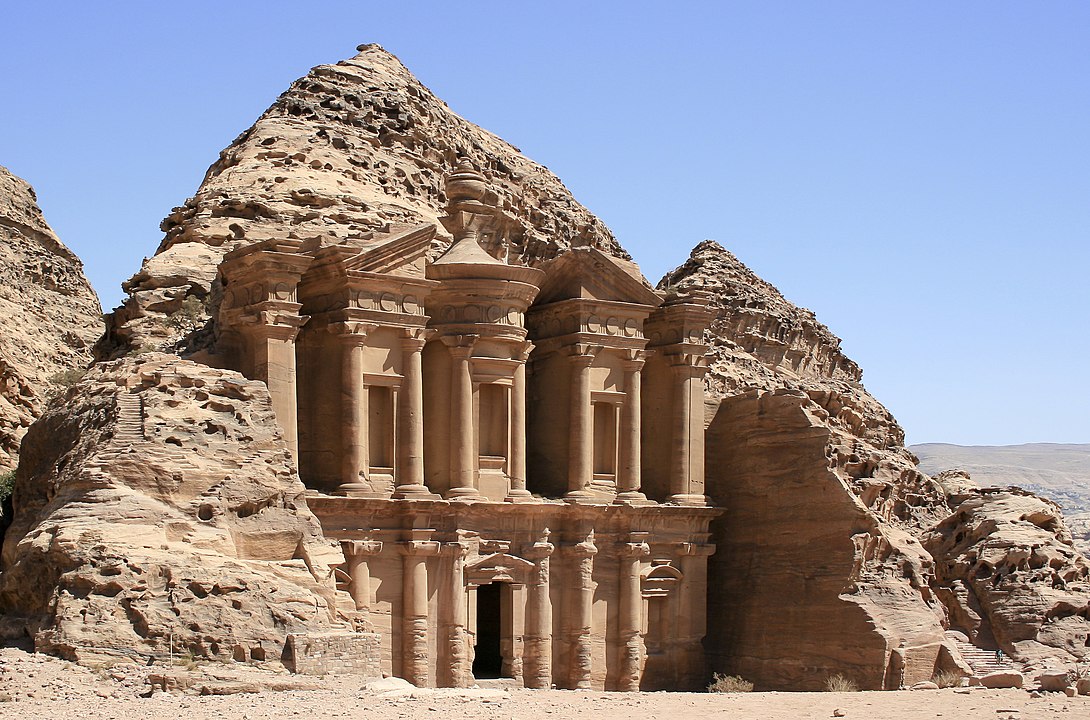
Petra’s entry is structured around day tickets, with prices that change depending on how long the visit lasts. For non-Jordanian visitors, the official schedule lists 50 JOD for one day, 55 JOD for 2 days, and 60 JOD for 3 days, turning extra time into a relatively small add-on. That pricing nudges travel away from rushed photo runs and toward slower hours as the rose stone shifts color, from the Siq’s shadow to the Street of Facades and the climb to the Monastery, while funding upkeep, drainage repairs, signage, and safety work in a landscape shaped by floods, heat, and footsteps.
Machu Picchu, Peru
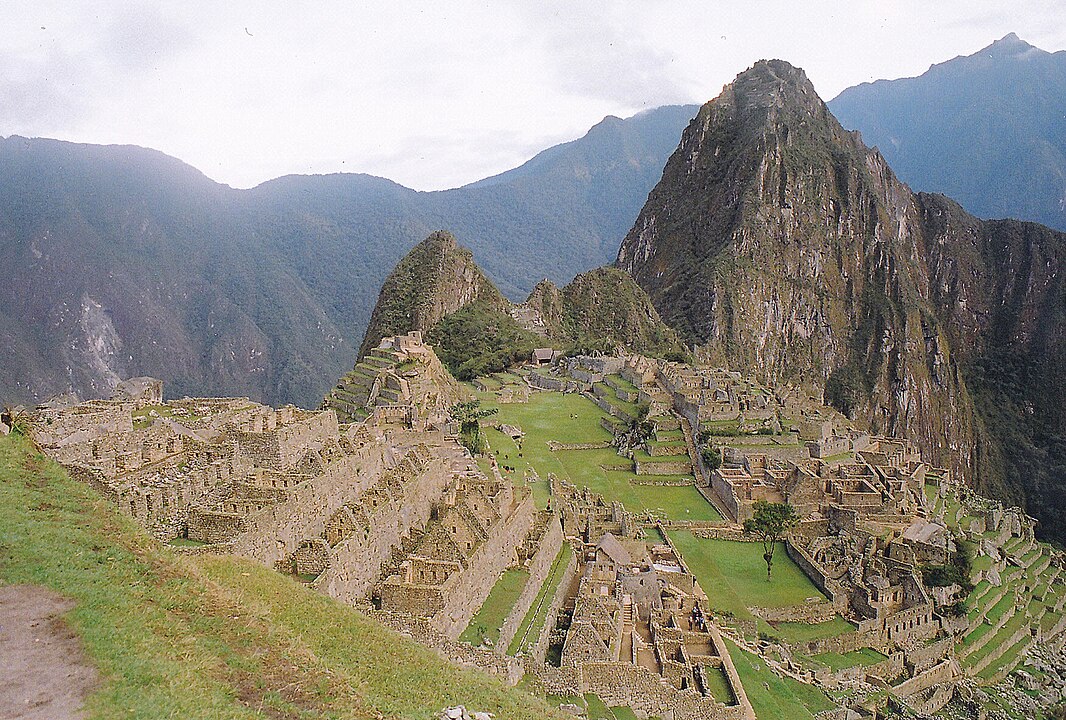
Machu Picchu operates on date-and-time entry, with tickets tied to specific circuits rather than open wandering. Official guidance directs visitors to buy through the government platform and select a visit date, a time slot, and a route, which helps distribute demand across terraces, stairways, and narrow ledges instead of piling everyone onto the same postcard angles. The structure turns entry into a planned commitment, supporting staffing, conservation, and shuttle logistics from dawn arrivals to afternoon exits in a cloud-forest sanctuary where rain, erosion, and daily footfalls add up fast.
Kruger National Park, South Africa
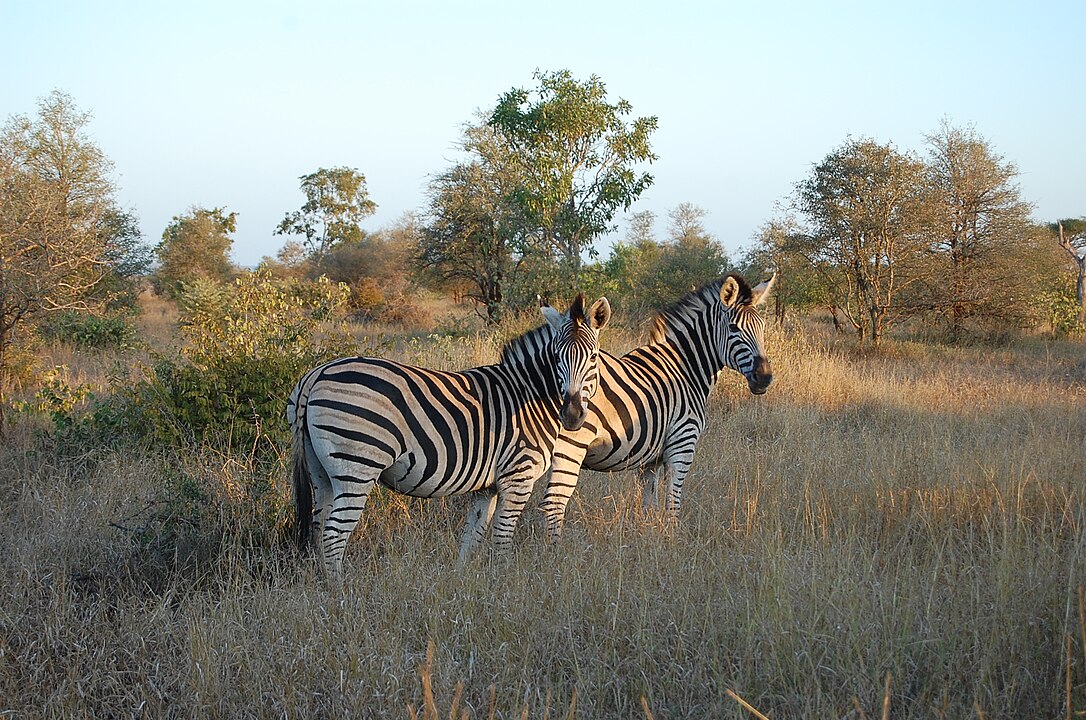
Kruger’s conservation fee is charged per person, per day, and it is a straightforward example of a daily gatekeeping model funding wildlife protection. SANParks publishes a tariff that separates South African citizens and residents from international visitors, tying payment to time inside the park rather than a one-time admission. In a place measured in dawn drives, waterhole hours, and quiet pauses for elephant herds to cross, the daily structure fits the landscape’s pace at each 24-hour stretch while backing anti-poaching work, road maintenance, and habitat management year-round for future seasons.
Serengeti National Park, Tanzania
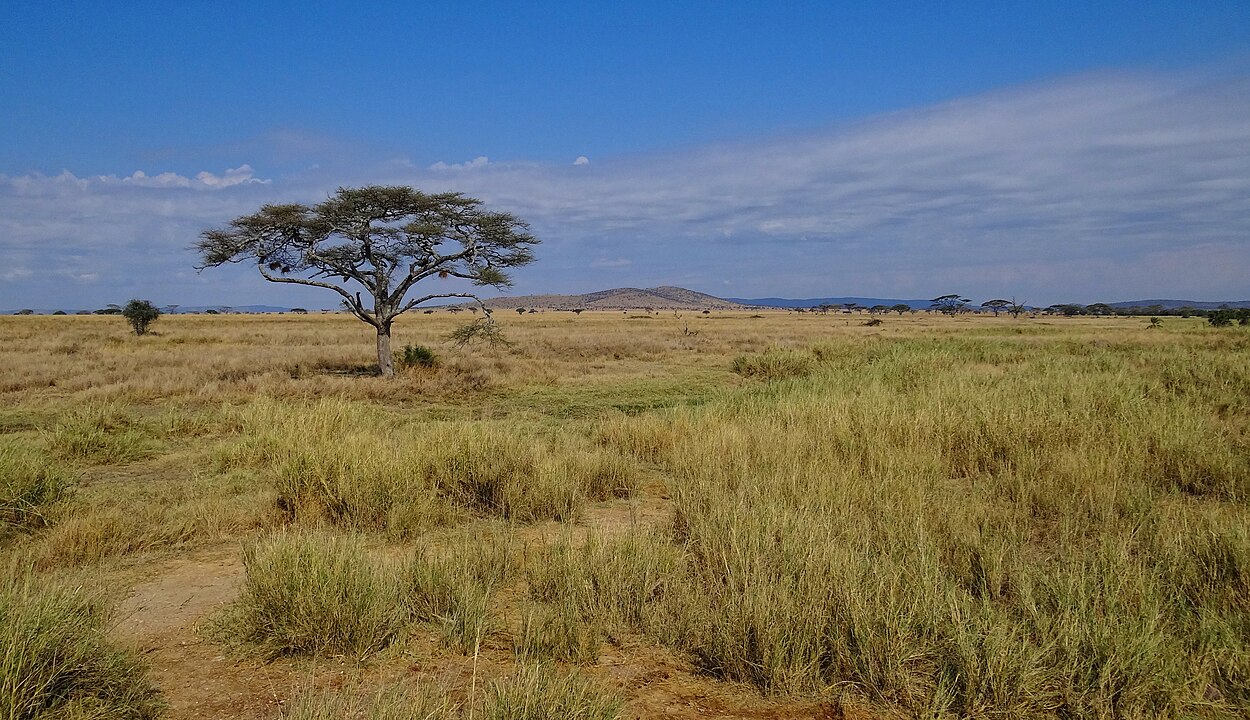
Serengeti entry is billed in 24-hour blocks, so time matters as much as the gate itself. TANAPA’s published tariffs list conservation fees per person, per day, with seasonal rates for non-East African citizens age 16+ set at US$70 in peak season and US$60 in low season. In a park where migration viewing becomes multi-day loops between plains, rivers, and distant kopjes, the daily clock makes fees feel honest: each sunrise drive and each extra night in camp extends the permit, and the money stays tied to rangers, patrols, and track maintenance across a vast ecosystem under heavy traffic.
Maasai Mara National Reserve, Kenya
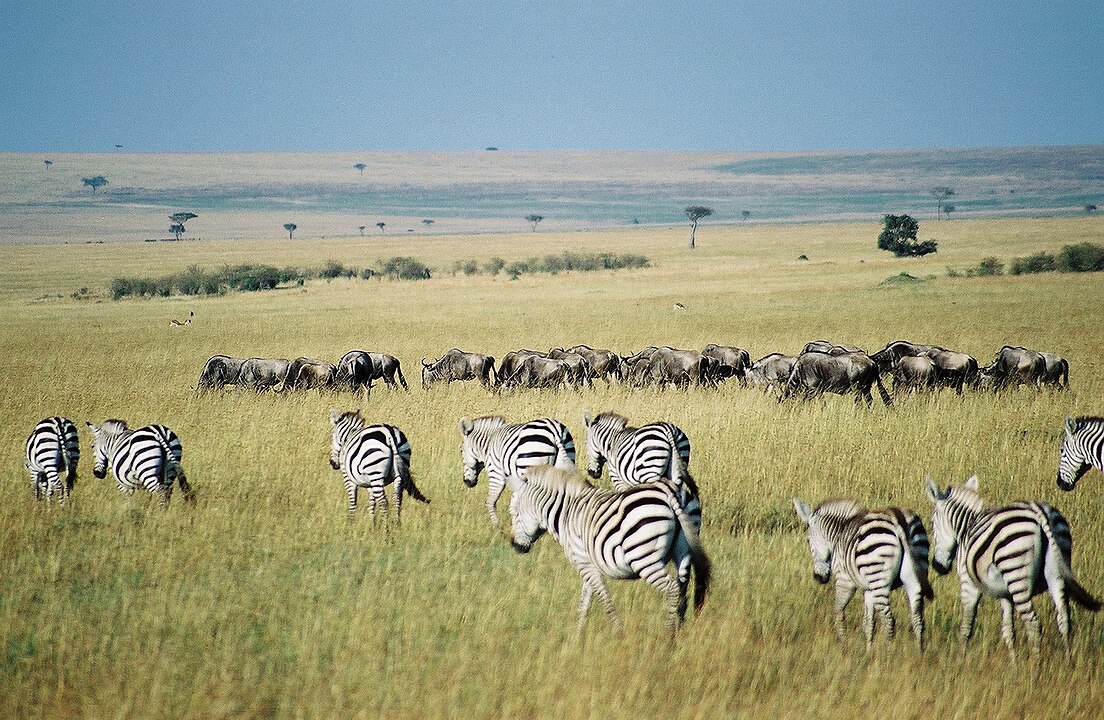
Maasai Mara’s wildlife spectacle comes with a day-based reserve fee, typically charged per adult, per day, and set higher in peak season. Current published schedules show non-resident adults paying US$200 per day in high season and US$100 per day in low season, reflecting the cost of patrols, road grading, and habitat protection under intense safari demand. The daily model also discourages hit-and-run game drives by making longer stays feel more worthwhile, giving space for quieter hours beyond the Mara River crossings, and spreading vehicle pressure across more time instead of one crowded rush.