

Europe trips often default to the same headline cities: Paris, Rome, Amsterdam, maybe Barcelona if there’s time. They’re amazing, but they can also feel like moving through a crowd with a checklist. Meanwhile, Europeans tend to escape to places that deliver the same beauty and culture with more breathing room and more everyday life. Think canal walks without the bottlenecks, markets where locals actually shop, and historic centers that still feel lived in after dark. These 10 cities are the ones Americans often skip, even though Europeans return to them for food, design, festivals, and that hard-to-fake local rhythm.
1. Ghent, Belgium

Ghent blends medieval grandeur with a lively student spirit, so walking its canals feels both historic and spontaneous. Once a major medieval port, the city treasures Gothic cathedrals, a hilltop castle, and riverside quays where locals gather after work. Unlike nearby Bruges, Ghent balances preserved architecture with contemporary cultural life, festivals, experimental galleries, and a celebrated food scene anchored in farm-to-table Flemish cooking. Europeans flock here for weekend breaks because it delivers the medieval picture postcard plus affordable cafés, a thriving music scene, and fewer tourist crowds than the region’s flashier towns.
2. Ljubljana, Slovenia

Ljubljana charms with compact walkability, green planning, and a riverside cafe culture that feels effortlessly curated. Slovenia’s capital is small enough to explore on foot yet brims with Baroque facades, bridges by architect Jože Plečnik, and a lively central market where producers sell cheese, honey, and mountain herbs. The city prioritizes sustainability: car-free zones, riverbank promenades, and community-focused events. Europeans prize Ljubljana for its low-key sophistication, museums, classical concerts, and nearby alpine day trips make it a relaxed alternative to pricier Central European capitals.
3. Graz, Austria
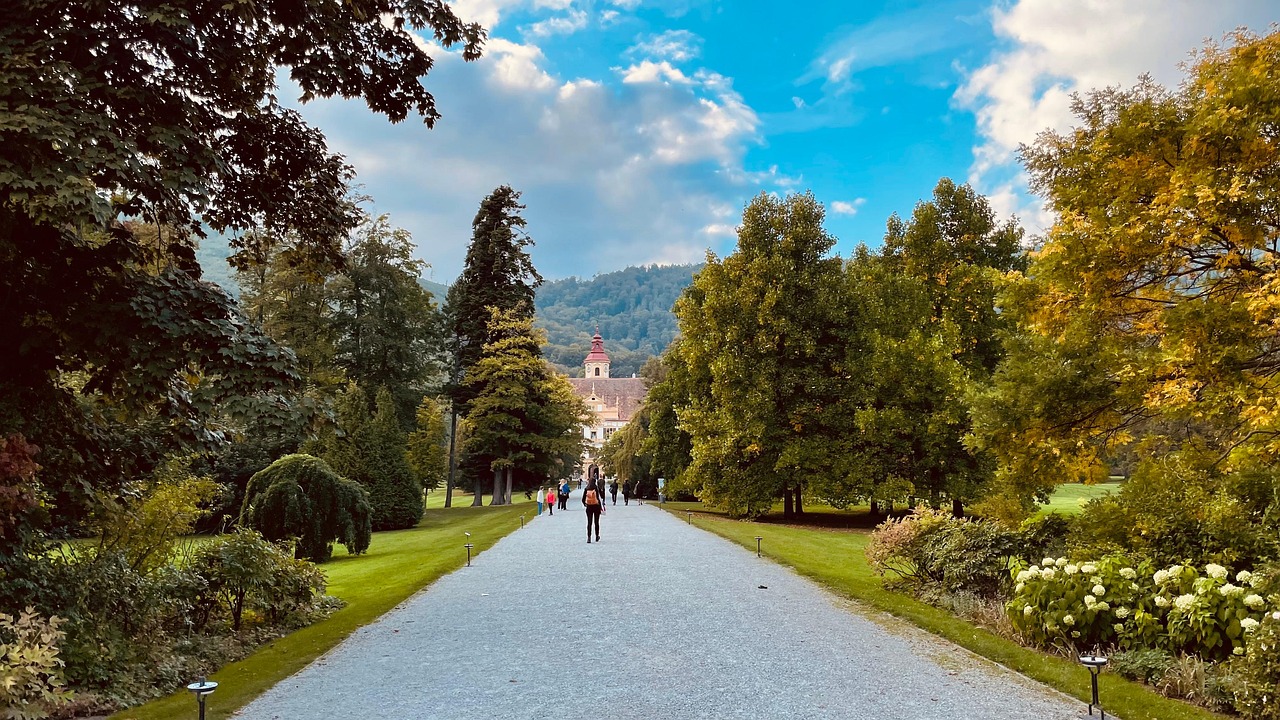
Graz stands out as Austria’s quieter cultural jewel, where design-forward creativity sits beside Habsburg elegance. Its compact old town, a UNESCO site, features ornate courtyards and pastel facades, while the modern Kunsthaus and upgrade of public spaces signal a city invested in contemporary life. Locals savor culinary innovation built on regional produce and a thriving café scene. Europeans visit for curated festivals, architecture pilgrimages, and university-driven nightlife that animates the city after daytime sightseeing. Graz rewards visitors who value thoughtful design, seasonal food, and a calm, lived-in atmosphere.
4. Bologna, Italy

Bologna is a culinary capital whose red-brick porticoes shelter centuries of food craft and academic life. Home to the oldest university in Europe, the city hums with students and a strong civic culture. Italians prize Bologna for its ragù, handmade pasta, and fresh markets where charcuterie and local wines dominate. Beyond food, the city offers well-preserved medieval towers, sweeping arcades, and intimate trattorias where tradition remains central. Americans often skip it for Florence or Rome, but Europeans know Bologna as a living kitchen and intellectual hub, authentic, less crowded, and endlessly generous at the table.
5. Valencia, Spain

Valencia pairs sunlit beaches with bold contemporary architecture, making it a versatile coastal destination that Europeans adore. The futuristic City of Arts and Sciences sits beside narrow old-quarter lanes where paella originated and markets brim with fresh produce from nearby orchards. Locals mix beach life with a thriving cultural calendar, festivals, avant-garde galleries, and cycling-friendly streets. Compared with Barcelona’s crush, Valencia offers a more relaxed pace, better value, and genuine neighborhood life. Europeans visit to combine seaside leisure, culinary discovery, and a city that balances modern design with traditional Valencian rhythms.
6. Wrocław, Poland
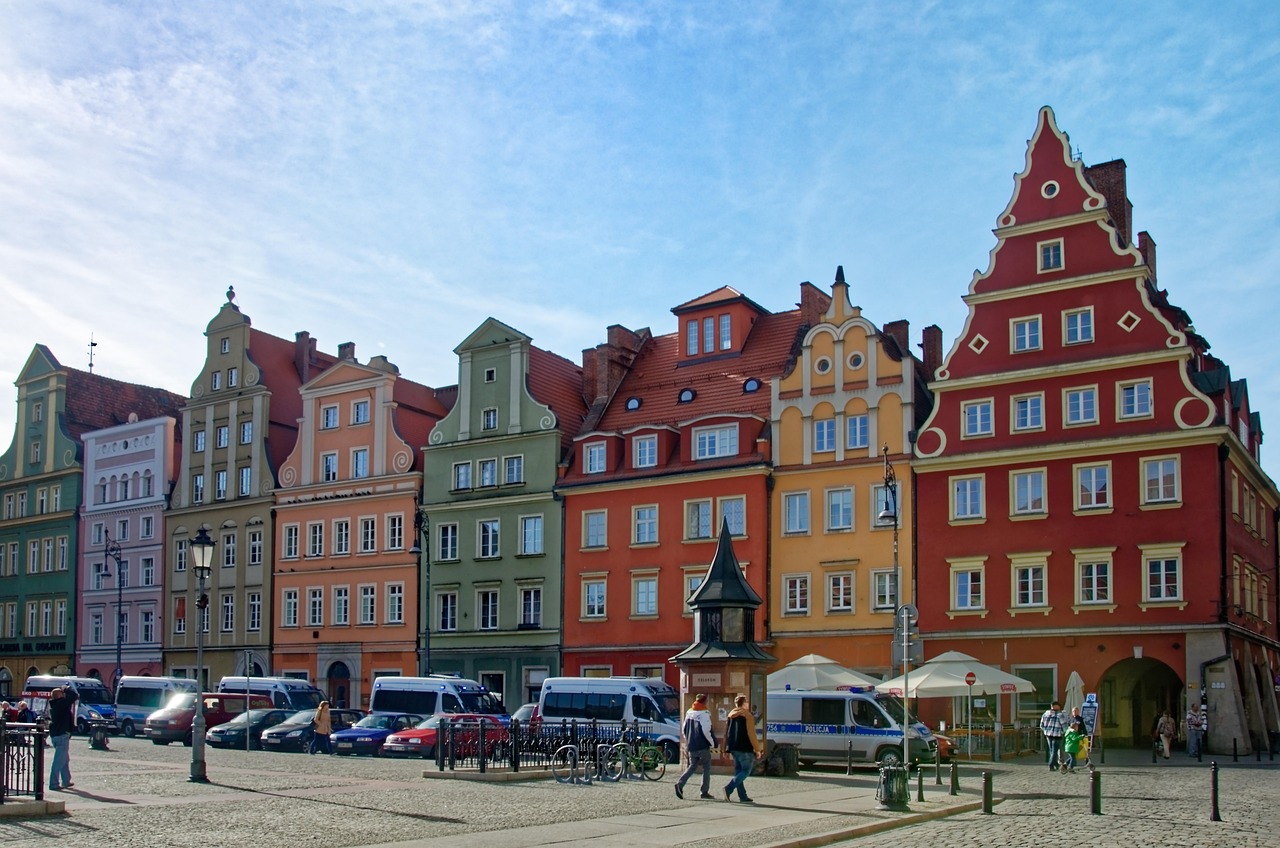
Wrocław feels like a fairytale town that’s also fiercely urban and inventive. Its network of islands and bridges creates a scenic river-city layout, while colorful townhouses and a vibrant market square speak to a layered Central European history. Locals celebrate theater, jazz, and street art, and the city’s tiny dwarf statues scattered through neighborhoods add playful discovery to every stroll. Europeans prize Wrocław for culture on a friendly scale, affordable galleries, riverside cafés, and festivals that animate the calendar, making it an accessible, character-filled stop beyond Poland’s more touristed capitals.
7. Porto, Portugal

Porto is a compact, dramatic city shaped by its river and its wine. Steep, tile-clad streets tumble toward the Douro, where port cellars offer tastings and deep culinary traditions unfold in modest restaurants. Europeans visit Porto for its authentic neighborhoods, thriving arts scene, and the particular charm of late-afternoon light along the Ribeira. Unlike Lisbon’s broader fame, Porto retains a provincial intimacy and a reputation for excellent food, artisanal crafts, and affordable culture. It rewards slow travel: wandering bookshops, seaside day trips, and cellar visits reveal why locals and nearby Europeans return year after year.
8. Turin, Italy
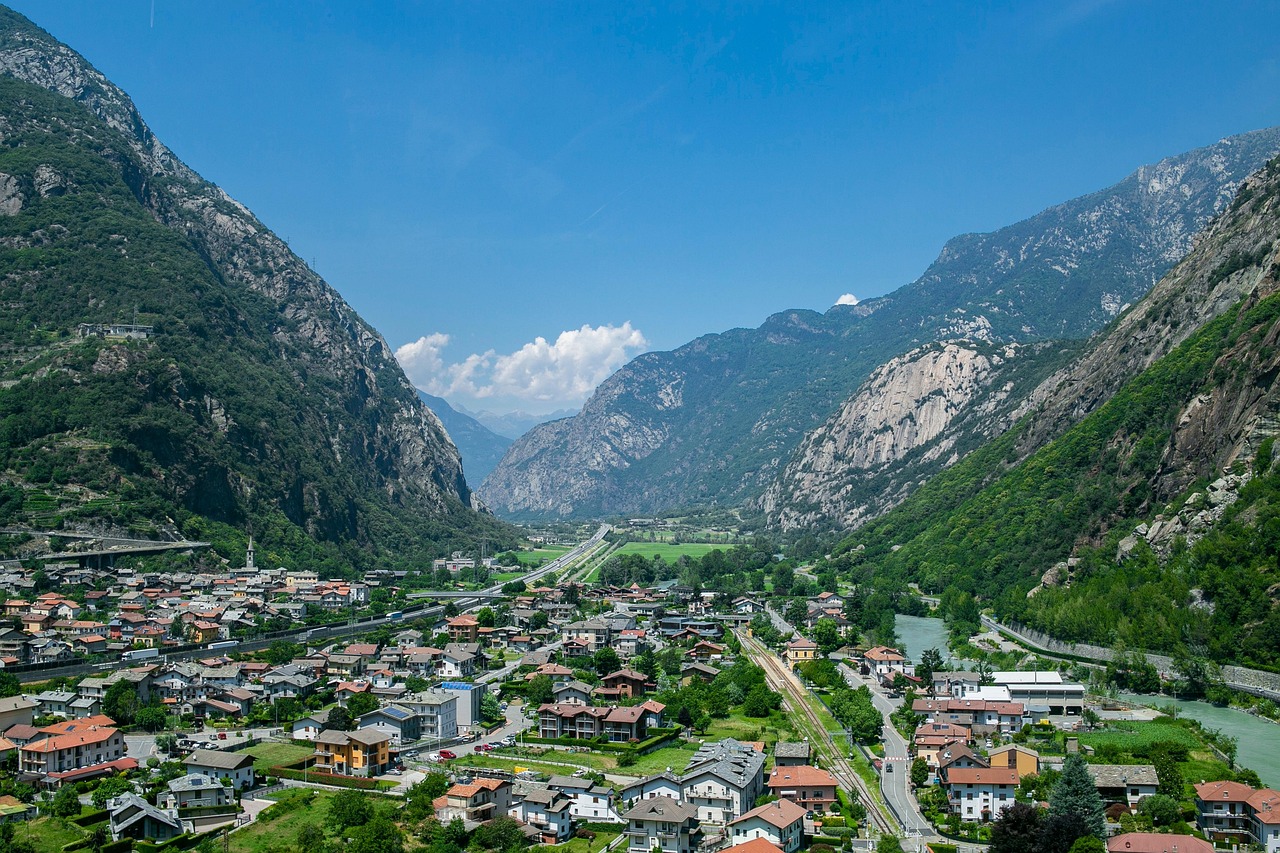
Turin surprises visitors expecting only industrial history; it’s a refined city of grand boulevards, elegant cafés, and a rich cinematic and chocolate tradition. Once Italy’s capital, Turin wears its royal legacy lightly through palaces, museums, and a strong café culture where locals linger over espresso and gianduia. Europeans favor Turin for its seasonal markets, restored Art Nouveau neighborhoods, and an energetic cultural calendar of film, design, and slow-food innovations. It’s a destination for travelers who want classic Italian urbanity without the overwhelming tourist flow of Rome or Milan.
9. Riga, Latvia
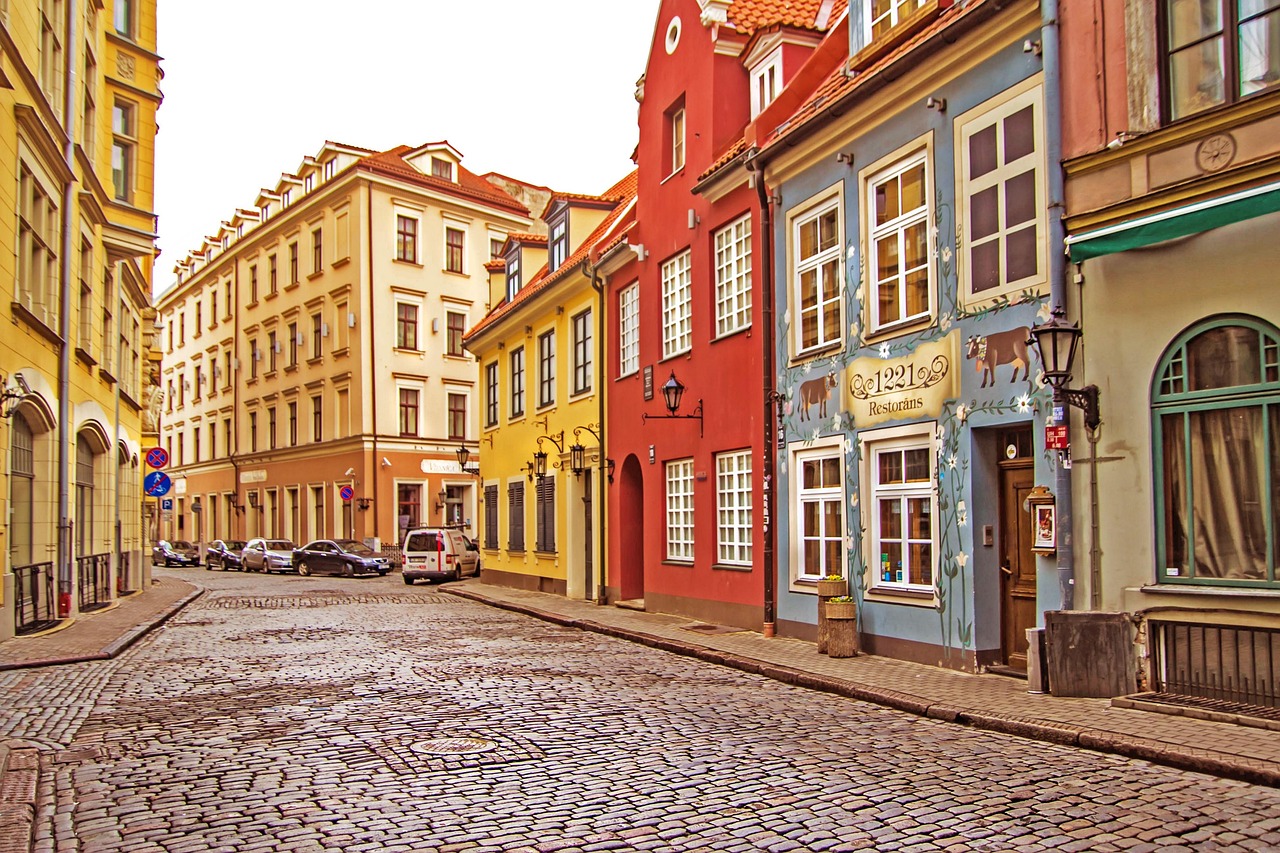
Riga packs architectural splendor and lively nightlife into a compact Baltic capital that Europeans visit for style and affordability. Its UNESCO-listed center showcases one of the largest collections of Art Nouveau buildings in Europe, combined with a riverside quay and a thriving craft scene. Young creatives run cafés, galleries, and music venues that keep the city buzzing well into the night. Compared to more frequented Western capitals, Riga offers approachable museums, inventive gastronomy, and a strong design identity that appeals to travelers seeking an elegant, under-the-radar European experience.
10 . Timișoara, Romania

Timișoara feels like the Romania most Americans never picture: elegant squares, pastel facades, and café terraces that belong in Central Europe. Nicknamed Little Vienna, the city carries Austro-Hungarian architecture, a strong theater and music culture, and a youthful energy powered by universities. Europeans like it because it’s walkable, affordable, and surprisingly polished, with riverfront promenades and parks that make slow afternoons easy. Day trips into the Banat countryside add a local-food angle, while the city’s layered history gives every street corner a story without the heavy tourist crush.