

You probably eat foods named after people more often than you realize. Some came from royal kitchens, others from restaurants trying to please demanding guests, and a few were born from pure accident. What ties them together is that none were meant to become permanent fixtures on menus around the world. These dishes stuck because they solved a problem, impressed the right person, or simply tasted good enough to remember. When you order them today, you are repeating someone else’s moment of fame, often without knowing who they were or why their name survived longer than their biography. Once you know the stories, these foods stop feeling generic. They start feeling personal, rooted in specific places, egos, and moments that quietly reshaped how you eat.
1. Beef Wellington
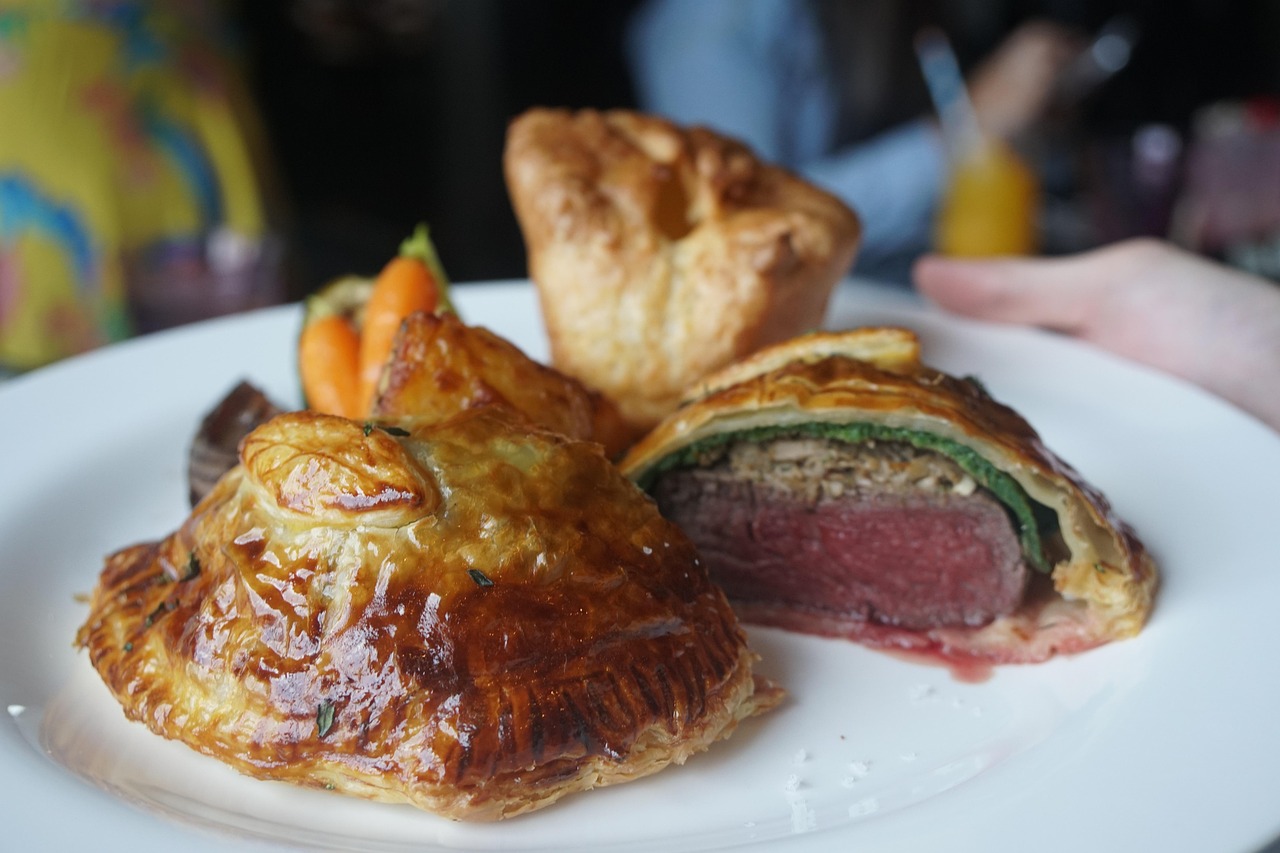
You might assume Beef Wellington honors Arthur Wellesley, the first Duke of Wellington, though historians still debate the connection. What you can trace clearly is the timing. The dish appeared in Britain shortly after Wellington’s victory at Waterloo in 1815, when naming foods after national heroes was fashionable. Wrapping beef fillet in pastry echoed French techniques, but renaming it gave the dish patriotic appeal. If you order it today, you are eating a piece of culinary branding designed to celebrate military success. Sources like the Oxford Companion to Food note that the name mattered as much as the recipe, helping the dish endure long after the war faded from daily memory.
2. Caesar Salad
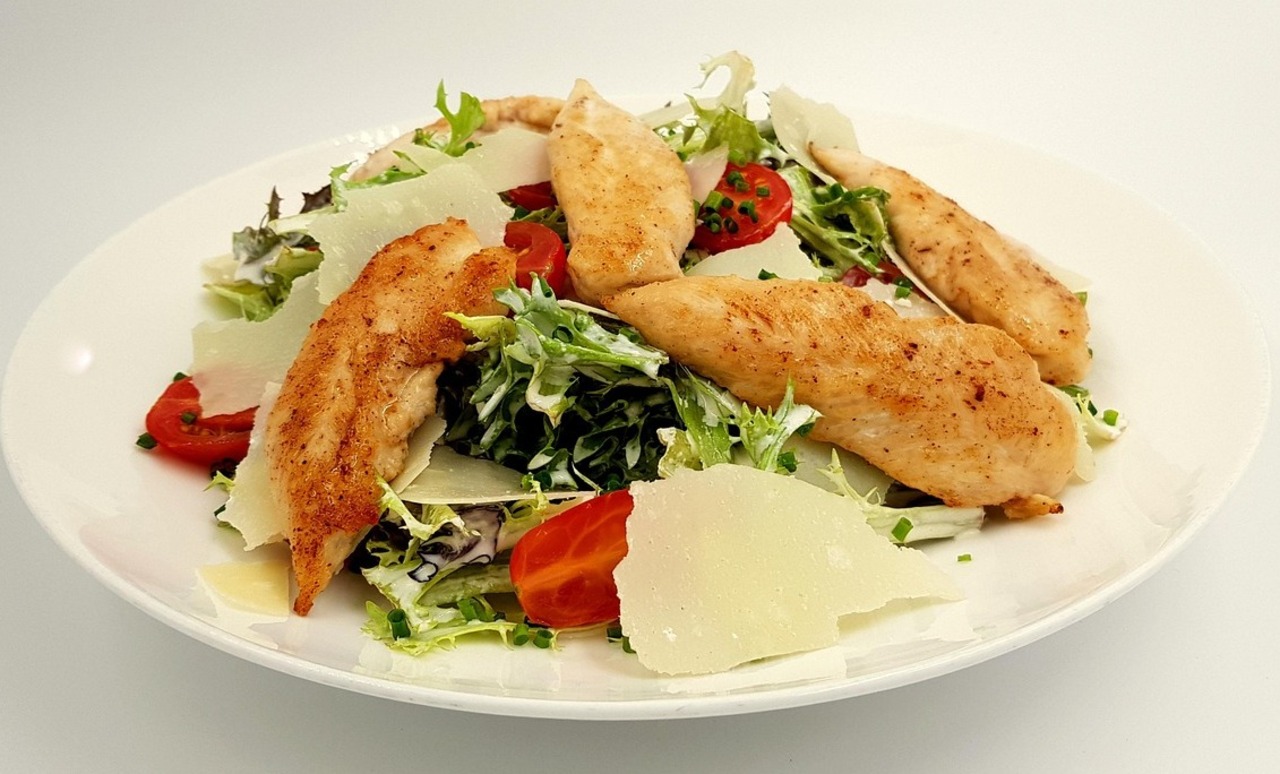
You are not eating Roman food when you order a Caesar salad. You are eating something invented by Caesar Cardini, an Italian American restaurateur in Tijuana, Mexico, in the 1920s. According to accounts preserved by Cardini’s family and documented by Smithsonian Magazine, the salad came together during a busy Fourth of July weekend using what was on hand. Cardini tossed whole romaine leaves with garlic, egg, oil, lemon, and cheese tableside to impress guests. The drama mattered. Your modern version may look different, but the name survives because diners remembered the man who made scarcity feel luxurious.
3. Sandwich
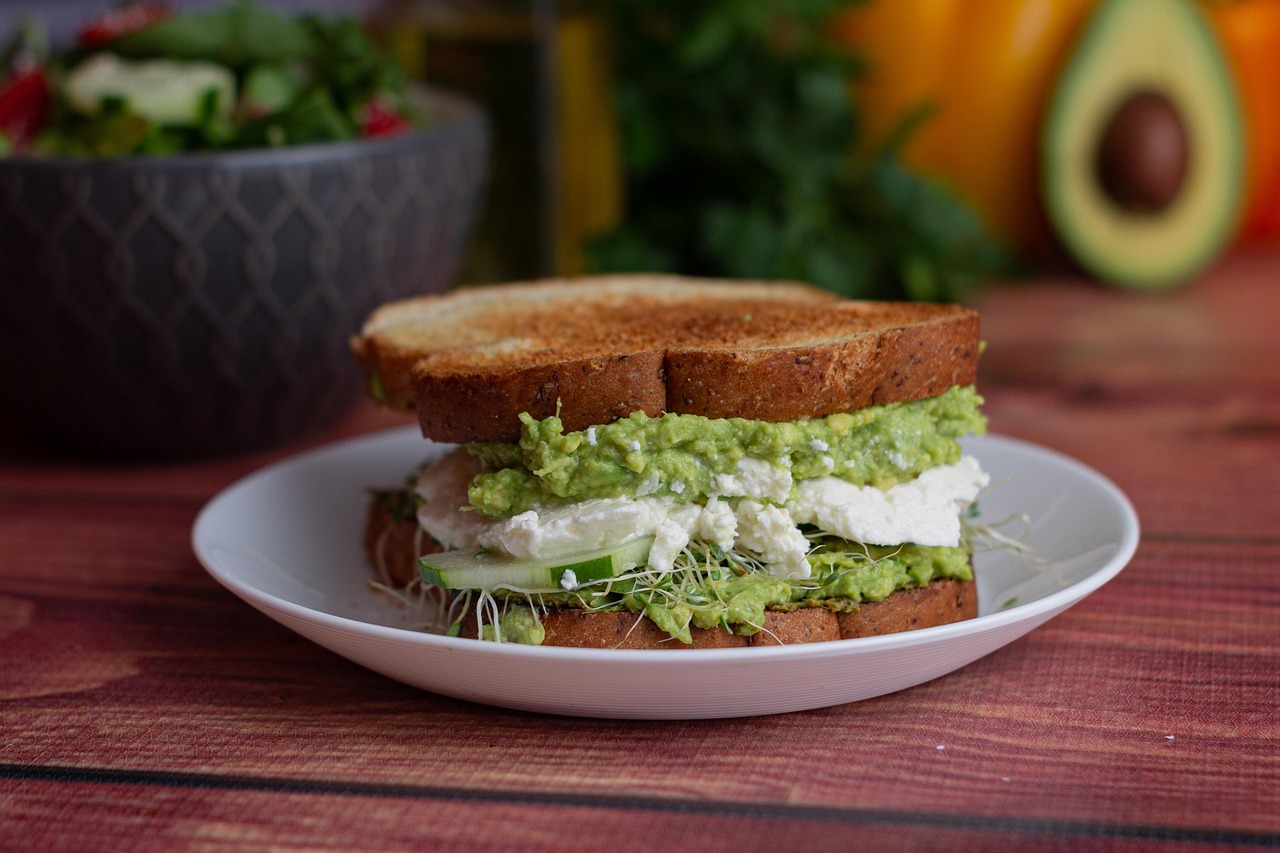
Every time you eat a sandwich, you are echoing John Montagu, the fourth Earl of Sandwich. As documented by Encyclopaedia Britannica, Montagu wanted food he could eat without leaving the gambling table. Putting meat between bread solved that problem cleanly. What you inherit is not refinement but efficiency. The idea spread because it fit into busy lives, not because it felt novel. Over time, the name stopped signaling nobility and started signaling convenience. When you grab one today, you are participating in a habit shaped by leisure culture, risk-taking, and the human desire to keep one hand free.
4. Nachos
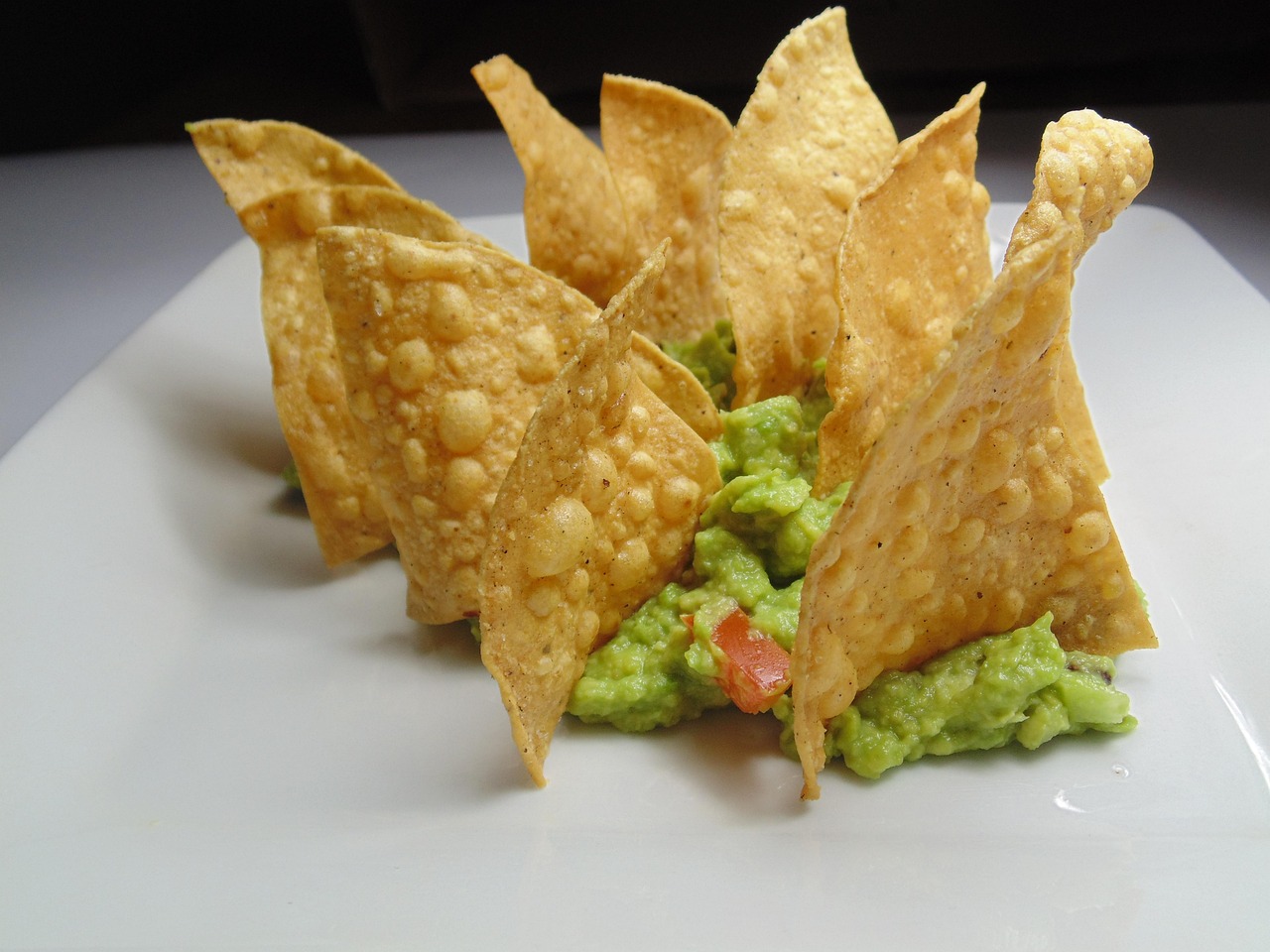
Nachos trace directly back to Ignacio Anaya, known as Nacho, a maître d’ in Piedras Negras, Mexico. According to the Smithsonian’s food history archives, Anaya improvised the dish in 1943 when a group of military wives arrived after the kitchen closed. He fried tortillas, added cheese and jalapeños, and served it immediately. Guests loved it and asked what it was called. Anaya answered with his nickname. When you eat nachos now, you are tasting a solution created under pressure, named casually, and spread because it was easy to replicate anywhere people gathered and waited. That simplicity is why the dish moved so fast across borders, turning a late-night fix into a permanent part of menus far beyond its border-town origin.
5. Fettuccine Alfredo
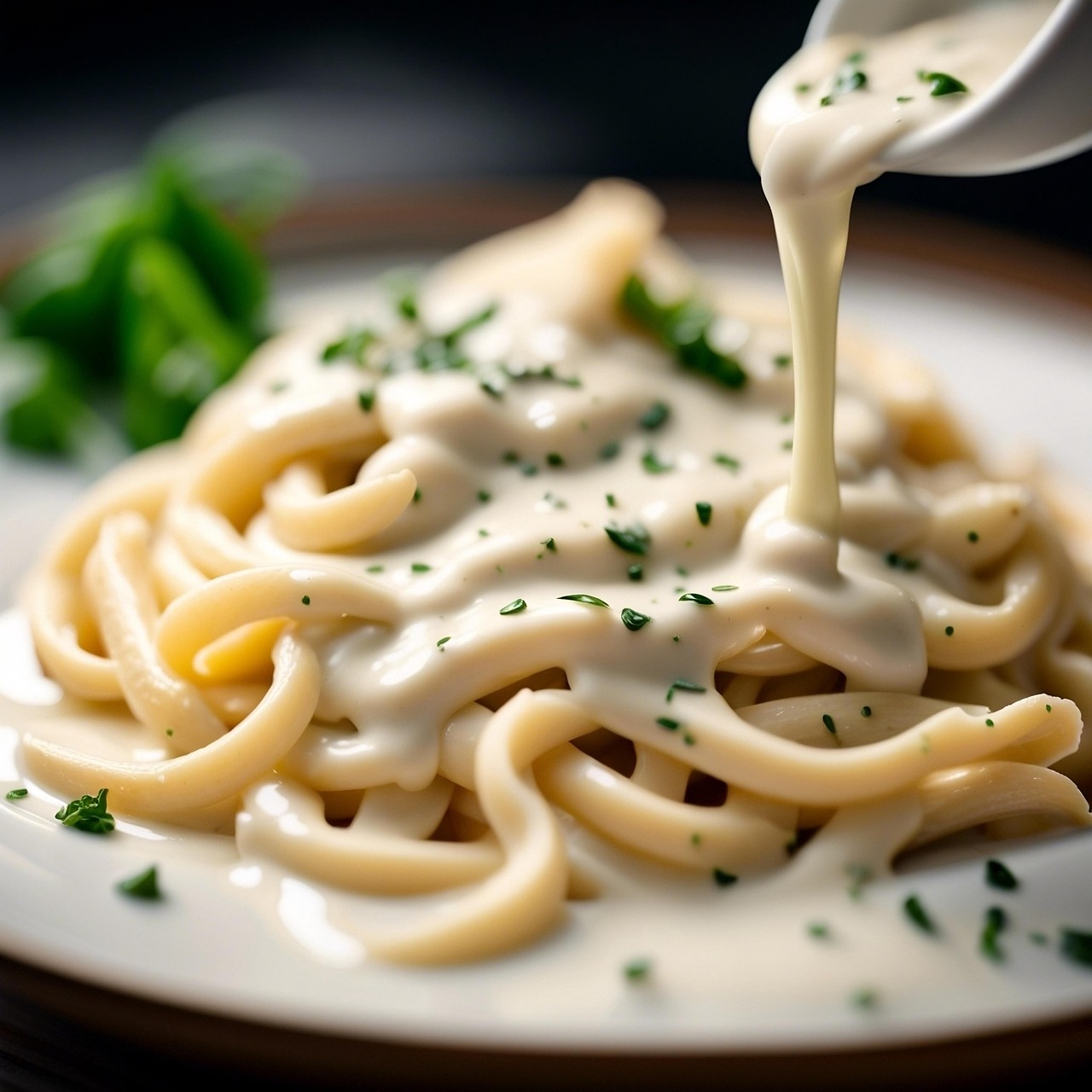
You may think of heavy cream when you hear Alfredo, but the original dish was simpler. It came from Alfredo di Lelio, a Roman restaurateur who created it in the early 20th century to help his wife regain strength after childbirth. According to Italian culinary historians and the Library of Congress, the dish relied on butter, pasta water, and Parmesan, not cream. American tourists helped popularize it after World War I. When you order it today, you are experiencing a recipe that changed as it crossed borders, while the name stayed tied to the man who made comfort his selling point. What you recognize now is the American evolution of that idea, richer and heavier, shaped by local tastes rather than the quiet restraint of the Roman original.
6. Graham Crackers

Graham crackers come from Sylvester Graham, a 19th-century Presbyterian minister and health reformer. As detailed by Encyclopaedia Britannica, Graham promoted whole grains as part of a moral lifestyle meant to curb excess and temptation. The original crackers were bland by design. What you eat now is far sweeter than Graham intended, but the name remains. Every bite carries a strange contradiction. A food created to discourage indulgence became a dessert staple. You are eating the softened legacy of a man whose strict ideas could not survive commercial success. What began as a tool for self-control slowly turned into a base for treats like s’mores, where sugar and nostalgia completely reversed the original intent.
7. Pavlova
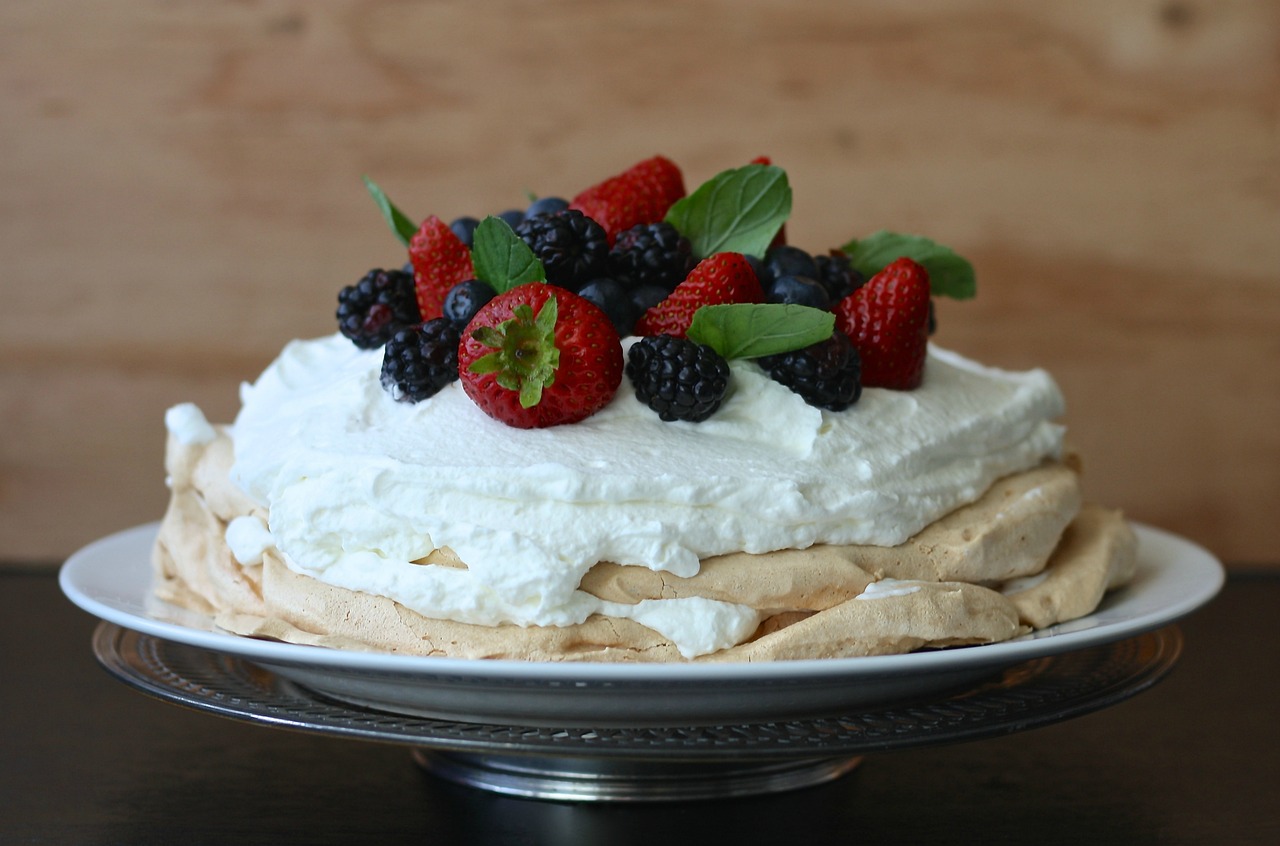
Pavlova honors Russian ballerina Anna Pavlova, though Australia and New Zealand still argue over who created it first. Food historians generally agree it appeared during Pavlova’s 1920s tour of the region. According to national museum records in both countries, chefs wanted a dessert as light and dramatic as her performances. Crisp meringue, soft interior, and fruit did the job. When you eat pavlova, you are eating admiration turned into texture. The dessert exists because someone tried to translate movement and elegance into something you could serve on a plate. That ongoing debate only adds to its appeal, keeping the dessert tied to performance, pride, and the idea that food can carry a sense of place as well as praise.
8. Boysenberry
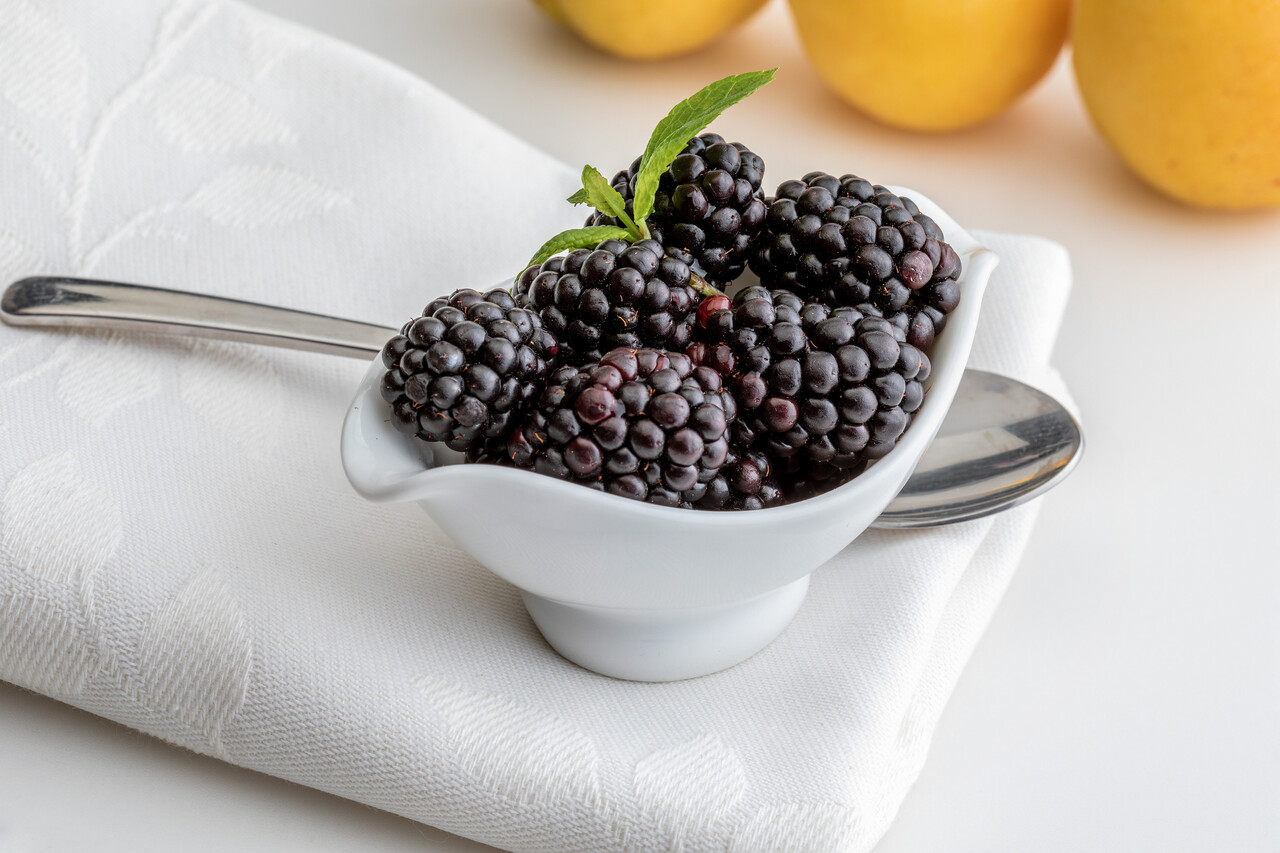
The boysenberry takes its name from Rudolph Boysen, a California horticulturist who experimented with berry hybrids in the 1920s. His work nearly disappeared until Walter Knott rediscovered the vines and began cultivating them commercially, as recorded by the Knott’s Berry Farm archives. The fruit succeeded because it balanced sweetness and acidity better than existing berries. When you taste it, you are tasting persistence more than genius. The name survived because someone else believed the experiment deserved another chance. Without that second chance, the boysenberry would likely be a footnote instead of a flavor you still recognize on shelves and menus today.
9. Peach Melba
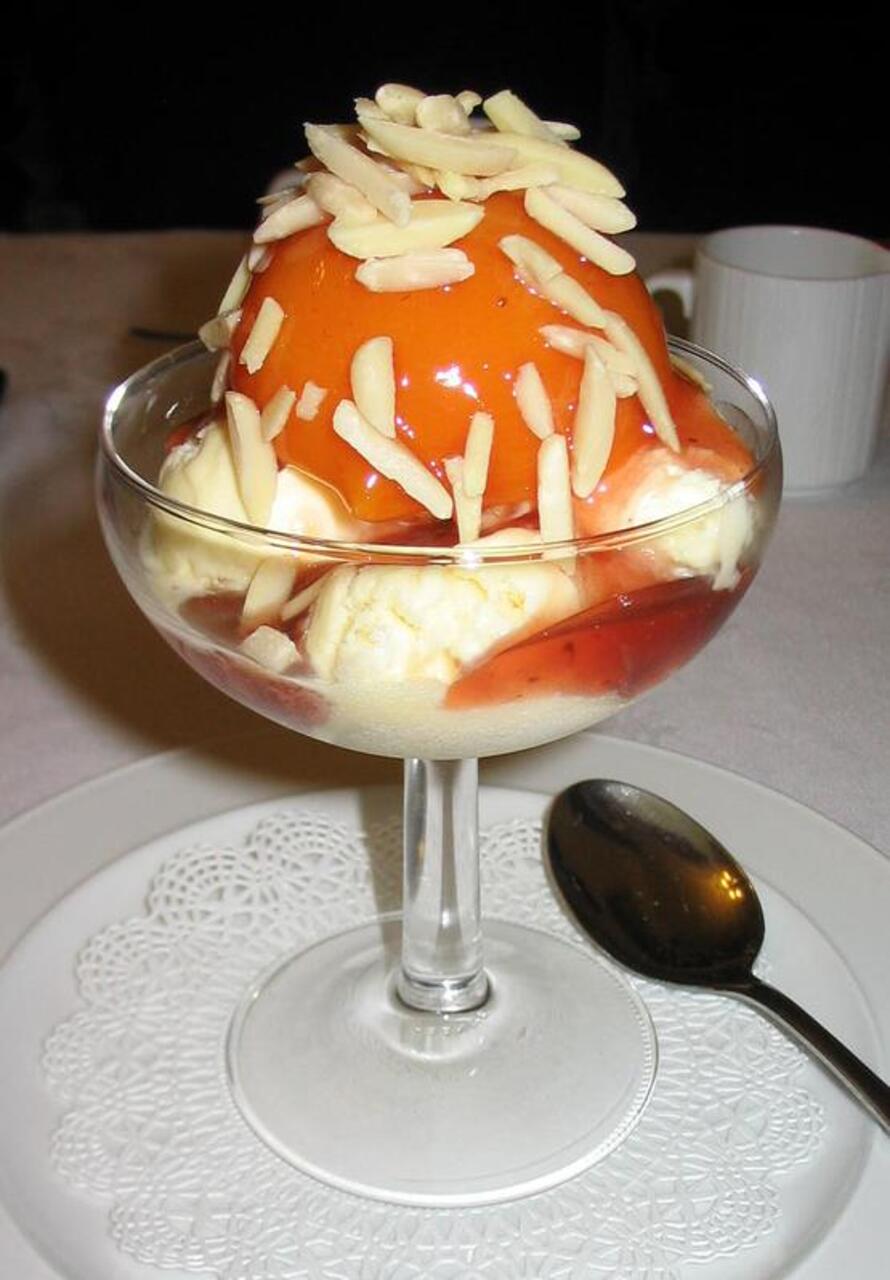
Peach Melba was created by famed French chef Auguste Escoffier to honor Australian opera singer Nellie Melba. According to Escoffier’s own writings and culinary historians, he served peaches and ice cream at a London hotel after attending her performance. Later, raspberry sauce completed the dish. When you order it today, you are eating culinary flattery. The dessert exists because fame crossed paths with hospitality, and a chef understood that admiration could be plated, named, and remembered. It also reflects how chefs of that era used desserts to capture cultural moments, turning a night at the opera into something you could revisit with a spoon.
10. Eggs Benedict

Eggs Benedict has several origin stories, but one of the most cited comes from Lemuel Benedict, a New York stockbroker who ordered buttered toast, poached eggs, bacon, and hollandaise as a hangover cure in the 1890s. According to the New Yorker and food historians, the hotel’s chef refined it and added it to the menu. When you eat it now, you are benefiting from a complaint turned into a classic. The name survived because the solution worked better than the problem it was meant to fix. What started as a personal fix quietly became a brunch standard, proving that practicality often outlasts intention in the kitchen.