
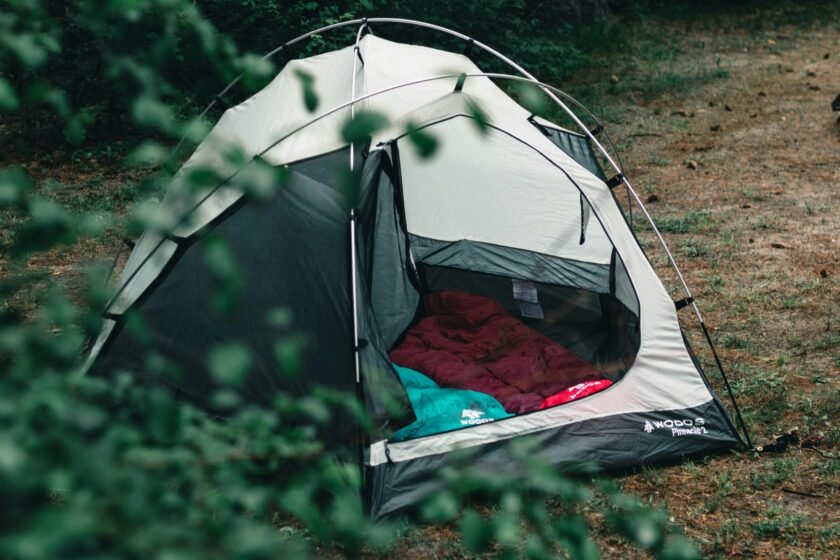
A good night’s sleep outdoors is not a luxury but a critical part of safety, recovery, and clear thinking. Poor sleep leads to fatigue, poor decisions, and lower morale, especially on longer trips. Many campers assume restless nights are unavoidable, yet discomfort often comes from small gear gaps rather than harsh conditions. Modern outdoor equipment allows sleepers to manage heat loss, pressure points, moisture, and mental stress far more effectively than in the past. When sleep systems are chosen intentionally, the body relaxes faster and stays asleep longer. These upgrades focus on realistic, field-tested improvements that experienced campers rely on to wake up rested rather than drained.
1. High-Quality Sleeping Pad with Real Insulation
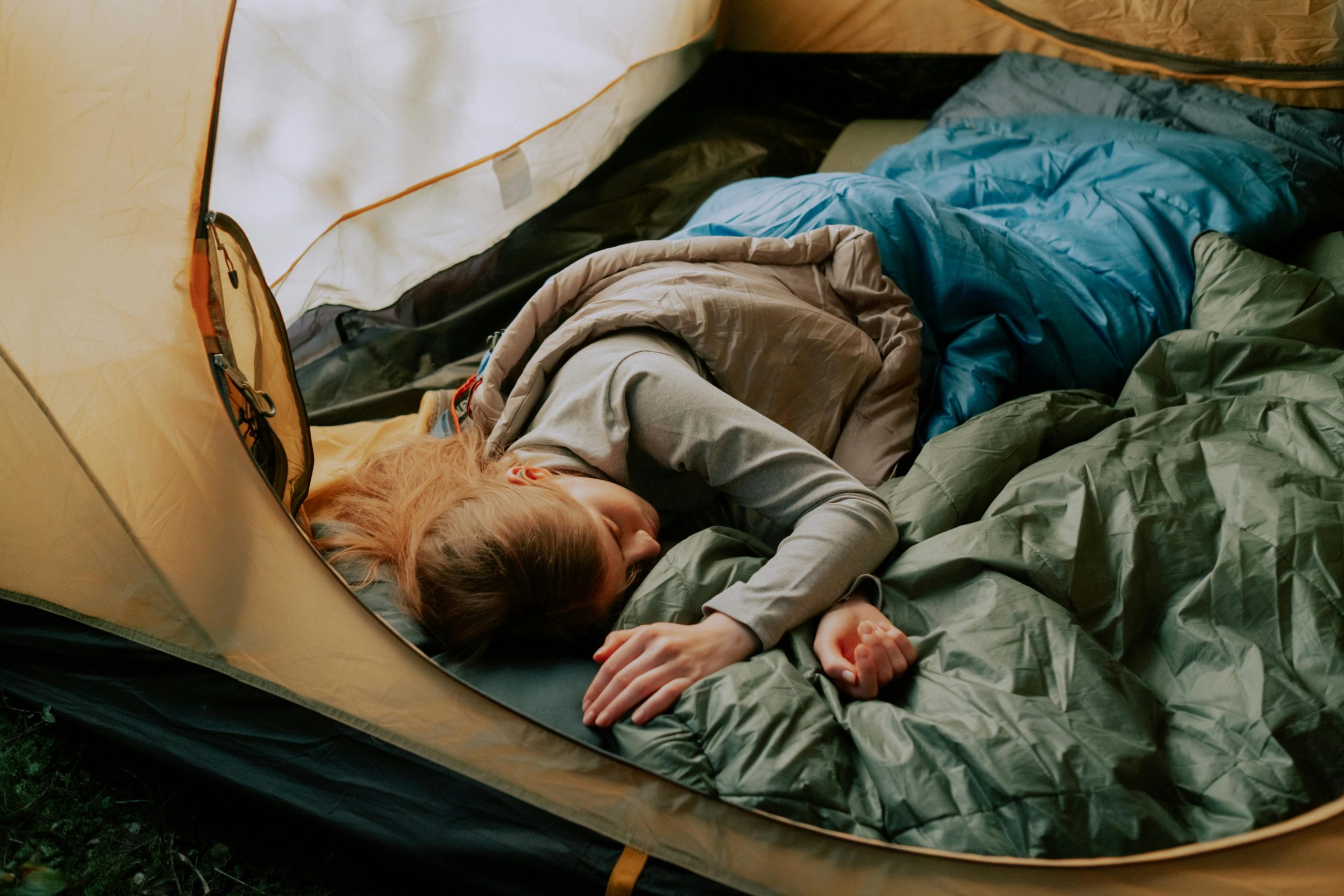
A well-insulated sleeping pad is the single most important upgrade for outdoor sleep. The ground pulls heat away faster than cold air, making even warm nights uncomfortable without proper insulation beneath you. A thick pad with a solid insulation rating supports joints, reduces pressure points, and stabilizes sleeping posture. Many people blame their sleeping bag when the real issue is heat loss from below. A quality pad also minimizes tossing and turning, allowing muscles to fully relax. Visually, this upgrade is easy to capture: a camper resting comfortably on a raised pad inside a tent, body evenly supported and calm.
2. Sleeping Bag Rated for Real Conditions

Sleeping bags are often chosen based on optimistic ratings instead of realistic overnight temperatures. A bag designed for actual conditions prevents repeated wake-ups caused by cold shoulders, feet, or drafts. Proper insulation allows the body to remain relaxed, conserving energy instead of generating heat all night. Fit matters as well, since excess space traps cold air. A well-matched sleeping bag improves sleep depth without feeling restrictive. The visual story here is clear: a camper zipped into a warm bag inside a tent, with cooler air or frost visible outside, highlighting effective insulation and comfort.
3. Inflatable Pillow Designed for Side Sleepers
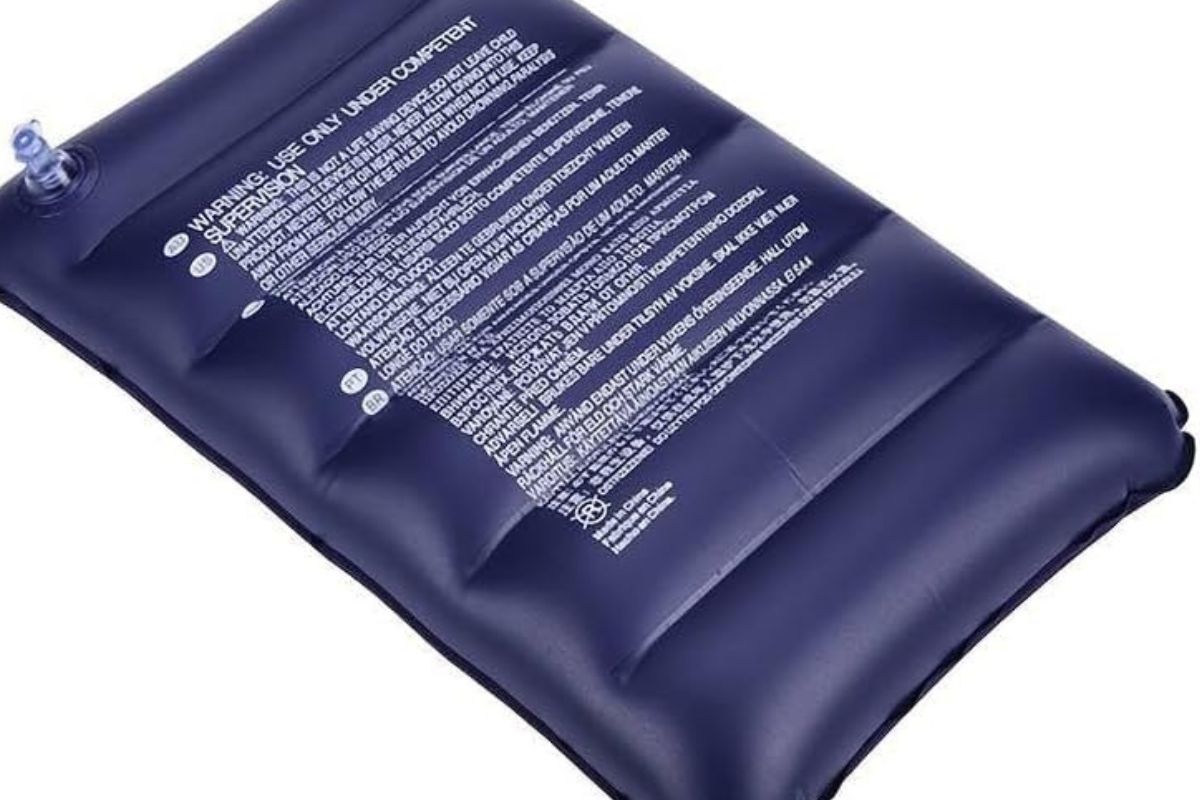
Using spare clothes as a pillow rarely provides consistent neck support. An inflatable pillow designed for side or back sleepers keeps the spine aligned and reduces shoulder and neck strain. Adjustable firmness allows sleepers to fine-tune comfort instead of settling for awkward positions. This upgrade minimizes headaches, stiffness, and repeated repositioning during the night. Despite its small size, a proper pillow dramatically improves sleep quality. A picture-friendly moment shows a camper sleeping naturally on their side inside a tent, head supported properly rather than tucked or twisted.
4. Tent with Proper Ventilation and Interior Space

A poorly ventilated tent traps moisture, leading to damp air and clammy sleeping conditions. Good ventilation balances airflow with warmth, preventing condensation from soaking gear. Adequate interior space also reduces the boxed-in feeling that keeps the mind alert. When a tent breathes properly, temperatures stabilize, and sleeping bags stay dry. This upgrade improves both physical comfort and mental relaxation. Visually, this is shown through open mesh panels, gentle airflow, and an organized sleeping area that feels breathable, calm, and inviting rather than enclosed.
5. Sleeping Bag Liner for Temperature Control
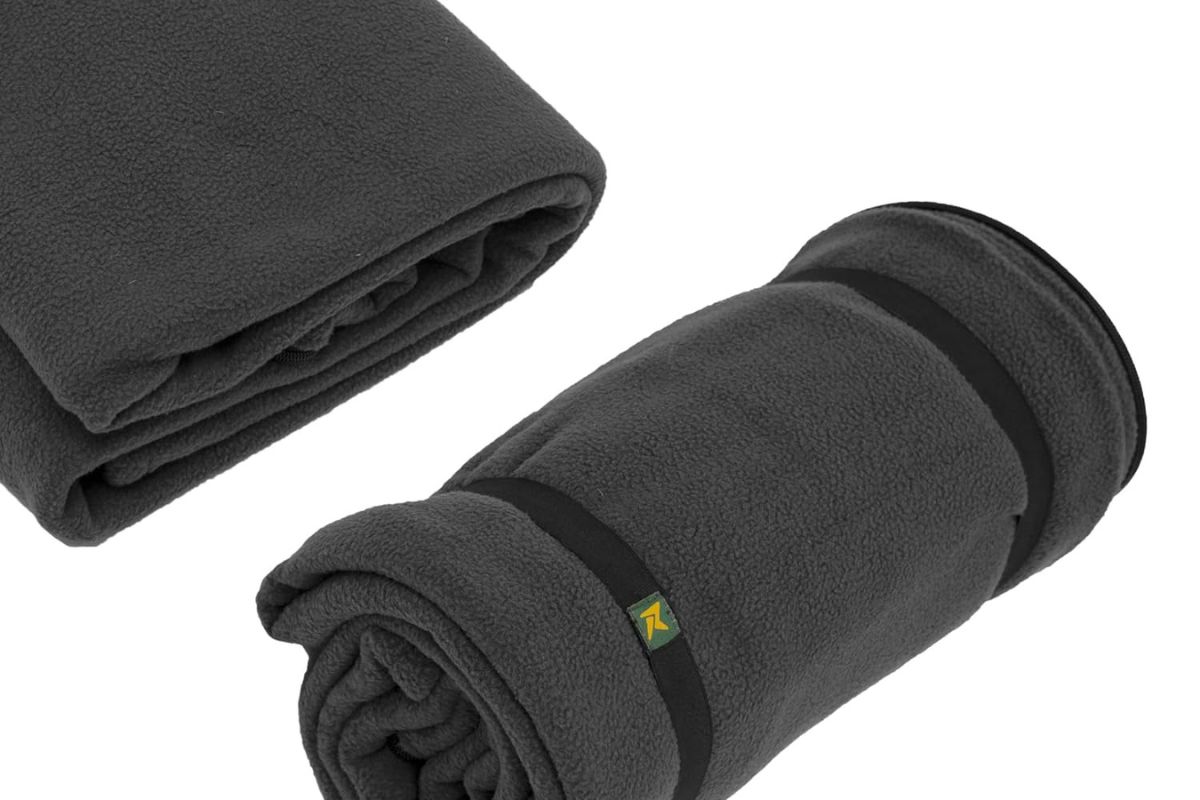
A sleeping bag liner adds flexibility to a sleep system by regulating warmth and comfort. Liners add insulation during colder nights while preventing overheating in milder weather. They also improve the feel of the sleeping surface against the skin, helping the body relax faster. Moisture control is another benefit, keeping sweat off the sleeping bag itself. Liners extend the life of expensive bags and simplify cleaning. A strong visual shows a partially opened sleeping bag with a liner visible inside, emphasizing layered comfort and adaptable warmth.
6. Earplugs or White Noise Device
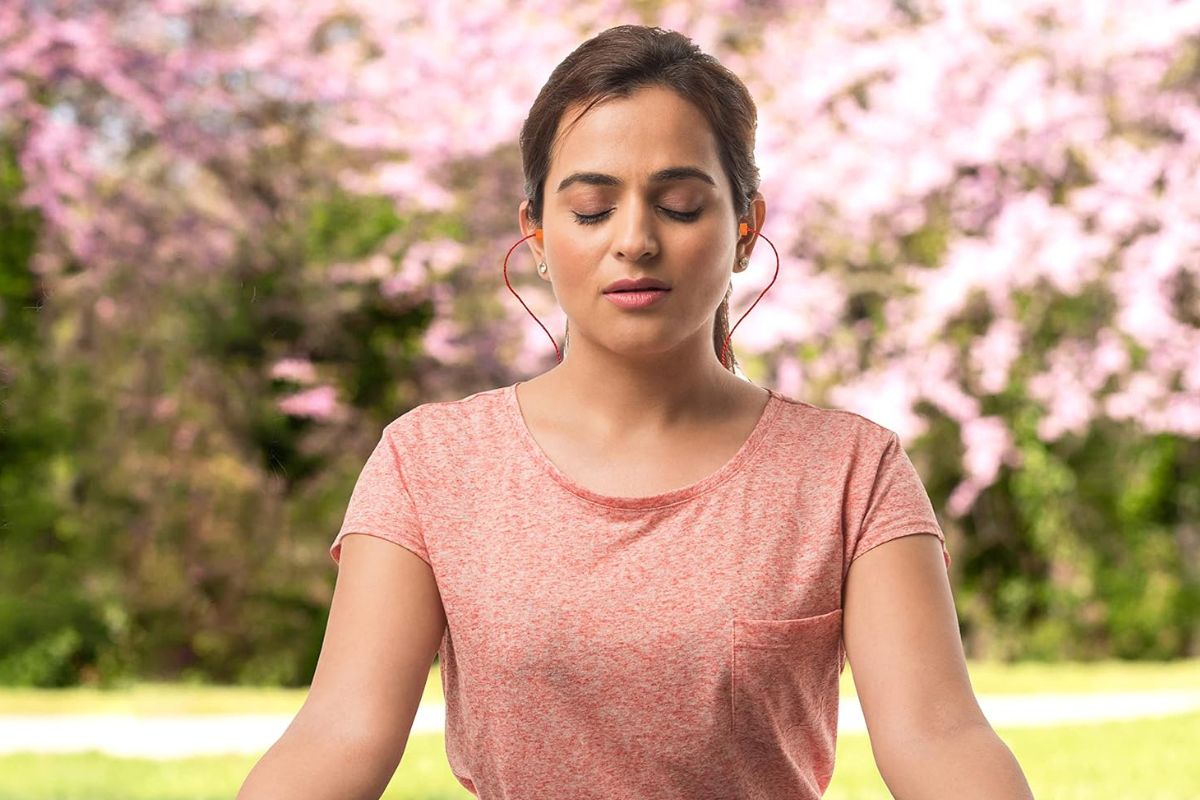
Unexpected outdoor sounds often disturb sleep more than cold or hardness. Wind gusts, insects, wildlife, and unfamiliar noises keep the brain alert. Earplugs or compact white-noise devices soften sudden sound changes and help the mind settle into deeper rest. This upgrade is especially valuable in windy terrain or shared campsites. By reducing nighttime vigilance, sleep becomes longer and more continuous. A picture-friendly scene shows a peaceful sleeper resting inside a tent while trees move or wind stirs outside, reinforcing calm despite the surroundings.
7. Insulated Sleeping Clothes Reserved Only for Night
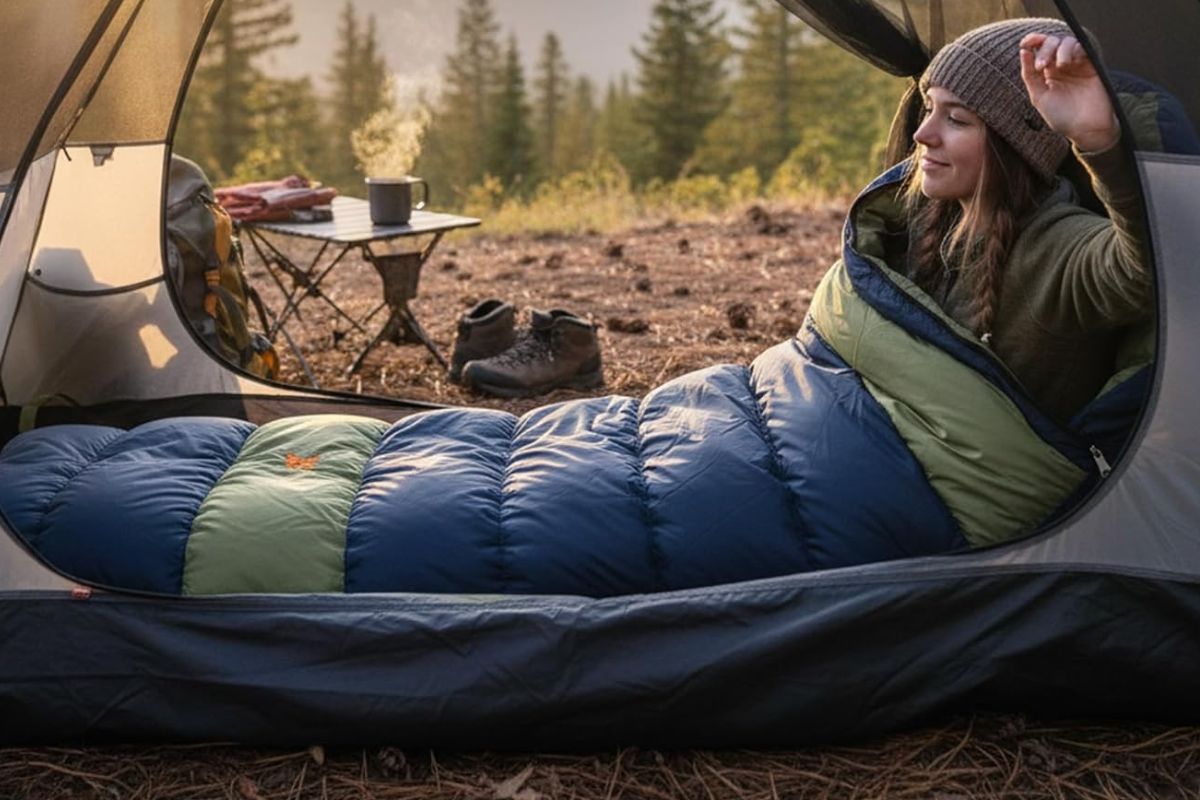
Dedicated sleep clothing helps signal the body that it is time to rest. Clean, dry layers trap warmth while preventing the dampness caused by daytime sweat. Changing into sleep-only clothing creates both physical comfort and mental separation from active hours. Breathable insulation keeps temperatures stable without overheating. This habit improves sleep onset and reduces nighttime wake-ups. Visually, this upgrade is shown as a camper changing into fresh layers beside a tent at dusk, reinforcing comfort, routine, and readiness for rest.
8. Groundsheet or Tent Footprint Upgrade
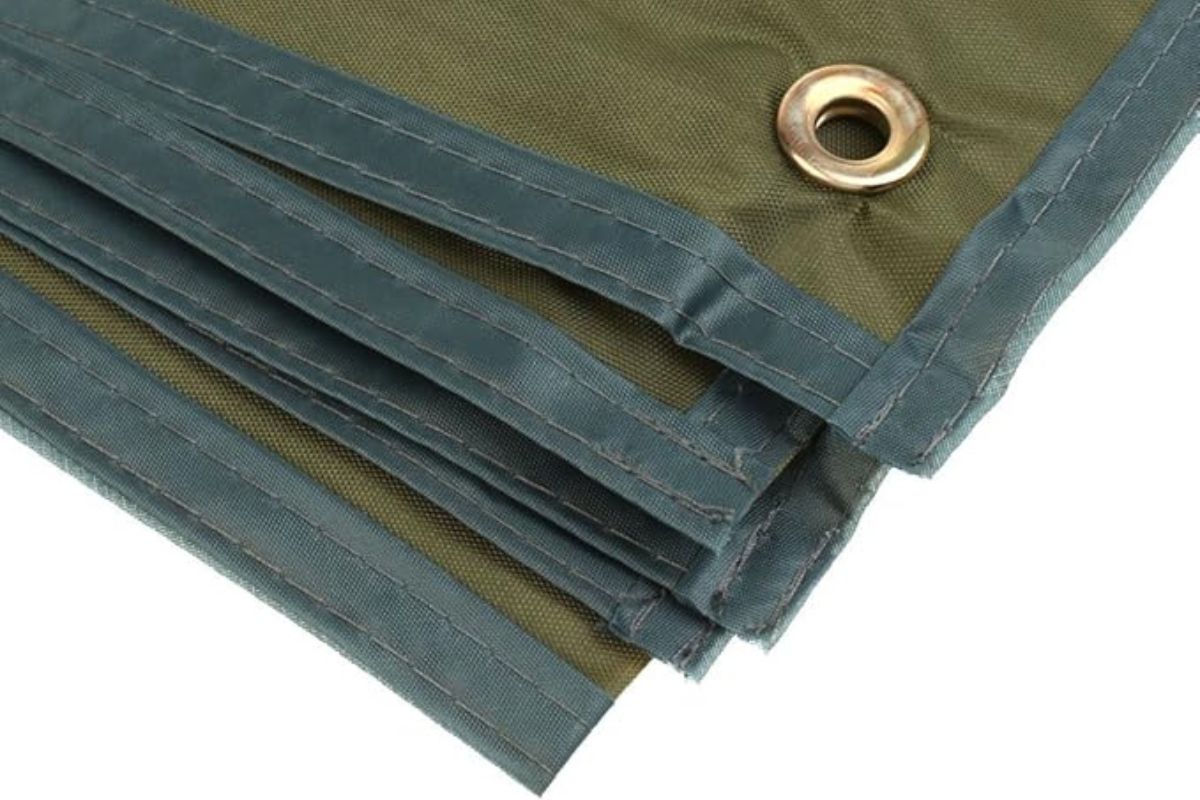
A groundsheet or tent footprint adds a crucial barrier between sleep systems and the earth. It reduces moisture seepage, blocks cold transfer, and smooths uneven ground. This layer improves consistency from night to night and protects other gear from damage. By stabilizing the sleeping environment, comfort becomes more predictable. A picture-friendly image shows a tent pitched neatly over a footprint, with dry ground and an organized interior that reinforces cleanliness and warmth.
9. Headlamp with Red-Light Mode
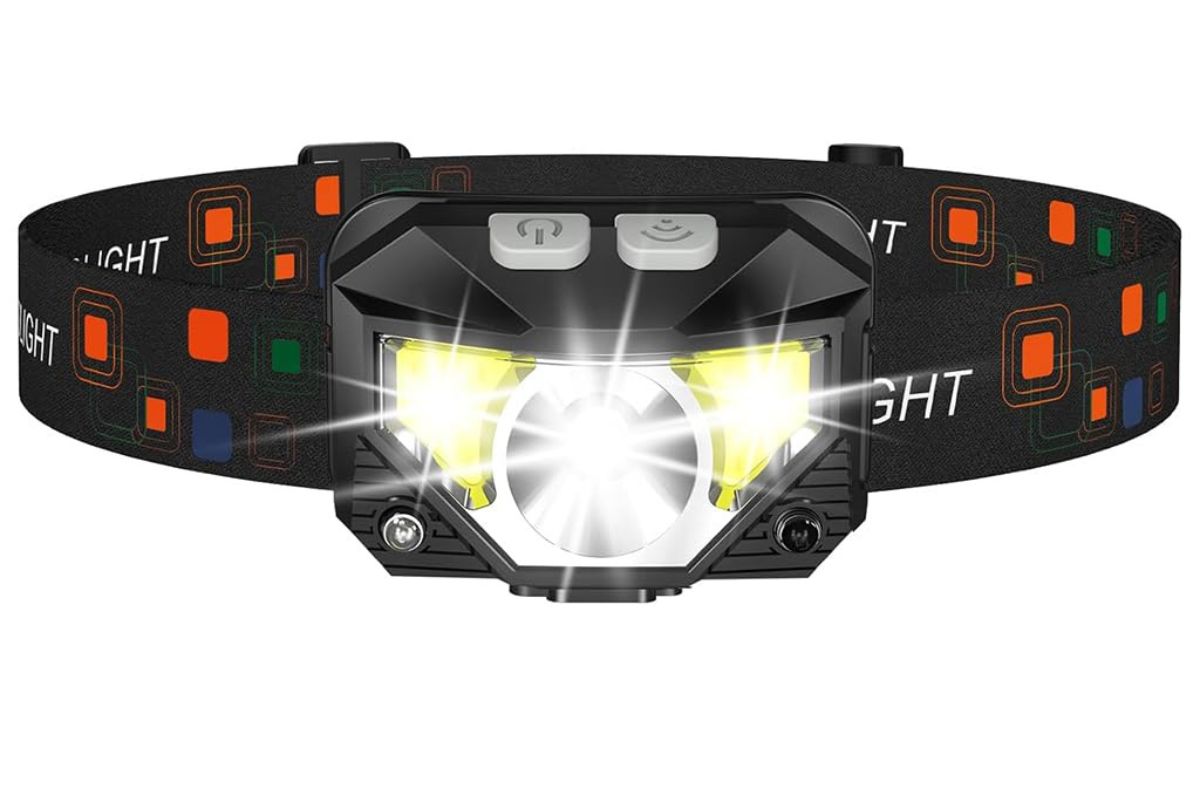
Bright white light disrupts natural sleep rhythms by signaling alertness to the brain. A headlamp with red-light mode allows movement at night without fully waking the mind. This is ideal for nighttime adjustments or bathroom trips. Preserving low light keeps drowsiness intact and shortens the time needed to fall back asleep. Visually, this upgrade appears as a soft red glow inside a tent, illuminating gear gently without harsh contrast, reinforcing nighttime calm and control.
10. Consistent Bedtime Setup Routine
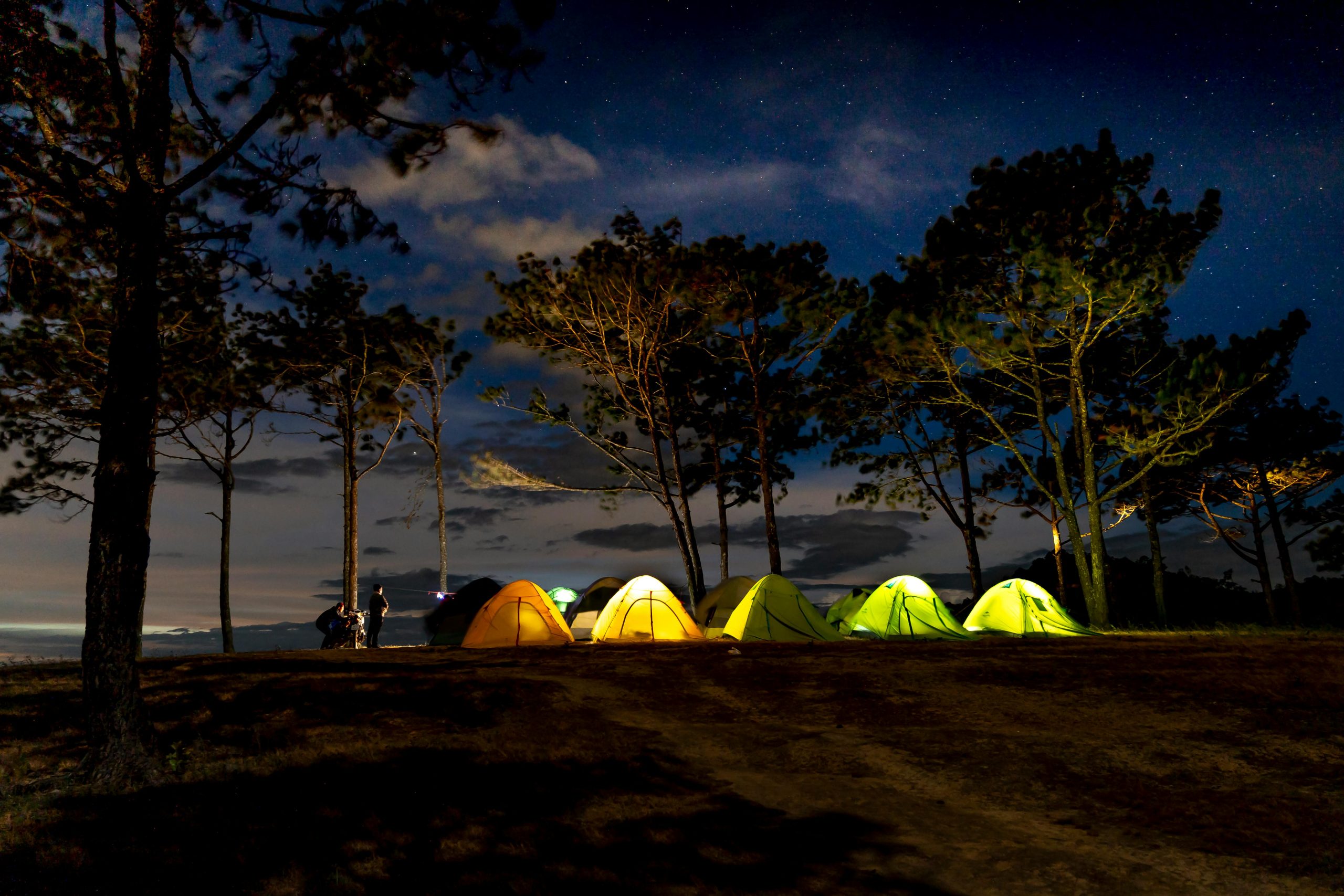
Even the best gear works better when paired with routine. Setting up sleep systems the same way each night reduces mental load and decision fatigue. Familiar steps create predictability, signaling safety and rest to the brain. Confidence in the setup leads to faster relaxation and deeper sleep. Over time, routine becomes a powerful sleep aid. The visual representation is a neatly organized campsite at sunset, with sleeping gear arranged intentionally, creating a sense of order and calm before nightfall.
The post 10 Gear Upgrades That Dramatically Improve Sleep Outdoors appeared first on Bushcraft Base Camp.