
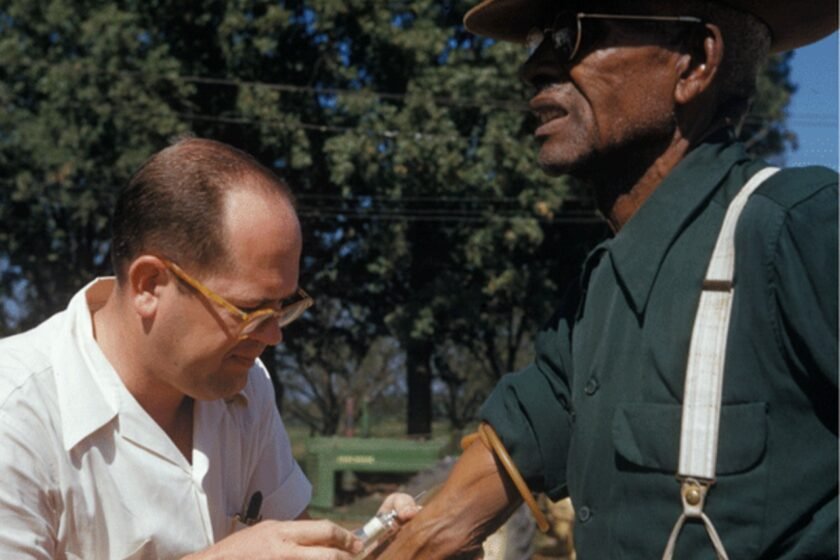
Some of the most astonishing stories are not found in books or films but in real-life government programs. Over the decades, authorities have carried out experiments that pushed the boundaries of ethics, science, and human endurance. From secret mind-control trials to disturbing medical tests, these projects reveal the extreme measures taken in the name of national security, research, and knowledge. Many remained hidden for years, and when uncovered, they remind us that truth can be far stranger than fiction.
1. Project MK-Ultra
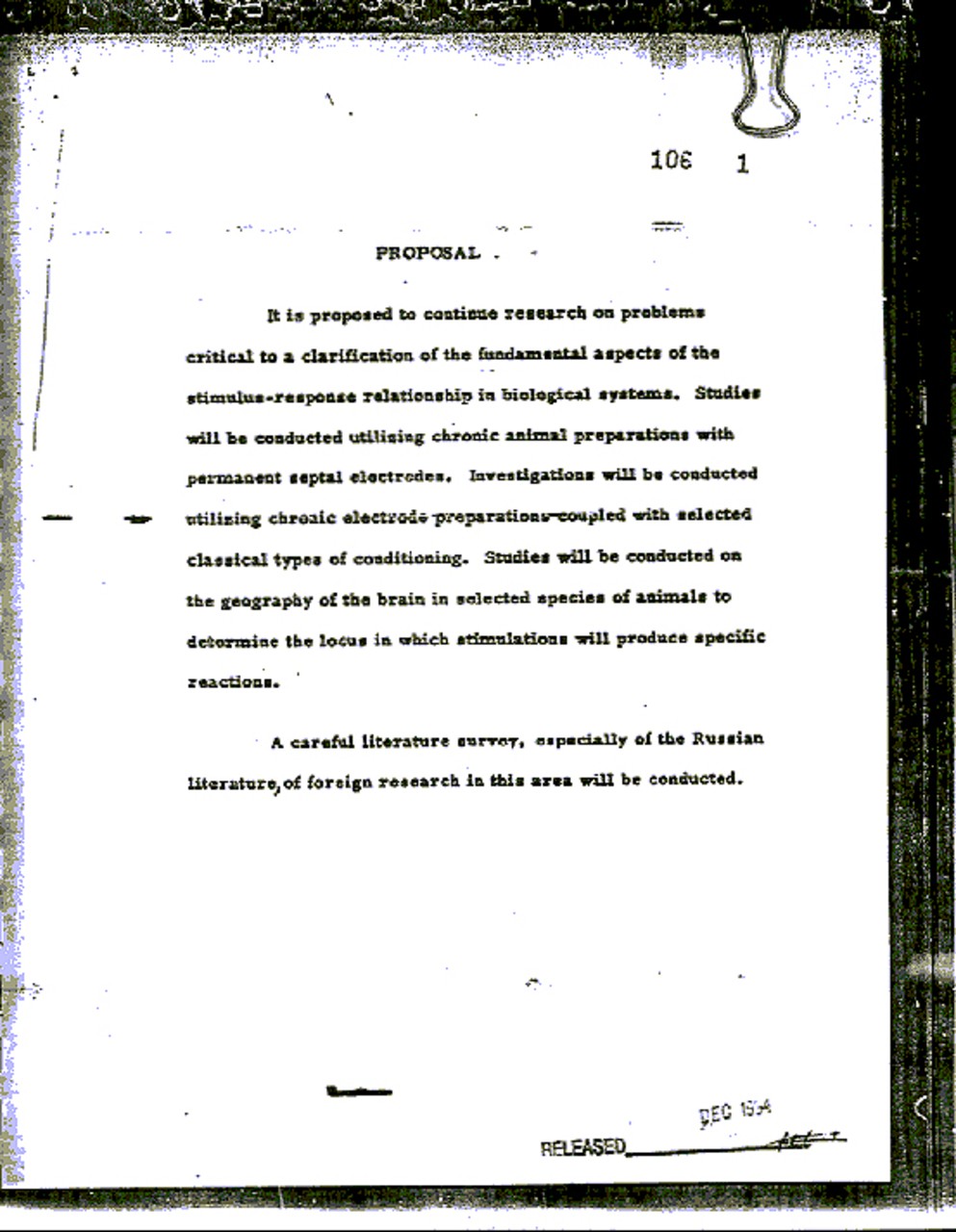
Imagine a government program so secret that even participants didn’t know they were part of it. That was MK-Ultra, a CIA initiative exploring mind control and chemical interrogation. In the 1950s, individuals were given LSD and other substances without consent to test their effects on behavior and cognition. Some subjects suffered lasting psychological trauma. The program, which ran for years before being exposed, demonstrates how far authorities were willing to go in exploring the mind as a tool of control.
2. The Tuskegee Syphilis Study
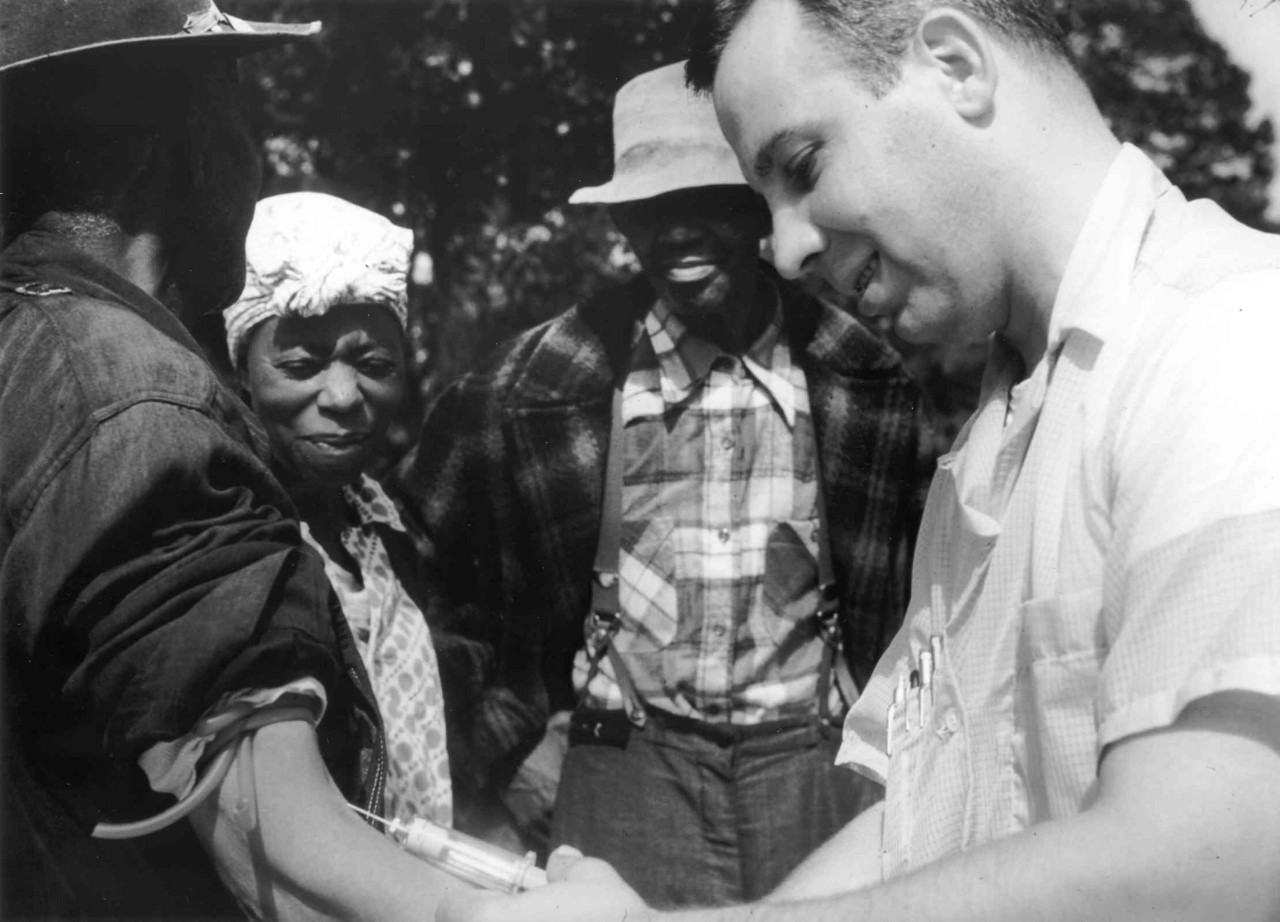
Between 1932 and 1972, hundreds of Black men in Alabama were deceived by the U.S. Public Health Service. Told they were receiving free healthcare, they were actually monitored to observe the natural progression of untreated syphilis. Even after penicillin became the standard cure, treatment was withheld. The study caused unnecessary suffering and death, leaving deep scars of mistrust toward the government and public health initiatives. Its legacy is a cautionary tale about ethics in research.
3. Operation Big Itch

In the mid-1950s, the U.S. Army explored bizarre methods of biological warfare through Operation Big Itch. The project tested whether fleas, some infected with deadly pathogens like the plague bacterium, could be deployed as weapons. Carried out in Utah’s Dugway Proving Ground, canisters of fleas were dropped to study survival and dispersal. The tests showed the insects were unpredictable and often harmed handlers instead, proving impractical. Yet the program revealed just how far Cold War fears pushed military science into unsettling territory.
4. Operation Ranch Hand
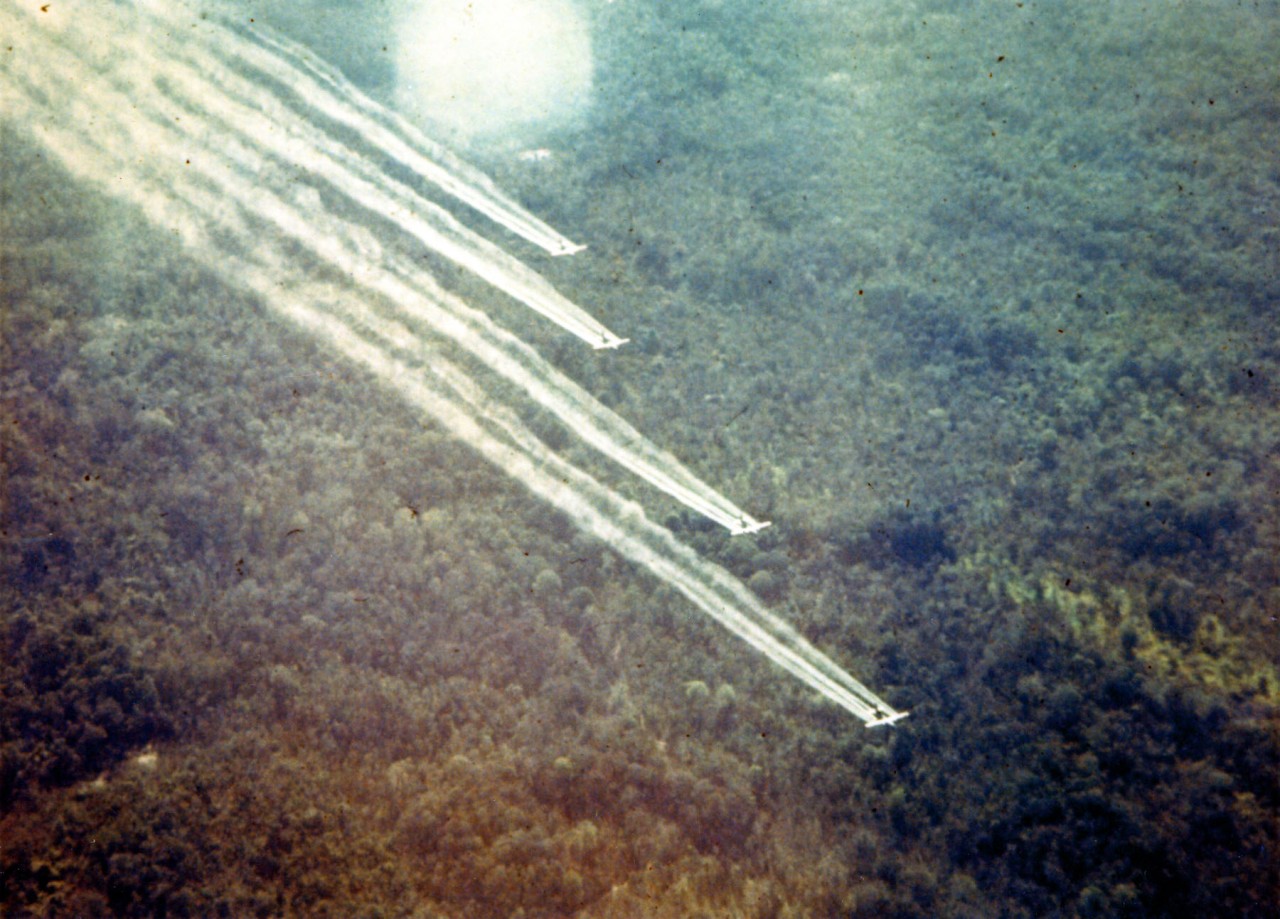
From 1962 to 1971, the U.S. military carried out Operation Ranch Hand during the Vietnam War, a massive herbicide campaign aimed at stripping dense forests of cover and destroying crops that could support enemy forces. The most notorious chemical was Agent Orange, laced with dioxin, a toxin later tied to cancers, birth defects, and lasting environmental damage. Millions of gallons were sprayed across Vietnam, leaving behind a legacy of health crises for both Vietnamese civilians and U.S. veterans, as well as contaminated soil and ecosystems still struggling to recover decades later.
5. Operation Northwoods
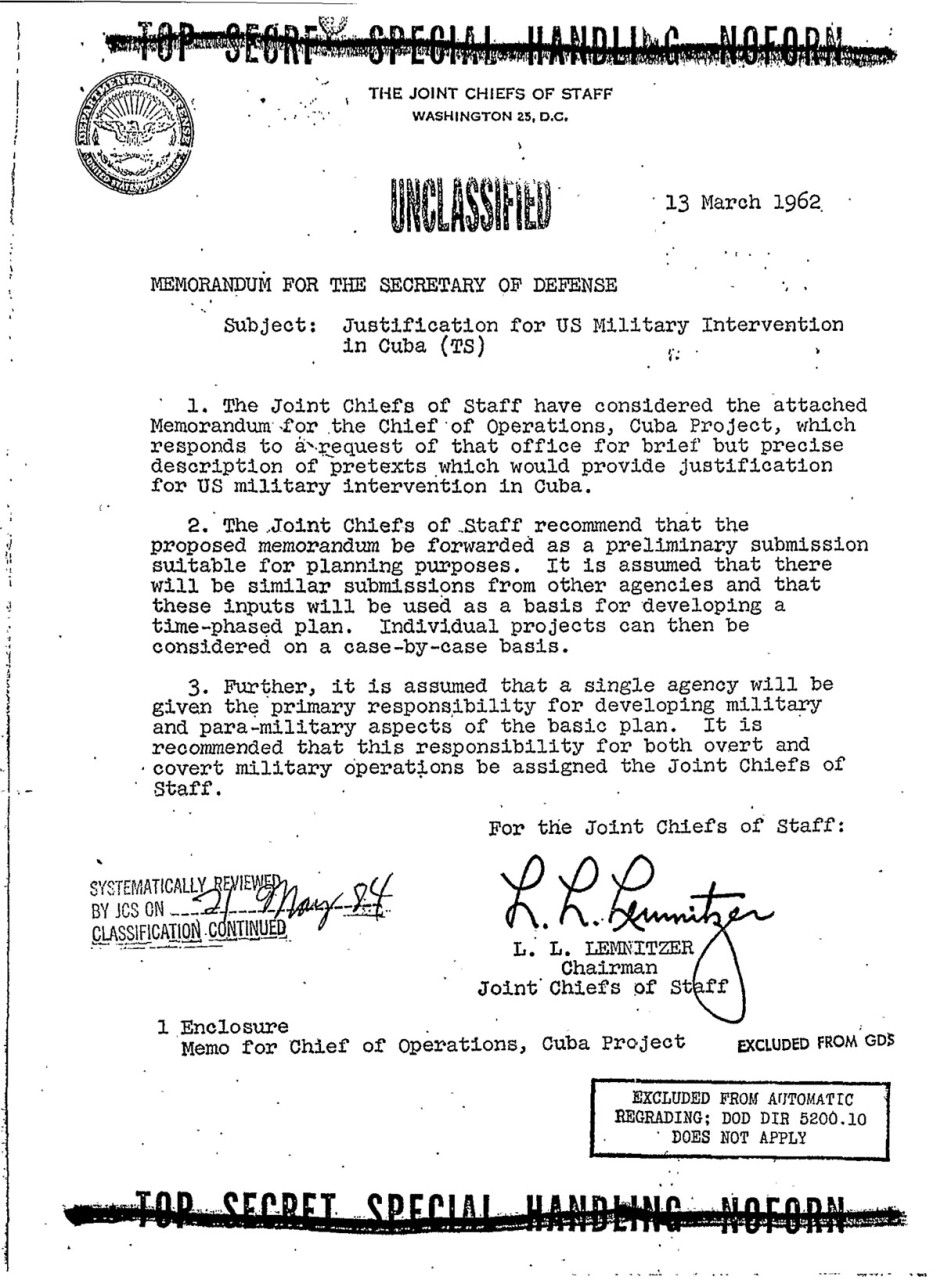
In the early 1960s, U.S. military officials proposed a highly controversial plan called Operation Northwoods, which involved staging fake terrorist attacks and acts of sabotage to create public support for a U.S. invasion of Cuba. The proposals included hijackings, bombings, and other deceptive measures intended to blame the Cuban government. The plan was ultimately rejected and never carried out, but when it was declassified decades later, it revealed the extreme lengths military planners were willing to consider during the Cold War to achieve strategic objectives.
6. Unit 731
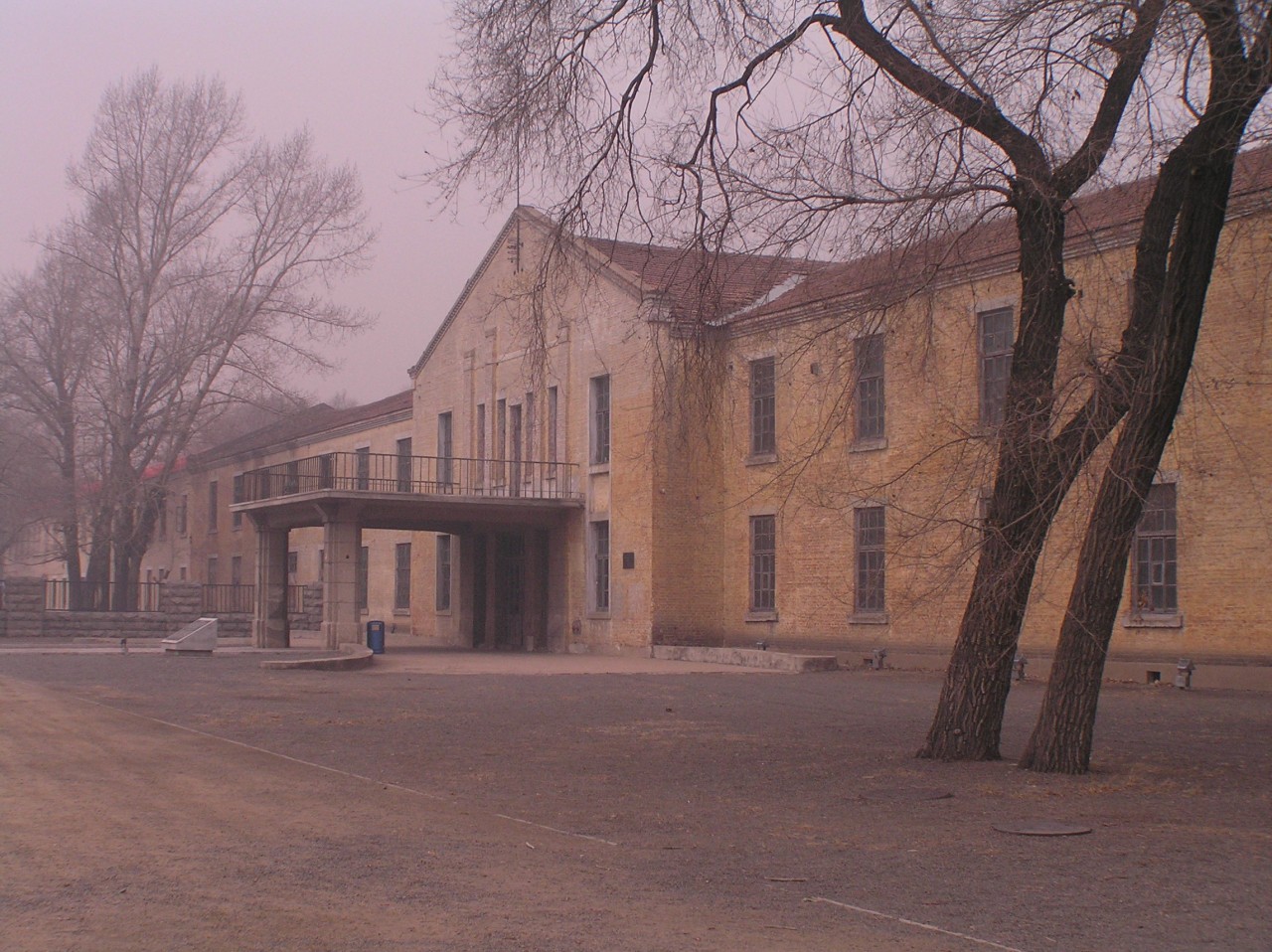
During World War II, Unit 731 conducted horrifying medical and biological experiments on prisoners in occupied China. Victims were deliberately infected with diseases, subjected to freezing temperatures, or dissected alive without anesthesia. The data gathered advanced Japan’s military research, but at the cost of immense human suffering. After the war, many responsible individuals avoided prosecution by sharing research with the Allied powers. Unit 731 stands as one of history’s most chilling examples of scientific curiosity turned into a weapon against humanity.
7. The Manhattan Project
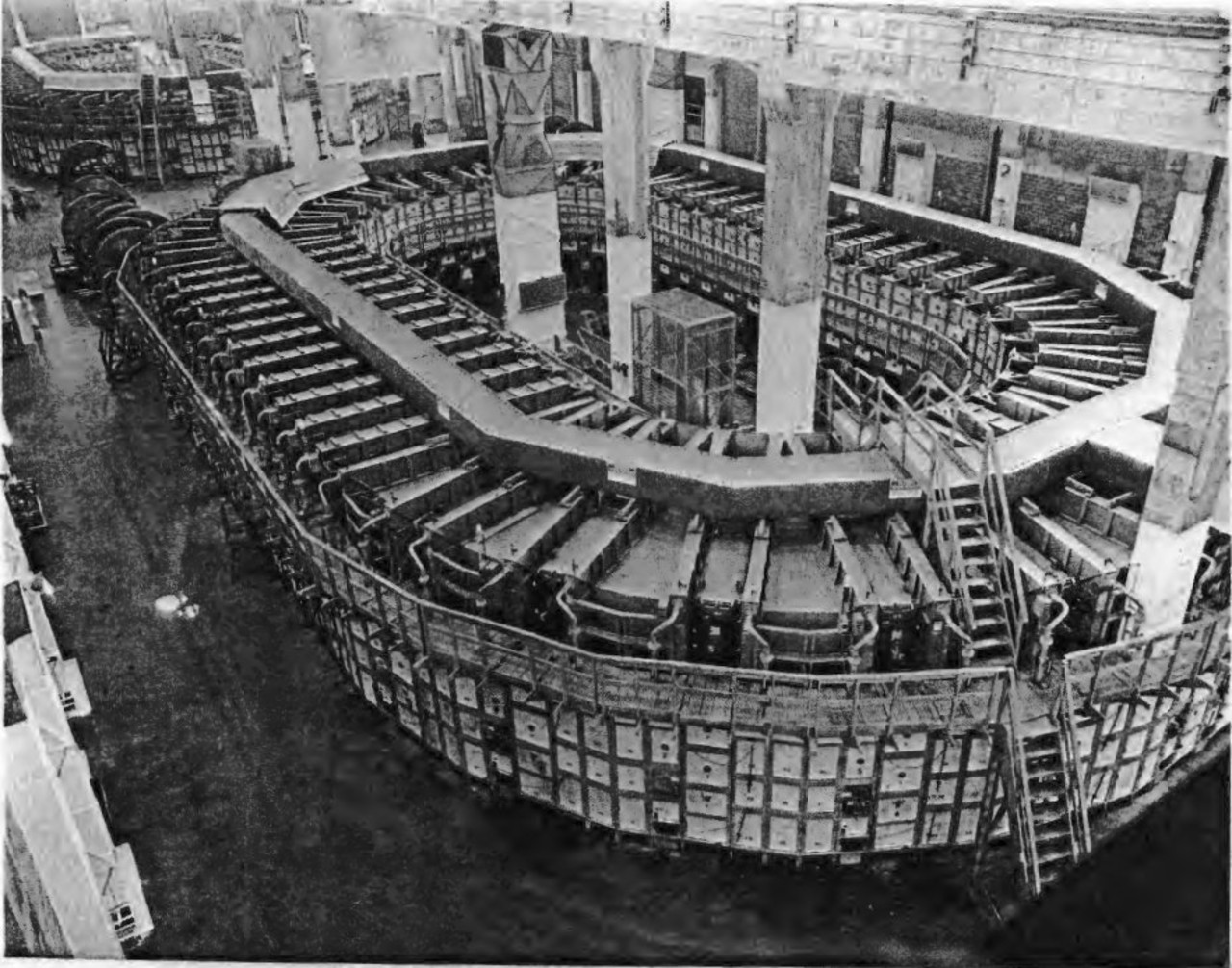
During World War II, the U.S. launched the Manhattan Project, an enormous and secret initiative to develop the first nuclear weapons. Spearheaded by physicist J. Robert Oppenheimer, it brought together top scientists, engineers, and military experts in a race against time. The project culminated in the Trinity test in July 1945, the world’s first atomic bomb detonation in New Mexico, which successfully demonstrated the destructive power of nuclear energy. The Manhattan Project reshaped warfare, diplomacy, and global politics, showing how science and secrecy could change the course of history.
8. The Philadelphia Experiment
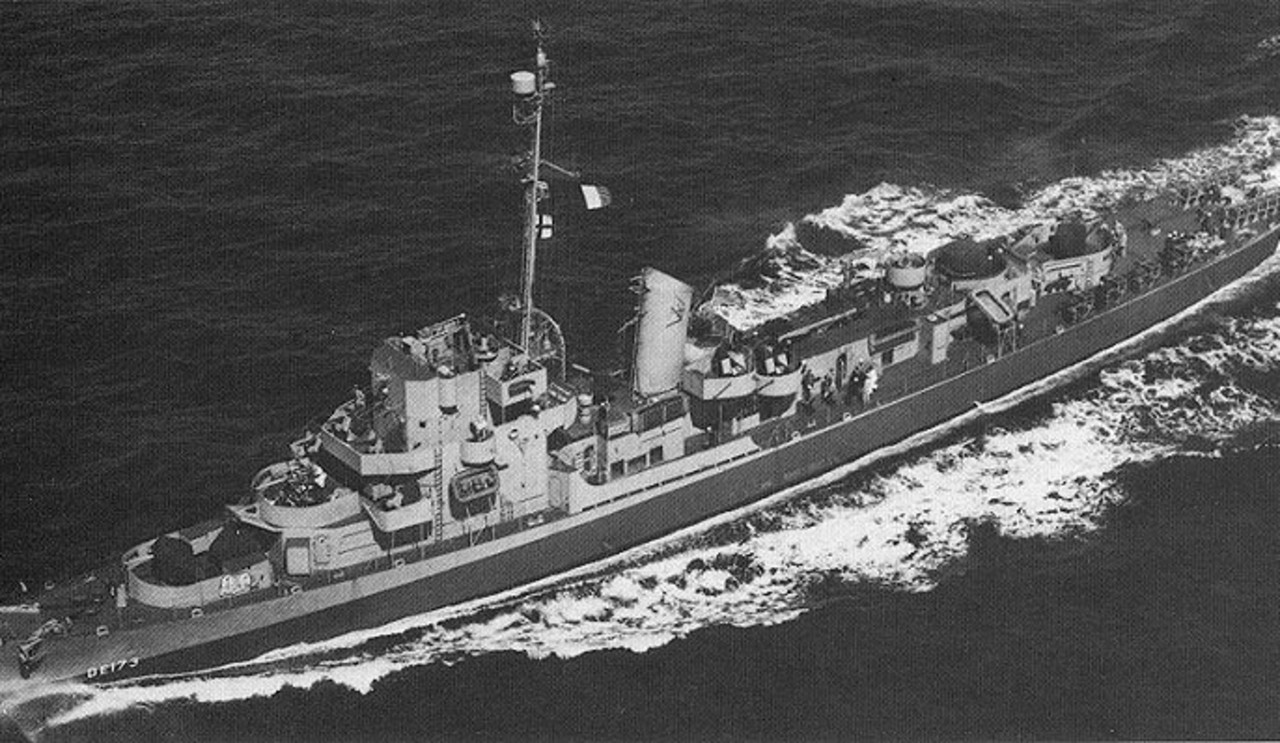
In 1943, the U.S. Navy reportedly conducted a highly secretive experiment at the Philadelphia Naval Shipyard involving the USS Eldridge. The goal, according to the story, was to render the ship invisible to radar; however, over time, the tale evolved to include claims of teleportation and time travel. While official records deny any unusual results, conspiracy theories persist, fueled by witness accounts and later anecdotes. Whether fact or fiction, the story highlights the fascination with clandestine military experiments and the human tendency to imagine extraordinary possibilities behind closed doors.
9. The Stanford Prison Experiment
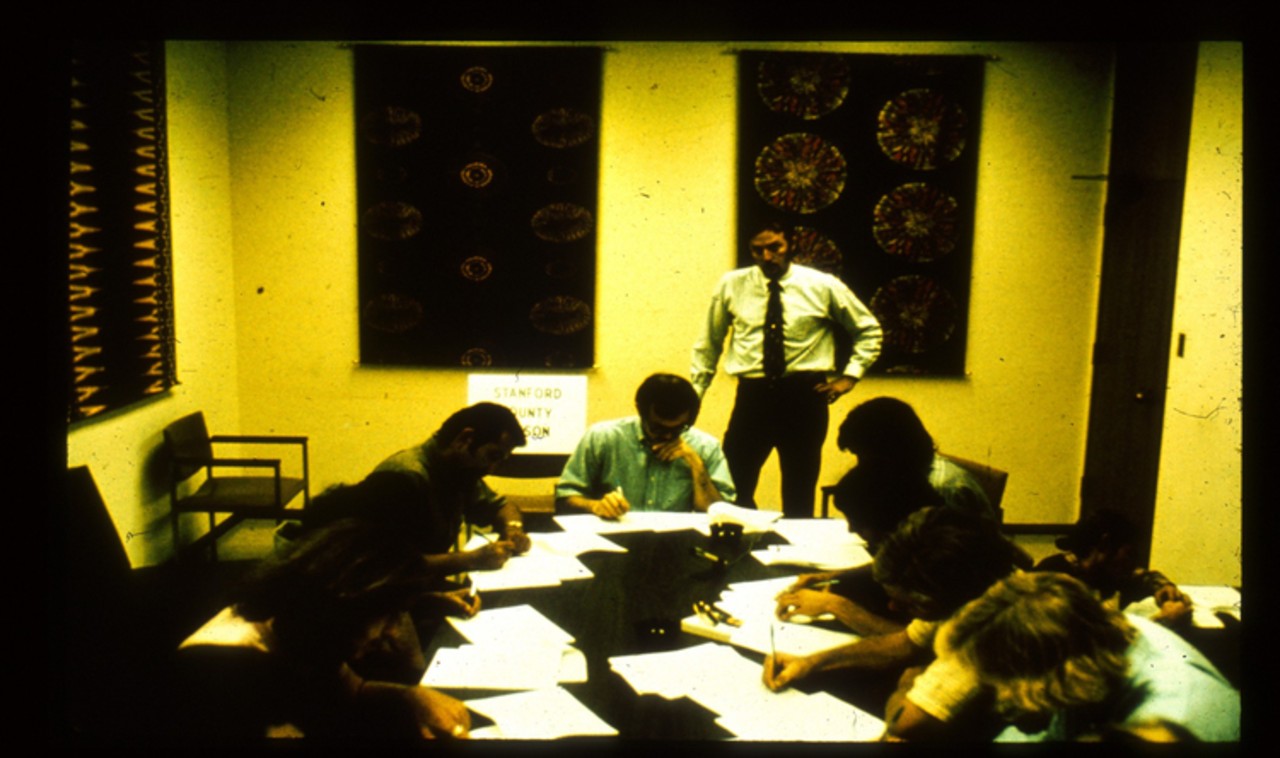
In 1971, psychologist Philip Zimbardo designed an experiment to explore how ordinary people respond to the pressures of prison life. College students were randomly assigned roles as guards or prisoners in a mock prison at Stanford University. What began as a two-week study quickly spiraled out of control, forcing early termination after only six days. Participants internalized their roles, with guards exhibiting abusive behavior and prisoners showing extreme stress. The study revealed how situations can profoundly shape behavior, raising enduring questions about authority and ethics.
10. Operation Plumbbob
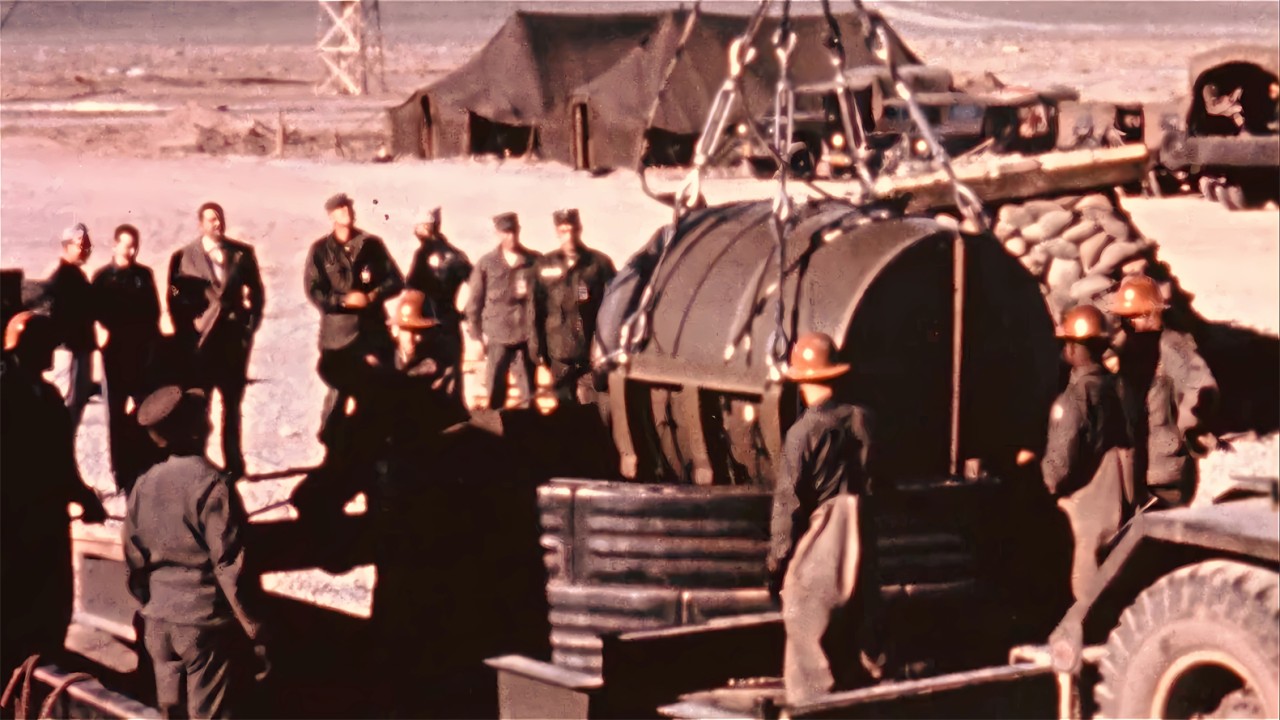
In 1957, Nevada became the stage for Operation Plumbbob, a series of nuclear tests. Soldiers were placed near detonations to observe human endurance under nuclear conditions, while civilians nearby were exposed to radiation with limited protection. The tests were part of Cold War preparations but carried significant health risks. Long-term consequences included cancer and other illnesses, showing the human cost of nuclear experimentation. Plumbbob exemplifies how scientific ambition and national security pressures often outweighed safety considerations.