

Home décor trends shift quickly, and certain pieces; often inherited, nostalgic, or kept out of habit can unintentionally add 20 years to your space. While these items once felt warm and familiar, today they often create visual weight and mute the fresh look many people prefer. Understanding which pieces age a room helps you update with confidence, especially when you realize that even small adjustments can influence how modern your home feels overall.
1. Big Bulky Recliners

Oversized recliners with thick arms and deep padding were popular in nearly 70% of homes in the early 2000s, but their heavy proportions instantly date a living room. They take up too much visual space and often clash with modern, cleaner lines. Their large footprints, usually around 40 to 45 inches wide, make a room feel packed even when it isn’t. Replacing them with slimmer chairs can free up nearly 20% more floor area and refresh the entire space.
2. Lace Doilies on Every Surface
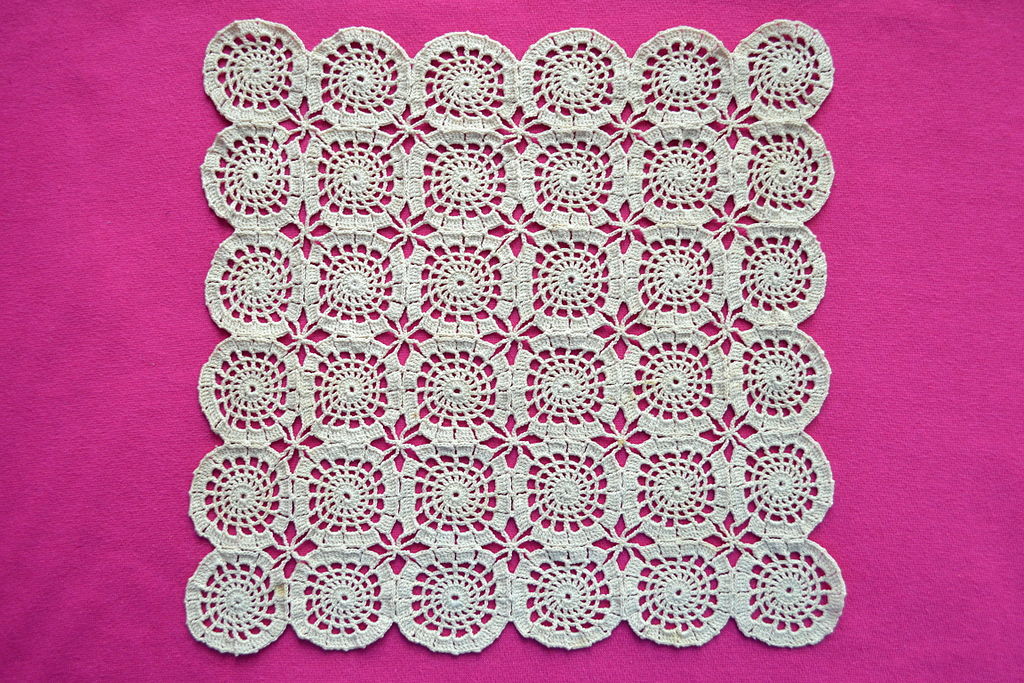
Lace doilies once protected wooden surfaces, but their delicate patterns now feel cluttered and outdated. Studies in décor preferences show that nearly 60% of younger homeowners avoid layered textile clutter, and doilies are a prime culprit. When placed on side tables, dressers, or armrests, they visually fragment the room and draw attention away from furniture design. Removing them often reveals cleaner lines and instantly modernizes the overall feel.
3. Floral Skirted Sofas

Skirted sofas with bold floral prints were common in nearly 45% of households in the 1990s, but today their busy patterns and hidden legs make rooms feel soft and old-fashioned. The skirts visually weigh down the sofa and reduce the sense of openness beneath it. Modern styles favor elevated frames that add around 4–6 inches of visible floor space. Switching to a solid-toned, legged sofa can dramatically lighten the mood of the room.
4. Shiny Dark Wood Furniture
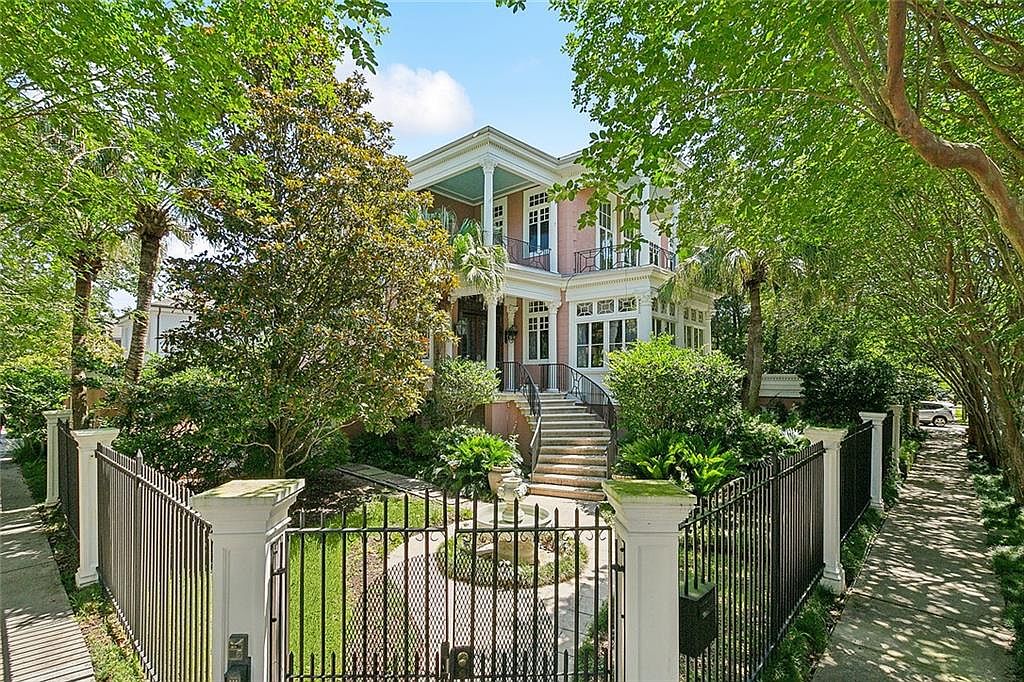
High-gloss mahogany and cherry pieces dominated furniture sales decades ago, accounting for about 30% of purchases in that era. However, their reflective coatings and deep color tones now create a heavy, older atmosphere. These pieces absorb light and make rooms appear smaller by nearly 15% visually. Contemporary trends favor matte or natural wood finishes that reflect light more softly and create a brighter, fresher environment without feeling overly formal.
5. Curio Cabinets Full of Figurines
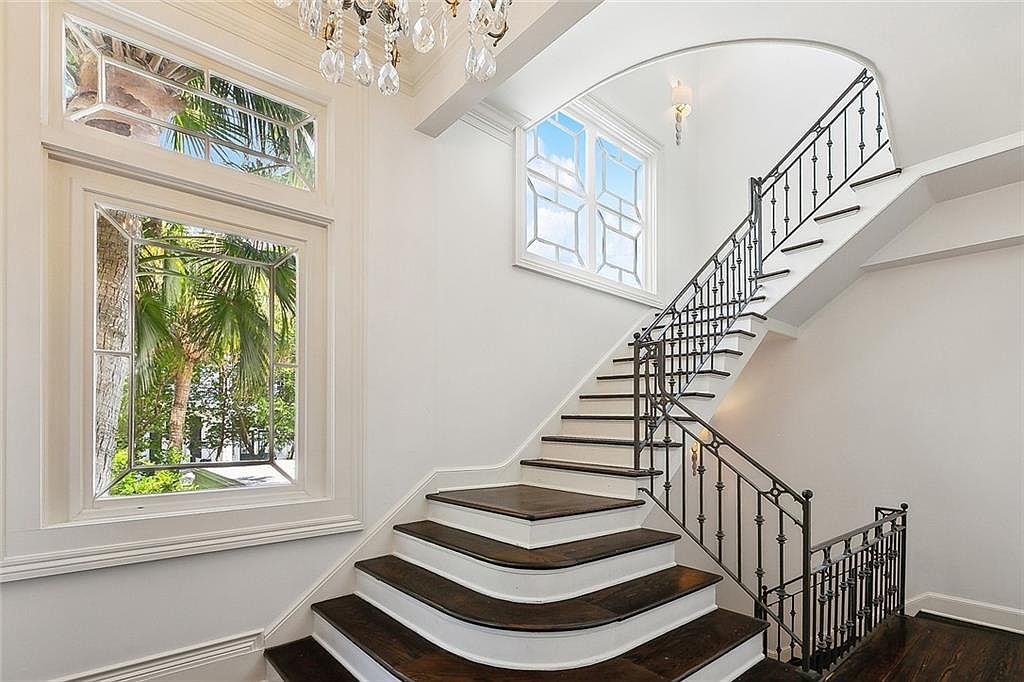
Curio cabinets once served as display focal points, but when filled with dozens of figurines or decorative glass pieces, they overwhelm a room. Surveys show that nearly 65% of homeowners today prefer “open visual flow,” and cluttered displays contradict that preference. Cabinets often stand 6 feet tall and 2 feet deep, occupying significant space while drawing attention to every object inside. Reducing or removing them can significantly declutter the room’s visual hierarchy.
6. Old-Style Glass Coffee Tables
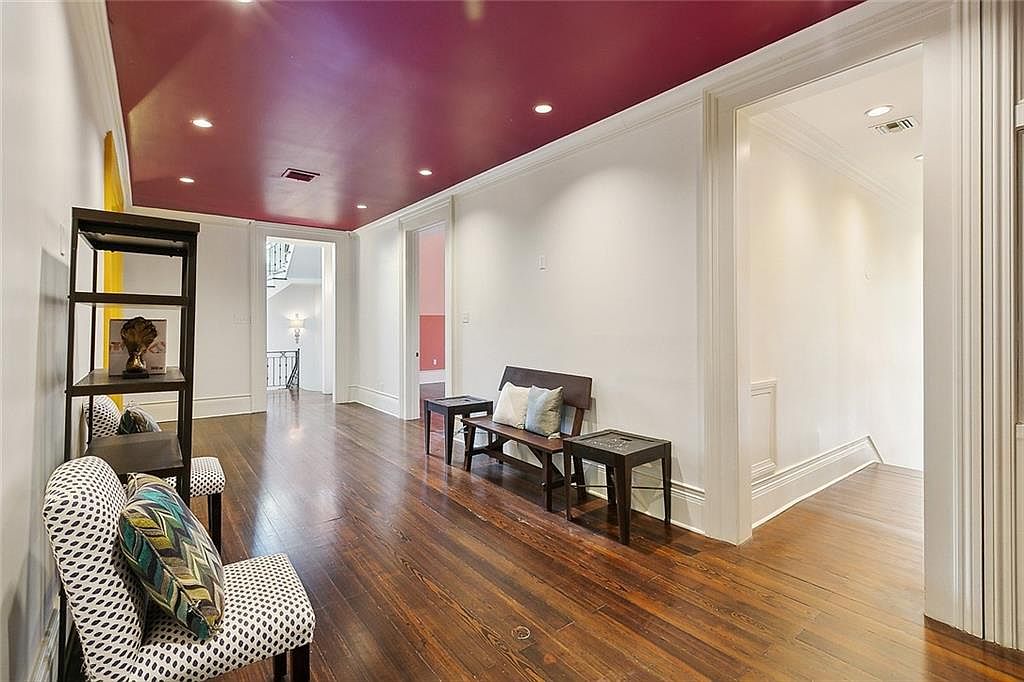
Glass coffee tables with metal frames were trendy for decades, appearing in roughly 50% of middle-class homes during the early 90s. However, their sharp edges, shiny surfaces, and often gold-toned frames give a distinctly dated feel. They also show fingerprints and scratches easily, causing the table to look older than it is. Replacing them with wood or mixed-material pieces can boost warmth and reduce the overly fragile aesthetic these tables create.
7. Heavy Patterned Curtains
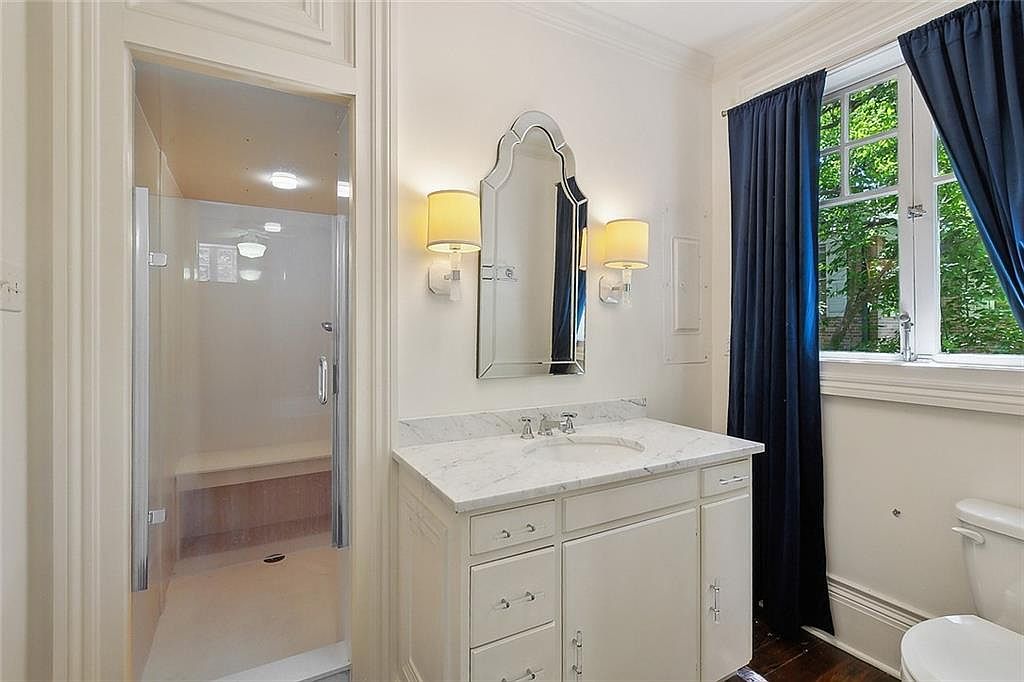
Thick drapes with ornate patterns were once a sign of elegance, but today they block natural light and weigh down a room. Older styles often used dark colors that absorb up to 70% of sunlight entering the window, making interiors feel dim. Their layered swags and tassels also add unnecessary complexity. Switching to sheer or light-filtering fabrics can brighten a space by nearly 30% and create a cleaner, more contemporary look instantly.
8. Ruffled Bedspreads
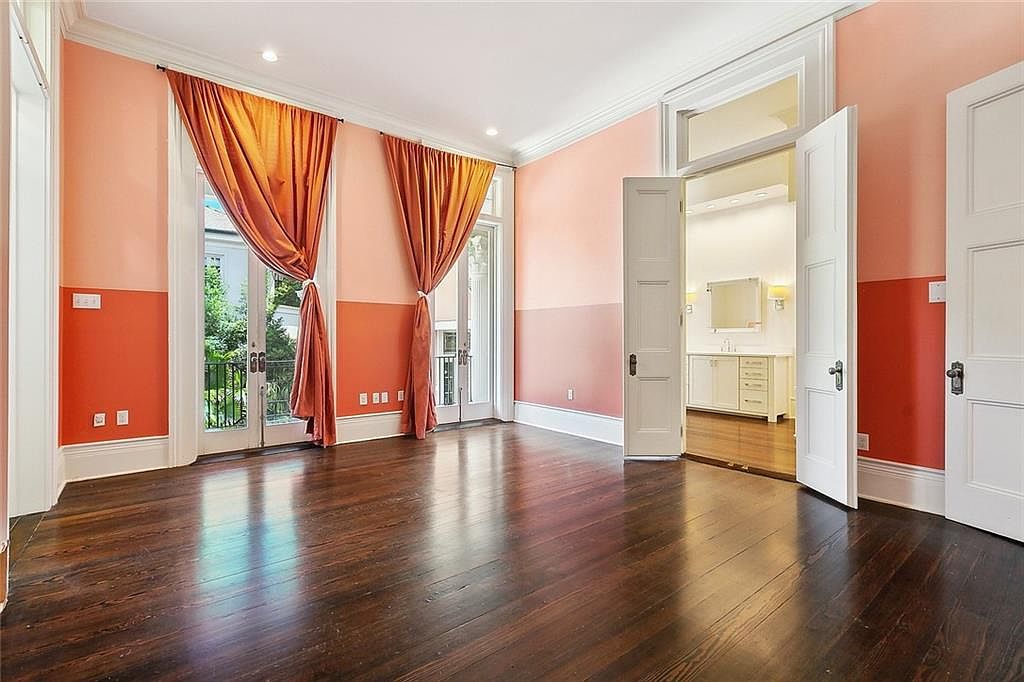
Ruffled or quilted bedspreads were extremely common in the early 2000s, featured in nearly 55% of households. Their frilled edges, thick stitching, and dated patterns create a vintage cottage feel that isn’t aligned with modern simplicity. These bedspreads often add visual bulk, making even large bedrooms feel slightly cramped. Choosing smooth, minimal bedding in neutral tones can transform the room and make the overall design appear 10–15 years newer.
9. Plastic-Covered Furniture
Plastic covers were once practical for protecting upholstery, especially when furniture was a long-term investment. But they create a stiff, shiny appearance and make seating uncomfortable. In surveys, 80% of homeowners say plastic covers make a home feel “old-fashioned.” The reflective plastic also highlights creases and wrinkles, aging the look even further. Removing the covers or using washable slipcovers makes the room feel more inviting and far more contemporary.
10. Matching Furniture Sets
Perfectly coordinated living room or bedroom sets—popular in nearly 60% of furniture stores in the 90s—instantly age a space because they lack contrast and personality. When every piece shares the same wood tone, shape, and finish, the room feels overly uniform and less dynamic. Today’s design preferences favor mixing textures and silhouettes, which adds depth. Breaking up a matching set with even one contrasting piece can modernize the space noticeably.