
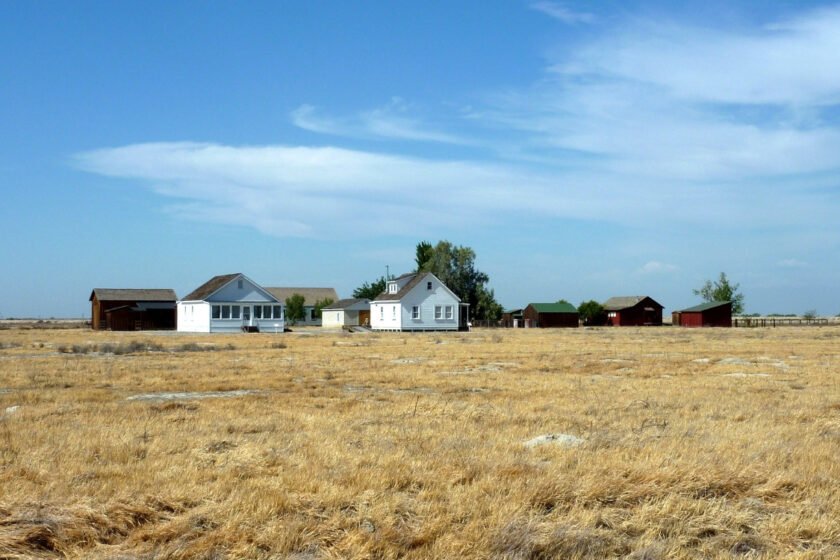
After the Civil War, formerly enslaved people established their own communities known as Freedmen’s towns. These towns became symbols of independence, resilience, and self-sufficiency, with schools, churches, and businesses built from the ground up. While many have disappeared due to urban development and displacement, several still exist today, preserving history and culture. Visiting these towns allows travelers to connect with African American heritage and gain a deeper understanding of post-emancipation life. Here are ten historic Freedmen’s towns you can still explore across the United States.
1. Freedmen’s Town, Houston, Texas

Located in Houston’s Fourth Ward, this community was established by freed people in the late 1800s. Known for its handmade brick streets and historic churches, Freedmen’s Town once thrived as a cultural hub. The area faced threats of demolition during urban renewal, but preservation efforts have kept its heritage alive. The African American Library at the Gregory School documents its history, while remaining streets and buildings provide a glimpse into its past. According to the Texas Historical Commission, it is one of the most significant African American settlements in Texas.
2. Mound Bayou, Mississippi
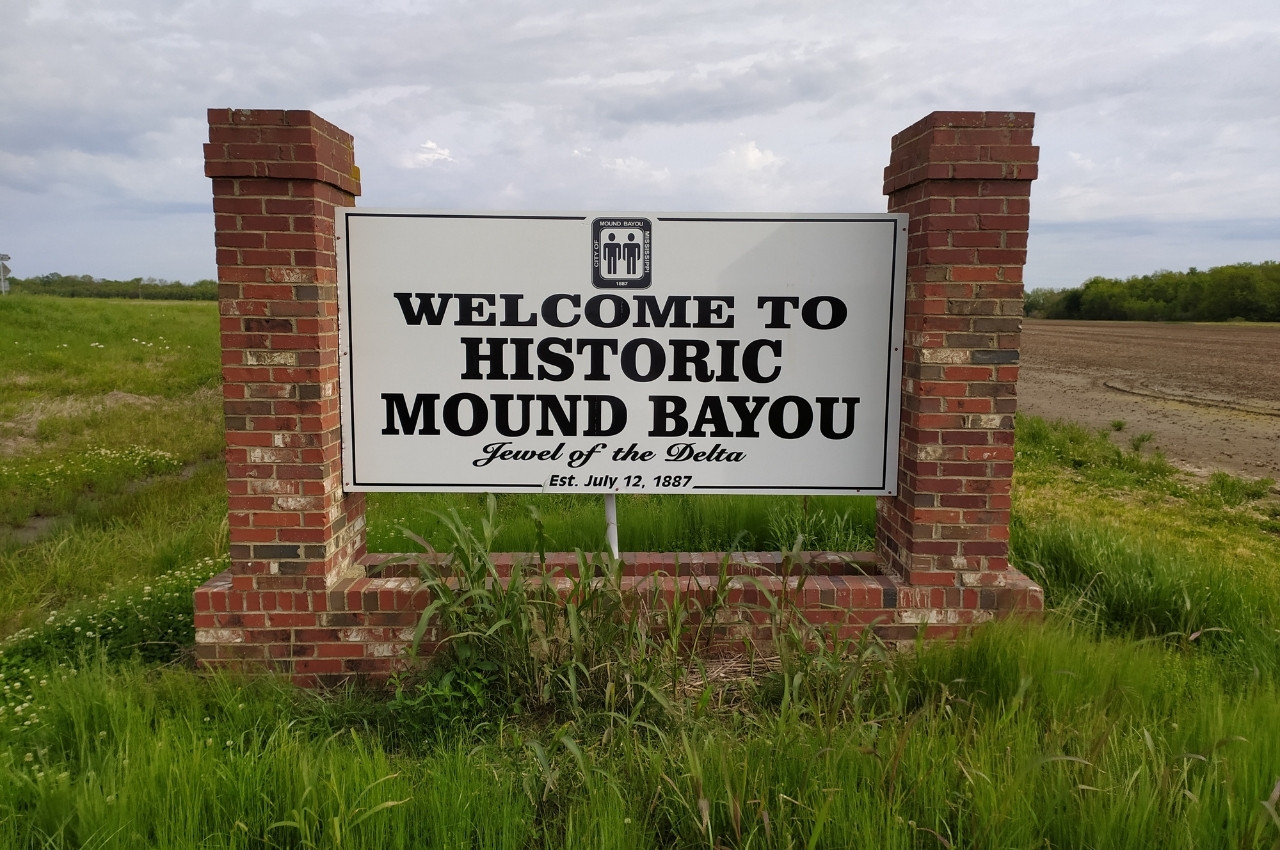
Founded in 1887 by Isaiah Montgomery and other former slaves, Mound Bayou became one of the most successful all-Black towns in America. It boasted banks, schools, and businesses entirely run by African Americans. Leaders such as Booker T. Washington supported its growth, and the town became a beacon of Black independence. Today, Mound Bayou still exists, and historical markers guide visitors through its legacy. The Mississippi Department of Archives and History highlights its role as a model for self-sufficient Black communities in the South.
3. Nicodemus, Kansas
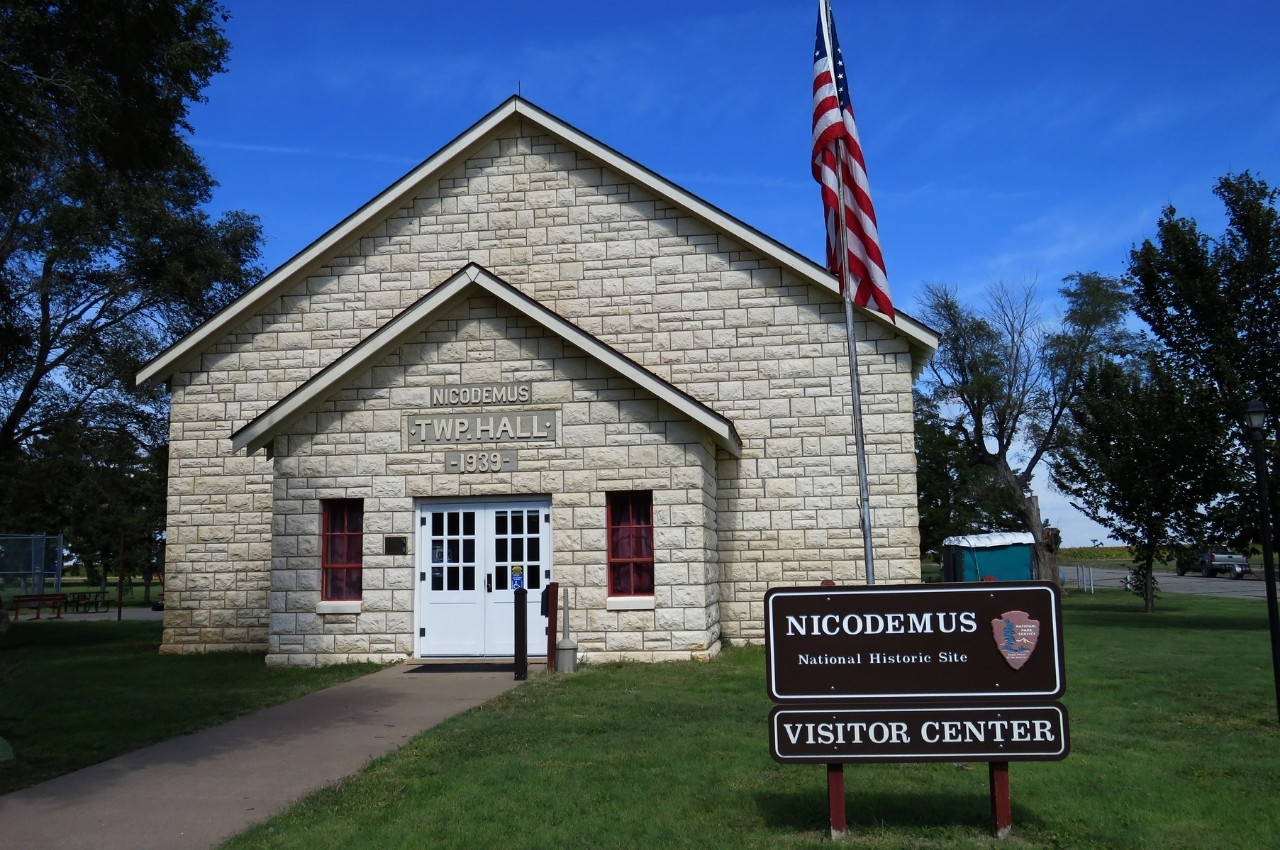
Established in 1877 by formerly enslaved people and their descendants, Nicodemus is the only remaining western town founded by African Americans during the Reconstruction era. Settlers built homes, churches, and schools despite harsh conditions on the plains. Today, Nicodemus National Historic Site, maintained by the National Park Service, preserves this heritage. Annual events such as Homecoming celebrate its enduring spirit. The site provides exhibits and guided tours, helping visitors understand how freed families forged lives in one of the most challenging environments of the time.
4. Eatonville, Florida
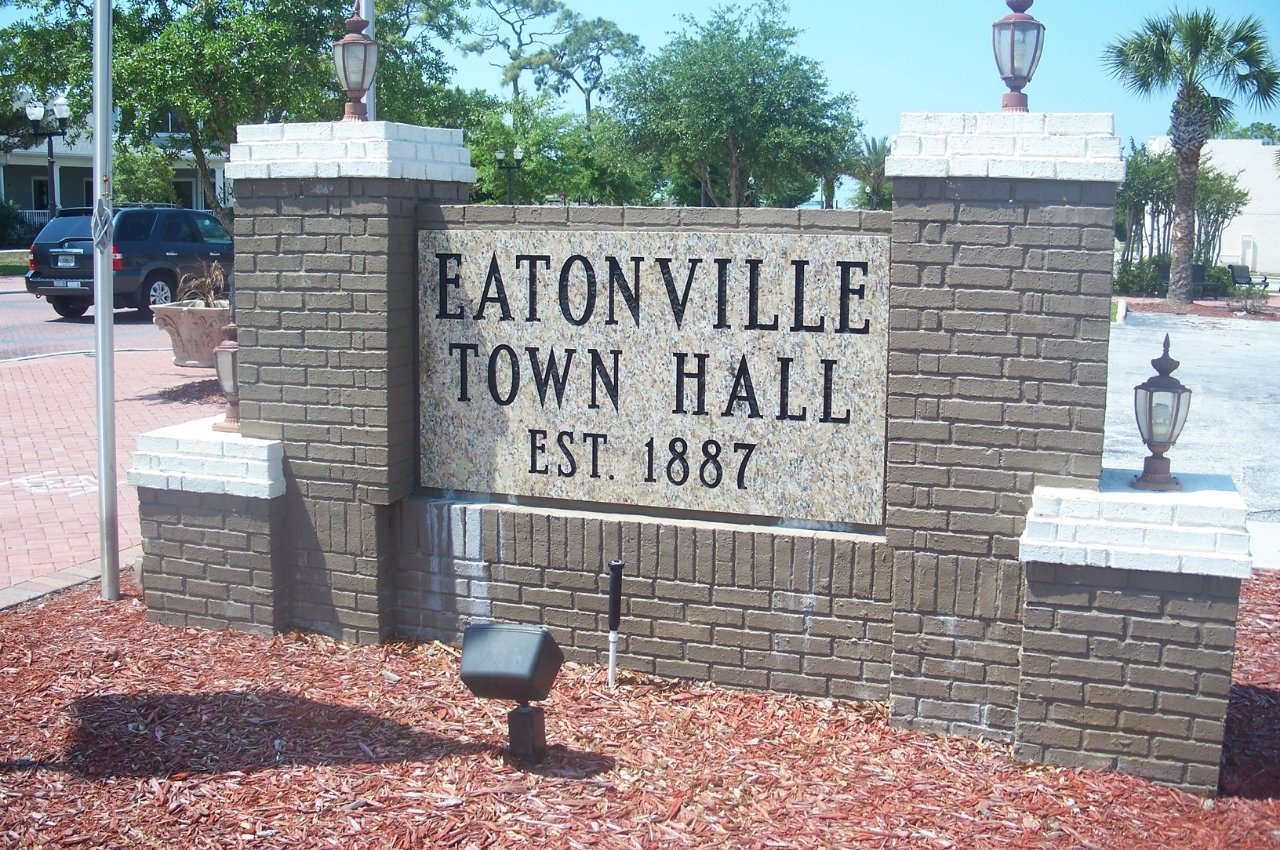
Recognized as the first incorporated African American town in the United States, Eatonville was established in 1887. It became widely known through the works of author Zora Neale Hurston, who grew up there and wrote about its culture and people. The town still thrives today, hosting the annual Zora! Festival to honor Hurston’s legacy. Visitors can explore the Zora Neale Hurston National Museum of Fine Arts and historic community landmarks. According to the Florida Division of Historical Resources, Eatonville remains a vital center of African American culture and pride.
5. Princeville, North Carolina
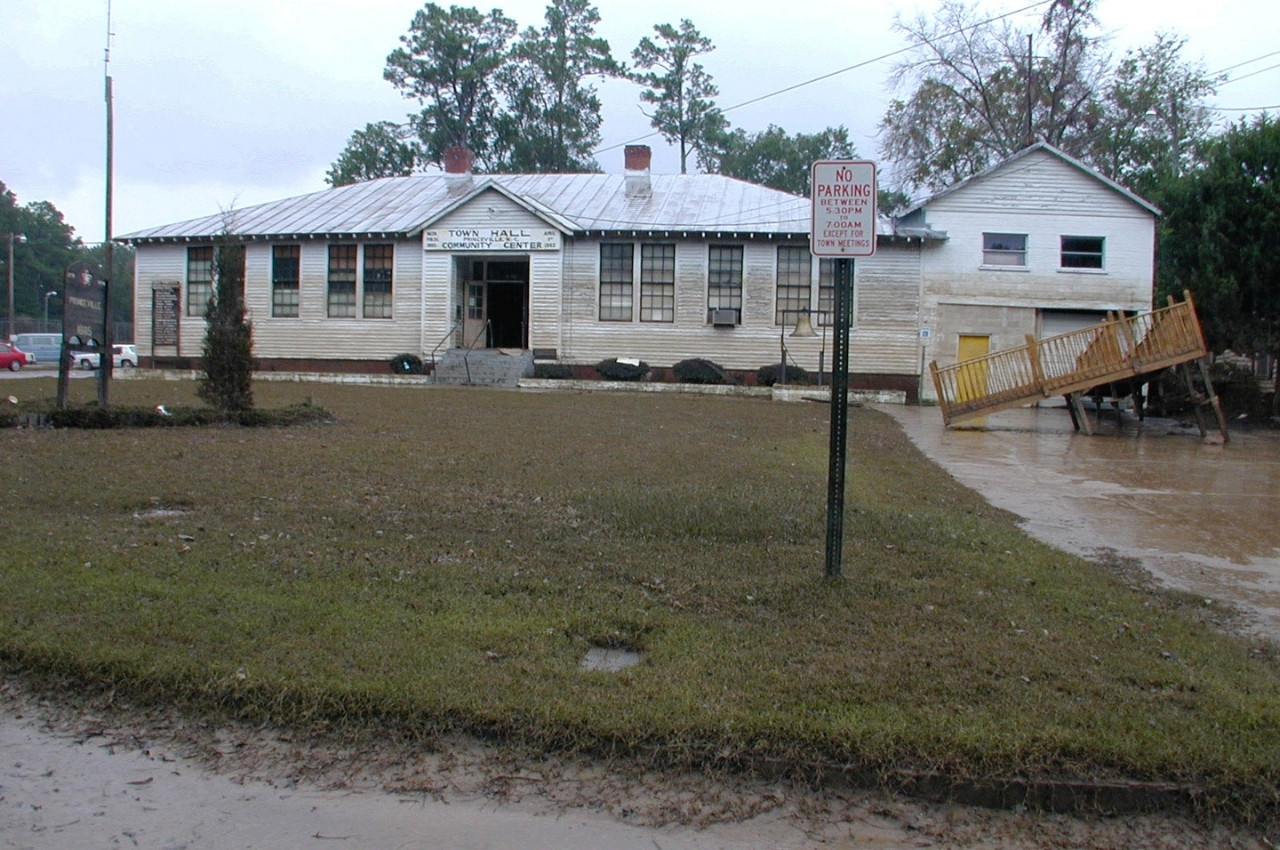
Princeville, incorporated in 1885, is the oldest town in America founded by freed slaves after the Civil War. Despite facing repeated flooding due to its location on the Tar River floodplain, residents rebuilt each time, showing resilience and determination. Visitors can explore historical markers, museums, and events that tell the town’s story. The North Carolina Department of Natural and Cultural Resources recognizes Princeville as a cornerstone of African American heritage. Its legacy continues as one of the most important Freedmen’s communities in the South.
6. Langston, Oklahoma
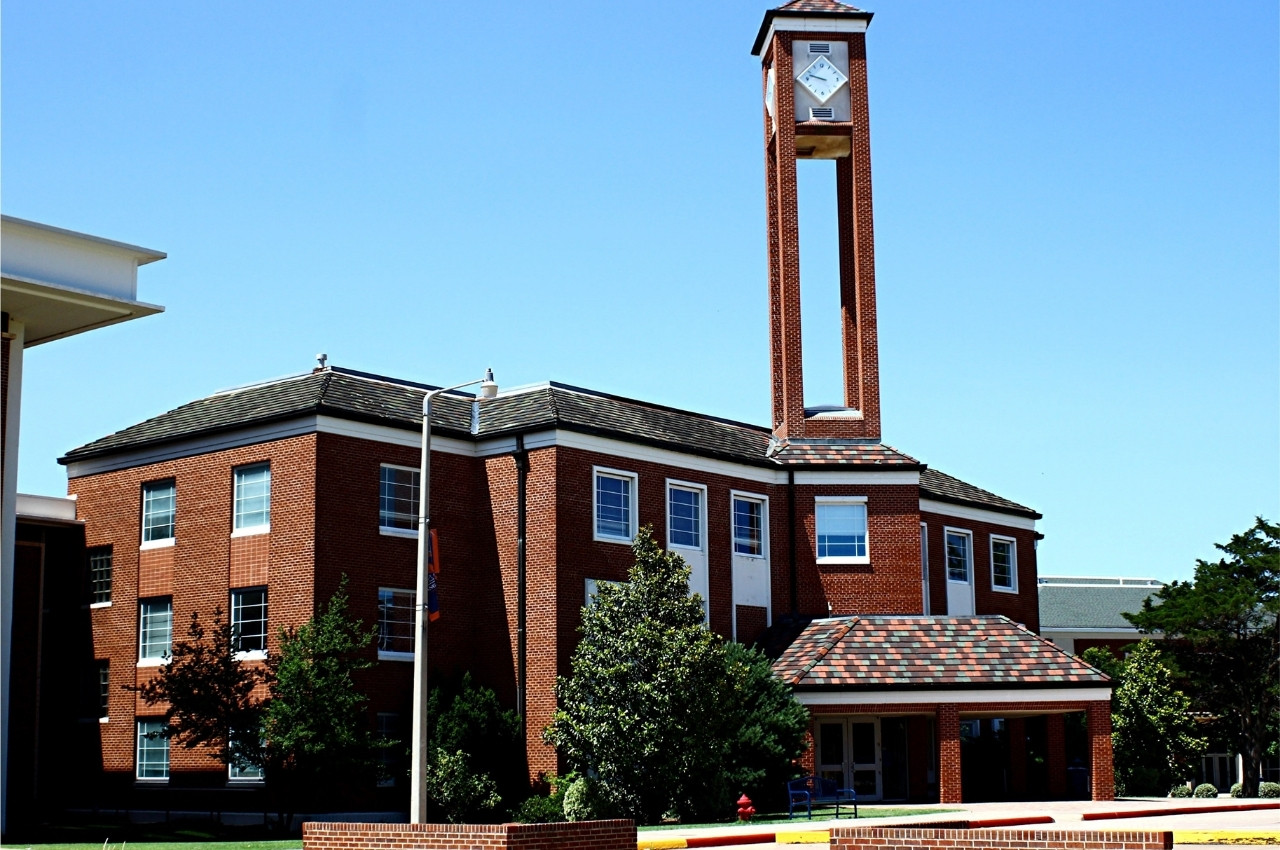
Langston was founded in 1890 as an all-Black settlement and later became home to Langston University, one of the state’s historically Black colleges. The town provided opportunities for African Americans seeking independence and education in the era of segregation. Visitors can explore the university campus and the surrounding historic areas that highlight the achievements of the community. According to the Oklahoma Historical Society, Langston played a central role in the establishment of dozens of African American towns in Oklahoma, many of which no longer exist.
7. Allensworth, California

Founded in 1908 by Colonel Allen Allensworth and other African American pioneers, Allensworth was envisioned as a thriving, self-sustaining town. Residents built schools, businesses, and farms, but water supply issues and economic decline challenged its survival. Today, Colonel Allensworth State Historic Park preserves the original buildings, including the schoolhouse and church. Visitors can attend living history events that showcase the town’s story. The California State Parks Department maintains the site, recognizing it as a key part of African American heritage in the western United States.
8. Grimesland’s Freedmen’s Town, North Carolina
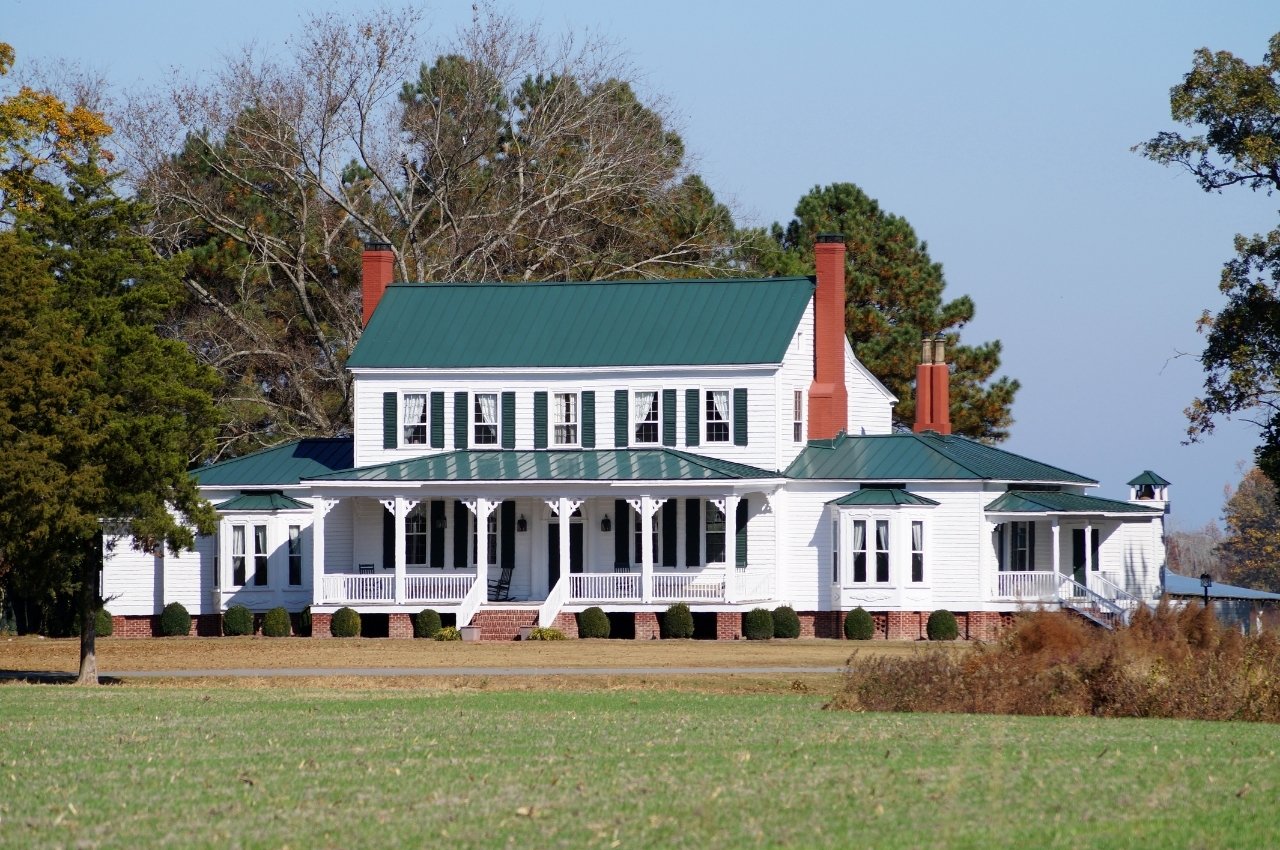
In Pitt County, North Carolina, formerly enslaved people established a Freedmen’s settlement near Grimesland after the Civil War. Though smaller than Princeville, the community thrived with schools, churches, and family-owned farms. While much of the original settlement has been lost to development, markers and local records preserve its history. The Pitt County Historical Society highlights the town’s significance in providing land ownership and autonomy for freed families. Visitors can explore local museums and archives to learn more about the daily lives of residents during Reconstruction.
9. Buxton, Iowa
Founded in the early 1900s, Buxton became a prosperous coal mining town with a majority African American population. Unlike many communities of its time, Buxton was known for its relatively integrated society, where Black residents held leadership positions, owned businesses, and lived alongside white families. Although the town declined after the mines closed, historical markers and the State Historical Society of Iowa preserve its story. Visitors can explore exhibits about Buxton’s unique place in African American and labor history, making it a rare and significant Freedmen’s community.
10. Africatown, Alabama
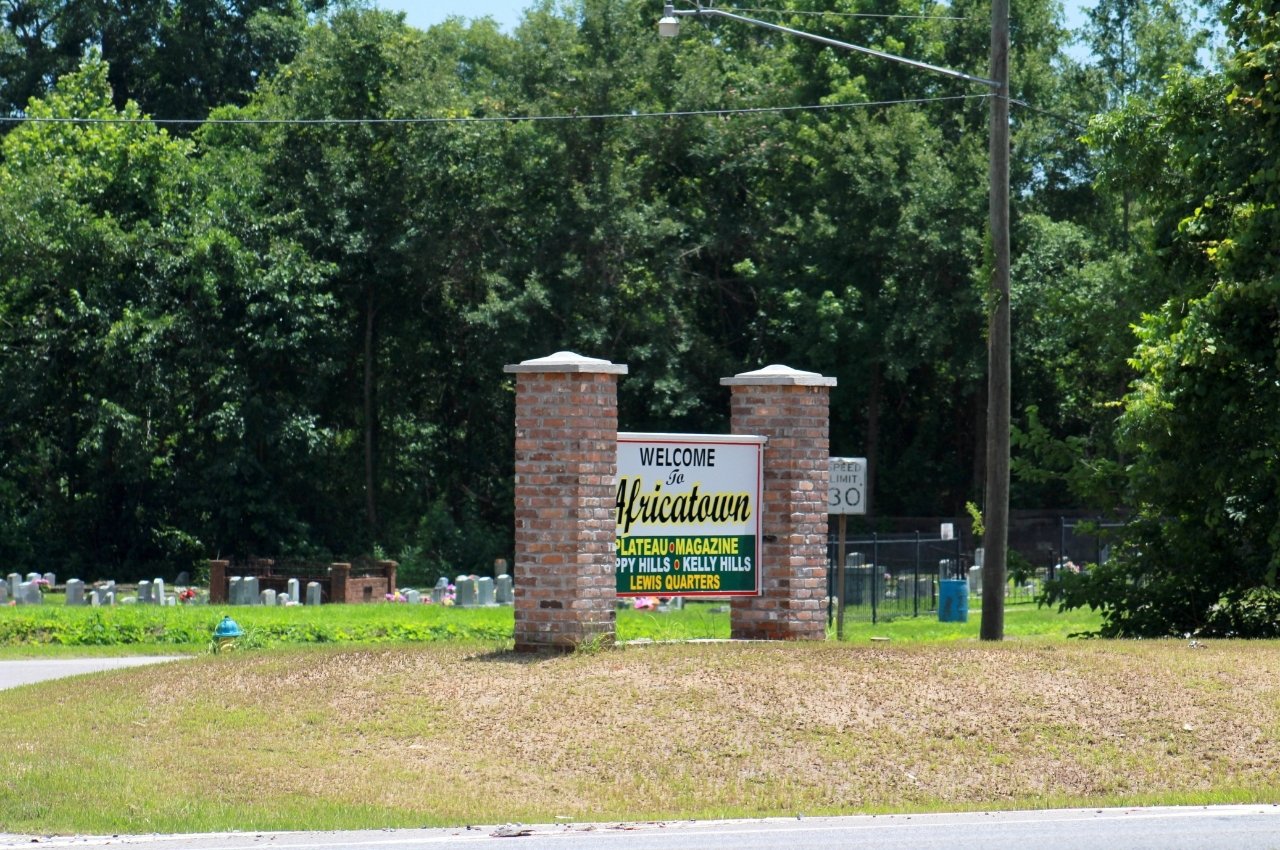
West Africans who were transported to the United States on the Clotilda, the last known slave ship, founded Africatown in Alabama. Survivors like Cudjo Lewis and others founded the community near Mobile, where they built homes, churches, and schools while preserving cultural traditions from their homeland. Africatown became a rare example of a freedmen’s town where African language, customs, and leadership continued long after emancipation. Today, efforts to preserve this history are supported by organizations such as the Africatown Heritage Preservation Foundation and the Encyclopedia of Alabama, which document its enduring legacy.