

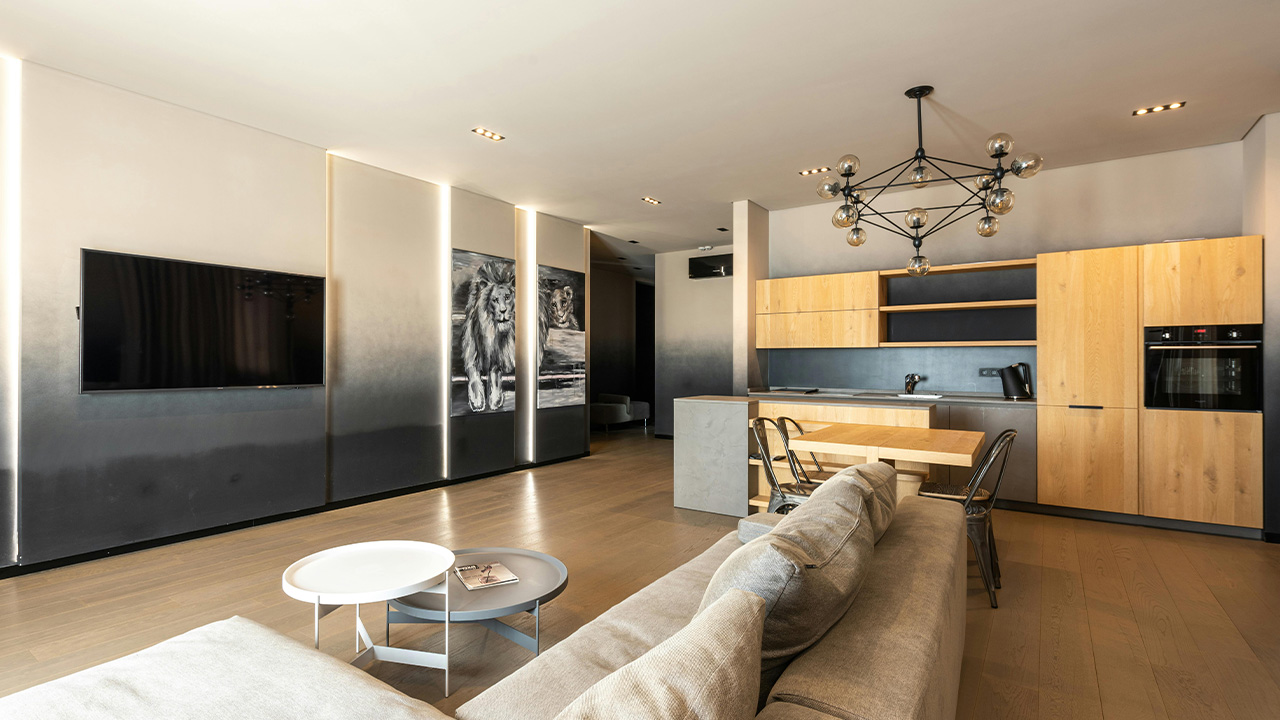
Designing a beautiful home goes beyond selecting furniture and paint colors. Interior design is both an art and a science. With expert guidelines that help create a harmonious and visually appealing space, here are ten essential interior decor principles that professionals recommend you follow for the best results.
1. Balance is Key
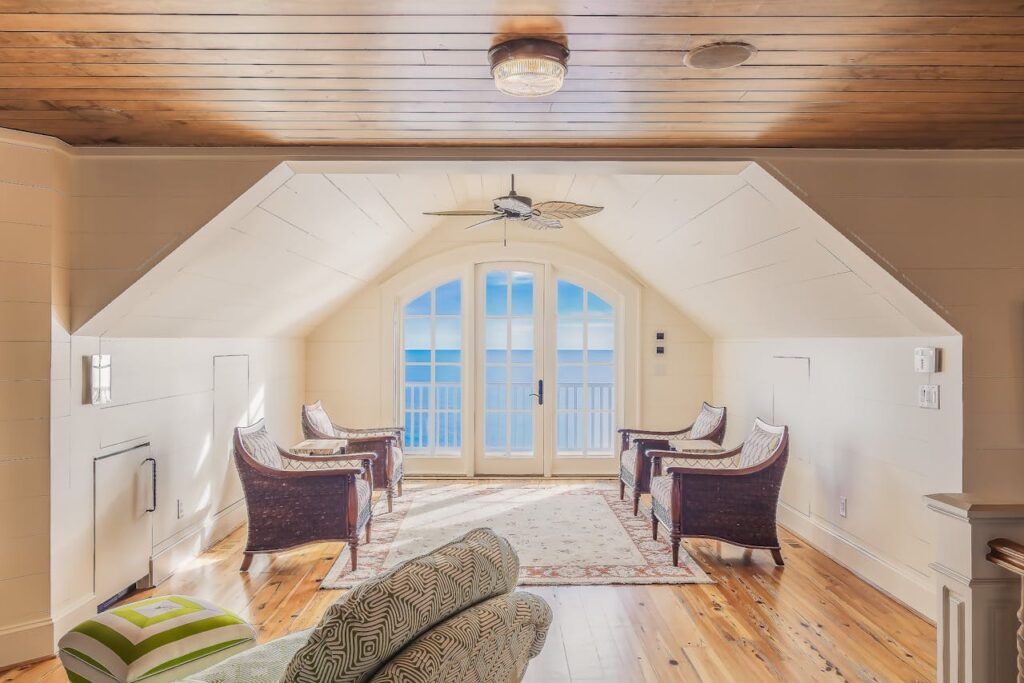
Achieving balance is fundamental to a well-designed space. It ensures that the room feels visually stable and cohesive. There are three types of balance to consider: symmetrical, asymmetrical, and radial. Symmetrical balance creates formal, classic designs by mirroring elements. Asymmetrical balance, favored for modern looks, pairs contrasting items of different sizes and shapes but maintains equilibrium. Radial balance organizes items around a central point and is great for creating focal areas or in round spaces. Proper balance makes the space feel inviting and well-proportioned.
2. Embrace the Power of Color
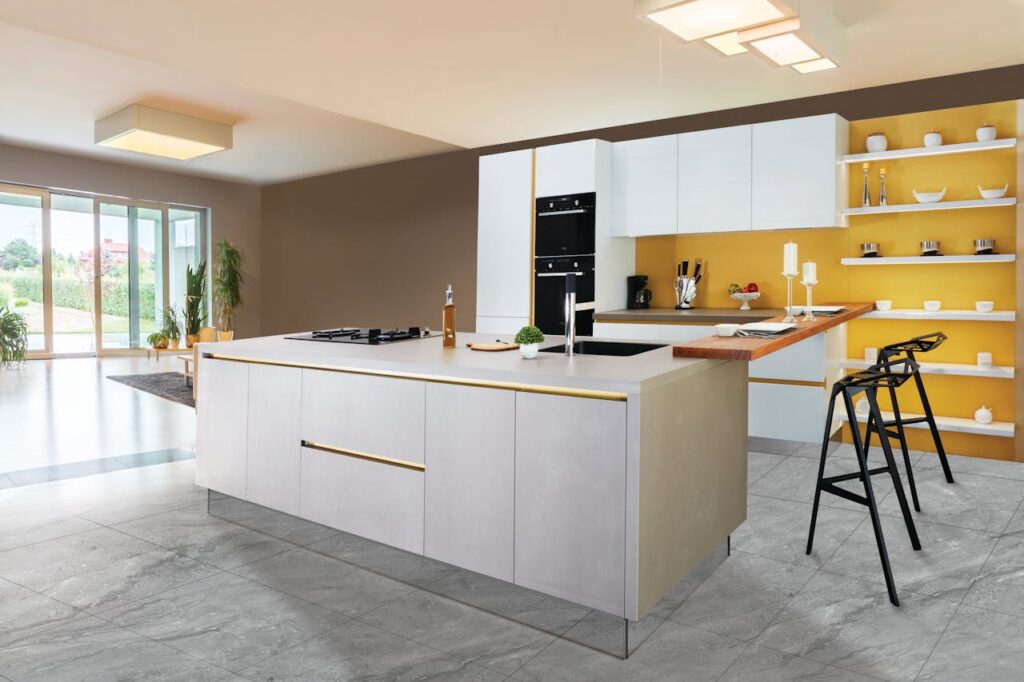
The colors you choose for a space significantly impact the mood and energy. Opt for a coordinated color scheme that enhances the room’s function. Neutral colors like beige or gray create a calm setting and can be paired with bold accents for a pop of color. Strong hues like red or navy can stimulate conversation or focus, ideal for areas like dining rooms and offices. Using accent walls or colorful furniture can add interest without overwhelming. A thoughtful color palette allows you to influence emotions and create a balanced ambiance.
3. Scale and Proportion Matter
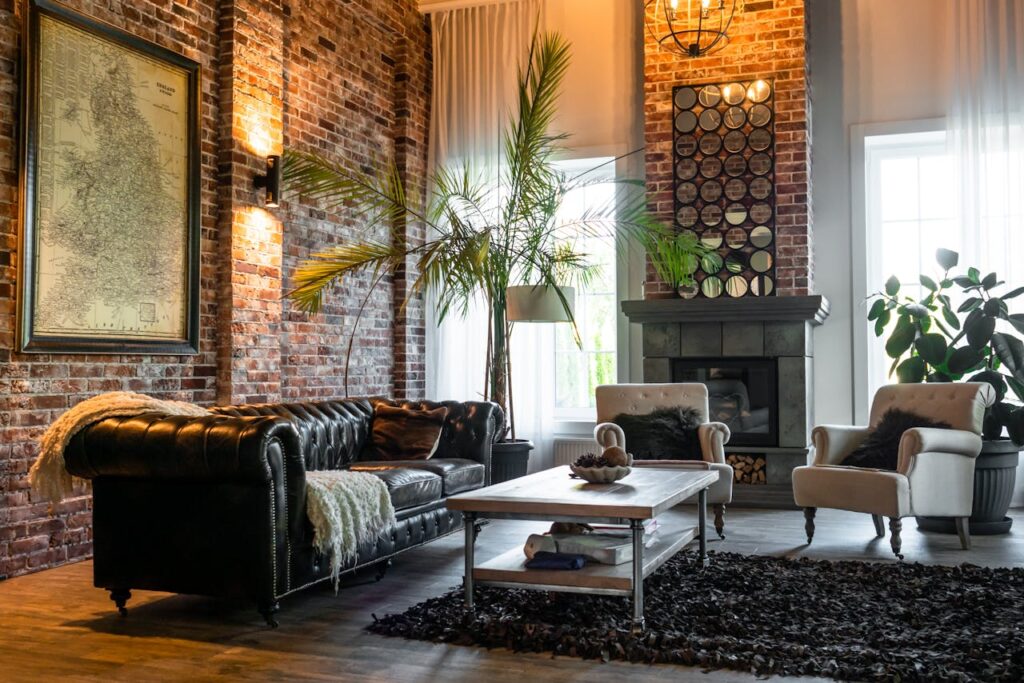
The size and proportions of the furniture and decor within a room affect its overall feel. Scale refers to the relationship between the size of objects and the space itself, while proportion is how well the items fit together. Choose furniture that suits the room’s dimensions—oversized furniture in a small room may make it feel cramped, while tiny pieces in a large room could seem lost. Pay attention to both scale and proportion when selecting furniture and decor, ensuring that everything fits together in harmony. Always measure before purchasing.
4. Layer Your Lighting
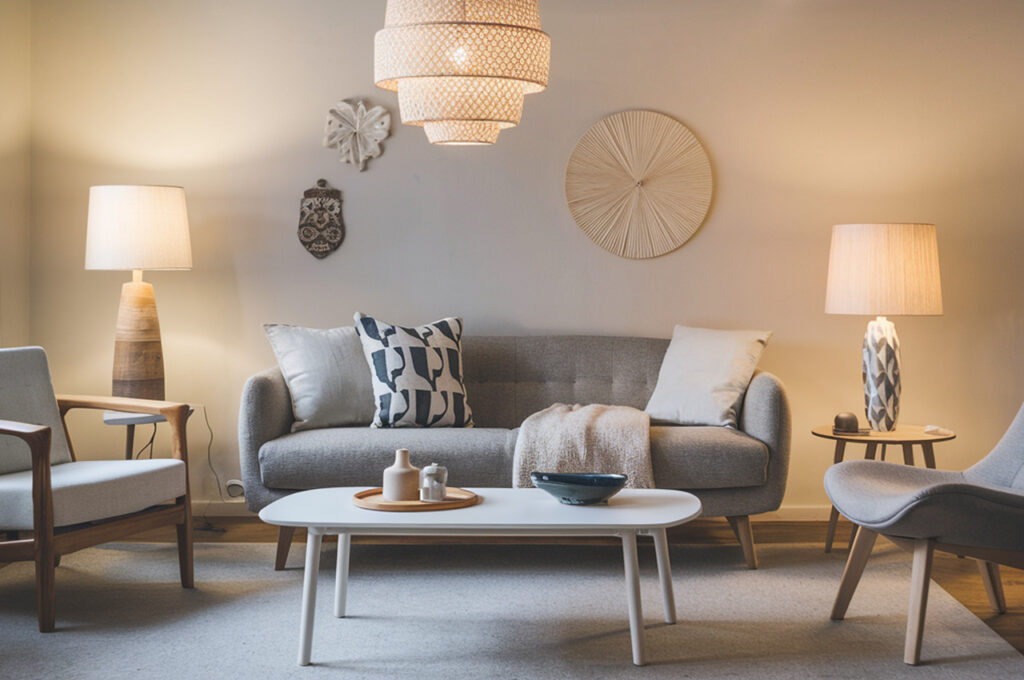
Lighting plays a crucial role in setting the tone of a room. To create a welcoming atmosphere, layer lighting using three main types: ambient, task, and accent. Ambient lighting provides general illumination, task lighting targets specific areas like workspaces, and accent lighting highlights features such as artwork or architectural details. A layered lighting approach ensures both functionality and visual appeal. Using dimmer switches adds flexibility, letting you adjust light intensity for various moods and occasions, making your space more versatile and inviting.
5. Create a Focal Point
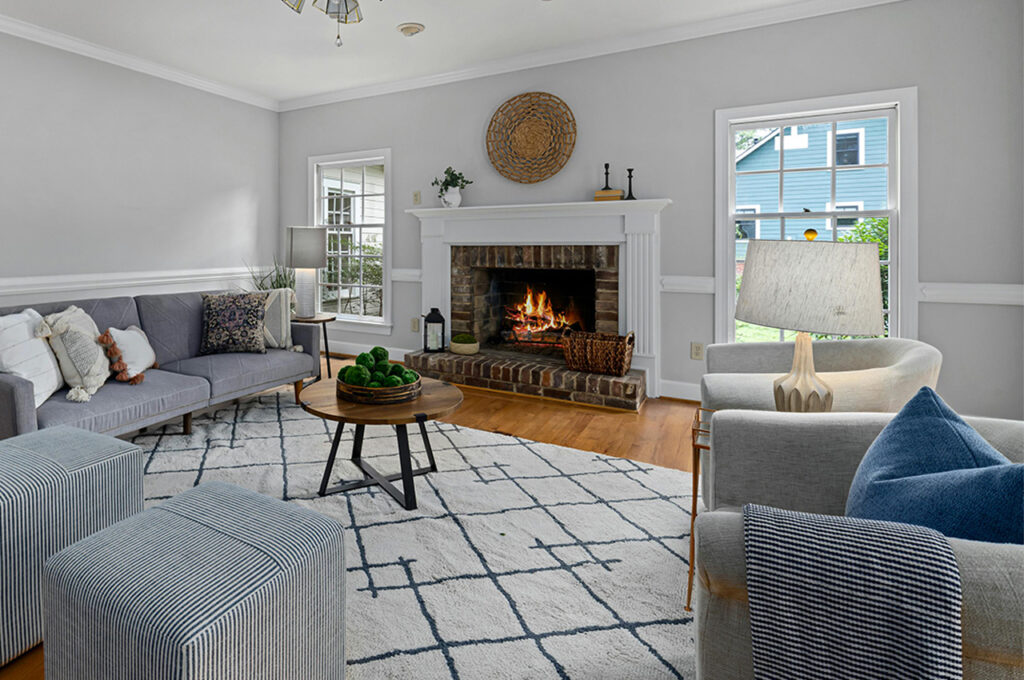
Every room benefits from having a focal point—a feature that immediately captures attention and defines the space. This could be anything from a stunning piece of artwork to a fireplace or even a window with a beautiful view. The focal point should be the first thing noticed upon entering, helping to set the mood for the rest of the decor. Arrange furniture and decor to highlight this central feature, ensuring it stands out without overwhelming the rest of the space. A well-chosen focal point adds personality and cohesion to any room.
6. Avoid Pushing All Furniture Against the Walls
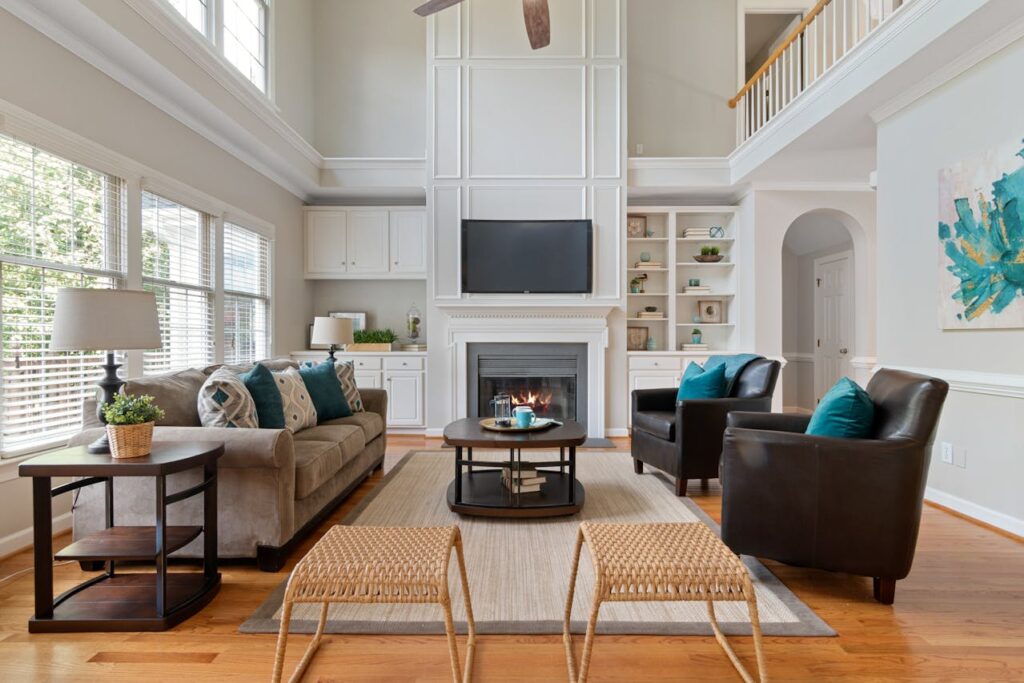
A common misconception is that pushing furniture against the walls maximizes space. In fact, pulling furniture away from the walls can make the room feel more inviting and balanced. This arrangement fosters better traffic flow and creates natural conversation areas. In larger rooms, centering the seating area can help define the space, while in smaller rooms, even a slight gap between furniture and walls creates more depth. Thoughtful furniture placement ensures both aesthetic appeal and practicality, contributing to a professional, well-designed look.
7. Mix Textures and Patterns
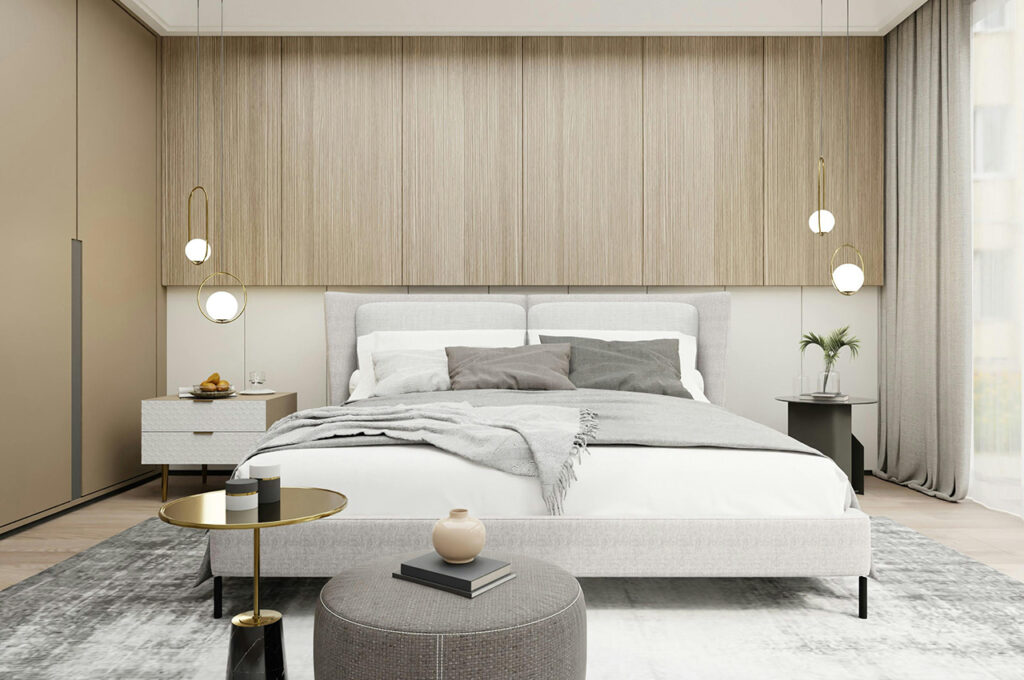
Mixing different textures and patterns adds depth and richness to a space. Pairing materials such as wood, metal, and fabric creates a dynamic, layered effect. To avoid overwhelming the room, balance bold patterns with neutral textures. This approach works particularly well in living rooms, bedrooms, and dining areas, where different materials and designs can enhance visual interest. Keep a cohesive color scheme in mind, ensuring that various textures and patterns complement each other, contributing to a space that feels both interesting and harmonious.
8. Incorporate Natural Elements
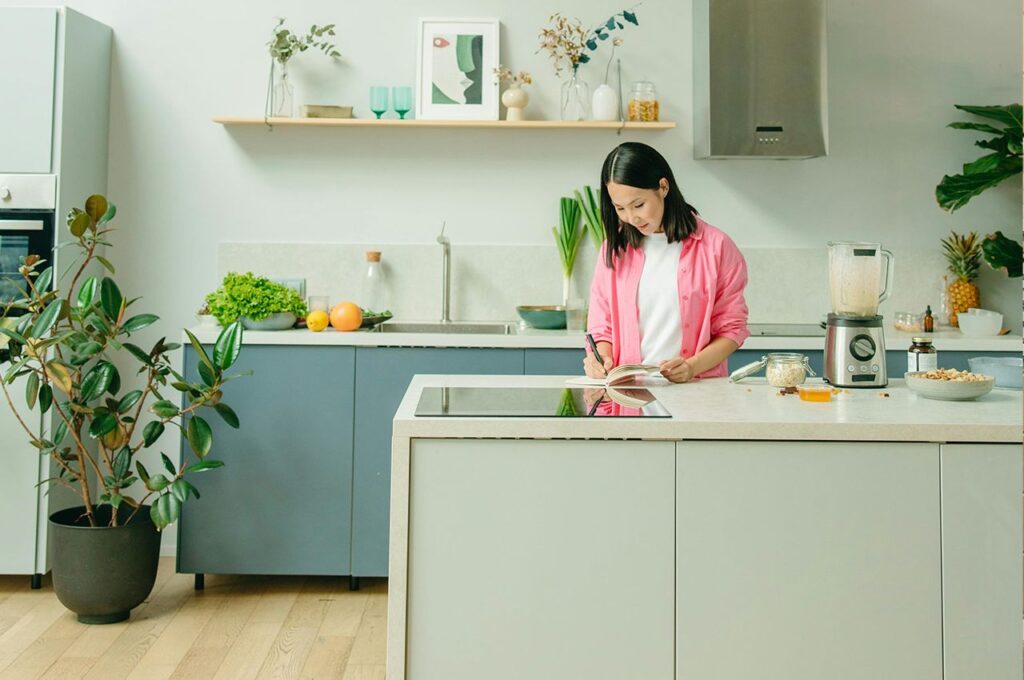
Integrating natural elements into your decor can make a space feel more serene and inviting. Use materials like wood, stone, and plants to evoke a sense of nature within your home. Natural materials bring warmth and texture, grounding the space in a calming, organic way. Plants, in particular, add life and vibrancy, while wood and stone create a timeless, earthy aesthetic. This design approach is especially effective in areas like living rooms, kitchens, and bathrooms, where natural elements can create a peaceful, balanced environment.
9. Prioritize Functionality
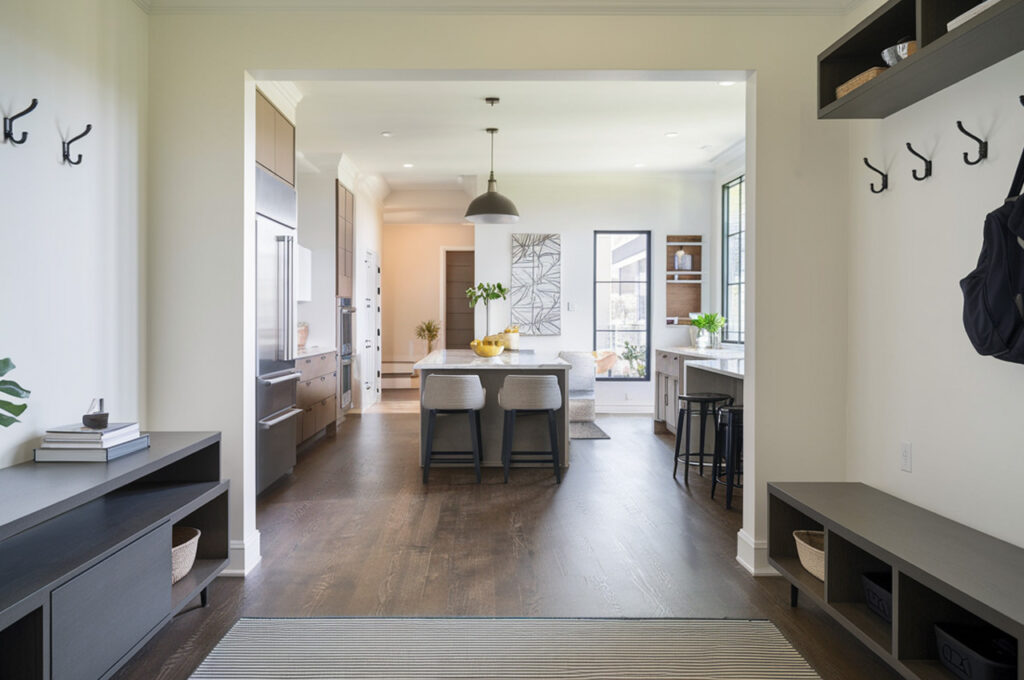
While aesthetics are important, functionality should always be prioritized in interior design. A beautiful space also needs to be practical and suited to everyday use. Consider the functionality of each piece, ensuring that furniture and decor align with your lifestyle and needs. This is particularly relevant in spaces such as kitchens, home offices, and entryways, where efficiency and organization are key. Multi-functional furniture and a layout that promotes easy movement and access can combine form with function, creating a space that’s both stylish and livable.
10. Create a Cohesive Look
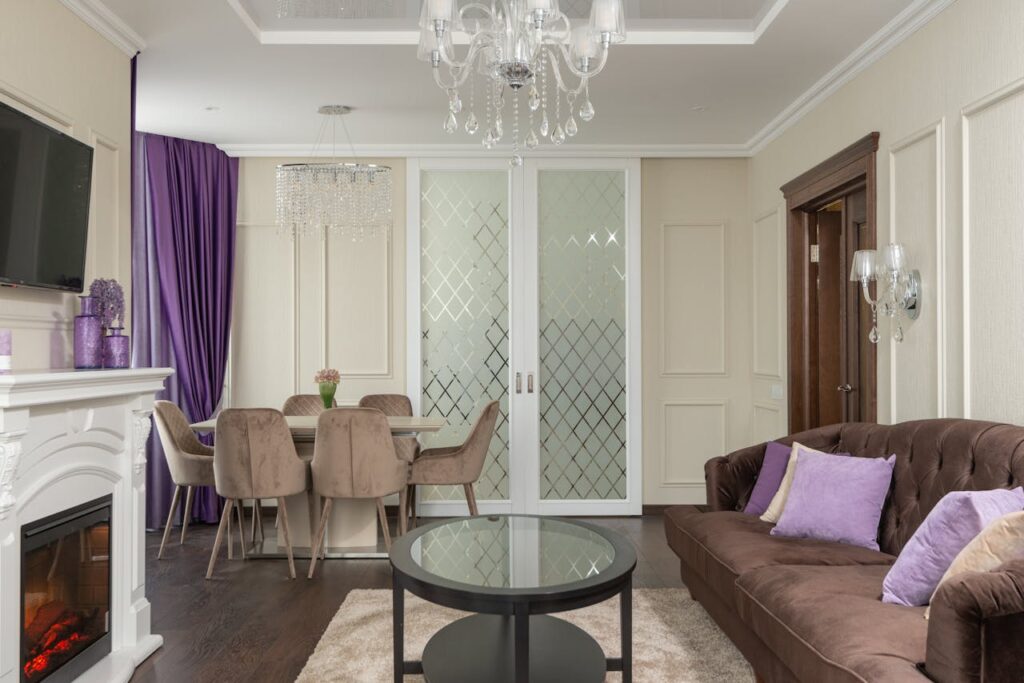
A cohesive color palette is essential for a balanced, visually appealing space. Avoid using too many bold, contrasting colors that can disrupt the flow. The 60-30-10 rule is a helpful guideline: 60% of the room should feature the dominant color (such as the walls), 30% a secondary color (such as furniture), and 10% an accent color (used in decor or accessories). This ensures a unified and well-balanced design while allowing room for creativity and personal touches. Whether you prefer subtle neutrals or vibrant tones, keeping the palette cohesive will ensure a polished, intentional look.
This article was created with the assistance of AI but thoroughly edited by a human being.