

The Wild West was a place where law and lawlessness often existed side by side, and the line between hero and outlaw could blur in an instant. Many men who once carried badges and upheld justice found themselves drawn into criminal activity, driven by greed, revenge, or the harsh realities of frontier life. Their lives reveal a world where survival often trumped morality, reputations could shift overnight, and even the most respected lawmen sometimes ended up on the wrong side of the law. These ten stories capture that thrilling, dangerous transformation.
1. John Wesley Hardin
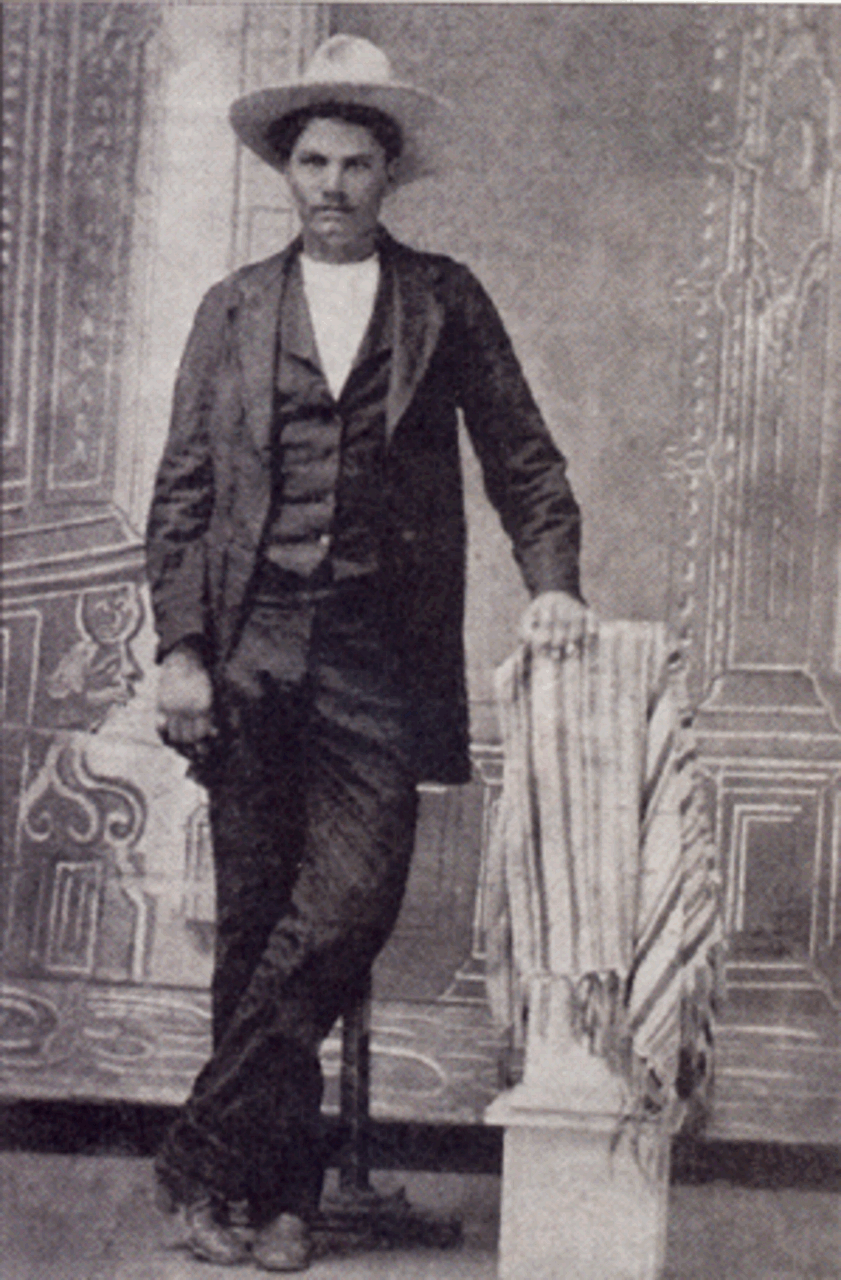
John Wesley Hardin is remembered as one of the deadliest gunfighters in Texas history, and his path shows how easily lawmen could slip into outlawry. Though he occasionally worked in law enforcement roles, his violent temperament and personal vendettas led him to commit numerous murders, making him a wanted man. Hardin’s story highlights the fragile line between upholding the law and breaking it in a frontier world where survival often depended on one’s own sense of justice rather than official authority.
2. Bill Tilghman
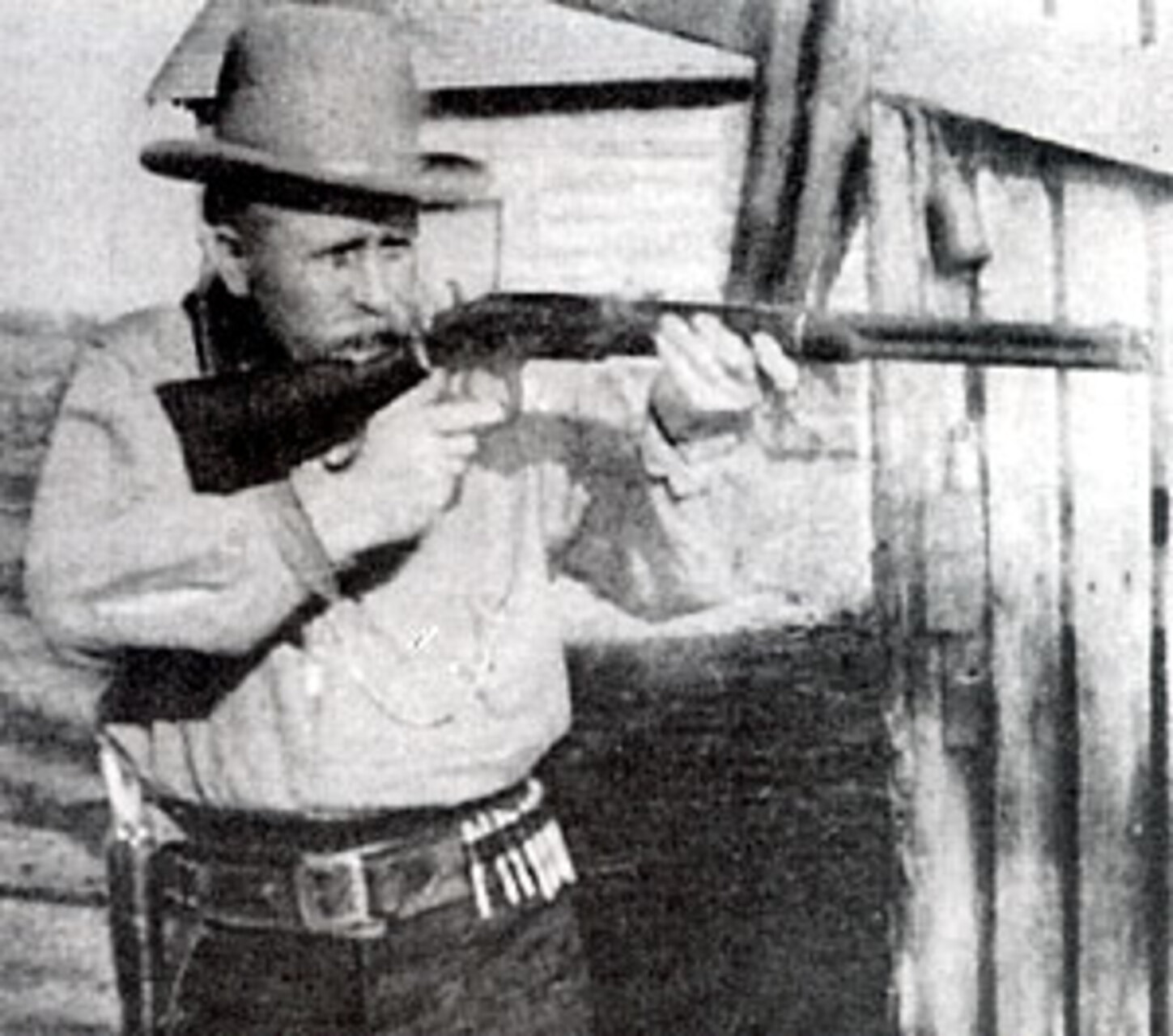
Bill Tilghman was a celebrated lawman in Oklahoma Territory, renowned for maintaining order amid chaos. However, his pursuit of justice sometimes led him into morally gray areas, where personal revenge and frontier law blurred the line between enforcement and crime. Tilghman’s willingness to take the law into his own hands illustrates how even the most respected marshals could bend or skirt legal boundaries when faced with corruption, violence, or the limitations of a fledgling justice system.
3. Pat Garrett
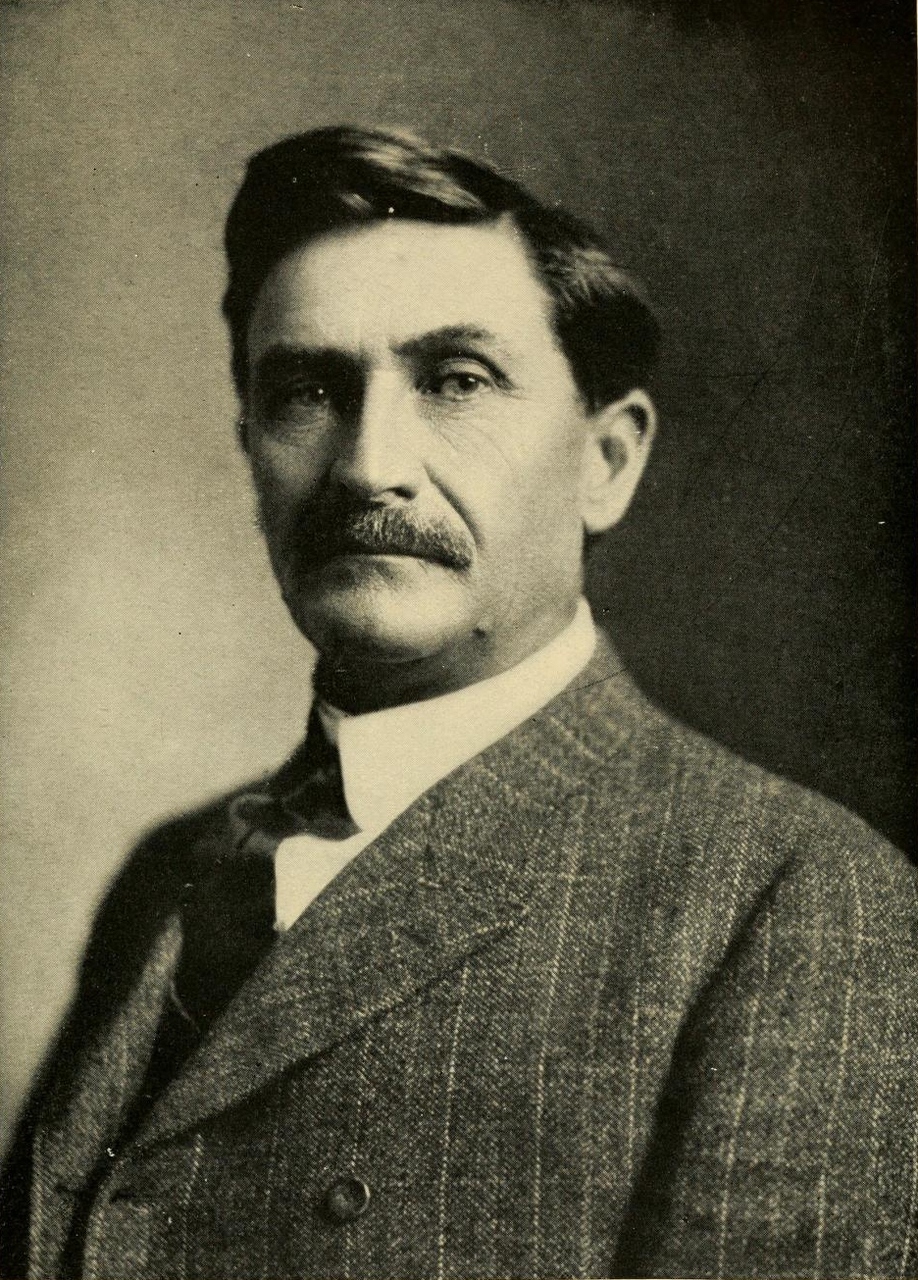
Famed for killing Billy the Kid, Pat Garrett exemplifies how a lawman could walk a fine line between justice and questionable methods. Garrett’s career included politically motivated decisions and controversial killings that raised doubts about his strict adherence to the law. His story reflects the intense pressures of frontier law enforcement, where maintaining authority often required choices that might resemble the very outlawry he was tasked to suppress, proving that morality and legality were not always aligned in the Wild West.
4. Bill Doolin
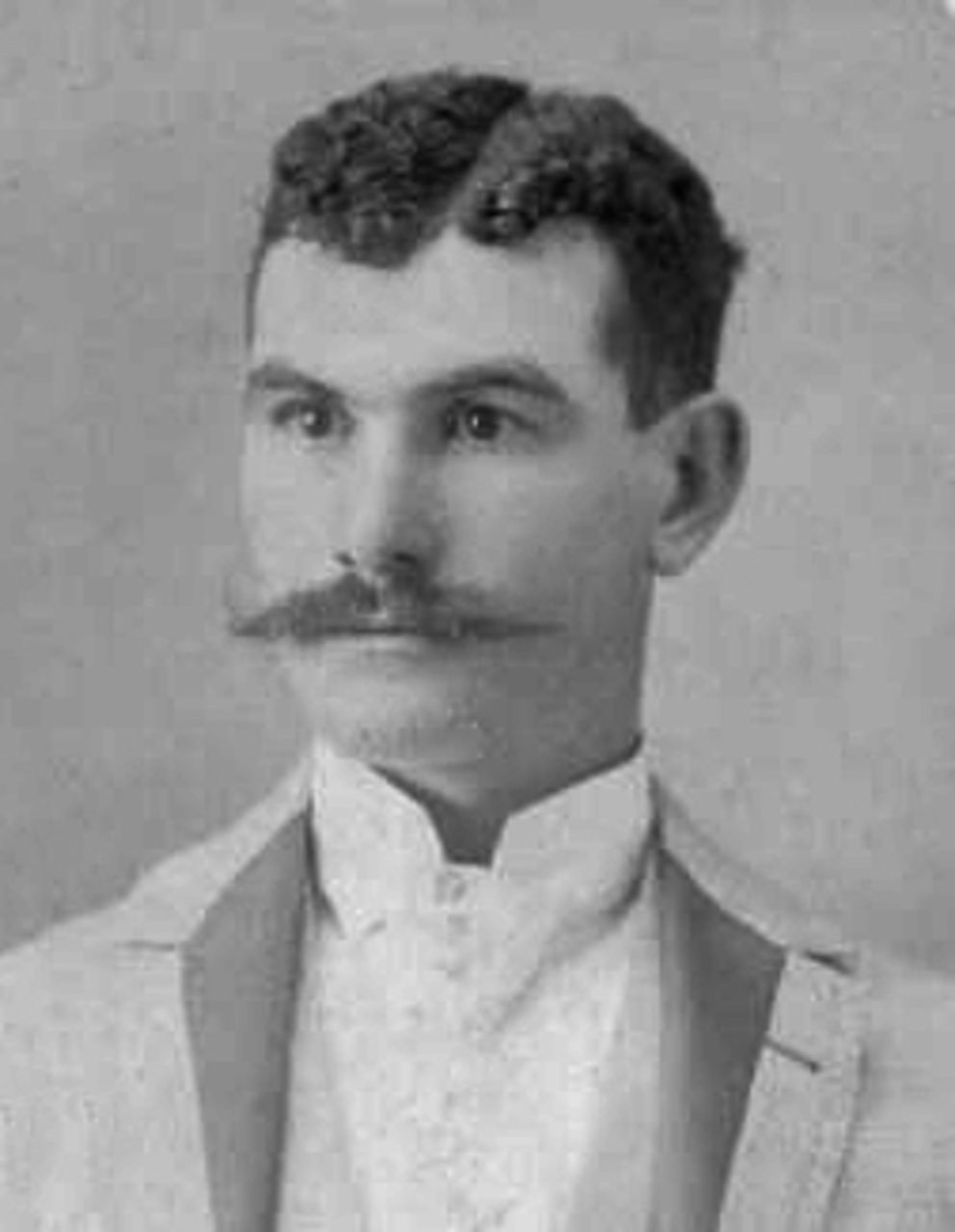
Before leading the notorious Wild Bunch gang, Bill Doolin’s early interactions with law enforcement gave him insight into both sides of the law. Personal grievances, harsh frontier conditions, and encounters with corrupt or ineffective lawmen eventually pushed him toward robbery and crime. Doolin’s transformation from someone with potential law-abiding tendencies into a celebrated outlaw underscores how the tumultuous social and economic conditions of the West could turn even those familiar with justice into criminals when opportunity and necessity collided.
5. George “Flat-Nose” Curry
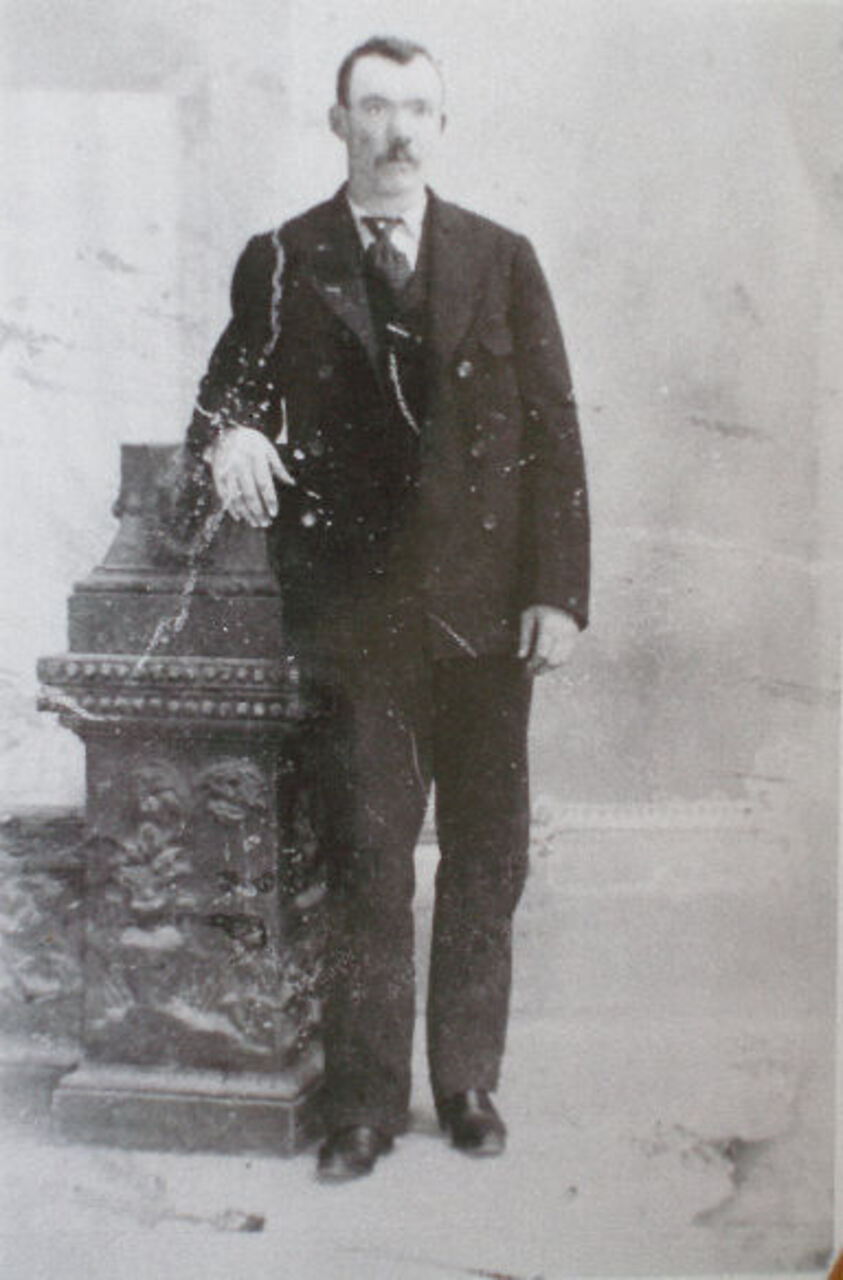
Flat-Nose Curry began with minor law enforcement roles, but his circumstances and ambition drew him into outlaw activity. Joining gangs involved in robbery, theft, and violence, Curry became a feared criminal whose knowledge of the law sometimes gave him an advantage. His story exemplifies how in the Wild West, survival and profit often trumped legality. The fluid boundary between lawman and outlaw meant that even those tasked with upholding order could be tempted to break it when opportunity arose.
6. Wyatt Earp
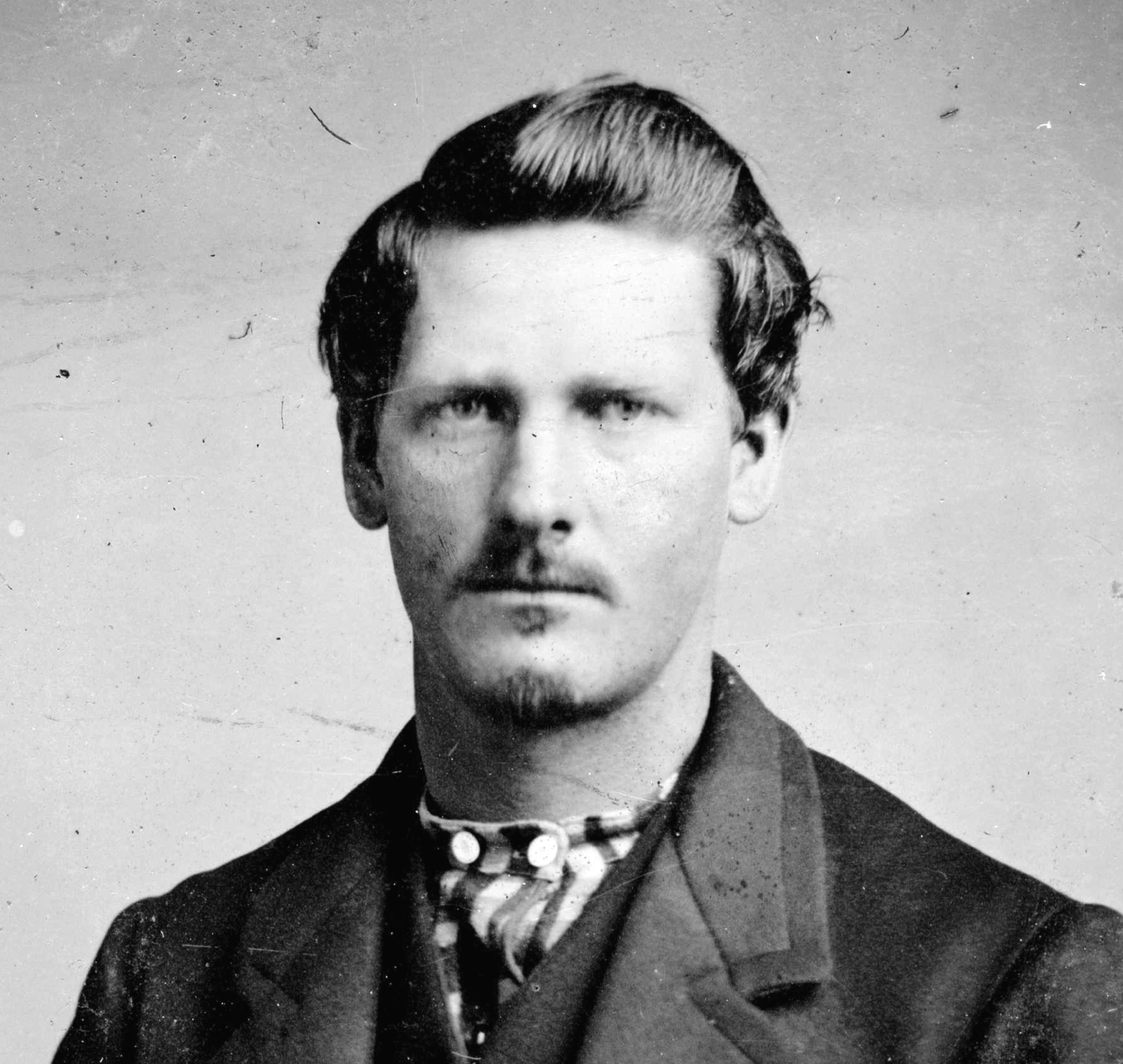
Wyatt Earp is legendary for his lawman career, yet his life also reveals how easily frontier justice could blur moral lines. From gambling disputes to allegations of corruption and participation in violent confrontations, Earp’s actions sometimes skirted legality. While celebrated for the O.K. Corral shootout, his story demonstrates that lawmen often mixed personal ambition with professional duty, highlighting a world where the pursuit of justice was intertwined with personal interests, and heroism could coexist with morally ambiguous choices.
7. Tom Horn
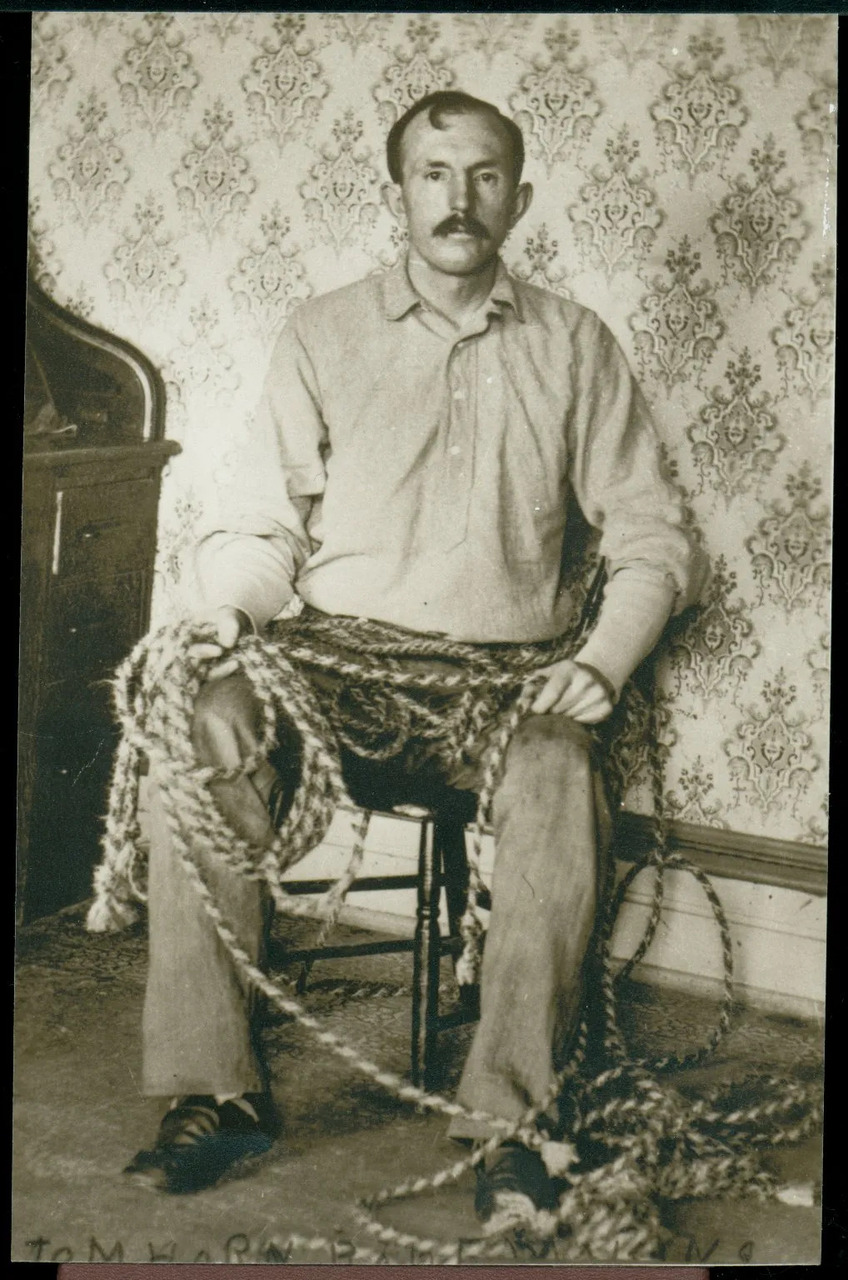
Tom Horn began as a scout, lawman, and Pinkerton agent, tasked with enforcing the law in volatile territories. However, his later involvement in vigilante killings and disputed executions placed him on the wrong side of legality. Horn’s transformation illustrates the harsh realities of frontier enforcement, where acting outside formal law could be seen as both service and crime. His story shows that even experienced lawmen could become entangled in morally and legally questionable actions in a world where justice was often personal, not institutional.
8. Curly Bill Brocius
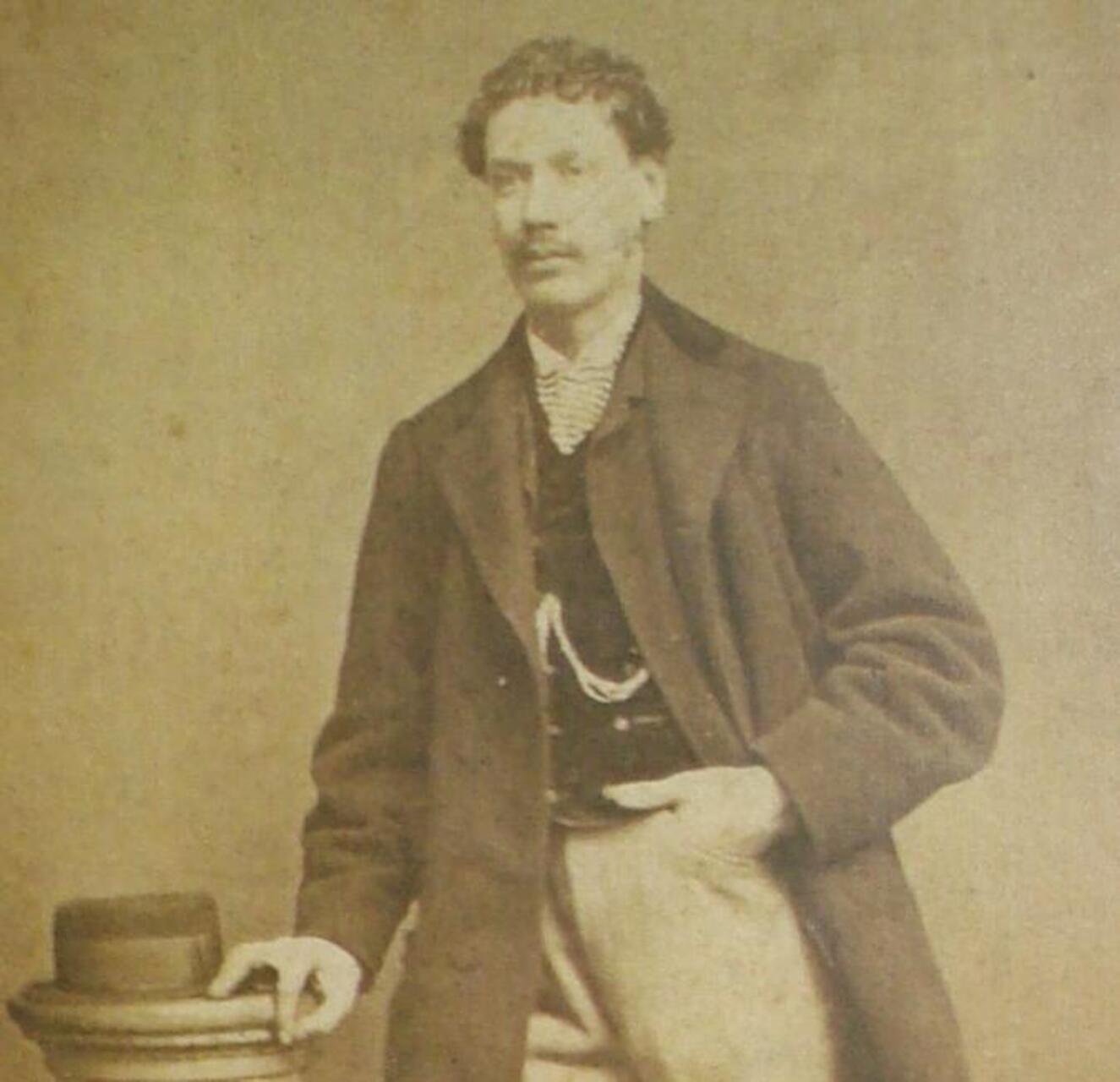
Curly Bill Brocius straddled both sides of the law, assisting in some law enforcement efforts while later aligning with outlaw gangs in Arizona. His criminal activity, including theft and murder, demonstrates how proximity to law enforcement knowledge could be exploited for illegal gain. Brocius’s life illustrates the fluid morality of the frontier, where allegiance could shift quickly and lawmen could become criminals, using skills and insight once meant to uphold order to instead facilitate crime.
9. Ben Thompson
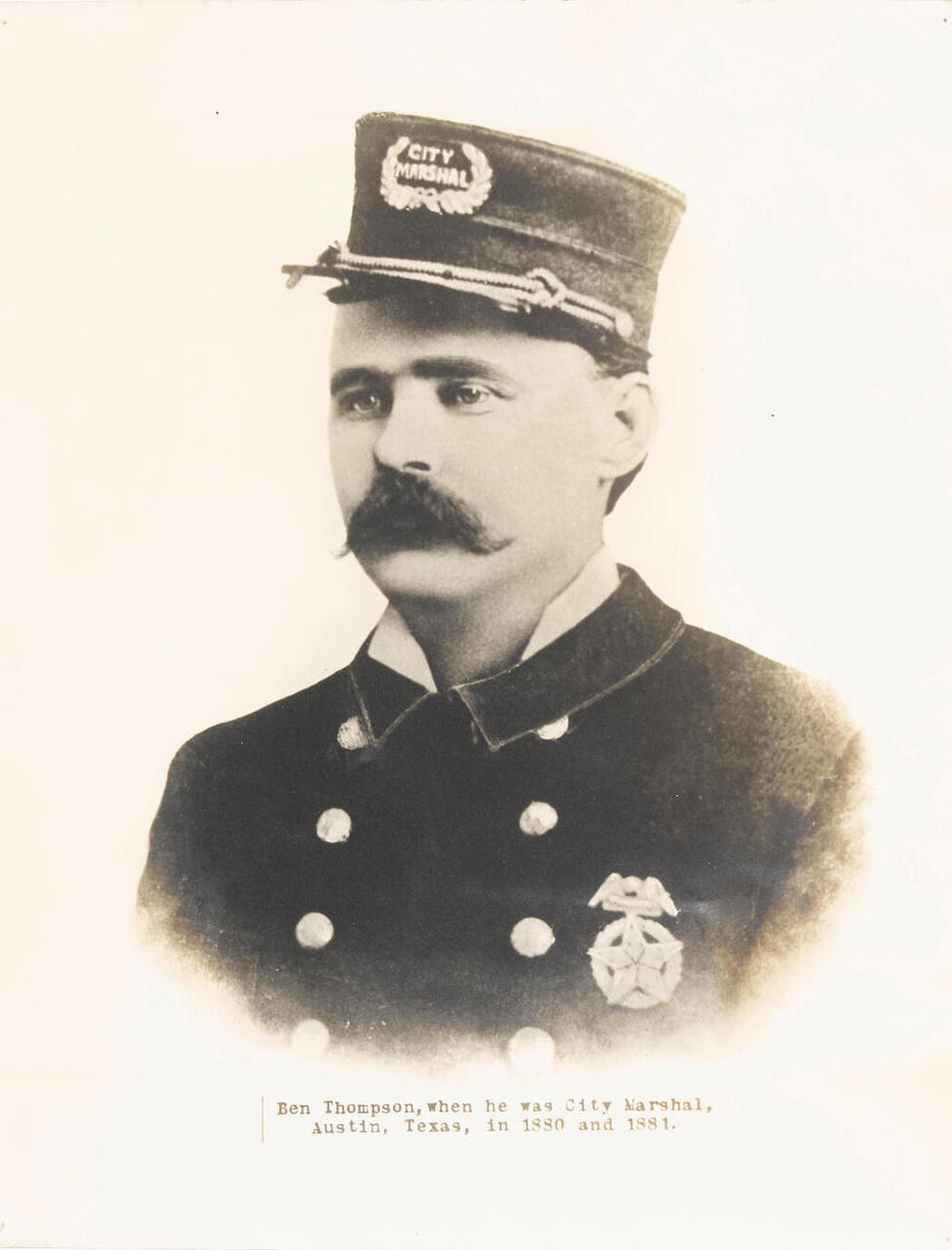
Ben Thompson was a respected Texas marshal whose enforcement career included notable achievements, but his personal grudges, business conflicts, and violent temperament occasionally pushed him toward unlawful actions. Thompson’s story highlights how personal ambition and the pressures of frontier life could override official duty, transforming even disciplined lawmen into figures who operated in morally gray areas. His experience underscores the challenges of maintaining integrity in a lawless environment where personal survival often influences decisions.
10. Bat Masterson
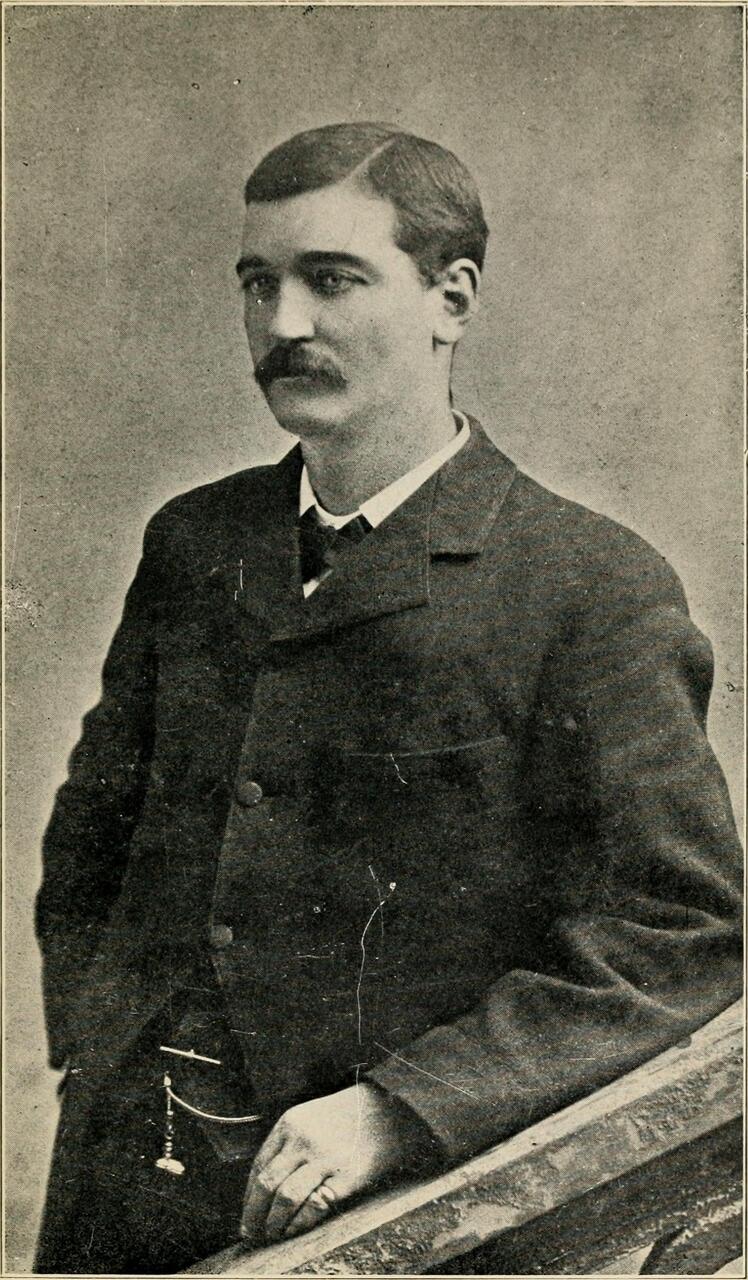
Bat Masterson’s career as a lawman included both service in maintaining order and involvement in gambling and morally ambiguous activities. His story demonstrates the blurred line between lawful duty and personal enterprise in the Wild West. While he upheld the law in many instances, Masterson also engaged with figures and scenarios that challenged legal boundaries. His life is a reminder that even revered lawmen sometimes operated in ethically gray spaces, where reputation, survival, and opportunity could lead to decisions resembling outlaw behavior.