

Europe’s most memorable cities are often the ones that stay out of the spotlight, cherished quietly by the people who call them home. These places blend tradition, community, and creativity in ways that feel effortlessly authentic. Markets bustle with local flavors, historic streets remain lived in rather than staged, and neighborhoods move with a rhythm shaped by real daily life. Visiting these cities offers more than scenery; it reveals a deeper connection to culture, history, and the warmth of ordinary moments that make travel truly meaningful.
1. Bergen, Norway

Bergen is built between steep hills and sheltered harbors, giving daily life a close relationship with shifting weather. Locals embrace the rain that keeps gardens vibrant and forests lush, and the historic wharf still supports real fishermen and traders. Weekends often mean hiking nearby trails, taking boat trips into the fjords, or enjoying intimate music venues that thrive in the compact city center. Neighborhoods feel close-knit because homes, markets, and cafés cluster tightly around maritime culture and fresh local cuisine. That blend of dramatic scenery, cultural pride, and easy access to nature makes Bergen a place residents cherish deeply.
2. Ljubljana, Slovenia

Ljubljana feels welcoming because its river, castle hill, and walkable squares create a simple daily loop for locals. Cyclists glide along tree-lined banks, families meet in sunlit plazas, and small markets supply fresh produce from surrounding farms. City planners designed the center for people rather than cars, encouraging outdoor cafés, street events, and relaxed gatherings wherever space allows. Its cultural depth comes from students, artists, and long-time residents who keep festivals and public performances active throughout the year. Ljubljana’s mix of calm, beauty, and thoughtful design explains why locals love its steady rhythm more than any tourist attraction.
3. Porto, Portugal

Porto’s identity grows from its stacked hillsides, historic terraces, and long connection to the Douro River. Locals value hearty food, traditional markets, and the close atmosphere of narrow lanes where neighbors greet each other daily. Wine lodges across the river support real industry, not just tourism, and craftsmen, bakers, and fishermen maintain practices passed down for generations. The city blends old and new as galleries and restaurants grow beside boatyards and tiled facades. That mix of working-class resilience, strong heritage, and rising creativity gives Porto a character residents proudly protect.
4. Ghent, Belgium

Ghent’s appeal lies in how its medieval center blends seamlessly with active modern neighborhoods. Locals fill canalside cafés, shop at independent stores, and support festivals that highlight music, art, and grassroots initiatives. The student population energizes the city without overwhelming it, and markets anchor community routines in many districts. Historic towers and guild houses remain part of everyday life rather than museum scenery. This mix of heritage, civic participation, and relaxed creativity explains why locals hold Ghent close as a place where culture grows naturally.
5. Graz, Austria
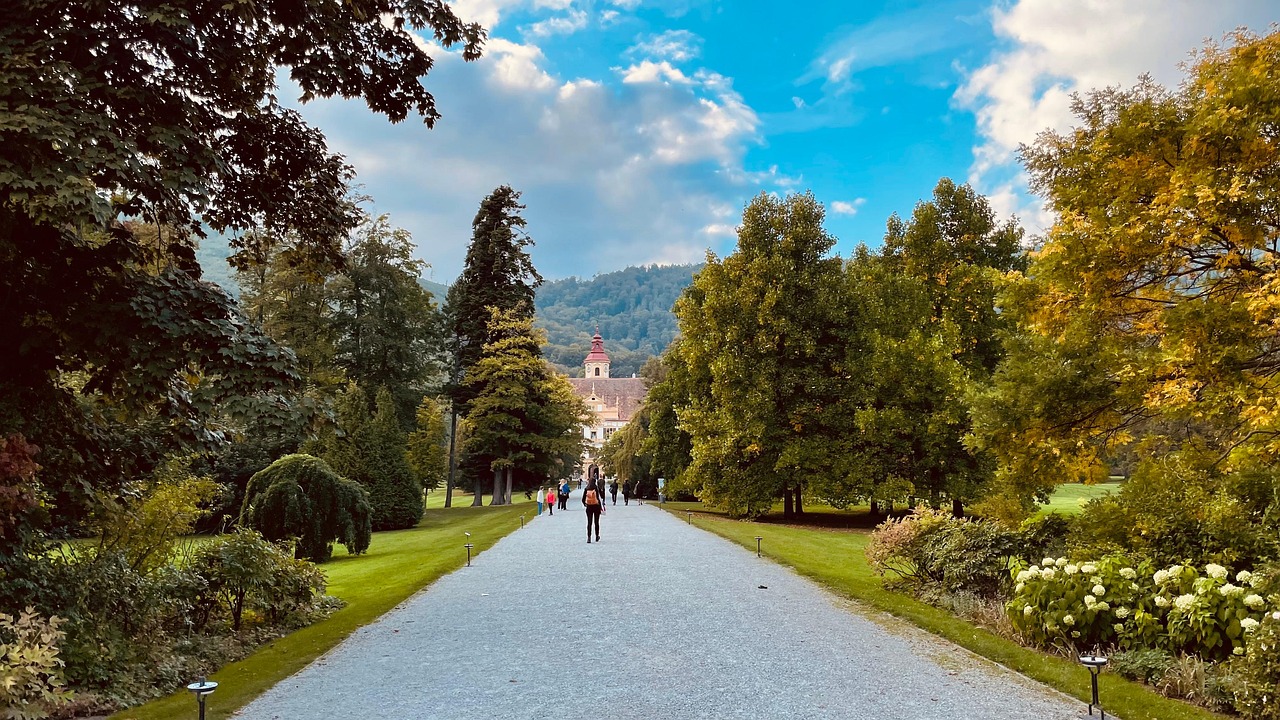
Graz offers residents a lifestyle centered on good food, accessible public spaces, and appreciation for both old and new architecture. Renaissance courtyards, modern buildings, and bustling markets coexist in a city that moves at a relaxed pace. University life adds youthful energy while keeping cultural venues, theaters, and exhibitions active year-round. Locals enjoy short commutes, fresh regional produce, and easily reached green spaces that shape daily routines. Graz’s quiet elegance and emphasis on quality living make it a city that Austrians often treasure more privately than they advertise.
6. Trieste, Italy
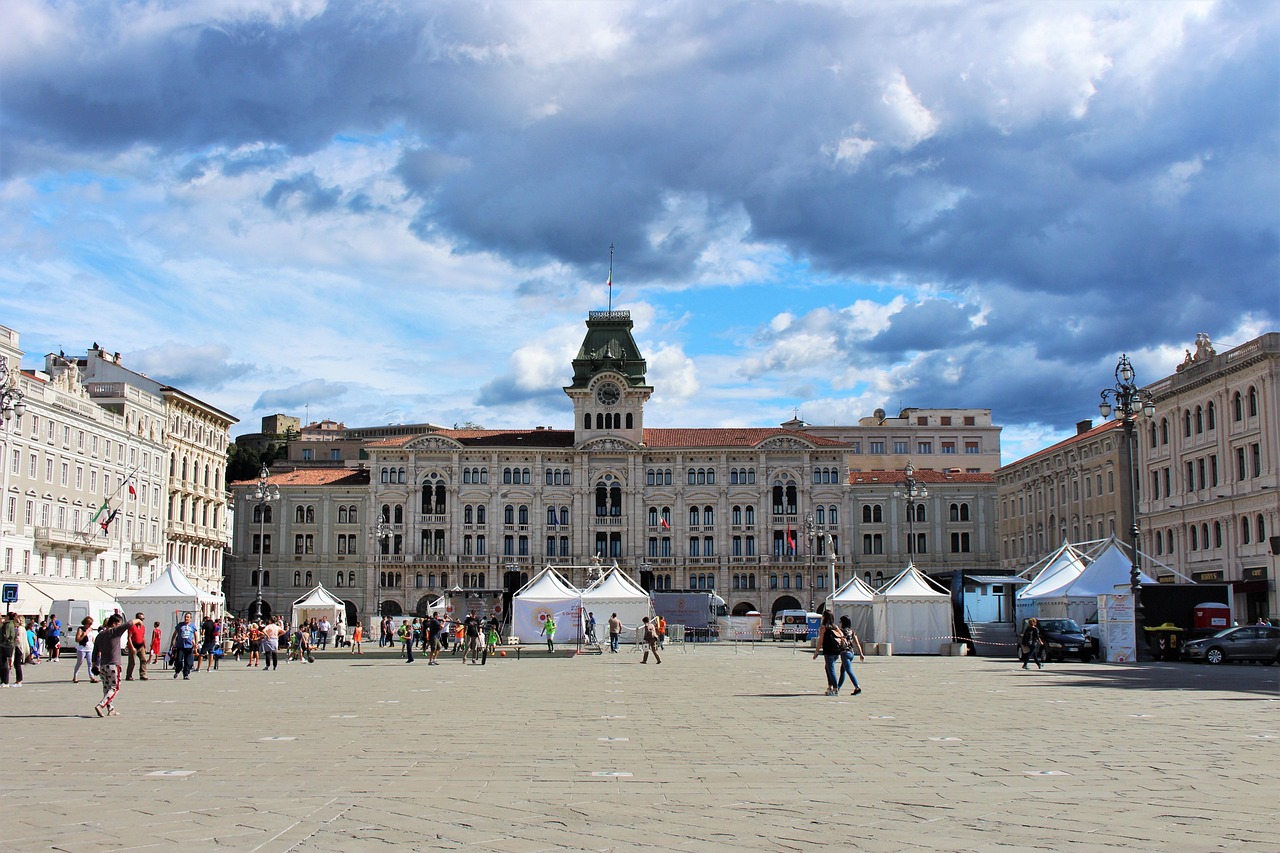
Trieste reflects centuries of interaction among Latin, Slavic, and Central European cultures, and locals experience this blend through coffeehouses, neoclassical squares, and a literary tradition that still influences city life. People enjoy seaside walks, long café conversations, and understated cultural events that balance Mediterranean warmth with Central European refinement. Multiple languages and traditions shape daily life, creating an openness that feels authentic rather than curated. Trieste’s layered identity and calm sophistication make it a city that residents value for its depth rather than its fame.
7. Wrocław, Poland
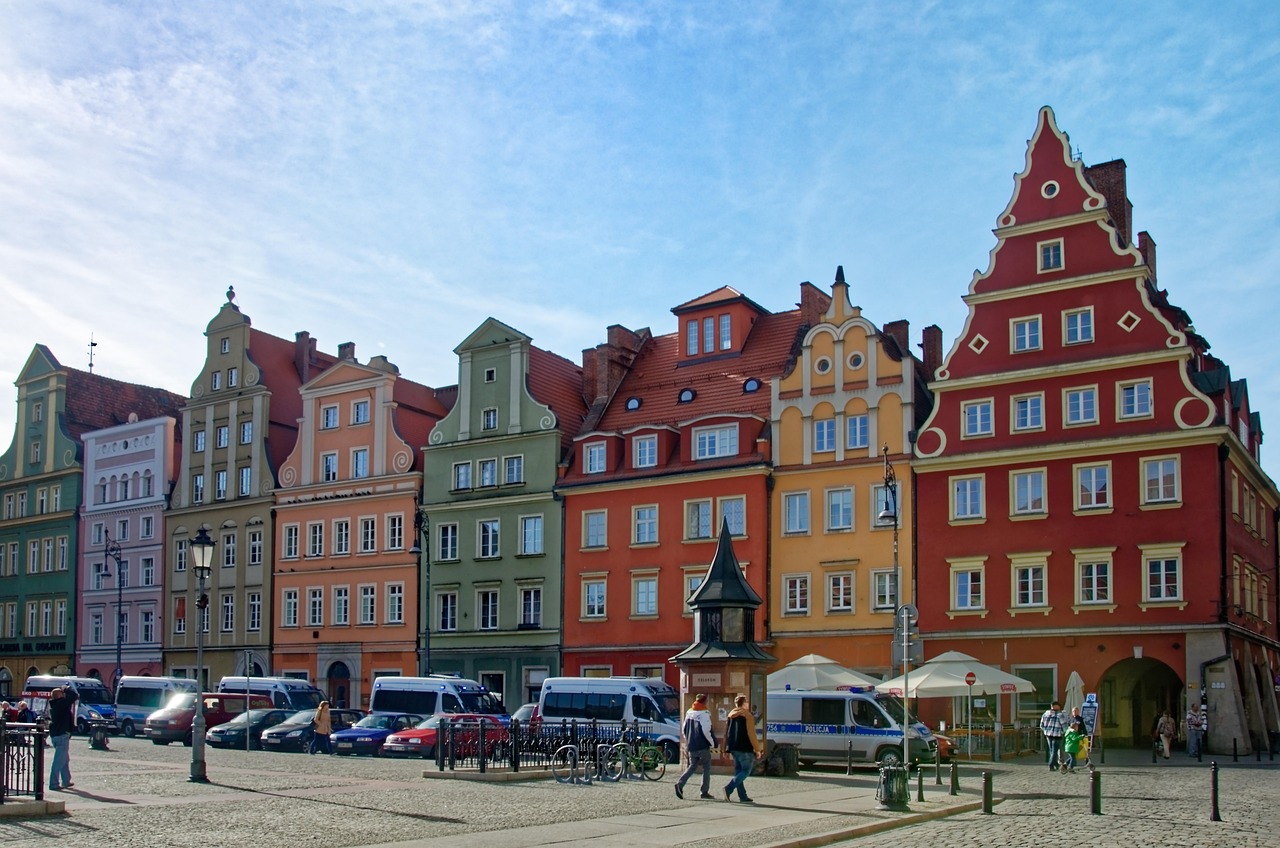
Wrocław’s many bridges link neighborhoods that each keep its own markets, cafés, and cultural corners. Locals enjoy a lively mix of theaters, street music, and seasonal festivals that animate squares throughout the year. Postwar rebuilding blended restored architecture with playful modern touches, giving residents spaces that feel historic yet completely livable. Its strong student presence and friendly local pubs keep the social atmosphere upbeat. That combination of heritage, creativity, and community pride makes Wrocław a place where residents feel connected to both past and present.
8. Tarragona, Spain
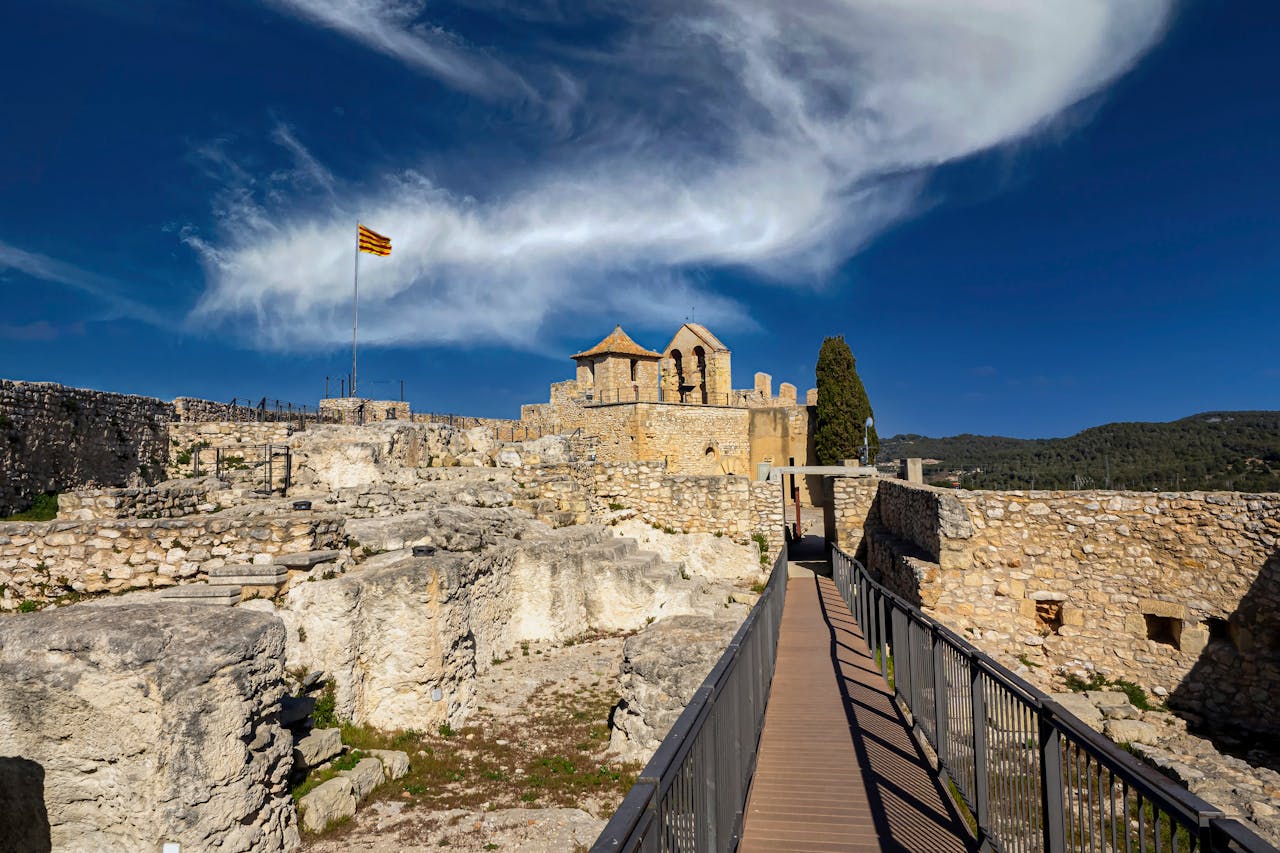
Tarragona’s charm comes from bright Mediterranean light, long beaches, and Roman ruins woven into the city’s ordinary streets. Locals enjoy leisurely lunches, family afternoons on the promenade, and festivals that connect present-day life to centuries of tradition. The amphitheater and old fortifications remain part of public pathways, giving residents daily contact with ancient history. Fresh seafood, relaxed markets, and a steady pace of coastal living make Tarragona feel like a lived-in hometown rather than a staged historic site.
9. Nantes, France
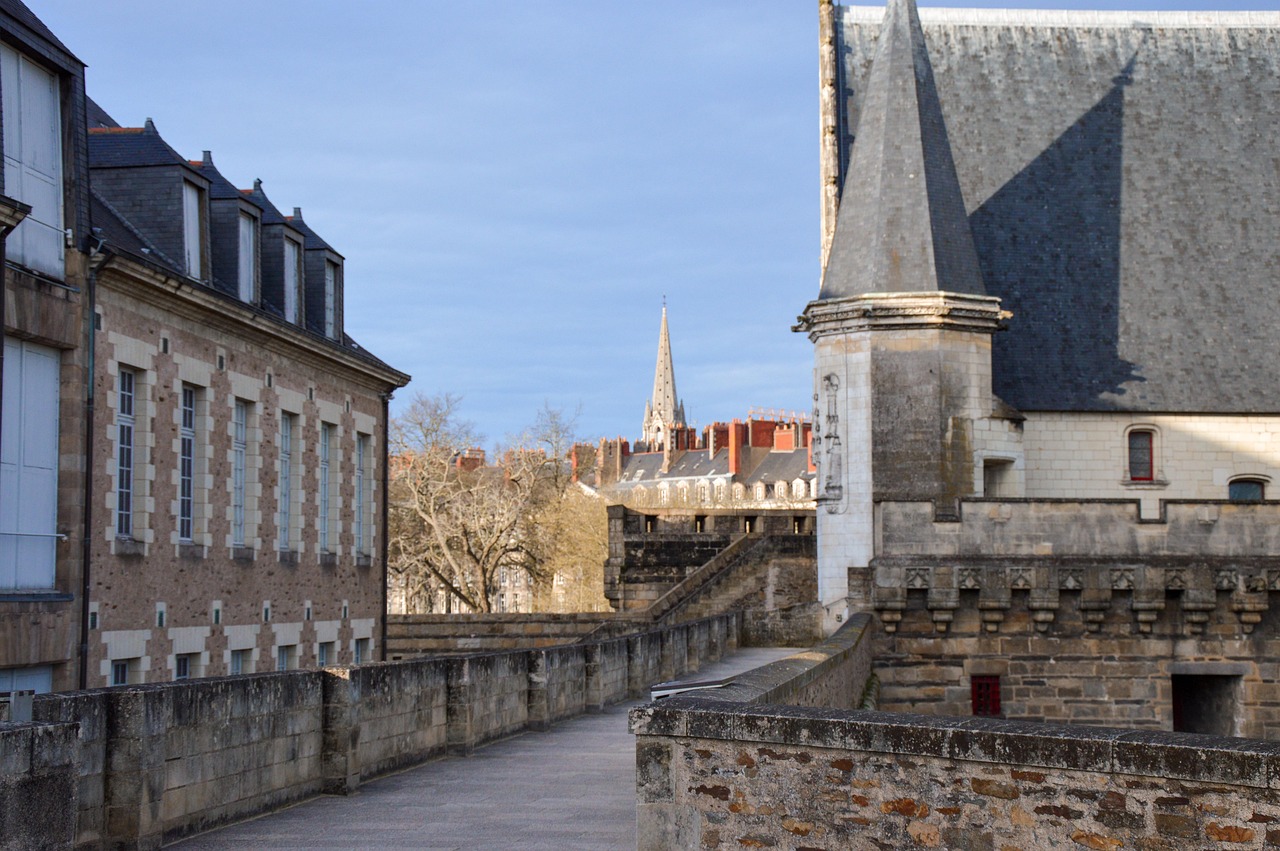
Nantes thrives on innovation, green planning, and a strong sense of local identity. Residents appreciate riverfront paths, large public art projects, and neighborhood markets that supply regional produce. Repurposed industrial spaces host cultural venues, while bike-friendly streets and parks make the city easy to navigate. Nantes balances history with modern ideas, encouraging a lifestyle that supports families, students, and artists alike. Locals love its mix of practicality and imagination, which keeps the city’s energy grounded yet forward-looking.
10. Plovdiv, Bulgaria

Plovdiv’s ancient layers are visible everywhere, from Roman theaters to cobbled Ottoman lanes, yet locals experience the city through its relaxed cafés, galleries, and open-air events. Creatives fill the Old Town with workshops and small studios, while neighborhoods host markets and bars that maintain a strong community feel. The city moves at an unhurried pace, especially in summer when streets fill with music and evening gatherings. Its long, continuous history gives residents a strong sense of belonging, making Plovdiv both deeply rooted and delightfully bohemian.