

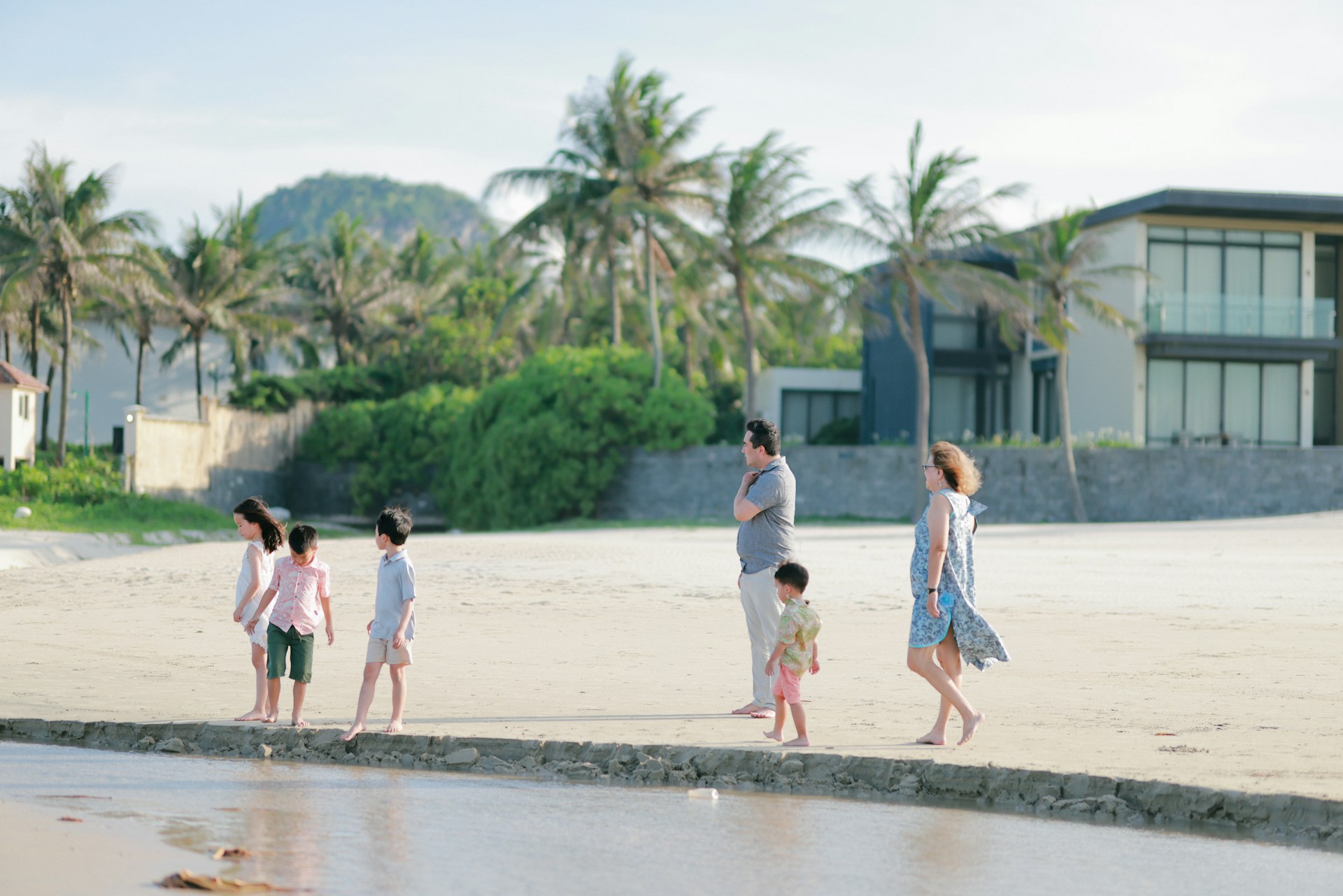
As 2026 approaches, many American families are making adjustments that are subtle rather than dramatic. These changes are not driven by trends or public declarations, but by lived experience. Rising costs, shifting work patterns, and emotional fatigue have pushed families to rethink daily life. Instead of chasing more, families are choosing what feels sustainable. These lifestyle shifts focus on stability, time, and emotional balance rather than visibility. Quiet planning is replacing bold resolutions, signaling a deeper recalibration of how families want to live moving forward.
Prioritizing Time Over Proximity

Many families are rethinking where they live based on how much time they actually get together. Proximity to jobs or amenities matters less than daily rhythm. Long commutes and constant transitions drain energy that could be spent at home. Families are choosing locations that reduce travel friction and increase usable hours. This shift is less about moving farther out and more about protecting time. The goal is not convenience on paper, but presence in real life, especially during evenings and weekends.
Downsizing Daily Commitments

American families are quietly pulling back from overpacked schedules. Fewer activities, fewer obligations, and more open space are becoming intentional choices. Parents are recognizing that constant movement creates stress rather than enrichment. By limiting commitments, families gain flexibility and emotional bandwidth. Children benefit from downtime that allows imagination and rest. This change reflects a growing awareness that fullness does not equal fulfillment. Simpler schedules are being seen as a form of care rather than limitation.
Blending Work and Home More Transparently

Rather than separating work and family completely, many households are integrating them more honestly. Children are seeing how work fits into daily life instead of being hidden behind closed doors. Parents are explaining boundaries, deadlines, and limits openly. This transparency helps reduce guilt and confusion. It also teaches children about balance and effort in realistic ways. The change is less about working more and more about working visibly and sustainably.
Choosing Experiences Over Upgrades
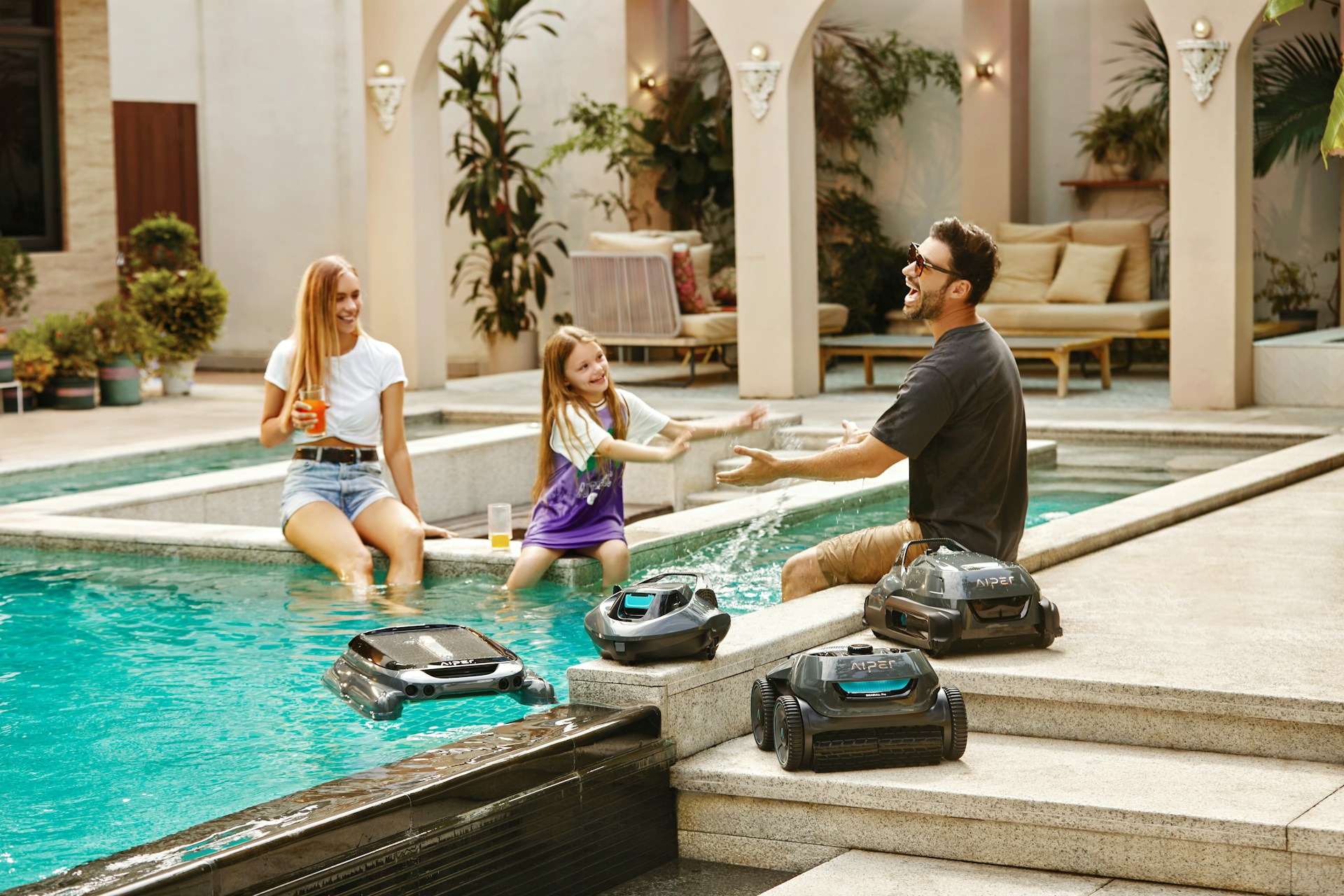
Families are redirecting spending away from constant upgrades toward shared experiences. Instead of renovating, replacing, or expanding, many are saving for travel, time off, or memory making. This reflects a shift in values toward connection rather than accumulation. Experiences are seen as lasting investments in family bonds. The decision is often quiet, influenced by budget awareness and emotional priorities. Families want moments they remember, not things they manage.
Reducing Emotional Overexposure

Many parents are intentionally limiting how much stress and adult concern enters family space. News consumption, external drama, and constant updates are being filtered more carefully. The goal is not avoidance, but regulation. Families are protecting emotional climate the same way they protect physical safety. This change reflects a growing understanding that emotional overload affects everyone. Creating calmer environments supports resilience and steadiness, especially for children.
Redefining What Stability Looks Like

Stability is no longer defined solely by permanence or tradition. Families are redefining it as predictability, safety, and emotional reliability. Flexible routines, adaptable plans, and open communication now represent security more than rigid structures. This shift allows families to adjust without panic when circumstances change. Stability becomes something felt rather than enforced. It reflects confidence in adaptation rather than fear of disruption.
Letting Go of Perfection Expectations

American families are releasing pressure to appear organized, productive, or ideal. Meals, homes, and routines are becoming more practical than polished. This change reduces stress and comparison. Parents are choosing what works instead of what looks right. Children benefit from seeing effort without performance. Letting go of perfection creates room for honesty and rest. It marks a shift toward sustainability over presentation.
Building Smaller, Stronger Social Circles

Instead of maintaining wide networks, families are focusing on fewer, deeper relationships. Time and energy are being invested where trust already exists. This change supports emotional safety and reduces social fatigue. Families value reliability over expansion. Smaller circles allow for mutual support without obligation. The shift reflects a desire for connection that feels reciprocal and grounded rather than scattered.
Planning Financial Life Around Flexibility

Families are restructuring finances to allow for adaptability rather than growth alone. Emergency funds, lower fixed costs, and flexible spending are becoming priorities. The goal is resilience rather than accumulation. This change is driven by uncertainty and lived experience. Families want options when circumstances shift. Financial planning is becoming more about peace of mind than future projection.
Protecting Family Energy as a Shared Resource

More families are treating energy as something to manage collectively. Decisions about travel, commitments, and routines are made with awareness of capacity. Burnout is no longer seen as inevitable. By noticing limits early, families prevent conflict and exhaustion. This change reflects emotional maturity and mutual care. Protecting energy allows families to stay connected instead of depleted.
The lifestyle changes American families are planning for 2026 are not loud or dramatic. They are thoughtful, adaptive, and deeply personal. These shifts reflect a growing desire for lives that feel manageable rather than impressive. By focusing on time, stability, and emotional balance, families are quietly building futures that support connection and resilience. The changes may be subtle, but their impact is lasting.