

Modern survival gear has become impressively advanced, giving people tools that can make emergencies easier to navigate and outdoor adventures much safer. Yet many of these high-tech items are not allowed everywhere. Different countries restrict certain tools because of safety risks, potential misuse, or old regulations that never kept up with innovation. Knowing which items are banned can help travelers avoid legal trouble and ensure their gear is both effective and compliant. This awareness is just as important as the gear itself when preparing for any journey.
1. Tactical Folding Knives with Spring‑Assist
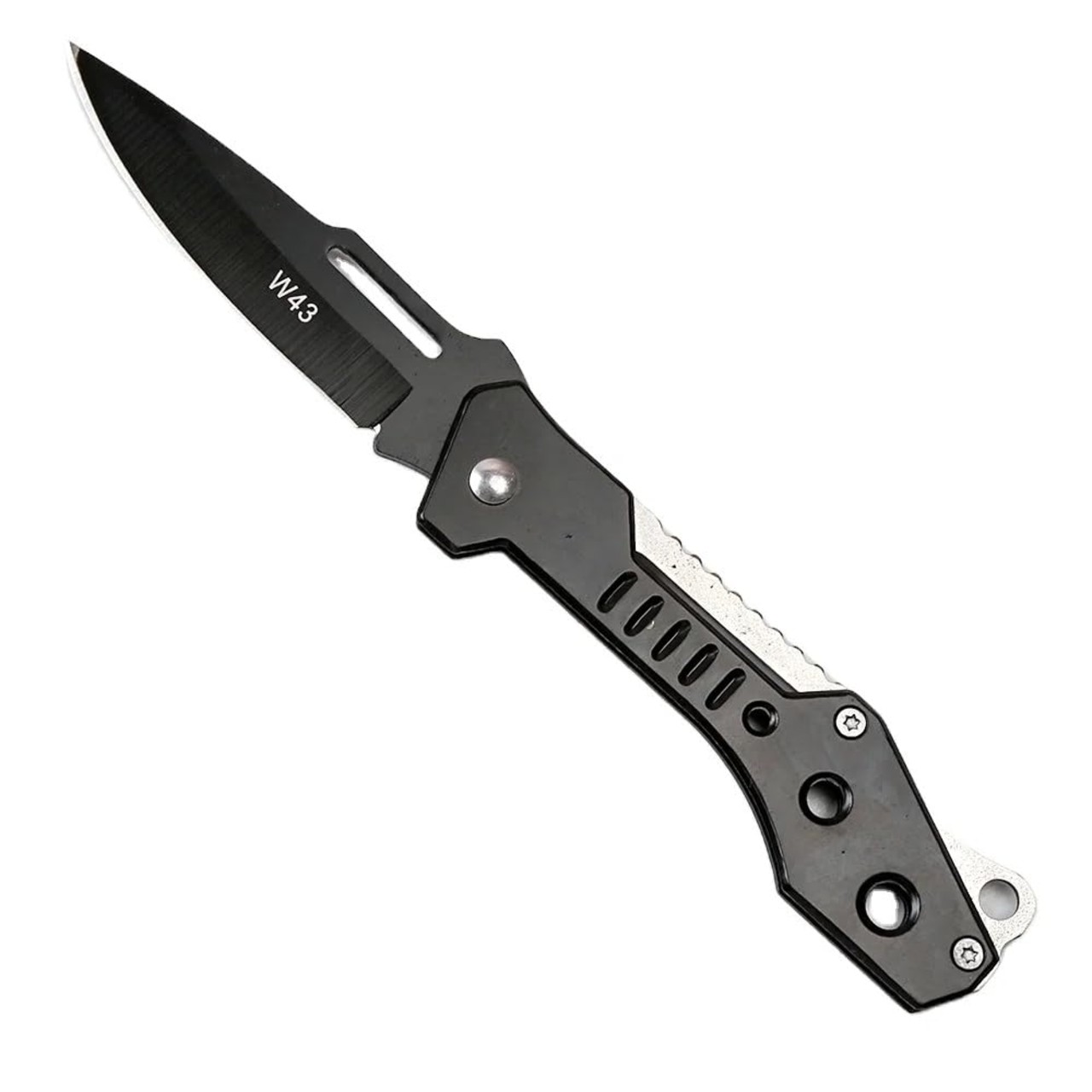
Tactical folding knives with spring-assisted mechanisms are prized by survivalists for quick deployment and precision. They combine durability with speed, making tasks like cutting ropes or preparing food more efficient. However, many countries and even some U.S. states restrict or ban spring-assisted knives due to their rapid opening, which can classify them as concealed or automatic weapons. Carrying one without knowing local laws can lead to fines or arrest. Modern survival emphasizes legal awareness alongside preparedness, ensuring your tools enhance safety without legal consequences.
2. High‑Powered Laser Pointers
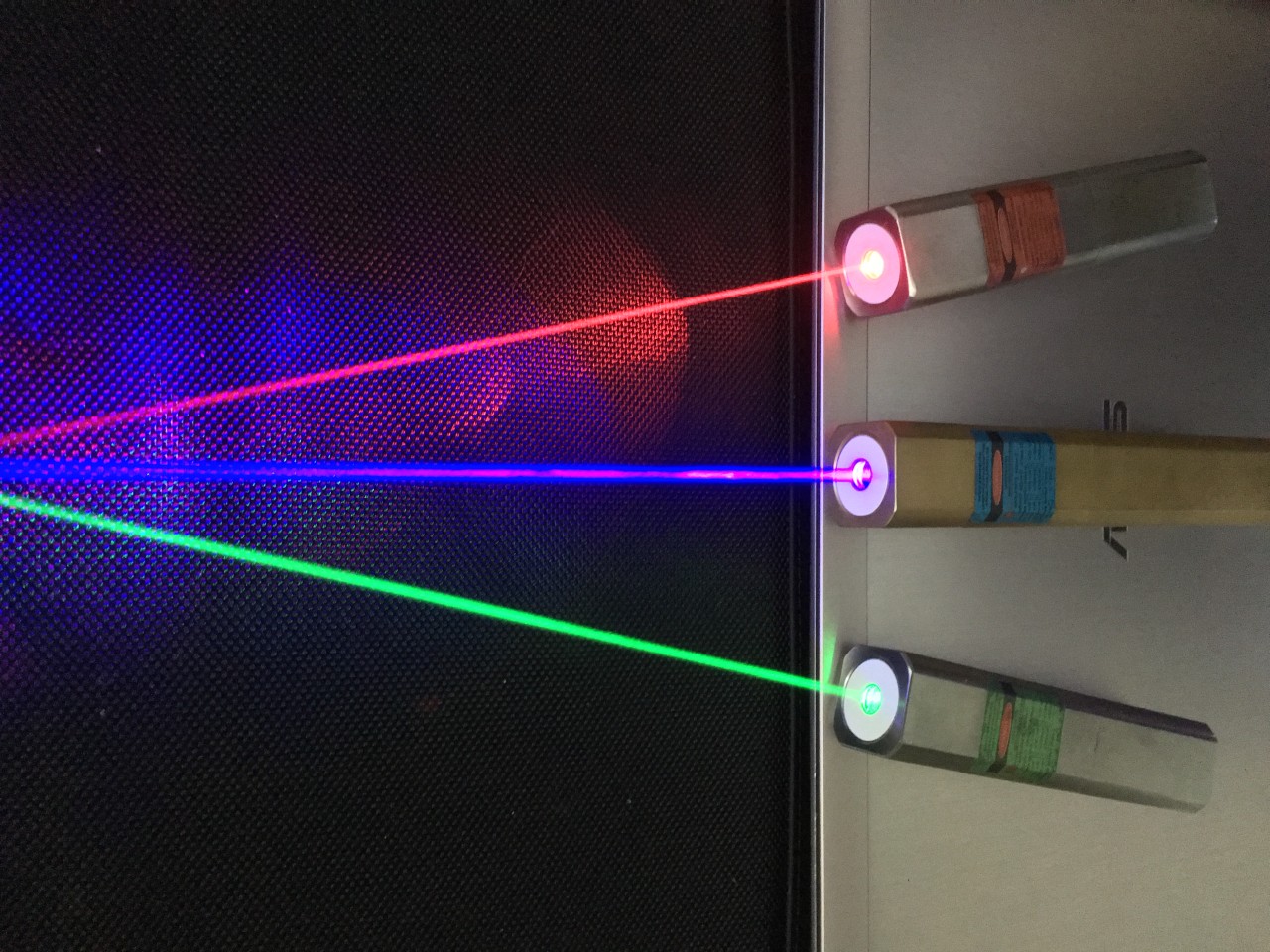
High-powered laser pointers are marketed for outdoor signaling or wildlife observation, but they are surprisingly illegal in many regions. Lasers above certain wattages can permanently damage eyes or interfere with aircraft, leading governments to regulate their sale and possession. Survivalists sometimes use these lasers to signal rescuers over long distances, but using them without proper authorization can result in severe penalties. Understanding local regulations is critical, proving that not all seemingly harmless survival tools are universally safe or legal.
3. Personal Tasers and Stun Guns
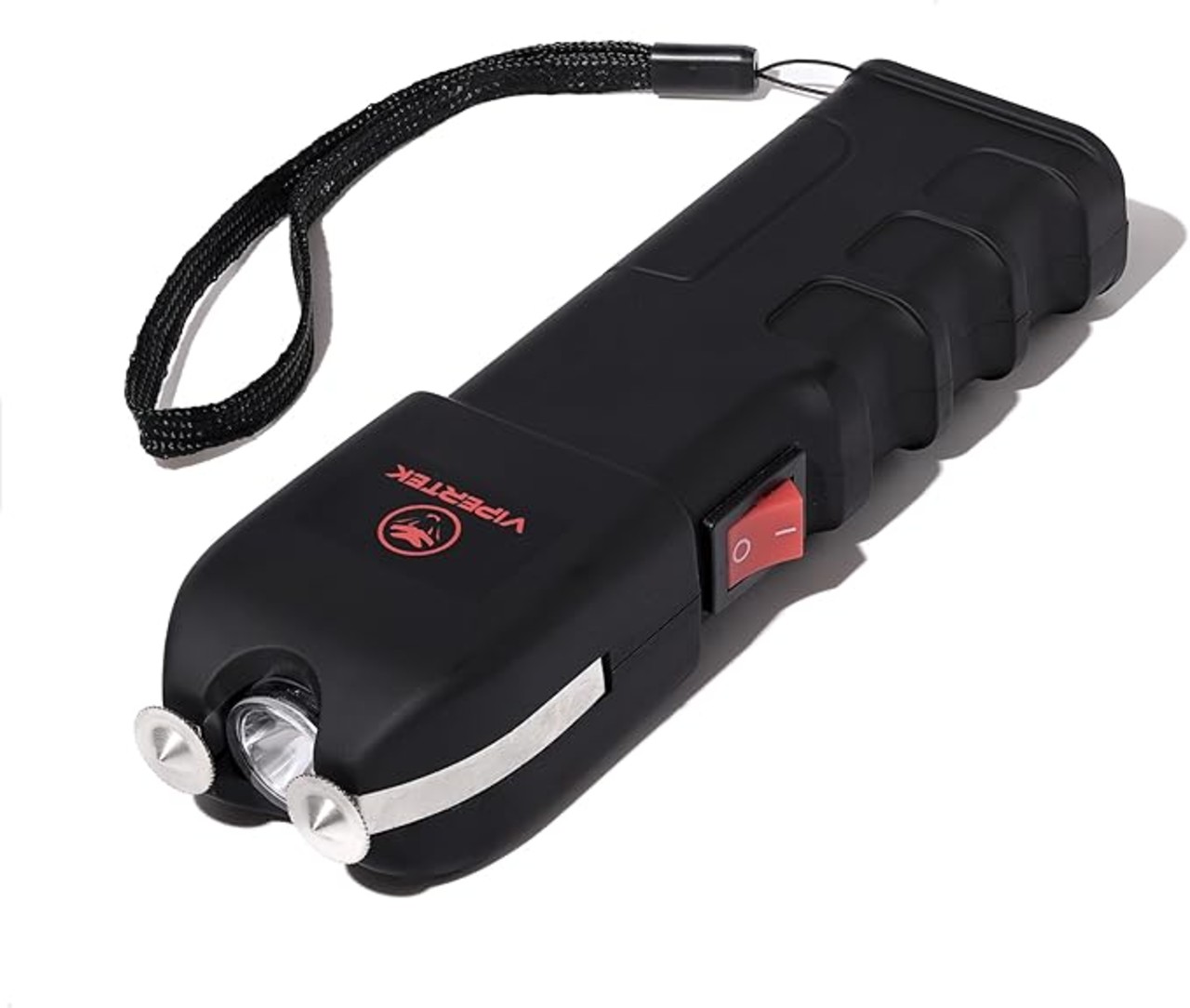
Personal tasers and stun guns are designed for self-defense and can be lifesaving in emergencies. Despite their utility, many countries and states classify them as restricted weapons due to the potential for misuse. Laws often specify who can carry them, how they can be transported, and in what situations they can be used. Survival preparedness requires balancing personal safety with compliance. Carrying these devices in areas where they are illegal can result in serious legal trouble, so awareness and permits are essential.
4. Bulletproof Backpacks
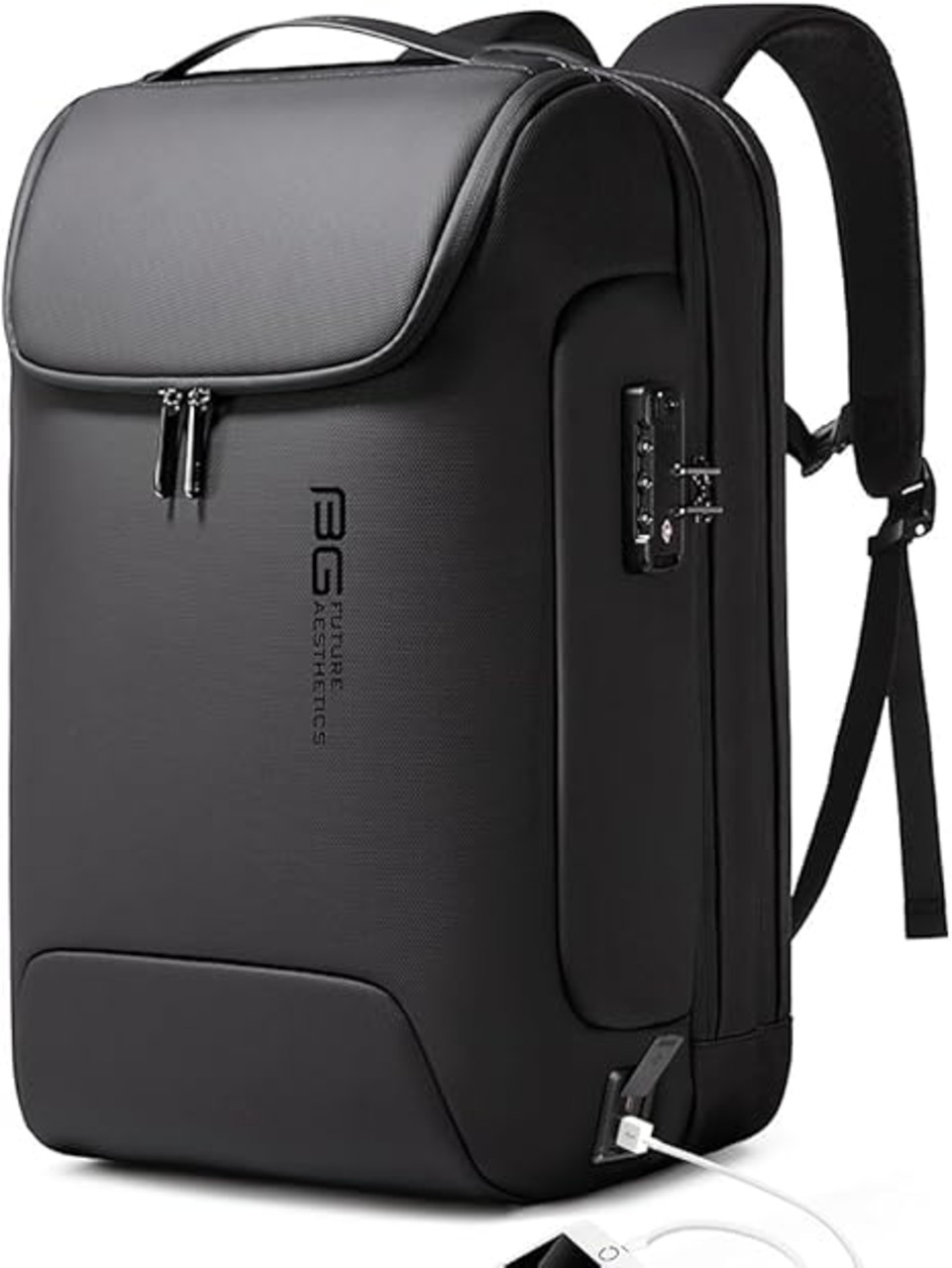
Bulletproof backpacks combine everyday utility with protective technology, offering a layer of defense in high-risk environments. While intended for safety during emergencies, some places restrict their sale or possession because of perceived links to crime prevention concerns or security regulations. Survivalists must be mindful that what seems like responsible precaution could be misinterpreted under the law. Understanding regulations ensures that protective gear enhances safety rather than attracting legal complications.
5. Portable Water Purifiers with Chemical Agents
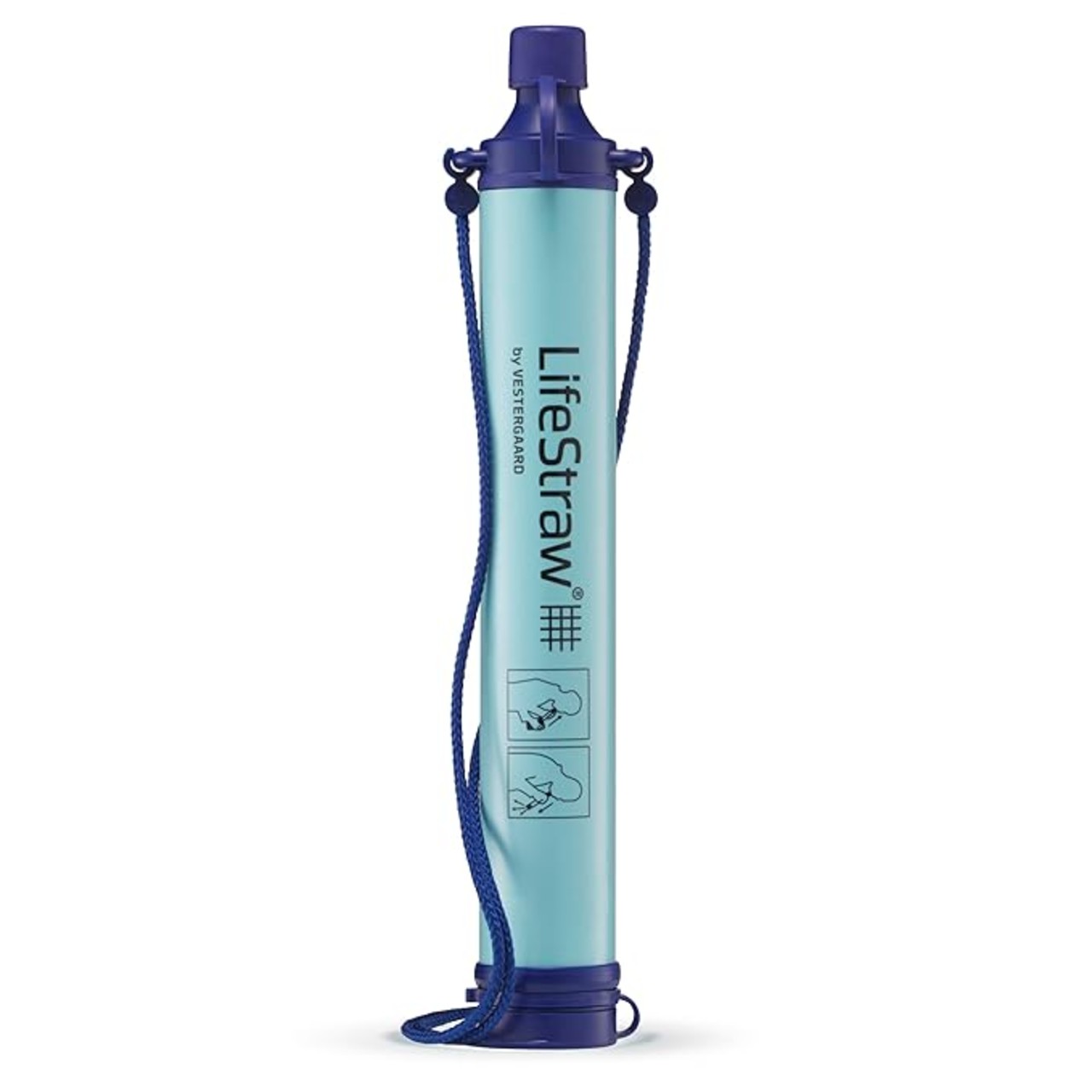
Portable water purifiers are vital for survival, but models that use chemical agents such as iodine or chlorine dioxide are restricted in some regions. Concerns include environmental contamination, misuse, and chemical regulations. While they efficiently make water potable in wilderness scenarios, carrying certain chemical-based purifiers without legal awareness can violate local laws. Modern survival combines knowledge of purification techniques with compliance, ensuring access to safe drinking water without legal consequences.
6. Survival Slingshots
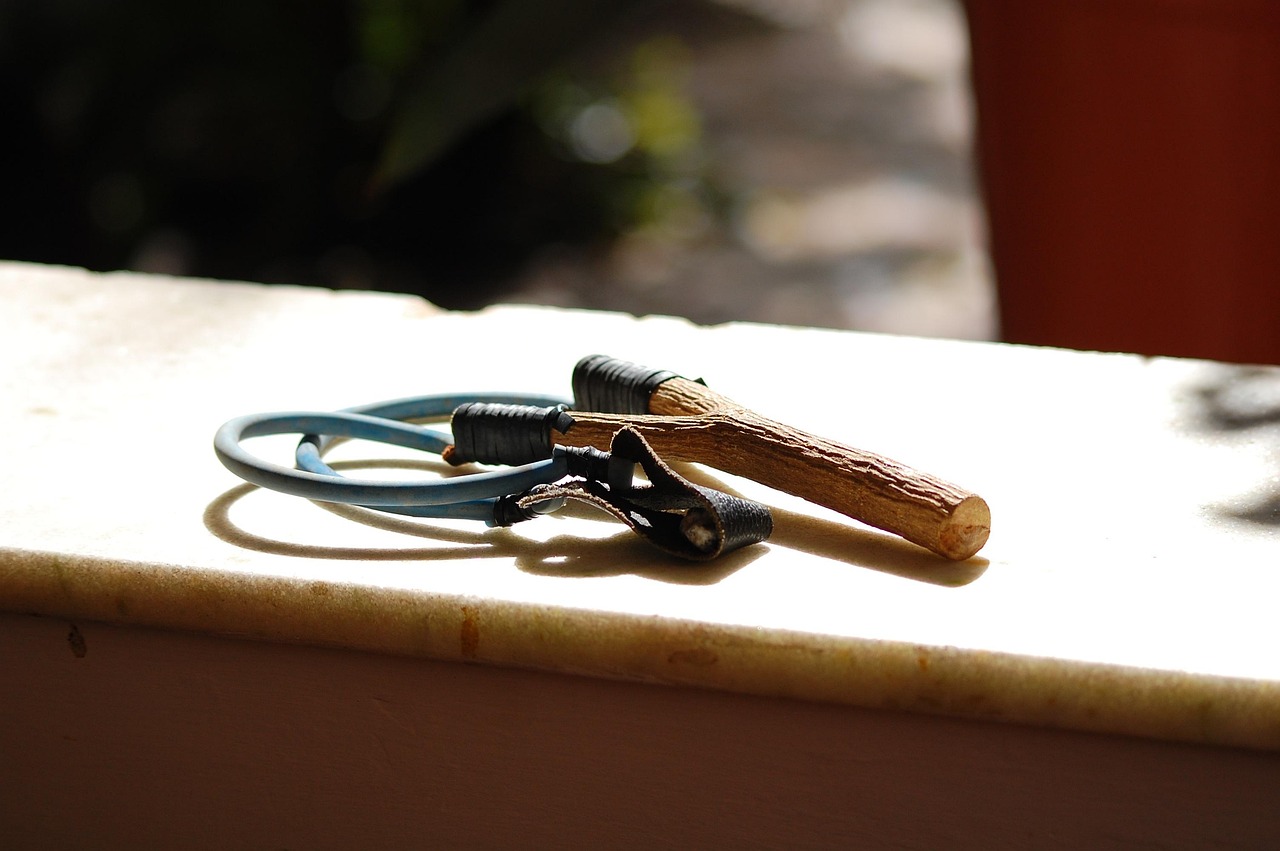
Survival slingshots are compact, versatile, and can be used for hunting or defense in the wild. However, certain jurisdictions classify them as restricted weapons due to their potential to inflict injury or be used unlawfully. Some laws regulate draw weight, projectile types, or require permits for possession. While they remain practical tools for wilderness survival, knowing legal boundaries is crucial. Proper use combined with awareness ensures these tools serve their intended purpose safely and lawfully.
7. Fixed-Blade Survival Knives
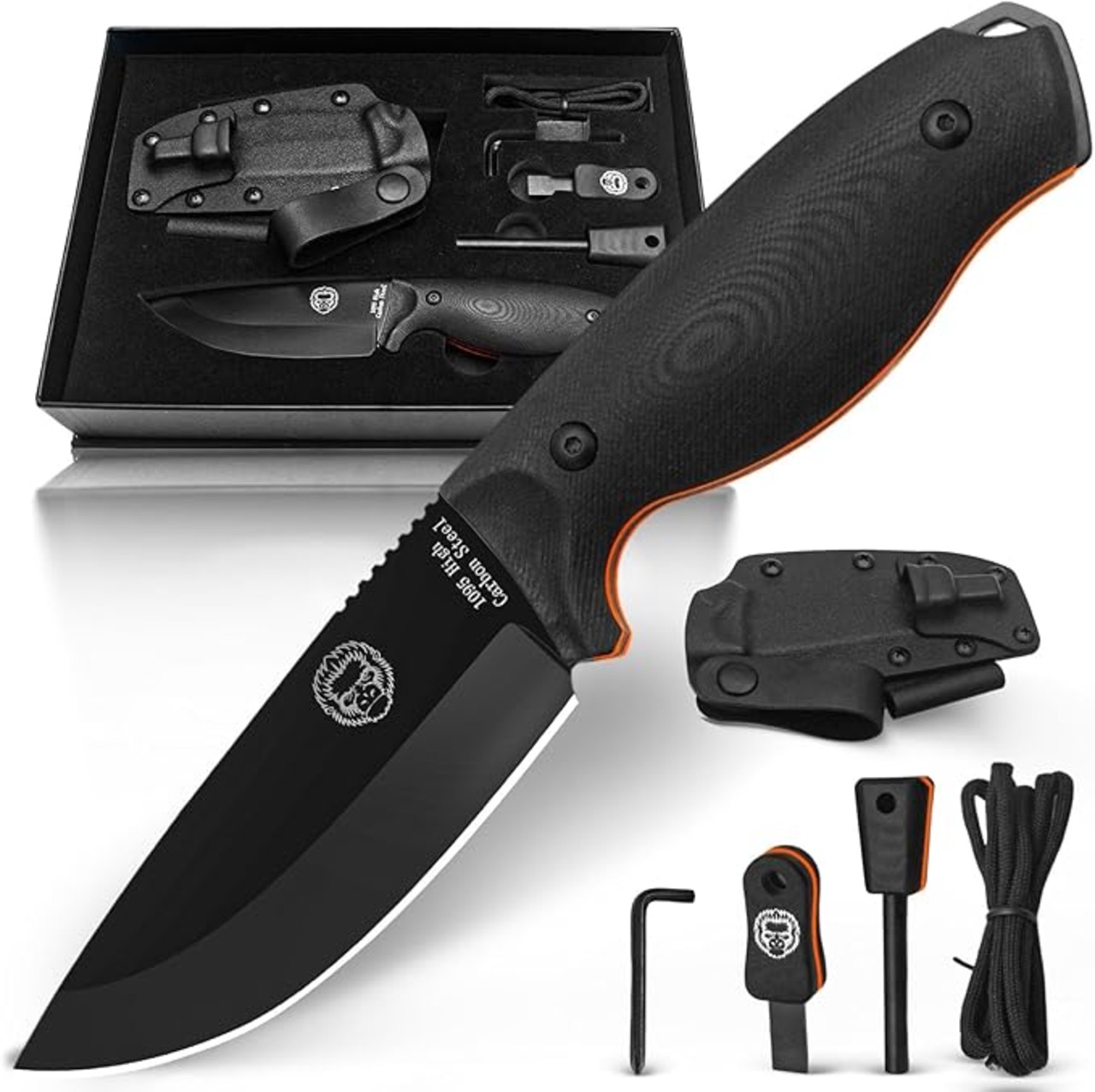
Fixed-blade survival knives are trusted for their strength, making them ideal for building shelters, preparing food, or handling tough materials outdoors. Yet many regions classify larger fixed blades as controlled weapons, especially if the length exceeds local limits. Some countries require permits, while others ban public carry entirely. Violating these rules can lead to fines or confiscation, even if the knife is intended for emergencies. Responsible survivalists stay informed about local laws to ensure their gear remains both useful and legally acceptable.
8. Military‑Grade Night Vision Goggles
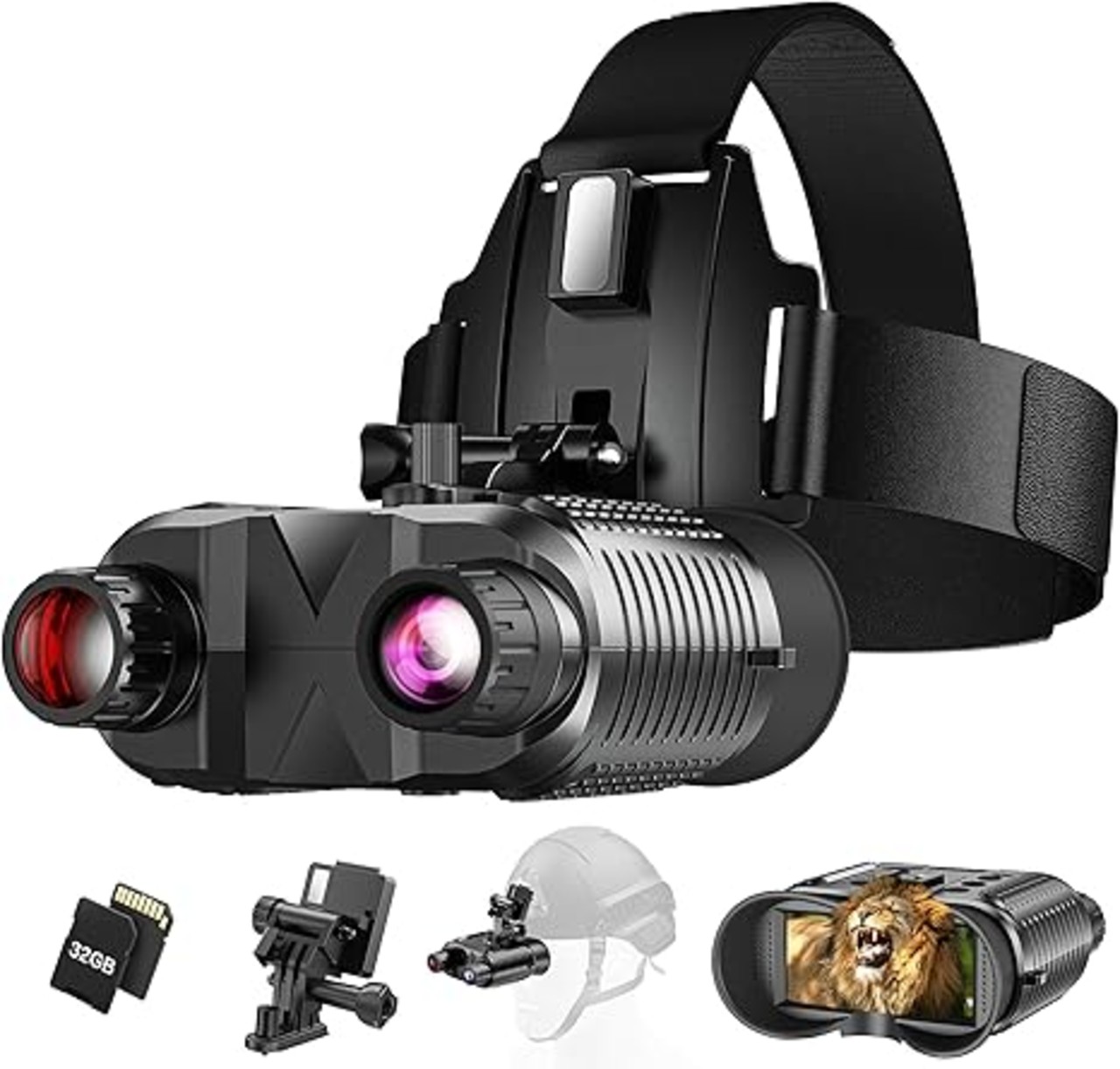
Military-grade night vision goggles allow survivalists to navigate in total darkness, enhancing safety during nocturnal operations. These devices are often restricted due to their advanced technology, which can give a tactical advantage in sensitive or urban areas. Many governments regulate ownership, requiring licenses or outright prohibiting civilian possession. Using them without proper authorization can lead to legal consequences. Survival preparedness today blends cutting-edge technology with responsible and lawful usage.
9. Compact Crossbows
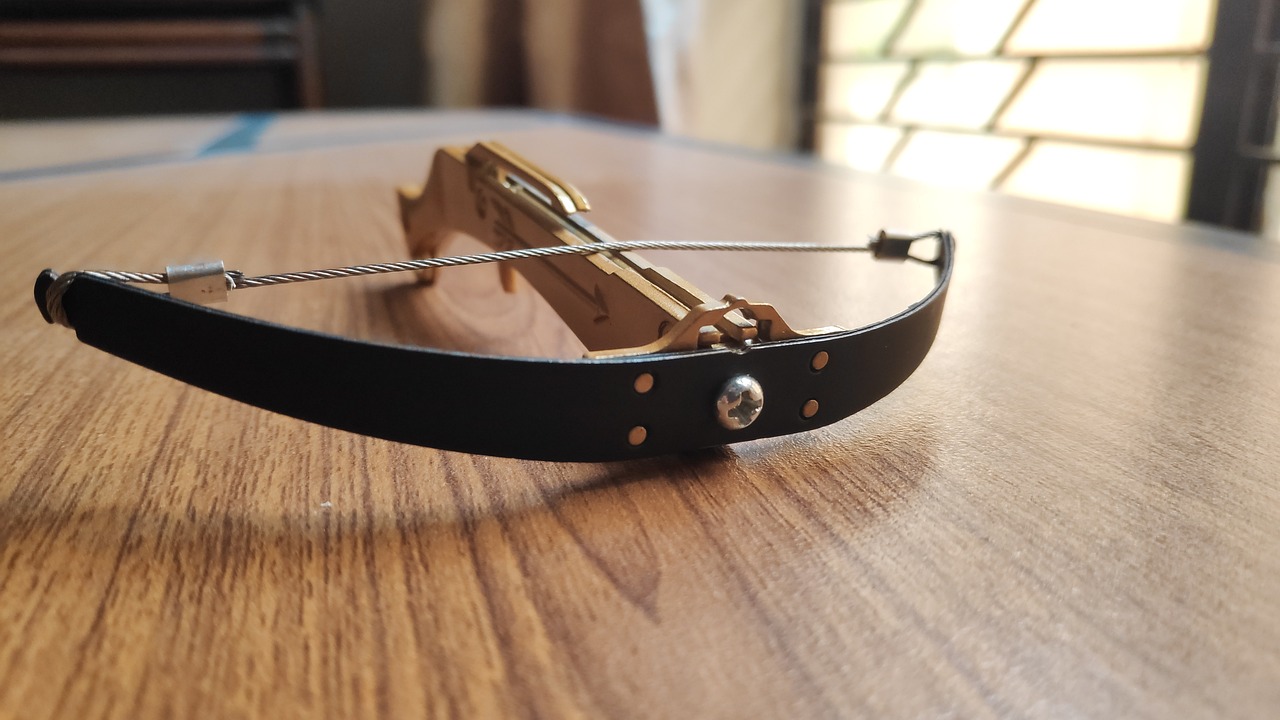
Compact crossbows pack surprising power into a small frame, offering quiet accuracy that many survival enthusiasts appreciate for hunting or emergency defense. Their design allows users to carry them easily through dense terrain while still delivering a force strong enough to injure or kill, which is why many regions classify them strictly as weapons. These rules often limit who can buy them, how they can be transported, and where they can be used. Violations can lead to heavy fines or confiscation, making it essential for travelers and survivalists to understand local laws before adding one to their gear.
10. Heavy-Duty Pepper Spray
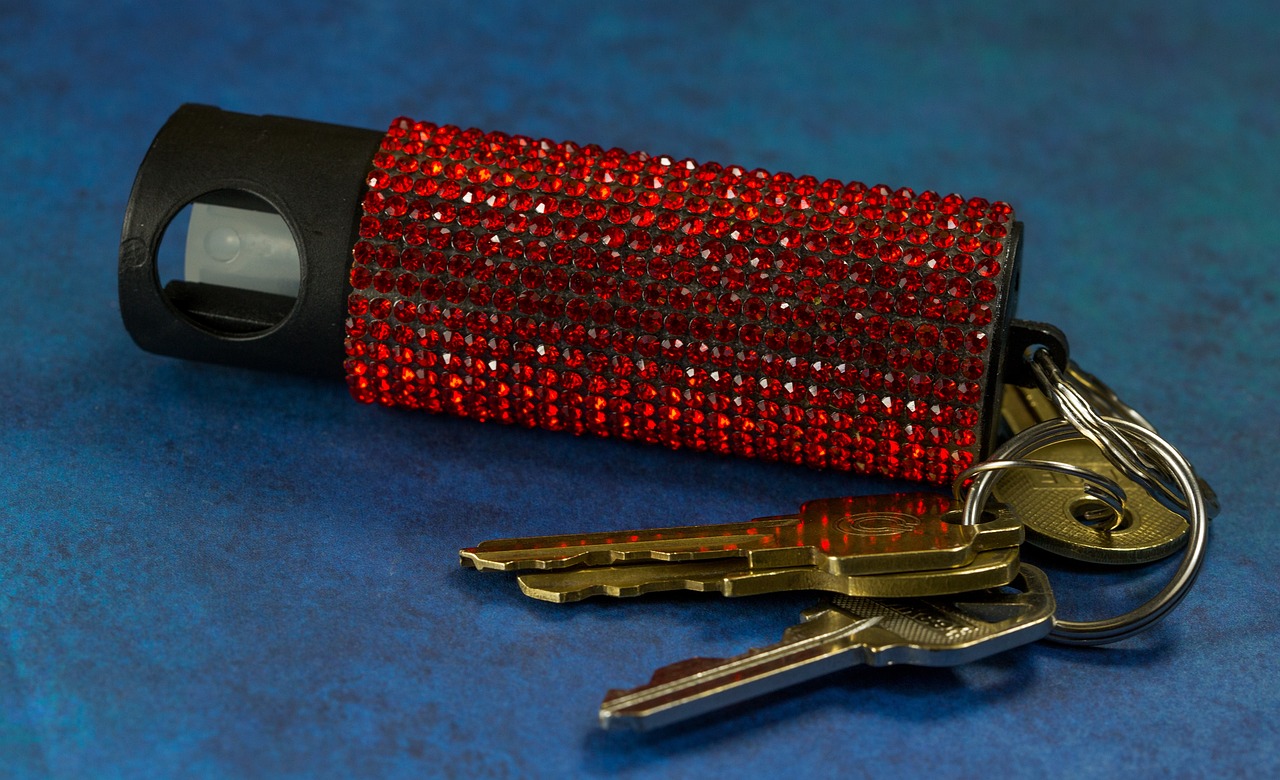
Heavy-duty pepper spray is valued for personal protection, offering a non-lethal way to deter threats in emergencies. However, many governments tightly regulate it because stronger formulations can cause severe respiratory distress or be misused in public settings. Some countries ban it altogether, while others restrict its concentration or require formal registration. Travelers unaware of these laws may face legal consequences for simple possession. Understanding local regulations allows users to prioritize safety without crossing legal boundaries.