
Baseball has long held a unique place in American culture, and certain teams have come to represent far more than wins and losses. These teams shaped eras, influenced national identity, and became woven into everyday life through radio, television, and family tradition. Their impact extended beyond the field into language, memory, and community pride. Iconic teams are remembered not only for championships, but for how they reflected the country at specific moments in time. These ten teams earned lasting status by shaping how Americans experience baseball itself.
New York Yankees

No team is more closely associated with American baseball history than the New York Yankees. Their success across multiple decades created a standard of excellence that reshaped expectations for professional sports. Iconic players became household names, and championships felt inevitable. The Yankees symbolized dominance, tradition, and national visibility. Their presence influenced how baseball was marketed and consumed. For generations, the Yankees represented the idea that greatness could be sustained, making them inseparable from the story of American baseball.
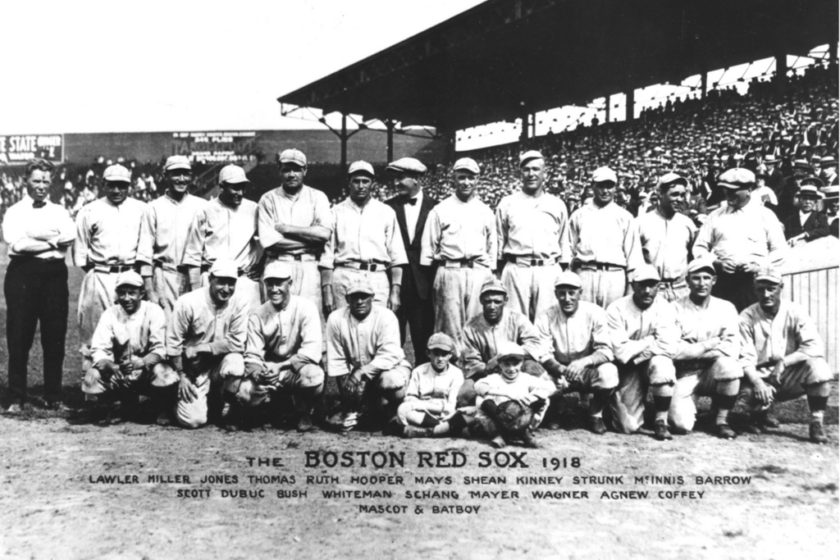
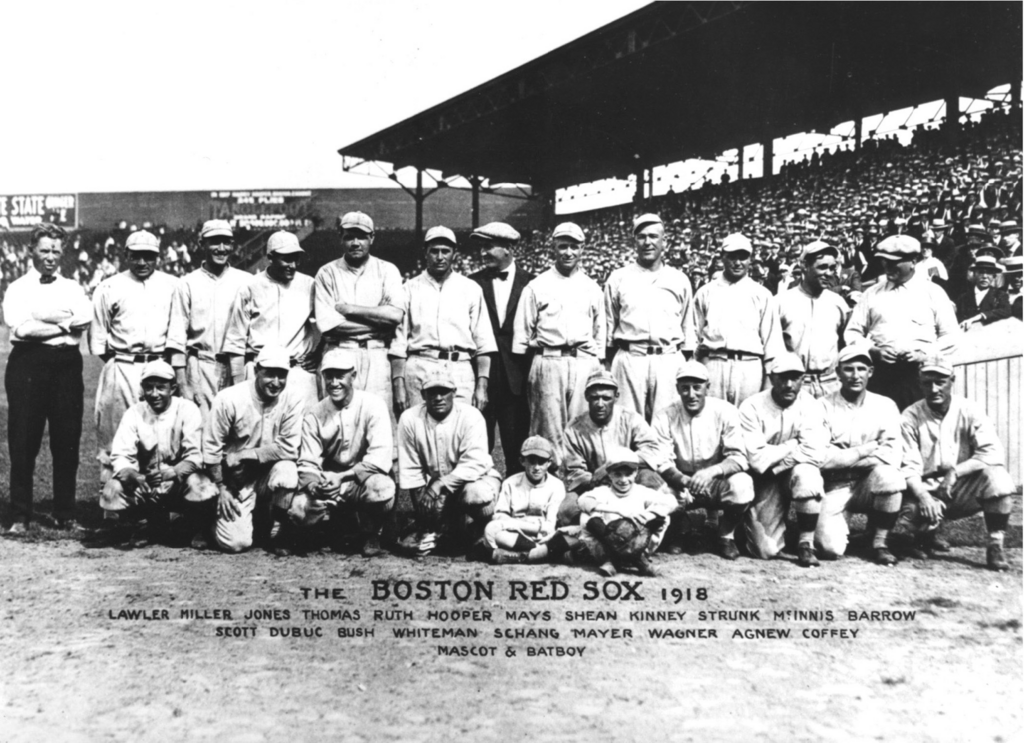
Boston Red Sox
The Red Sox became iconic through a history defined as much by heartbreak as by triumph. Decades of near misses forged an intensely loyal fan base and deep emotional connection. Fenway Park itself became a symbol of continuity in a changing sport. When championships finally arrived, they felt earned rather than expected. The Red Sox represent perseverance, regional pride, and the belief that loyalty matters. Their story shaped how Americans understand devotion in sports culture.
St. Louis Cardinals
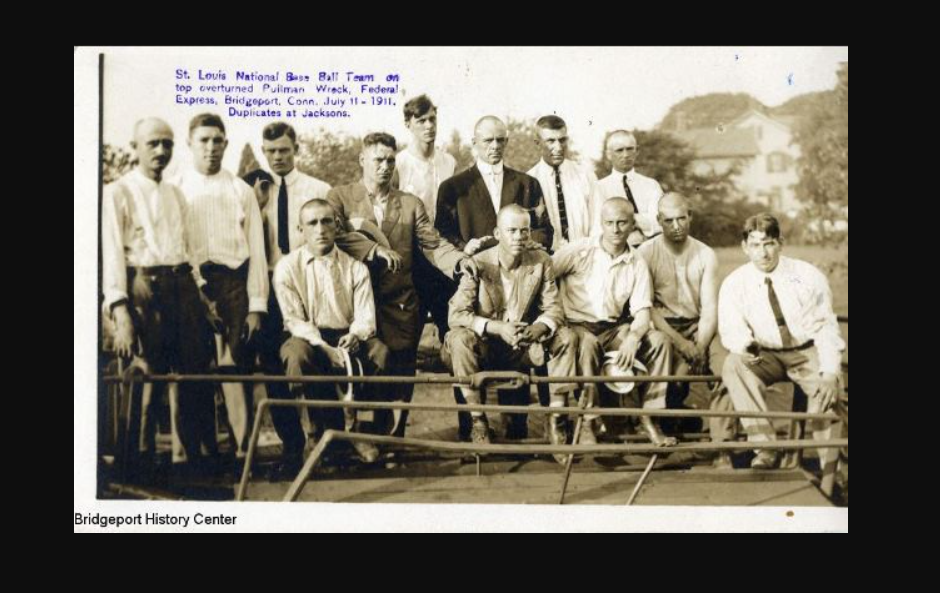
The Cardinals earned iconic status through consistency rather than spectacle. Success across generations created trust and continuity. Radio broadcasts carried the team’s presence across the Midwest, turning games into shared regional rituals. The Cardinals symbolized fundamentals, discipline, and stability. Their long standing competitiveness reinforced baseball as a family tradition passed down rather than chosen. The team’s influence extended far beyond St. Louis, shaping how baseball connected rural and urban America alike.
Los Angeles Dodgers

The Dodgers hold a unique place in baseball history due to their move from Brooklyn to Los Angeles. That transition reshaped the geographic identity of the sport. The team carried loyal fans across coasts while opening baseball to a broader national audience. Legendary players and cultural milestones deepened their significance. The Dodgers represent change, resilience, and expansion. Their story mirrors broader American shifts, making them one of the most historically meaningful teams in the sport.
Chicago Cubs
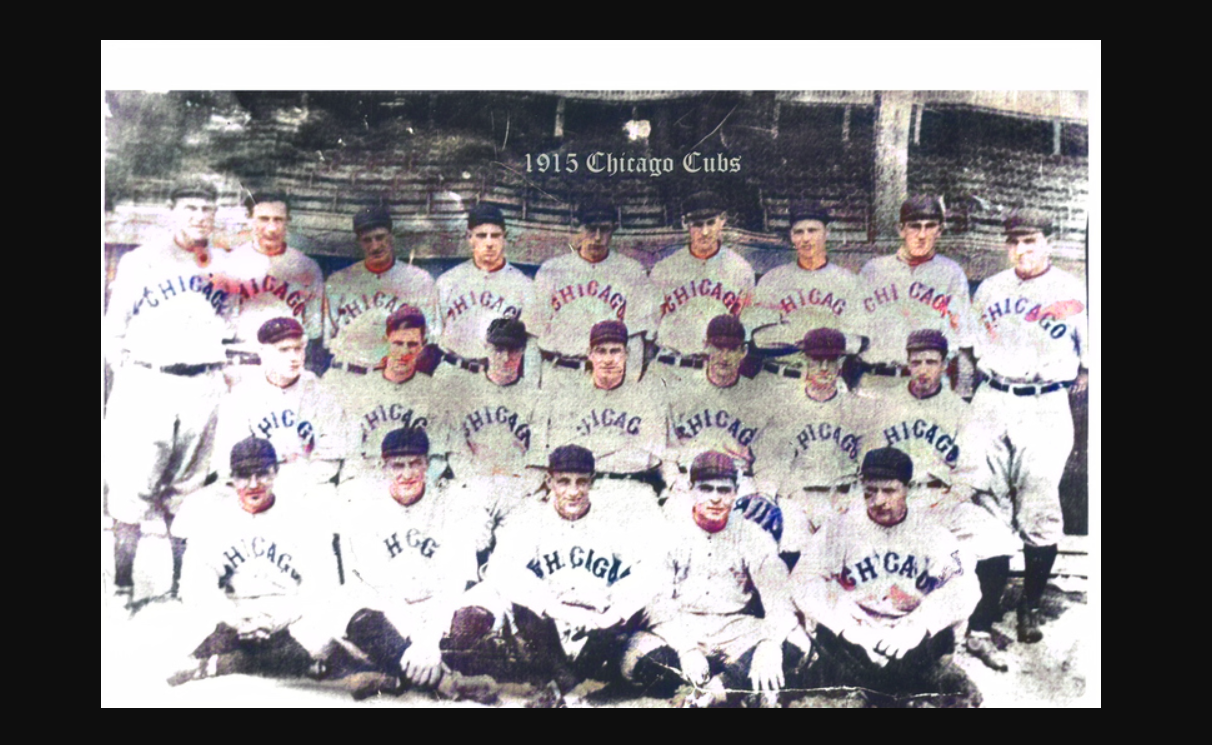
The Cubs became iconic through endurance rather than dominance. Generations of fans supported the team through long championship droughts. Wrigley Field, day games, and summer routines created a distinct cultural identity. Being a Cubs fan became an expression of patience and hope. When success finally came, it validated decades of loyalty. The Cubs represent the emotional side of baseball, where attachment often matters more than results.
San Francisco Giants
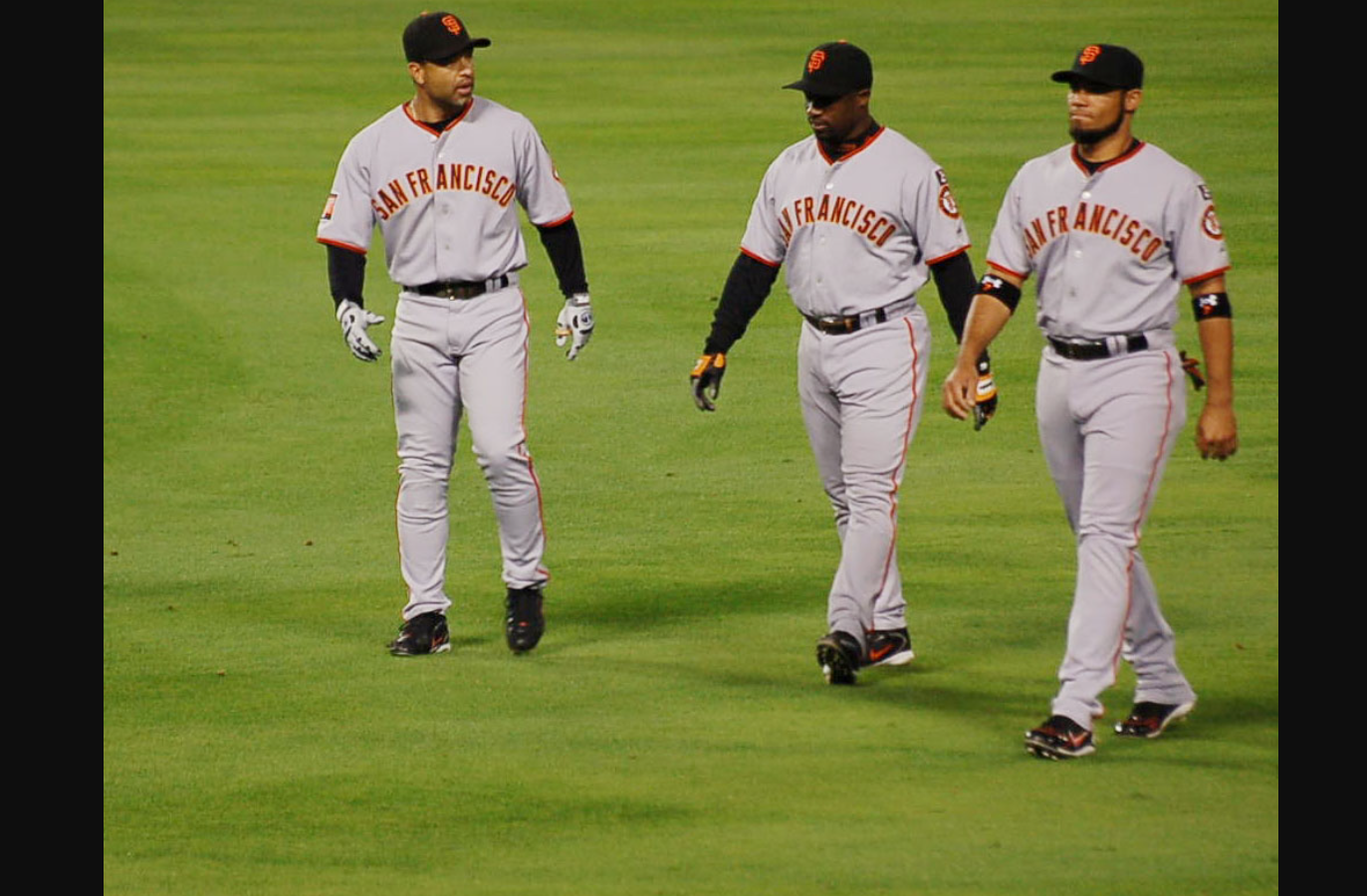
The San Francisco Giants became iconic through longevity and continuity that spanned coasts and generations. Originating in New York before relocating west, the team carried its history with it. Legendary rivalries, dramatic World Series moments, and a deep connection to city identity shaped its legacy. The Giants represented stability in a sport defined by change. Their presence helped establish baseball as a truly national game, and their history reflects how teams can evolve while preserving a sense of tradition.
Detroit Tigers
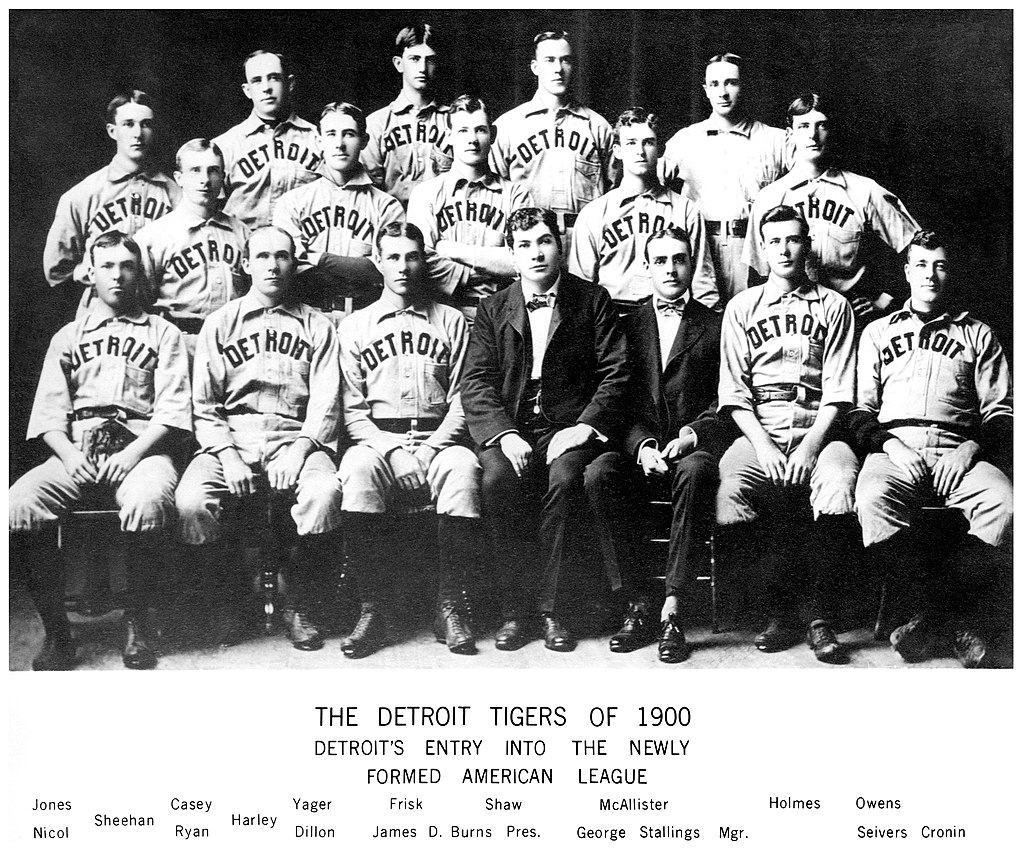
The Detroit Tigers earned iconic status by becoming inseparable from the identity of their city. Through decades of economic change, the team served as a constant source of pride and connection. Championships and legendary players reinforced that bond. Tigers baseball reflected resilience, toughness, and loyalty. Fans supported the team as part of supporting the community itself. The Tigers’ story shows how baseball teams can symbolize regional strength and shared endurance.
Pittsburgh Pirates
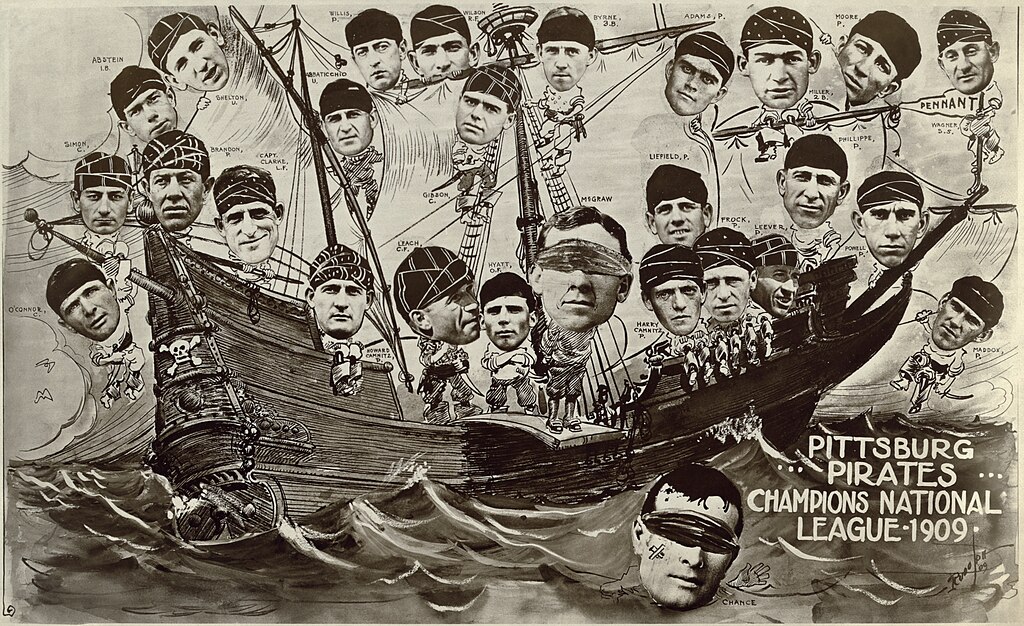
The Pirates hold an iconic place in baseball history through periods of brilliance that defined entire generations. Teams of the past captured national attention and produced unforgettable moments. Even as success became less frequent, the memory of those eras preserved the team’s significance. The Pirates represent how peak moments can define legacy. Their story highlights the emotional weight baseball carries beyond statistics and standings.
Cincinnati Reds

The Reds earned iconic status as one of baseball’s oldest franchises. Periods of dominance shaped national perception and set standards for excellence. Teams with distinct personalities captured imagination and loyalty. Reds baseball became synonymous with innovation and competitive spirit. Their influence extended into how the game was played and understood. The Reds represent baseball’s early roots and its evolution into a modern sport.
Oakland Athletics
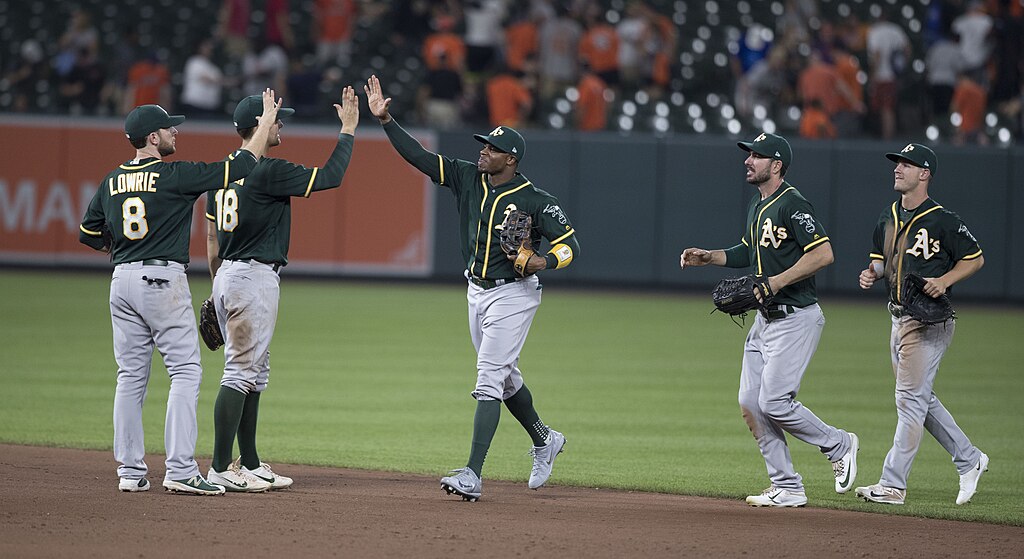
The Oakland Athletics became iconic by challenging traditional assumptions about how baseball teams should operate. Innovative strategies and unconventional success reshaped thinking across the sport. Championship eras created lasting impact far beyond the team itself. The Athletics symbolized creativity and efficiency. Their legacy shows how influence is not measured only by market size or spending, but by ideas that change the game.
The most iconic baseball teams in American history earned their status by shaping culture, memory, and identity over time. Their influence extended beyond championships into how baseball fit into daily life. These teams became symbols of place, era, and shared experience. Iconic status is built through continuity, emotion, and meaning. Together, these teams form the backbone of baseball’s place in American history.