

Royal families are often regarded as the ultimate symbols of power, loyalty, and tradition, yet history exposes a far darker side of ambition and betrayal. Behind the grandeur of crowns and palaces lie tales of secret plots, shocking assassinations, and ruthless power grabs executed by those closest to the throne. These acts of treachery and family strife not only altered the destinies of kings and queens but also reshaped entire nations, influencing politics, succession, and society for generations. Step into a world where bloodlines clashed, loyalty faltered, and ambition ruled, uncovering some of the most notorious betrayals in royal history.
1. The Assassination of Crown Prince Rudolf of Austria
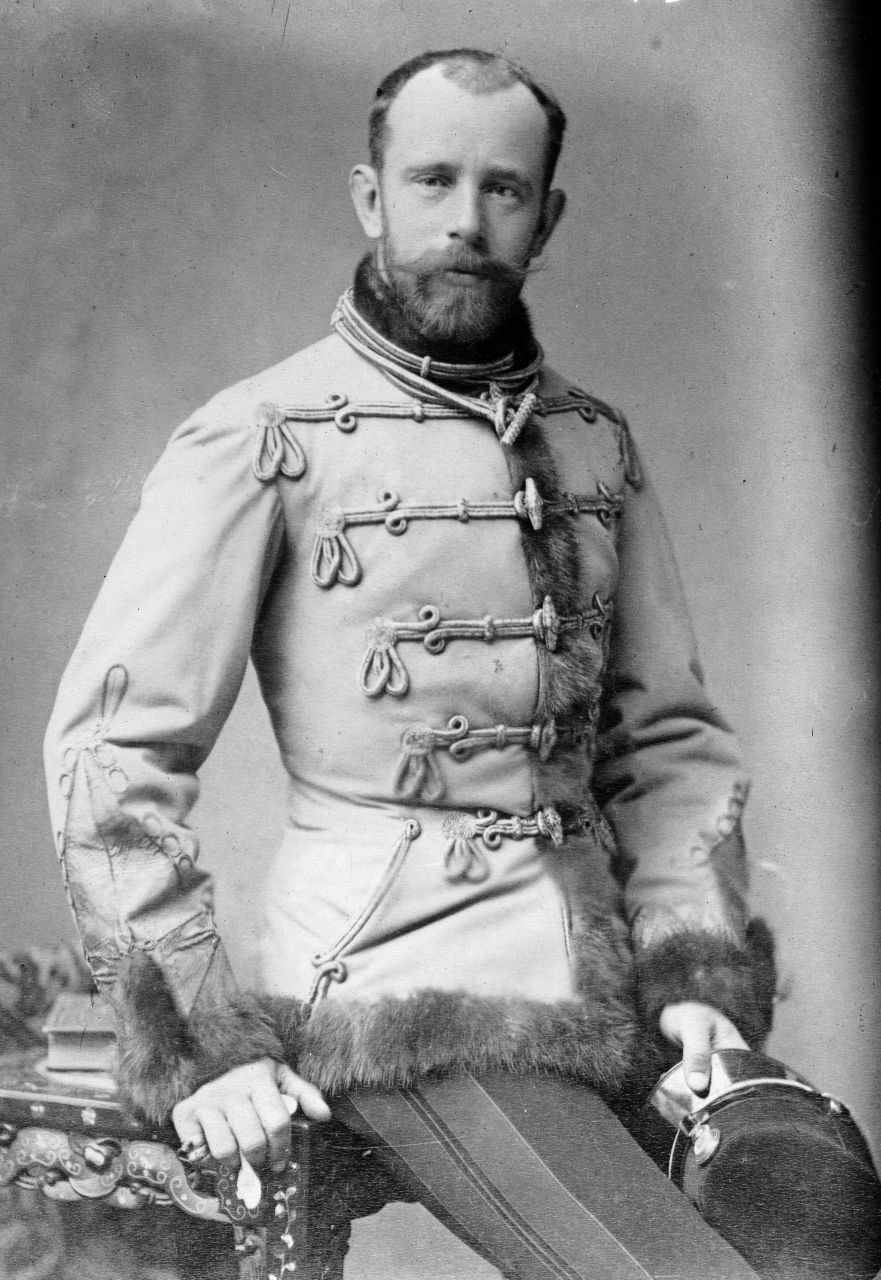
Crown Prince Rudolf of Austria, heir to the Austro-Hungarian throne, died in 1889 at Mayerling under mysterious circumstances alongside his mistress. While officially considered a murder-suicide, conspiracy theories suggest political and familial pressures may have contributed. Rudolf’s strained relationship with his father, Emperor Franz Joseph, and his progressive political ideas created tension within the Habsburg family. His death reveals how royal expectations, personal rebellion, and internal pressures could tragically intersect, leaving a lasting impact on imperial succession and history.
2. The Gowrie Conspiracy
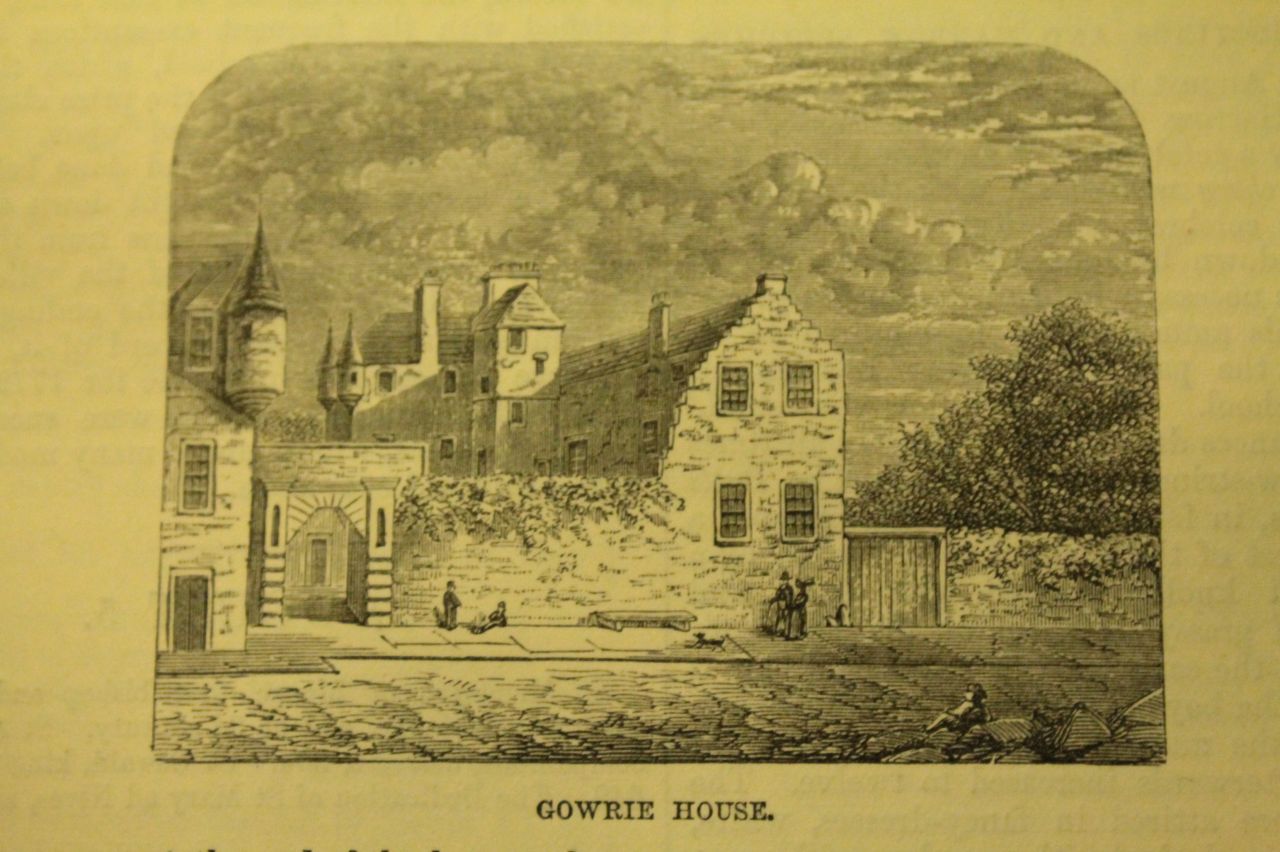
In 1600, Scotland, King James VI survived a shocking assassination attempt by the Earl of Gowrie and his brother during a private meeting. While the exact motives remain murky, ambition, political rivalry, and personal grievances clearly played major roles. The brothers were killed, leaving the king unharmed, but the incident exposed the dangers of familial betrayal in royal circles. It also revealed how ambition and resentment could override loyalty, leaving a lasting legacy of intrigue, suspicion, and caution among Scotland’s nobility.
3. The Execution of Mary, Queen of Scots

Mary, Queen of Scots, faced imprisonment and eventual execution at the hands of her cousin, Queen Elizabeth I, in 1587. Their familial connection did not prevent betrayal; Mary’s claim to the English throne made her a political threat. Her execution was as much about protecting national security as eliminating a rival within the family circle. The event highlights the deadly intersection of blood ties, politics, and power, showing that even kinship could be sacrificed when dynastic survival was at stake.
4. The Murder of Richard of Shrewsbury
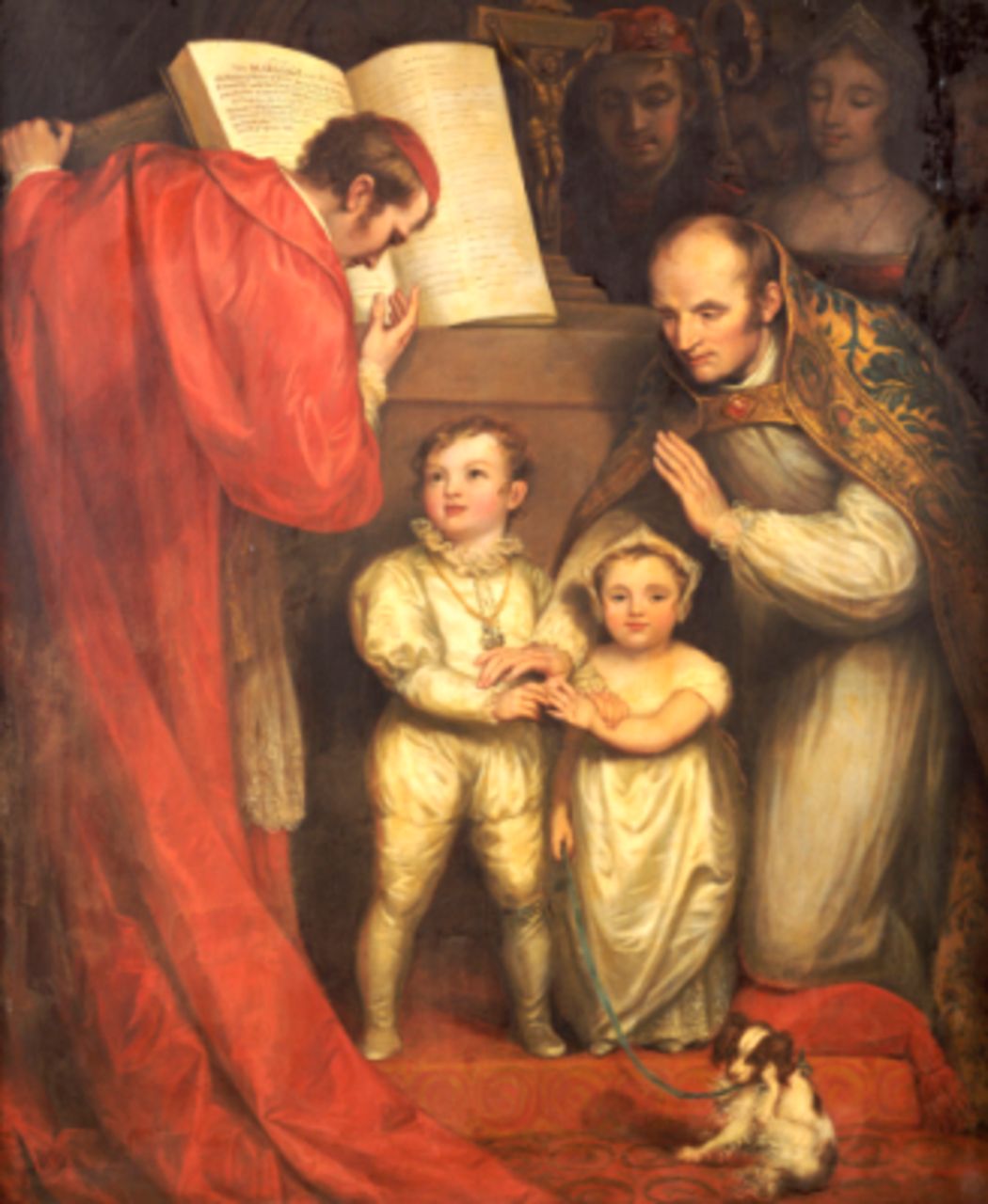
Richard of Shrewsbury, the young Duke of York and one of the infamous “Princes in the Tower,” vanished in 1483 under mysterious circumstances. Likely murdered to secure the throne for his uncle, King Richard III, this betrayal underscores the deadly stakes of royal succession. The princes’ disappearance shocked England and exemplified how ambition and fear could lead to the elimination of even close family members, leaving a historical mystery and a cautionary tale about the lethal side of dynastic politics.
5. The Execution of Anne Boleyn
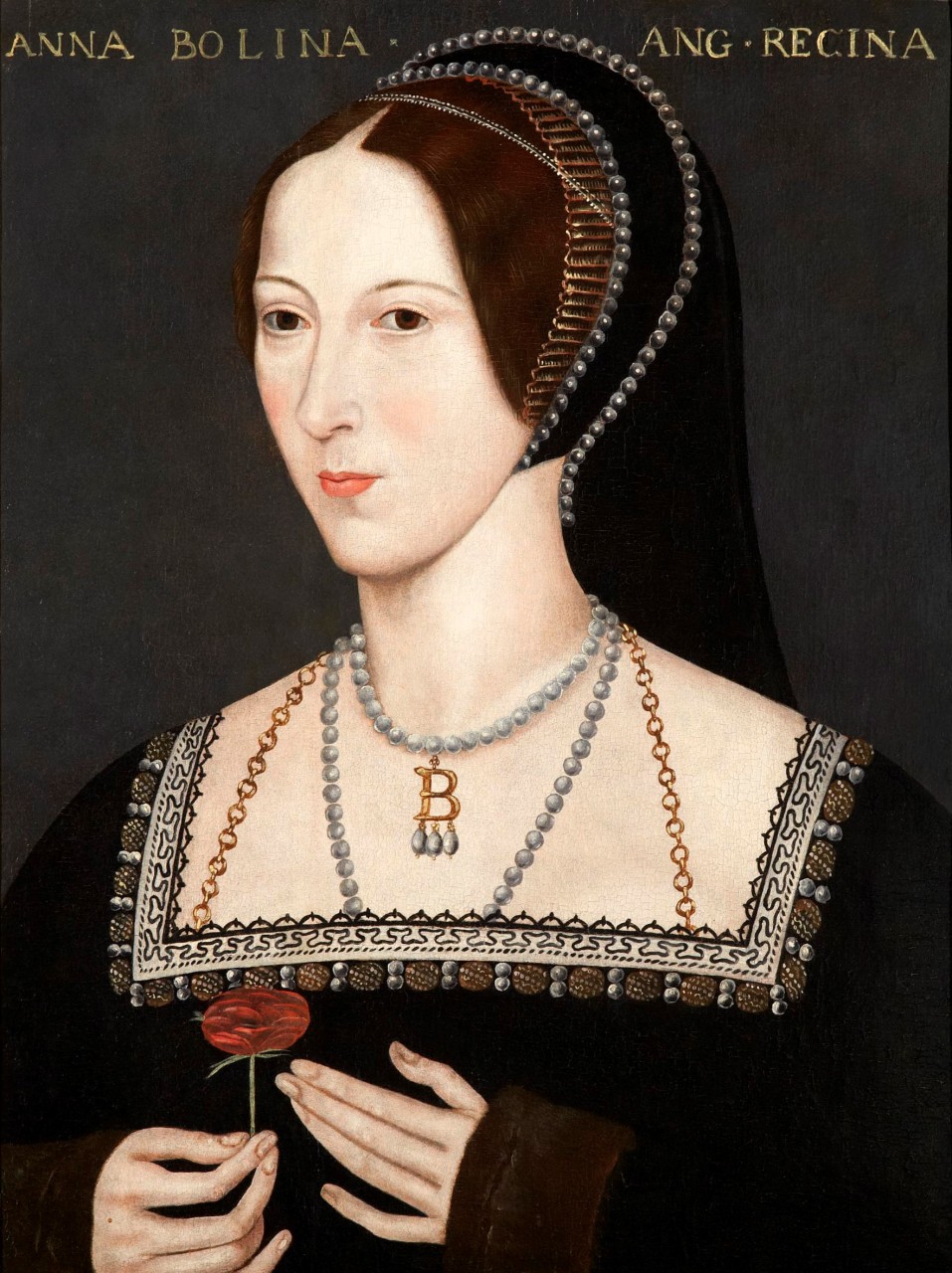
Anne Boleyn’s rise and fall in 16th-century England epitomize the perilous mix of love, ambition, and royal politics. Once Queen of England, she was accused of adultery, incest, and treason, charges widely believed to be fabricated by political rivals and her husband, King Henry VIII. Anne’s execution revealed the vulnerability of even the highest-ranking royals to betrayal and manipulation. It underscored how ambition, fear, and political scheming could turn a family relationship into a fatal trap with lasting consequences for the monarchy.
6. The Ruthven Plot

The Ruthven family’s rivalry with King James VI of Scotland culminated in the 1600 Gowrie Conspiracy. Seeking to control the crown, the Earl of Gowrie and his brother plotted an ambush that ended with their deaths. The failed plot revealed how ambition and resentment could override loyalty within noble families. It also exposed the fragility of royal authority, leaving a lingering climate of suspicion and reshaping the way Scottish nobles navigated power and alliances in the years that followed.
7. The Assassination of Gertrude

Queen Gertrude of Merania’s murder in 1213 demonstrated the lethal intersection of familial ambition and political tension. Targeted during a royal hunting expedition, her death at the hands of Hungarian nobles disrupted court alliances and weakened the monarchy. The assassination highlighted the vulnerability of queens and the volatility of political influence. It also revealed how personal grievances and xenophobic resentment could escalate into violence, leaving a lasting mark on Hungary’s royal history.
8. The Tour de Nesle Affair
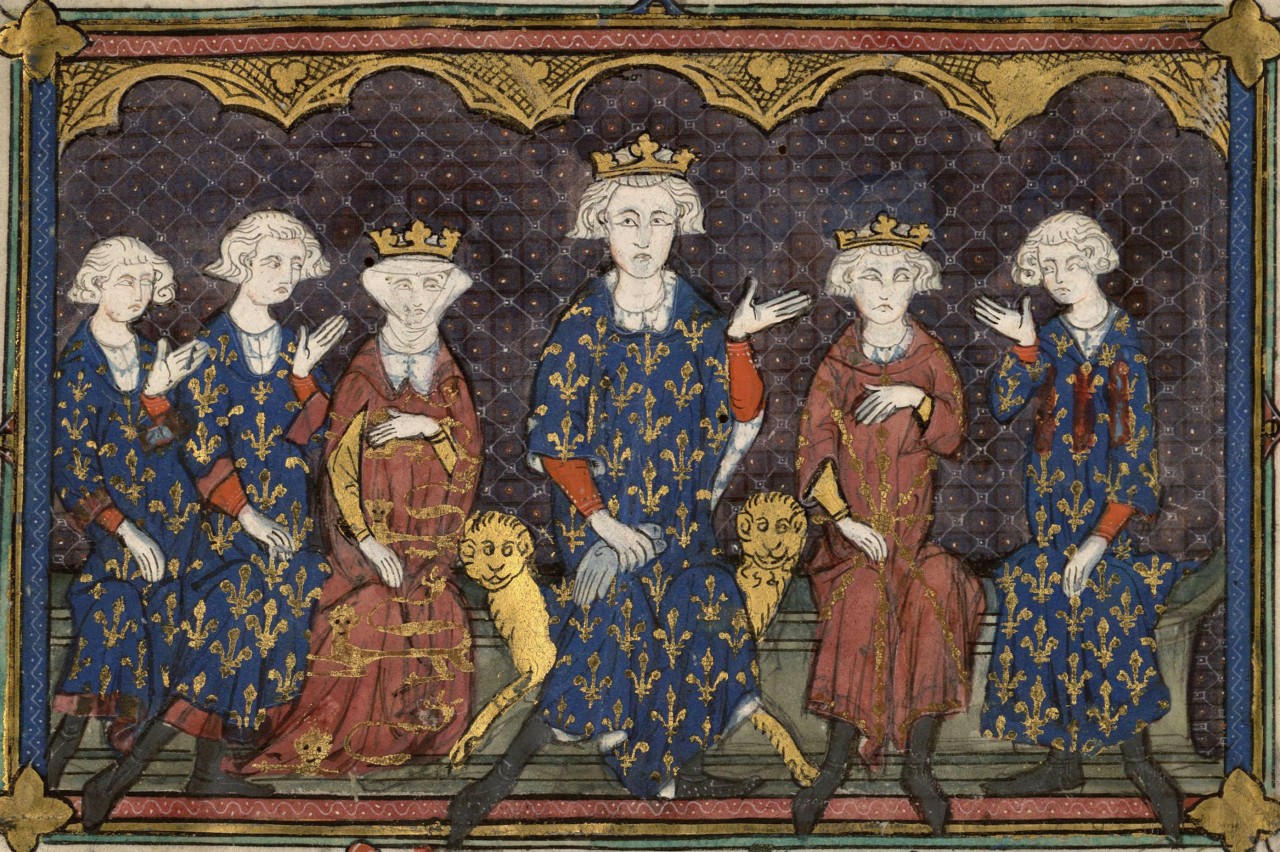
The Tour de Nesle Affair of the early 1300s exposed shocking betrayals at the heart of France’s royal family. Accusations of adultery against King Philip IV’s daughters-in-law led to arrests and executions, while Isabella, his daughter, was implicated in instigating events. The scandal damaged the monarchy’s reputation, shifted court power dynamics, and impacted succession laws. It demonstrated that betrayal in royal families was not just personal but could carry major political consequences, destabilizing kingdoms and reshaping governance.
9. The Tarquinian Conspiracy

Rome’s Tarquinian Conspiracy in 509 BC saw royal relatives attempt to restore the monarchy by reinstating Lucius Tarquinius Superbus. The plot failed, and the conspirators were executed, cementing the republic. This act of familial betrayal reshaped Rome’s political landscape, highlighting how internal ambition could upend governance. It also set a precedent for civic vigilance against tyranny, proving that even royal bloodlines could be dangerous when personal ambition conflicted with the greater stability of the state.
10. The Neville–Neville Feud

The Neville–Neville feud, a bitter 15th-century English conflict, saw senior and junior branches clash over inheritance and power. This internal rivalry intensified during the Wars of the Roses, influencing alliances and military campaigns. Beyond family tension, the feud destabilized the political landscape, showing how personal disputes within noble houses could escalate into national crises. The Neville conflict serves as a lasting reminder that royal family betrayals often carried consequences far beyond the palace walls, affecting history itself.