

Historic movie theaters are more than places to watch films; they are time machines. From ornate architecture and grand marquees to plush seating and vintage décor, these theaters transport visitors to an era when going to the movies was an event. Across America, preserved theaters in both bustling cities and small towns offer immersive experiences that blend nostalgia with cinematic magic. Visiting them is a journey into the golden age of film, where every detail tells a story of elegance, culture, and timeless entertainment.
1. Grauman’s Egyptian Theatre, Los Angeles, California
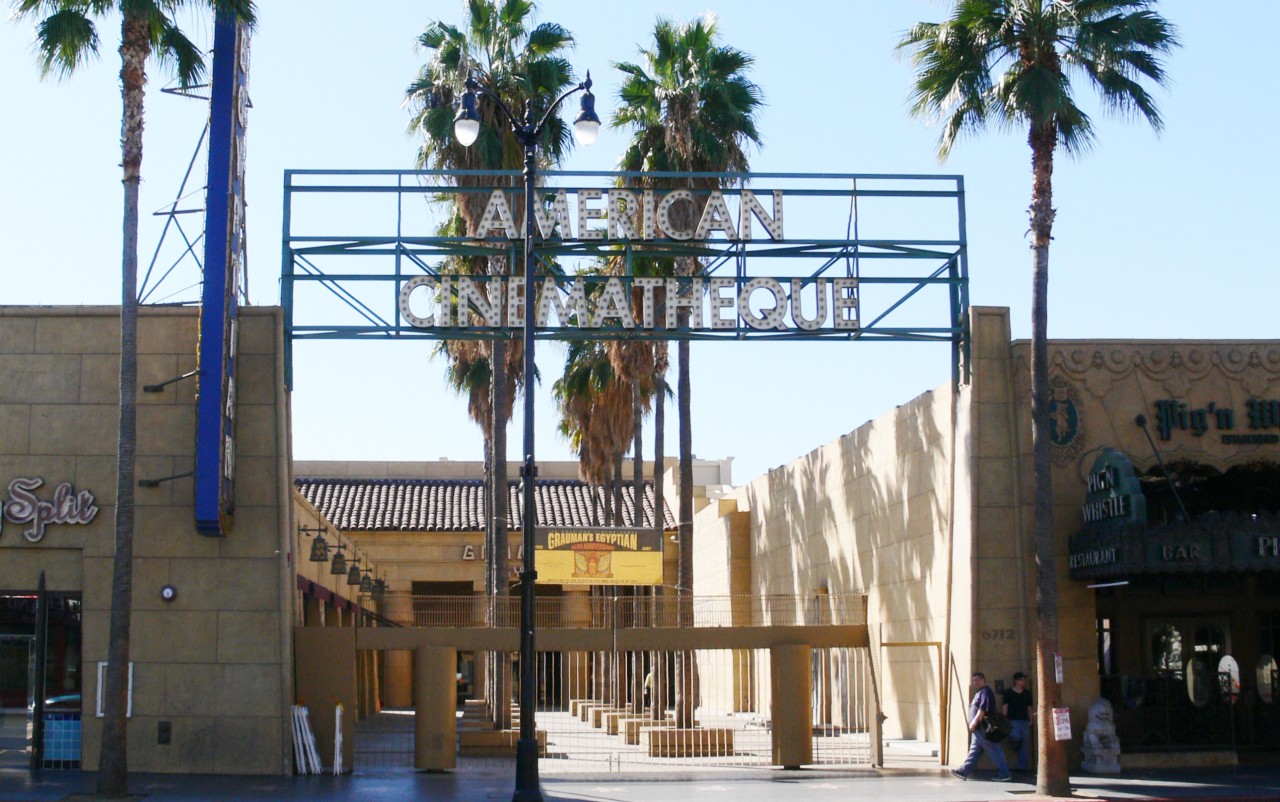
Stepping into the Egyptian Theatre in Los Angeles is like entering a cinematic treasure chest. Opened in 1922, its exotic Egyptian-inspired décor, complete with hieroglyphics, grand murals, and ornate columns, reflects Hollywood’s fascination with ancient cultures. Plush seats and vintage lighting create an immersive environment that preserves the magic of early cinema. Watching a film here is not just entertainment; it’s a journey through the glamour and creativity of Hollywood’s golden age.
2. Fox Theatre, Atlanta, Georgia
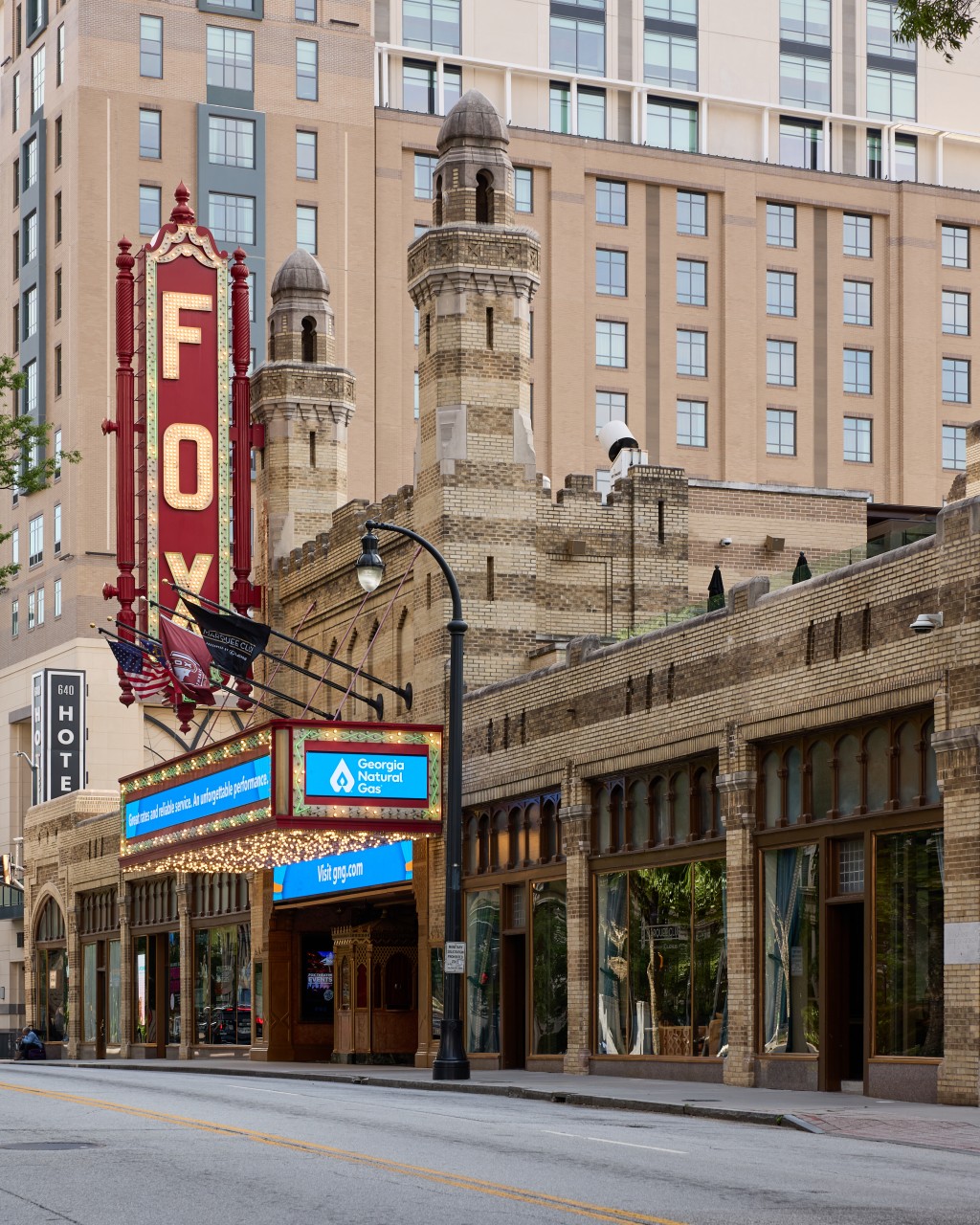
The Fox Theatre in Atlanta is a dazzling example of Moorish architecture that transports visitors to a time of lavish movie palaces. Opened in 1929, its interior boasts intricate ceilings, gold-accented décor, and glittering chandeliers. Originally built as a grand cinema, it now hosts films, concerts, and live performances. The theater’s opulent design and iconic marquee allow visitors to experience the elegance and drama of early 20th-century entertainment, making every visit a step back in time.
3. The Castro Theatre, San Francisco, California
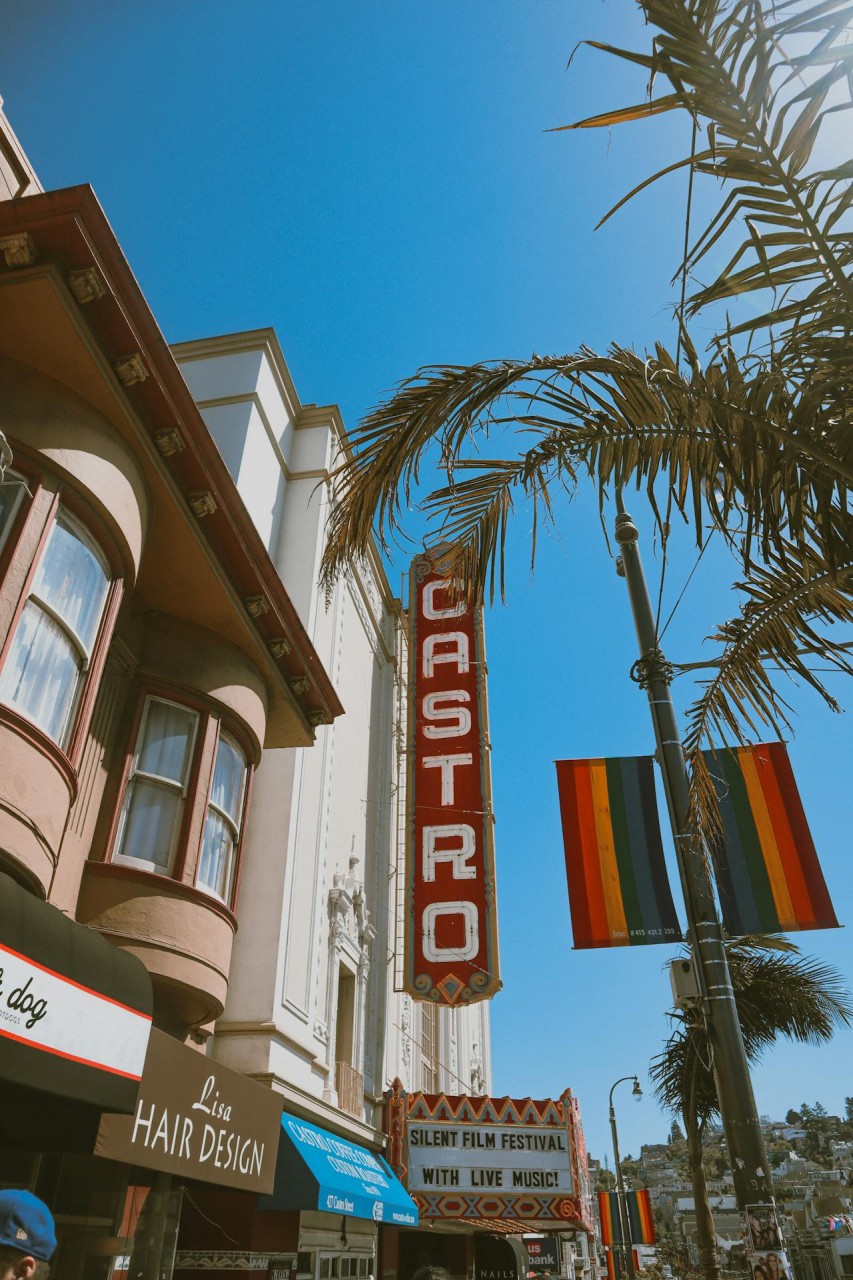
San Francisco’s Castro Theatre, opened in 1922, is a true cinematic treasure. Its Spanish Colonial Revival interior, complete with ornate plasterwork, a gleaming organ, and plush seating, evokes the grandeur of early 20th-century movie-going. Hosting film festivals, sing-alongs, and special screenings, it blends nostalgia with contemporary cinema culture. Visiting the Castro is both a cultural and sensory experience, offering a glimpse into a time when theaters were vibrant social hubs and every screening felt like a special event.
4. Alamo Drafthouse, Austin, Texas
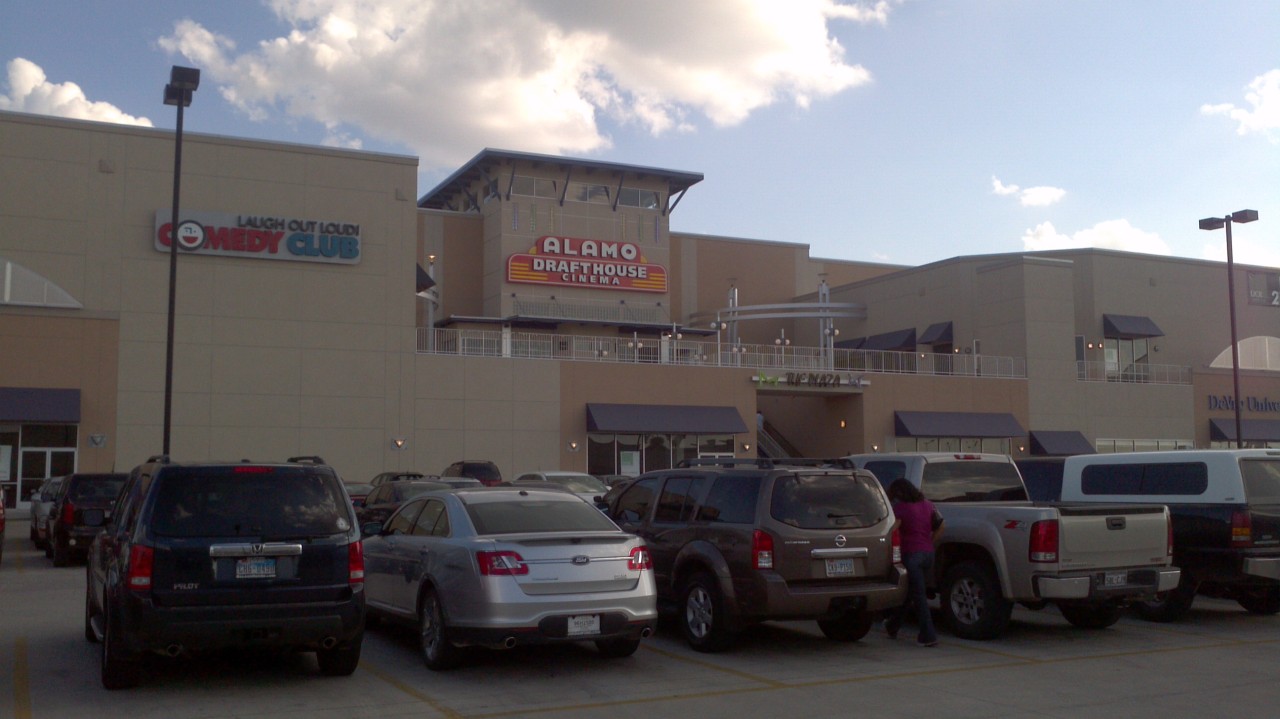
Austin’s Alamo Drafthouse merges modern convenience with a nod to retro cinema. Though newer than historic palaces, its carefully curated décor, themed screenings, and focus on classic films evoke a sense of nostalgia. In-seat dining and curated programming enhance the experience, reminiscent of a time when movies were a social event. This theater proves that contemporary spaces can capture the spirit of old cinemas, offering immersive, memorable evenings that honor film history while embracing modern comforts.
5. The Paramount Theatre, Oakland, California

The Paramount Theatre in Oakland, opened in 1931, is a shining Art Deco masterpiece. Its sweeping marquee, gilded interior, and elaborate ceiling murals capture the glamour of the 1930s. Originally a grand movie palace, it now hosts live performances alongside films. Every detail, from the chandeliers to the ticket booths, maintains its historic charm. Entering the Paramount feels like stepping into a carefully preserved time capsule, where visitors can experience the sophistication and spectacle of early cinema.
6. The Roxie Theater, San Francisco, California
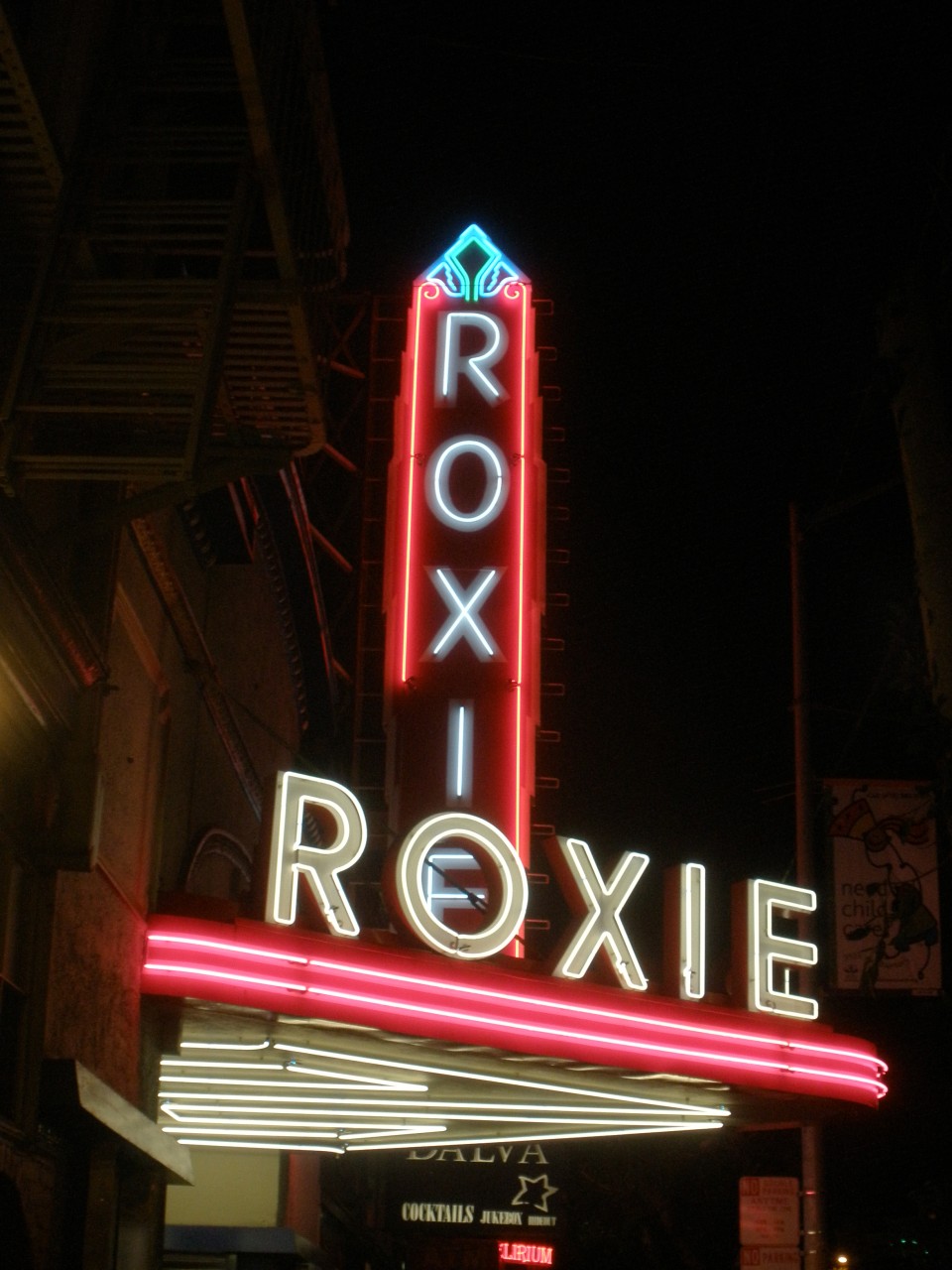
The Roxie Theater is one of the oldest continuously operating cinemas in the U.S., dating back to 1909. Its intimate setting and vintage charm provide a personal connection to film history. Screening independent and classic films, the Roxie maintains the spirit of early movie-going, emphasizing community and culture. The simple yet evocative interior and historic ambiance make every visit feel like a private trip to the past, highlighting the enduring magic of theaters that prioritize personality and history alongside entertainment.
7. The Tampa Theatre, Tampa, Florida
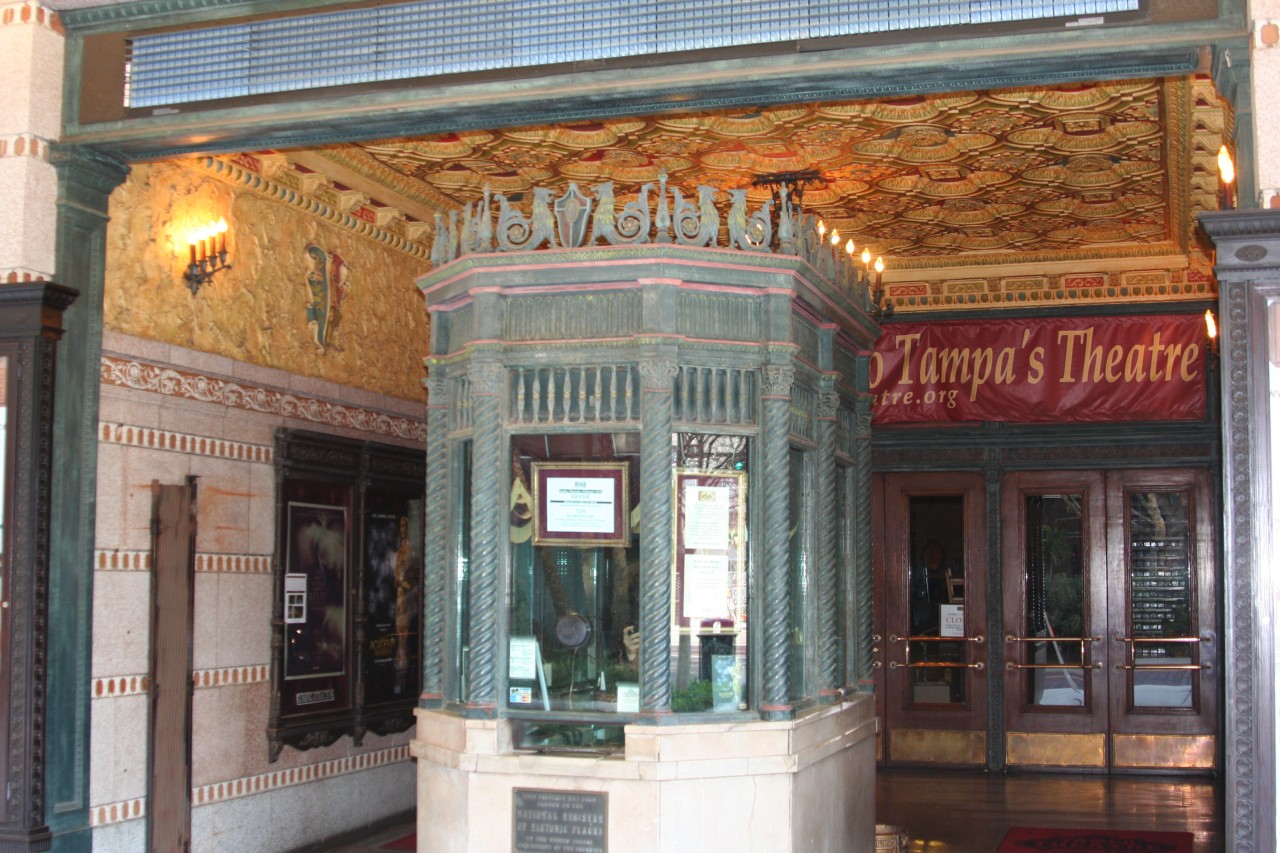
The Tampa Theatre, established in 1926, is an architectural gem with Mediterranean Revival design, starry ceilings, and marble accents. Originally a movie palace, it now hosts films, concerts, and special events, preserving its historic grandeur. From the sweeping staircase to intricate plasterwork, every detail immerses visitors in cinematic fantasy. Watching a film here is a sensory experience, blending history and art with entertainment, showing how theaters once served as both cultural landmarks and venues for storytelling.
8. The Oriental Theatre, Milwaukee, Wisconsin
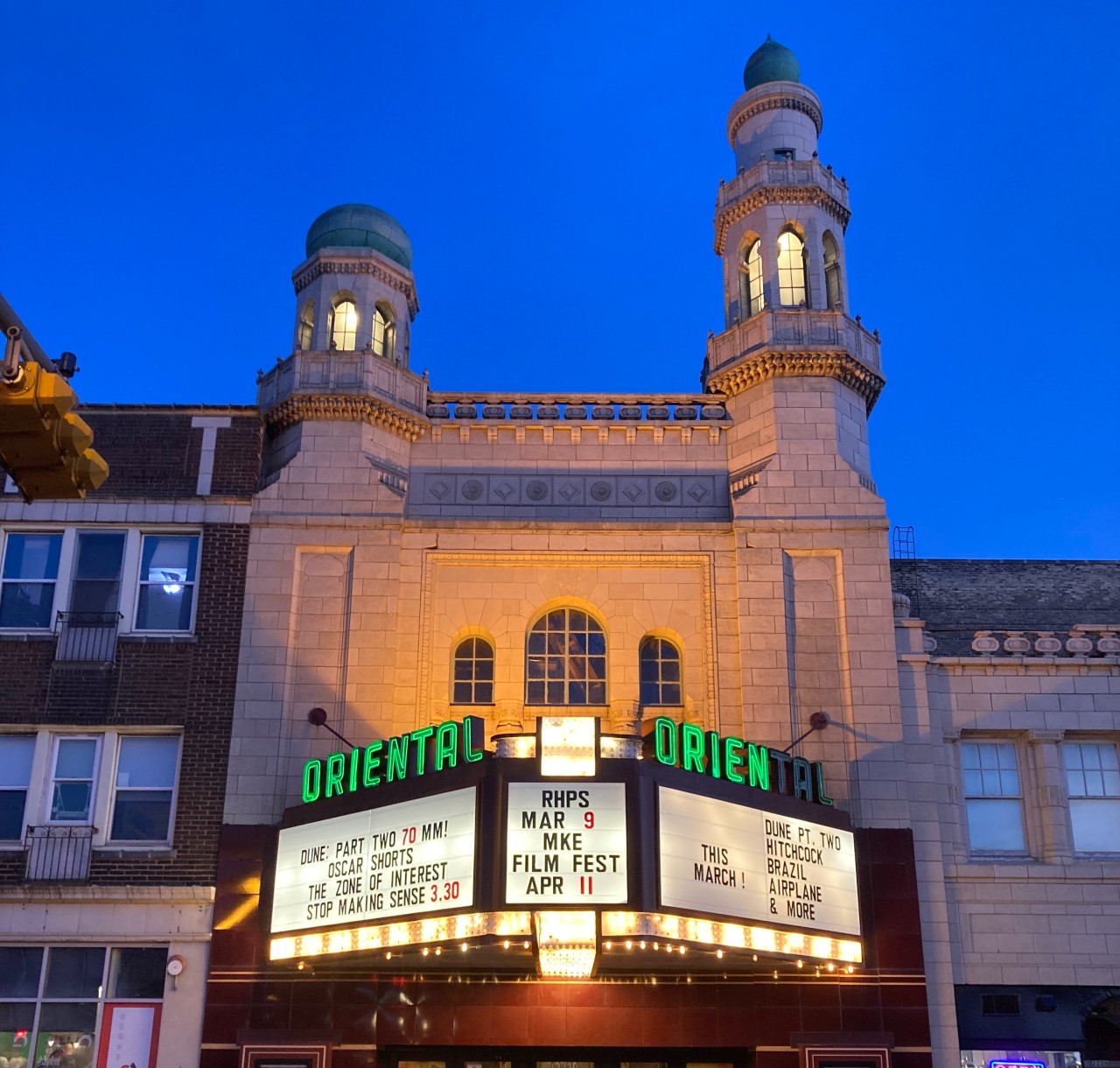
Milwaukee’s Oriental Theatre, built in 1927, dazzles with East Indian-inspired architecture and intricate interior murals. Its ornate columns, gilded details, and neon marquee create an atmosphere of grandeur and excitement. While it now hosts live performances, its historic charm remains intact, offering visitors a glimpse of 1920s entertainment opulence. Attending a show here goes beyond watching a performance; it’s an immersive experience that showcases the artistry and design that made movie palaces unforgettable.
9. The Tivoli Theatre, Downers Grove, Illinois
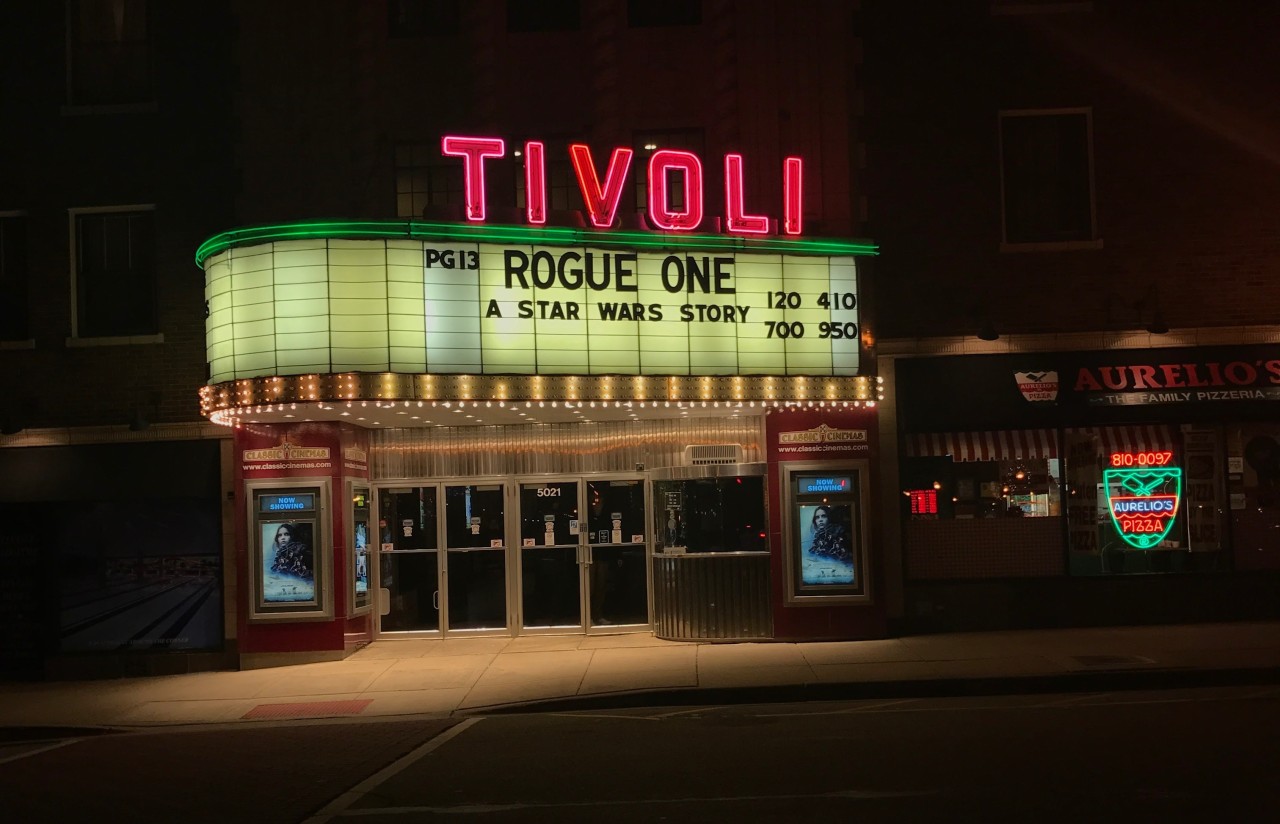
The Tivoli Theatre, opened in 1928, is a neighborhood treasure steeped in Art Deco elegance. Original chandeliers, plasterwork, and a nostalgic marquee transport visitors to a bygone era. Screening contemporary and classic films, it blends modern entertainment with historical ambiance. Every visit evokes the experience of early 20th-century movie-going, highlighting how carefully preserved theaters can maintain cultural and architectural significance while continuing to serve communities as engaging entertainment spaces.
10. The Alabama Theatre, Birmingham, Alabama
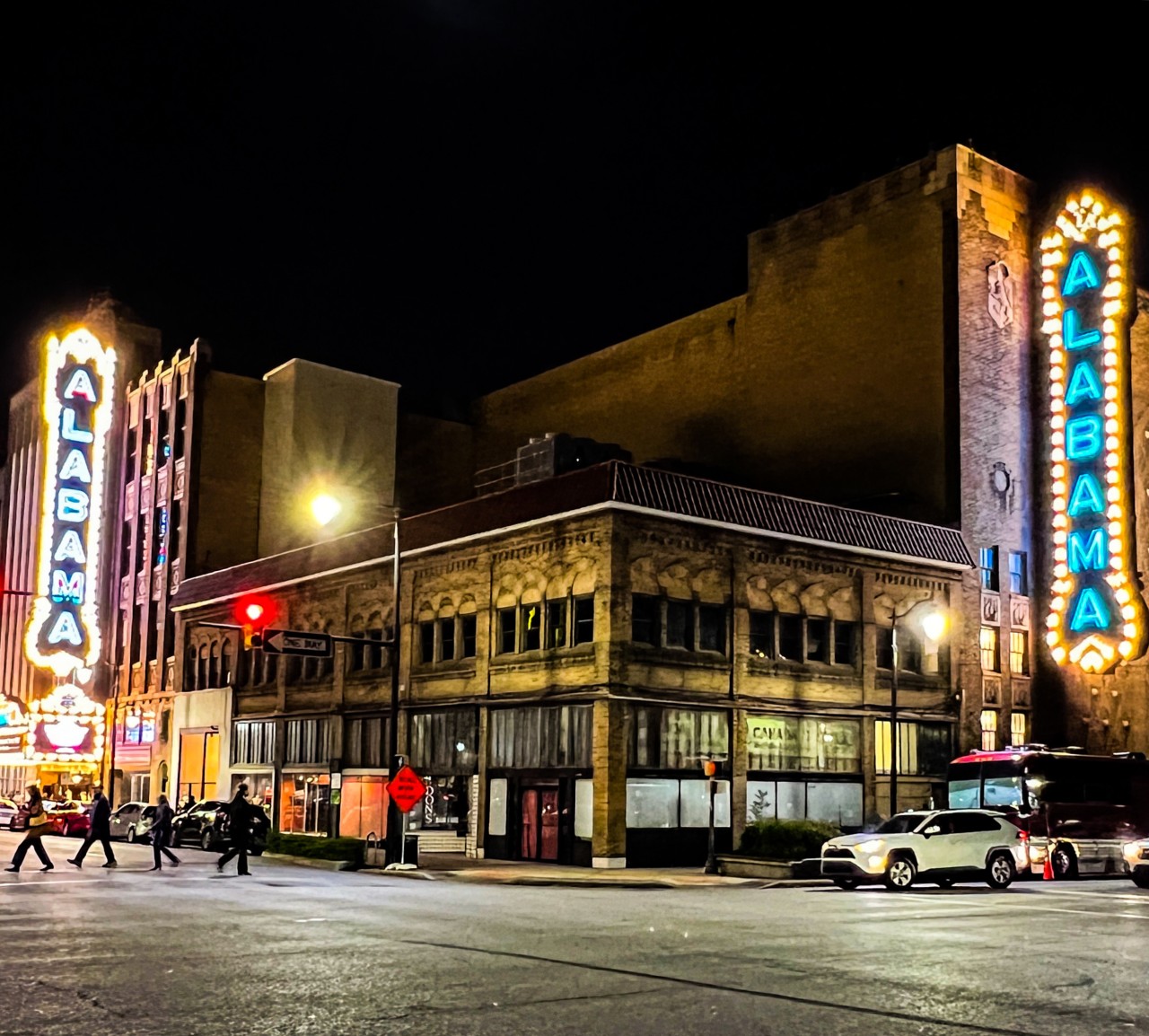
Built in 1927, the Alabama Theatre showcases Spanish Baroque architecture and lavish murals, embodying the golden age of cinema. Originally a vaudeville and movie house, it retains stunning plasterwork, chandeliers, and a majestic stage. Today, it hosts films, concerts, and events, allowing visitors to experience the theater as both an entertainment venue and a historical landmark. Every detail, from décor to seating, immerses audiences in a bygone era, turning each visit into a blend of nostalgia, culture, and cinematic delight.