

National parks are more than just scenic escapes; they are delicate ecosystems that rely on careful stewardship. While many visitors know to stay on trails or respect wildlife, some rules are surprisingly strict and not widely known. From prohibitions on collecting plants or rocks to limits on fires, pets, and drones, breaking these rules can result in fines. These regulations exist to protect wildlife, preserve natural and cultural resources, and keep visitors safe. Knowing and following them ensures everyone can enjoy the park’s beauty while keeping its landscapes and habitats intact for generations to come.
1. Yellowstone National Park

Yellowstone is famous for its geysers, hot springs, and dramatic landscapes, but it also has rules that many visitors might not realize. Removing rocks, petrified wood, or even small minerals from trails is strictly prohibited. These seemingly minor items are part of the park’s fragile ecosystem and cultural heritage, and taking them disrupts natural processes and can damage sensitive areas. Rangers patrol the park, and violations can result in fines. Respecting these rules ensures that Yellowstone’s wonders remain intact for generations of explorers. Visitors are encouraged to admire and photograph natural features rather than collect souvenirs.
2. Yosemite National Park

In Yosemite, feeding wildlife is more than just discouraged; it’s illegal. Even tossing a small piece of food to a squirrel or bird can create dependency on humans, disrupt natural foraging behaviors, and lead to aggressive encounters with visitors. The park’s rules aim to protect both people and animals, maintaining the delicate balance of this iconic ecosystem. Rangers enforce fines to prevent the habituation of wildlife to human food. Visitors should carry their own snacks responsibly and store them in bear-proof containers where required, ensuring the park remains safe and thriving.
3. Grand Canyon National Park

Climbing on historic structures, statues, or off-limits rock formations in the Grand Canyon is strictly forbidden. The park manages a landscape that is both geologically fragile and culturally significant, with areas containing artifacts and rock formations shaped over millions of years. Unauthorized climbing or touching can accelerate erosion, damage heritage sites, and put visitors at risk of injury. Fines are issued to uphold these protections, emphasizing that the canyon’s grandeur is meant to be observed safely from designated trails and lookout points. This preserves the park’s beauty and safety for all visitors.
4. Everglades National Park
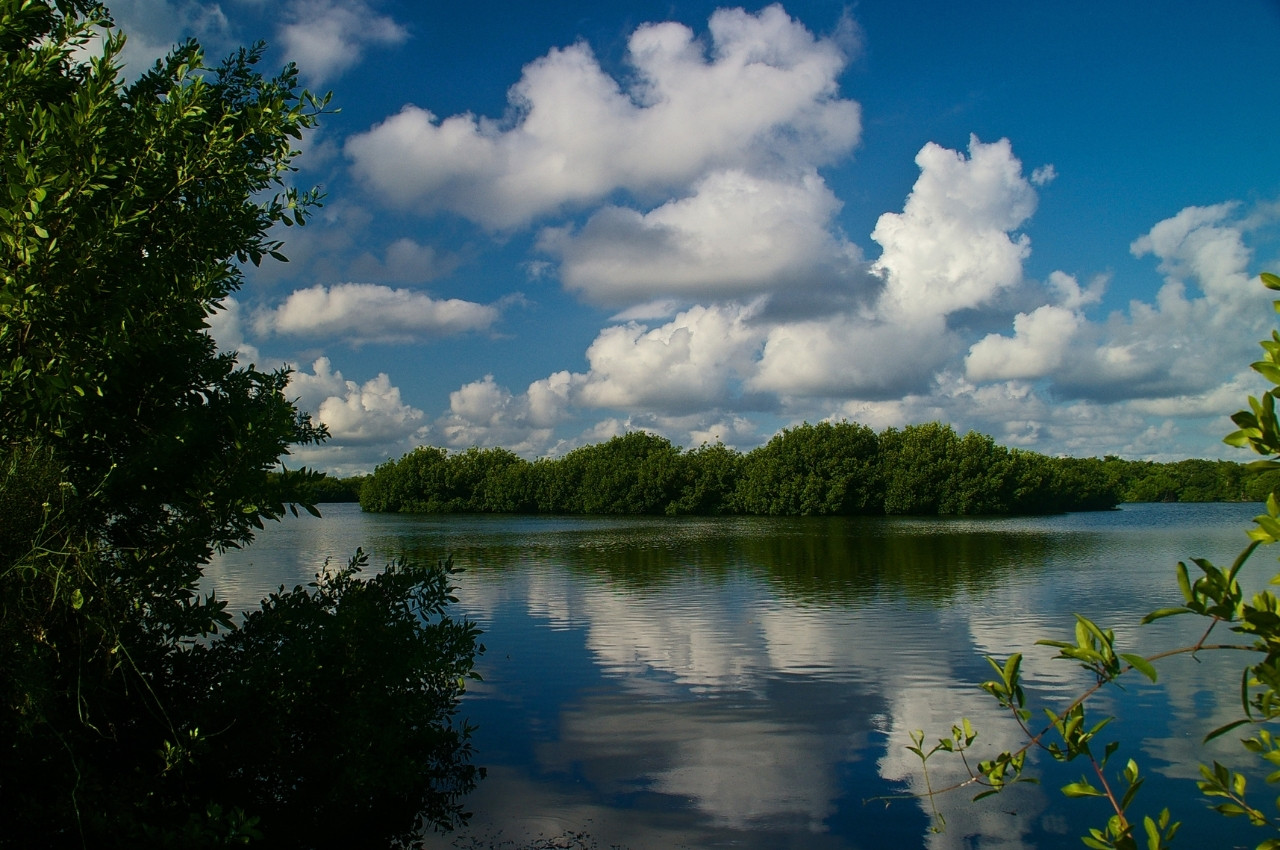
Releasing pets or non-native species into the Everglades is prohibited, yet some visitors overlook this rule. Introducing animals or plants can disrupt the delicate wetland ecosystem, harm native species, and create long-term ecological challenges. Rangers actively monitor the park to prevent such occurrences, and violations carry fines. The rule underscores the importance of preserving the Everglades’ biodiversity. Visitors are encouraged to enjoy wildlife responsibly, keeping pets on leashes in designated areas and ensuring that their activities do not negatively affect the ecosystem’s delicate balance.
5. Zion National Park

Flying drones in Zion without a permit is prohibited to protect both visitors and wildlife. The park’s deep canyons and popular hiking routes create high-risk situations for unregulated aerial devices. Drones can disturb nesting birds, distract hikers, and interfere with park operations. Rangers enforce these rules with fines to maintain safety and preserve the park’s tranquility. Visitors are encouraged to enjoy photography and videography using traditional methods or permitted drone use only in designated zones, ensuring that the natural serenity of Zion remains undisturbed.
6. Glacier National Park
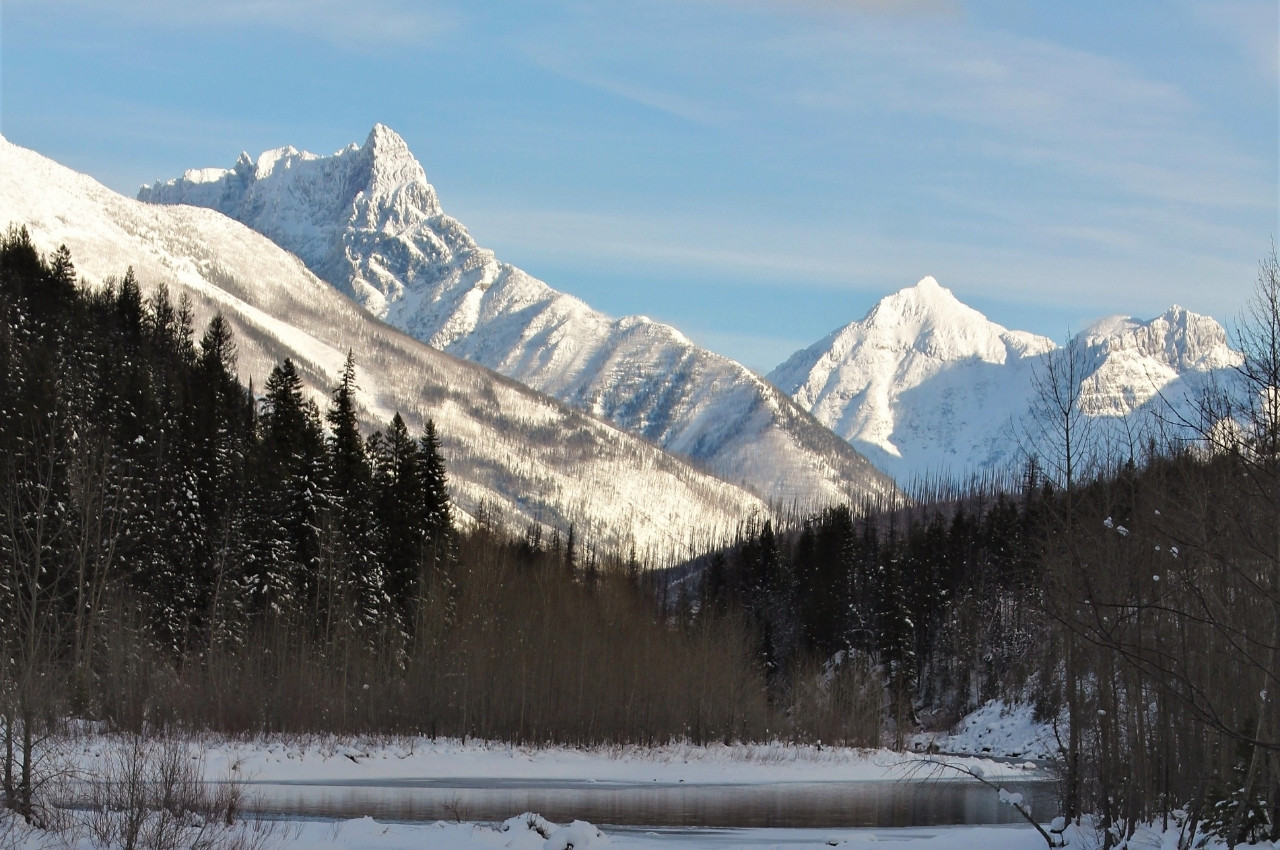
Camping outside designated areas in Glacier is prohibited to protect the park’s fragile alpine ecosystems. Even small disturbances off established trails can damage plants, compact soil, and harm wildlife habitats. Rangers monitor popular areas and issue fines to discourage unauthorized camping. Visitors should plan trips around approved campsites and follow Leave No Trace principles, preserving Glacier’s stunning landscapes. The rules balance public access with ecological preservation, allowing future generations to experience the park’s pristine beauty.
7. Acadia National Park

In Acadia, bringing dogs off-leash in restricted zones is illegal. The park’s trails intersect with sensitive habitats and nesting sites for birds, and unleashed pets can disturb wildlife, damage vegetation, and create safety hazards for other visitors. Rangers patrol the area and enforce fines to maintain compliance. Visitors are encouraged to keep dogs on leashes and adhere to park maps showing pet-friendly areas. By following these rules, hikers and pet owners help protect Acadia’s rich biodiversity while still enjoying the park’s scenic trails.
8. Rocky Mountain National Park

Collecting plants, even common flowers, is prohibited in Rocky Mountain National Park. The alpine and subalpine ecosystems are highly sensitive, and removing vegetation can destabilize soil, disrupt pollinators, and reduce habitat for native species. Rangers actively patrol trails and issue fines to maintain ecological integrity. Visitors should enjoy the park’s flora visually, taking photos rather than samples. These rules ensure that Rocky Mountain’s wildflower displays and natural beauty endure year after year, offering the same breathtaking scenery to every visitor.
9. Olympic National Park

Fires are allowed only in established fire rings at Olympic National Park. Unauthorized fires can quickly escalate into wildfires in the park’s dense forests and temperate rainforests. Rangers enforce strict fines for violations to protect both visitors and ecosystems. Even small campfires in unsafe locations threaten wildlife and can cause long-term damage to soils and vegetation. Visitors are encouraged to use designated fire areas and follow park safety guidelines. Adhering to fire rules preserves Olympic’s lush landscapes while keeping campers safe.
10. Sequoia & Kings Canyon National Parks
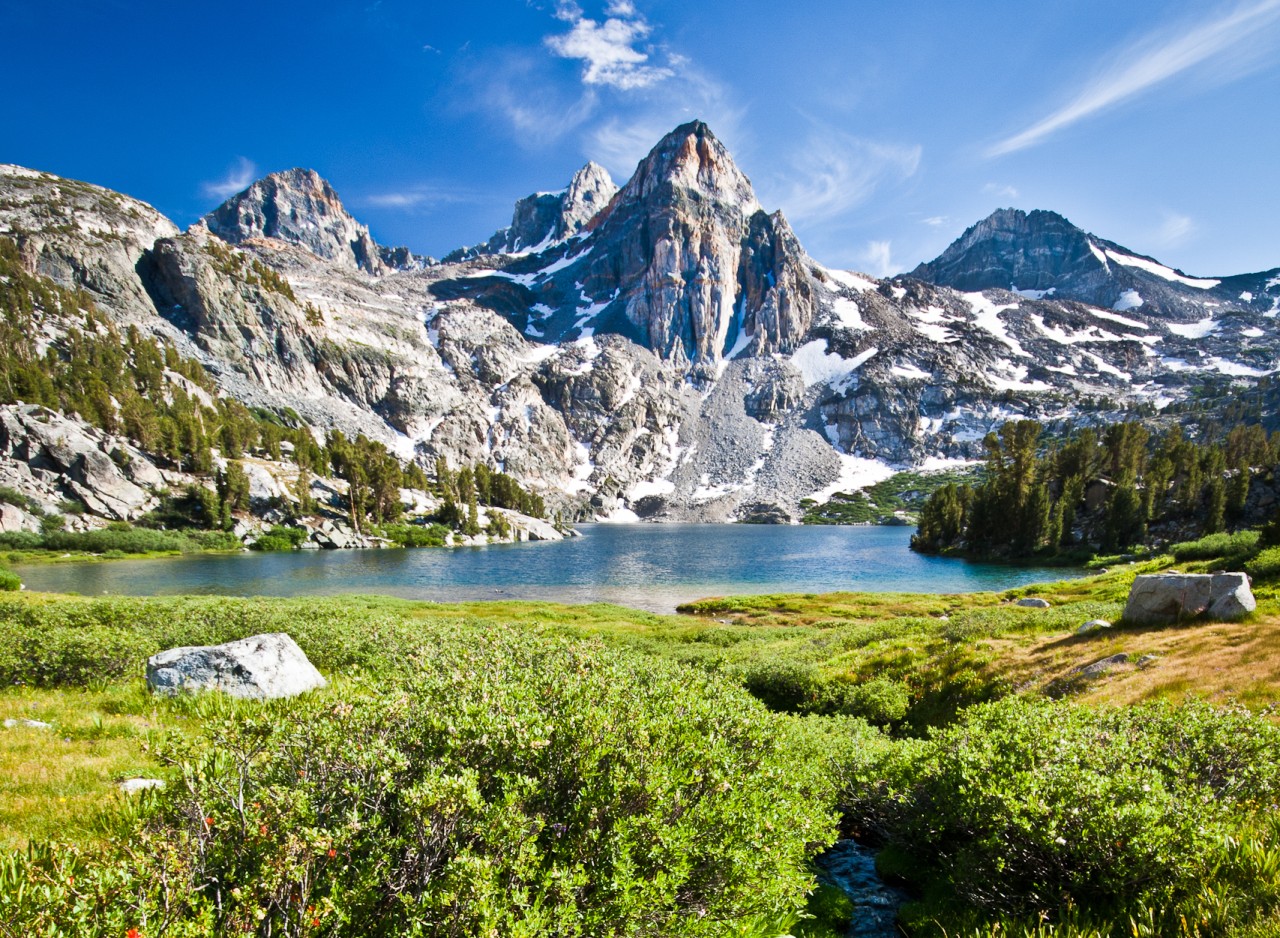
Removing fallen wood or firewood for personal use is prohibited in Sequoia and Kings Canyon. Fallen timber plays a critical role in forest ecology by providing nutrients, habitat, and fire resistance. Collecting wood disrupts these processes and can increase wildfire risk. Rangers patrol popular areas and issue fines to enforce these protections. Visitors are encouraged to use designated firewood sources or purchased alternatives when camping. Respecting these rules helps maintain the parks’ old-growth forests and ensures that future generations can experience the majesty of giant sequoias.