

Brick and mortar pharmacies once stood as everyday lifelines, offering quick advice, trusted pharmacists, and the comfort of familiarity. But behind the counters, a quiet shift has been unfolding as major chains confront rising costs, shrinking margins, and a fast move toward online prescriptions. What follows is a closer look at the companies pulling back from the storefront model and how these changes shape the way communities access care. It’s a story of evolution, loss, and the reimagining of a service many people once took for granted.
1. Rite Aid
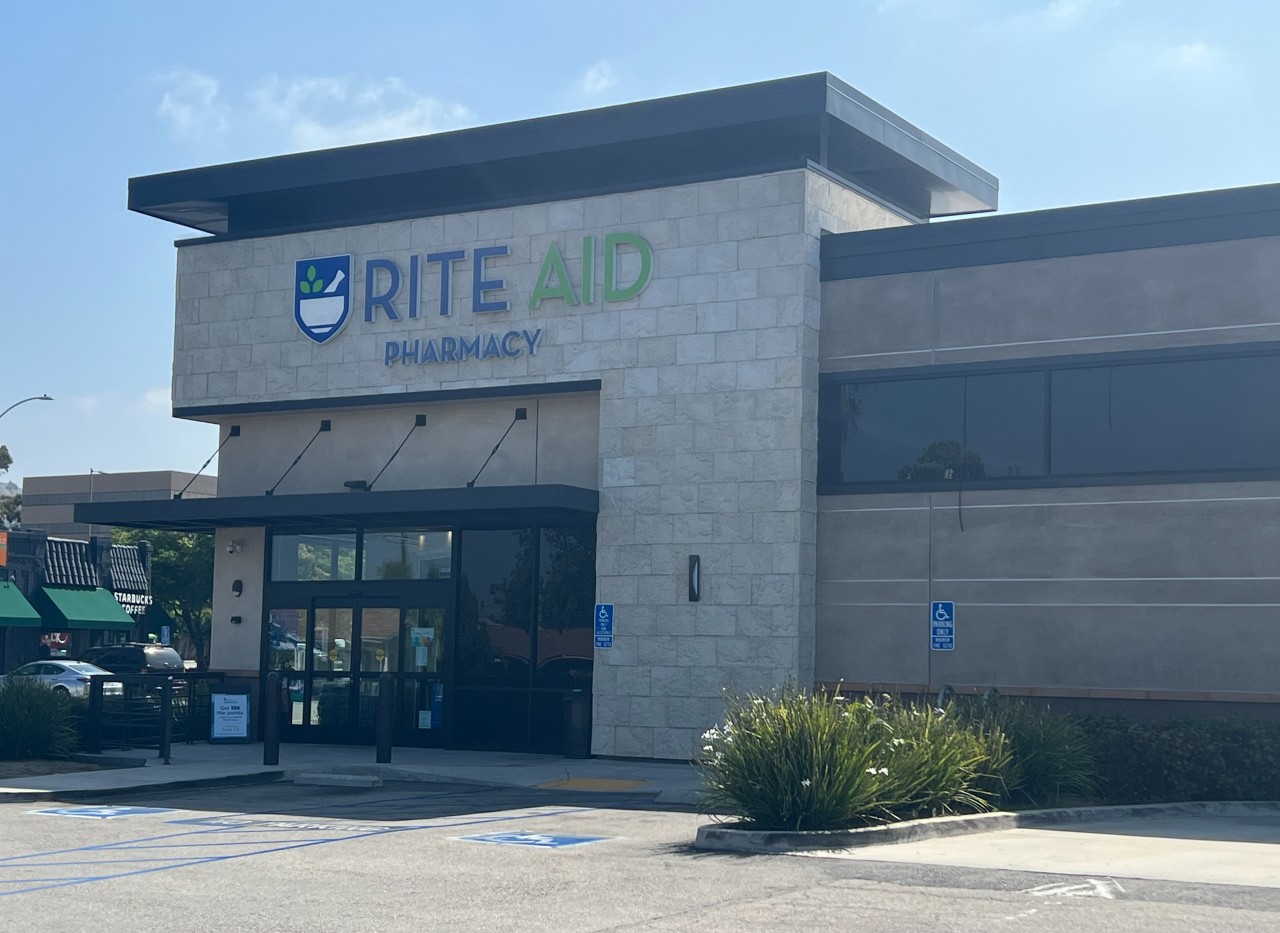
Rite Aid’s decline reads like a slow, public unravelling. Once a fixture on main streets and shopping strips, the chain ran into heavy debt, falling prescription margins, and legal and operational headaches. In recent years, those pressures culminated in bankruptcy filings and an accelerated sale of pharmacy assets and prescription files to other retailers. For customers, this meant sudden transfers of records, store closures, and a scramble to find new local pharmacies. Communities that relied on nearby Rite Aid locations felt the loss immediately, particularly where a store had doubled as a primary access point for vaccines, basic health supplies, and advice from a familiar pharmacist.
2. Walgreens
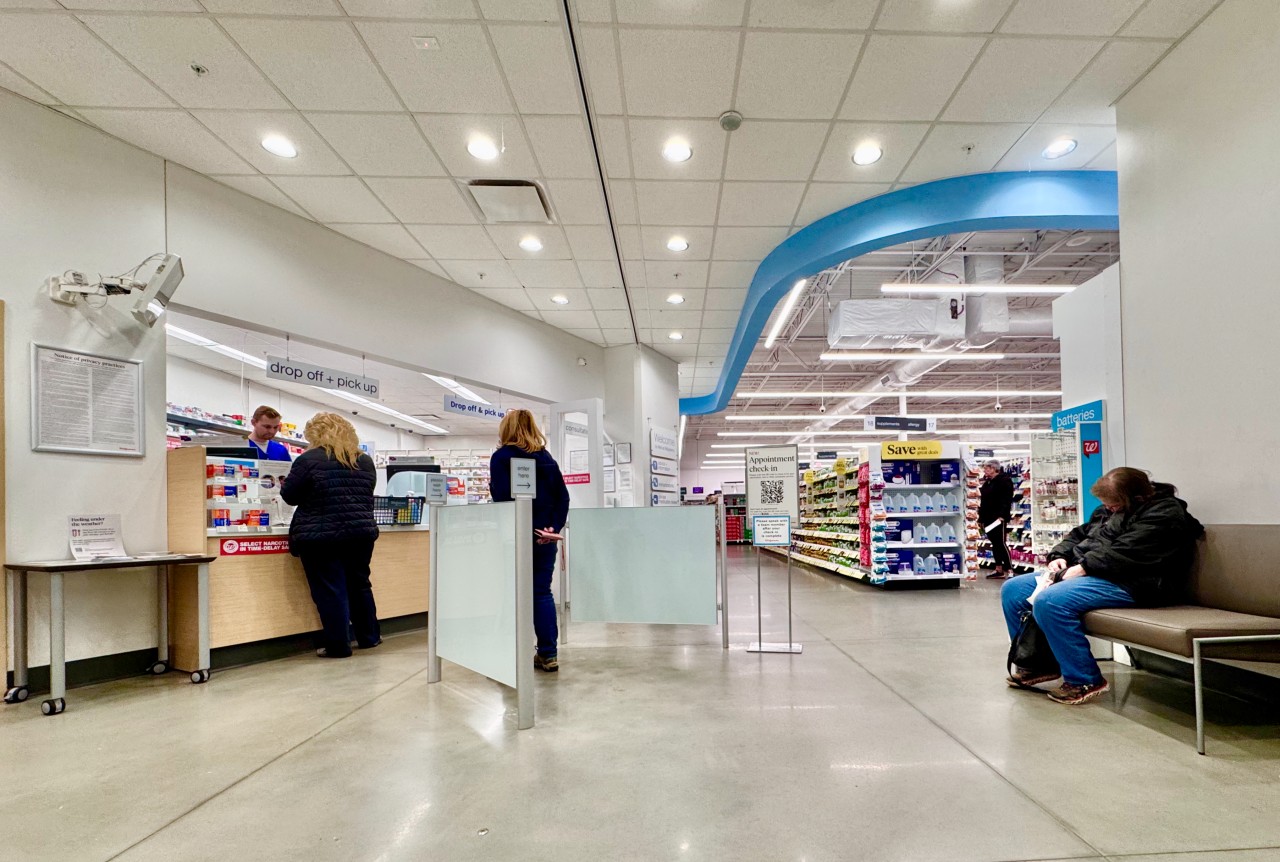
Walgreens’ retreat is a strategic pullback rather than a sudden collapse. Facing years of eroding margins, reimbursement challenges, and tougher competition from big box stores and online drug services, the company announced plans to shrink its store base and focus on higher-performing locations. Leadership changes accelerated a cost-cutting push that includes thousands of store reviews and hundreds of closures. The effect is a gentler, managed contraction: some neighborhoods lose a convenient corner pharmacy, while the chain reinvests in formats, digital tools, and partnerships intended to keep core pharmacy services available in denser, more profitable markets.
3. CVS Pharmacy

CVS has been deliberately “right-sizing” after a period of rapid expansion. The company closed hundreds of full-size stores and said it would shutter dozens more as it leans into smaller, pharmacy-focused formats and healthcare services such as primary care clinics. For many shoppers, the change meant fewer one-stop stores stocked with broad retail assortments and more compact locations built around prescriptions and quick health services. CVS frames this as optimizing access and efficiency, but for individuals in lower-density areas, it contributes to longer trips or increased reliance on delivery and mail-order options for medications.
4. Winn-Dixie Pharmacies
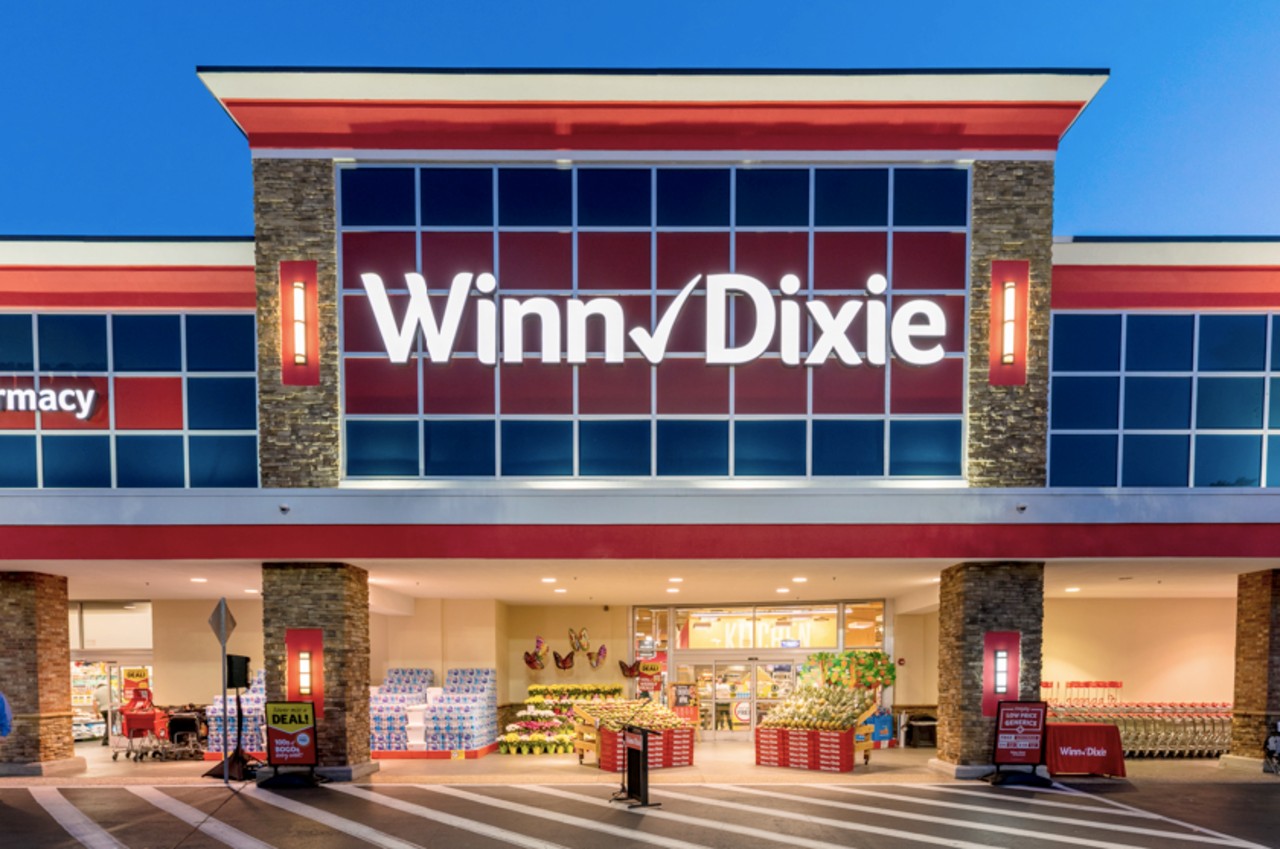
Winn-Dixie’s exit from in-store pharmacy services illustrates how supermarket strategies shift when new owners or buyers enter the picture. When portions of the chain were sold or reorganized, the pharmacy operations were often excluded or deemed non-core, so many in-store pharmacies were closed and prescription files transferred to major pharmacy chains. That left supermarket customers who once picked up groceries and medication in one stop needing to navigate new providers. The move highlights how grocery consolidations and sales can quietly erode local healthcare conveniences even when the grocery brand itself remains.
5. Bartell Drugs
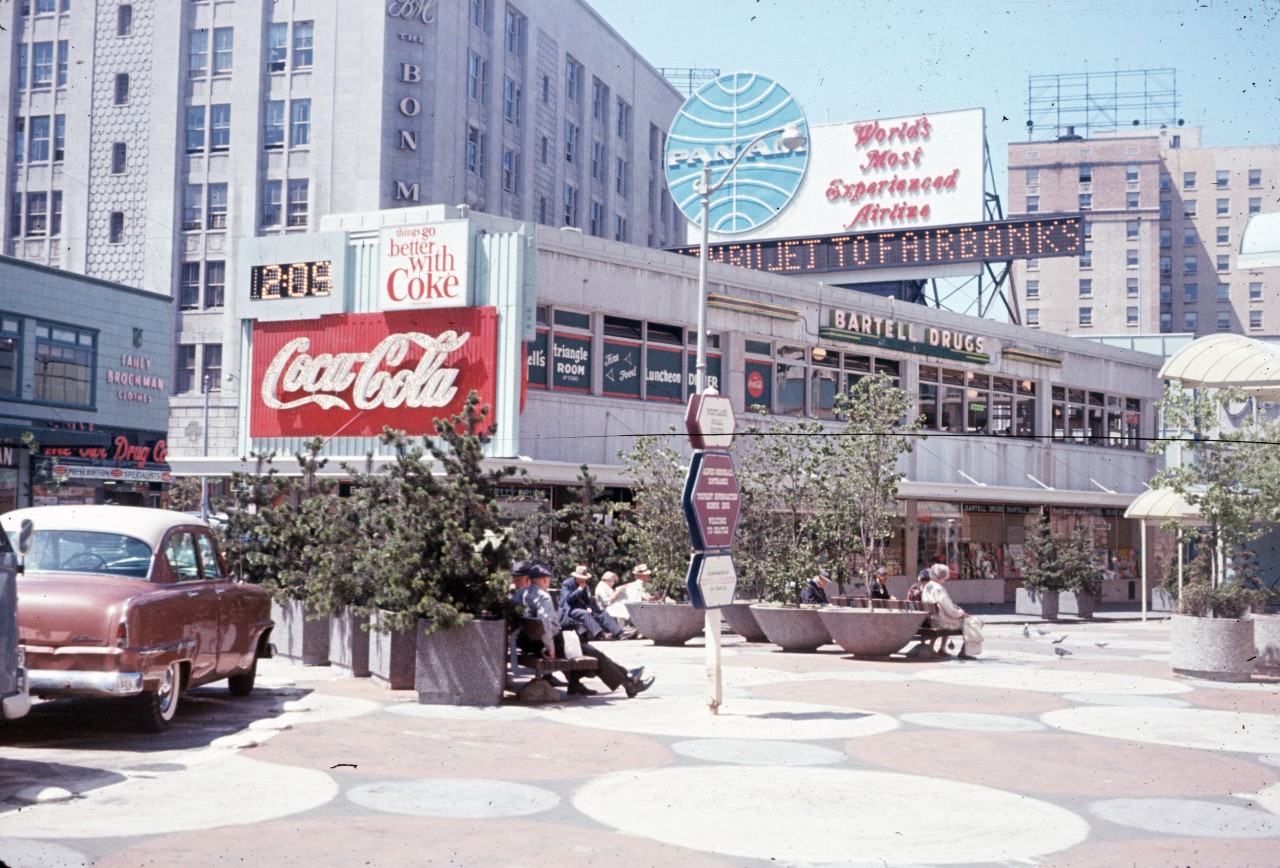
Bartell Drugs carried a regional identity that made closures especially stark for longtime customers. Founded over a century ago, it has a neighborhood presence that offers personal relationships and local product mixes that national chains often lack. But Bartell’s fate became intertwined with larger corporate troubles after the acquisition and the broader destabilization of the industry. As parent-company financial problems spilled over, Bartell locations faced curtailments, file transfers, and store shutdowns. For communities in the Pacific Northwest, this meant the loss of a familiar local brand and the replacement of regional services by larger, less personalized operators.
6. Albertsons Pharmacies

Albertsons’ shifting approach to pharmacy services shows how grocery chains reassess what truly drives value in their stores. As operating costs rose and prescription margins tightened, Albertsons began scaling back select pharmacy counters and transferring files to bigger drugstore operators. Some stores pivoted toward a leaner health offering while others removed pharmacy service entirely. For customers who relied on the convenience of combining errands, the closures introduced new routines and highlighted how vulnerable in-store healthcare services can be when companies adjust to market pressures.
7. Kmart Pharmacies
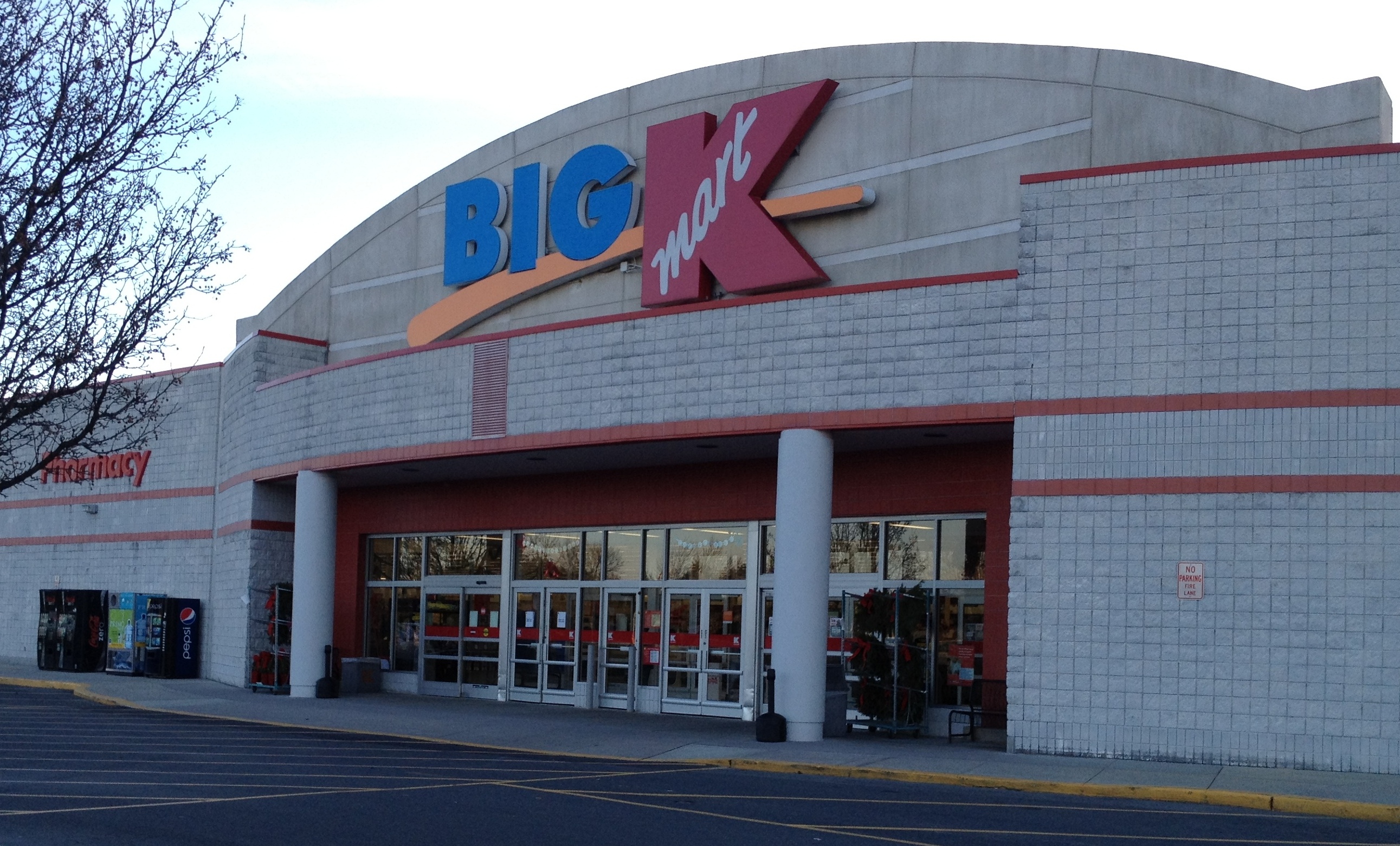
Kmart’s pharmacy story is tied to the long, gradual decline of the parent discount retailer. As full-line Kmart stores closed or were downsized, many in-store pharmacies were shuttered, sold, or reconfigured. In locations that shrank to a small footprint, pharmacy services either disappeared or were run in a much-reduced form, similar to a stand-alone clinic or a mini-format store. The broader lesson is that when anchor retailers falter, their ancillary services, including pharmacies, often vanish too, creating local gaps in basic medication access in towns that once relied on the combined convenience.
8. ShopRite Pharmacies
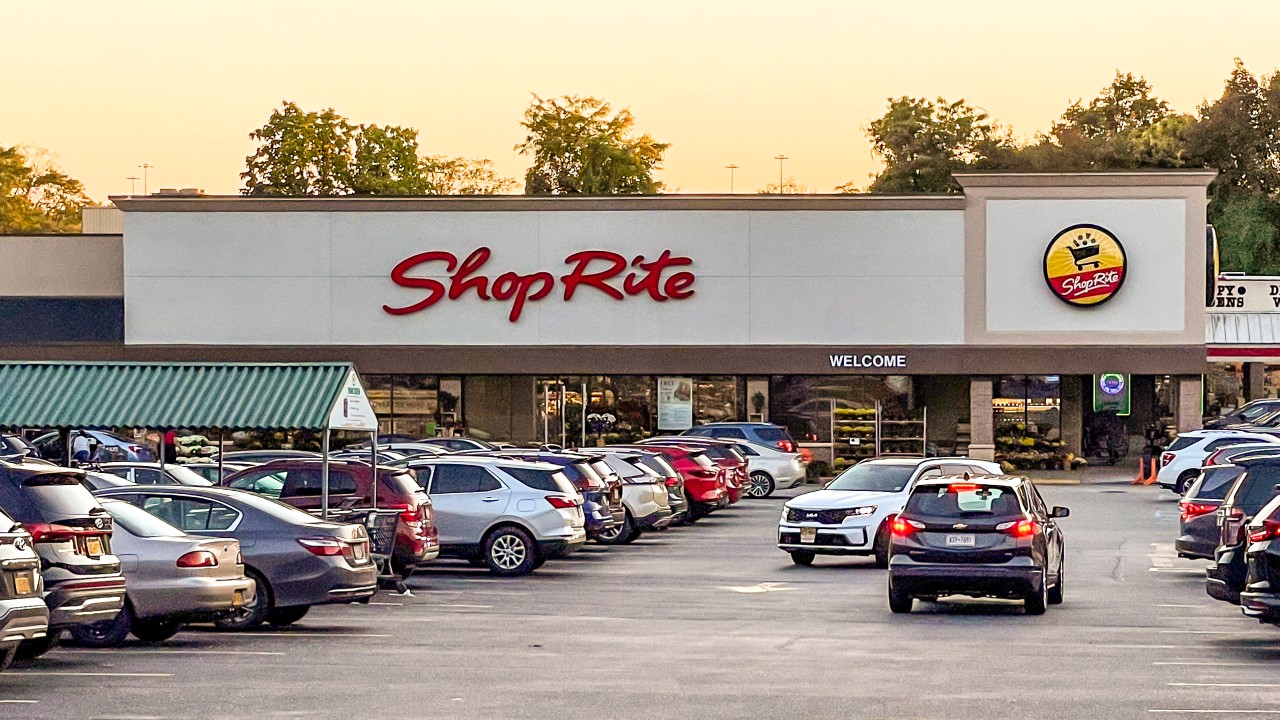
ShopRite’s pharmacy reductions show how cooperative and regional supermarket groups make pragmatic cuts when local performance lags. Wakefern, the cooperative behind ShopRite, has closed underperforming pharmacy counters and transferred prescription files to national chains. These closures are rarely headline-grabbing but have real effects: shoppers who once combined grocery runs with prescription pickups must now plan extra trips, and older or less mobile customers face new friction to get their medications. It underscores that supermarket sales or co-op strategies can quietly reshape where everyday healthcare services are found.
9. Publix Pharmacies

Publix has trimmed or consolidated pharmacy operations in particular markets, reflecting a focus on efficiency and store-level economics. In certain regions, the supermarket chain decided to close or reassign pharmacy services where volumes could not justify full operations. For customers, the change often translated to redirected prescriptions and a shift to neighboring Publix stores or external pharmacy partners. The decision reveals a growing reality in the sector: even well-regarded regional grocers will scale back healthcare offerings when they no longer fit a profitability model or when alternative providers can serve the area more efficiently.
10. Giant Eagle Pharmacies
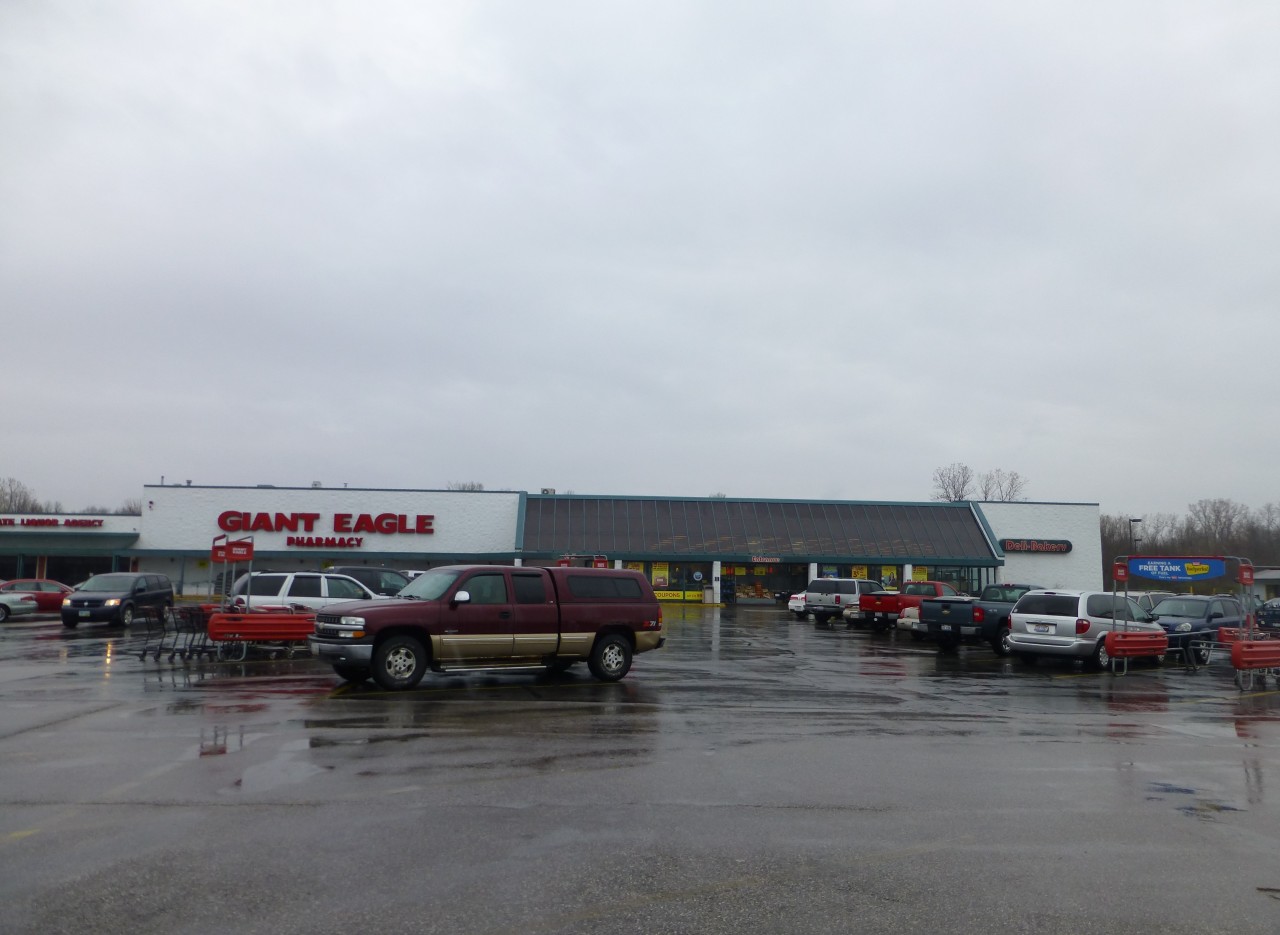
Giant Eagle’s adjustments are part of a pragmatic reshaping of services across a regional grocery and convenience footprint. Where pharmacy counters proved marginal, the chain consolidated or closed locations and transferred patient records to larger pharmacy operators. The result is a subtle thinning of brick-and-mortar pharmacy density in affected neighborhoods. For regular customers, this means relying more on nearby pharmacies, mail order, or delivery. Giant Eagle’s moves reflect the wider industry pattern in which retail pharmacies are evaluated less as community staples and more as business units that must meet stringent performance metrics to survive.