

Here’s the thing. You might think slipping a pretty shell or smooth stone into your pocket is a harmless souvenir. But in a surprising number of places around the world it’s either restricted or flat-out illegal. Shells, pebbles, sand, coral and similar natural materials play real roles in coastal ecosystems ; they help buffer erosion, provide habitat for creatures and are protected by laws meant to preserve nature. Ignore the rules and you can face fines, confiscation or worse. What follows are 10 places where picking up shells, stones or similar items can get you into legal trouble, based on local or national regulations.
1. United Kingdom beaches
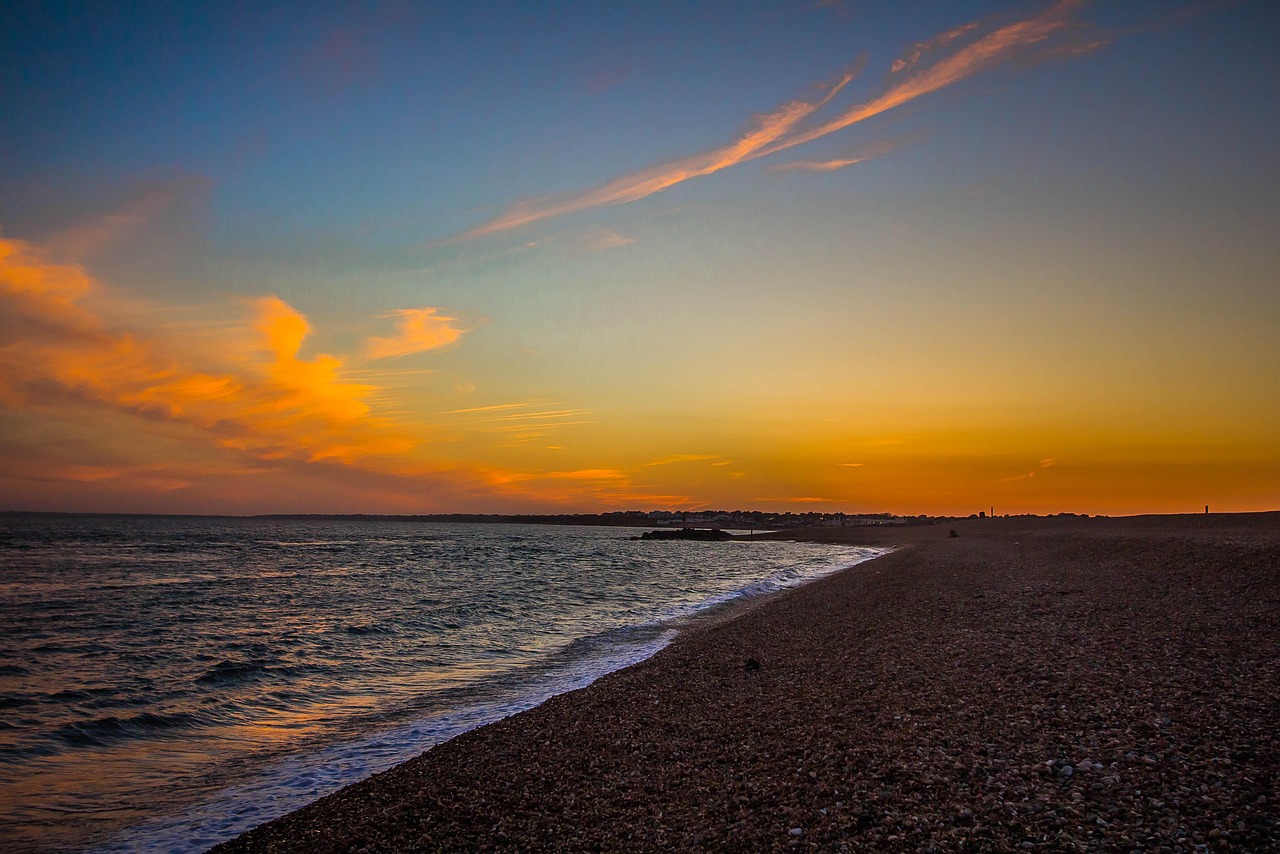
If you pick up shells, stones, or pebbles on many UK beaches, you are not just collecting a souvenir, you are potentially breaking the law. Under the Coast Protection Act 1949, removing natural materials like shingle, sand, shells, or even driftwood from the shoreline is restricted because these materials help protect the coast from erosion. When you take pebbles or shells, you slowly weaken natural sea defenses that prevent flooding and land loss. Local councils enforce these rules, especially in areas known for erosion. You can face fines that run into hundreds or even thousands of pounds if you are caught removing beach material. What often surprises visitors is that this applies even if you only take a small amount and even if the beach seems untouched. The law focuses on long term environmental impact, not your intent.
2. Spain’s coastal zones and the Canary Islands

When you visit Spain’s beaches, especially in the Canary Islands, you may notice signs warning against removing sand, stones, or shells. These warnings are serious. Spanish coastal law treats beach materials as public property, meaning you have no legal right to take them home. In volcanic regions like Lanzarote or Tenerife, black sand and lava stones are particularly protected because removing them permanently alters the landscape. Authorities have increased enforcement over the years as tourism pressure has grown. You may encounter baggage inspections at airports where officials look for prohibited natural materials. If you are caught, you can face fines and confiscation. Even a single stone can count as a violation. The goal is to stop gradual damage caused by millions of visitors each taking a small piece.
3. France’s protected beaches and coastal areas
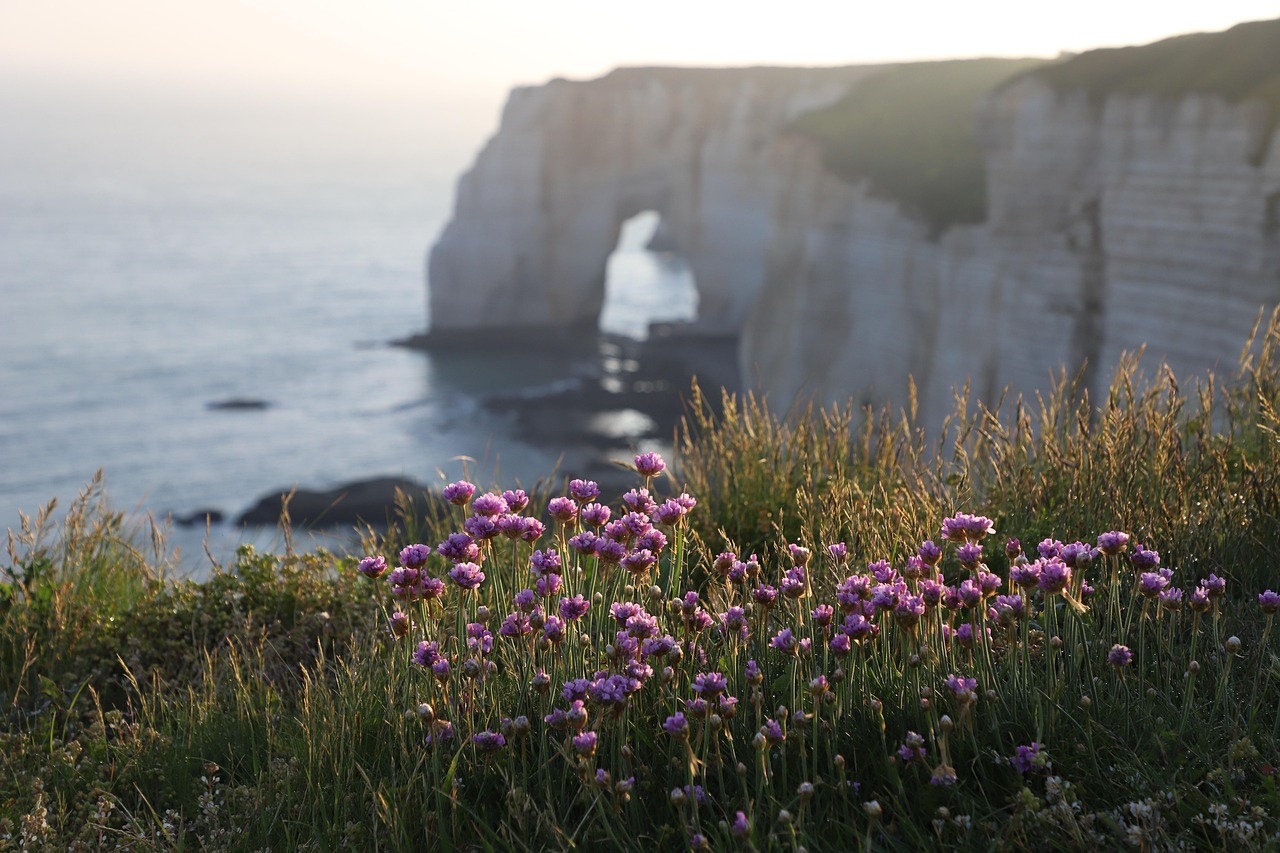
In France, beach materials fall under environmental protection laws designed to preserve coastlines and dunes. If you remove shells, pebbles, or sand from certain beaches, you can be fined under the French Environment Code. You might assume that taking a handful of shells does not matter, but French authorities look at cumulative harm. Beaches rely on natural movement of stones and shells to stay stable, especially during storms. When visitors remove these materials, erosion speeds up. Enforcement is more common in protected zones, nature reserves, and popular tourist beaches. Fines can reach several hundred euros depending on location and quantity. Even if enforcement feels inconsistent, you are still legally responsible. The safest approach is to treat French beaches as places to observe, not collect from.
4. Greece’s regulated beaches
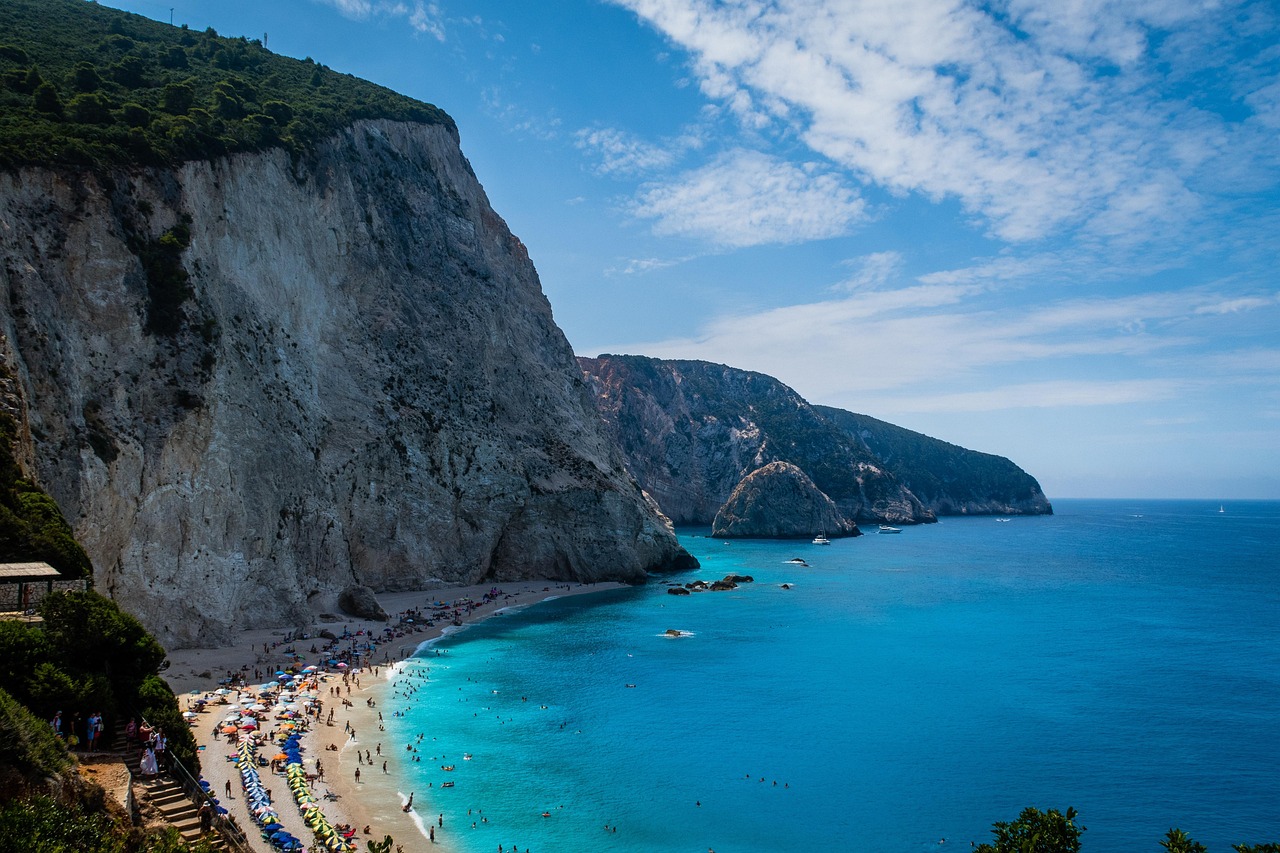
If you collect shells or pebbles on Greek beaches, you may be risking a significant fine. Greece has strengthened coastal protection rules to address erosion and overcrowding caused by tourism. Many beaches are now covered by regulations that prohibit removing natural materials, even small stones. Authorities consider shells and pebbles essential to maintaining beach structure and marine habitats. You might not see constant patrols, but enforcement does happen, especially in popular islands and protected coastal zones. Fines can reach up to one thousand euros, which catches many travelers off guard. What matters legally is not whether you intended harm, but whether you removed protected material. If you want a reminder of your visit, photos are encouraged, but taking physical items can cost you far more than you expect.
5. Thailand’s marine parks and beaches
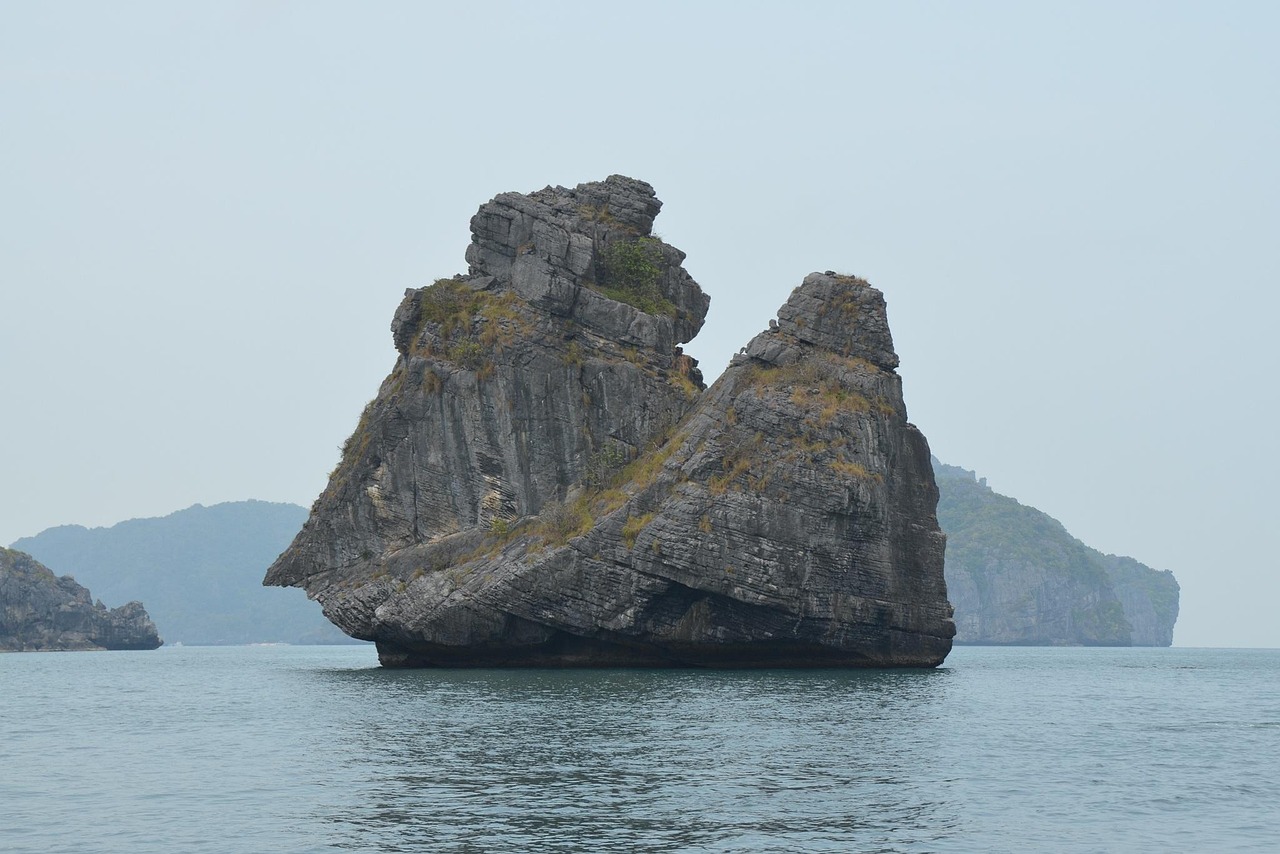
In Thailand, beach collecting becomes illegal the moment you step into a national park or protected marine area. You are not allowed to take shells, coral fragments, stones, or sand from these zones. These materials support marine life and help stabilize beaches that are already vulnerable to climate and tourism pressure. If you collect coral, even if it looks dead, you can face serious penalties because coral is strictly protected under Thai law. Rangers patrol popular beaches, and customs officials may inspect luggage when you leave the country. Penalties range from fines to legal charges depending on what you take. Many travelers assume shells are harmless, but Thai authorities treat removal as environmental damage. You protect yourself by leaving everything where it belongs.
6. United States protected parks and beaches
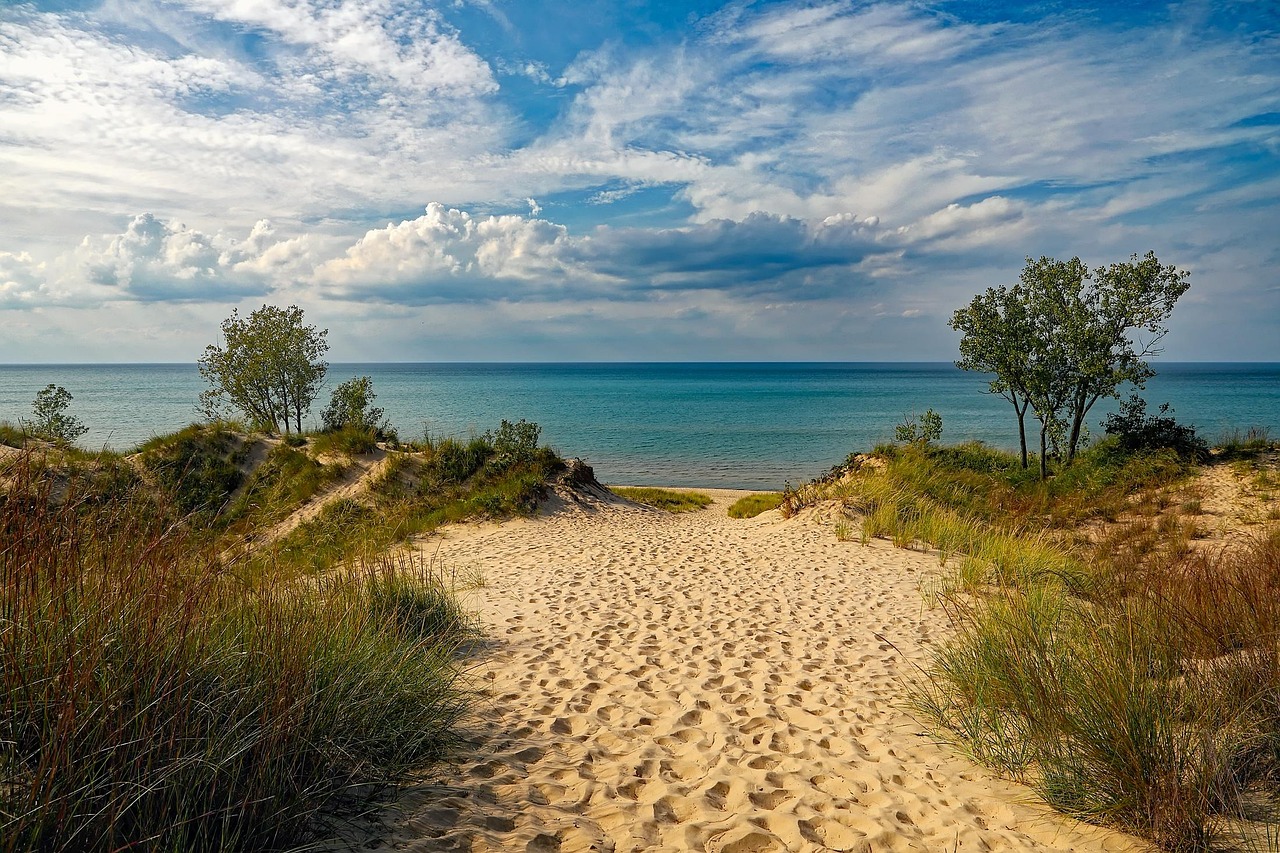
In the United States, rules vary by state and park, but many protected beaches prohibit collecting shells, rocks, or sea glass. If you are visiting a national park, national seashore, or certain state beaches, removing natural objects often violates park regulations. These rules exist to preserve ecosystems and cultural resources for future visitors. Rangers can issue citations if they catch you collecting items, especially in clearly posted areas. Even on beaches where casual shell collecting seems common, protected zones operate under stricter standards. What trips people up is assuming that small scale collecting is allowed everywhere. It is not. If the beach falls under conservation rules, you are expected to leave everything untouched, even if it looks abandoned or plentiful.
7. Italy’s Sardinia and other protected coastlines
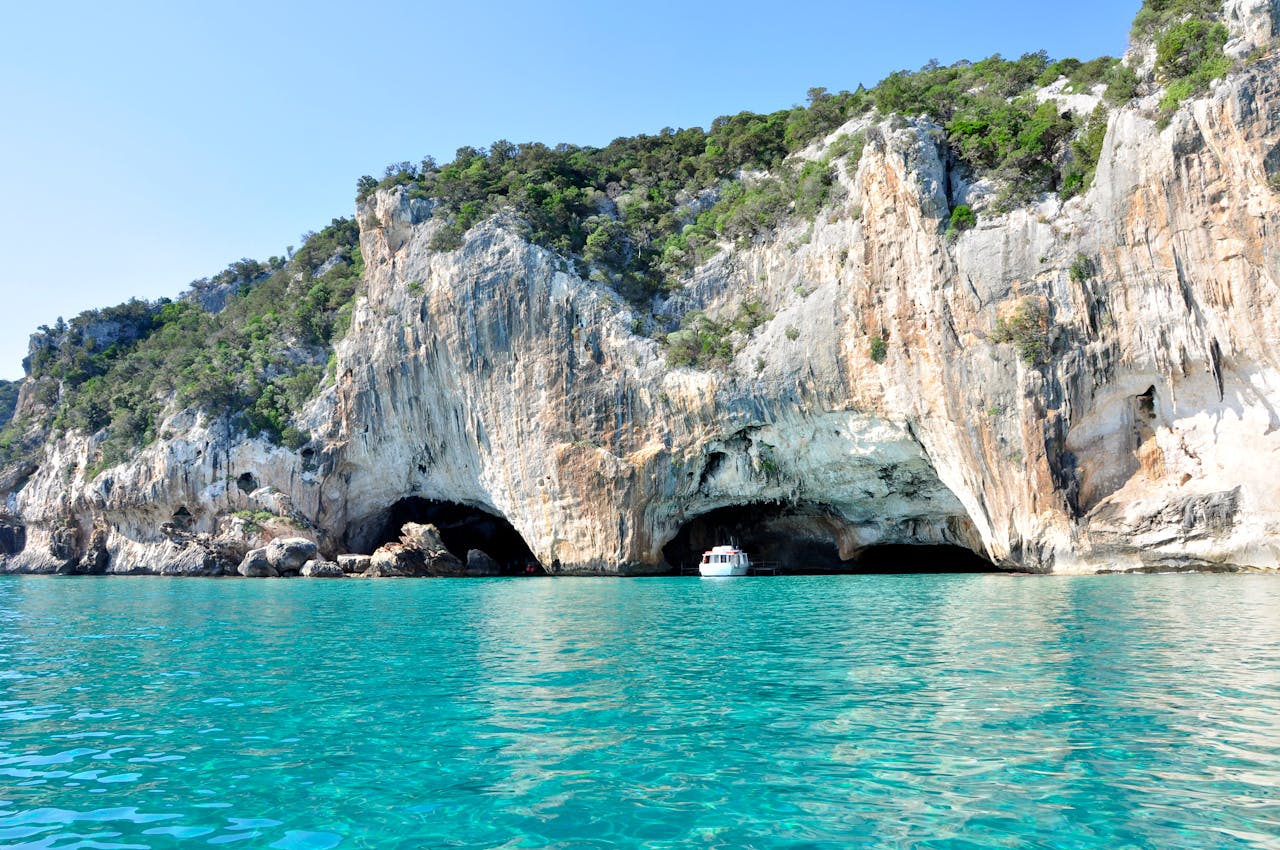
In parts of Italy, especially Sardinia, taking shells, sand, or stones from beaches can lead to fines. Sardinia has faced serious erosion issues, which pushed local governments to crack down on beach material removal. Even small pebbles are protected in some areas because they help maintain the beach’s structure and appearance. Authorities have fined travelers who tried to leave with bottles of sand or pockets full of stones. You may not realize the rule until you see signs or enforcement at airports. Italian law treats this as environmental damage, not souvenir collecting. If you want to stay out of trouble, assume that anything natural on the beach is protected unless a local authority clearly states otherwise.
8. Croatia’s coastal and protected zones

Croatia’s coastline includes many protected natural and cultural areas where removing stones or shells is restricted. Some beaches also contain archaeological or fossil materials, which makes removal illegal under heritage laws. If you collect stones without knowing their origin, you may unintentionally violate these protections. Fines depend on location and the type of material taken. Enforcement is stricter in national parks and conservation zones along the Adriatic coast. You are expected to respect posted signs and park rules, even if the beach looks undeveloped. Authorities treat unauthorized removal as damage to national heritage. When in doubt, leave everything behind and enjoy the coastline as it is meant to be preserved.
9. Turkey’s strict collection and export laws
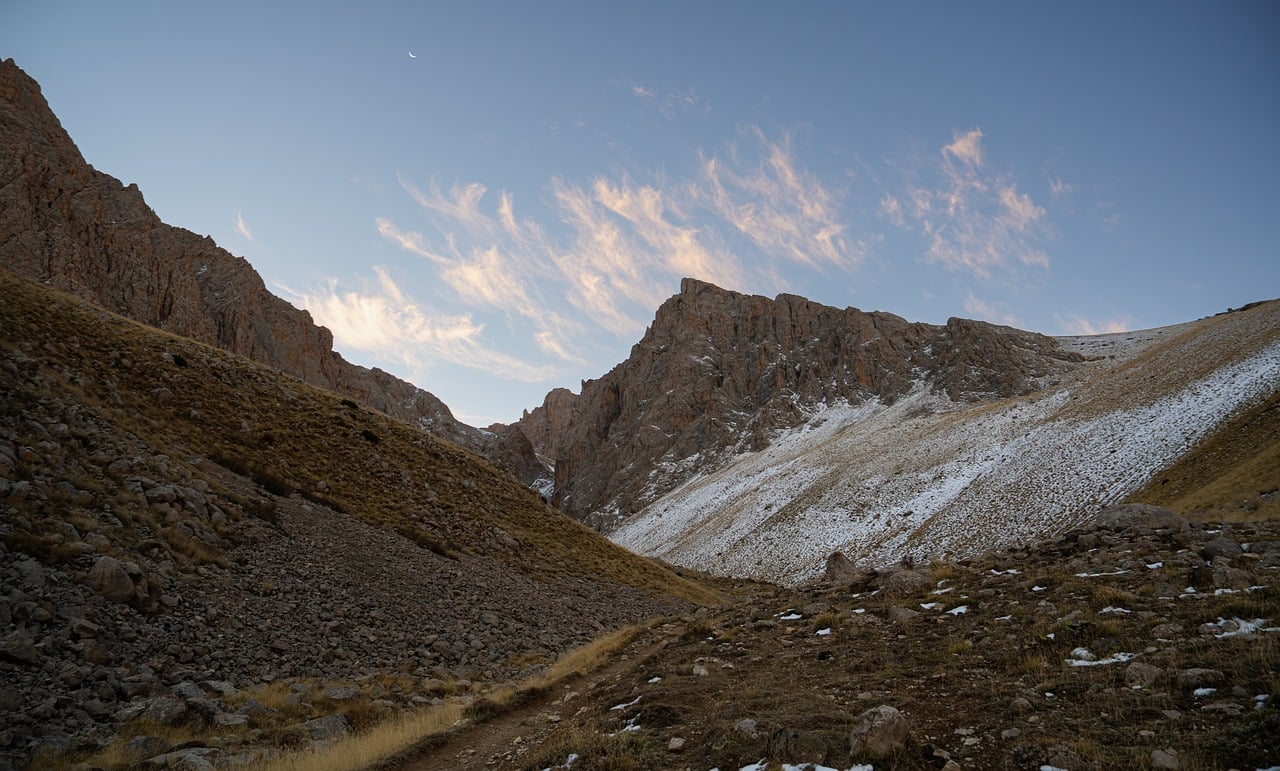
In Turkey, collecting stones, shells, fossils, or other natural items from beaches can create serious legal problems. Turkish law protects natural and cultural assets, and removal without permission is illegal. What makes this risky is that enforcement often happens at airports rather than beaches. Customs officials may inspect bags and question travelers carrying stones or shells. Even items that seem ordinary can be classified as protected materials. Penalties can include fines, confiscation, and legal proceedings. Many visitors underestimate how strict these laws are. You may think a small stone is harmless, but Turkish authorities focus on protecting national heritage and landscapes. Avoid taking anything natural with you to prevent unexpected trouble.
10. Cyprus and Mediterranean protected areas
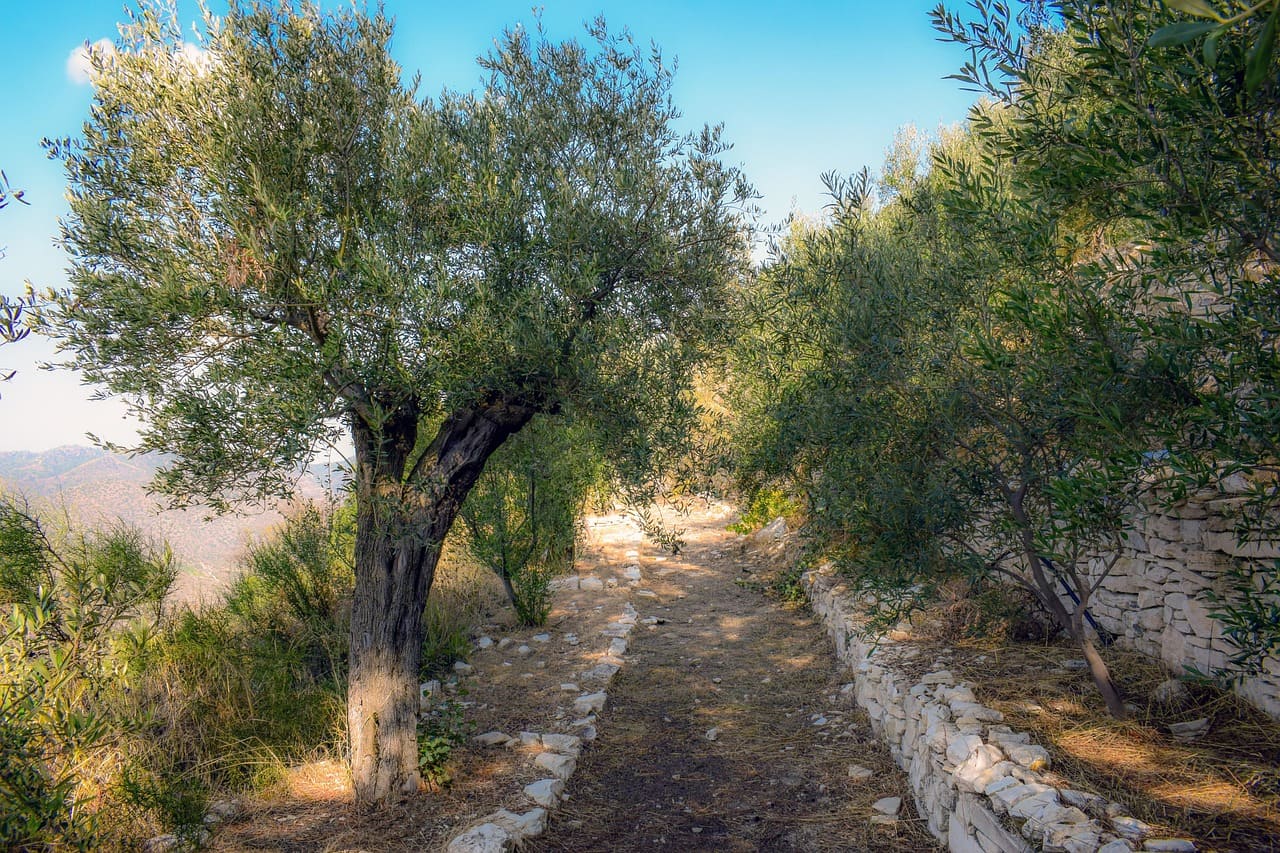
In Cyprus and several other Mediterranean destinations, removing shells, sand, or stones from beaches is prohibited under local conservation laws. These areas often face heavy tourism pressure, which makes even small losses significant over time. Authorities rely on regulations to protect fragile shorelines and marine ecosystems. You may see warning signs on beaches, but even without signage, the rules still apply. Fines vary by location and enforcement authority. What matters is that beach materials are considered part of a shared natural resource. When you remove them, you reduce beach stability and harm wildlife. The safest choice is to treat Mediterranean beaches as protected spaces and leave them exactly as you found them.