
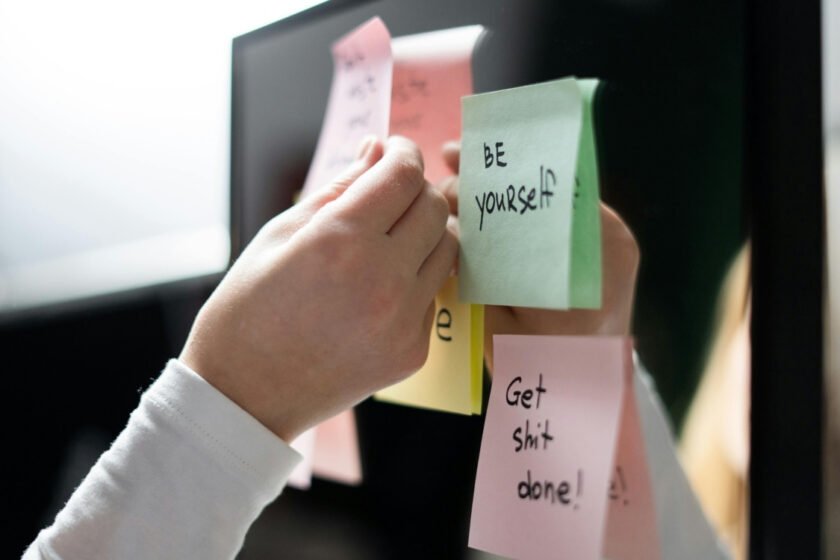
Productivity advice is everywhere. From bullet journals to aggressive morning routines, the hustle mindset dominates the conversation. But for people who live with anxiety, many of these trendy tips can make things worse. What seems like a helpful structure can turn into pressure, guilt, and burnout. Instead of boosting focus or output, these hacks can overwhelm already stressed minds. This list explores ten widely praised productivity strategies that often fail anxious individuals, while also pointing toward gentler, more effective approaches for creating calm and steady progress without added emotional strain.
1. Waking Up at 5 AM Every Day

The idea of rising with the sun sounds empowering. But for anxious people, early wake-ups often lead to sleep deprivation, irritability, and racing thoughts. Many already have disrupted sleep or insomnia, and forcing an unnatural wake time only increases pressure. Instead of trying to match someone else’s ideal routine, anxious individuals do better setting a consistent wake time that works with their natural rhythms. Prioritizing sleep and mental calm often delivers more energy and focus than rigid schedules. Productivity starts with rest, not a trendy alarm clock.
2. Time Blocking Every Hour of Your Day

Time blocking promises clarity and control. But when anxiety kicks in, a tightly scheduled calendar can become a source of panic. Unexpected interruptions or low-energy moments feel like failures, not flexibility. Lean structures, such as time windows or priority lists, are frequently more effective for anxious people than strict ones. This allows space for shifting moods, energy levels, and real-life unpredictability. The goal is not perfect use of time but consistent progress without emotional exhaustion. Freedom within a framework often serves better than a color-coded grid.
3. Using the Pomodoro Technique Religiously

Working in 25-minute sprints with timed breaks sounds ideal in theory. But for anxious minds, the ticking timer can create performance anxiety and distraction rather than focus. The pressure to be productive on cue often backfires. Some anxious individuals may just start getting into a task when the break alarm goes off, disrupting their natural flow. Task-based pacing, which involves working until a natural stopping point and then taking a genuine, restorative break, is a better strategy. Productivity improves when the system fits the brain, not the other way around.
4. Constant To-Do List Checking

To-do lists are supposed to bring order, but for anxious people, they often become stress triggers. Checking and rechecking tasks can feed a loop of worry, perfectionism, and guilt. Lists can grow into overwhelming inventories of unfinished business. A more helpful approach is choosing three top priorities per day and giving yourself permission to let the rest go. Visualizing progress rather than perfection helps ease pressure. Lists should support your day, not dominate it. Managing anxiety means managing expectations, not micromanaging every checkbox.
5. Saying “Yes” to Every Opportunity

Hustle culture rewards constant availability, pushing people to say yes to every meeting, gig, or side hustle. For anxious individuals, this habit quickly leads to overwhelm and burnout. Every yes stretches emotional bandwidth thinner. The fear of missing out or disappointing others can trap anxious people in a cycle of overcommitment. Learning to say no without guilt is a powerful productivity tool. Boundaries protect energy, reduce resentment, and make time for what truly matters. Productivity is about being fully present where it matters, not about being everywhere.
6. Forcing Daily Journaling

Journaling is praised as a way to clear your mind, but for anxious individuals, it can sometimes amplify overthinking. Staring at a blank page may increase self-pressure, and constant self-analysis can turn into rumination. While reflection can be helpful, it should feel supportive, not like homework. For anxious individuals, journaling occasionally with a specific objective, such as documenting successes, tracking trends, or letting go of specific concerns—is often more helpful than making entries every day. The practice should ease stress, not become another task that feels like a test.
7. Eliminating All Distractions at Once

Blocking social media, silencing phones, and working in total silence sounds productive. But for some anxious people, this kind of strict isolation can increase internal noise. Instead of staying focused, they may spiral into anxious thoughts without an external outlet. In reality, soft background music or even short social breaks can help manage attention and emotional balance. Productivity does not mean locking yourself in a vacuum. Gentle focus aids, like lo-fi playlists or changing locations, often help more than a harsh cutoff from stimulation.
8. Chasing Inbox Zero Every Day

Inbox zero is seen as a badge of efficiency. But for anxious individuals, obsessing over emails can turn into a compulsion. Every unread message feels urgent. Every delayed reply sparks guilt. The constant chase for a clean inbox becomes another source of stress. A healthier approach is setting specific times for email checks and using flags or folders to sort what truly matters. Not everything needs a response right away. Reducing email anxiety often comes from letting go of control, not trying to master every ping.
9. Comparing Yourself to Online Productivity Gurus

The following productivity influencers can inspire, but they often lead to harmful comparisons. Watching people with perfect routines and color-coded habits can make anxious individuals feel behind or broken. It creates pressure to replicate someone else’s version of success. What works for one person may be overwhelming for another. Productivity should support your lifestyle, not mimic someone else’s highlight reel. The best systems are built from self-awareness, not social media. Growth happens when you stop measuring yourself by someone else’s pace.
10. Treating Every Day Like a Fresh Start

The idea of starting fresh daily can be motivating, but for anxious people, it sometimes resets guilt instead of momentum. Each new day becomes a reminder of what didn’t get done yesterday. This can create a cycle of self-criticism that harms long-term progress. Carrying gentle continuity is an alternative; without passing judgment, acknowledge what has been accomplished and what still requires time. Progress builds slowly and compassionately. Not every day has to be perfect. For anxious minds, consistency often beats dramatic resets or daily reinventions.