
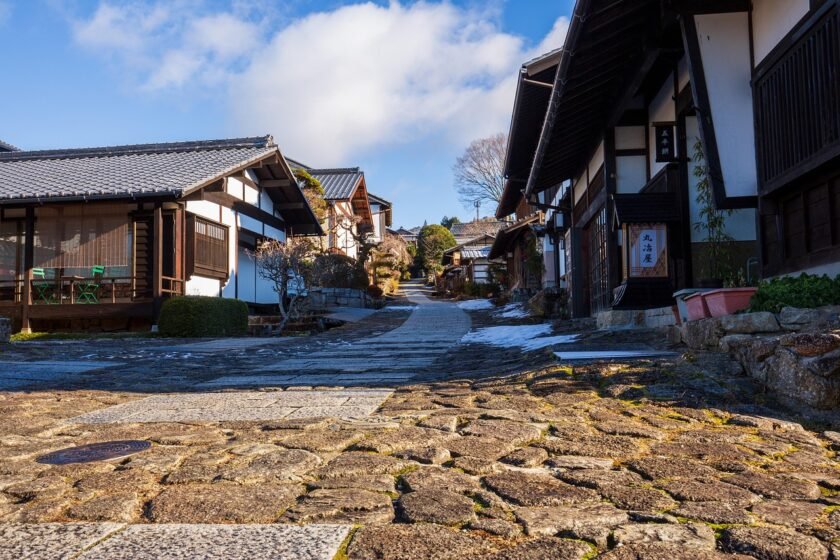
Step into a place where time seems to slow and history is alive around every corner. Tsumago, Japan’s remarkably preserved Edo-period town, invites visitors to wander cobblestone streets lined with traditional wooden inns, historic shops, and charming lanterns. Nestled in the tranquil Kiso Valley, the town offers scenic hiking along the Nakasendo Trail, regional cuisine that delights the senses, and a warm local community devoted to maintaining centuries-old traditions. Each visit immerses travelers in Japan’s cultural past while surrounded by breathtaking natural beauty.
1. Authentic Edo-Period Atmosphere
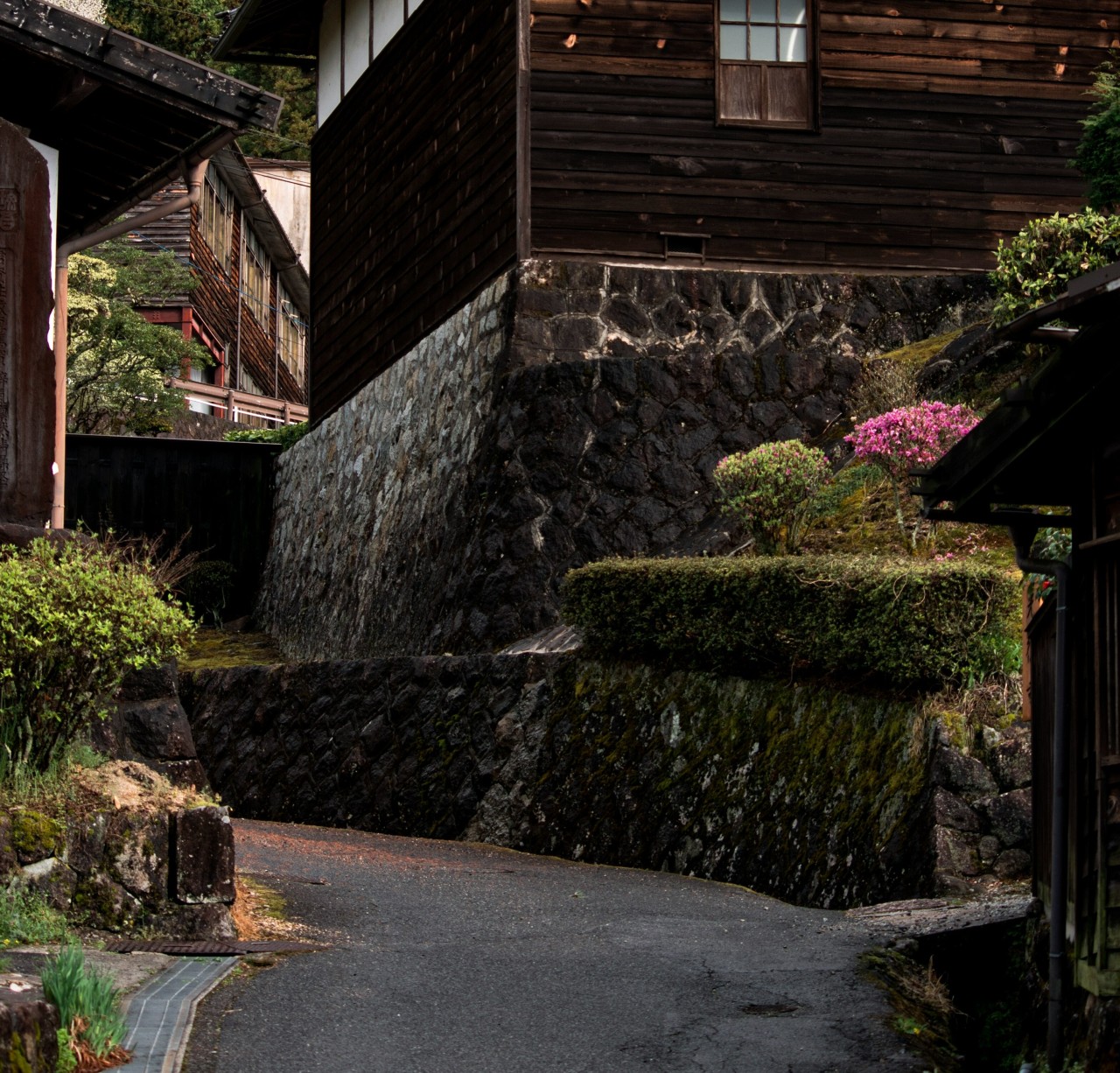
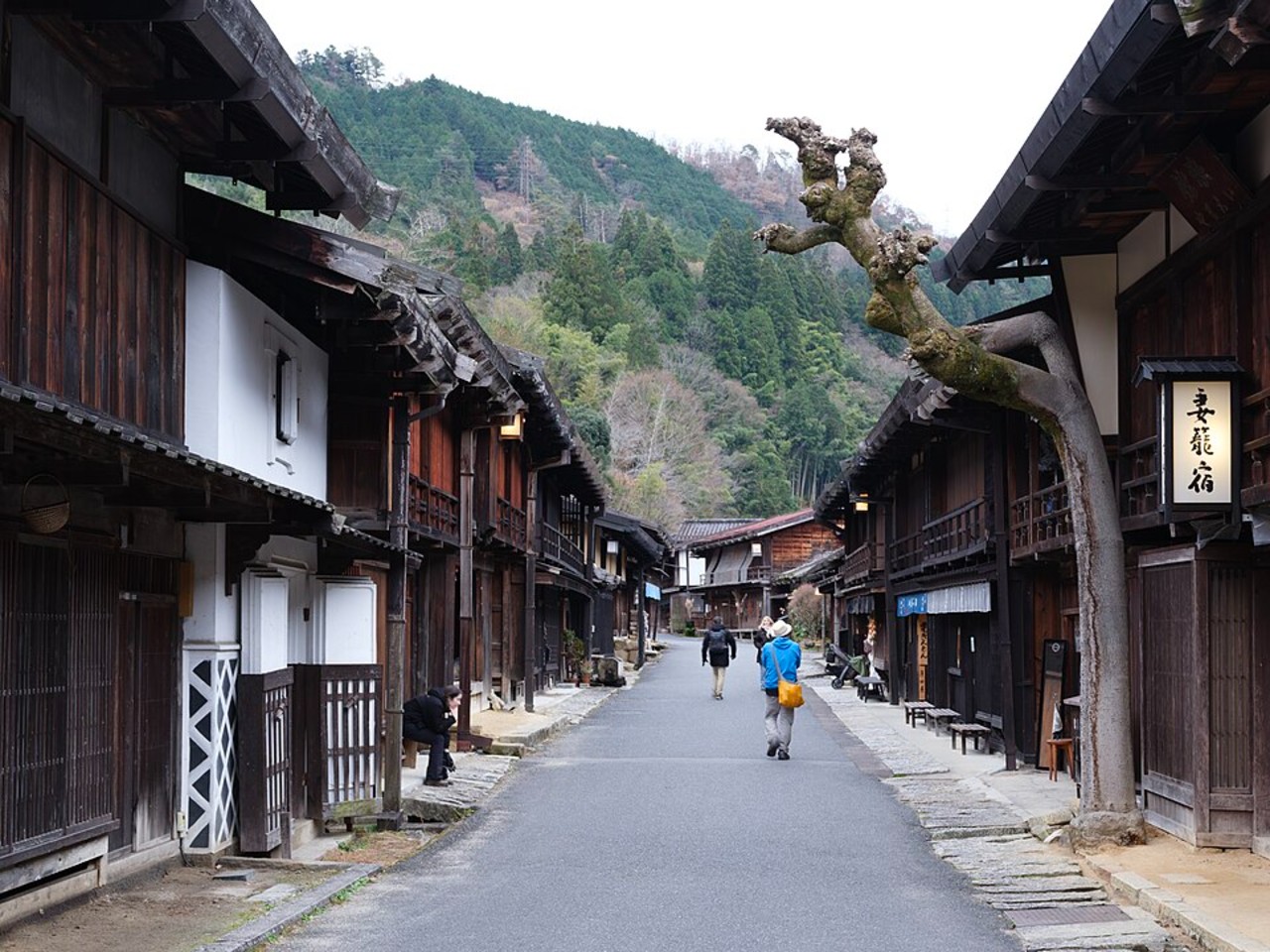
Strolling through Tsumago feels like stepping into a living history book from Japan’s Edo period. The wooden streets, carefully preserved houses, and softly glowing lanterns create a vivid impression of life centuries ago. Traditional signage, historic shops, and inns retain their original charm while remaining fully functional, letting visitors experience culture in its authentic form. Every alley and building reflects the dedication of locals, who skillfully preserve history while blending it with modern life, ensuring the town’s heritage continues to thrive.
2. Scenic Nakasendo Trail
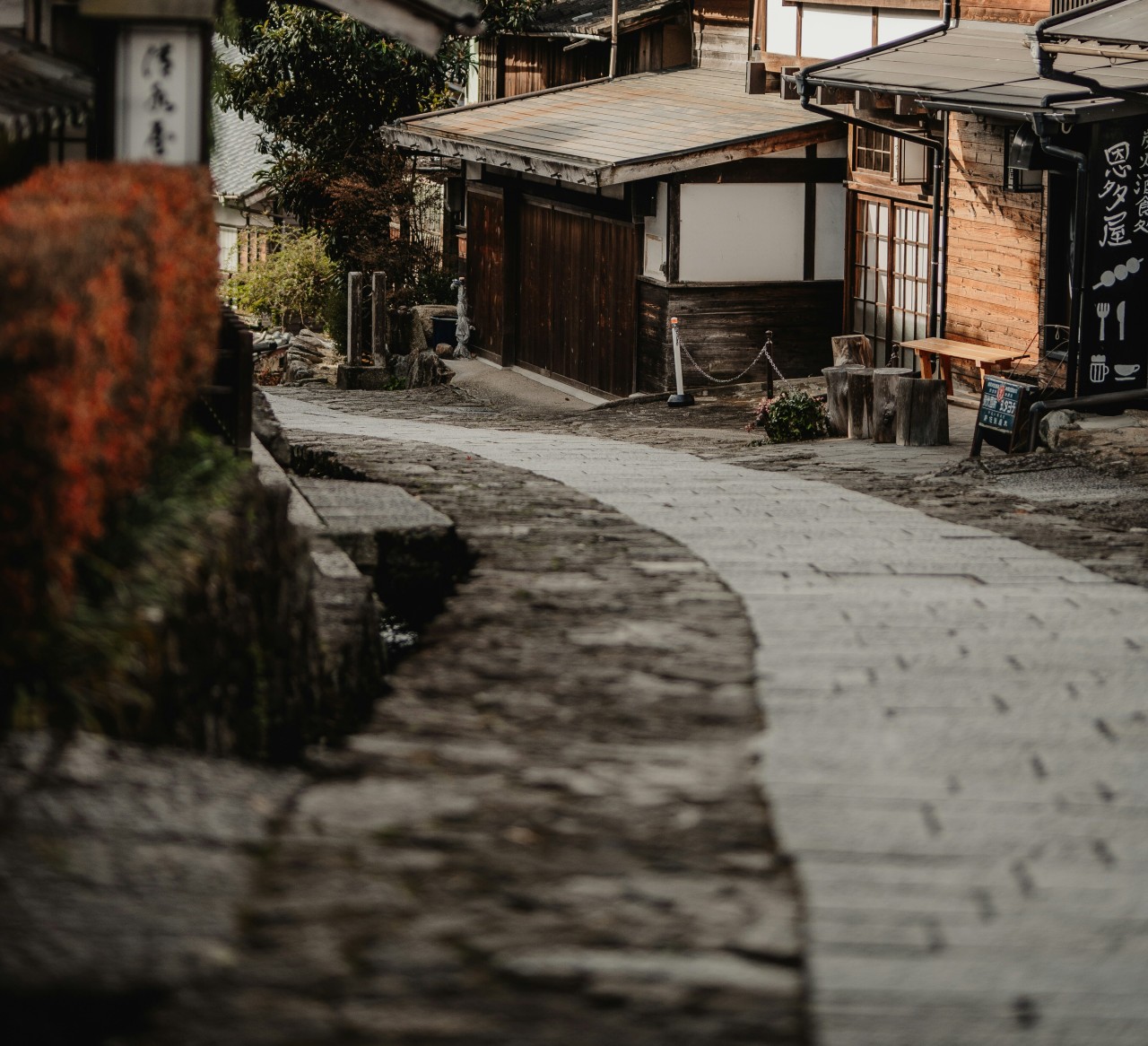
Tsumago sits along the historic Nakasendo Trail, a vital route that connected Kyoto to Tokyo during the Edo period. Today, visitors can hike well-maintained paths to neighboring towns like Magome, surrounded by forests, flowing streams, and gently rolling hills. Walking the trail offers a rare combination of natural beauty and historical depth, allowing travelers to follow in the footsteps of Edo-era travelers. The peaceful scenery and quiet rhythm provide a reflective experience, connecting people to Japan’s cultural past while enjoying the serene landscape.
3. Traditional Inns and Accommodations
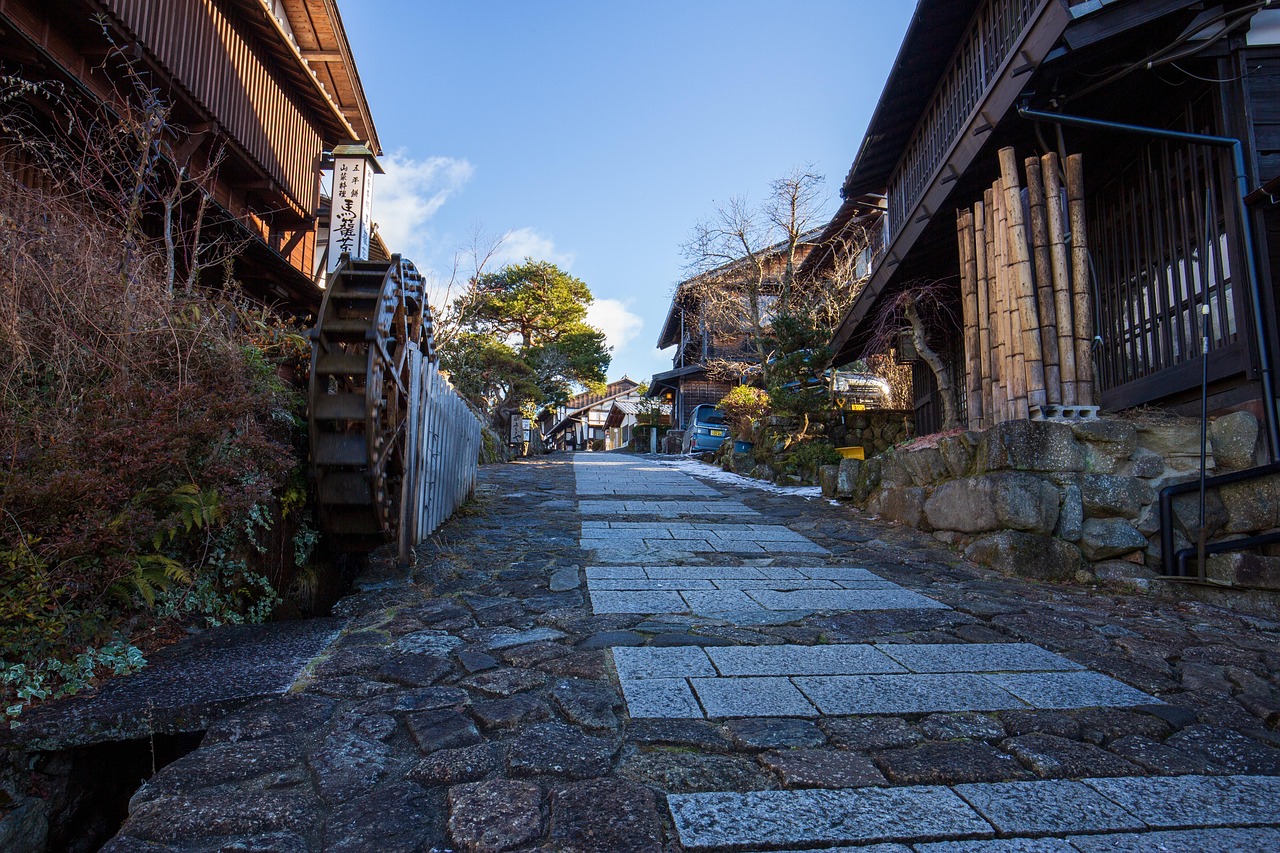
Spending a night in Tsumago’s traditional ryokan inns offers a rare opportunity to experience authentic Japanese lodging. Rooms with tatami mats, futons, and sliding paper doors preserve historical charm while providing modern comfort. Guests can participate in daily rituals such as communal baths, enjoy seasonal local meals, and observe morning customs that reflect Edo-period life. This immersive experience goes beyond sightseeing, allowing visitors to live history firsthand and create lasting memories of Japan’s cultural heritage.
4. Cultural Heritage Sites
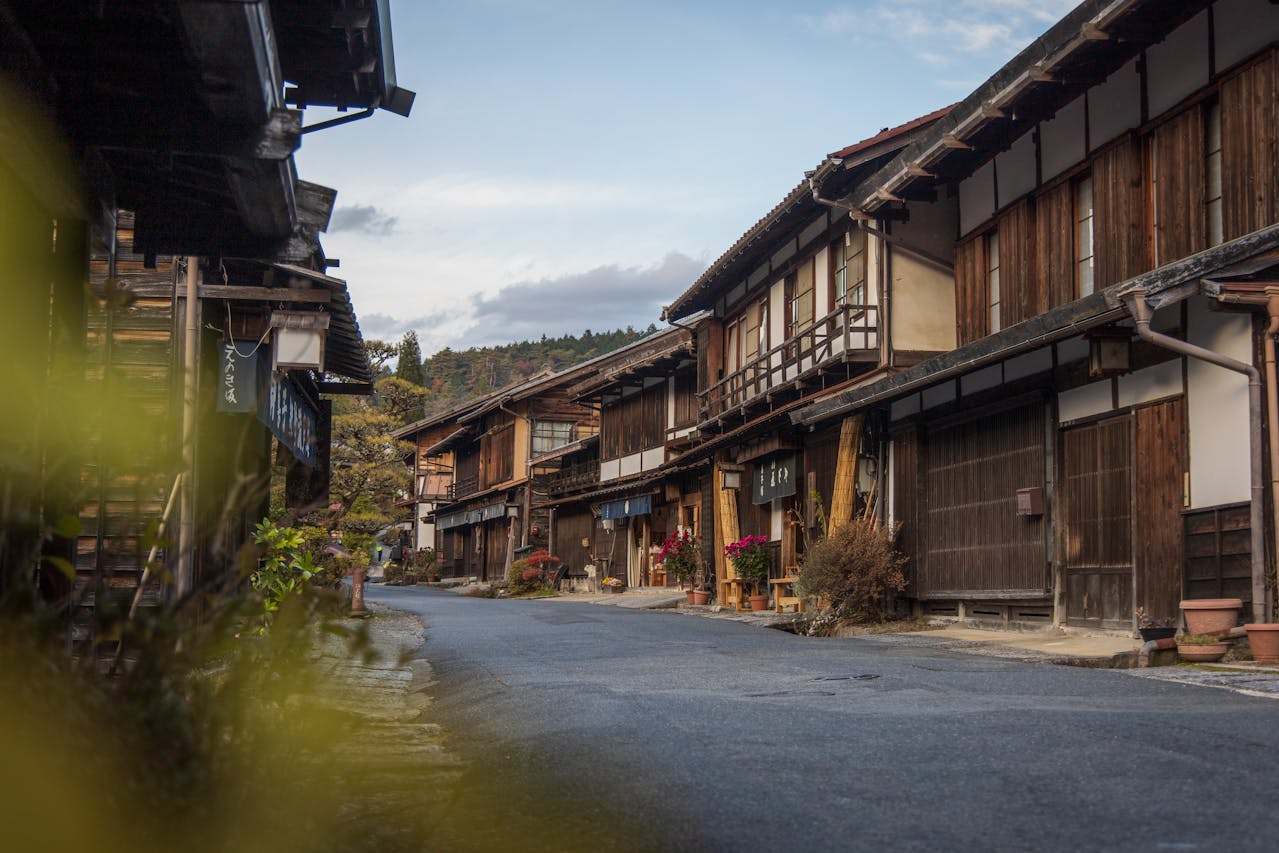
Tsumago is home to historical landmarks such as the Wakihonjin and Honjin inns, which once provided essential lodging and services for travelers along the Nakasendo route. These preserved sites showcase intricate Edo-period architecture and offer insight into social hierarchies, governance, and daily life of the time. Exploring original interiors, viewing artifacts, and reading curated displays allows visitors to connect directly with history. Each building narrates stories of trade, travel, and community, offering an educational and immersive cultural experience that brings Japan’s past vividly to life.
5. Local Cuisine
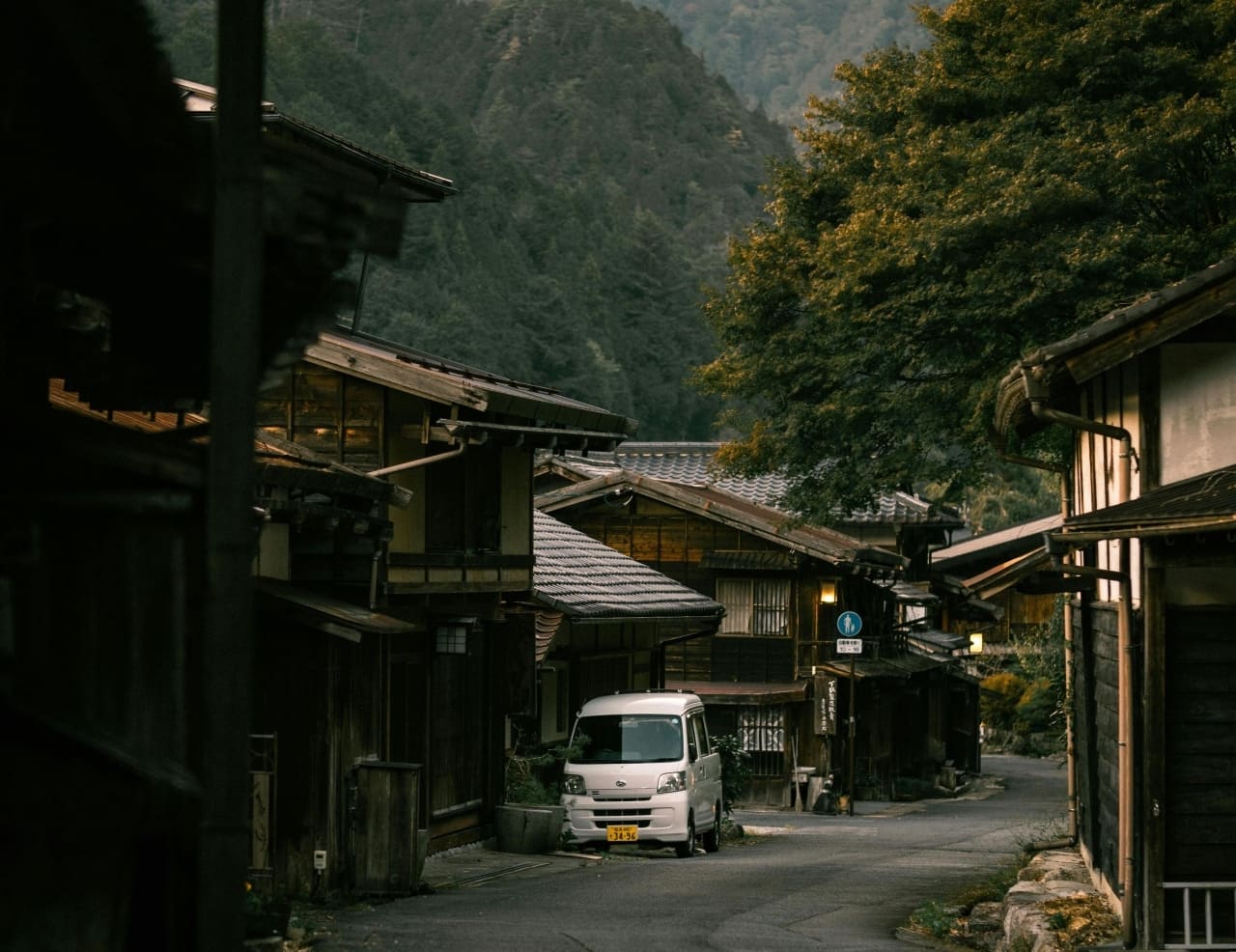
Tsumago’s food scene reflects centuries of regional tradition. Signature dishes such as hoba miso, grilled on magnolia leaves, showcase local flavors and cooking techniques. Small eateries and ryokans focus on fresh, seasonal ingredients, ensuring authentic tastes. Dining in the town is more than a meal; it’s a cultural lesson, offering insight into daily life and culinary practices preserved over generations. Tasting these dishes creates a sensory connection to the area’s history and community.
6. Preserved Traditional Architecture
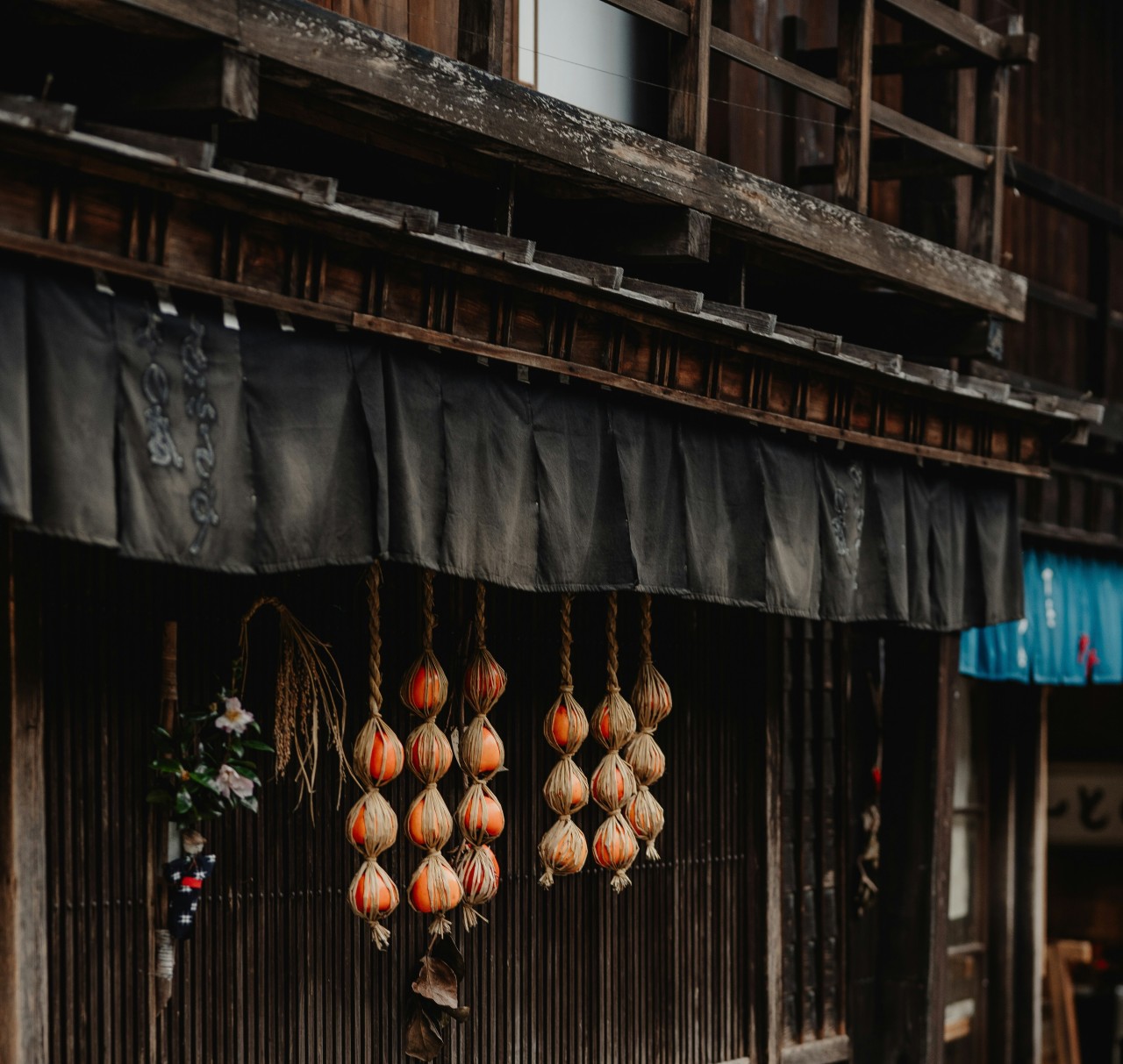
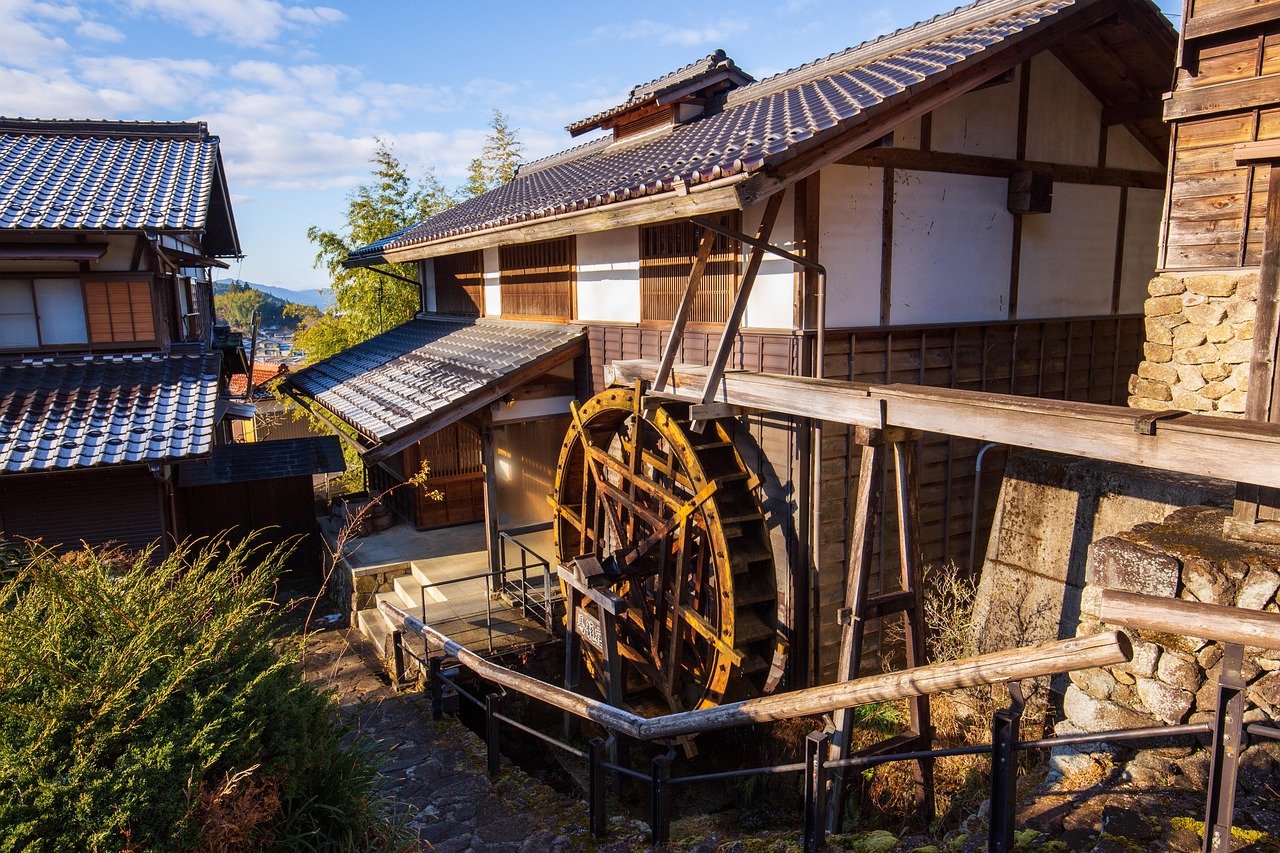
Tsumago’s wooden buildings, earthen walls, and tiled roofs have been meticulously maintained, reflecting the craftsmanship of the Edo period. Latticed windows, doorways, and structural details highlight traditional Japanese construction. Restoration efforts honor historical techniques while accommodating modern safety standards. Walking through the town, visitors witness architectural continuity across centuries, gaining a visual and cultural understanding of how these communities were designed and sustained over time.
7. Peaceful Rural Setting
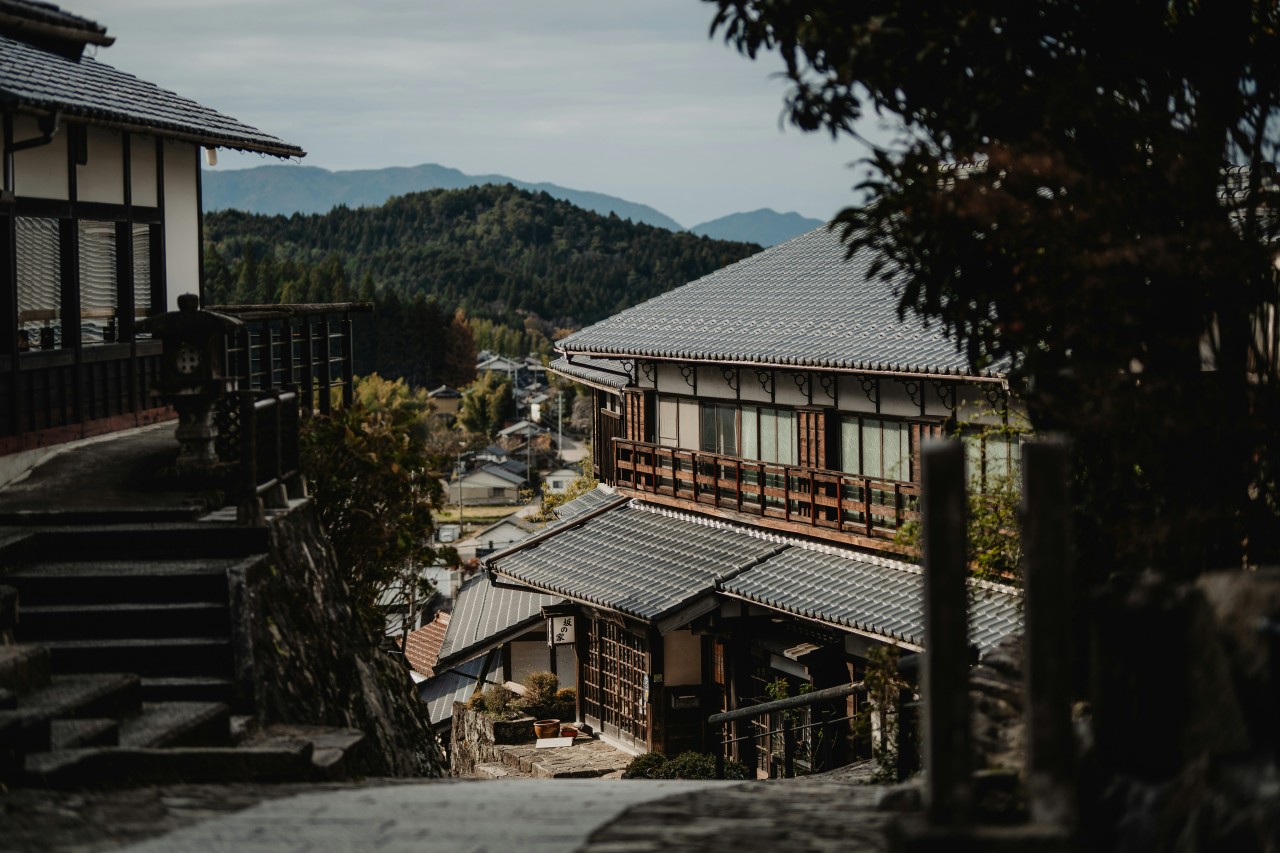
Nestled in the Kiso Valley, Tsumago provides a serene escape from urban life. Forests, rivers, and mountains create a natural, calming backdrop that enhances the historical experience. The tranquil setting allows visitors to slow down, breathe fresh air, and reflect while walking through the preserved streets. This combination of rural charm and cultural heritage encourages a deeper connection to both nature and history, providing a holistic experience that blends relaxation with discovery.
8. Engaging Historical Museums
Small museums in Tsumago complement the town’s visual storytelling with artifacts, maps, and curated displays. Exhibits detail the Nakasendo route, Edo-period commerce, and local life, offering an educational context to the surrounding architecture. Interactive components engage visitors, allowing hands-on exploration of traditional crafts and historical practices. Museums in Tsumago turn passive observation into active learning, helping visitors understand the town’s historical significance while enriching their immersive journey.
9. Friendly Local Community
The people of Tsumago play an essential role in keeping the town alive. Many are involved in preservation, welcoming visitors, guiding tours, and sharing traditional knowledge. Local festivals and cultural events offer opportunities to engage with residents and participate in customs. Their warmth and dedication ensure that every visit is personal, creating meaningful interactions that go beyond sightseeing. The community’s involvement transforms the town into a living heritage site, connecting visitors to real people and traditions.
10. Year-Round Attractions
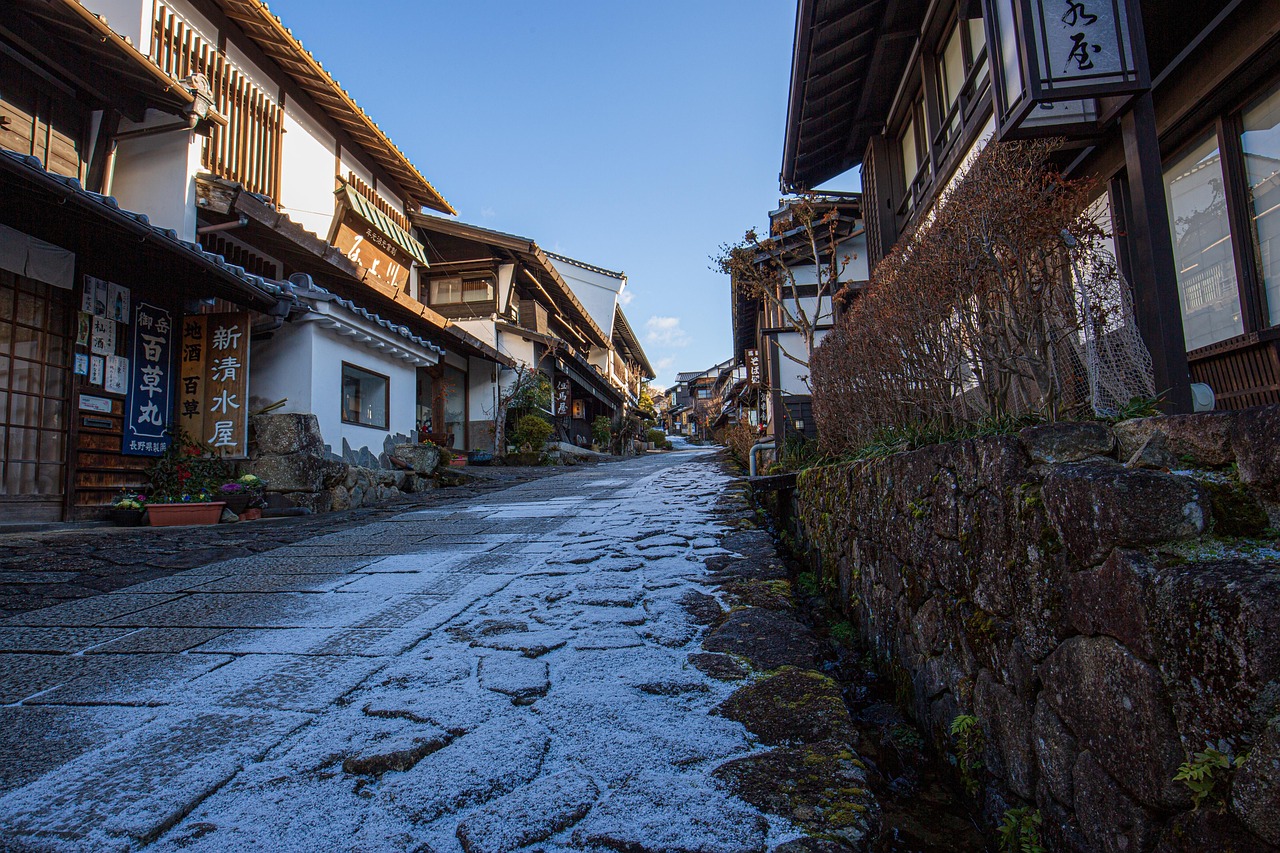
Tsumago’s charm adapts beautifully to each season. Spring brings cherry blossoms along historic streets, summer reveals lush greenery, autumn showcases colorful foliage, and winter cloaks the town in quiet snow. Seasonal events, festivals, and natural scenery provide new experiences throughout the year, making repeat visits rewarding. Each season emphasizes different aspects of history, architecture, and landscape, allowing travelers to appreciate Tsumago’s preservation and the surrounding environment in constantly fresh ways.