

From Myra to New York, Santa’s tale hides saints, sea voyages, midwinter goats, and wartime cartoons beneath the red cloak, still vivid today.
Santa Claus appears as a single figure, yet he is really a mosaic formed over centuries, languages, and borders. A 4th-century bishop famed for quiet charity, a Dutch traveler arriving by boat, an English emblem of winter feasting, and older northern tales of sky riders all left their marks. In the United States, poems and illustrations tightened the details into a repeatable routine: a night visit, a chimney route, a workshop, and a polar address. Later, advertising spread one friendly face so far that the variations began to fade from memory. Behind the red coat lies a lineage of saints, sailors, politics, folklore, and printing presses, each layering another facet onto the season’s most recognizable myth.
DOWRIES IN MYRA, NOT TOYS IN A WORKSHOP
Saint-Nichola
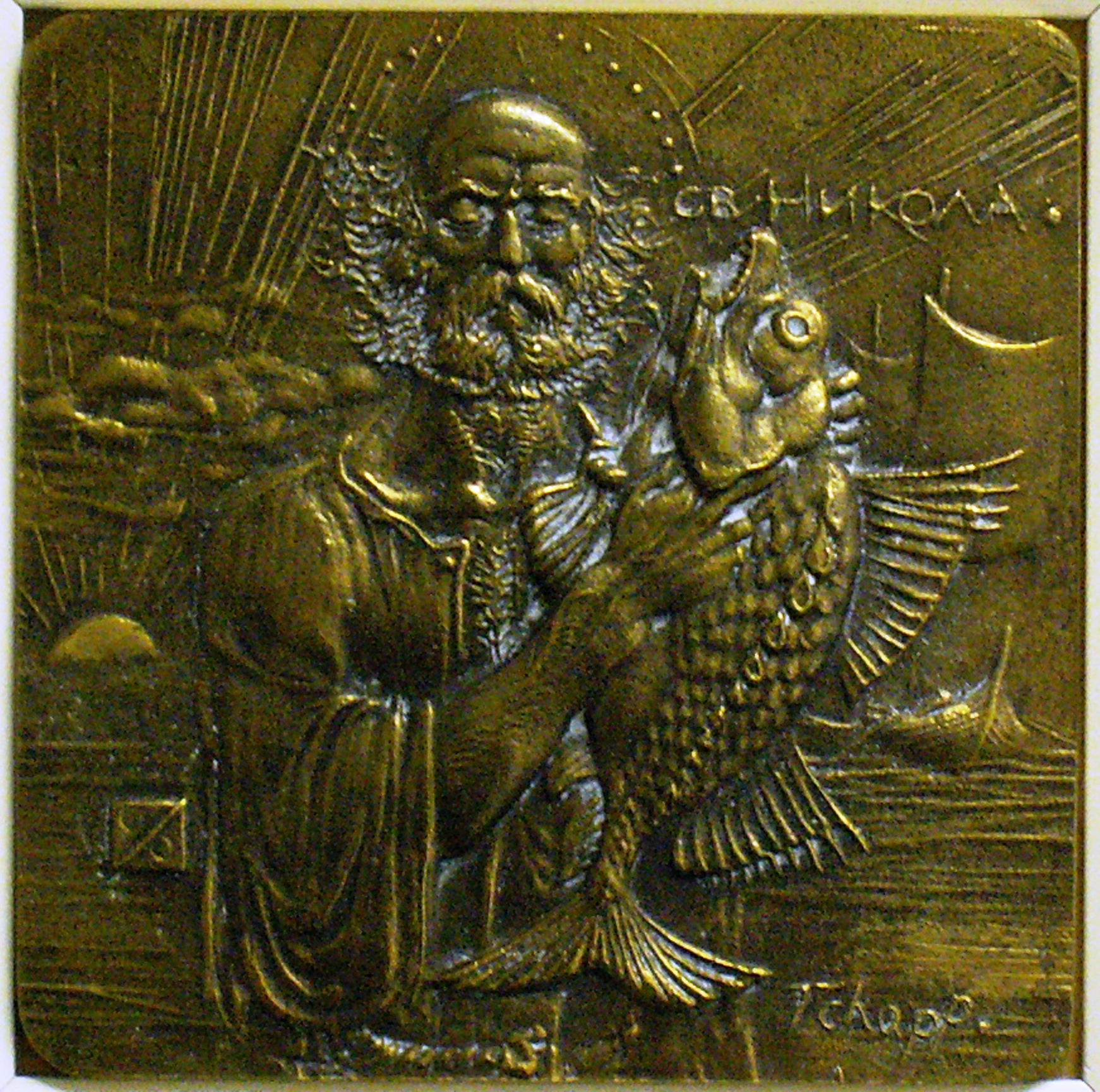
Long before reindeer and wrapping paper, the tale begins in Myra, in today’s Demre on Turkey’s Mediterranean coast, with Nicholas, a 4th-century bishop remembered for discreet generosity. Later legend says he slipped gold to help three sisters afford dowries, protecting them from poverty and public shame, a tale that also helped link him to coins, stockings, and nighttime visits. That thread matters because it plants Santa’s emotional blueprint: giving that happens in secret, aimed at dignity, and felt most strongly by the people who needed it, not by the crowd keeping score. It is kindness with a lock on it. Always.
BARI’S MIDNIGHT HEIST THAT SAVED A SAINT
Saint Nicholas
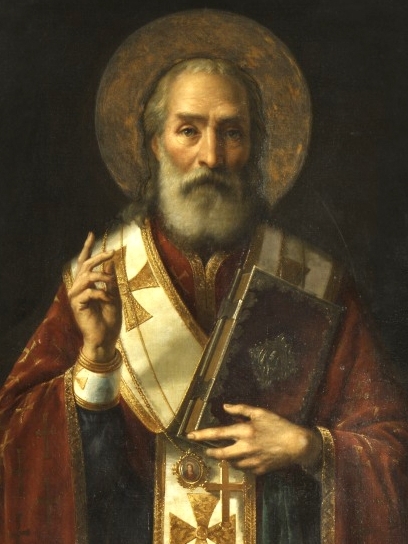
In 1087, merchants from Bari sailed to Myra and removed major bones of Nicholas, carrying the relics back across the sea to southern Italy, where a new basilica would anchor his cult. The move was framed as rescue, but it also turned a regional bishop into a European celebrity with steady pilgrimage traffic, annual celebrations, and a reputation that traveled with sailors and merchants. It is an odd Santa origin point: belief expanding through ports, invoices, and weathered dockside stories, until St. Nicholas becomes less a man in one town and more a roaming pattern of generosity. The sea did the marketing. Quietly.
SINTERKLAAS ARRIVES BY BOAT, NOT SLEIGH
Berkh
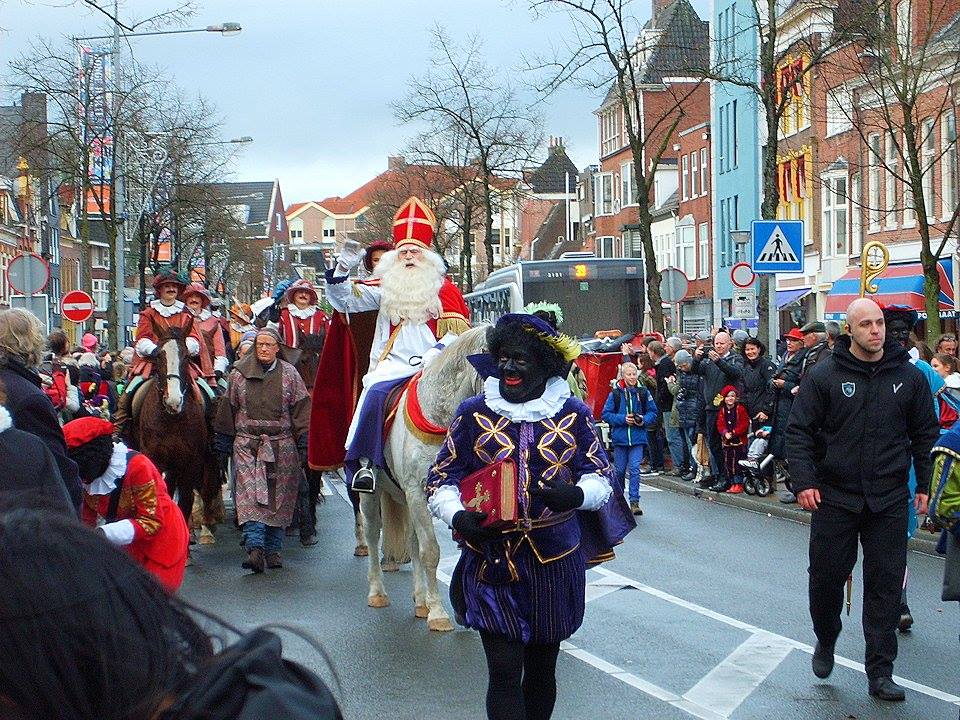
In the Netherlands and Belgium, Sinterklaas is still imagined arriving from overseas and celebrated on St. Nicholas’ Eve, Dec. 5, and on Dec. 6, not on Dec. 25. Children set out shoes for small gifts, and the visitor appears as a bishop with church robes rather than a fur-trimmed elf. In New Amsterdam, the tradition traveled with Dutch families, surfaced in U.S. print by the 1770s, and later got remixed by New York writers who helped push the name Santa Claus into popular English while loosening the saintly costume. A harbor, not a chimney, was the first stage. For the American version, it mattered.
AN ENGLISH SYMBOL OF FEASTING, THEN POLITICS
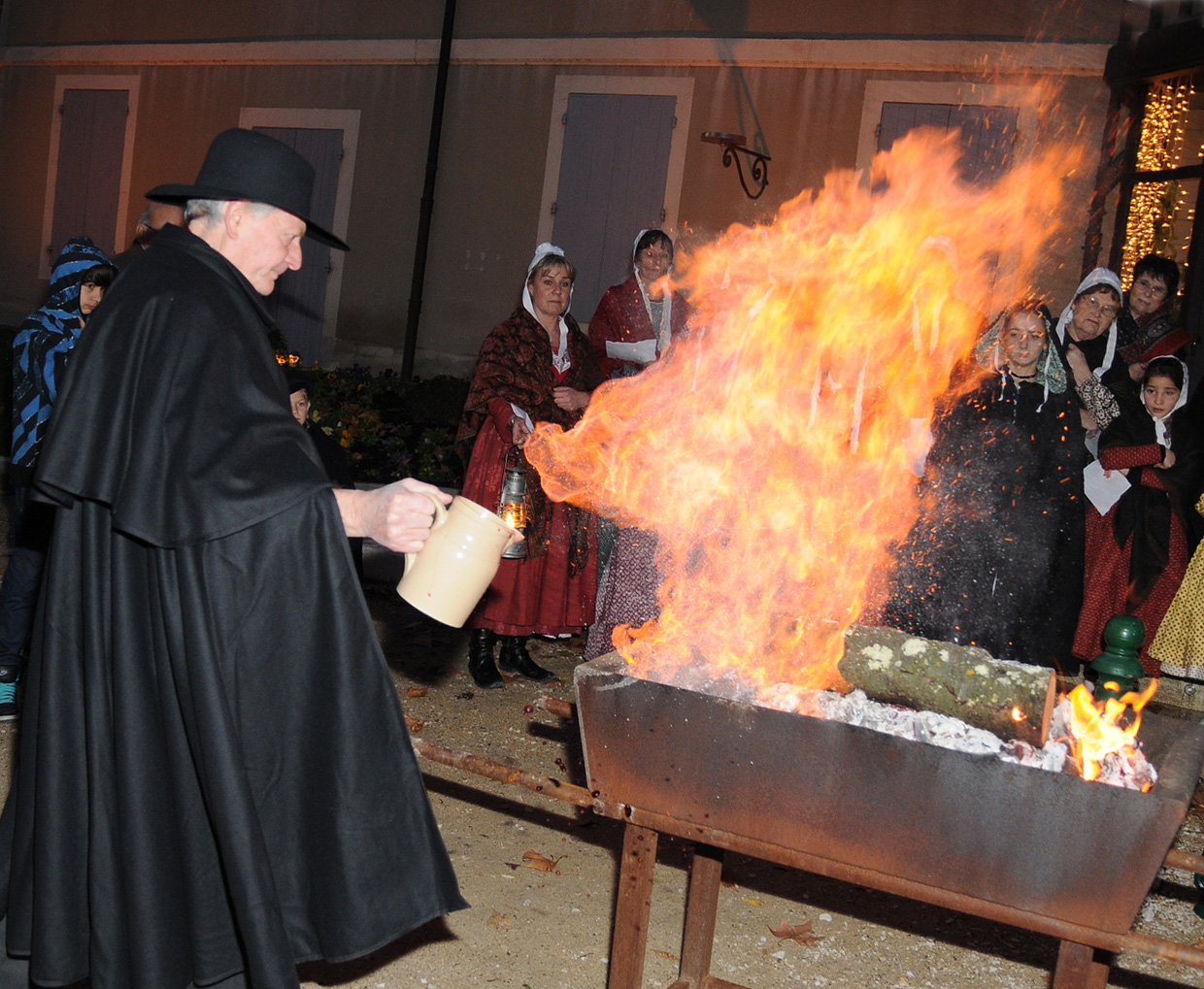
Yule: A Northern Feast Of Midwinter
Father Christmas did not start as a toy-giver. In England, Christmas was personified for centuries, and the figure called Father Christmas rose in the mid-1600s as a symbol of seasonal hospitality and good cheer. When Puritan authorities moved to outlaw traditional festivities, including a 1647 ordinance that abolished Christmas celebrations, royalist writers used Old Father Christmas as a rallying image for warmth, food, and social memory. That fight mattered beyond England: it helped detach the winter figure from church sainthood and recast him as a public mascot, ready to be fused later with Santa’s gift-giving.
ODIN’S WINTER RIDE AND THE EIGHT-LEGGED ECHO
Sleipnir
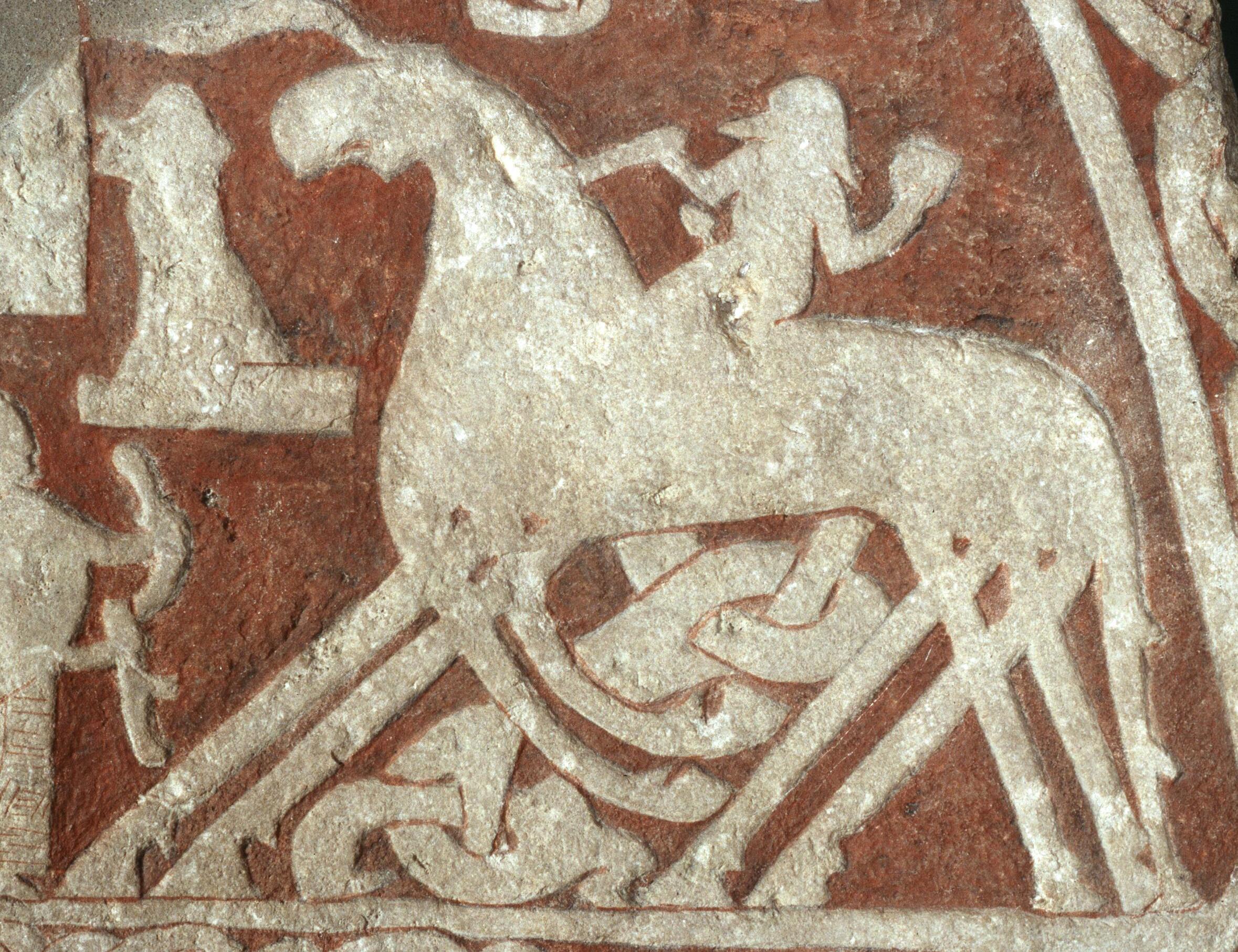
Before Santa had eight reindeer, northern Europe told tales of Odin, also called Jólnir, the Yule figure guiding the Wild Hunt through the winter sky. Folklorists connect this to later Christmas imagery, arguing that as Germanic Europe Christianized, older Yuletide rides and gift-bringer motifs were absorbed rather than erased, altering the costume but preserving the feeling. Even the eight-legged horse figure—eight sometimes rhymes oddly with the season—made a flying team feel plausible. Santa isn’t Odin, but winter folklore often recycles what already feels true. Especially in the dark months.
WHEN THE YULE GOAT WAS THE SCARY GIFT-BRINGER
Yule_Goat
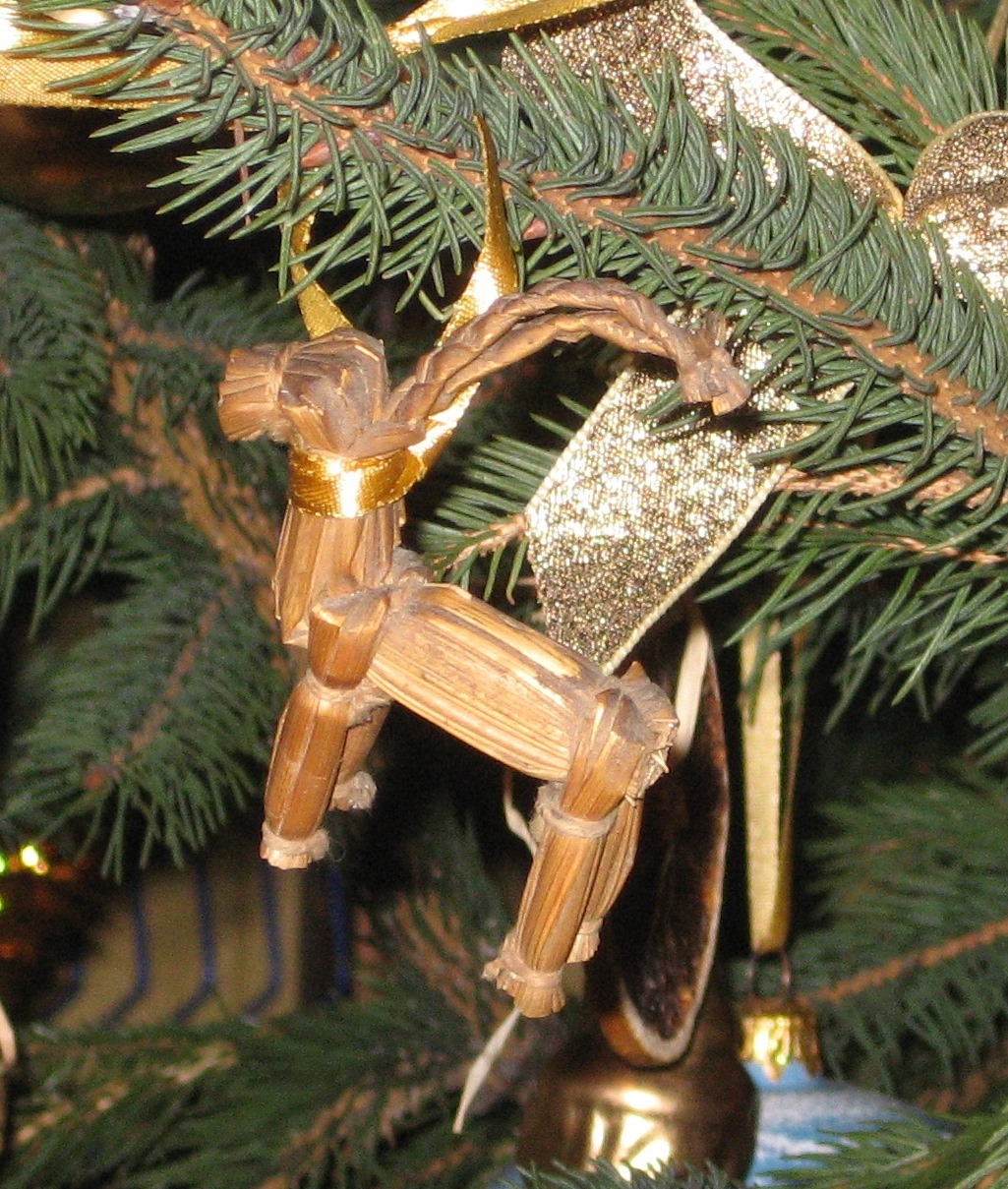
In parts of Scandinavia, the Yule goat was once the boisterous midwinter figure, tied to older pagan imagery and to harvest customs that saved the last sheaf for Yule. In village rounds, costumed groups would visit homes, sing, and press for treats, with the goat character acting bold, noisy, and a little intimidating. By the 1800s, someone might dress as the goat to give presents, and Finland still keeps that memory in the name Joulupukki, literally Yule goat, even though the figure now resembles Santa. It is Santa’s past life, still hiding in the vocabulary. In plain sight.
DUNDER AND BLIXEM, THE DUTCH DNA IN REINDEER
Santa_Claus
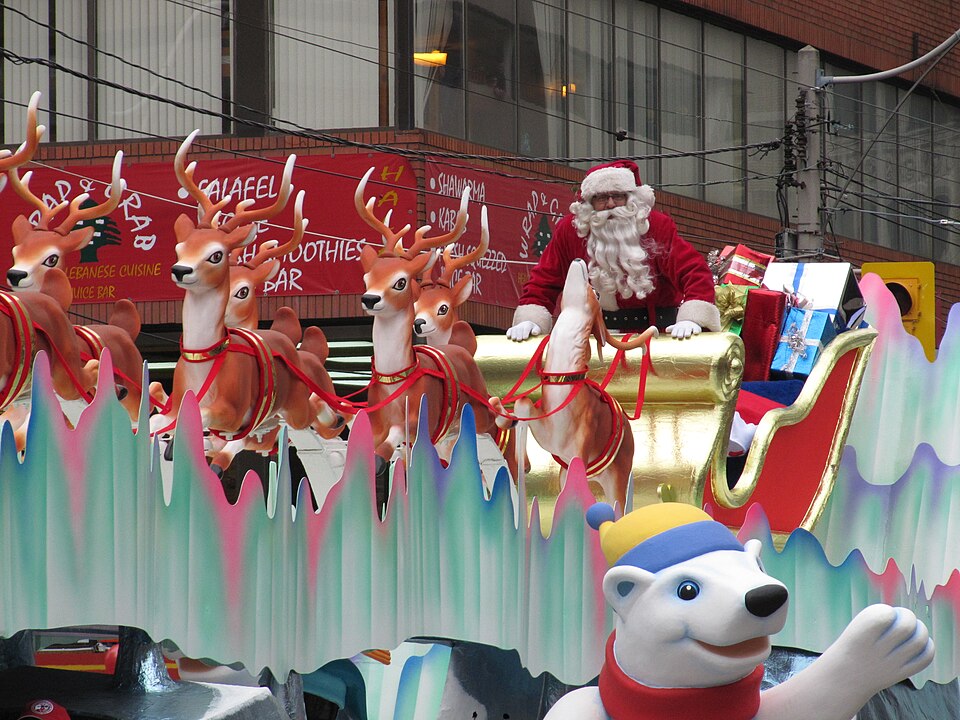
On Dec. 23, 1823, a poem titled “A Visit from St. Nicholas” appeared anonymously in a New York newspaper and fixed the core details: a Christmas Eve visit, a chimney route, and a sleigh pulled by flying reindeer. The verses later became associated with Clement Clarke Moore, though authorship has been debated, and they helped shift Santa from a stricter saint into a cozy household visitor. Early printings even used the names Dunder and Blixem, echoes of Dutch language that later shifted into Donder and Blitzen, preserving New York’s Dutch roots inside the most repeated Christmas rhyme in America. It is history in meter.
A CIVIL WAR SANTA BUILT FOR MORALE
Thomas Nast
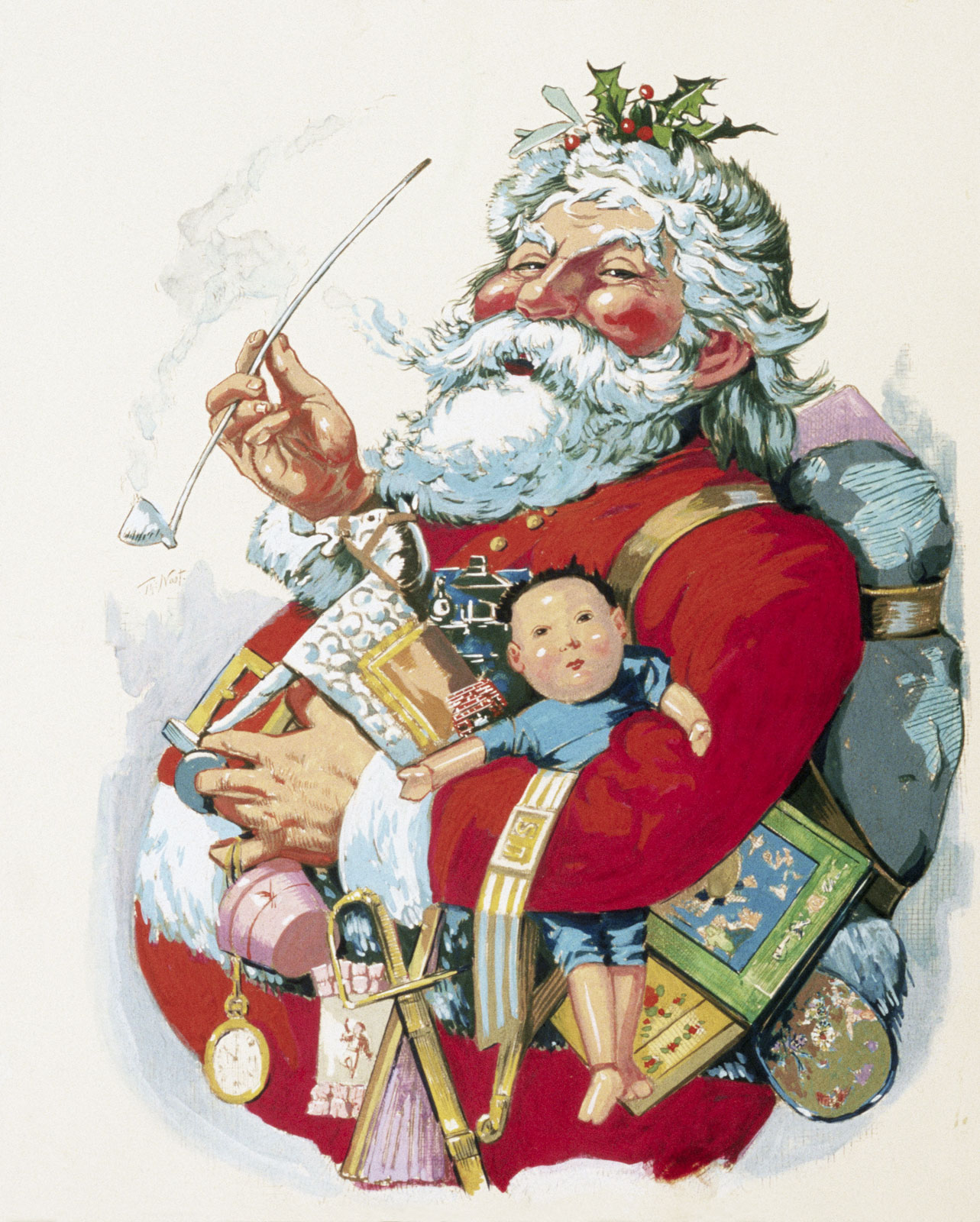
Modern Santa’s look didn’t fully settle until the Civil War era, when cartoonist Thomas Nast drew him for Harper’s Weekly and gave the character a repeatable face. On Jan. 3, 1863, a famous scene places Santa in a Union army camp, handing out gifts while wearing stars and stripes, so readers would know exactly where his loyalties lay. Between the 1860s and 1880s, Nast returned to Santa again and again, gradually adding a North Pole home, a list of children, and a toy workshop. Cheer became morale, printed like propaganda, then remembered as tradition.
THE NORTH POLE ADDRESS WAS AN INVENTION, THEN A HABIT
North Pole, Alaska
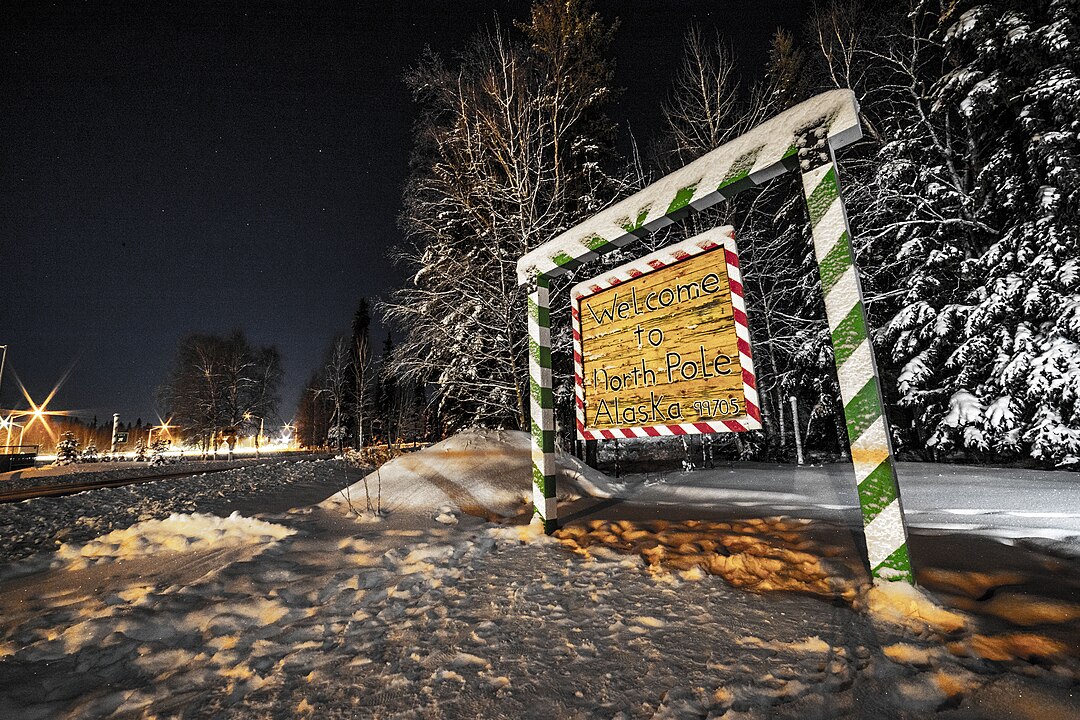
The North Pole address sounds ancient, but it is largely a 19th-century American idea, helped along by illustrators who began placing Santa in a fixed, snowy headquarters. Once Santa had an address, he gained infrastructure: letters, postmarks, lists, helpers, and a workshop narrative that made gift-giving feel like an orderly operation rather than a miracle. That bureaucratic magic is part of the character’s power. A saint gives once; an institution delivers every year, and children can picture the supply chain as clearly as the sleigh, right down to the ledger.
A 1931 AD CAMPAIGN THAT WENT GLOBAL
Santa_Claus

Coca-Cola didn’t create Santa, but the company’s 1931 holiday campaign enlisted illustrator Haddon Sundblom to paint him as warm, human, and consistently red-and-white, insisting on Santa himself, not a man in costume. Those images ran in popular magazines and repeated the same approachable expression year after year, which is how folklore becomes a default. Advertising didn’t build the myth from scratch; it standardized it. A character that once looked different from place to place began to converge into one shared picture, and that image traveled widely with American pop culture.