
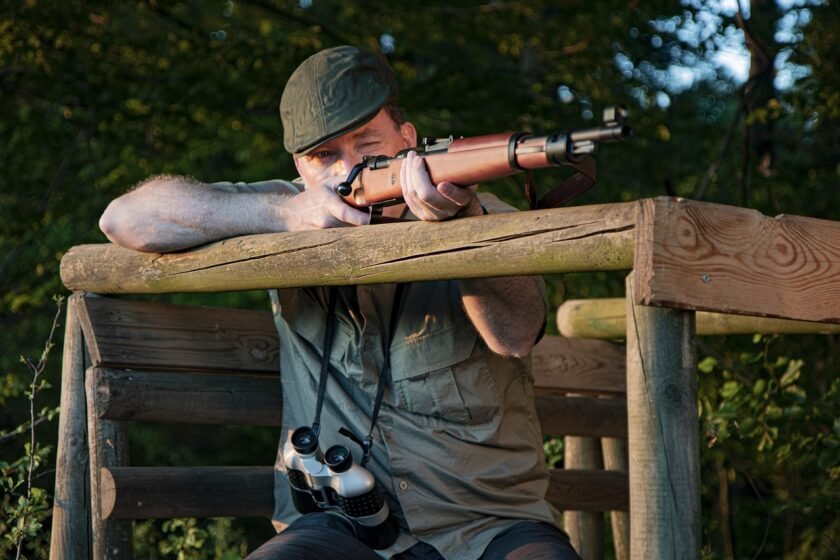
Hunting areas rarely become overused overnight. Pressure builds gradually as more hunters rely on the same access points, trails, and productive spots season after season. Long before game animals disappear completely, the land begins to show subtle warning signs. These indicators appear in animal behavior, habitat condition, and human impact on the landscape. Recognizing them early allows hunters to adapt instead of reacting too late. Overuse does not always mean poor management; it often reflects popularity and convenience. This guide focuses on practical, field-observed signals that reveal excessive hunting pressure. Understanding these signs helps protect long-term opportunity, improve ethical decision-making, and prevent further stress on wildlife populations and habitat quality.
1. Game Animals Become Strictly Nocturnal
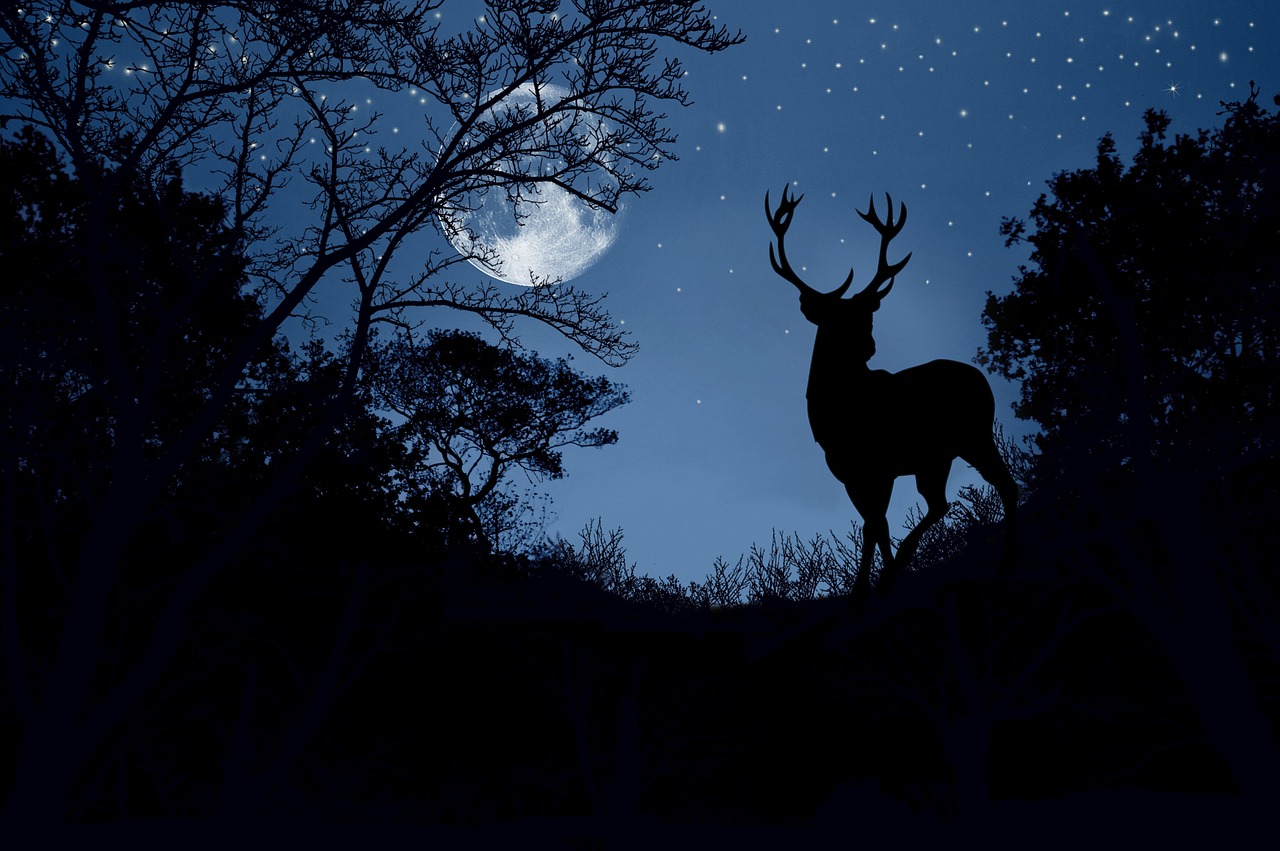
One of the clearest signs of heavy hunting pressure is a dramatic shift in animal movement patterns. Deer, elk, and other game begin moving almost exclusively at night, avoiding daylight activity entirely. This change is not seasonal behavior but a learned survival response. Repeated human presence teaches animals when danger occurs, pushing feeding and travel into darkness. Daytime sightings drop sharply even in areas with good habitat. Trail cameras often show heavy nighttime movement with little daylight activity. A strong visual includes nighttime trail camera images showing animals active only after dark, highlighting how pressure reshapes natural behavior rather than reducing population immediately.
2. Well-Worn Trails Appear in Prime Habitat
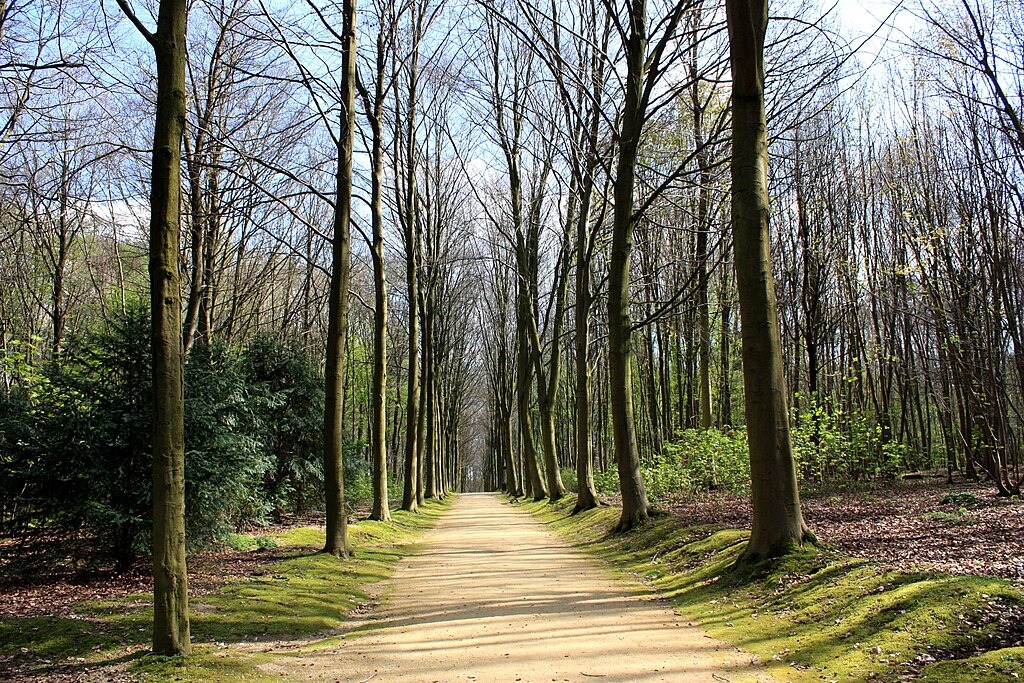
Excessive hunting pressure leaves physical marks on the ground. Informal footpaths develop through bedding areas, travel corridors, and feeding zones as hunters repeatedly access the same spots. These trails are often narrow but clearly defined, cutting through brush and cover that animals once relied on for security. Over time, vegetation becomes trampled, and compacted soil prevents regrowth. Wildlife begins avoiding these areas altogether. A picture-friendly scene shows narrow human-made trails slicing through thick cover, emphasizing repeated foot traffic in locations that should remain undisturbed for wildlife movement and bedding.
3. Increased Human Sign Left Behind
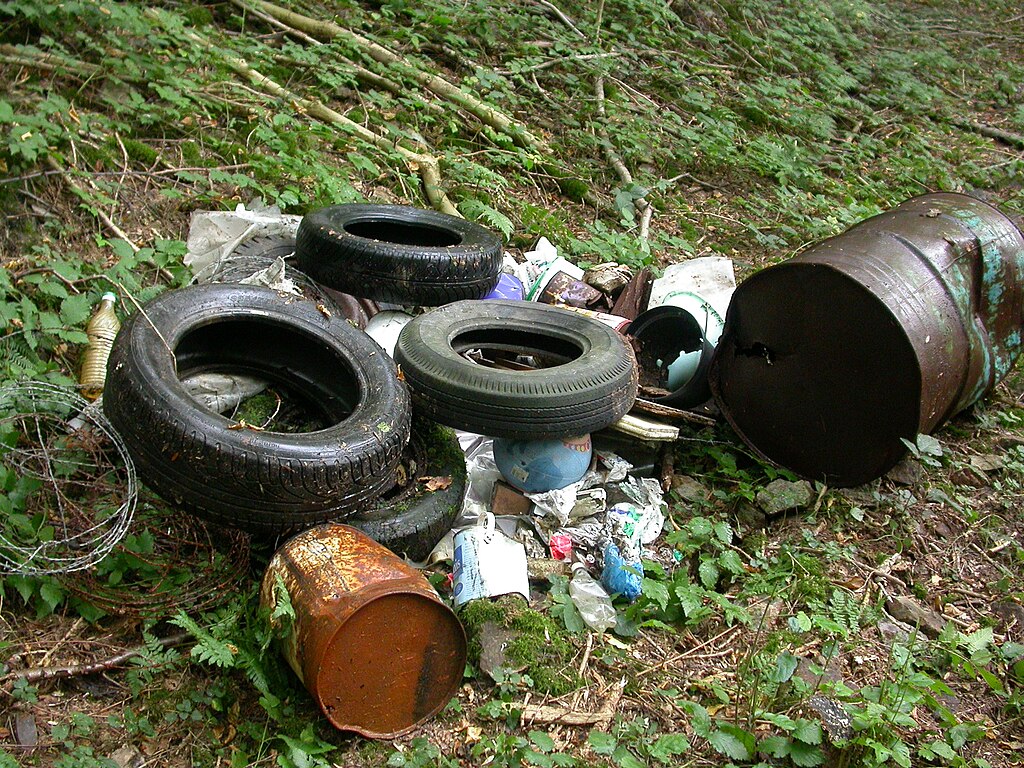
Trash, spent shell casings, flagging tape, and makeshift blinds are strong indicators of overuse. Even ethical hunters leave unavoidable traces when an area sees too much traffic. Broken branches, cut shooting lanes, and damaged trees accumulate quickly. These signs signal constant human presence, making animals wary long before hunters arrive. Wildlife associates these disturbances with danger and shifts away from affected areas. A clear visual shows scattered shell casings or discarded tape near a game trail, reinforcing how human impact builds over time and alters animal confidence in otherwise suitable habitat.
4. Animals React at Greater Distances
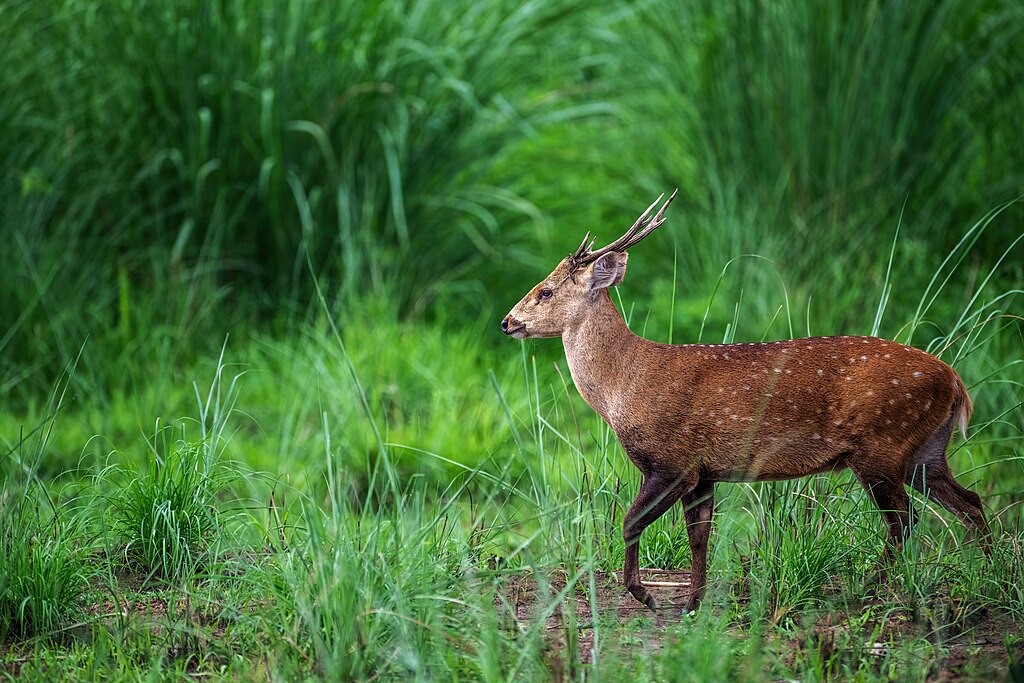
In overhunted areas, game animals spook at much greater distances than expected. Deer bolt at faint sounds, birds flush early, and animals abandon cover long before hunters get close. This heightened alertness comes from repeated negative encounters. Animals learn to associate subtle cues with danger, leaving little margin for stealth. Even careful approaches fail because animals are conditioned to flee early. A picture-friendly example includes a hunter observing deer fleeing across open ground from far away, illustrating how pressure sharpens survival instincts beyond normal wariness.
5. Traditional Hotspots Stop Producing
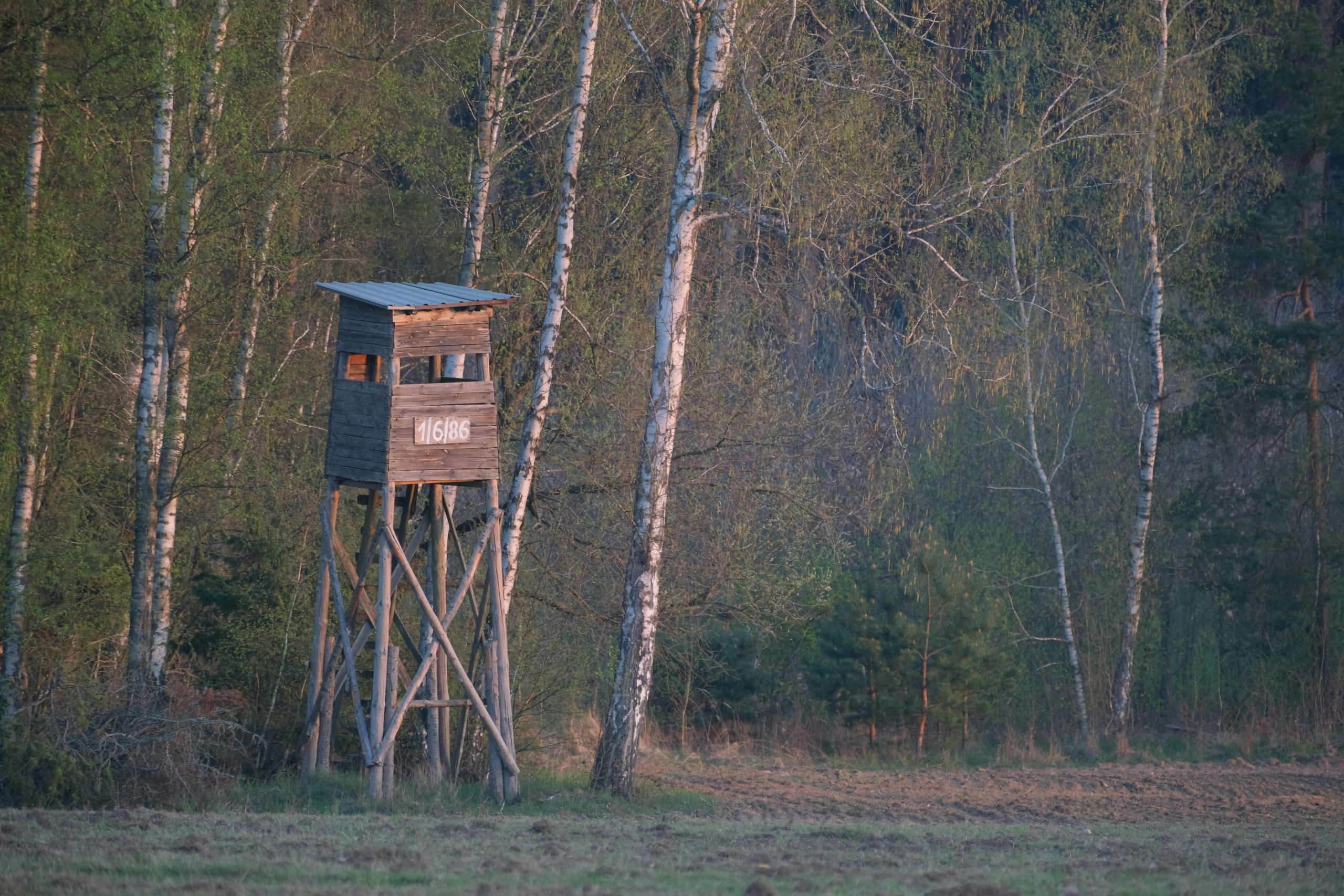
Locations that once consistently held game often decline first under pressure. Popular stands, ridgelines, funnels, and water sources become predictable to both hunters and animals. Wildlife adapts by avoiding these spots entirely or passing through quickly at night. While habitat quality remains unchanged, success drops sharply. This pattern indicates pressure rather than population loss. A strong visual shows an empty treestand overlooking a classic funnel or clearing, reinforcing how repeated human use teaches animals to abandon even ideal terrain.
6. Access Points Show Heavy Repeated Use
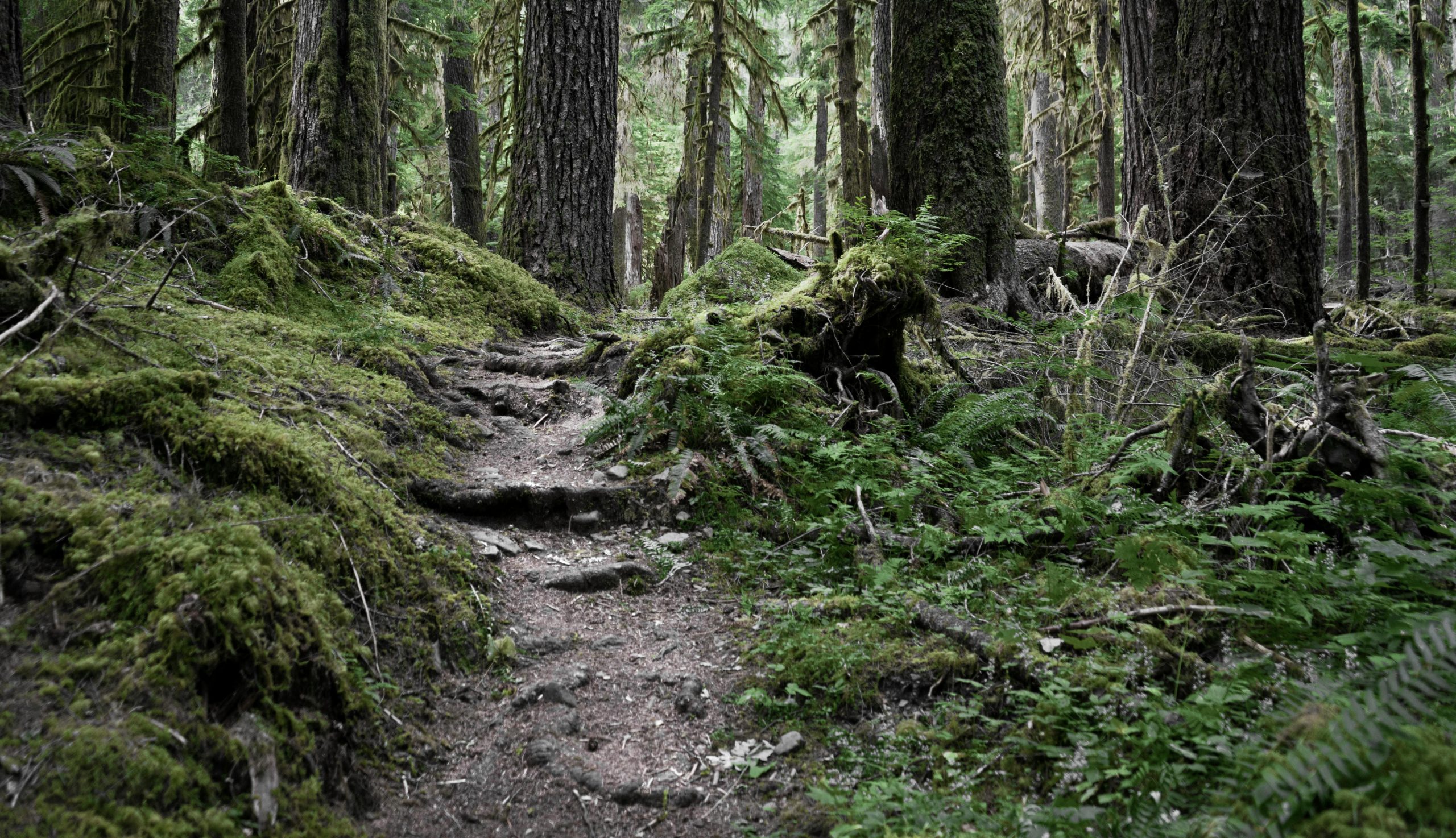
Overused hunting areas often reveal pressure at entry points long before deeper signs appear. Parking spots widen, vegetation near gates disappears, and multiple boot paths branch off from the same trailhead. These access points funnel hunters into predictable routes, increasing repeated disturbance along the same corridors. Wildlife quickly learns to avoid areas near roads and trails, shrinking usable habitat. Even remote sections suffer when access concentrates movement. A picture-friendly visual shows a muddy parking pull-off with trampled grass and multiple footpaths leading into the woods, clearly illustrating how repeated access compresses both hunter movement and animal security zones.
7. Game Avoids Obvious Terrain Features
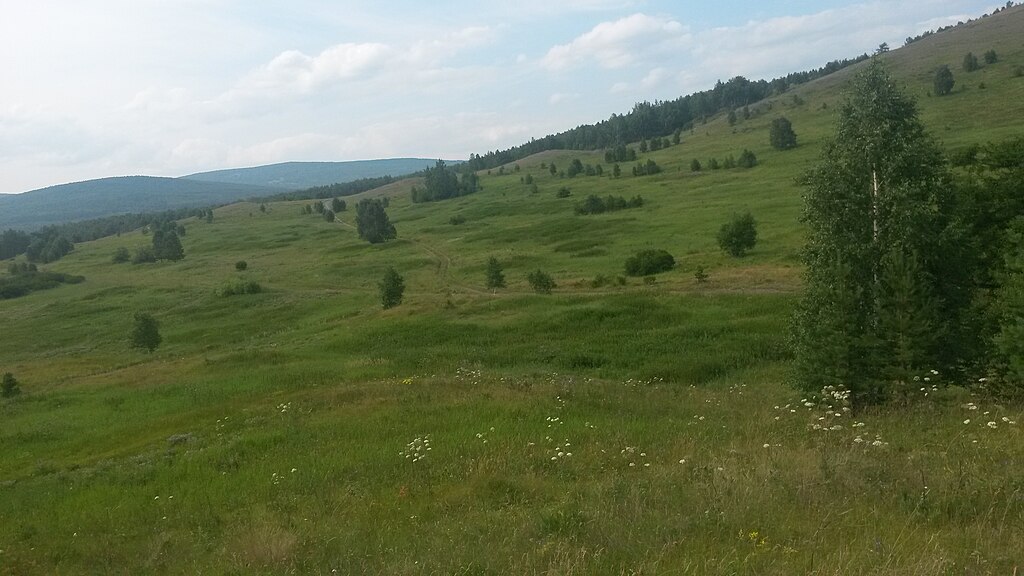
In lightly pressured areas, animals naturally use ridges, saddles, creek crossings, and funnels. In overhunted locations, these classic features become avoidance zones. Animals detour around them, travel lower or thicker cover, and move unpredictably to avoid interception. This behavior reflects learned avoidance rather than random movement. Hunters relying on traditional terrain theory often struggle here. A clear visual includes an empty saddle or ridge trail with no fresh sign, emphasizing how animals abandon textbook movement routes once pressure becomes consistent and predictable.
8. Daytime Sign Becomes Old or Sparse
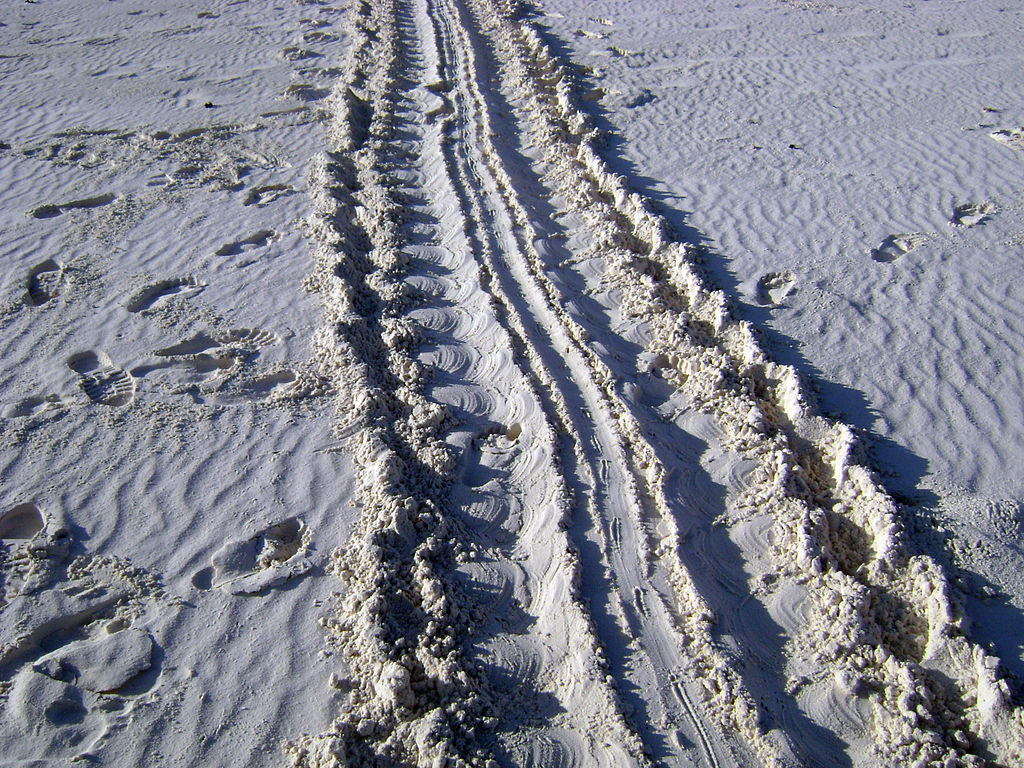
Fresh tracks, droppings, and rubs during daylight hours become rare in overused areas. Signs may still exist, but they often appear older, scattered, or limited to nighttime movement corridors. This indicates animals are present, but minimizing exposure. Hunters mistake this for low population when it is actually behavioral avoidance. A picture-friendly image shows faint, aged tracks along a trail compared to a fresh overnight sign, reinforcing how pressure alters timing rather than eliminating animals from the landscape.
9. Animals Shift Into Poorer Habitat
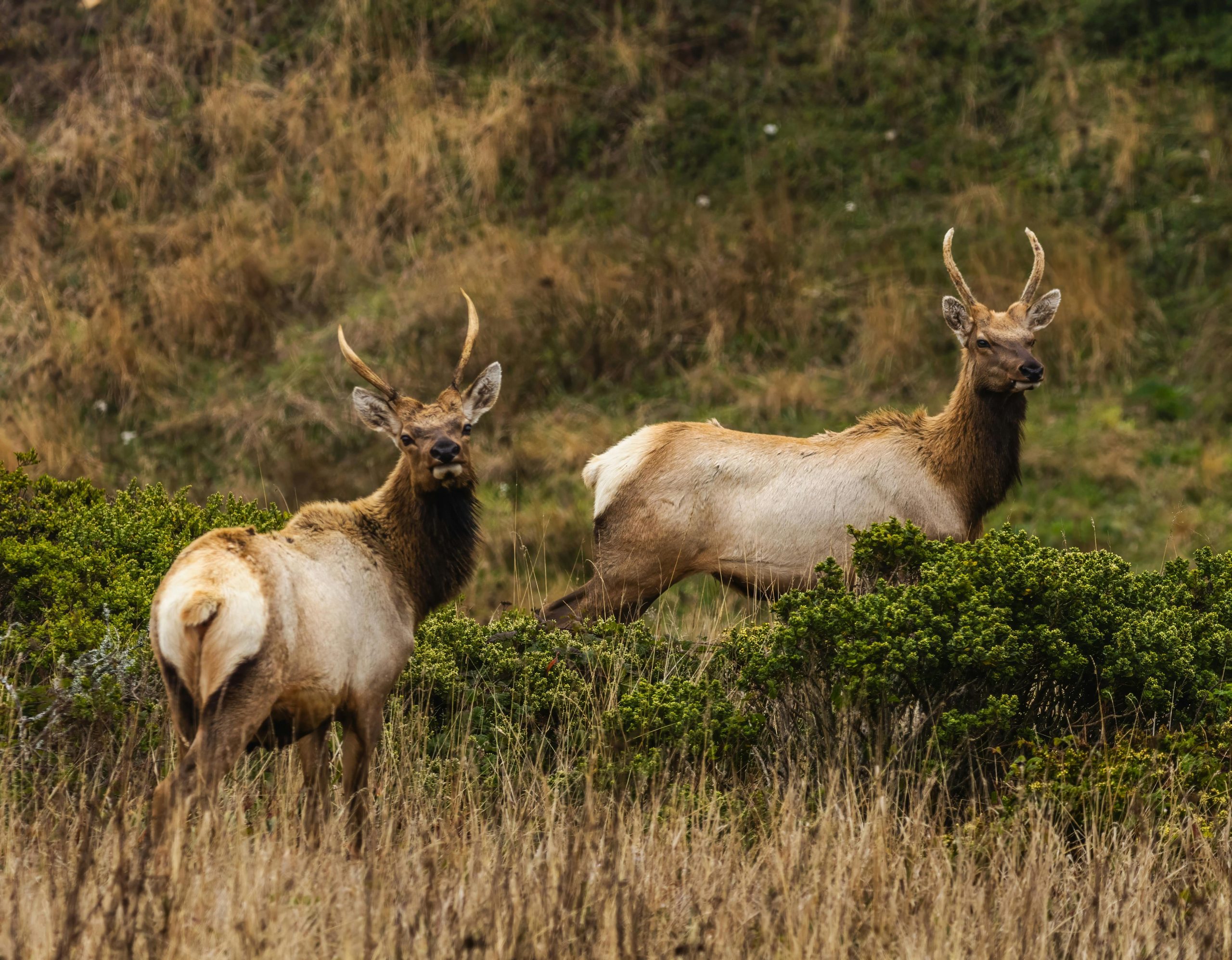
When pressure increases, game animals often retreat into less desirable areas for safety. Steep slopes, thick brush, swampy ground, or wind-exposed terrain suddenly hold more activity than ideal feeding zones. These locations offer security rather than comfort. Animals prioritize survival over efficiency. A strong visual shows dense, tangled cover or rough terrain holding fresh sign, illustrating how pressure forces wildlife into marginal areas hunters often overlook.
10. Success Drops Despite Consistent Effort
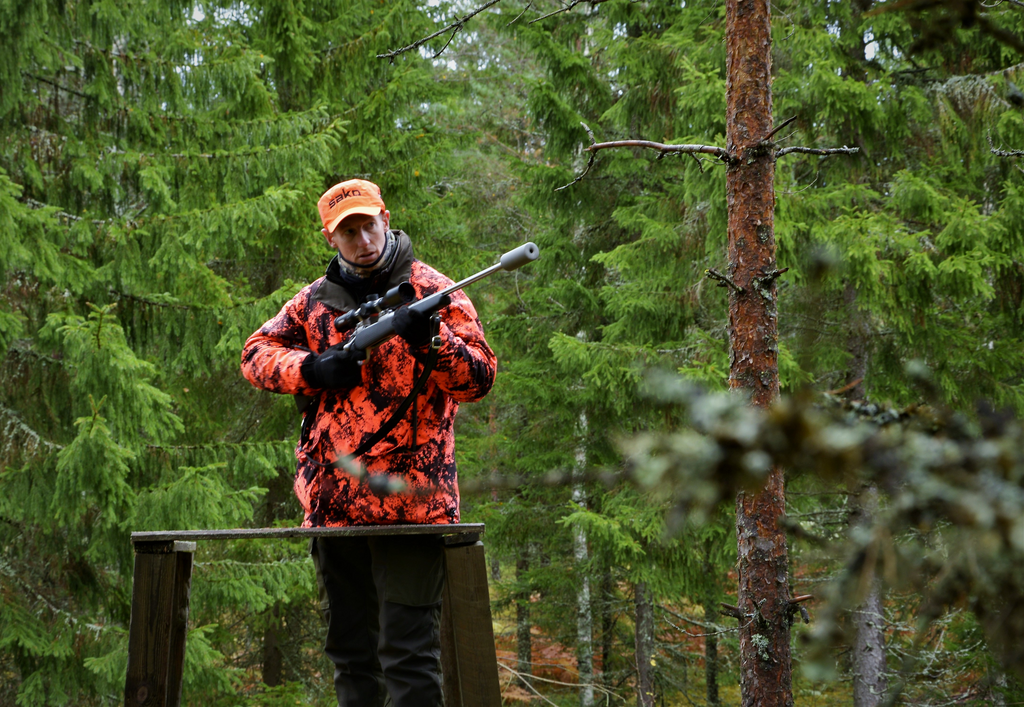
Perhaps the clearest indicator of overuse is declining success even when effort, timing, and conditions remain favorable. Hunters follow proven strategies yet see fewer encounters and opportunities. This pattern reflects cumulative pressure rather than personal failure. Animals adapt faster than routines change. Recognizing this sign allows hunters to adjust locations, rotate pressure, or rest areas entirely. A picture-friendly closing image shows a hunter overlooking quiet terrain at sunrise, emphasizing reflection, adaptation, and the importance of recognizing when land needs relief.
The post 10 Signs Your Hunting Area Is Being Overused by Other Hunters appeared first on Bushcraft Base Camp.