
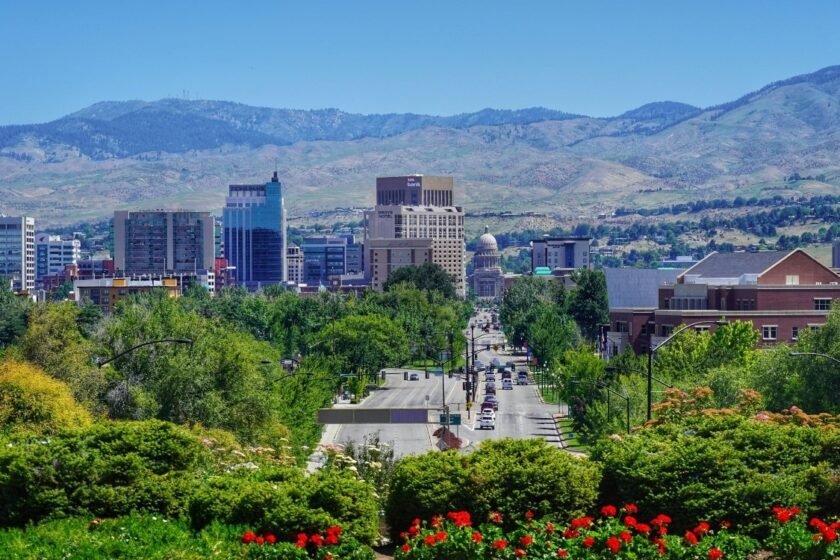
Across America, small cities are experiencing a renaissance fueled by affordability, innovation, and cultural revival. According to U.S. News & World Report, young professionals, remote workers, and entrepreneurs are leaving major metros for smaller communities offering a quality of life without the high costs. These cities are blending small-town charm with big-city energy through growing tech sectors, arts scenes, and sustainable development. From the Southeast to the Pacific Northwest, these emerging hubs are shaping America’s next chapter of urban growth, opportunity, and creativity. Here are ten cities ready to shine.
1. Bentonville, Arkansas
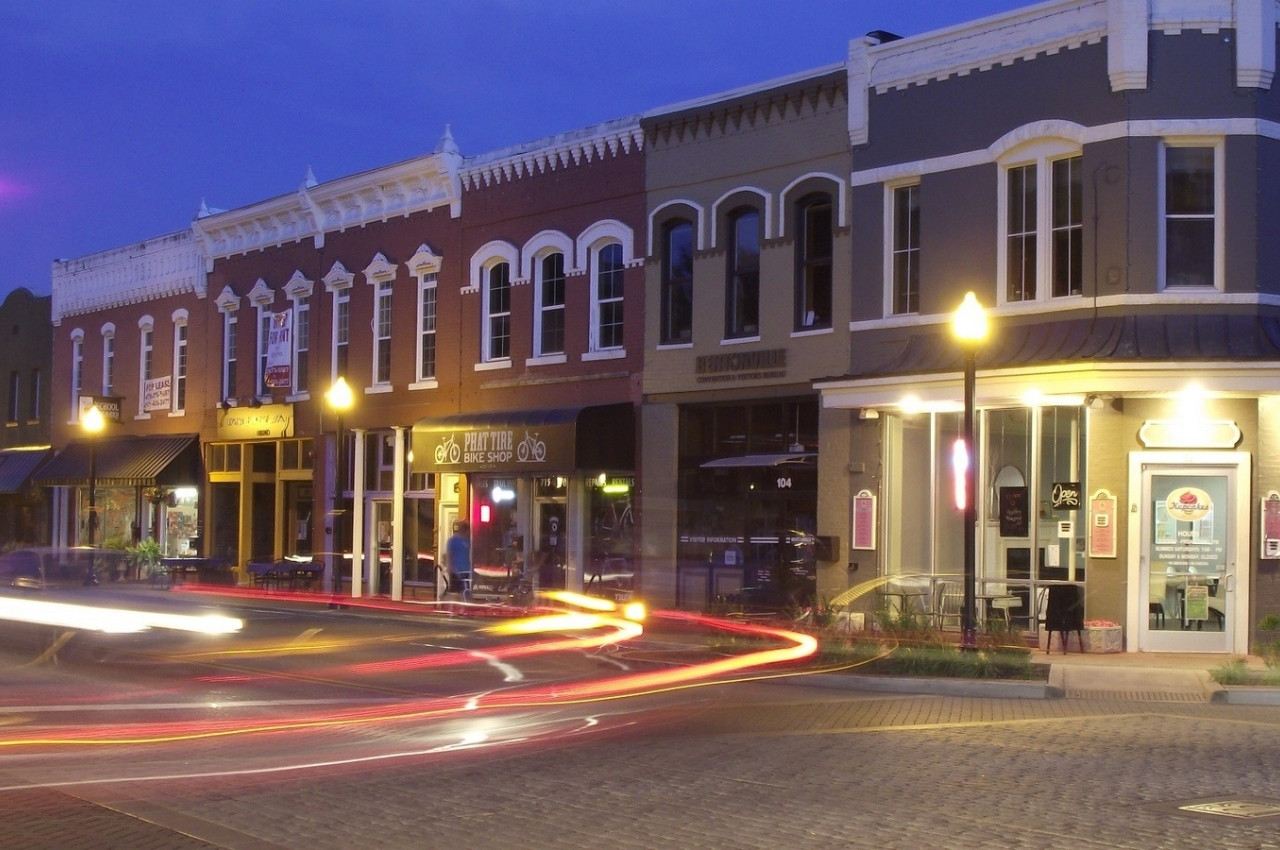
Once known mainly as Walmart’s headquarters, Bentonville has evolved into a cultural and entrepreneurial hub. The Crystal Bridges Museum of American Art, founded by Alice Walton, has transformed its identity, attracting artists and tech workers. According to Forbes, startups are flourishing alongside a vibrant food scene and outdoor trails. The city’s affordability and investment in innovation have made it one of the South’s most dynamic destinations. Bentonville now combines corporate might with small-town warmth, creating a model for sustainable regional growth that balances economy and community values.
2. Boise, Idaho
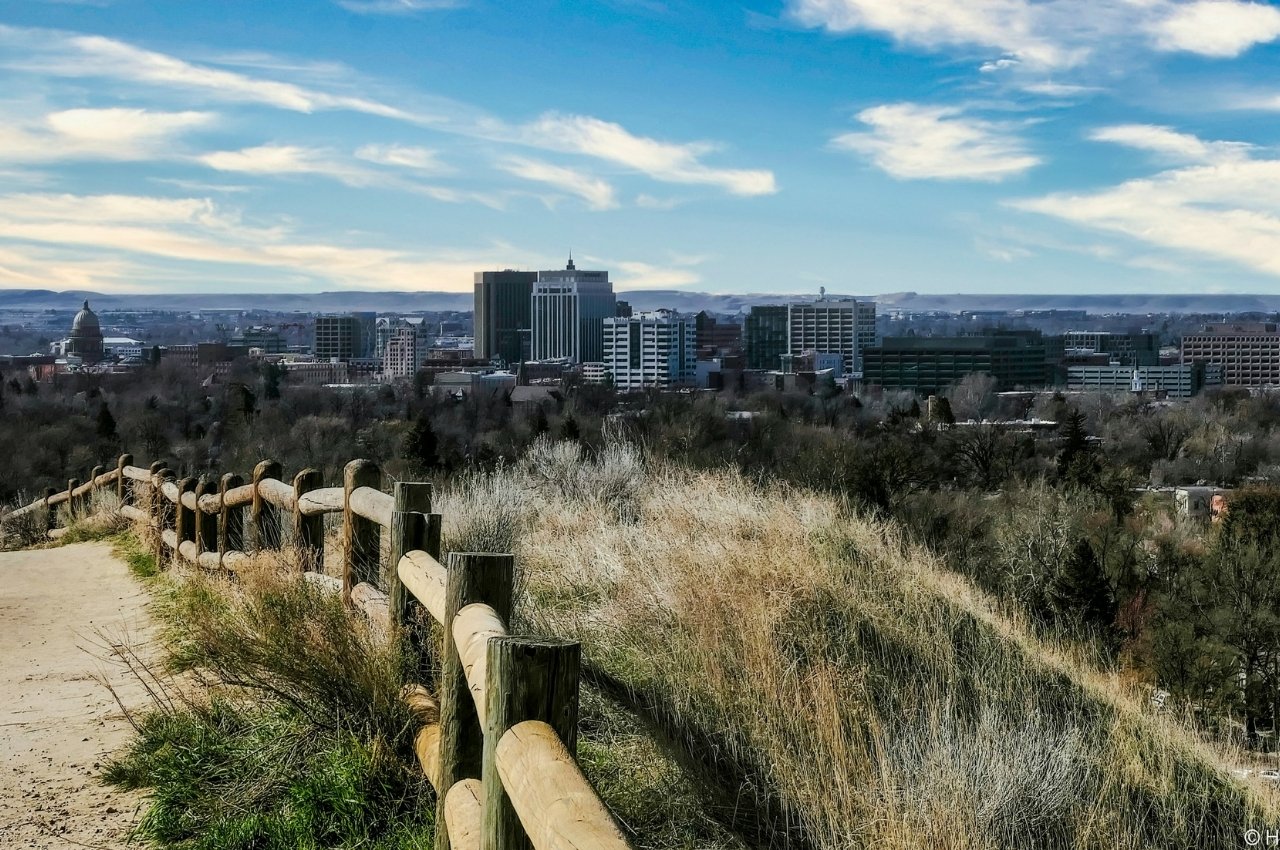
Boise has quietly become one of the fastest-growing cities in the United States. With a strong job market, scenic surroundings, and a thriving downtown, it appeals to both families and young professionals. According to The Atlantic, the city’s mix of outdoor recreation and tech development has made it a magnet for remote workers seeking balance. Its universities and startup accelerators are fueling a creative economy. Boise’s welcoming community and focus on livability continue to attract newcomers looking for affordable growth and a high quality of life.
3. Greenville, South Carolina
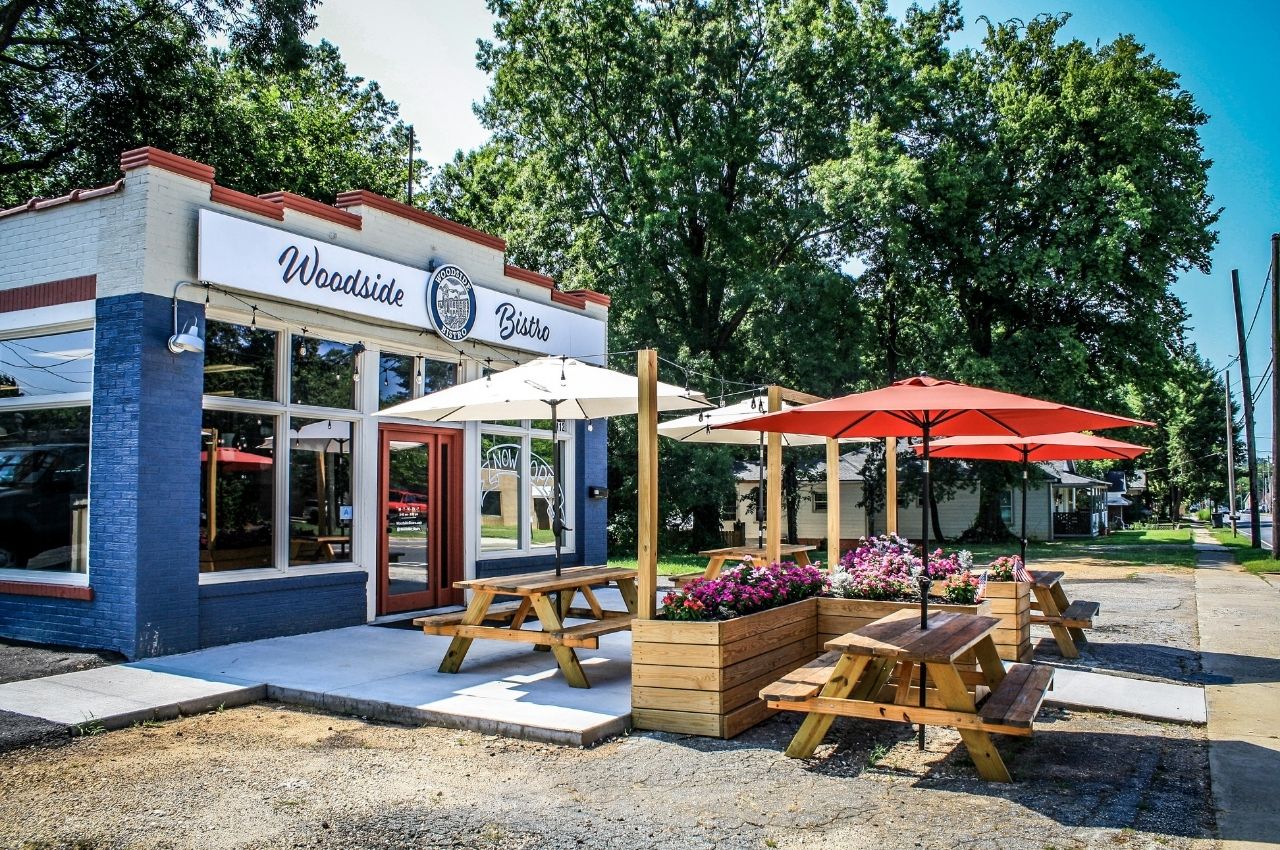
Greenville’s resurgence is rooted in smart urban planning and investment in its historic downtown. Once an industrial hub, it has reinvented itself with walkable streets, boutique hotels, and public art spaces. According to Southern Living, the city’s culinary scene rivals larger metros, while nearby mountains offer outdoor adventure. Greenville has successfully balanced modernization with Southern hospitality, drawing both retirees and young professionals. Its blend of culture, commerce, and natural beauty positions it as one of the Southeast’s most promising urban success stories in the coming years.
4. Spokane, Washington
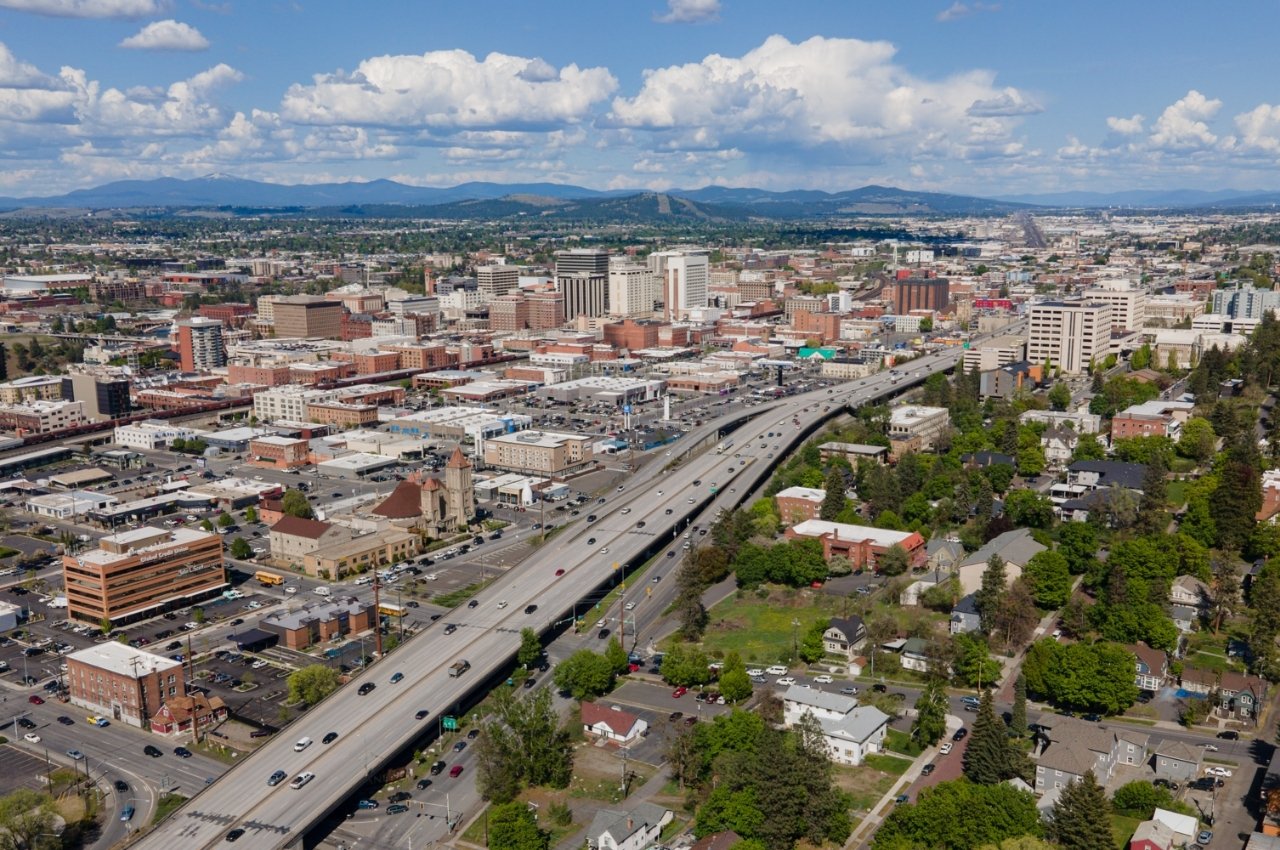
Spokane has become a Pacific Northwest alternative to crowded Seattle and Portland. According to The Seattle Times, the city’s lower costs, growing healthcare sector, and revitalized downtown are drawing new residents and investors. Its historic architecture, craft breweries, and green spaces make it appealing to those seeking authenticity over congestion. The local government’s emphasis on sustainable growth and innovation is fueling real estate and small business booms. Spokane’s steady transformation shows how midsize cities can thrive by focusing on livability, community engagement, and balanced economic development.
5. Des Moines, Iowa
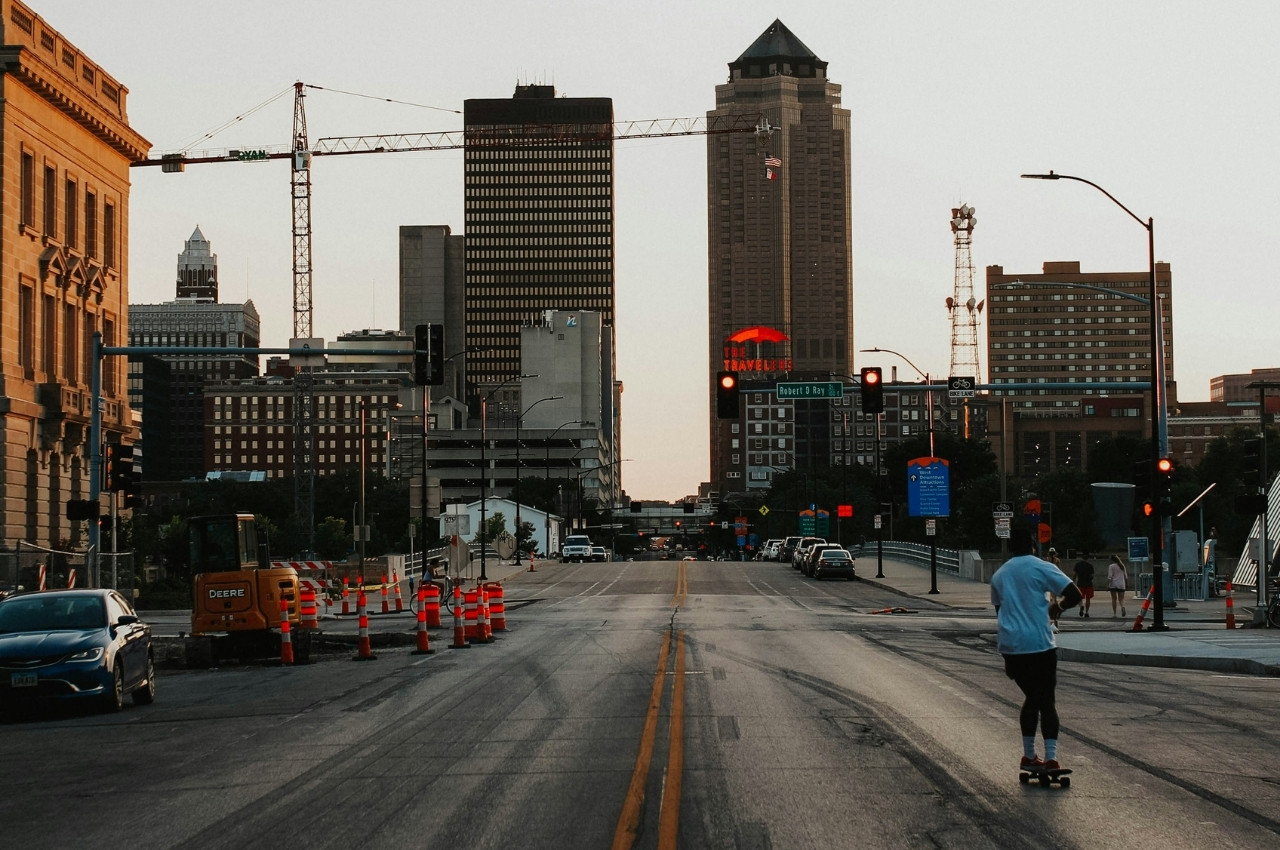
Des Moines is proving that the Midwest can compete with coastal innovation hubs. According to Business Insider, it offers one of the best cost-of-living-to-income ratios in the nation while fostering a growing financial technology sector. The city’s cultural revival includes music festivals, art galleries, and trendy eateries. With strong infrastructure and public safety, Des Moines appeals to families and entrepreneurs alike. Its strategic location, educated workforce, and investment-friendly environment make it a blueprint for the future of smaller, balanced American cities with sustainable growth and opportunity.
6. Chattanooga, Tennessee
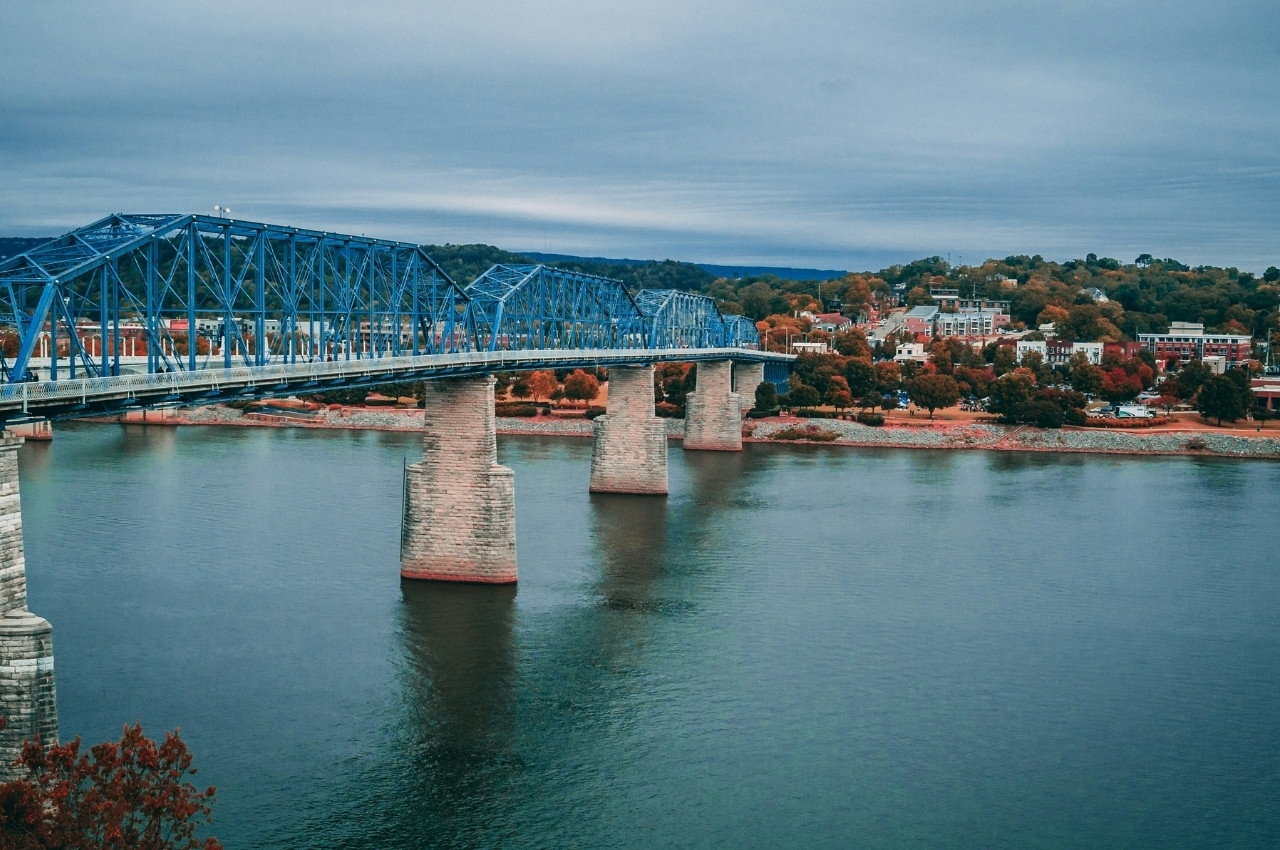
Chattanooga’s transformation from an industrial past to a digital powerhouse is remarkable. According to Wired, it became one of the first U.S. cities with citywide gigabit internet, fueling a thriving startup ecosystem. The Tennessee Riverfront and outdoor attractions add to its appeal, while historic preservation keeps its identity intact. The city’s focus on clean energy and innovation has earned national recognition. With a growing creative class and booming tourism industry, Chattanooga demonstrates how technology and nature can coexist in shaping America’s new urban frontiers.
7. Madison, Wisconsin
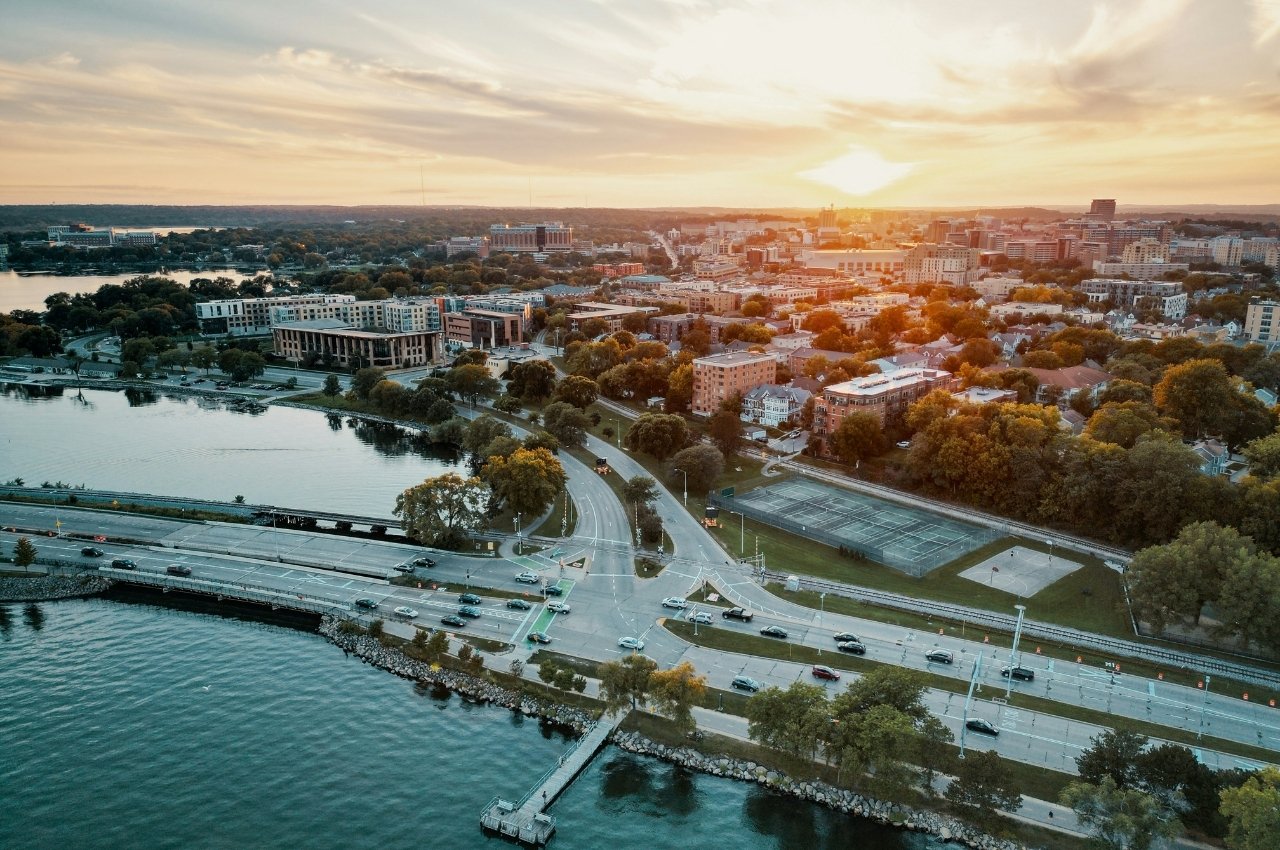
Madison blends academic influence, green living, and community innovation. Home to the University of Wisconsin, it boasts one of the nation’s highest education levels and a thriving biotech industry. According to USA Today, the city’s bike-friendly infrastructure, local markets, and progressive policies attract young professionals. Its balance of culture and commerce creates a vibrant, sustainable environment. Madison’s mix of lakeside beauty, strong economy, and inclusive values makes it one of the Midwest’s most livable and forward-thinking small cities, shaping the future of urban America.
8. Fayetteville, Arkansas
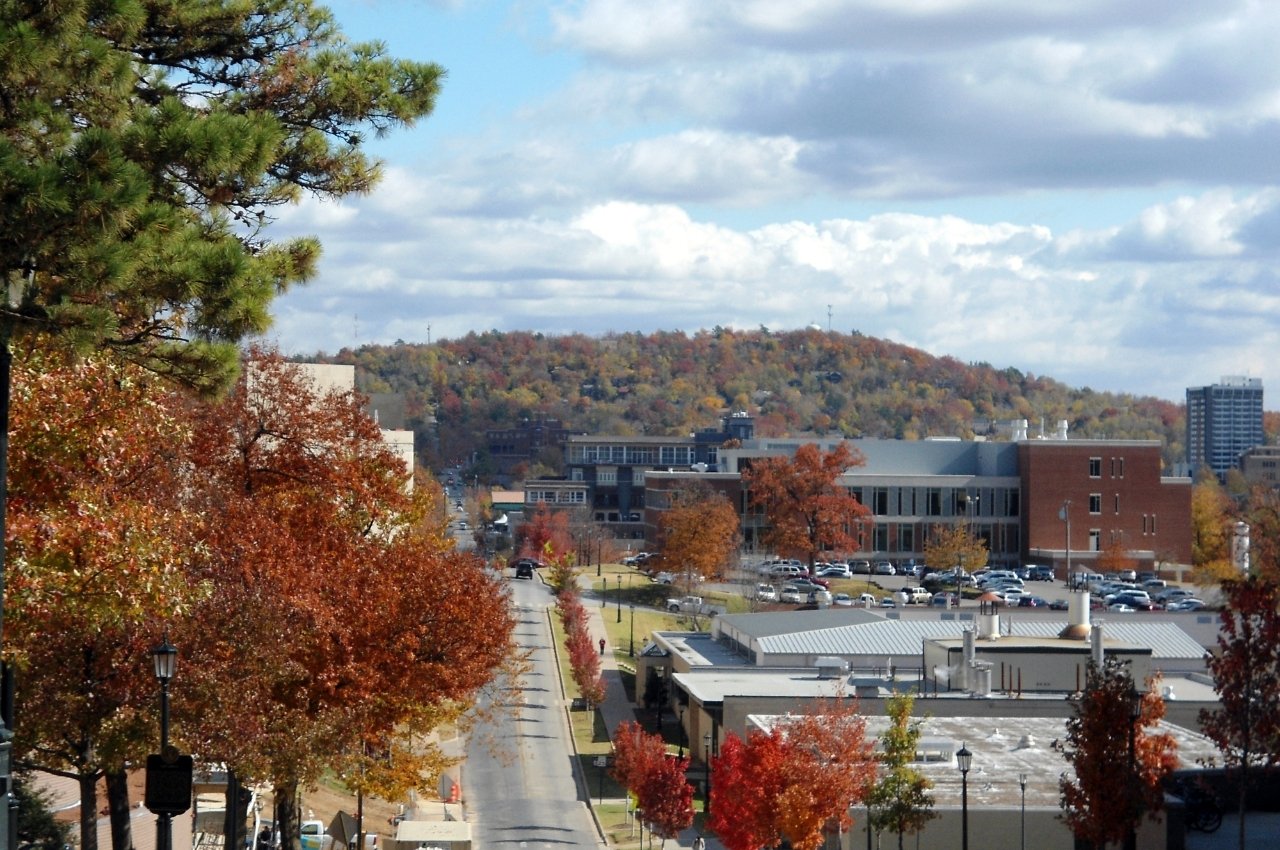
Fayetteville, located in the Ozark Mountains, is quickly becoming one of the most livable cities in the South. According to Money Magazine, it offers a low cost of living, scenic landscapes, and a growing university-driven economy. Its downtown square hosts farmers’ markets, festivals, and music events year-round. The city’s investment in green spaces and cycling infrastructure has boosted tourism and wellness industries. Fayetteville’s rise shows how education, creativity, and sustainability can combine to create an appealing alternative to larger, more congested urban centers.
9. Grand Rapids, Michigan
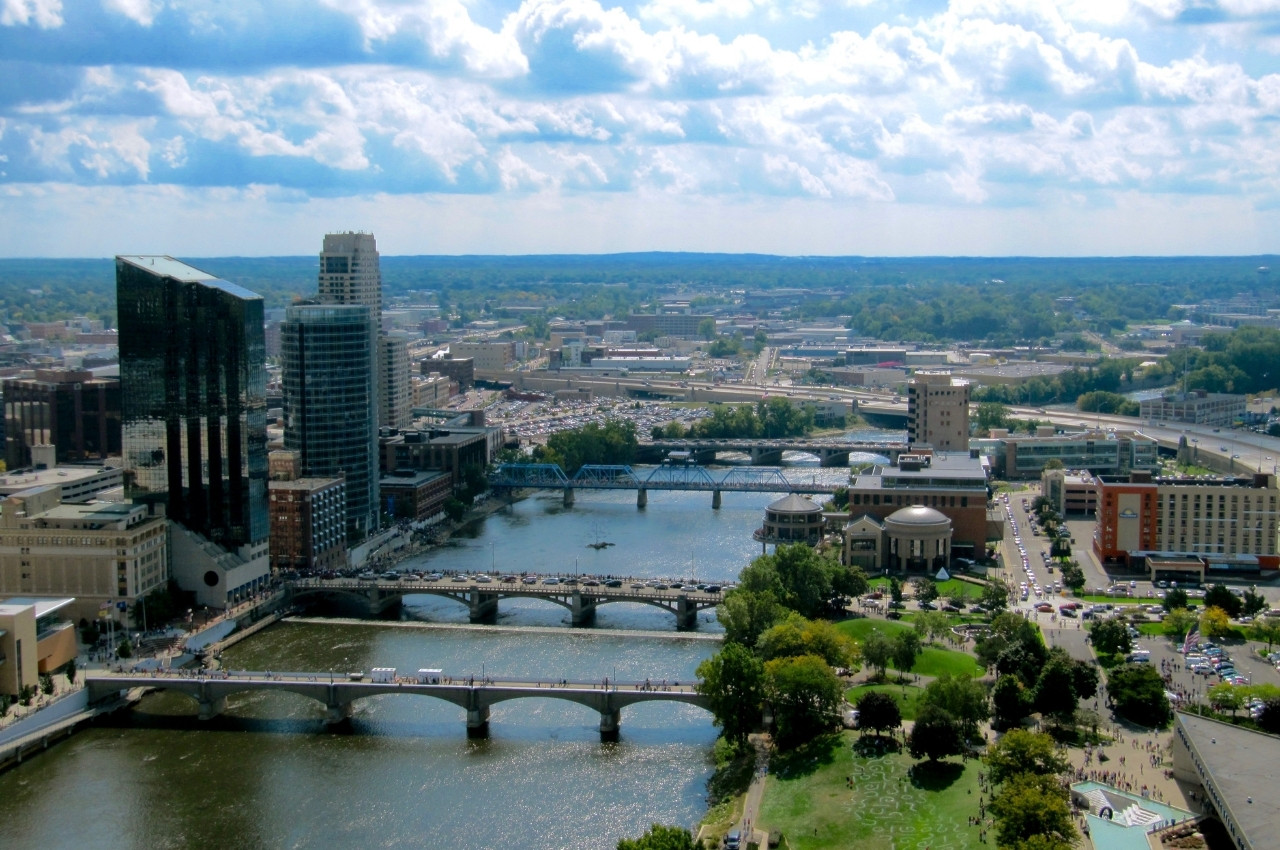
Grand Rapids has reinvented itself through innovation in art, manufacturing, and sustainability. According to Forbes, the city has become a leader in furniture design and craft brewing while maintaining a strong industrial base. Its annual ArtPrize festival draws international attention and boosts local tourism. Grand Rapids’ commitment to clean energy and entrepreneurship has made it a magnet for young professionals. Its blend of affordability and creativity has turned it into one of the Midwest’s most resilient cities, redefining what post-industrial success can look like.
10. Santa Fe, New Mexico
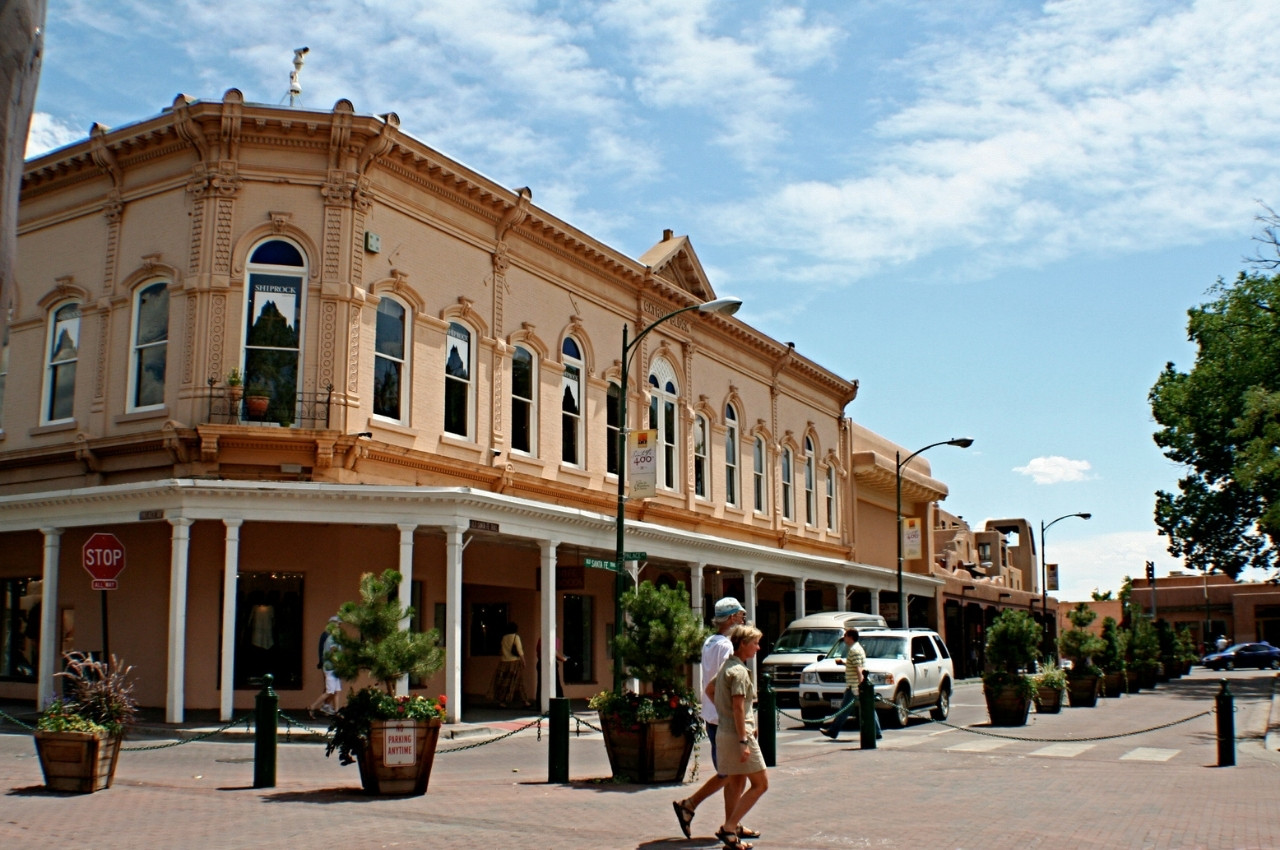
Santa Fe’s artistic heritage and natural beauty continue to attract a new generation of residents. According to Travel + Leisure, its mix of Native American, Hispanic, and Anglo influences has created a unique cultural identity. The city’s focus on sustainability, organic cuisine, and creative industries has driven steady growth. Santa Fe’s slower pace and spiritual ambiance make it appealing to remote workers seeking inspiration and balance. With art galleries, mountain views, and a strong sense of place, it remains a timeless yet evolving small-city gem.