

Bear encounters have increased across several American states as habitats overlap and food sources shift. Wildlife agencies track reports to understand patterns and reduce conflict. Rangers emphasize awareness rather than fear when discussing these changes. Most encounters involve curious bears searching for calories, not aggression. Human behavior often determines outcomes more than animal intent. Improper food storage, unsecured trash, and outdoor feeding attract wildlife. Seasonal droughts and development also influence movement. This overview highlights ten states reporting rising bear encounters and summarizes ranger guidance. Each example reflects local conditions and practical safety advice grounded in field experience. Shared awareness supports coexistence.
California
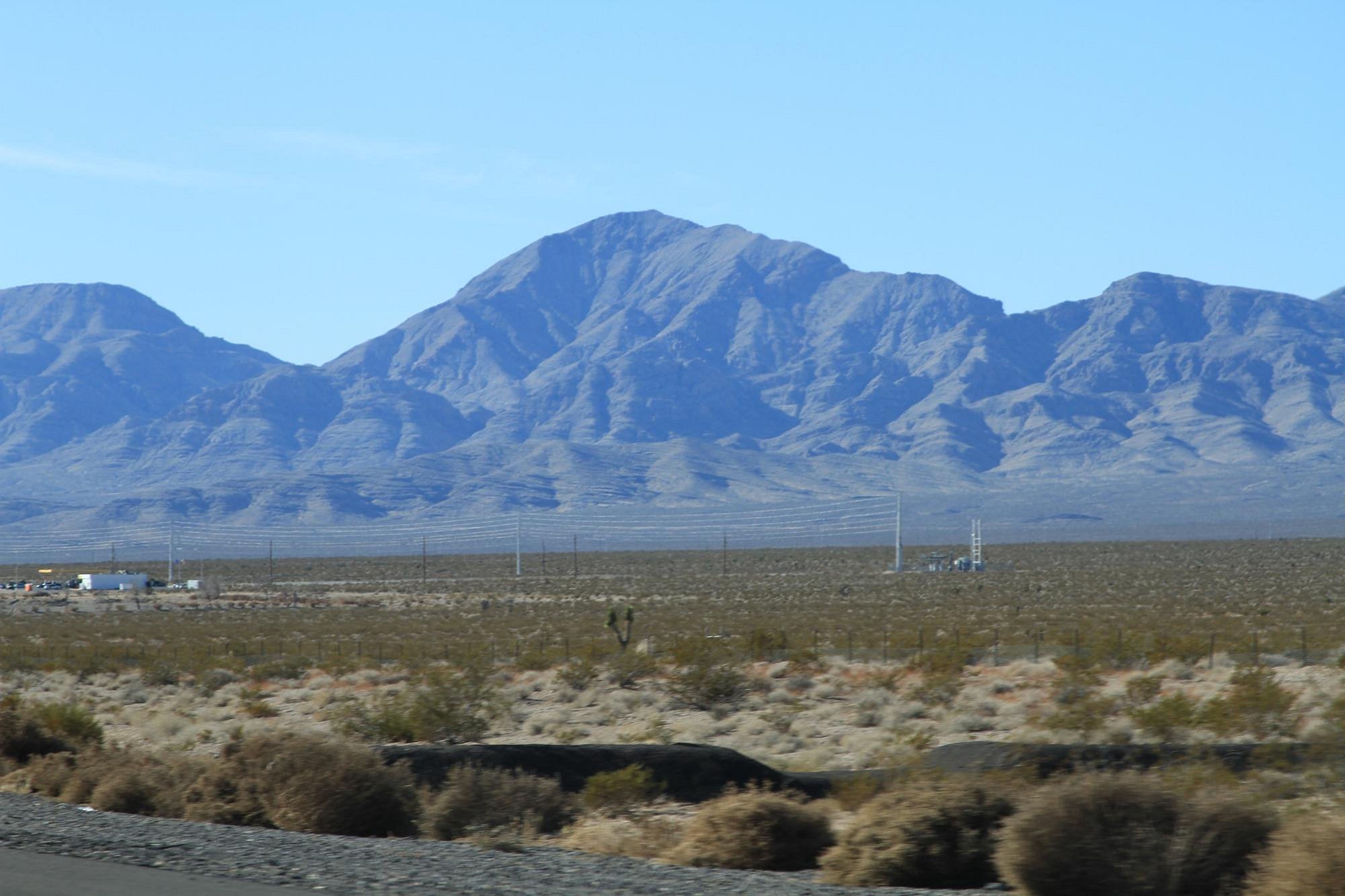
California reports increased black bear encounters in mountain and suburban communities statewide. Rangers note expanding development near forests increases overlap. Drought reduces natural food availability, pushing bears toward neighborhoods. Most incidents involve trash access or bird feeders. Officials advise securing garbage in bear-resistant containers. Removing attractants remains the most effective prevention strategy. Residents should keep a distance and never approach cubs. Making noise while hiking reduces surprise encounters. Education programs stress coexistence rather than relocation. California emphasizes shared responsibility across communities. Reporting sightings helps track movement patterns. Rangers discourage feeding wildlife under any circumstances. Fines apply for violations.
Colorado
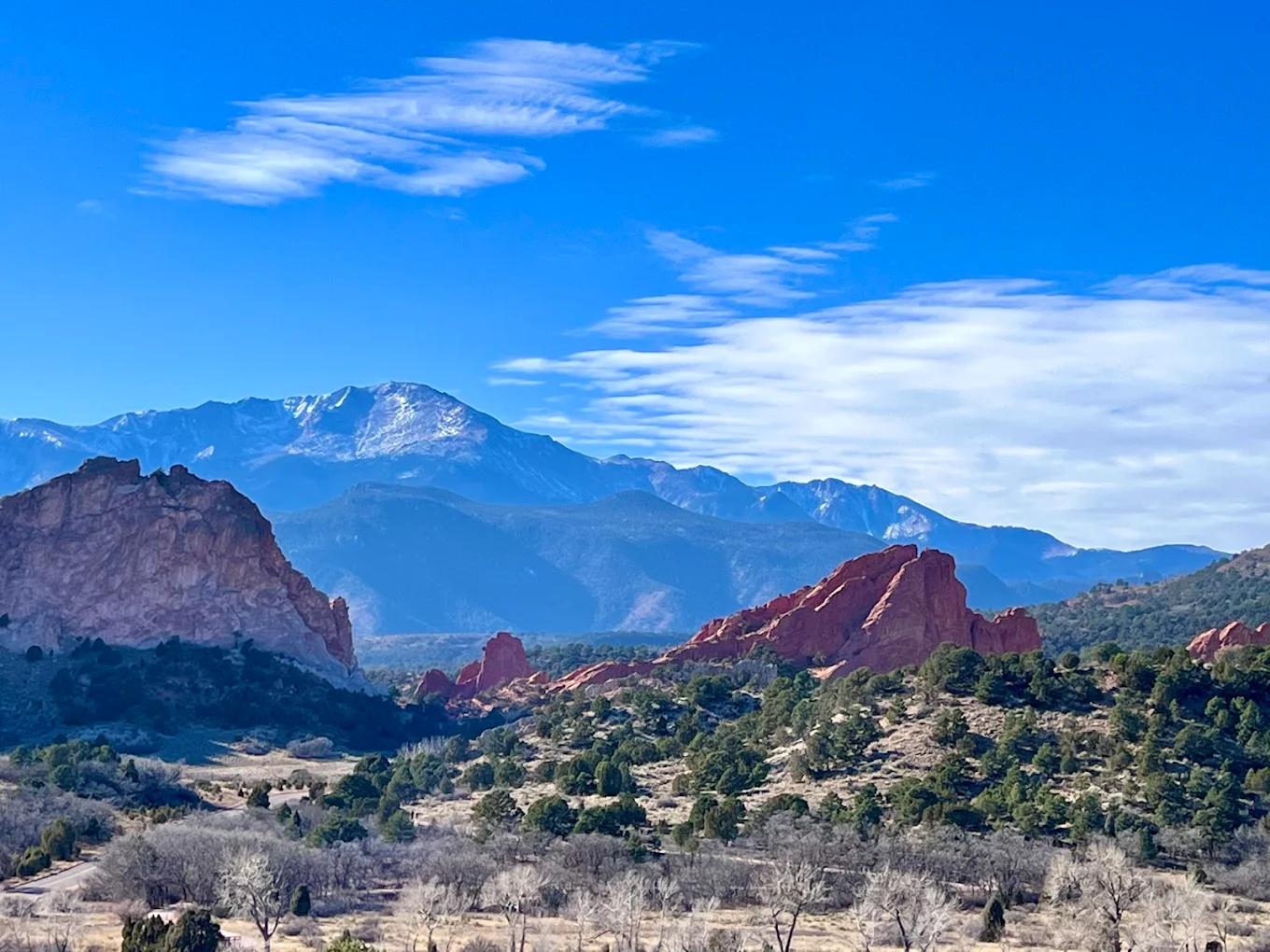
Colorado has seen rising bear encounters near foothill towns and mountain recreation areas. Rangers attribute increases to population growth and seasonal food shortages. Poorly secured trash remains the leading cause. Bears quickly learn human food patterns. Officials recommend bear-proof dumpsters and home containers. Hikers should travel in groups when possible. Noise alerts wildlife before close contact occurs. Feeding bans exist statewide and carry penalties. Residents should report repeated sightings promptly. Relocation rarely solves long-term behavior issues. Education focuses on prevention, not punishment. Seasonal awareness peaks during late summer. Natural foods decline before winter denning periods begin annually.
Montana
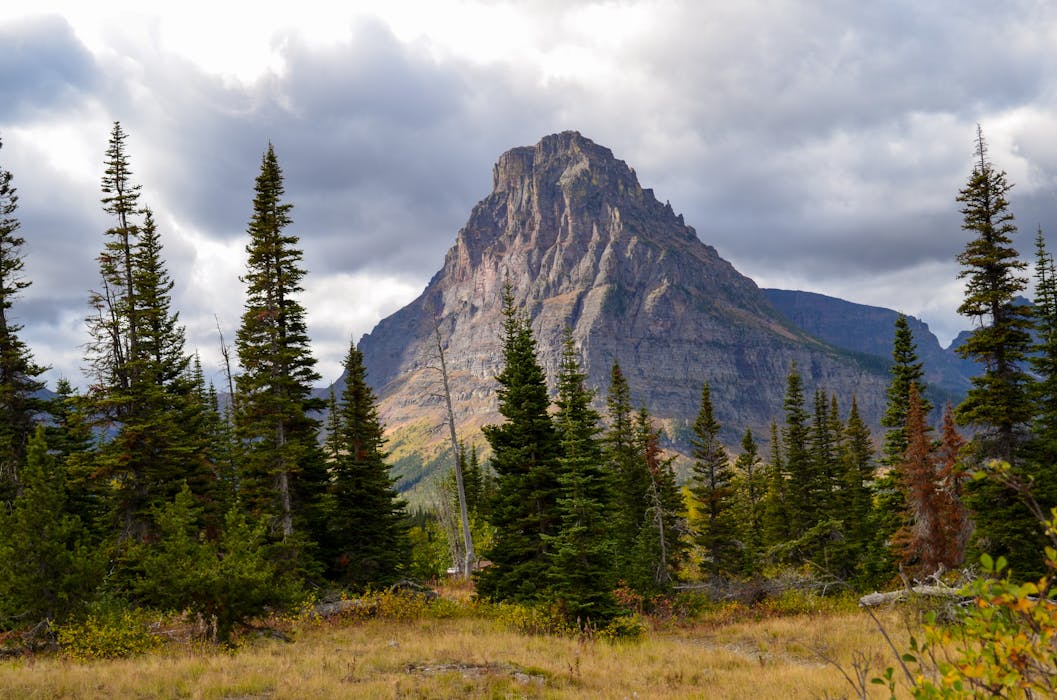
Montana reports increased grizzly and black bear encounters statewide. Expanding recreation places people deeper into bear habitat. Rangers stress carrying bear spray at all times. Proper storage of food in camps remains critical. Campgrounds require certified bear-resistant containers. Cooking areas should remain separate from sleeping areas. Surprise encounters increase during berry seasons. Officials advise hiking during daylight hours. Traveling in groups reduces risk significantly. Education emphasizes respecting bears as wildlife. Approaching for photos leads to incidents. Montana monitors corridors using GPS data. Rangers encourage reporting sightings to improve public safety planning efforts statewide year round consistently ongoing.
Wyoming
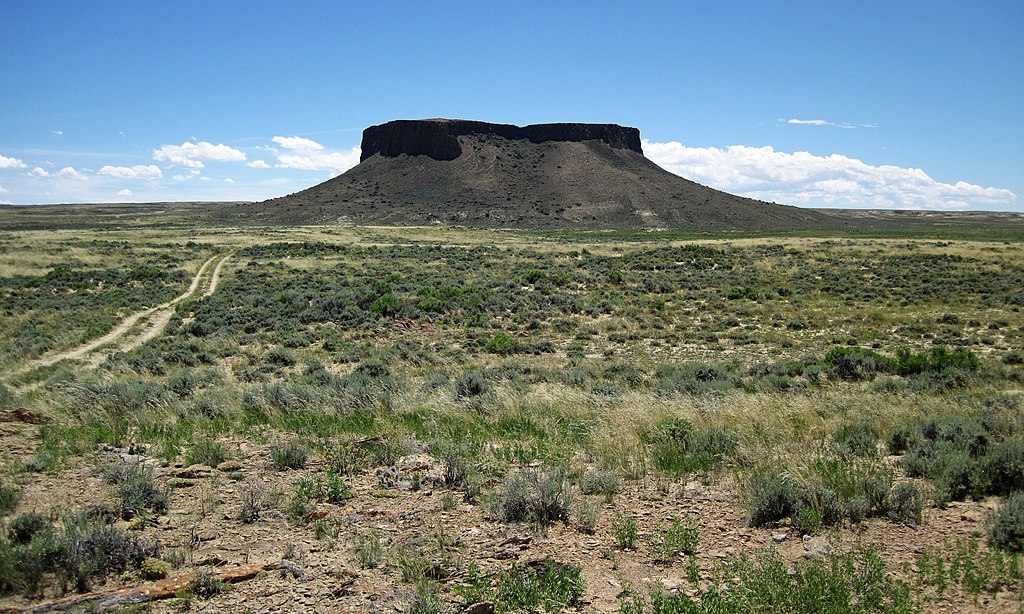
Wyoming has documented more bear encounters near parks and rural communities. Both black bears and grizzlies contribute to reports. Rangers link activity to expanding tourism. Food conditioning remains the primary concern. Strict storage rules apply in many regions. Backcountry users must hang food properly. Bear spray is strongly recommended statewide. Officials discourage hiking alone in dense cover. Early morning and dusk increase encounter likelihood. Education signage appears at trailheads. Reporting helps managers adjust advisories. Wyoming prioritizes prevention through compliance. Shared responsibility between visitors and residents reduces conflict significantly across seasons statewide, especially during peak summer months annually each year.
Alaska
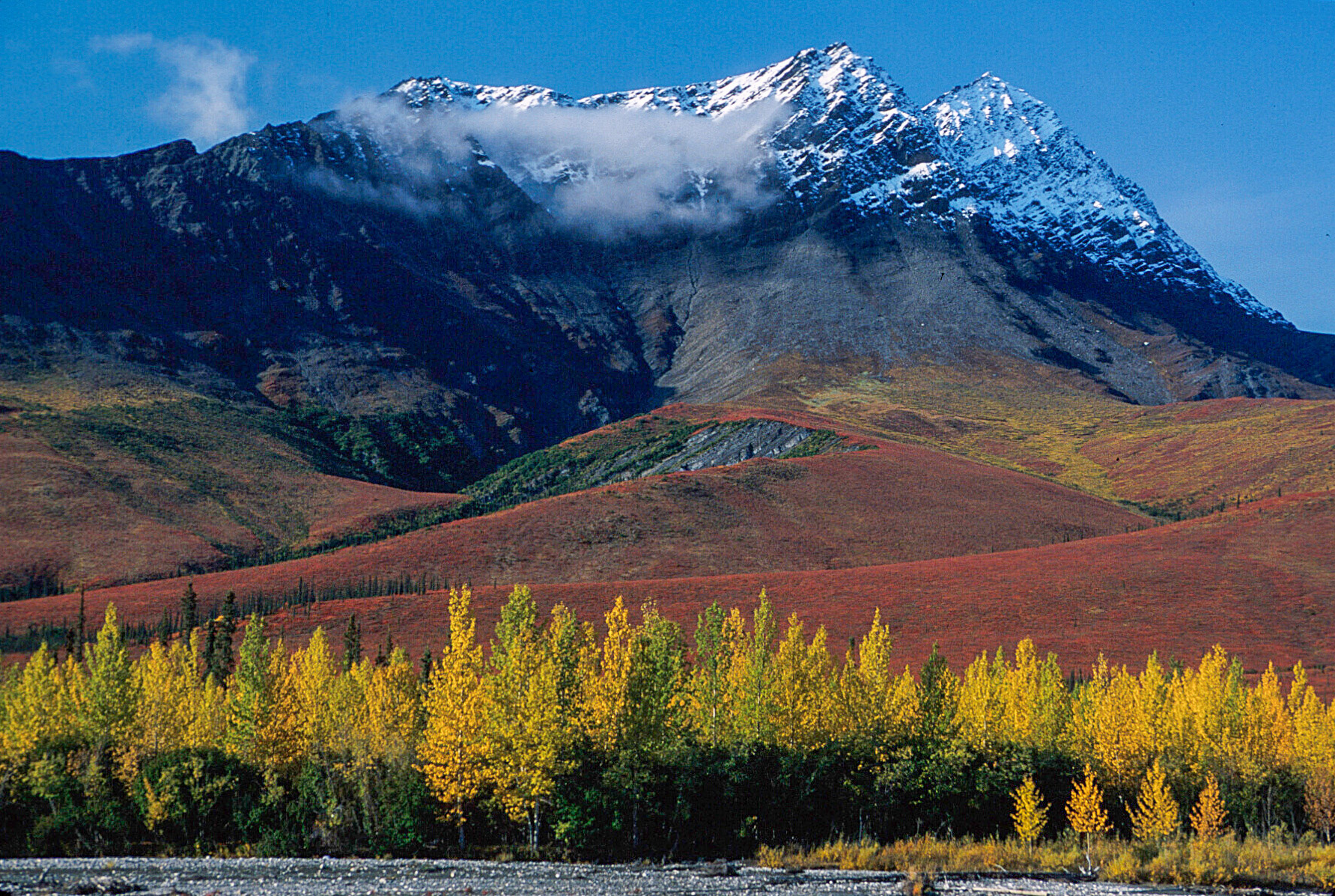
Alaska reports frequent bear encounters due to extensive shared wilderness. Brown and black bears coexist near many communities. Rangers stress situational awareness outdoors. Carrying deterrents is strongly advised. Fish runs draw bears near trails. Campers must follow strict food storage laws. Encounters rise during salmon season. Officials advise making a presence known. Sudden encounters pose the greatest risk. Education begins early in schools. Reporting encounters improves response planning. Alaska emphasizes respect for wildlife. Rangers recommend avoiding dense brush and maintaining safe distances at all times outdoors throughout varied terrain conditions, seasons year round for safety awareness practices statewide consistently applied daily activities.
New Jersey
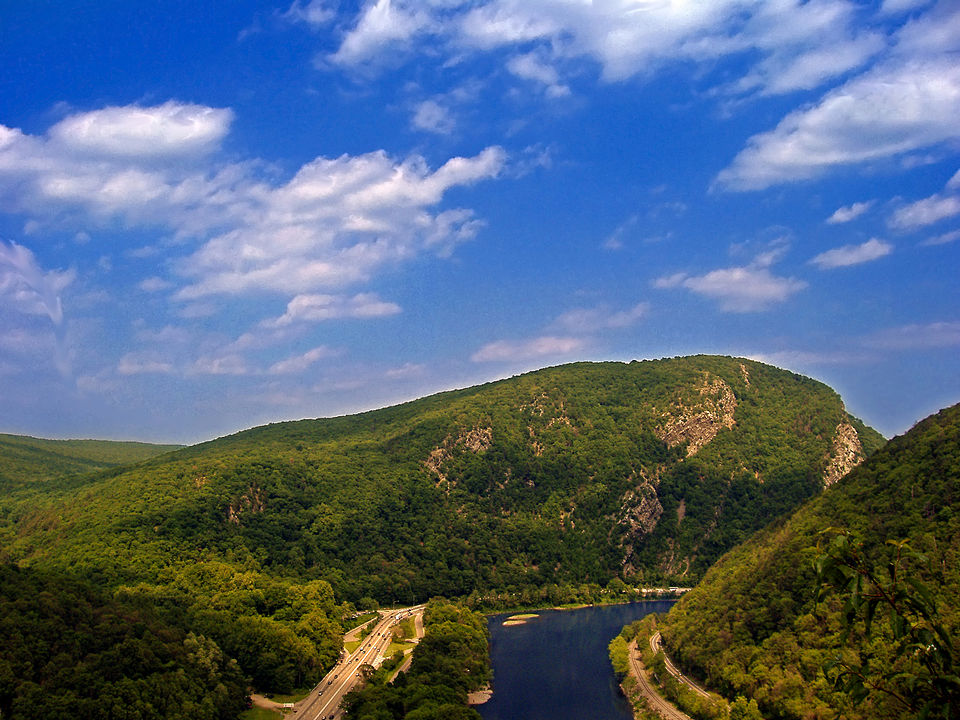
New Jersey has experienced rising black bear encounters in northern counties. Suburban expansion overlaps forested habitats. Rangers note improper trash handling as the main cause. Bear populations have recovered successfully. Officials encourage securing garbage overnight. Feeding wildlife remains illegal statewide. Residents should remove attractants promptly. Education campaigns target homeowners. Encounters peak during spring and fall. Bears often seek easy calories. Reporting sightings helps track movement. Relocation is used only when necessary. New Jersey promotes coexistence through community outreach and enforcement, supporting long-term public safety goals across residential landscapes, forest corridors, and parks annually, consistently monitored by agencies and local officials collaboratively.
Pennsylvania
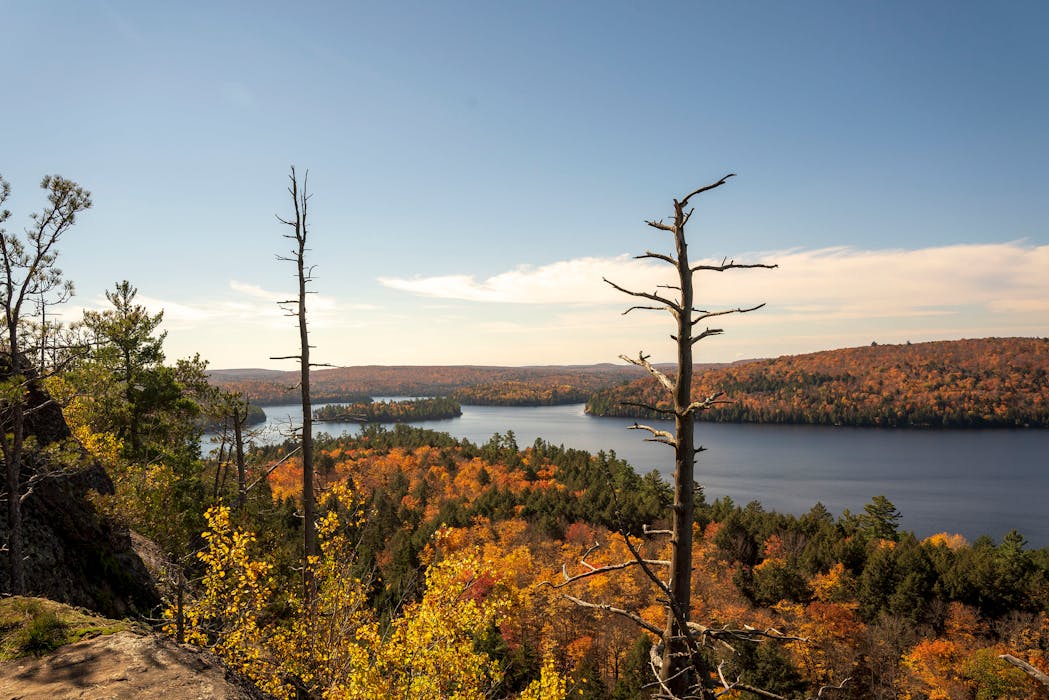
Pennsylvania reports increased bear sightings across both rural and suburban areas. Healthy populations are expanding their range naturally. Rangers link many encounters to unsecured food sources, with garbage remaining the primary attractant. Officials advise using bear-resistant containers and avoiding backyard feeding, which significantly increases risk. Hikers should stay alert, as noise helps prevent surprise encounters. Bear activity rises in the fall during hyperphagia, when animals search for high-calorie food. Education programs focus on prevention, and reporting sightings supports data collection. Pennsylvania emphasizes shared responsibility, encouraging residents to adjust their habits seasonally to reduce conflict and protect both people and wildlife. Outreach programs and local media continue to communicate safety guidance during peak activity months each year.
North Carolina
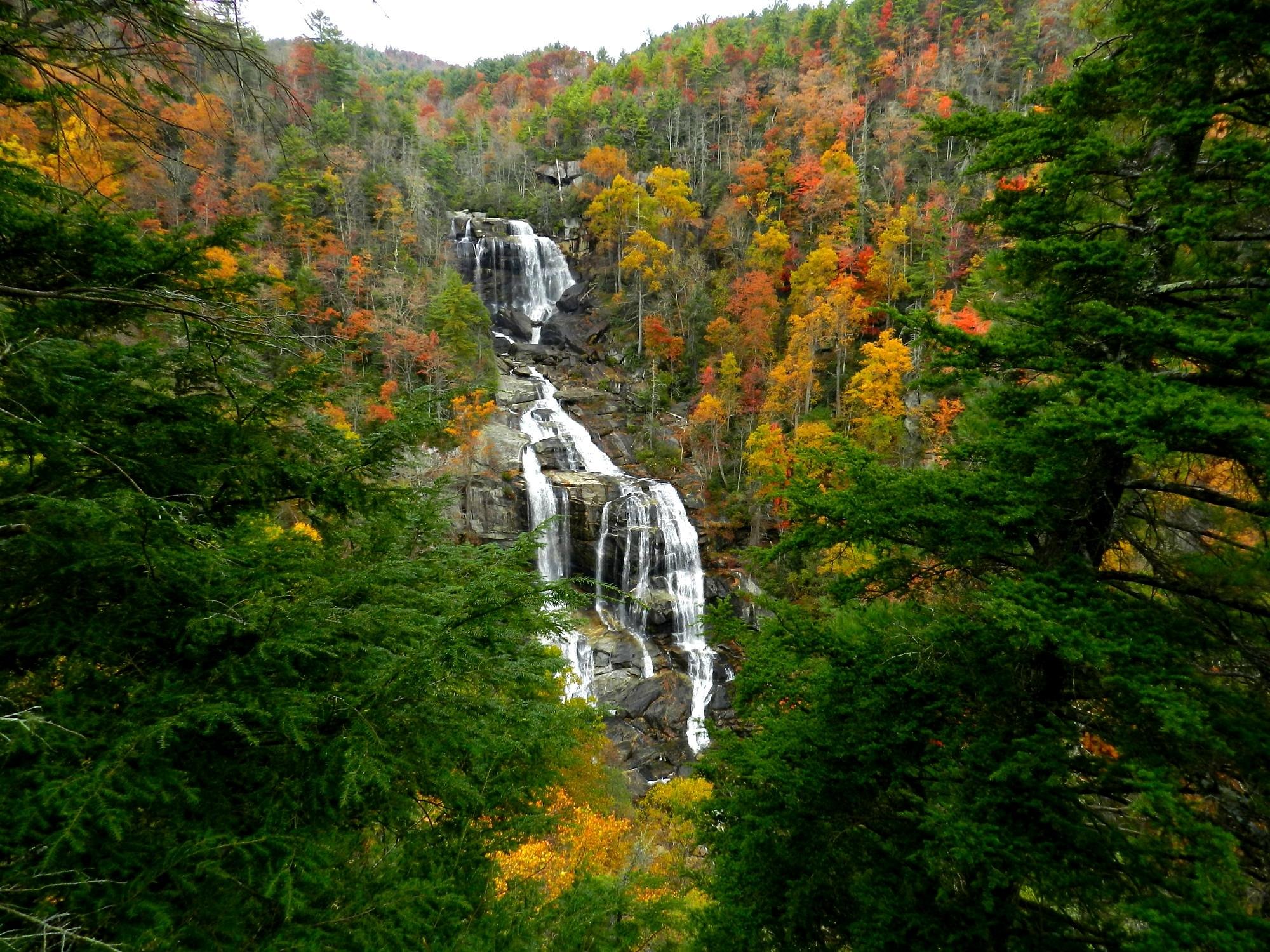
North Carolina sees more bear encounters, especially in mountain regions. Expanding development increases overlap. Rangers report incidents near neighborhoods. Food availability drives movement. Officials stress securing trash and pet food. Feeding wildlife remains prohibited. Hikers should remain vigilant. Spring activity rises after denning. Bear spray recommended for backcountry. Education focuses on coexistence. Reporting helps manage populations. North Carolina monitors trends annually. Rangers advise residents and visitors to understand seasonal patterns and adjust outdoor behavior accordingly for safety across mountainous corridors foothills parks communities statewide during active bear months yearly reporting cycles consistently reviewed by biologists managers and educators working collaboratively locally and regionally.
Tennessee

Tennessee reports rising black bear encounters in eastern regions, where Smoky Mountains populations continue to expand. Rangers note that increased outdoor recreation and improper food storage contribute to the trend. Campers are required to use bear-proof containers, and residential trash remains an ongoing concern. Officials also recommend securing livestock feed and removing other attractants. Educational signage is posted near trails, and encounters peak during the summer months. Bear spray is advised in backcountry areas, and reporting sightings helps track activity hotspots. Tennessee promotes coexistence strategies, with rangers emphasizing community involvement, education, enforcement, and awareness to reduce conflicts and protect public safety across parks, rural towns, and tourist corridors. These efforts are supported through statewide outreach programs and partnerships with local agencies, organizations, residents, and visitors.
Minnesota
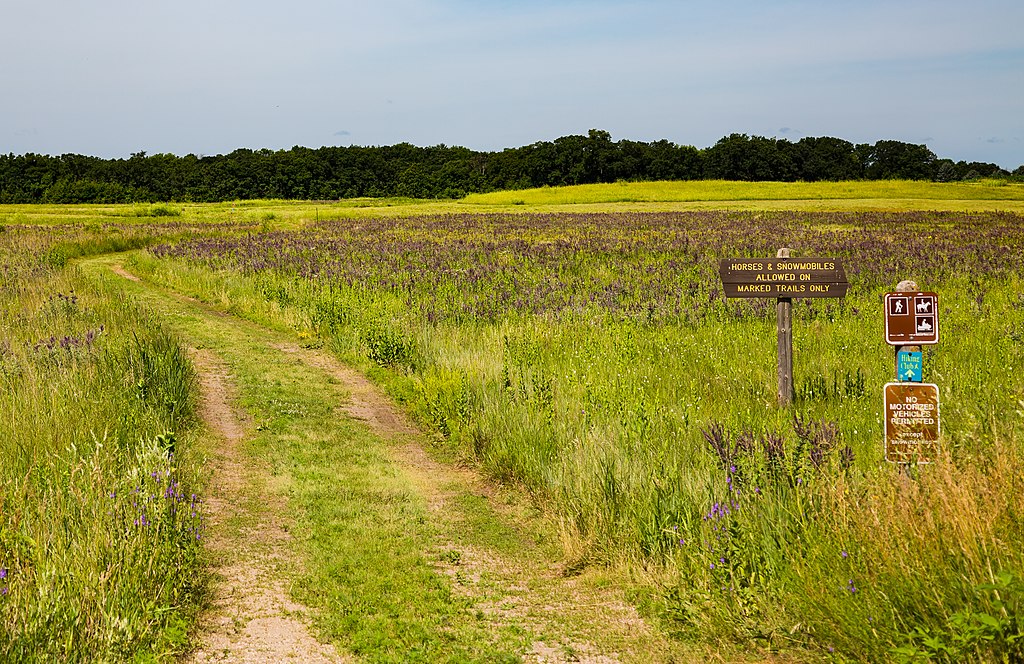
Minnesota has documented increasing bear encounters across forested northern regions as healthy populations expand naturally. Rangers link sightings to food availability, noting that garbage and bird feeders attract bears. Officials advise removing all attractants, and bear-aware programs educate residents on safety practices. Campers must store food securely, and encounters tend to increase during the fall. Making noise helps reduce surprise encounters, and reporting sightings supports research and management efforts. Minnesota emphasizes coexistence, with education as the primary tool. Rangers encourage proactive measures, patience, and respect for wildlife behavior to ensure the safety of both communities and bears throughout northern forests, recreational areas, and private lands. These efforts are supported annually by state agencies, conservation groups, outreach initiatives, and education campaigns statewide, forming ongoing programs to manage peak activity seasons effectively.
The post 10 States Reporting Increases in Bear Encounters and What Rangers Advise appeared first on Bushcraft Base Camp.