

Frugality can be smart, but sometimes the way it shows up in your home may signal cost-cutting instead of intentional living. Small details like worn-out furnishings or outdated storage can make a home feel less welcoming, even if everything functions just fine. By making thoughtful upgrades supported by design and consumer research, you can refresh your space without losing your budget-conscious values. These changes highlight that being practical does not mean sacrificing comfort, style, or functionality, especially when balancing savings with a polished, inviting environment.
1. Bare Windows
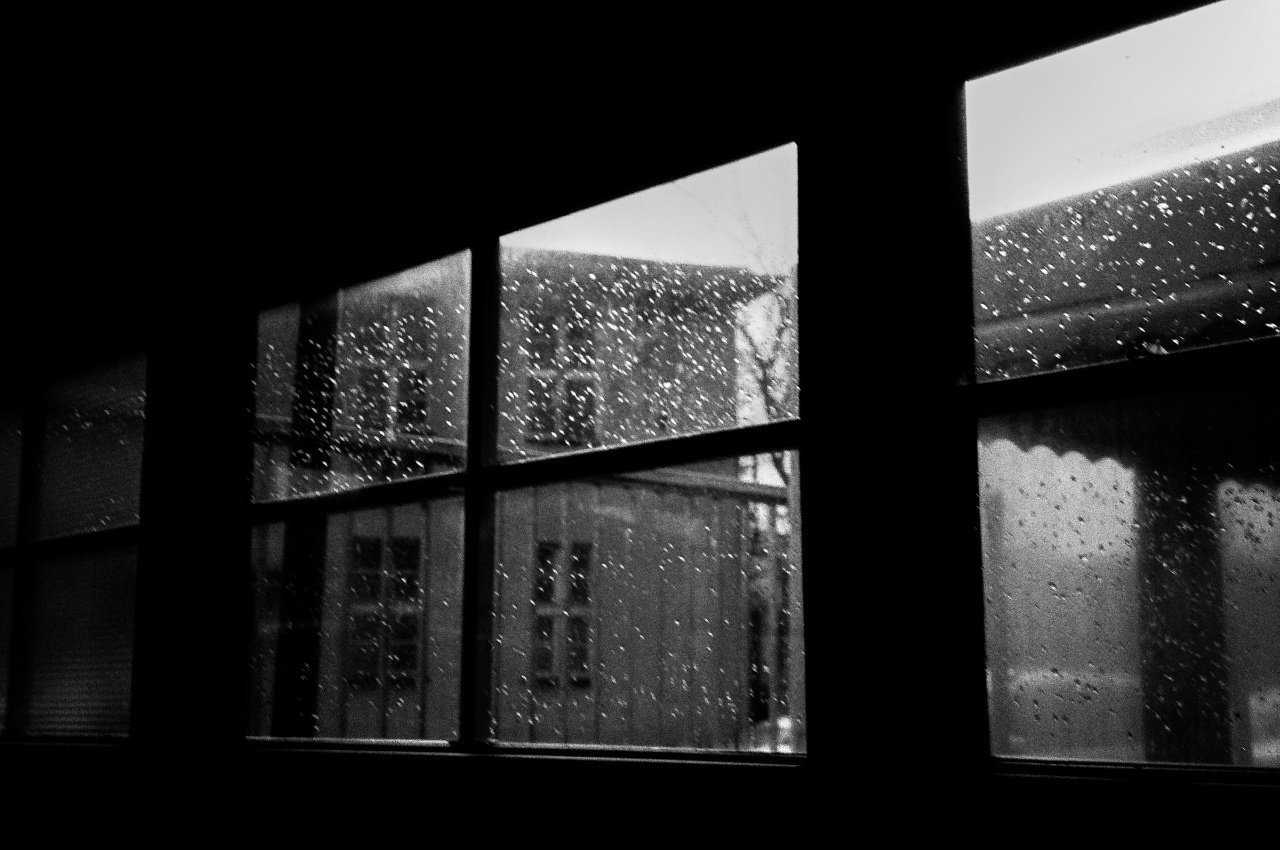
Leaving windows uncovered to save on curtains or blinds can signal frugality but often reduces privacy and comfort. The U.S. Department of Energy emphasizes that proper window treatments also improve insulation, lowering heating and cooling costs. Affordable options like blackout curtains or bamboo shades balance function and style. Adding window treatments enhances a room’s warmth, makes it feel more finished, and improves energy efficiency. This choice signals that frugality is about maximizing comfort and sustainability, proving that small upgrades can make homes both inviting and cost-effective.
2. Visible Extension Cords
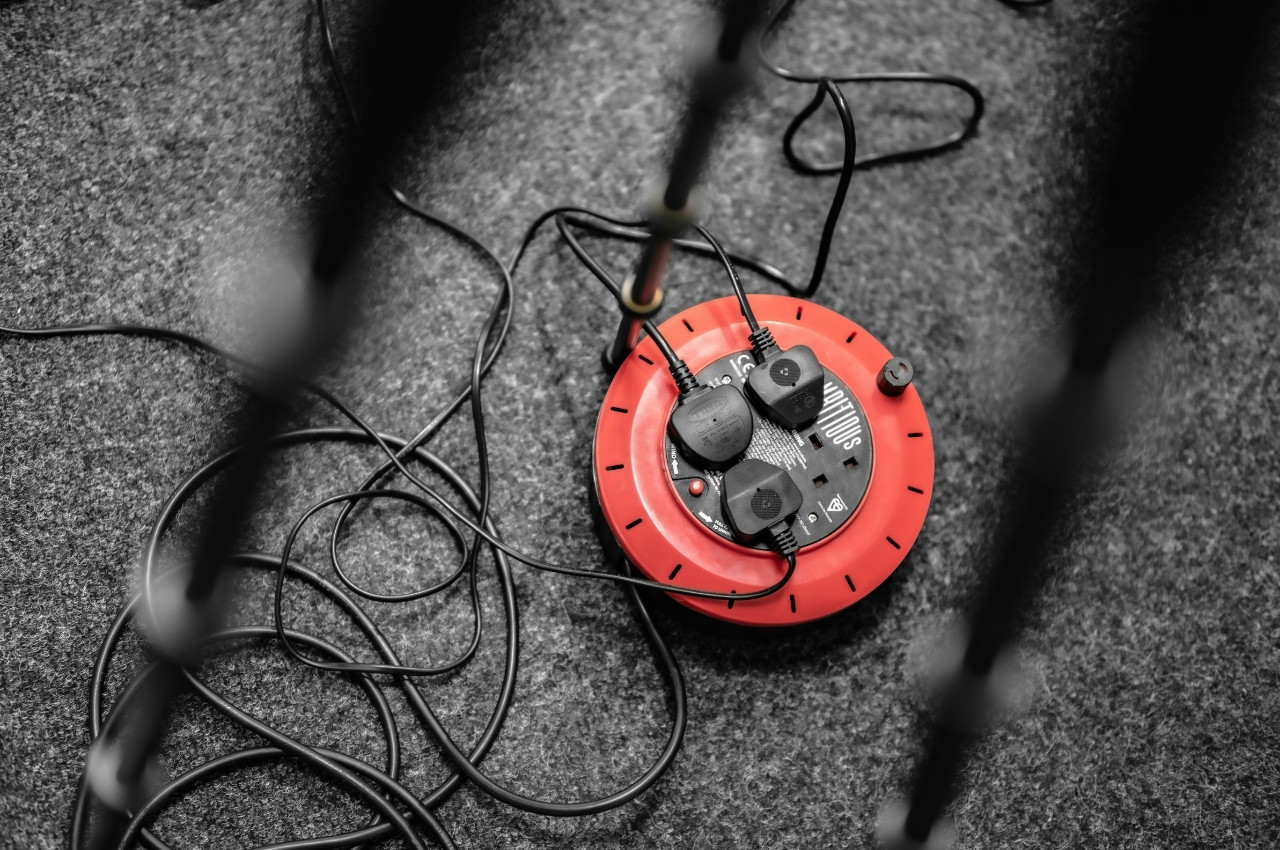
Extension cords running across rooms may indicate frugality by avoiding rewiring or proper placement of outlets. However, the National Fire Protection Association warns that overuse of extension cords increases fire risks. Affordable alternatives include cord covers, wall-mounted strips, or hiring an electrician to add outlets strategically. These upgrades enhance both safety and appearance. Reducing visible cords makes a space look neater and more intentional, showing that being frugal includes maintaining safety and aesthetics without unnecessary spending while avoiding practices that could damage the home or appliances.
3. Outdated Appliances
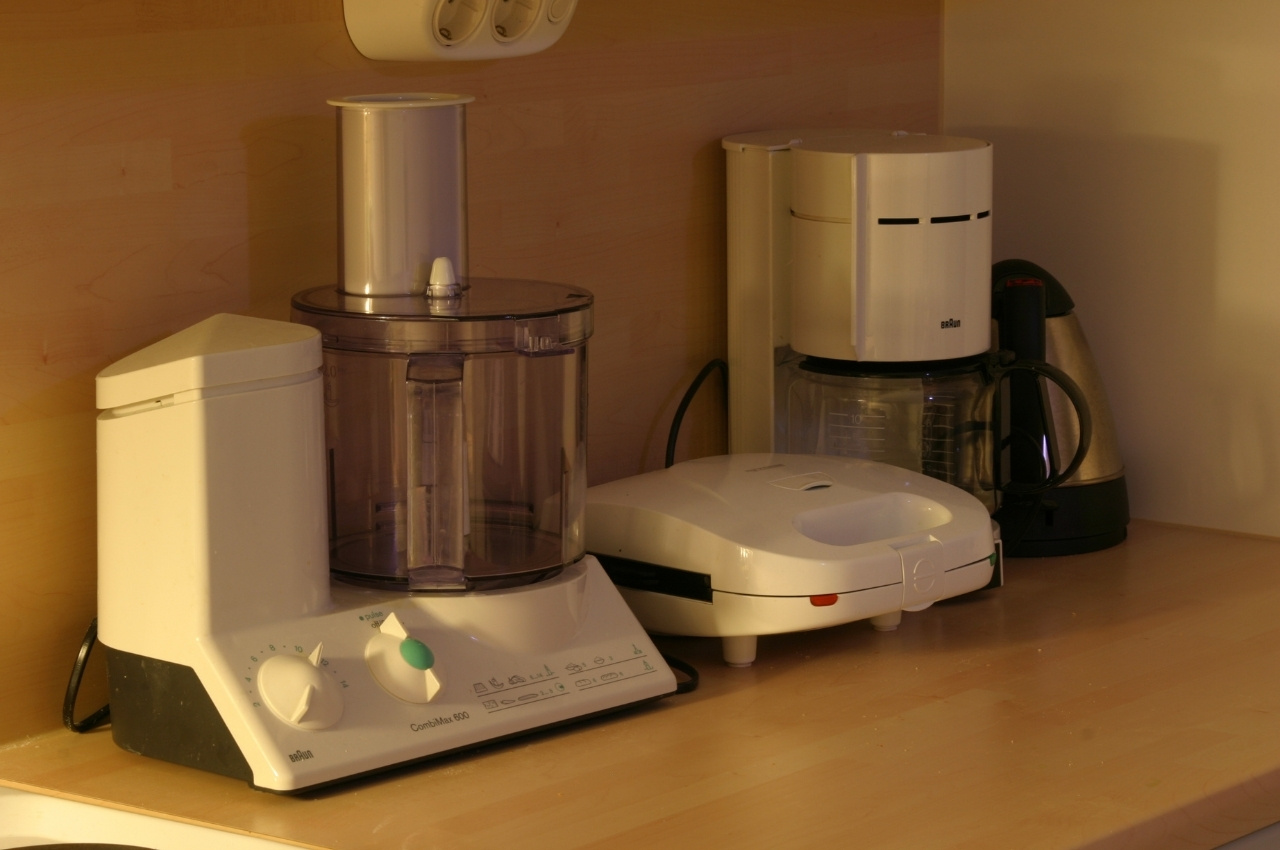
Holding onto appliances for decades saves money but may signal extreme frugality and inefficiency. The U.S. Department of Energy reports that modern appliances use significantly less electricity and water. Upgrading to energy-efficient models can lower utility bills over time, offsetting initial costs. Even small changes, such as switching to an efficient microwave or compact dishwasher, improve functionality while reducing environmental impact. Keeping appliances current shows practical foresight, signaling that frugality is about reducing waste and maximizing efficiency, rather than clinging to outdated technology that limits performance and comfort.
4. Peeling Paint
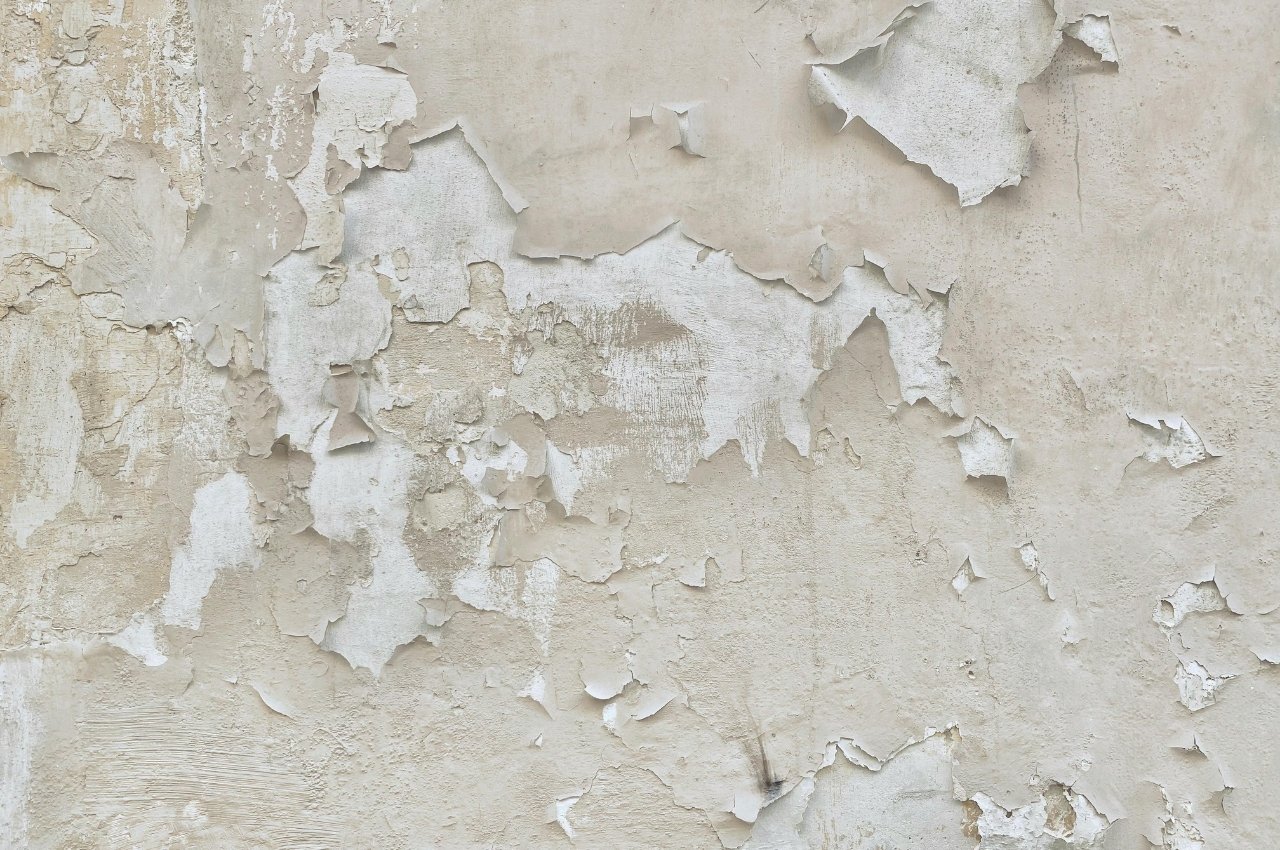
Delaying repainting often reveals frugal tendencies, but it can also make a home feel neglected. The National Park Service highlights how proper maintenance preserves buildings and extends their lifespan. Affordable paint refreshes, even in neutral colors, can drastically improve a space’s appearance without significant cost. Touching up peeling walls or cabinets shows care and attention to detail. Upgrading from worn paint signals that frugality is about making smart choices, not postponing essential upkeep, ensuring a home feels well-maintained and welcoming while remaining budget-conscious and functional.
5. Repurposed Jars Everywhere

Using glass jars for storage is resourceful, but too many scattered around the home may look improvised. The Environmental Protection Agency supports reusing materials for sustainability, but pairing jars with labeled lids or baskets creates a cleaner aesthetic. For dry goods, investing in uniform storage containers reduces visual clutter and makes organization more effective. Repurposed jars remain useful but should be balanced with other storage options. This shows that frugal habits are guided by sustainability and style rather than an overly makeshift approach that signals purely cost-driven choices.
6. Overstuffed Closets
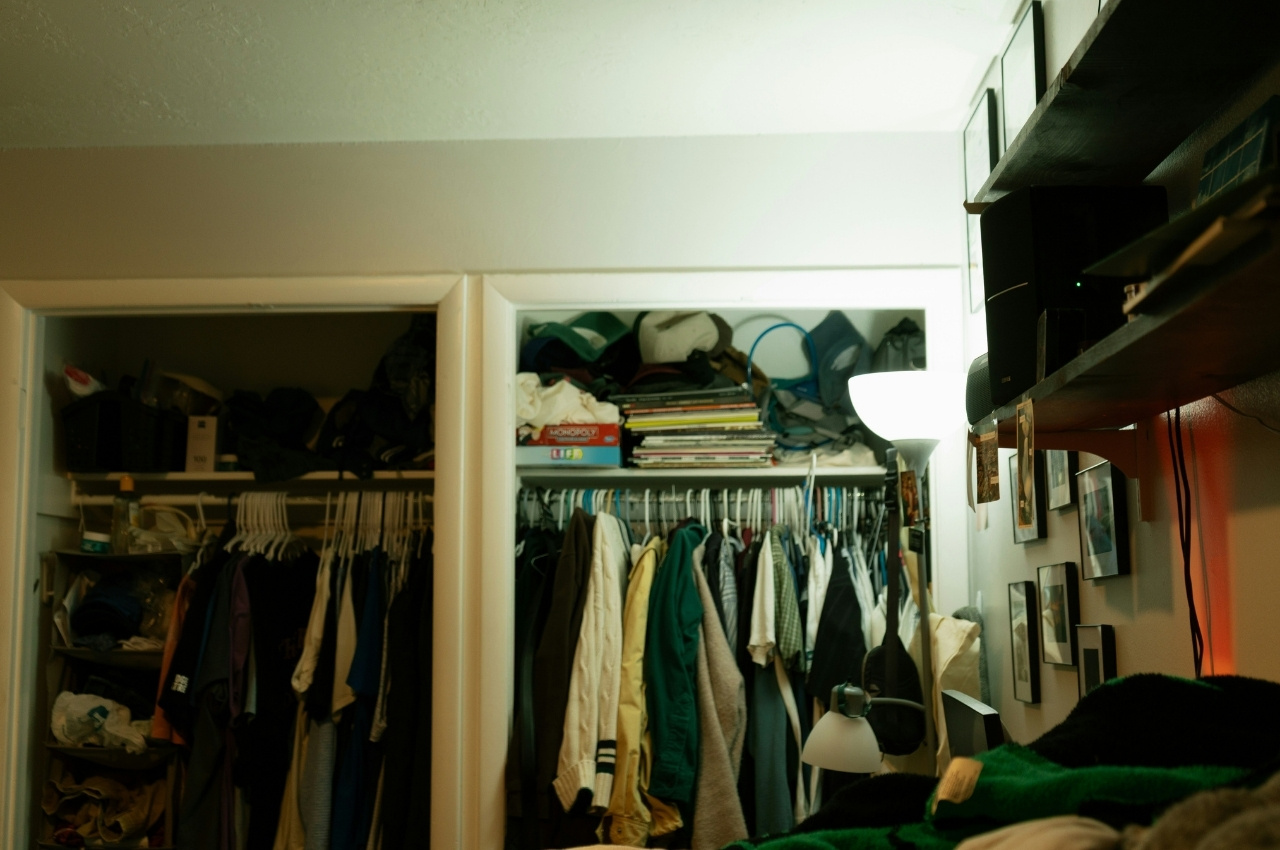
Crammed closets often signal frugality through keeping items “just in case,” but they can also create stress and disorganization. The National Association of Productivity and Organizing Professionals recommends regular decluttering paired with streamlined closet systems. Affordable organizers, uniform hangers, and labeled bins maximize storage while creating a polished look. Donating unused items ensures you keep only what is necessary, preventing clutter from becoming overwhelming. Upgrading your closet space shows that frugality can be paired with order and clarity, making your home both practical and visually pleasing to live in.
7. Hand-Me-Down Furniture
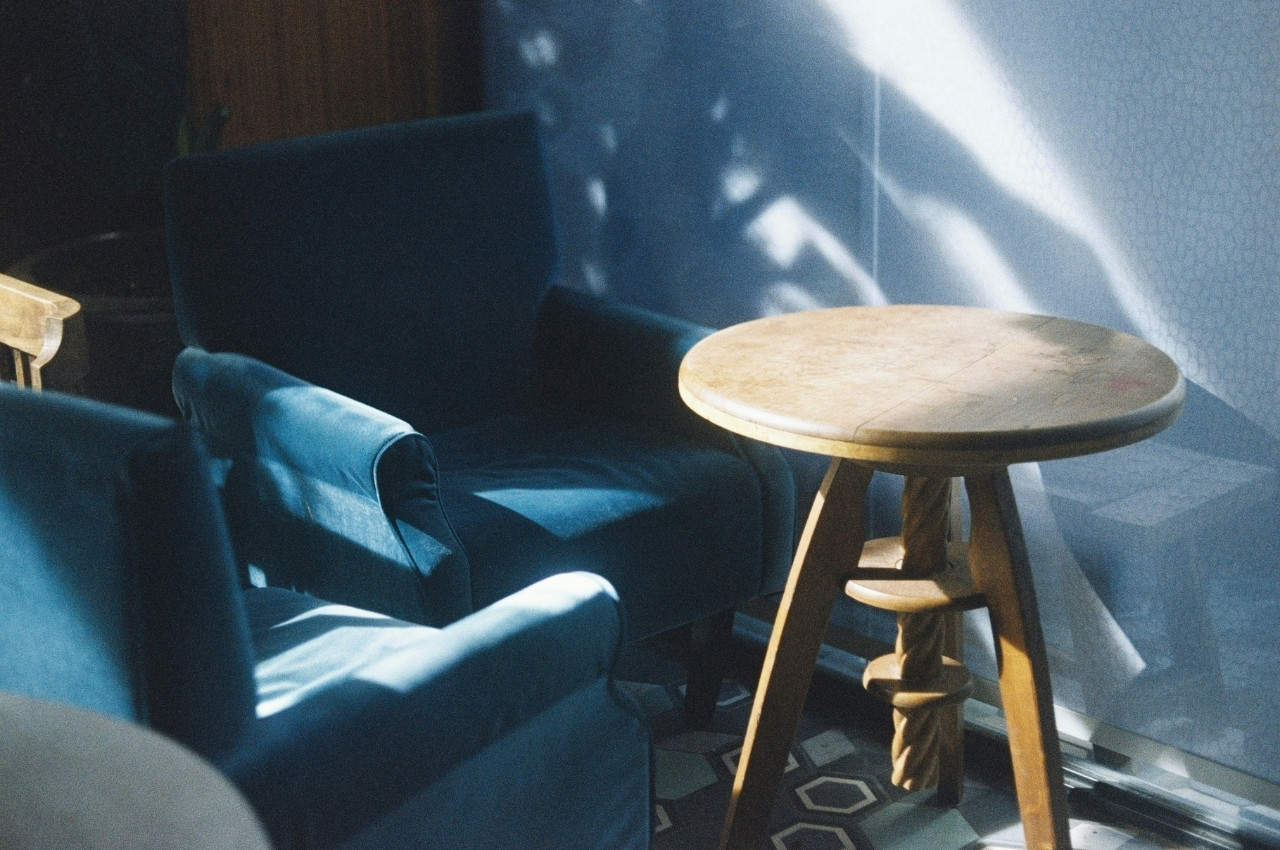
While hand-me-down furniture is financially practical, mismatched or outdated items can create a patchwork look. Habitat for Humanity’s ReStores suggest refinishing or repainting furniture as a budget-friendly way to create cohesion. Sanding, painting, or reupholstering keeps costs low while making the pieces feel intentional. Adding small upgrades like new hardware also refreshes the appearance. These updates ensure sentimental or thrifted items remain useful but stylish, signaling that frugality in your home reflects creativity and resourcefulness rather than reluctance to invest in a cohesive living environment.
8. Worn-Out Towels
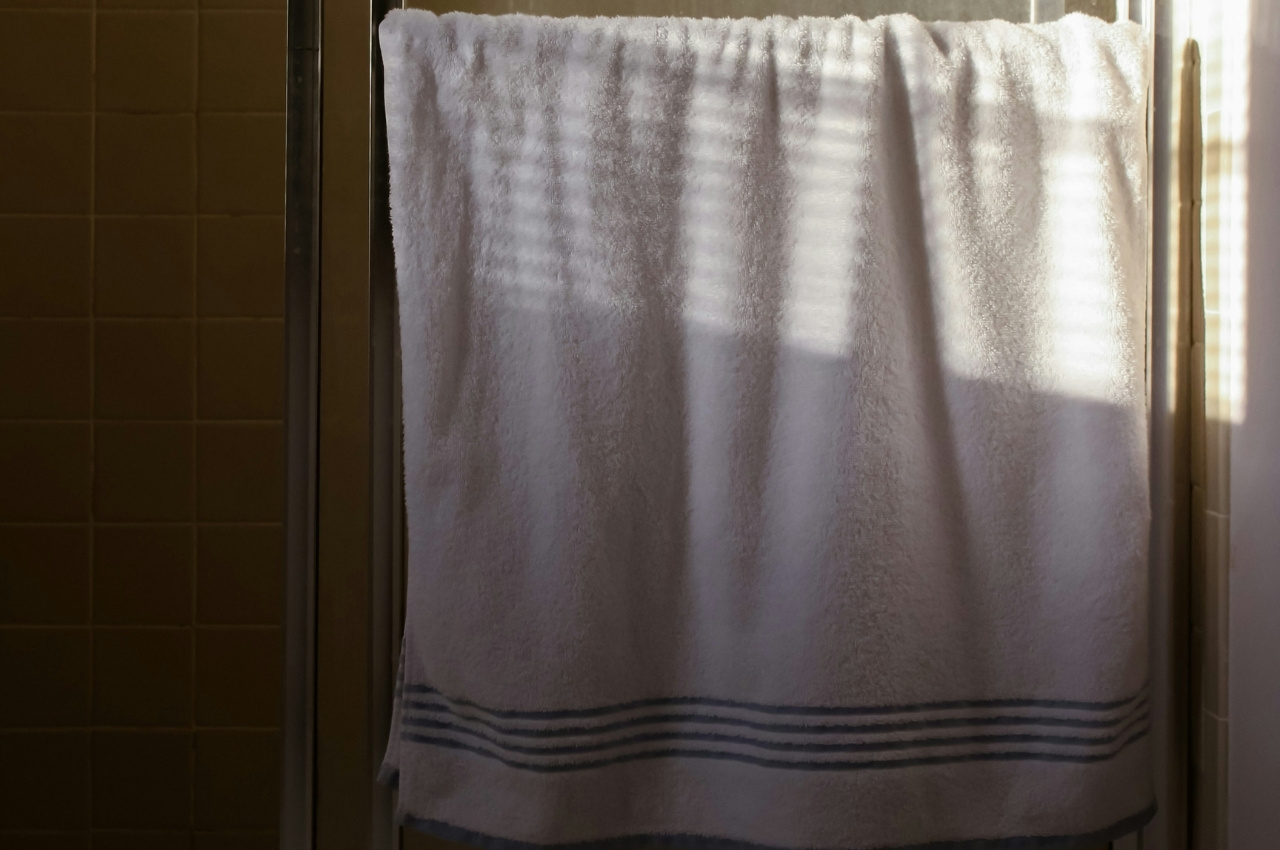
Frayed or faded towels often signal that replacements have been delayed for budget reasons. According to the American Cleaning Institute, changing linens after several washing cycles is crucial for both comfort and hygiene. Upgrading to fresh, durable cotton towels can be done affordably by buying during seasonal sales or in bulk packs. A bathroom’s appearance is immediately enhanced by color-coordinated towels, which convey attention to detail. Replacing worn-out towels maintains practicality while ensuring guests and family alike feel cared for, balancing frugal choices with cleanliness and visual appeal.
9. Bare Light Bulbs
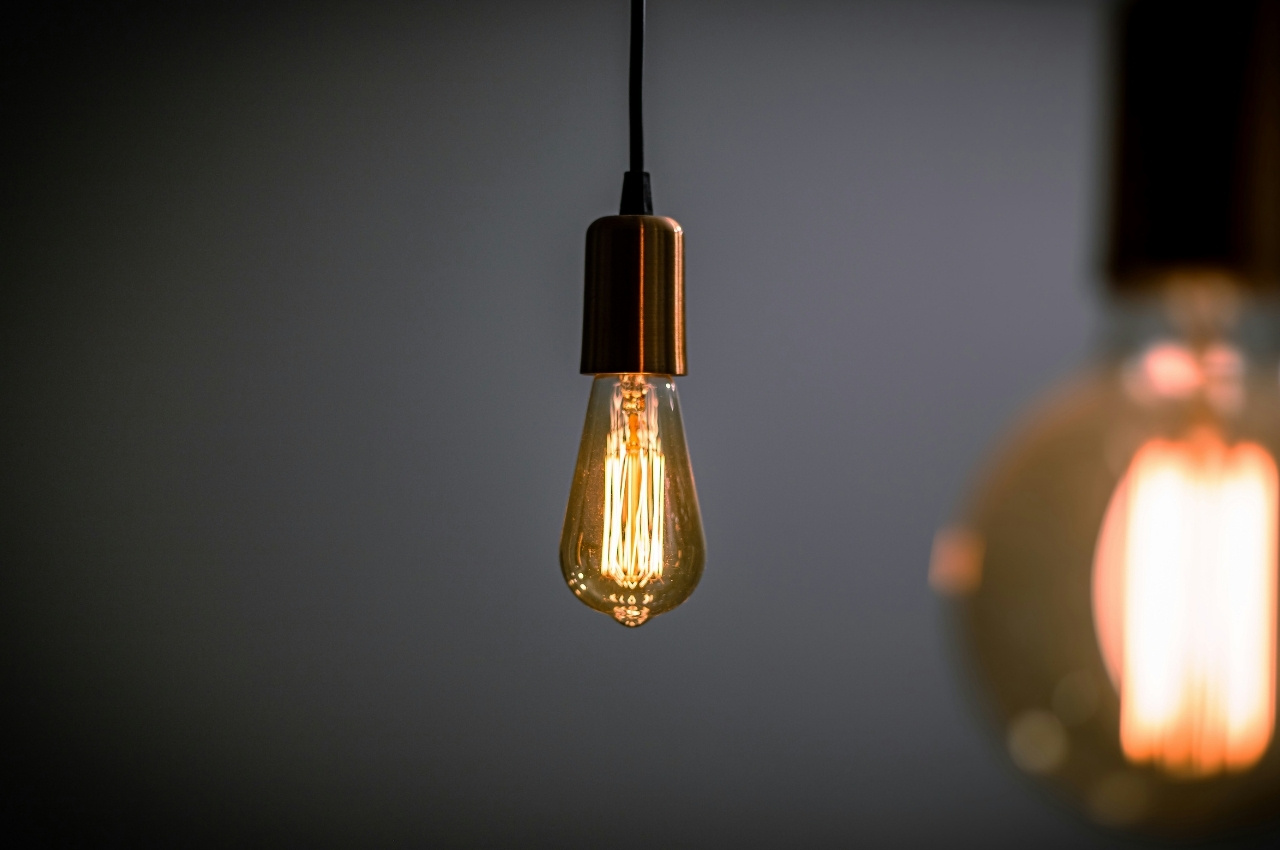
Leaving light bulbs bare or using exposed fixtures can come across as overly utilitarian. The U.S. Department of Energy highlights how modern LED lighting paired with shades or diffusers improves both energy efficiency and ambiance. Adding affordable lampshades, pendant covers, or soft-white LED bulbs instantly transforms a space. These upgrades not only save money on energy bills but also prevent a home from feeling stark and uninviting. Small, low-cost changes in lighting ensure comfort, warmth, and modern style, balancing your frugal habits with a polished and welcoming environment.
10. Mismatched Dishes
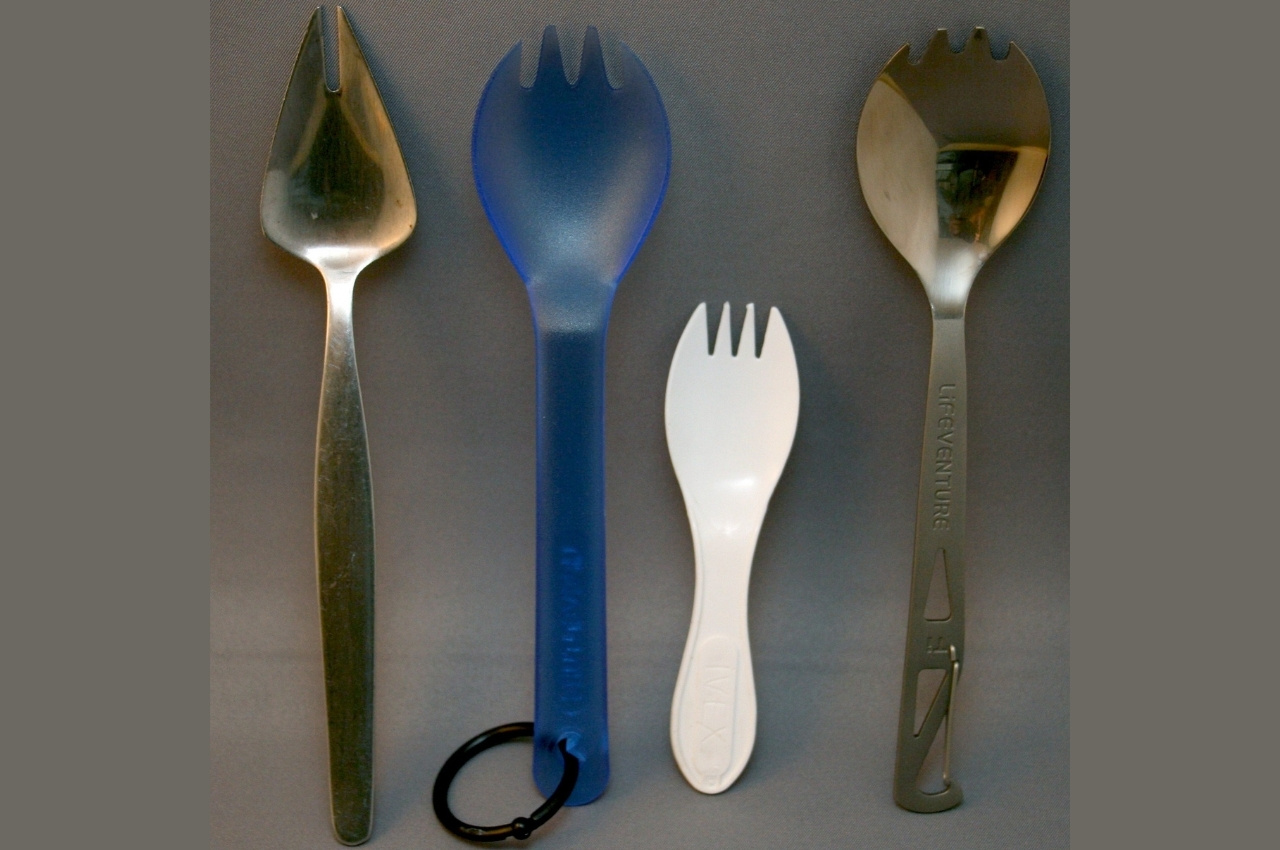
Using a collection of mismatched dishes is a common sign of frugality, often built over time. However, a set of coordinated plates and bowls can make meals feel more inviting. According to the National Restaurant Association, tableware consistency influences how people perceive food quality and hospitality. Affordable matching sets are widely available at discount retailers, thrift stores, or even wholesale warehouses. Investing in a complete dish set shows intentionality without overspending, signaling that frugality in your household does not come at the expense of hospitality or presentation.