
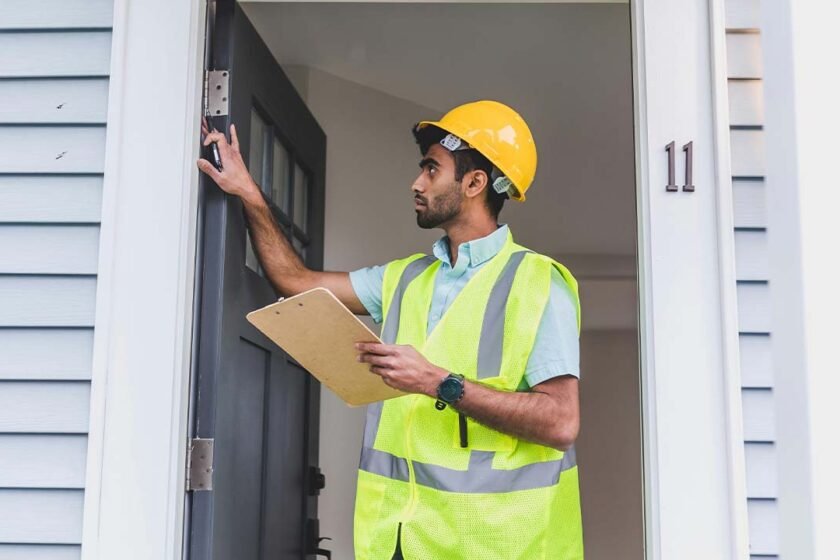
A home inspection can make or break a sale—but even well-maintained houses can stumble over unexpected issues. While most homeowners prepare for the obvious fixes, it’s often the overlooked details that raise red flags. From hidden electrical quirks to sneaky structural flaws, inspectors know where to look—and what could cost you. Here are 10 surprising ways your home might fail inspection, even if everything looks just fine.
1. Inadequate Attic Ventilation

Poor attic ventilation can lead to moisture buildup, mold growth, and even premature roof failure. Inspectors often flag this issue because it affects energy efficiency and structural integrity. Without proper airflow, heat and humidity get trapped, warping wood and shortening shingle life. A well-ventilated attic is essential for preserving your home’s longevity and keeping your inspection report free of red marks.
2. Double-Tapped Circuit Breakers
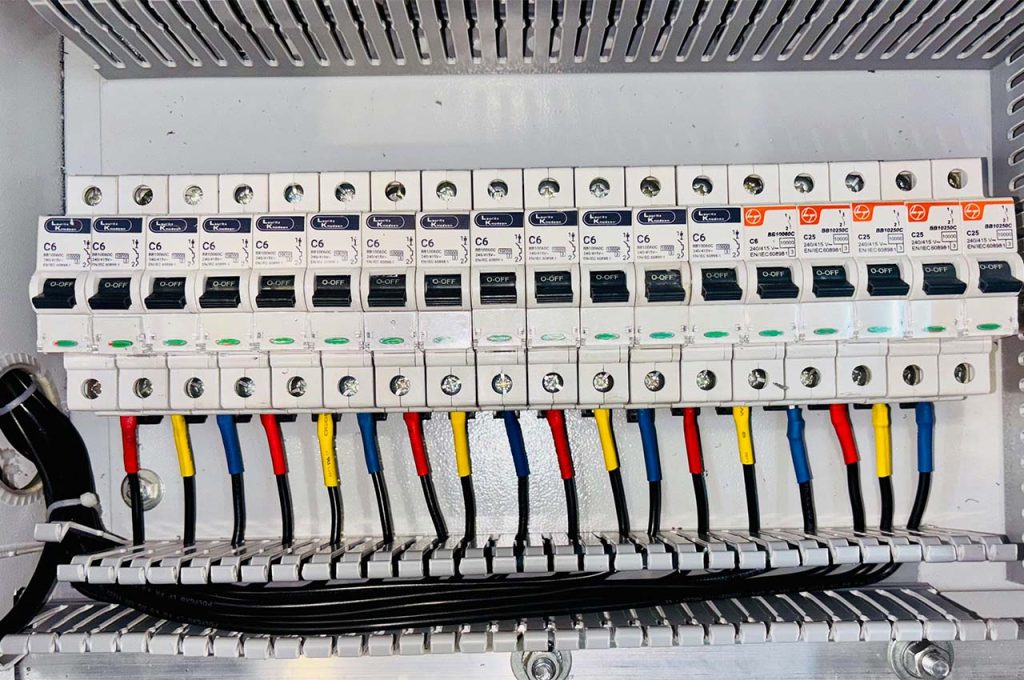
A double-tap occurs when two wires are connected to a single breaker not designed for it—a common electrical shortcut that can pose a serious fire hazard. Inspectors look for this subtle code violation, which often goes unnoticed by homeowners. Even if everything seems to be working fine, this setup can overload circuits and compromise safety. A licensed electrician can usually fix it quickly and affordably.
3. Improper Grading and Drainage

If your yard slopes toward the house instead of away, water can pool around the foundation, leading to leaks, mold, and structural damage. Inspectors don’t just check the home—they inspect the landscape too. Improper grading or clogged drainage systems can raise major red flags. Correcting the slope or improving runoff systems can protect your foundation and prevent future inspection headaches.
4. Missing or Malfunctioning GFCI Outlets
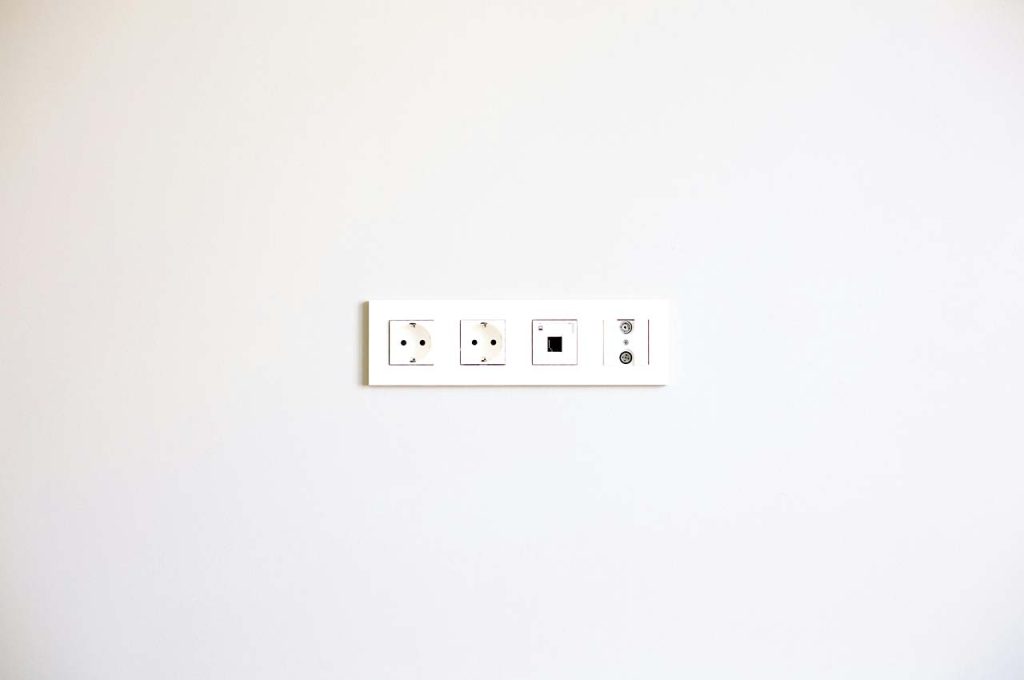
Ground Fault Circuit Interrupters (GFCIs) are required in areas with water exposure—like kitchens, bathrooms, and outdoor spaces. If these outlets are missing or not working, inspectors take notice. GFCIs shut off power when they detect electrical imbalances, preventing shocks or worse. Replacing standard outlets with GFCIs is a relatively easy fix, but skipping it can stall your inspection and raise safety concerns.
5. Roof Damage Hidden by Shingles

Just because shingles look good doesn’t mean the roof is in great shape. Underneath, there could be rot, leaks, or deteriorating flashing that inspectors are trained to spot. Sagging areas, soft spots, or patch jobs can suggest deeper problems. Since roof repairs can be costly, this is one area inspectors scrutinize closely. A pre-inspection roof check could save you from surprises during the sale process.
6. Plumbing Leaks or Corrosion

Even minor leaks or rusted pipes can be major red flags for inspectors. Corroded fittings, water stains, or drips under sinks may signal larger plumbing issues or potential water damage. Since water problems often lead to mold or structural decay, inspectors take them seriously. Keeping an eye out for slow leaks or discolored pipes can help you fix small issues before they derail your inspection.
7. Foundation Cracks or Uneven Settling
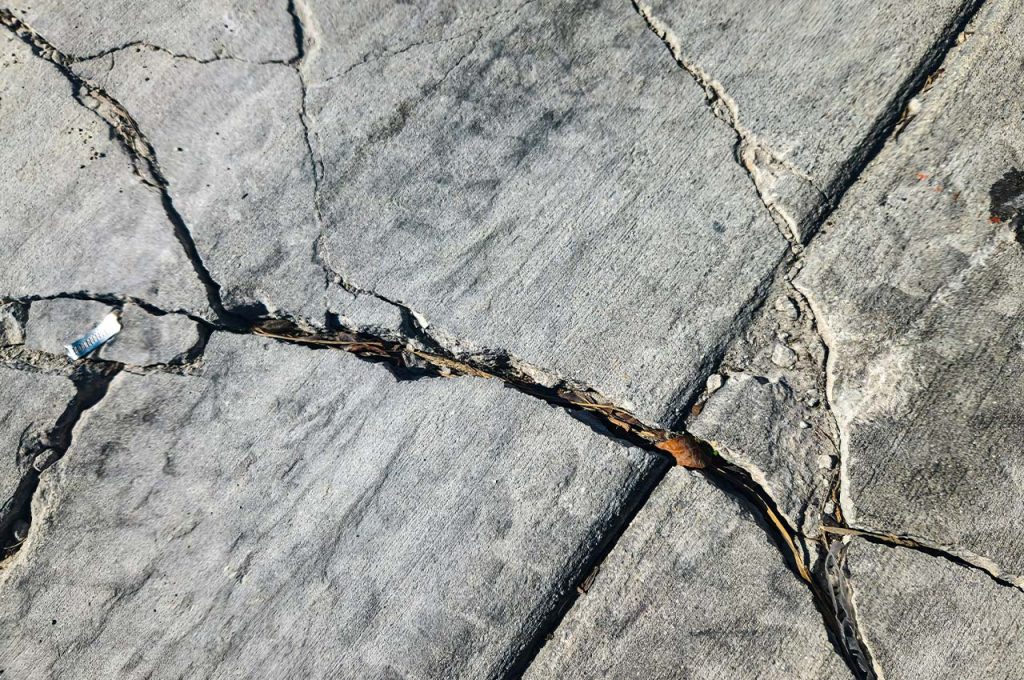
Hairline cracks might seem harmless, but inspectors know they can hint at deeper structural problems. Uneven settling, shifting soil, or moisture intrusion can all cause cracks to spread—inside or out. Doors that stick or floors that slope can also be signs of a compromised foundation. Even if your home feels solid, inspectors won’t overlook these subtle cues of instability.
8. Noncompliant Water Heater Installation
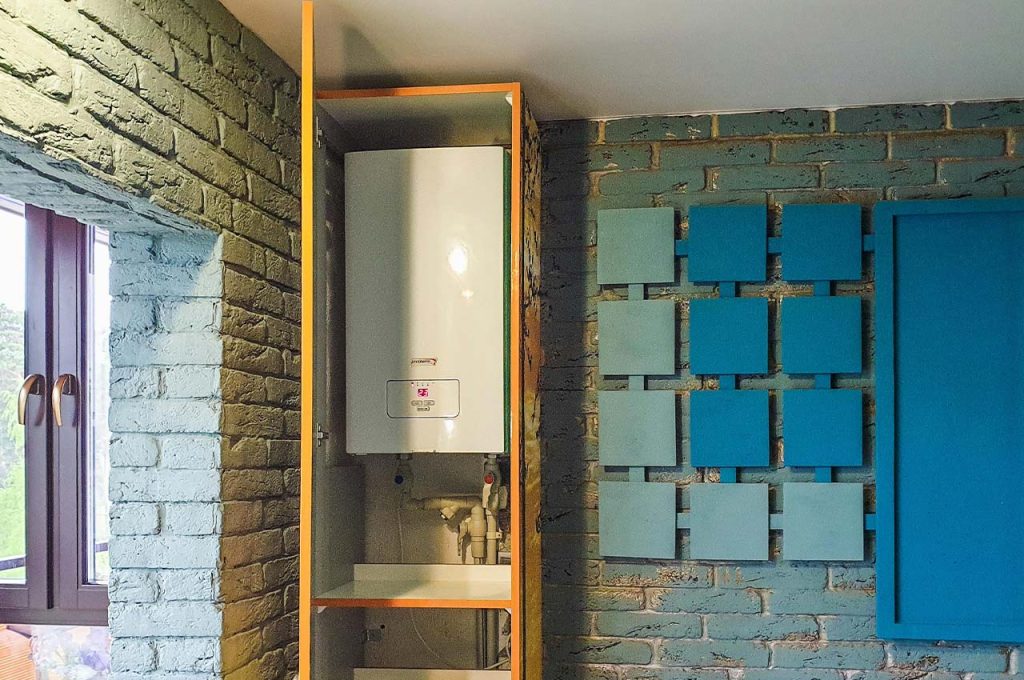
A water heater that’s installed incorrectly—without proper clearance, earthquake straps, or pressure relief valves—can lead to code violations or safety risks. Inspectors will check for these seemingly minor but crucial details. Even if the heater works perfectly, it must meet local codes to pass inspection. A quick check now could prevent a costly delay later.
9. Windows That Don’t Open or Lock Properly
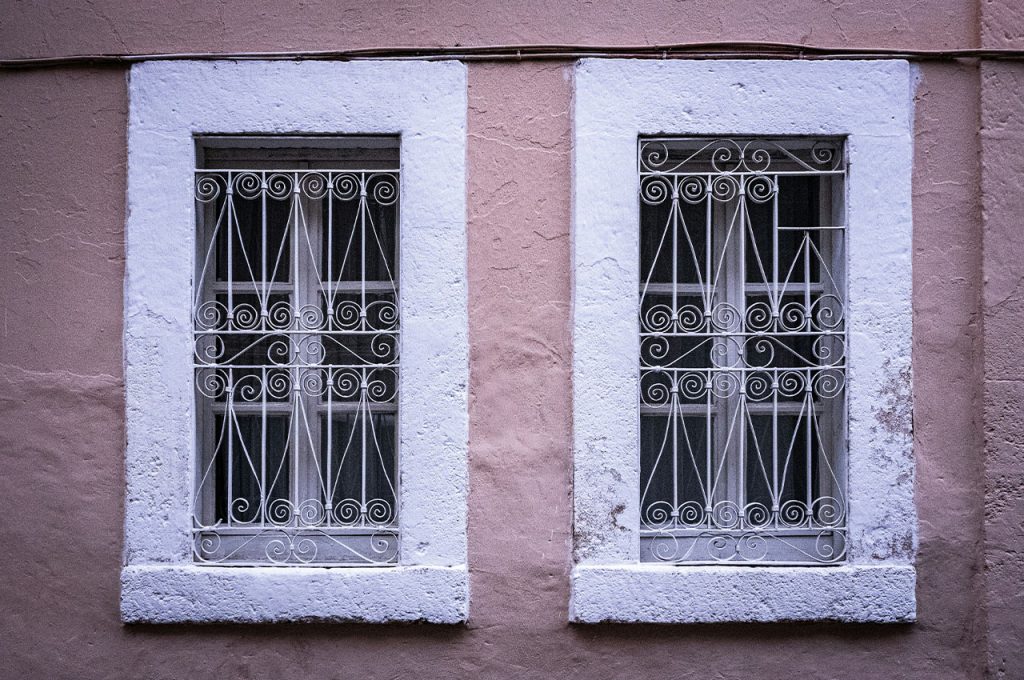
Windows that stick, won’t open, or lack working locks are more than just an inconvenience—they can be fire hazards and security concerns. Inspectors check windows for proper function, especially in bedrooms where egress is legally required. Misaligned frames, warped sashes, or painted-shut panes can all result in inspection issues that are relatively simple to fix but easy to overlook.
10. DIY Repairs That Don’t Meet Code
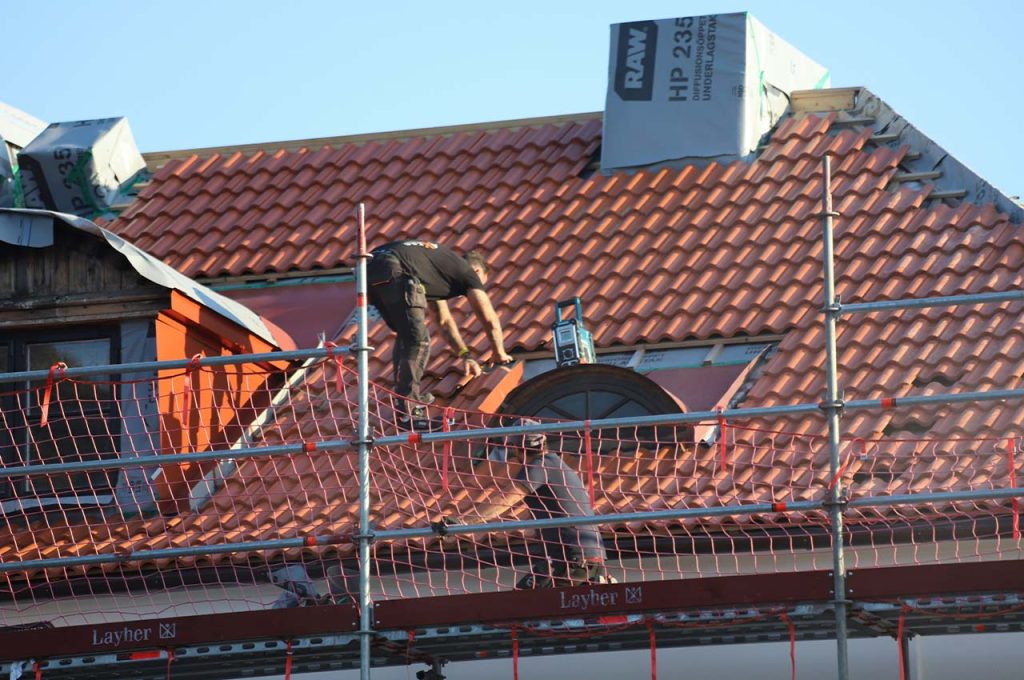
Unpermitted or poorly executed DIY fixes may seem harmless, but inspectors can spot code violations a mile away. From makeshift plumbing to electrical shortcuts, these repairs can create safety hazards and legal complications. Even if everything “works,” the lack of proper installation or documentation could result in a failed inspection. It’s worth having questionable fixes checked—and corrected—by a pro.
Want to see more from Remodr?

Drop a comment below, share this with your friends and family, and don’t forget to follow us for more fresh ideas, updates, tips, and home trends.
This article was created with the assistance of AI but thoroughly edited by a human being.