

For decades, many everyday behaviors went unquestioned simply because everyone seemed to do them. Social media, online forums, and global conversations have since challenged those assumptions. Americans increasingly discover that habits once considered normal are viewed very differently elsewhere. The internet didn’t invent these debates, but it amplified awareness and reshaped cultural self-reflection.
Working Through Lunch

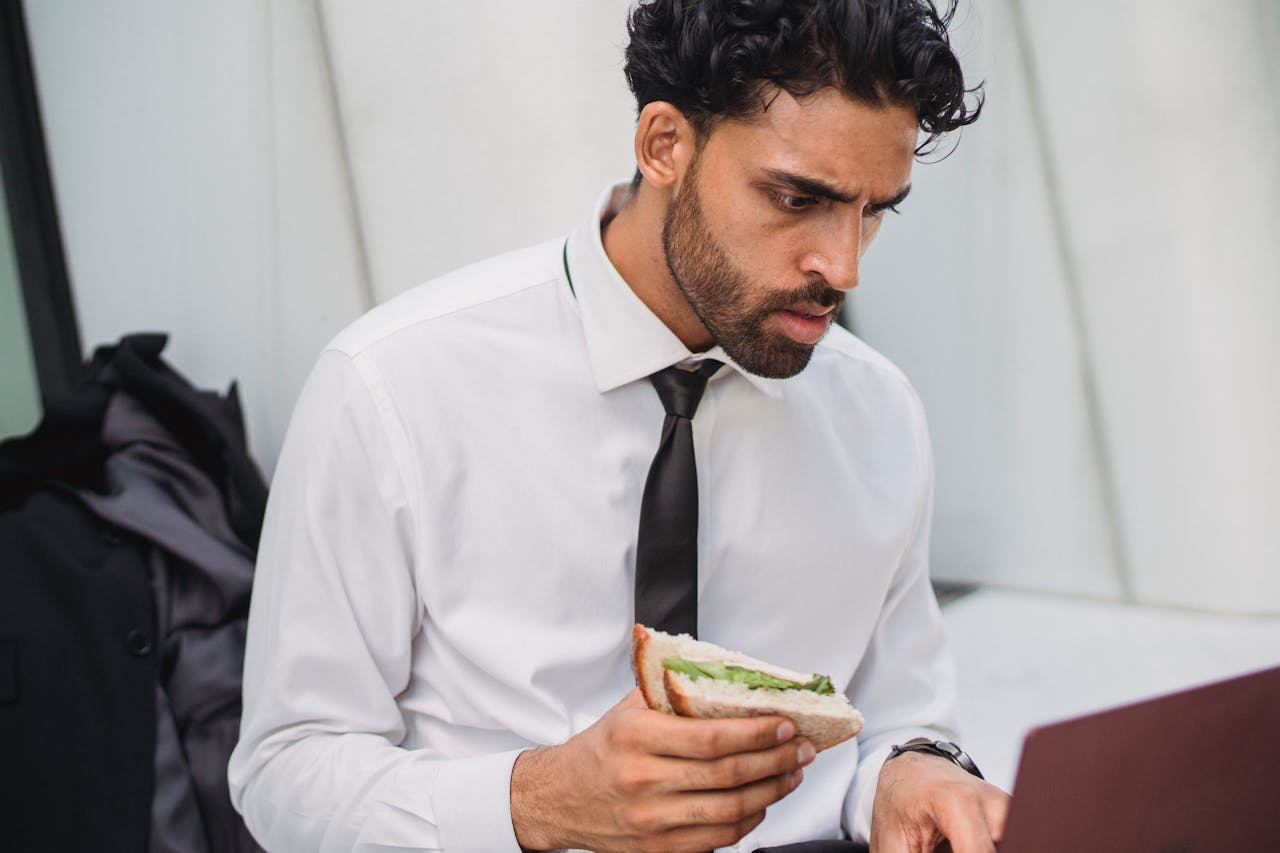
Many Americans grew up believing skipping lunch breaks showed dedication and professionalism. Online conversations revealed that in many countries, protected lunch hours are standard and respected. Constantly working through meals is now seen as harmful to health and productivity. The shift has encouraged reevaluations of workplace culture and burnout.
Driving Everywhere

Car dependency was long treated as a practical necessity rather than a choice. Online comparisons highlighted how walkable cities and public transit dominate elsewhere. Americans began questioning long commutes and urban design priorities. This awareness fueled interest in alternative transportation and city planning reform.
Asking “What Do You Do?” First

Leading conversations with career questions once seemed polite and normal. Internet discourse reframed it as intrusive or identity-reducing. Many now recognize cultural differences in how people define themselves. The shift encourages more personal, interest-based conversations instead.
Oversized Portion Sizes

Large servings were historically marketed as value and generosity. Online comparisons exposed stark differences in portion norms globally. Health discussions reframed excess as wasteful rather than beneficial. This awareness has influenced eating habits and restaurant expectations.
Tipping as Mandatory

Mandatory tipping was long accepted as part of dining culture. Internet debates revealed confusion and discomfort among international visitors. Discussions highlighted wage structure issues rather than customer responsibility. This sparked renewed conversations about fair pay and service industry reform.
Extreme School Spirit

Highly competitive school pride once seemed universally positive. Online discussions exposed how intense rivalries can fuel exclusion or pressure. Some parents now question whether traditions outweigh student well-being. The shift encourages more inclusive approaches to school culture.
Hustle Culture

Constant productivity was once celebrated as ambition. Online narratives reframed hustle culture as unsustainable and mentally draining. Younger generations increasingly prioritize balance over burnout. This cultural reassessment reshaped definitions of success.
Early College Pressure

Pushing teenagers toward immediate college enrollment was considered standard. Online stories revealed successful alternative paths globally. Families began questioning rigid timelines for adulthood. Gap years and vocational options gained legitimacy.
Loud Patriotism

Public displays of patriotism were often unquestioned expressions of pride. Internet perspectives reframed them as culturally specific rather than universal. Americans began reflecting on how nationalism is perceived abroad. This prompted nuanced conversations about identity and expression.
Talking About Money Indirectly

Avoiding direct money conversations was once considered polite. Online transparency movements challenged this norm. Sharing salary information became a tool for equity and empowerment. The internet reframed silence as potentially harmful rather than respectful.