

Every day, trash can hide unexpected dangers to health and the environment. Items like batteries, leftover chemicals, electronics, and aerosol cans may seem harmless, but they can pollute soil, water, and air or create hazards for sanitation workers. Knowing what not to throw away and following safe disposal methods protects homes, communities, and ecosystems. Simple conscious choices in handling everyday waste can make a lasting positive impact on the planet and future generations.
1. Batteries
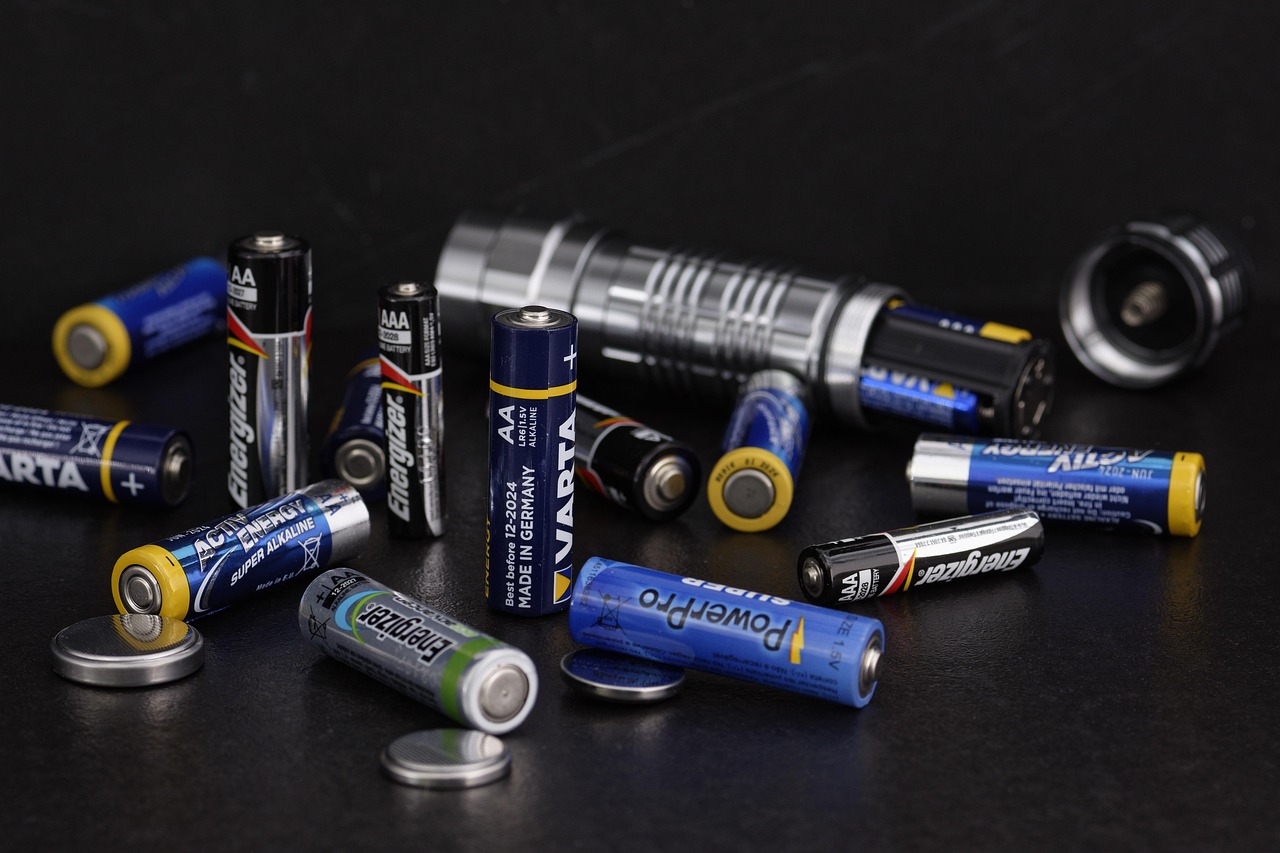
Batteries may seem harmless, but they contain heavy metals like mercury, cadmium, and lead that can seep into soil and waterways, causing long-term environmental damage. Even small household batteries contribute to contamination if tossed in the trash. Many communities offer recycling drop-off points where these metals are safely recovered and reused. Proper disposal not only prevents pollution but also supports sustainability by turning old batteries into valuable resources instead of hidden hazards.
2. Electronics

Old phones, laptops, and electronics are loaded with toxic substances, including lead, arsenic, and brominated flame retardants. Throwing them away risks polluting soil and water while wasting recoverable materials like gold, copper, and silver. E-waste recycling programs safely extract these resources while neutralizing dangerous chemicals. Responsible recycling prevents environmental contamination, reduces the need for raw mining, and ensures toxic materials do not harm communities or wildlife.
3. Light Bulbs
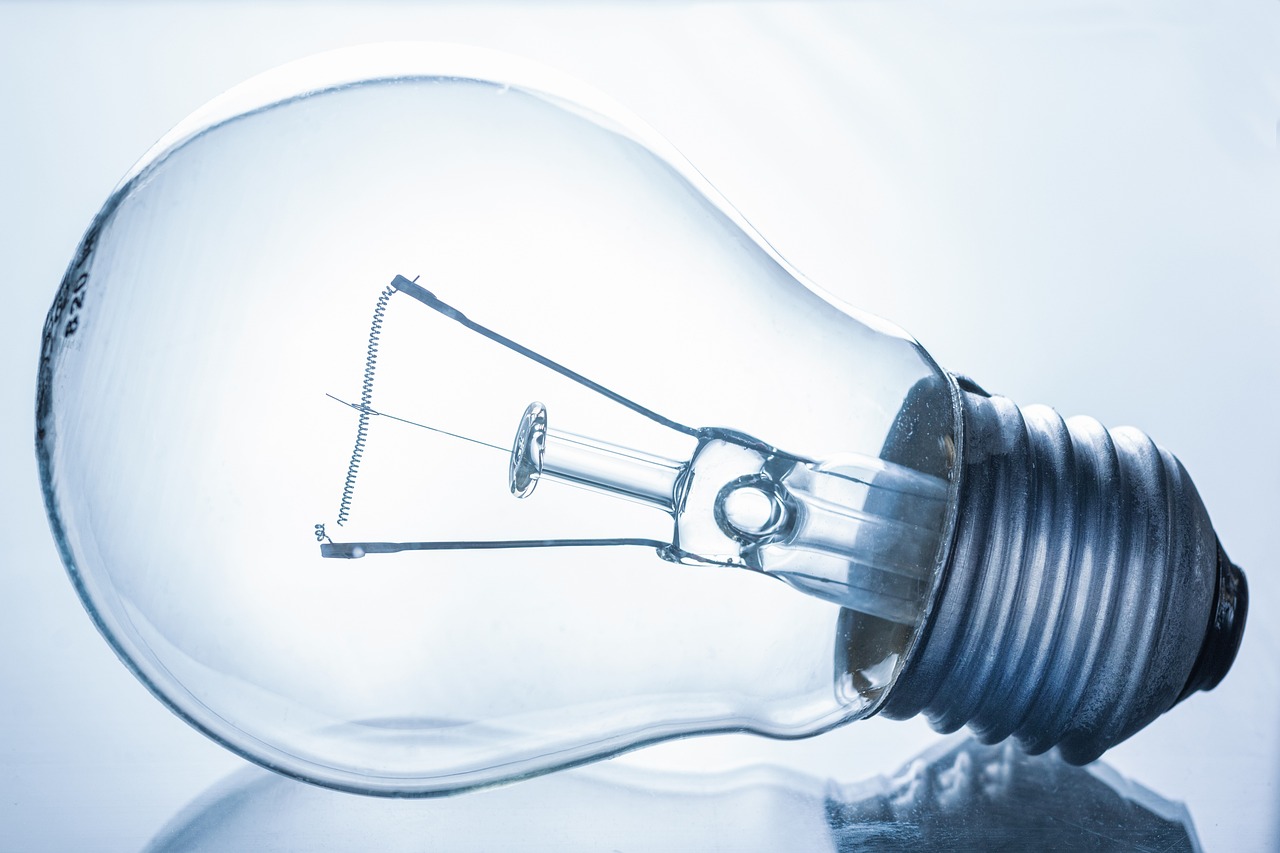
Fluorescent and LED bulbs may look harmless, but they often contain mercury or other chemicals that are dangerous if broken. Tossing them in the trash risks releasing toxins into soil and air. Many hardware stores and municipal recycling programs accept used bulbs, safely recovering valuable materials. Proper disposal prevents environmental contamination, protects homes and wildlife, and ensures these small items do not turn into hidden hazards that can quietly pollute communities.
4. Paint
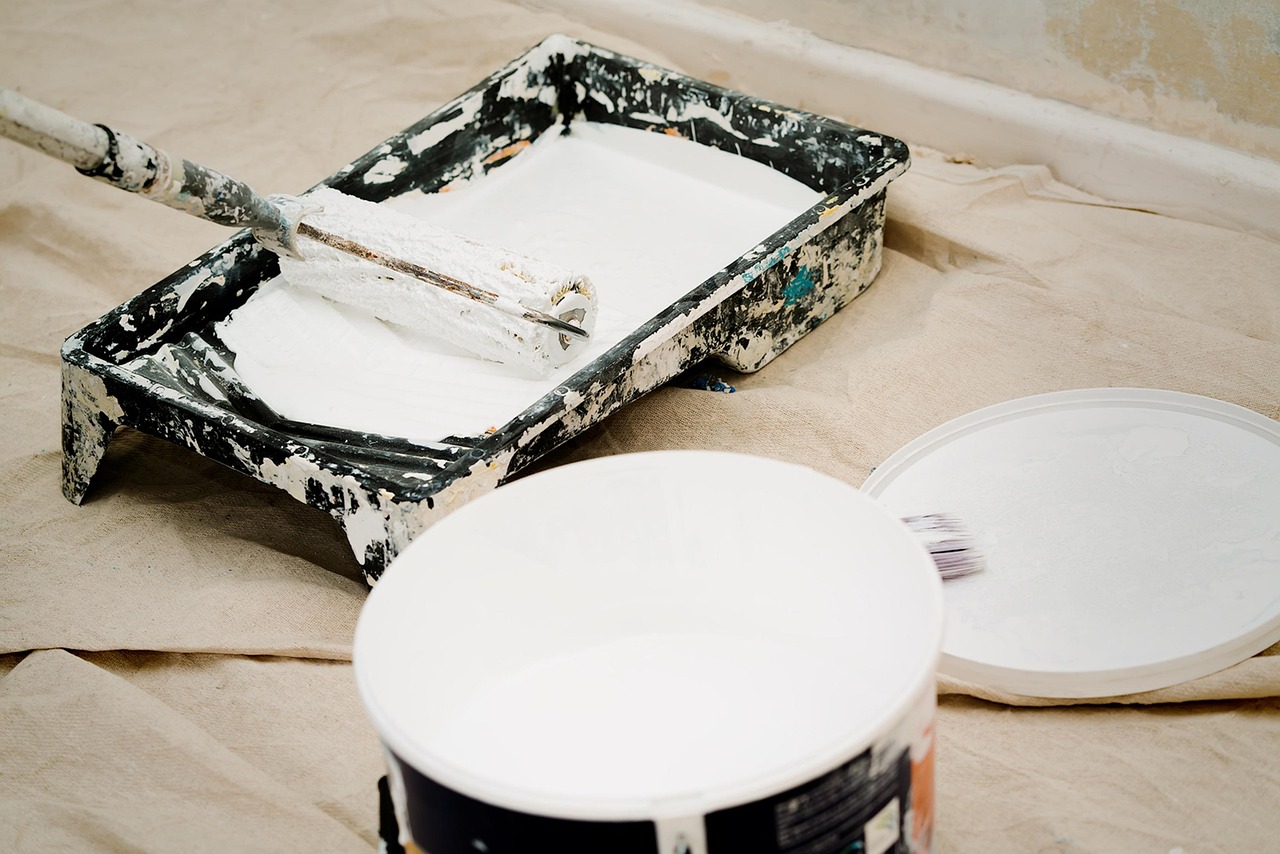
Leftover paint, whether water-based or oil-based, contains chemicals that can harm soil, water, and wildlife if discarded improperly. Oil-based paints are particularly dangerous due to volatile organic compounds. Local hazardous waste centers accept leftover paint, and letting water-based paint dry before disposal makes it safer. Proper management of paint prevents environmental damage, reduces chemical pollution, and ensures that colorful household projects do not inadvertently contribute to long-term hazards.
5. Medications

Unused or expired medicines can seep into drinking water if flushed or thrown in the trash, posing risks to humans, pets, and aquatic life. Pharmaceuticals disrupt ecosystems and can contribute to antibiotic resistance. Many pharmacies and community programs provide safe disposal kiosks, and in their absence, mixing medications with coffee grounds or cat litter before sealing them in a bag prevents accidental ingestion. Safe disposal protects health and preserves environmental balance.
6. Aerosol Cans
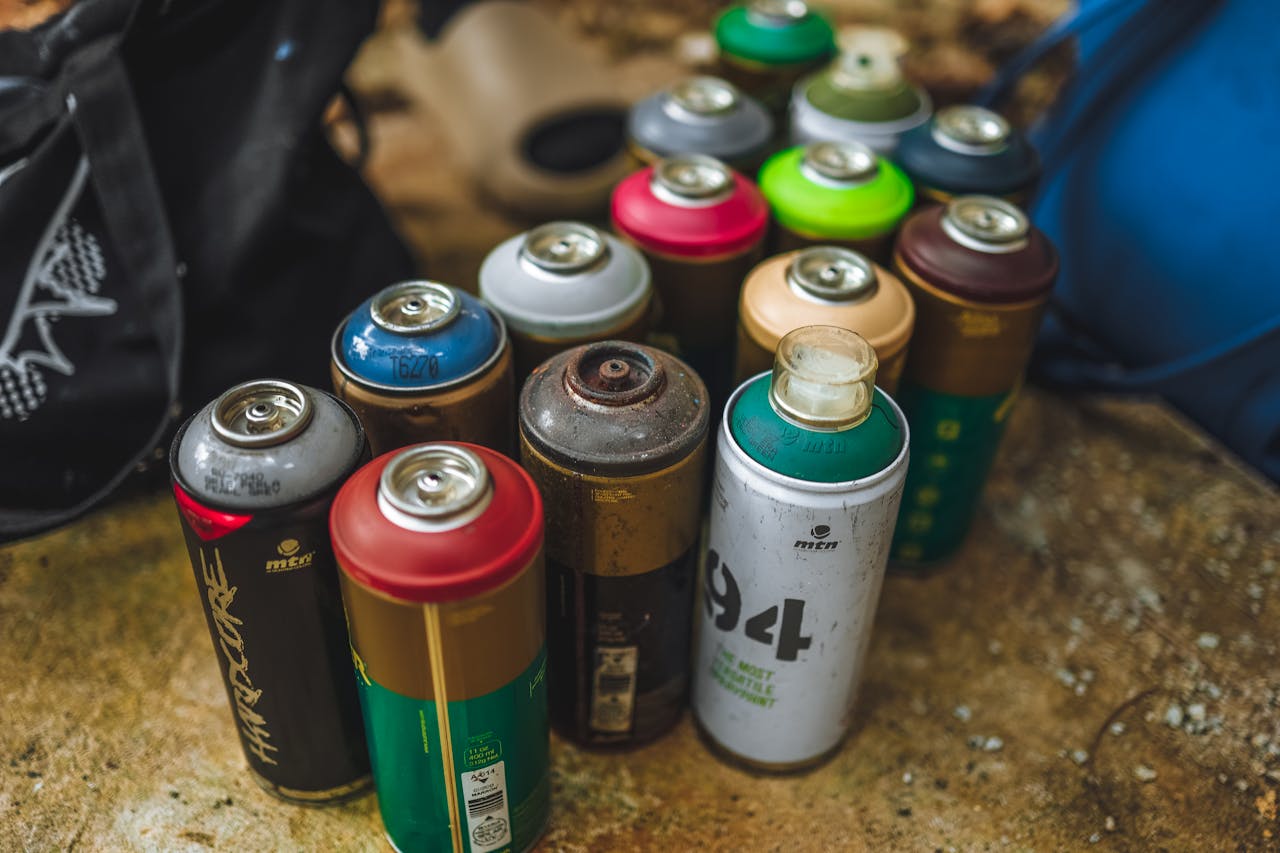
Aerosol cans, even seemingly harmless ones like hairspray or cooking spray, contain pressurized chemicals that can explode if crushed in landfills. Empty cans are usually accepted by recycling centers, while partially full cans may need special handling. Improper disposal risks fires, chemical leaks, and environmental pollution. Managing aerosols carefully prevents accidents, protects sanitation workers, and ensures that pressurized products do not become silent hazards in the trash.
7. Chemicals and Pesticides

Household cleaners, pesticides, and other chemicals can contaminate soil, water, and air if thrown away improperly. These substances pose risks to humans, pets, and wildlife. Hazardous waste collection centers and municipal collection days provide safe disposal options. Reading labels carefully and avoiding drains or regular trash prevents environmental contamination and promotes safer homes. Responsible handling ensures these powerful chemicals do not turn everyday waste into dangerous pollutants.
8. Motor Oil and Automotive Fluids
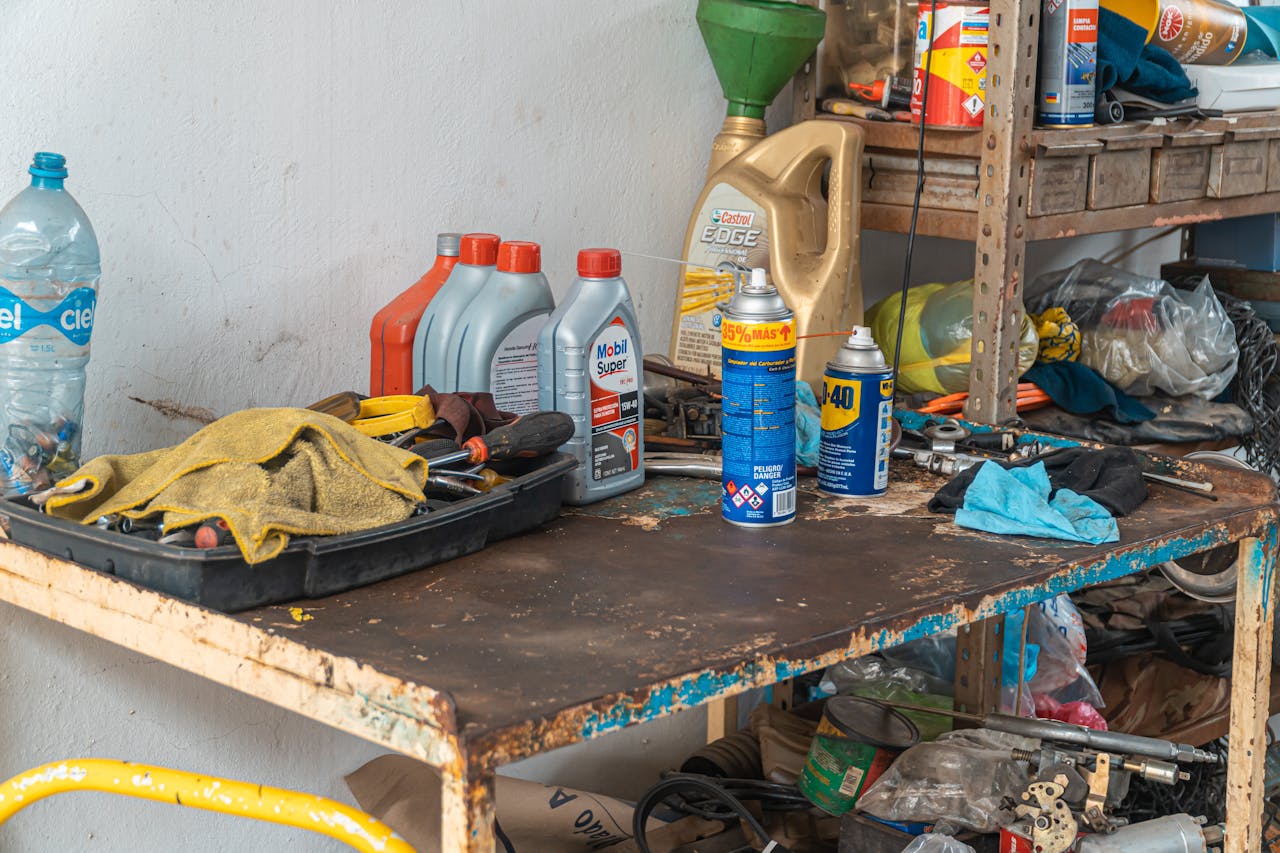
Used motor oil, brake fluid, and antifreeze are highly toxic and can infiltrate groundwater if dumped in trash or drains. Auto shops and recycling centers accept these fluids for safe processing. Recycling prevents environmental pollution, recovers valuable resources, and stops toxic substances from affecting soil, waterways, or wildlife. Proper management of automotive fluids transforms harmful waste into a controlled, reusable resource while keeping communities and ecosystems safe.
9. Lithium and Car Batteries

Lithium-ion and car batteries contain highly flammable chemicals and corrosive metals such as cobalt and nickel, making them dangerous in regular trash. Improper disposal can trigger fires, chemical leaks, or environmental contamination. Specialized recycling centers safely neutralize these batteries while recovering valuable metals for reuse. By disposing of them correctly, you prevent accidents, protect communities and ecosystems, and transform potentially hazardous waste into sustainable resources for future use.
10. Sharp Objects

Razors, needles, broken glass, and other sharp objects may seem small but pose serious hazards when thrown in household trash. Sanitation workers, pets, and wildlife are at risk of injury, and punctured bags can spread contamination. Safe disposal includes using rigid, puncture-resistant containers or designated drop-off programs. Handling sharps responsibly prevents accidents, reduces infection risks, and ensures these everyday items do not become dangerous threats in the waste stream.