

Technology has the power to transform lives, offering progress, convenience, and safety, yet history reveals it can also fail in devastating ways. From nuclear meltdowns to engineering miscalculations, seemingly small errors have sparked national tragedies that altered policies, economies, and communities. These events show how even the most sophisticated systems are fragile, and they serve as a stark reminder that human oversight, rigorous safety protocols, and careful engineering are essential to prevent disasters with lasting consequences.
1. Chernobyl Nuclear Disaster
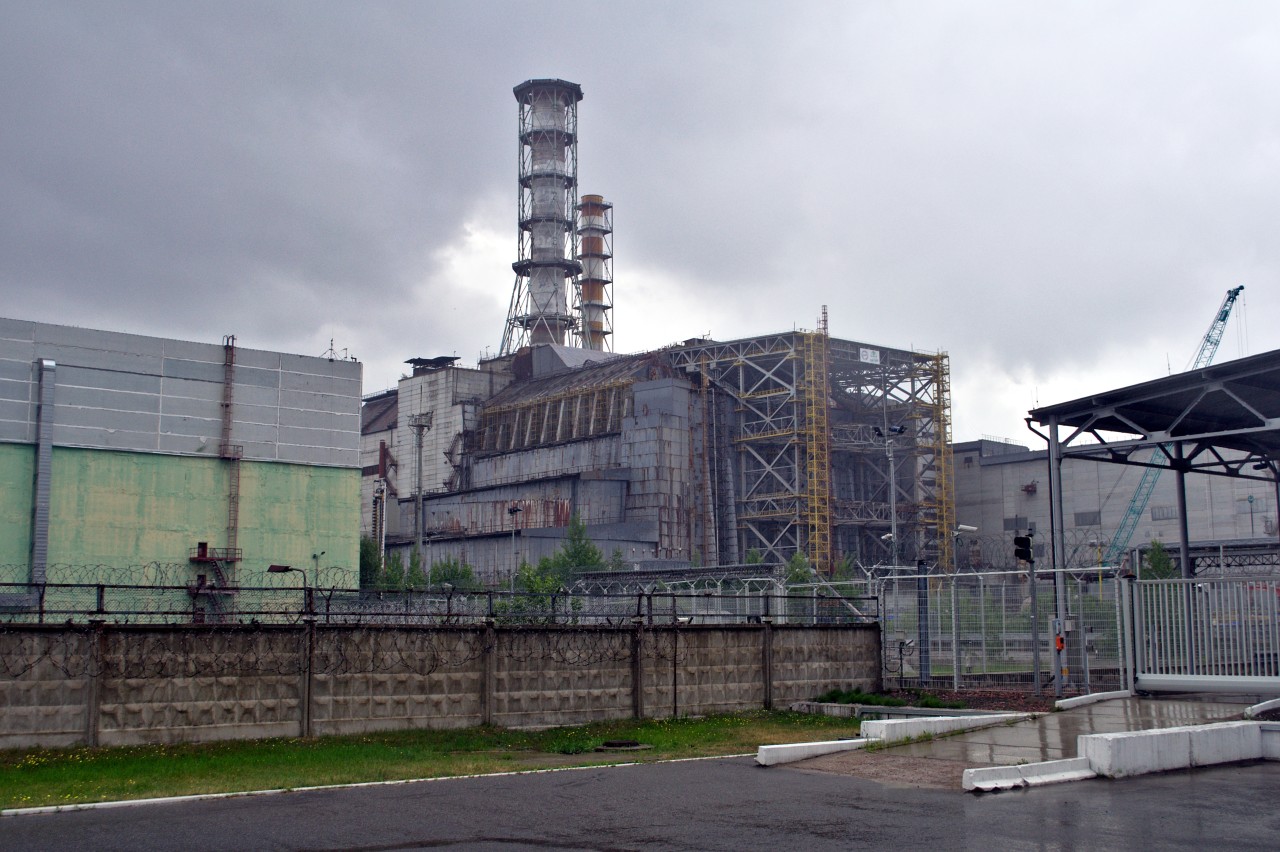
Chernobyl in 1986 remains one of the most catastrophic nuclear accidents in history. A flawed reactor design combined with operator errors caused an explosion that released massive amounts of radiation into the environment. Entire towns were evacuated, crops and livestock were contaminated, and long-term health effects continue to impact survivors. This tragedy revealed the dangers of relying on complex technology without robust safety protocols and highlighted the consequences of human oversight in high-stakes systems.
2. Challenger Shuttle Explosion
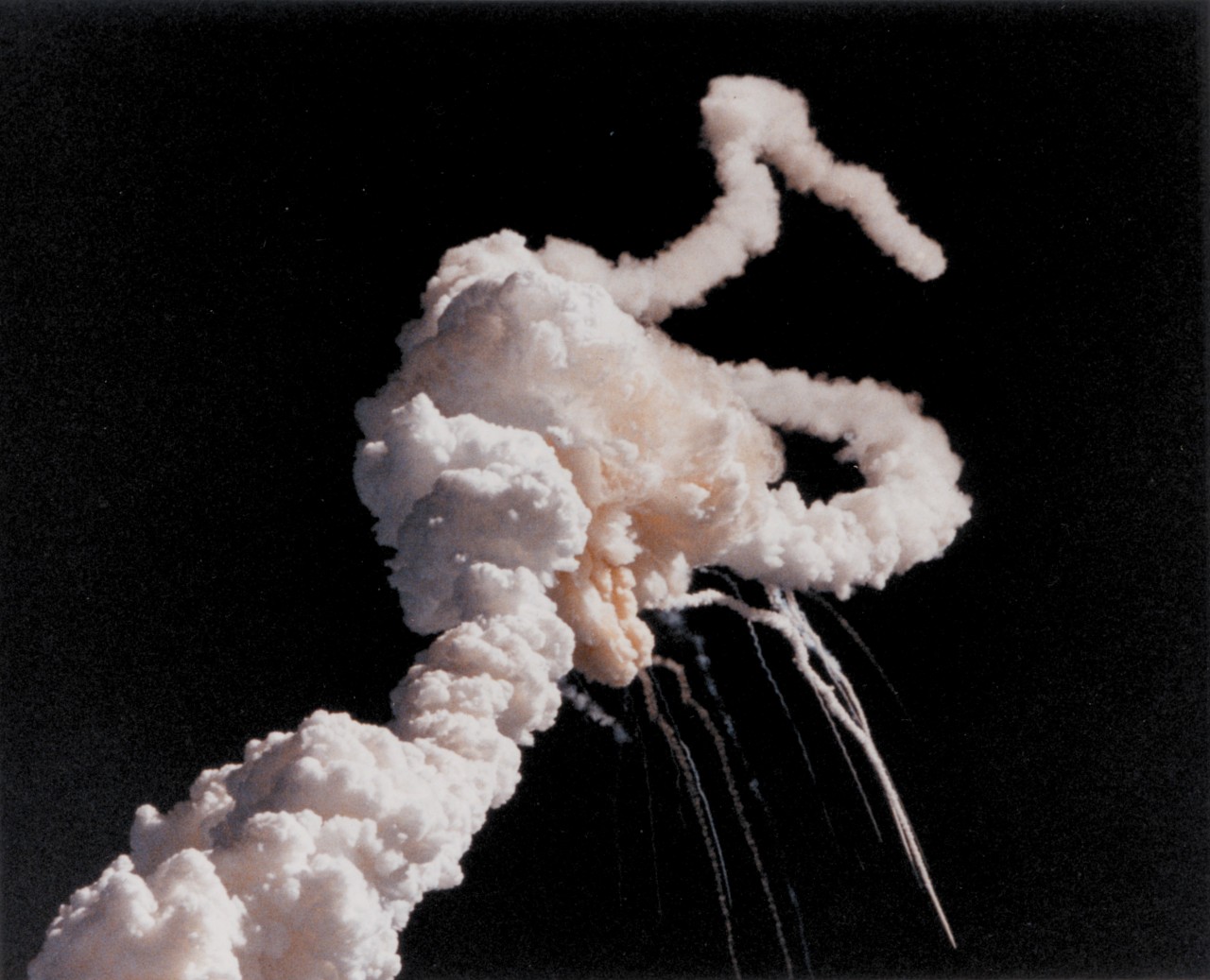
The Challenger disaster in 1986 shocked the world when a faulty O-ring caused the shuttle to explode shortly after launch. Seven astronauts, including a schoolteacher, were killed, and the incident forced NASA to re-evaluate safety procedures. Engineers had warned of the risks, but pressures to maintain launch schedules contributed to the tragedy. Challenger illustrated how even minor engineering oversights in cutting-edge technology can lead to devastating consequences when human judgment and safety are compromised.
3. Three Mile Island Accident
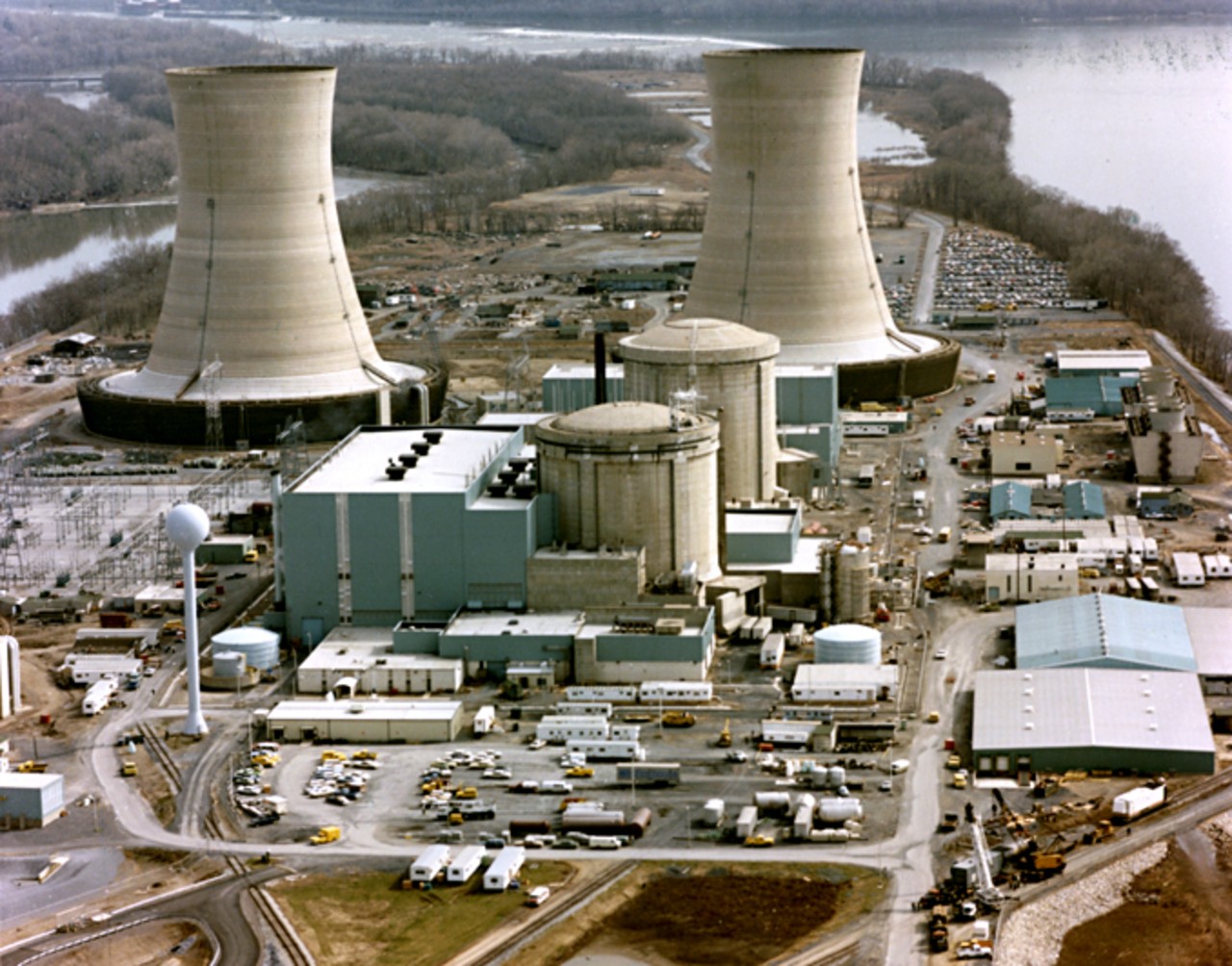
In 1979, a partial meltdown at the Three Mile Island nuclear plant in Pennsylvania demonstrated how technological and human failures can intersect. Malfunctioning equipment coupled with operator errors caused radioactive gases to leak, creating public fear and sparking debates on nuclear energy. While the immediate health impact was limited, the incident showed the importance of proper training, emergency protocols, and oversight in handling highly sensitive and potentially hazardous technology.
4. Bhopal Gas Tragedy
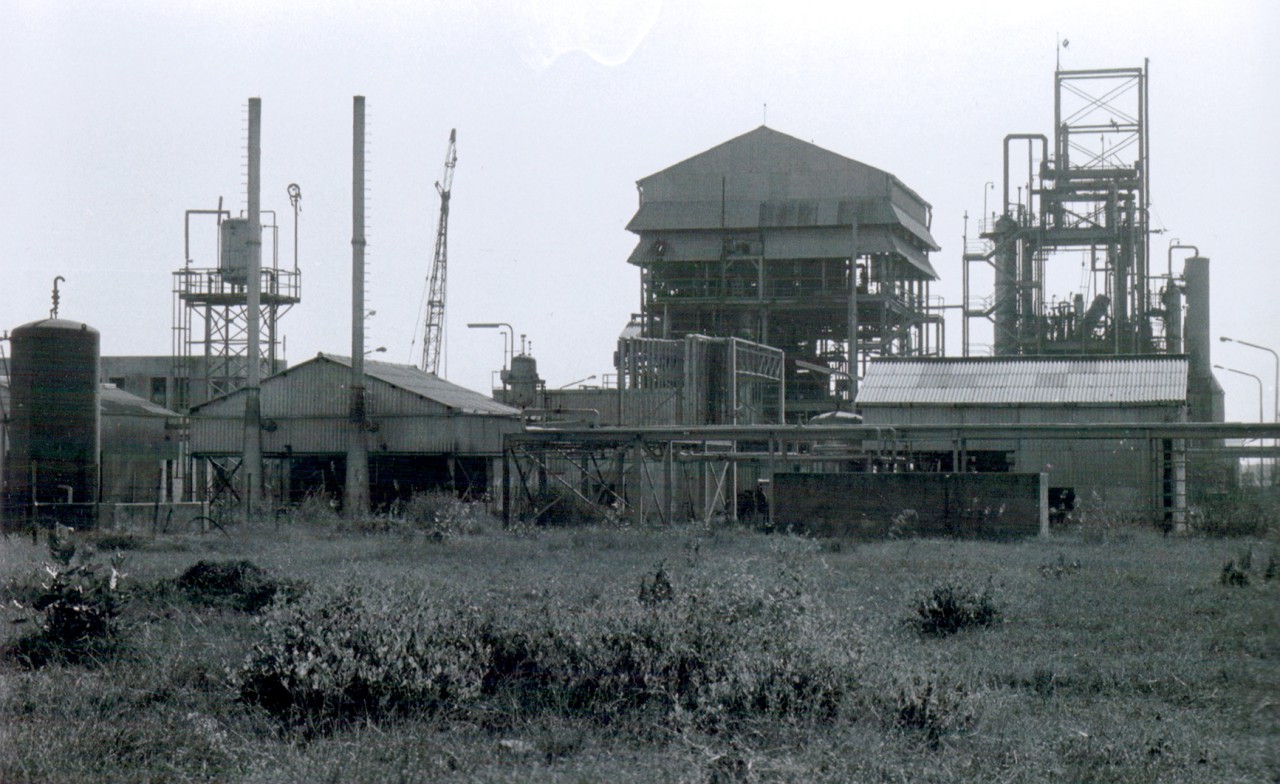
The Bhopal disaster in 1984 resulted from a chemical leak at a pesticide plant in India, caused by faulty equipment and safety lapses. Thousands of people were killed instantly, and hundreds of thousands suffered long-term health consequences. Inadequate maintenance and insufficient safety protocols exacerbated the impact, highlighting how industrial technology without rigorous oversight can turn into a national catastrophe. Bhopal remains a stark lesson in industrial responsibility and the human cost of technological negligence.
5. Deepwater Horizon Oil Spill

In 2010, the Deepwater Horizon drilling rig suffered catastrophic equipment failures that led to a massive oil spill in the Gulf of Mexico. Millions of barrels of oil contaminated marine ecosystems, destroyed livelihoods, and caused long-term economic and environmental damage. Investigations revealed a mix of technical flaws, human errors, and corporate negligence. This disaster demonstrated how complex industrial technologies can have widespread consequences when safety systems fail under pressure.
6. Fukushima Daiichi Nuclear Disaster
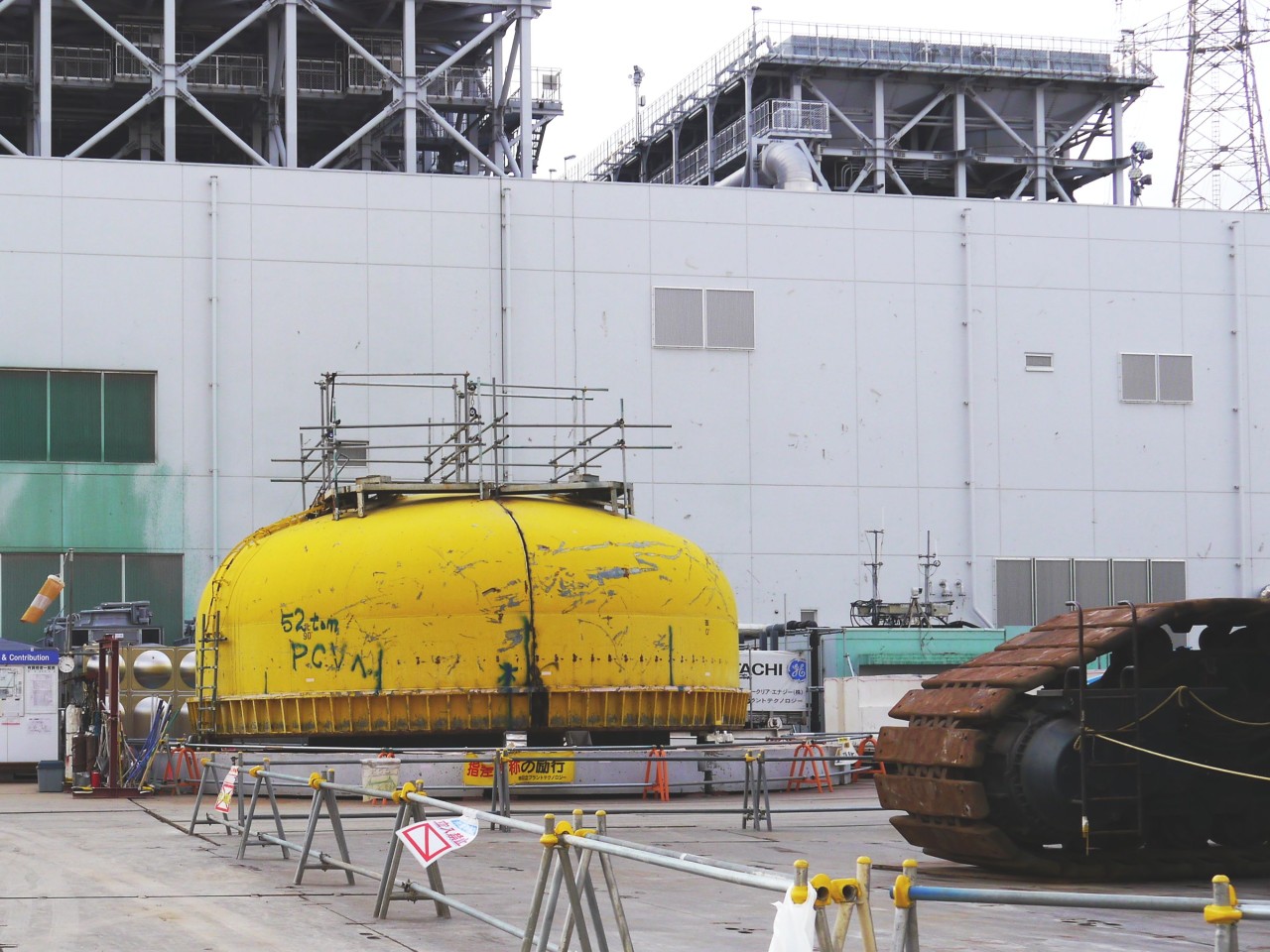
The 2011 Fukushima Daiichi disaster in Japan was triggered by a tsunami that disabled cooling systems in nuclear reactors. The resulting radiation leaks forced mass evacuations and created long-lasting environmental and social challenges. The failure was not just natural but technological, as backup systems and safety designs were insufficient to handle extreme conditions. Fukushima underscored the critical need for resilient engineering, risk assessment, and emergency preparedness in high-stakes technological infrastructure.
7. Titanic Sinking
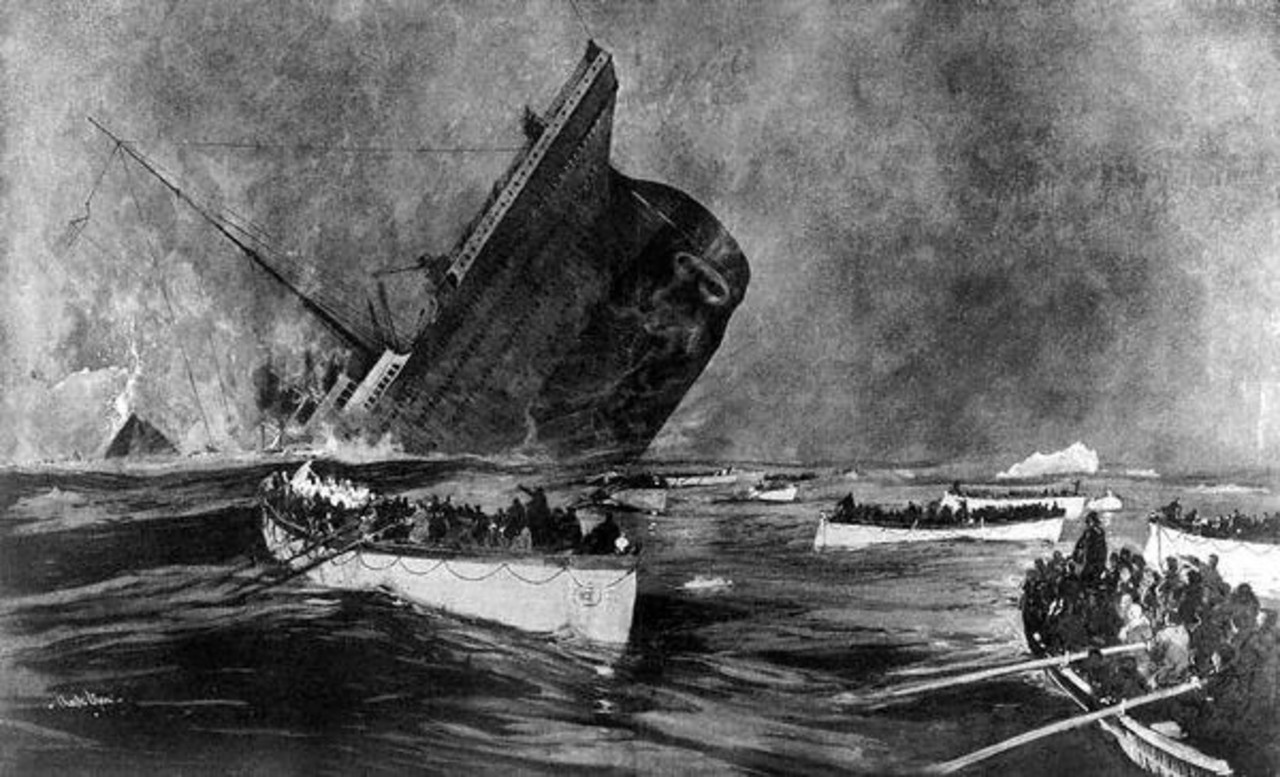
The sinking of the Titanic in 1912 remains one of the deadliest maritime disasters, caused in part by technological overconfidence. Despite being hailed as “unsinkable,” the ship’s structural limitations and inadequate safety measures led to the loss of over 1,500 lives when it struck an iceberg. Lifeboat shortages and navigational miscalculations compounded the tragedy, revealing how reliance on cutting-edge technology without contingency planning can result in catastrophic outcomes.
8. Hindenburg Disaster
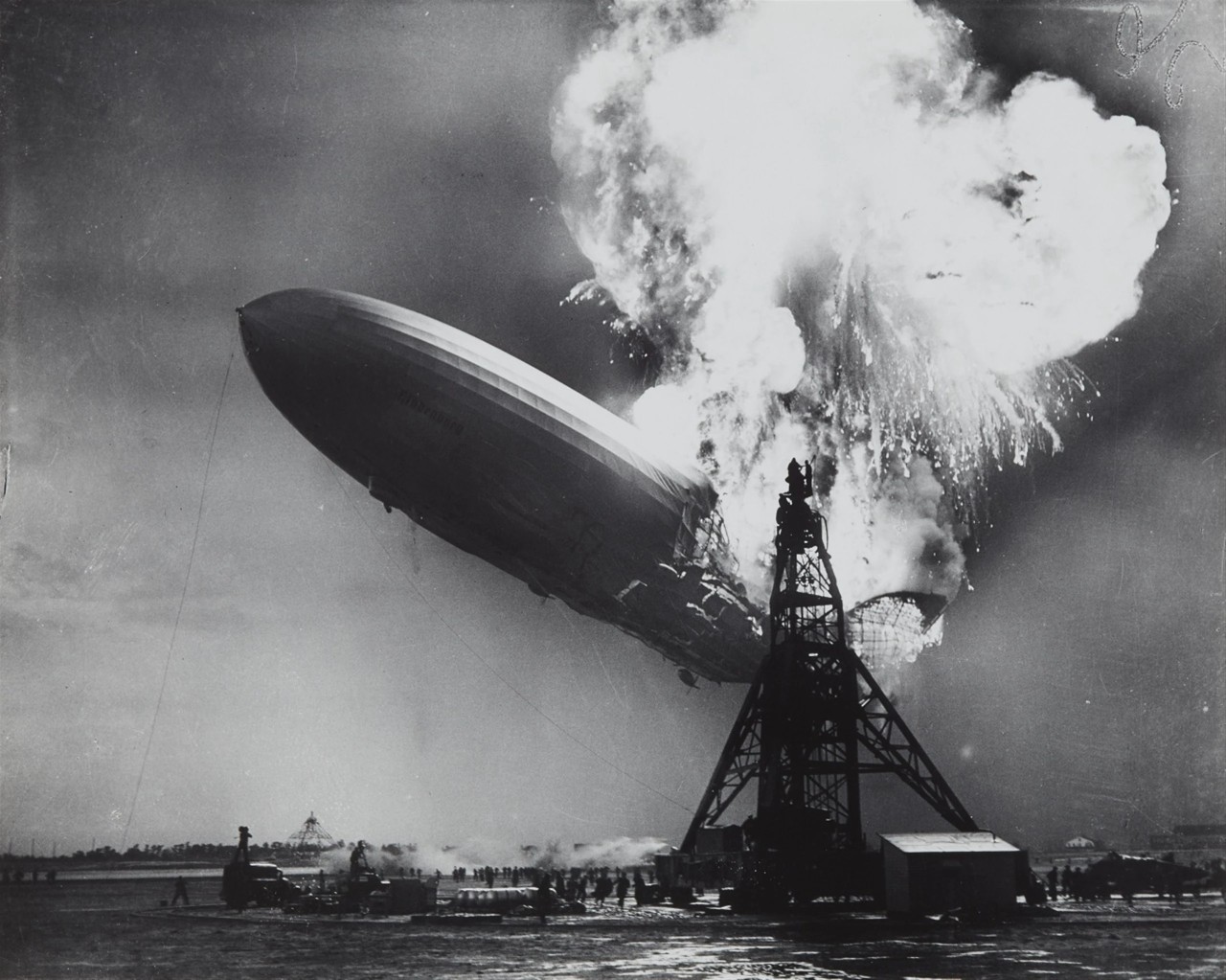
The 1937 Hindenburg explosion illustrated the dangers of combining experimental technology with flawed materials. Hydrogen gas and structural weaknesses caused the airship to catch fire, killing 36 passengers and crew. The disaster, captured on film, shocked the world and ended the era of passenger airships. It highlighted the perils of prioritizing innovation and spectacle over safety and demonstrated how technological ambition without thorough safeguards can lead to public catastrophe.
9. Mars Climate Orbiter Loss

In 1999, NASA’s Mars Climate Orbiter crashed on the planet’s surface due to a unit conversion error in its software. One team used metric units while another used imperial, causing the spacecraft to enter the Martian atmosphere incorrectly. The loss of a $125 million mission revealed how small technological oversights in design, communication, and testing can lead to enormous failures, reminding engineers that precision, coordination, and attention to detail are critical in advanced technology.
10. The Great Blackout of 2003

In 2003, a massive power grid failure left tens of millions of people in the U.S. and Canada without electricity for up to two days. Equipment failures, inadequate system monitoring, and cascading technical problems caused widespread disruptions in transportation, healthcare, and commerce. This blackout highlighted the vulnerability of interconnected technological infrastructure and demonstrated how minor technical issues can escalate into national crises, emphasizing the importance of preventive maintenance and robust contingency planning.