
Oregon is well known for its forests, rivers, and iconic cities like Portland and Eugene, but beyond the larger hubs lie dozens of small, tucked-away towns that many travelers rarely encounter. These hidden places often carry fascinating stories of settlement, mining, and ranching, along with natural beauty that reflects Oregon’s diverse landscapes. Many of these communities have populations under 500 people and remain deeply tied to history and tradition. According to the Oregon Historical Society, such towns preserve a unique part of the state’s culture that is often overlooked.
1. Dayville

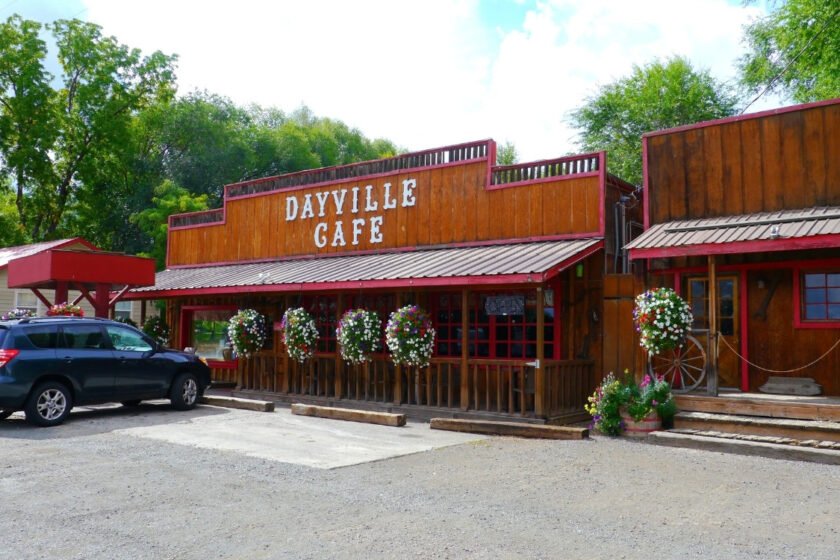
Dayville is a quiet town located along the John Day River in Grant County. With fewer than 150 residents, it offers a rare glimpse into rural Oregon life. The town serves as a gateway to the John Day Fossil Beds National Monument, a site recognized by the National Park Service for its preserved prehistoric remains. Dayville’s main street features a handful of local businesses, and according to the U.S. Census Bureau, the town’s population has remained small but steady. Visitors often stop here for its proximity to hiking trails, natural history, and peaceful landscapes.
2. Jordan Valley
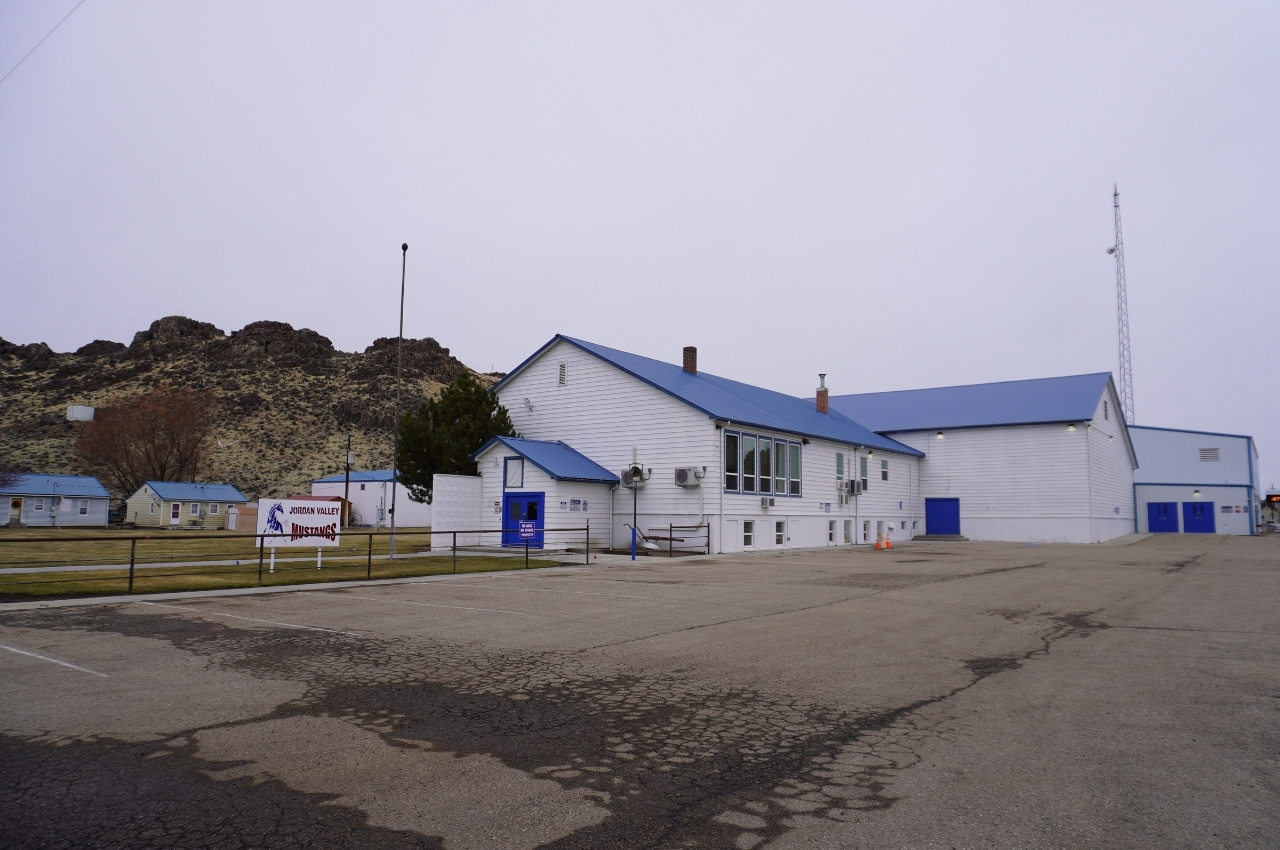
Jordan Valley, found near the Idaho border, is steeped in ranching traditions and Basque heritage. According to the Malheur County Historical Society, Basque sheepherders arrived in the late nineteenth century, leaving cultural influences still visible today in food and festivals. The town has fewer than 150 residents but maintains a deep connection to its frontier past. Surrounded by high desert terrain, Jordan Valley provides access to remote areas of southeastern Oregon. Visitors come to see historic stone buildings and wide-open ranch lands that highlight the rugged lifestyle of the region’s earliest settlers.
3. Summerville
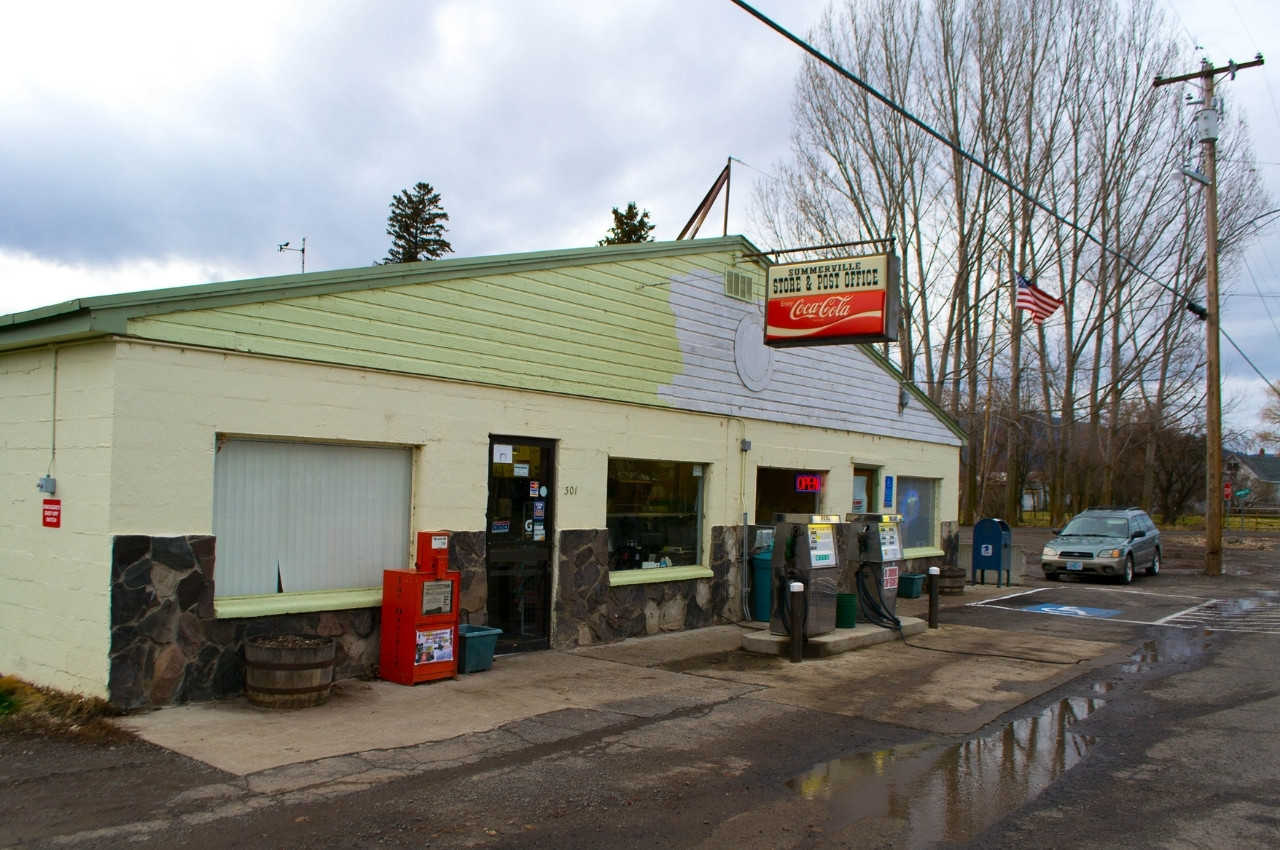
Summerville is a tiny farming community located in Union County. With fewer than 150 people, the town is surrounded by agricultural fields that reflect its long-standing ties to farming. According to the Oregon Blue Book, Summerville developed in the late nineteenth century as a small settlement supporting local ranchers and farmers. While it has little commercial activity today, the quiet town offers a snapshot of Oregon’s rural roots. Travelers often find charm in its simple layout, tree-lined streets, and peaceful environment, making Summerville an example of life outside Oregon’s more visited areas.
4. Monument
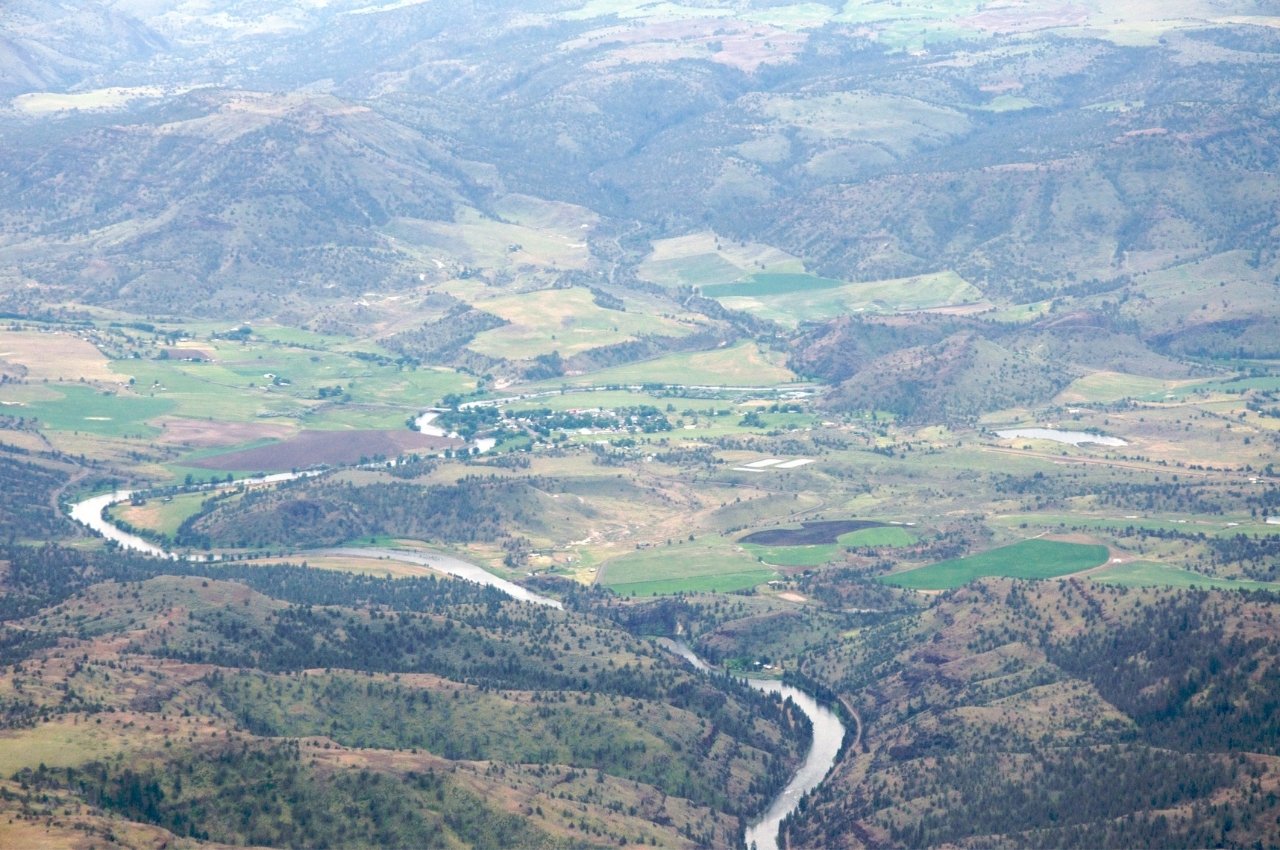
Monument, situated in Grant County, is named for a prominent rock formation that stands near the town. With a population under 150, it is surrounded by rugged terrain and sits along the North Fork of the John Day River. According to the U.S. Geological Survey, this region is known for its distinct rock landscapes and unique natural history. Monument’s economy is tied largely to ranching and small-scale farming. The town’s isolation has kept it quiet and close-knit, making it a destination for those seeking solitude while enjoying the striking beauty of Oregon’s wilderness.
5. Prescott
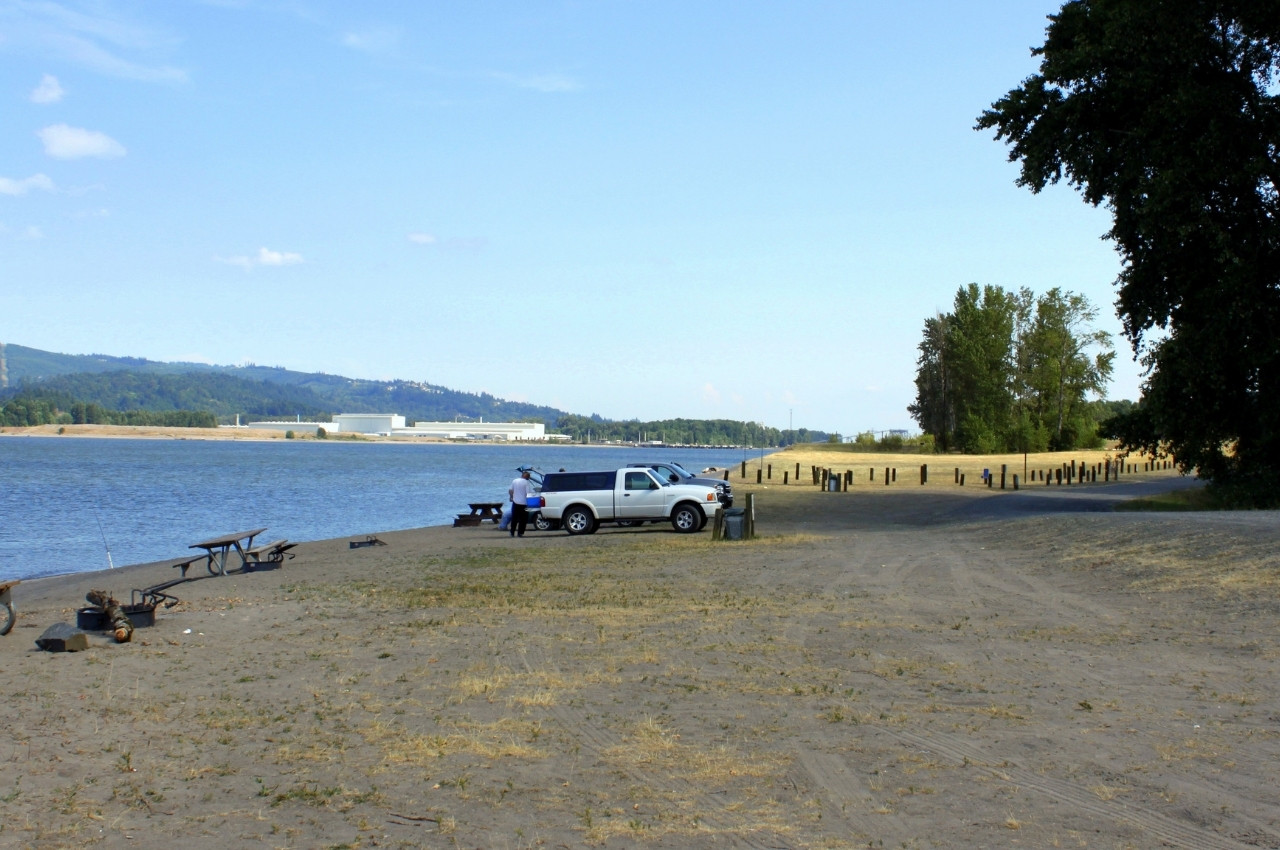
Prescott, in Columbia County, is one of Oregon’s smallest incorporated towns. With fewer than 100 residents, according to the U.S. Census Bureau, it represents one of the state’s tiniest communities. Located along the Columbia River, Prescott was once linked to sawmill operations and river trade. Today, it is primarily residential but retains its historical connection to the river. Visitors who stop in Prescott will find easy access to the Columbia’s scenic views and a town where neighbors know each other well, reflecting Oregon’s pattern of small towns with long-standing identities.
6. Unity
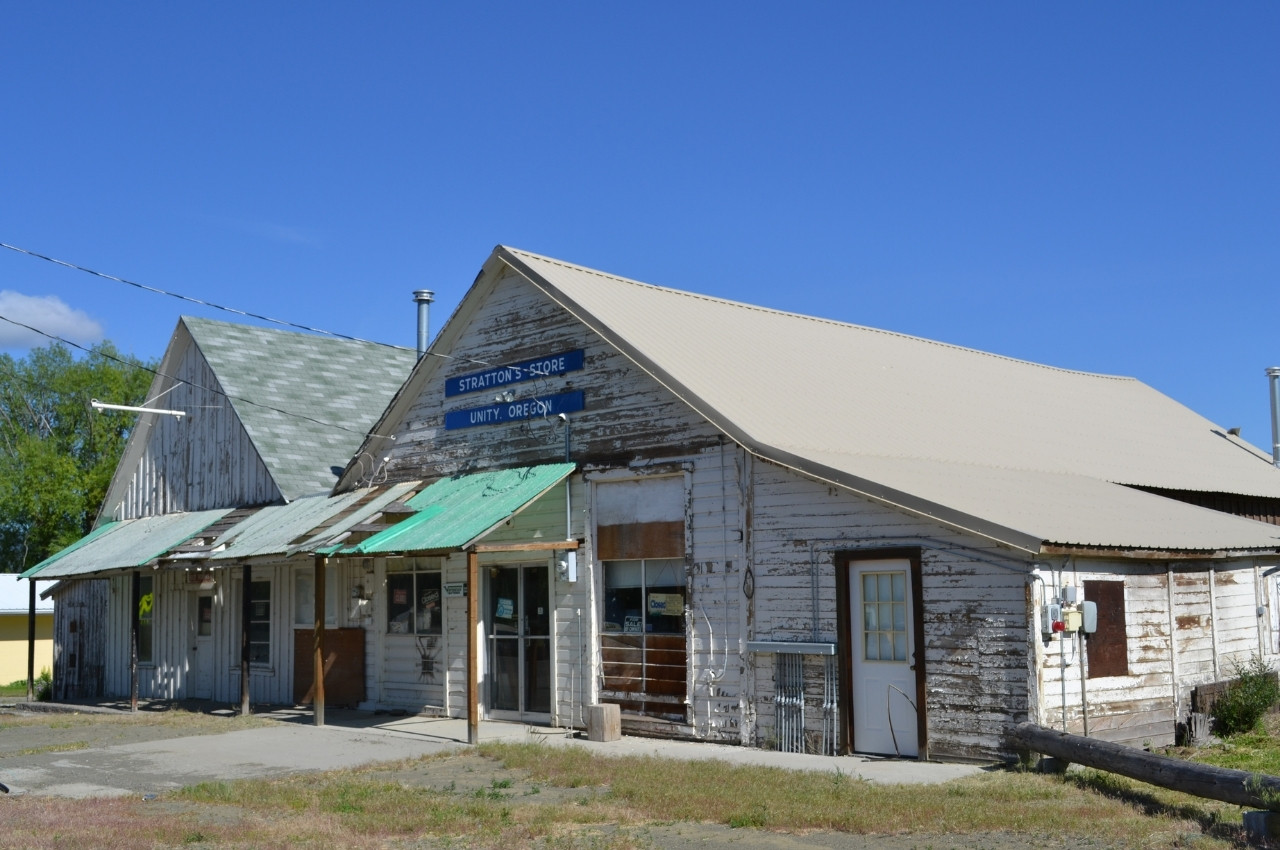
Unity is a remote town in Baker County with fewer than 100 residents. Surrounded by the Blue Mountains, it developed in the late nineteenth century during a mining boom. According to the Oregon Historical Society, the town once supported miners searching for gold in the area. While the mining era has passed, Unity remains a close-knit ranching and outdoor community. It is also a jumping-off point for outdoor recreation, including hunting, fishing, and hiking in the Wallowa-Whitman National Forest. Visitors find Unity an authentic reminder of Oregon’s frontier history and natural charm.
7. Antelope
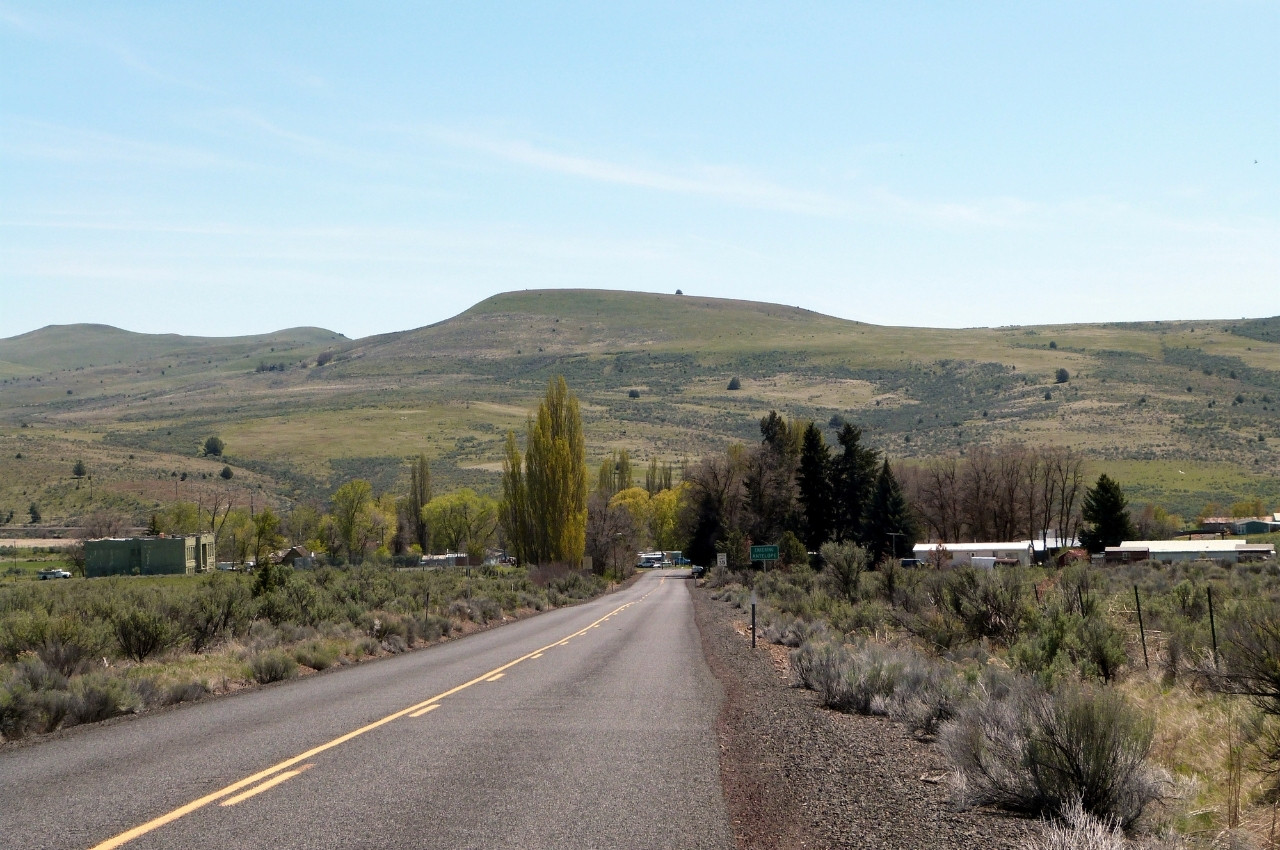
Antelope is a small town in Wasco County with fewer than 50 residents, according to the latest U.S. Census Bureau data. Despite its size, it became internationally known in the 1980s during the controversial Rajneeshpuram commune era, a chapter documented by the Oregon Historical Society. Before that, Antelope was a quiet ranching community surrounded by high desert landscapes. Today, it has returned to its peaceful roots, offering a slow pace of life and a unique history. Travelers often stop to explore its past while appreciating the surrounding views of central Oregon’s open terrain.
8. Granite

Granite, located in Grant County, was once a booming mining town during Oregon’s gold rush. Today, fewer than 40 residents remain, making it one of the smallest incorporated towns in the state. According to the Oregon Blue Book, Granite had saloons, hotels, and a busy downtown during the mining era. The decline came when gold resources diminished, leaving behind a quiet town with traces of its past. Modern Granite is surrounded by forest and mountains, drawing in visitors interested in history, hiking, and Oregon’s rugged, lesser-known landscapes.
9. Shaniko
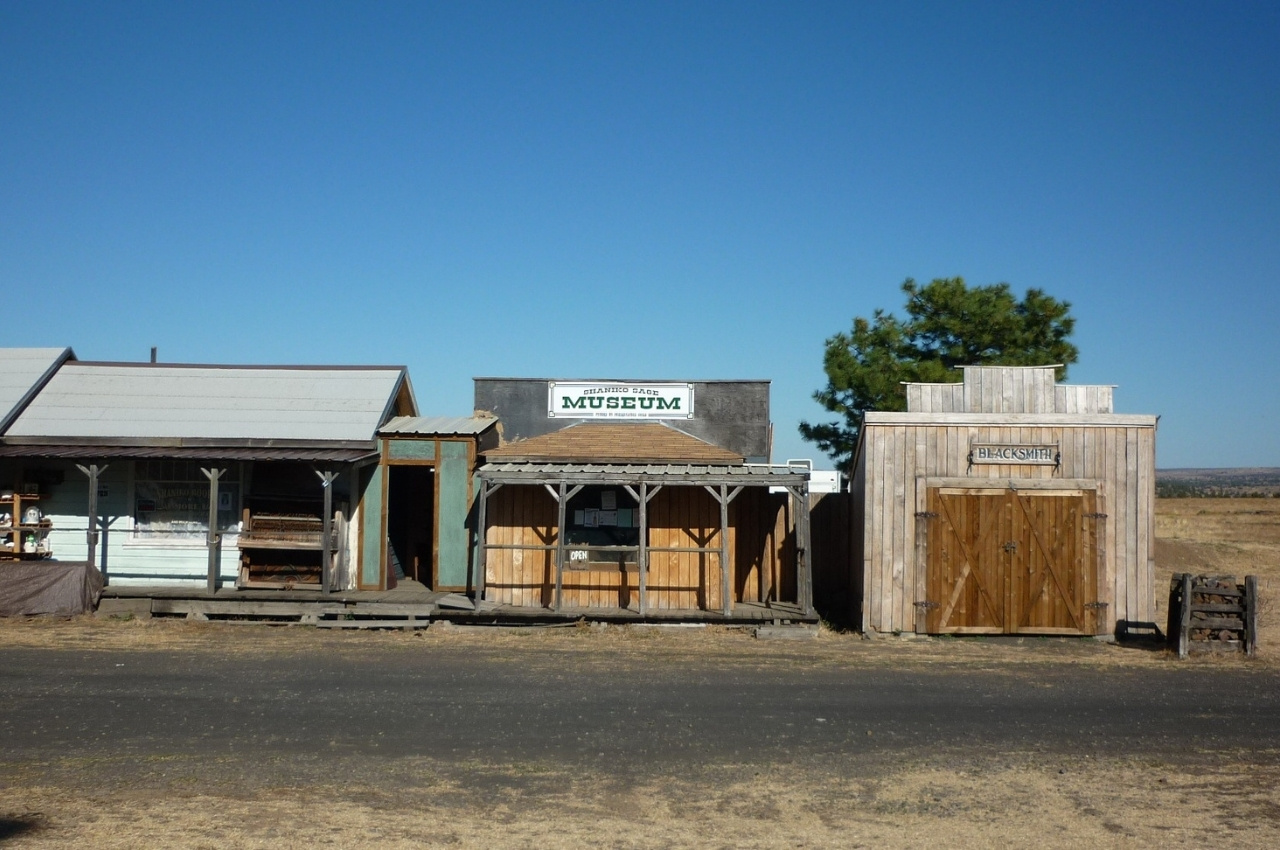
Shaniko is often referred to as Oregon’s “ghost town capital.” Located in Wasco County, it rose to prominence in the early twentieth century as a major wool-shipping center. According to the Oregon Historical Society, Shaniko’s population peaked during this era but declined sharply when railroad lines bypassed the area. Today, fewer than 30 people live in Shaniko, though it attracts many visitors interested in its preserved old buildings. Tourists find historic hotels, schoolhouses, and storefronts that capture the look of Oregon’s early frontier towns. Its rich past makes it a popular heritage stop.
10. Lonerock
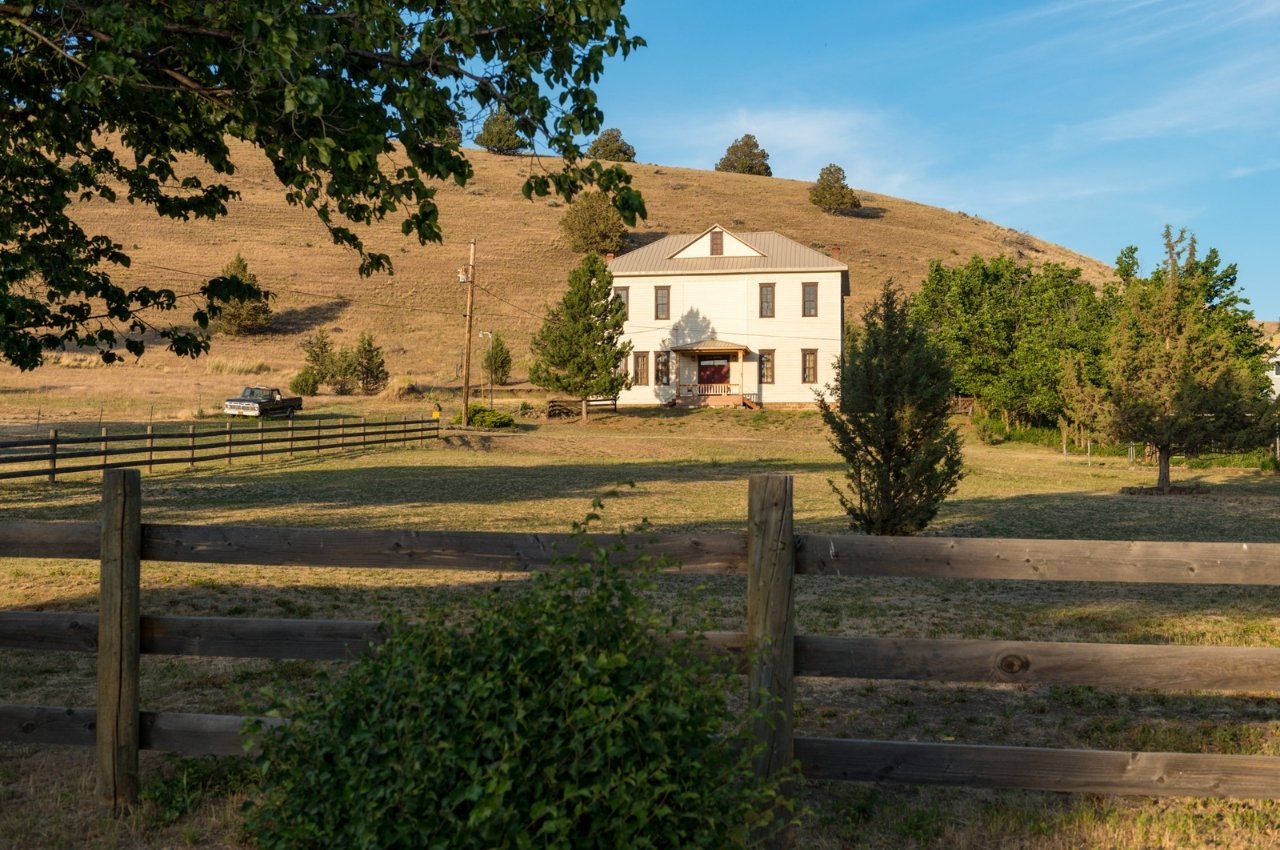
Lonerock, in Gilliam County, takes its name from a large solitary rock near its churchyard. With fewer than 25 residents, according to the U.S. Census Bureau, it is one of Oregon’s tiniest incorporated towns. Established in the late nineteenth century, Lonerock served as a sheep ranching hub. Today, it preserves its old church, schoolhouse, and rustic charm. Visitors often come for its scenic valley location and to see one of the few places where Oregon’s earliest ranching traditions remain visible. Its unique name and history give it a lasting sense of identity.