

Travelers are increasingly encountering entry fees, timed tickets, and visitor limits at popular destinations around the world. From iconic landmarks to natural wonders, these measures aim to protect fragile ecosystems, preserve cultural heritage, and reduce overcrowding. While they may alter budgets or planning, understanding the reasons behind these changes can help travelers navigate them smartly. Here’s a look at ten major tourist hotspots implementing fees or caps and what it means for your next adventure.
1. Machu Picchu, Peru

Machu Picchu draws thousands of visitors daily, but its delicate stone terraces and steep pathways are vulnerable to erosion and damage. Peru has implemented strict daily visitor limits, mandatory timed tickets, and guided tour requirements to protect the site while maintaining a safe and organized experience. Travelers now must plan months, especially during peak season, ensuring that visits are more tranquil and that the citadel’s cultural and historical integrity is preserved for future generations.
2. Galápagos Islands, Ecuador

The Galápagos Islands are home to unique species found nowhere else on Earth, making them a critical site for conservation. Ecuador has established entry fees, strict visitor caps, and permit requirements for guided tours to reduce human impact on fragile ecosystems. These measures help prevent habitat destruction, control waste, and maintain biodiversity. Tourists benefit from a more organized, eco-conscious experience that balances exploration with responsible stewardship of one of the world’s most remarkable natural wonders.
3. Venice, Italy
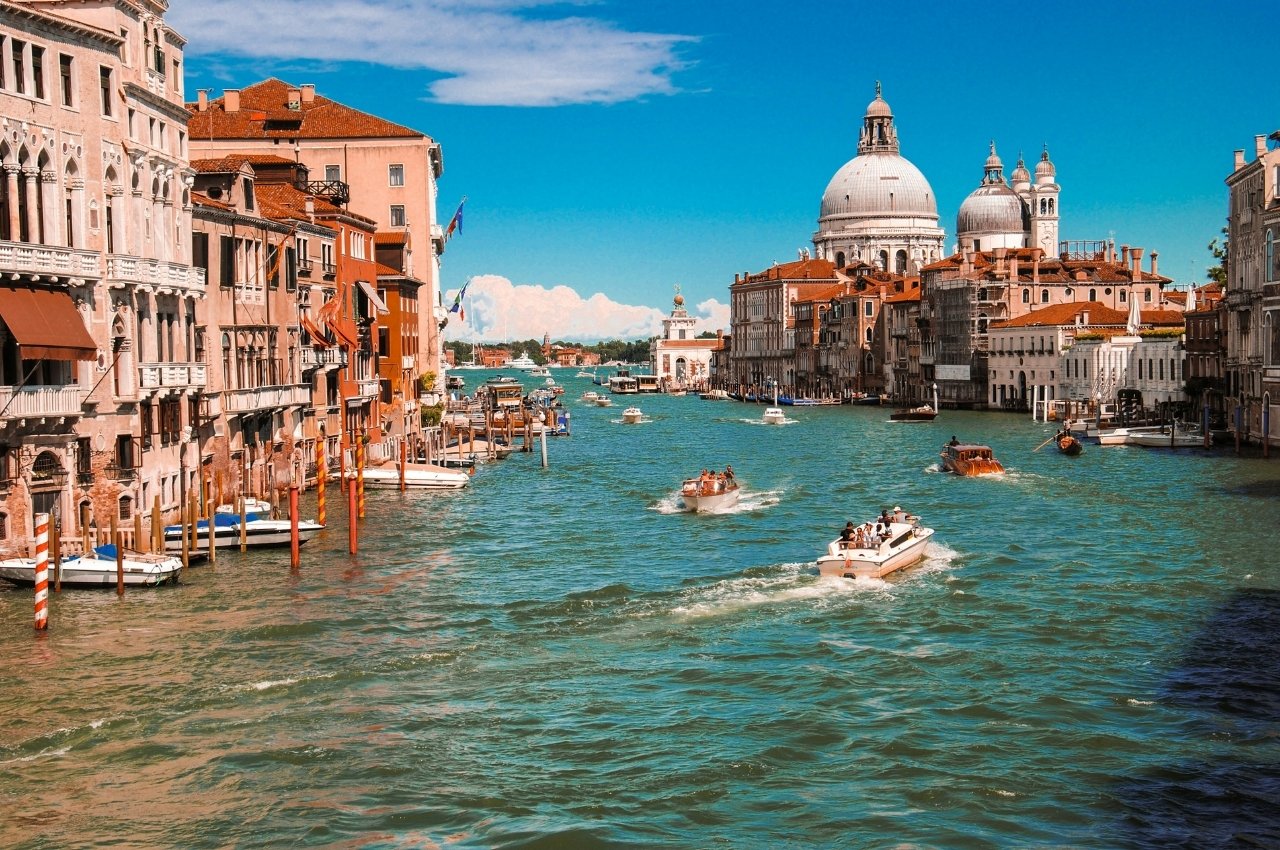
Venice has long struggled with overcrowding, which strains infrastructure and threatens its historic canals and landmarks. The city has introduced a tourist tax and is implementing visitor caps, particularly for day-trippers and cruise passengers, to control the flow of people. These changes aim to reduce congestion, protect cultural heritage, and encourage responsible travel. While the fees may affect budgets, they support preservation efforts and help travelers enjoy Venice’s iconic charm without being overwhelmed by crowds.
4. Angkor Wat, Cambodia
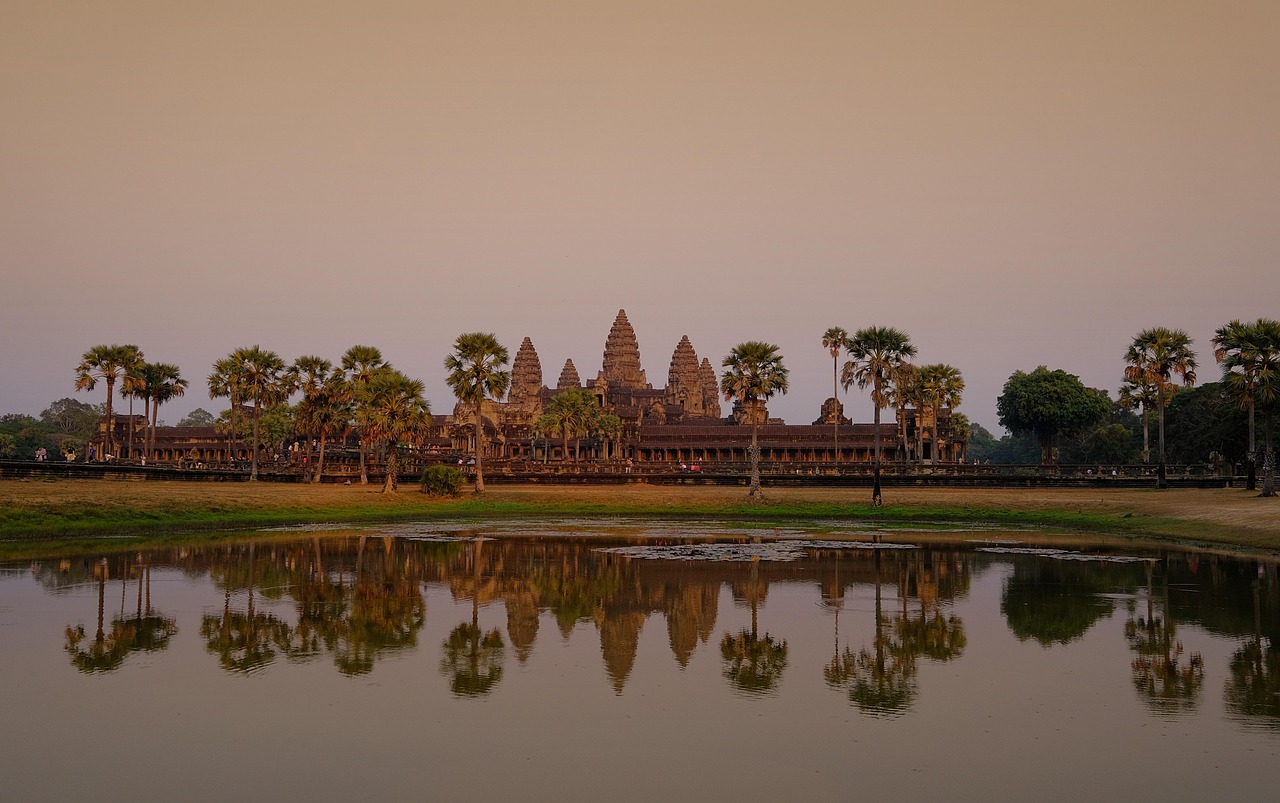
Angkor Wat is an architectural marvel and a UNESCO World Heritage site that faces wear from millions of visitors each year. Cambodia has introduced timed tickets, tiered pricing, and limited entry during peak hours to reduce stress on the stone temples and the surrounding environment. These measures help slow deterioration while offering tourists a more serene experience, allowing visitors to appreciate the intricate carvings, expansive temple grounds, and spiritual atmosphere without the distractions and pressures of overcrowding.
5. Santorini, Greece

Santorini’s volcanic landscapes and iconic sunsets attract huge numbers of travelers, especially in summer. To prevent overcrowding at popular viewpoints and narrow streets, local authorities have begun regulating daily visitor numbers and implementing entry fees for high-traffic areas. Planning ahead is essential, as early bookings ensure access to the island’s most famous spots. These measures protect infrastructure, reduce environmental stress, and allow visitors to enjoy Santorini’s beauty with less disruption from crowds.
6. Yellowstone National Park, USA

Yellowstone faces intense visitor pressure during peak season, which can threaten both wildlife and sensitive geothermal features. The park now offers timed entry passes for high-traffic areas and limits access to certain sites to prevent overcrowding. These measures help safeguard delicate ecosystems while allowing visitors to experience geysers, hot springs, and wildlife habitats safely. By controlling foot traffic, Yellowstone ensures that the park’s natural wonders remain pristine for future visitors and minimizes human impact on fragile environments.
7. Kyoto, Japan

Kyoto’s centuries-old temples and shrines are increasingly popular, leading to overcrowding that threatens historic structures and visitor experience. The city has implemented visitor caps and online reservation systems at key sites, along with small entrance fees to manage tourist flow. These initiatives protect delicate architecture, maintain tranquility in sacred spaces, and encourage respectful engagement with cultural heritage. Travelers can enjoy a more meaningful visit while contributing to the sustainable preservation of Kyoto’s invaluable history.
8. Petra, Jordan

The ancient city of Petra is carved directly into sandstone cliffs and is vulnerable to erosion and damage from foot traffic. Jordan has introduced entrance fees, visitor limits, and guidelines for guided tours to protect its fragile monuments. Restricted access to certain areas helps reduce wear on the structures while maintaining safety for visitors. These measures allow travelers to explore the city’s iconic Treasury, Monastery, and narrow Siq passages responsibly, ensuring that Petra’s unique beauty and historical significance endure for generations.
9. Cliffs of Moher, Ireland
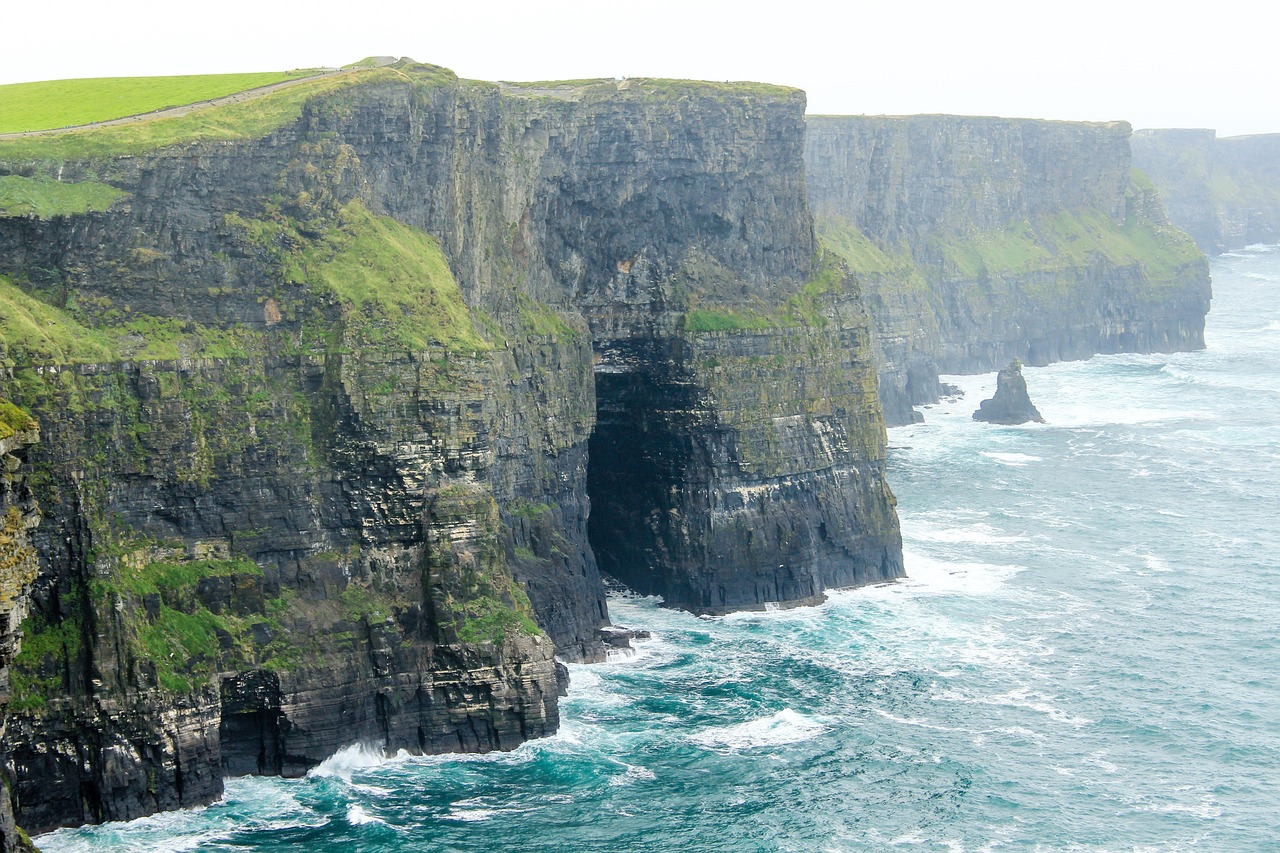
The Cliffs of Moher attract large crowds who risk damaging trails and fragile ecosystems. To mitigate erosion and manage foot traffic, timed tickets, entry fees, and visitor caps have been introduced. Controlled access protects the cliff paths, local flora, and nesting birds while improving visitor safety. These measures create a more enjoyable experience by reducing congestion and allowing travelers to fully appreciate the breathtaking views and dramatic Atlantic coastline without compromising environmental integrity.
10. Bora Bora, French Polynesia

Bora Bora’s turquoise lagoons and coral reefs are increasingly threatened by overtourism. Resorts and protected areas now impose visitor limits and day-pass fees to reduce environmental impact. These regulations help preserve marine life, prevent reef damage, and maintain water quality. Travelers benefit from controlled access that ensures the natural beauty remains intact, offering a serene and sustainable experience. By balancing tourism with conservation, Bora Bora allows visitors to enjoy its famous landscapes responsibly while protecting the ecosystem for the future.