

Hotels With Thinner Service

Travel still offers a glimmer of possibility, yet the friction has grown louder than the easy moments. Airports feel tighter, popular streets feel fuller, and pricing rarely means what it seems at first glance. A single slip can set off a chain of missed connections, reshuffled plans, and hours spent negotiating with apps instead of enjoying a new place. Most complaints are familiar. What has changed is how often they stack in the same trip, turning minor hassles into a predictable pattern.
Cabins Growing Tighter
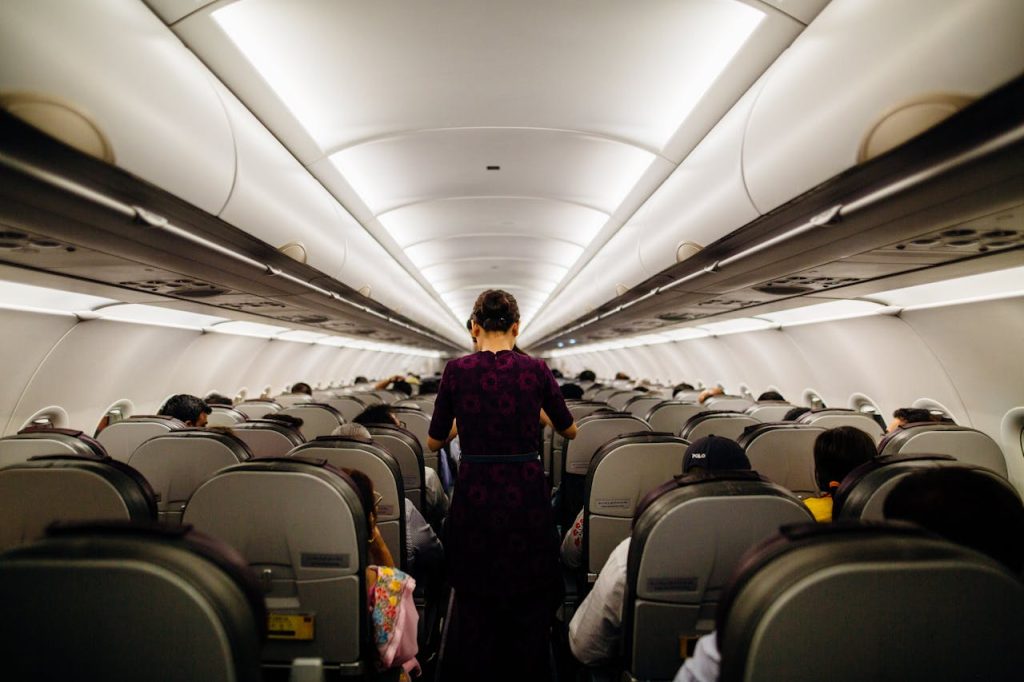
Airline cabins feel more cramped year after year, and the discomfort shows up fast as knees cannot settle, shoulders hunch, and elbows collide. Comfort is sliced into tiers, so legroom, earlier boarding, and even the chance to place a bag overhead often cost extra, while standard fares tighten rules around carry-ons and seat changes. The squeeze peaks on full flights, when late boarders circle for bin space, gate agents start gate-checks, and a short hop turns into a long sit where posture, patience, and personal space all run out together. Even small comforts, like a stretch, start to feel like negotiations.
Delays That Eat The Day
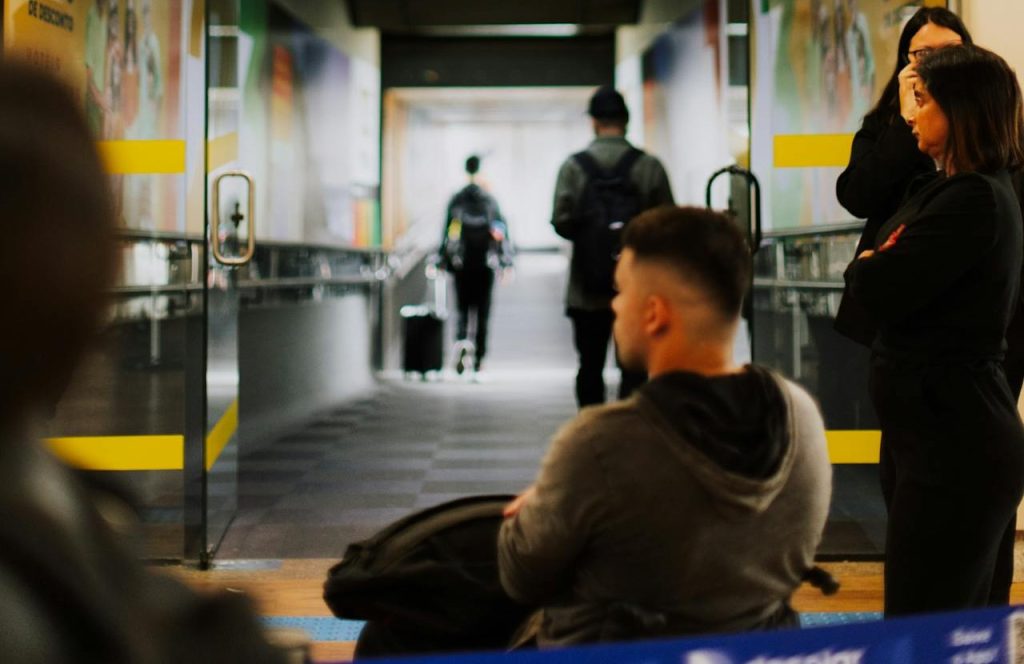
Travel plans now hinge on schedules with little slack, so a modest delay can swallow an entire evening of reservations, prepaid tickets, and carefully timed meetups. Congested airports, weather ripple effects, and tight crew rotations can push departures later while updates arrive in fragments that do not match what happens at the gate or on the app. The frustration isn’t waiting itself. It is watching connections, ground transport, and hotel check-ins drift out of reach, then landing to rebooking chores, reissued boarding passes, and tired decisions made under time pressure. By touchdown, the day feels older than it should.
Cancellations With Few Real Options
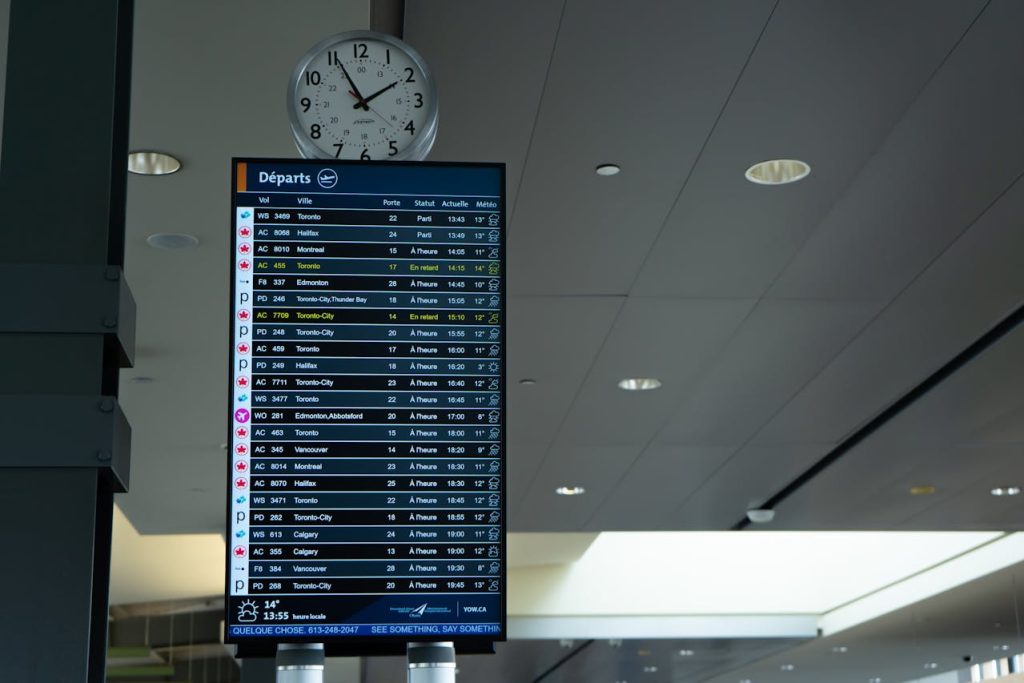
When a flight is canceled, the next available seat can be tomorrow, not later tonight, because routes are fuller and backup options are thinner across hubs and regional spokes. Rebooking tools often show hopeful itineraries that vanish by the time the button is pressed, sending travelers back into slow lines with agents juggling dozens of cases at once. The hardest part is the gap between policy and reality: meal or lodging assistance may exist on paper, but access can require repeated requests, long holds, and multiple desks before anything clear, usable, and timely is offered. Plans at the destination keep moving without them.
Prices That Grow At Checkout
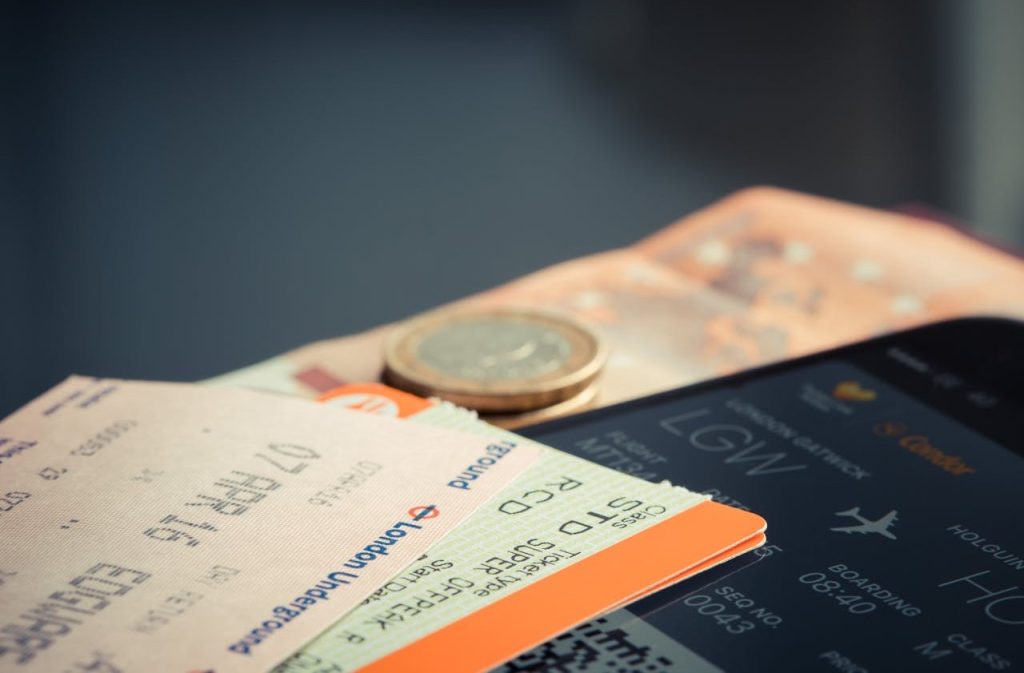
The headline fare or nightly rate often looks fair until add-ons appear: bags, seats, carry-ons, service charges, taxes, and property fees that feel unavoidable. Comparison shopping gets harder because each brand reveals costs in a different place and at a different moment, so two similar bookings can land far apart by the end, even before tips and local surcharges. What irritates careful planners is the uncertainty. Budgets cannot be trusted when the true total only becomes clear after commitment, logins, and a string of small clicks that quietly raise the bill. The extra costs rarely feel tied to better care.
Security Rules That Shift Midline
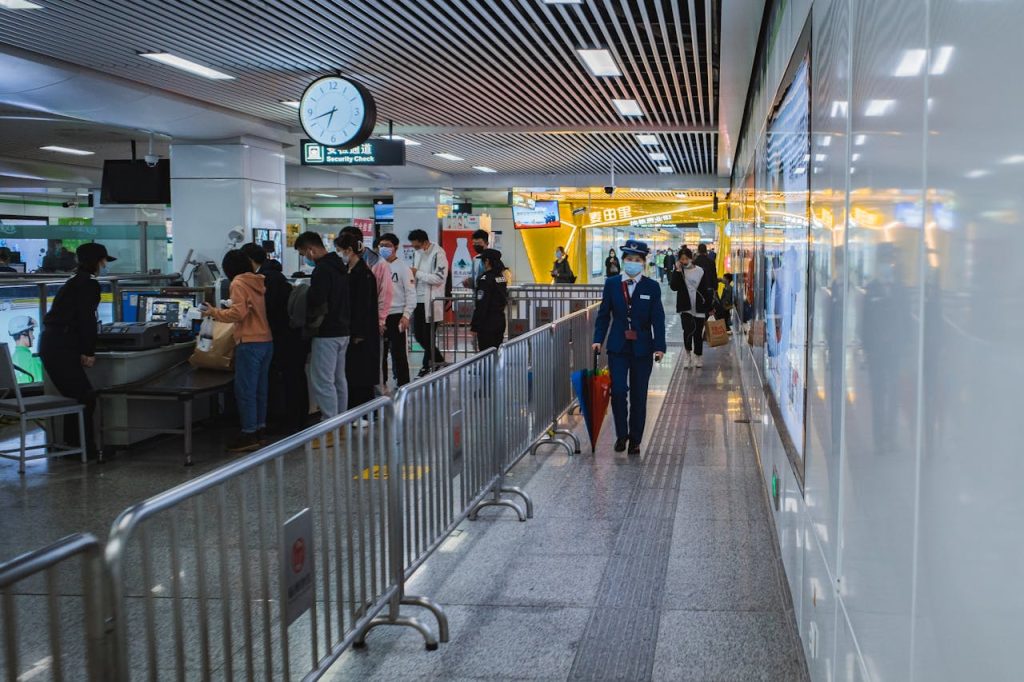
Airport screening can swing from smooth to slow depending on lane staffing, equipment issues, and small rule changes that are announced at the last second. One day electronics stay packed; the next day they come out, and the line stalls as everyone reorganizes in public while trays run short, bins back up, and instructions change midstream. The result is a tense rhythm of hurry and stop, with repacking piled on top of gate sprints. Even prepared travelers lose time and calm when the process feels inconsistent from terminal to terminal and hour to hour. A calm start becomes a rushed shuffle of shoes and zippers.
Overcrowding In Places Built For Calm

Some destinations now bear the weight of their own popularity, and the experience can feel like moving through a managed corridor instead of a living neighborhood with its own pace. Timed-entry tickets, reservation-only restaurants, and restricted viewpoints protect local life and fragile sites, yet they also squeeze out wandering and discovery, especially in peak seasons. The complaint is not sharing a place. It is the sense that access is rationed by apps and price points, while sidewalks thicken, photo stops clog, and locals reshape daily routines to avoid the busiest blocks. Often, the best moments happen early, before the wave arrives.
Short-Term Rentals With More Strings

Vacation rentals once promised freedom, but many now arrive with layered fees, strict house rules, chore checkouts, and photos that flatter the space more than the lighting ever will. Reliability varies widely, so a stay can swing from effortless to exhausting based on one host’s habits and one platform’s response speed, especially during busy weekends and holiday weeks. When Wi-Fi fails or entry codes misfire, support can bounce between owner and app, leaving guests to document everything, negotiate late at night, and scramble for backup lodging when the fix should be simple and quick. A stay meant to feel personal can feel transactional.
Hotels Offering Reduced Service

Many hotels have trimmed staffing and routine housekeeping, so guests notice longer check-ins, slower fixes, and amenities that close earlier than expected, even at properties that market themselves as premium. Some changes are framed as greener operations, but the day-to-day effect can feel like paying more for fewer touchpoints, from empty lobby desks to delayed towel runs and limited dining hours. Most travelers can accept a lighter refresh schedule. What lingers is the mismatch between premium rates and basic responsiveness, especially when a key card fails or a room issue needs quick attention.
Transit That Stops And Starts
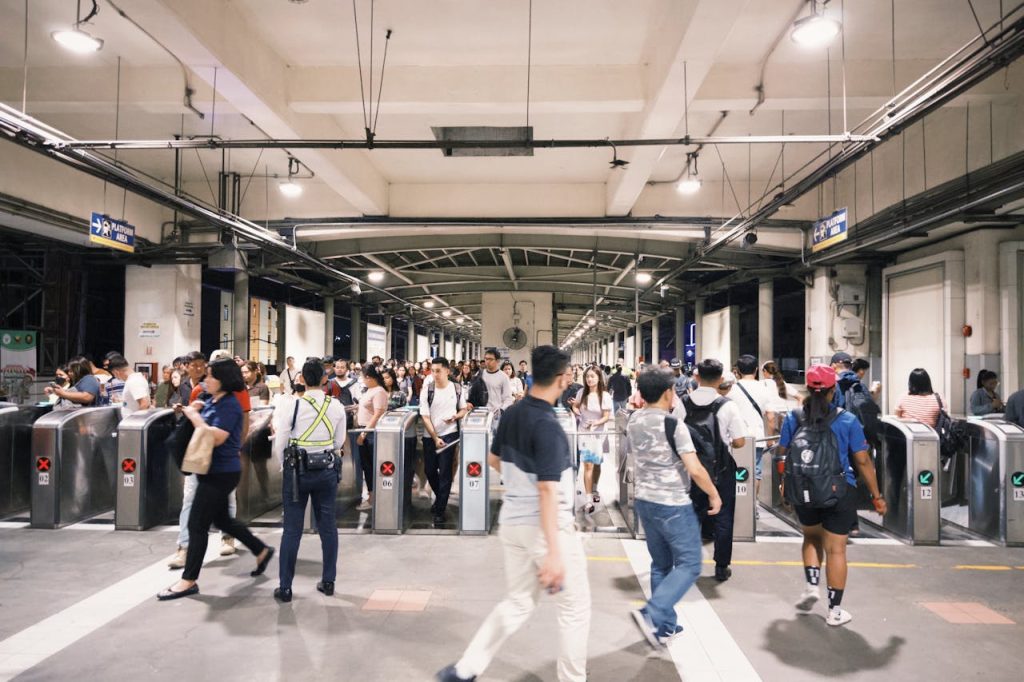
City transit remains the smartest way to move, yet disruptions have become more visible: maintenance closures, service gaps, and platform crowding that turns simple rides into delays. Apps may promise one arrival time while signage tells another story, and visitors end up double-checking every transfer with limited confidence, particularly late in the day or after events let out. The burden is mental as much as practical. A day meant for museums and street scenes becomes a constant calculation of routes, timing, and backup plans, with ride-hail prices jumping when everyone pivots at once. It turns exploration into time management.
Support That Feels Like A Maze

When a problem hits, help is increasingly routed through forms, bots, and call queues that drain time and patience, especially when a booking touches multiple companies. Complex cases still need a person who can act, yet many systems push travelers into repeating the same details across chat, phone, and email, each time from the beginning, with new agents asking for the same proof. The result is paperwork as routine: screenshots, reference numbers, and deadline tracking for refunds or credits. What people want is simple and human, a clear answer, a fair fix, and one agent who stays with the issue.