

Early Boarding That Only Extends Time Spent Sitting
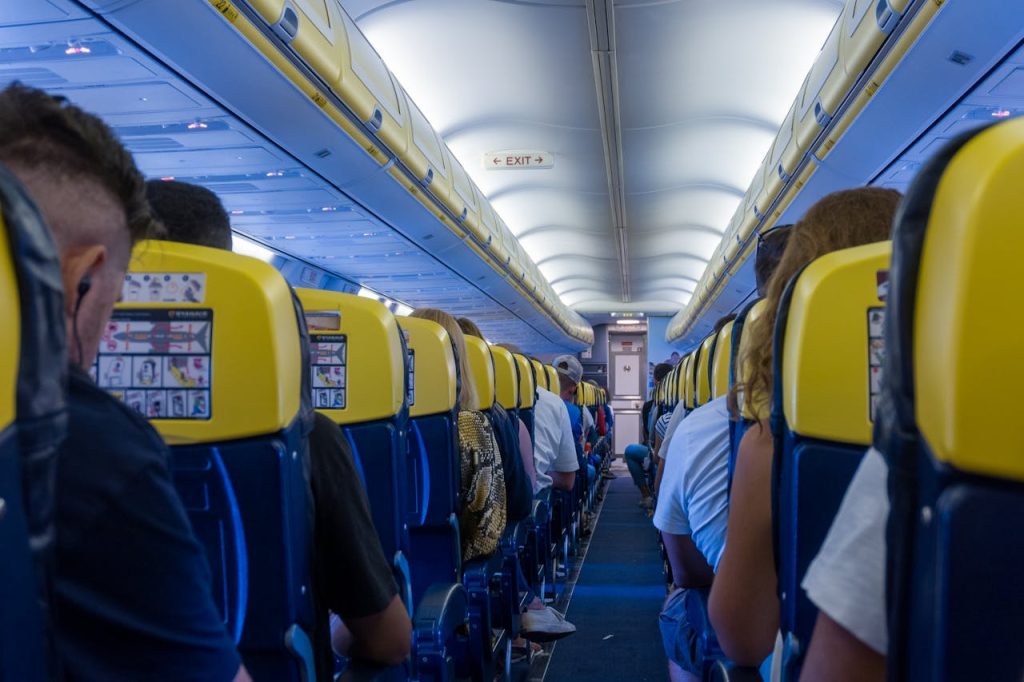
Arriving early may seem advantageous, yet on many trips it shifts little beyond securing a seat sooner. Overhead bins can still fill, and staff may tag bags when the cabin is full, so paying for early access doesn’t guarantee your carry-on stays with you. Premium cabins, families, and frequent flyers often board first anyway, making paid groups feel like a slightly different place in the same process. The result is frequently worse than expected: more time squeezed into a tight seat, the same legroom, and no faster arrival once the wheels touch down.
Preferred Seats With Identical Legroom
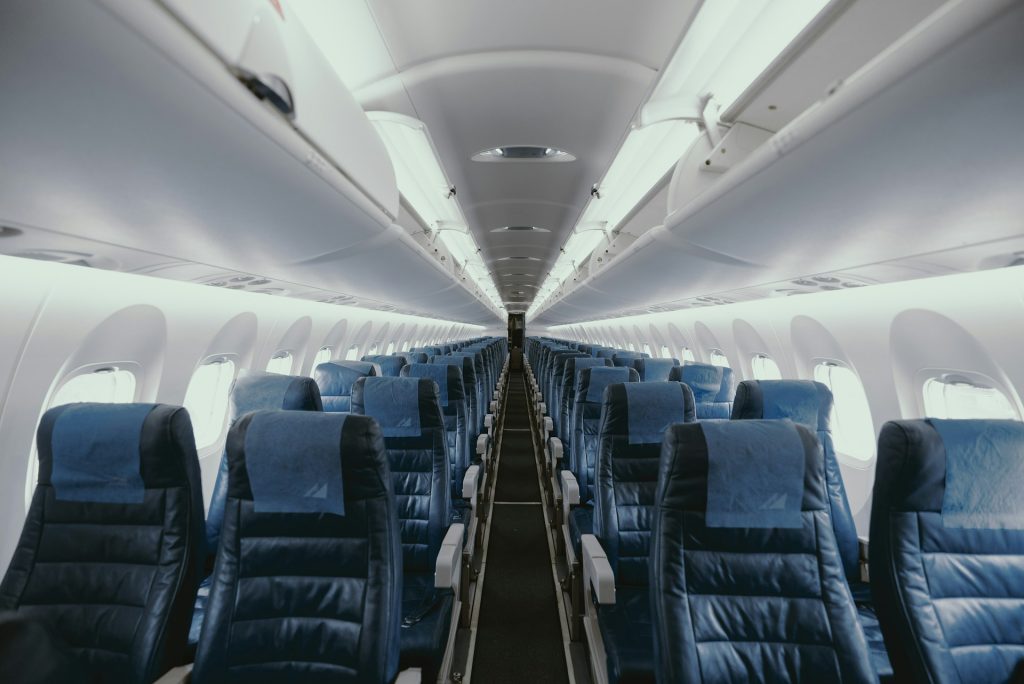
Preferred seating is often a label rather than a distinct product. Airlines charge a premium for seats nearer the front, yet width and pitch can be the same as standard economy, meaning the upgrade buys a quicker exit by a few rows, not real comfort in the air. On short flights, that difference barely registers. On longer journeys, the body still aches in the same way, and the fee could have funded a meal on the ground, a better pillow, or lounge access that actually changes the day. The trap is paying for the word “preferred” when the only feature is location.
In-Flight Wi-Fi That Fails When It Matters

Paid Wi-Fi promises productivity, but performance varies by aircraft, airline, route, and weather, and the worst time to discover this is midair with a looming deadline. On short flights, login screens and device setup can eat up most of the trip, leaving a shaky connection for the final minutes. Streaming tiers cost more, and cabins slow down when everyone connects. Many travelers get better value by downloading music, maps, and documents beforehand, then using airplane mode as a quiet reset. Wi-Fi can be worthwhile on long hauls, but as a default upgrade it often disappoints.
Hotel Upgrades That Move the Room Upward, Not the Experience

A higher floor is marketed as quieter and better, but the real noise often comes from thin walls, hallway traffic, elevator chimes, or a loud HVAC unit, not the street below. Many hotels reserve true views for premium categories, so a paid upgrade can still deliver a parking-lot outlook, just from farther up. There is also a hidden cost: longer elevator waits at breakfast rush and late-night returns, which adds friction to a stay that should feel easy. Unless the upgrade includes real space, a balcony, or a daylight view, paying for altitude alone is usually buying mood, not value.
Resort Club Level Access That Replaces One Meal, If Available

Club access can be great in the right property, but in many hotels it is priced like luxury and delivered like a limited snack spread. Food windows can be short, options repetitive, and the lounge crowded during peak hours, undercutting the promise of calm. Alcohol may be limited or priced separately, and families can find the selection narrow, which means the package ends up replacing one meal at best, and only if schedules line up perfectly. Travelers who spend most days out exploring will barely use it. A better upgrade is often a room with quieter placement, a later checkout, or breakfast included with no time pressure.
Car Rental Counter Deals That Inflate the Entire Trip

Car rental counter upgrades are a classic budget leak. An agent offers a bigger class, a fancier model, or a “better” package, and the daily rate jumps fast once taxes, fees, and add-ons stack on top. The larger car can also drink more fuel, cost more to park, and feel stressful on narrow streets, especially in older towns. Many travelers mainly need good tires, working air-conditioning, and a clean cabin, not a brand badge or extra horsepower. Choosing the right size at booking and declining impulse offers usually protects both the wallet and the mood.
Priority Security That Still Feeds the Same Bottleneck
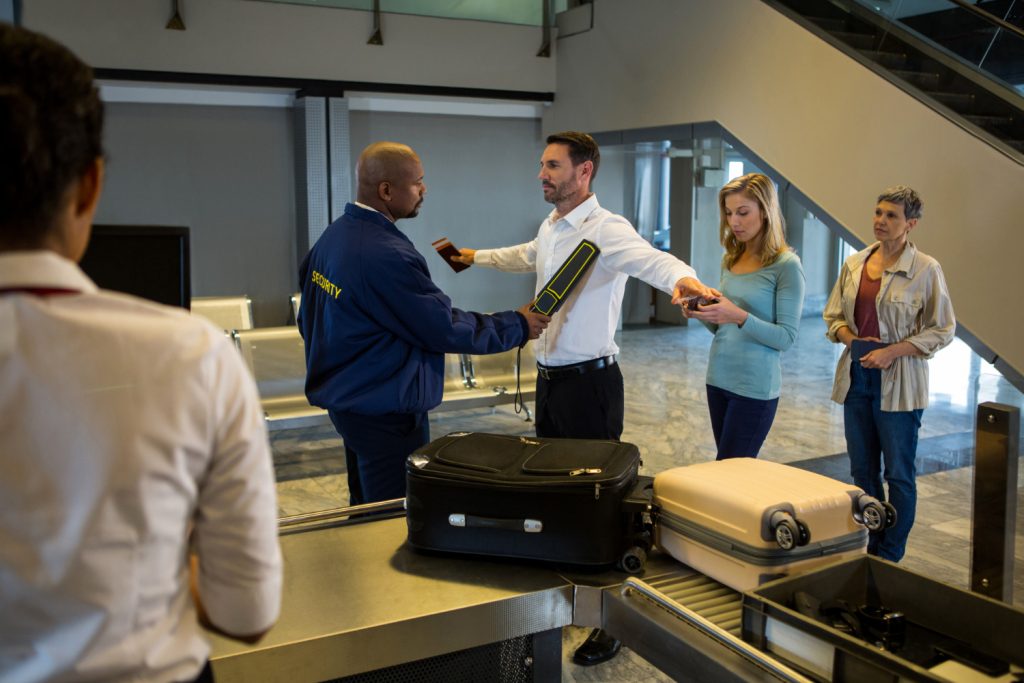
Priority security sounds like skipping the chaos, but many airports run it as a separate line that still funnels into the same scanners, the same bins, and the same staffing limits. When staffing is thin, priority lanes stall too, and the benefit shrinks to a modest time shift rather than a real bypass. Frequent flyers often get priority through status or credit cards, so paying per trip can duplicate what is already available elsewhere. For most travelers, arriving a bit earlier, packing liquids cleanly, and avoiding peak waves does more than a paid lane that can still crawl on busy mornings.
Cruise Beverage Packages That Require Unreal Drinking Math

Cruise beverage packages are pitched as freedom, but they can require drinking at a pace that does not match how most people actually vacation. Fine print often caps premium brands, limits daily totals, or excludes bottled water, specialty coffee, and fresh juices unless a higher tier is purchased. Port days weaken the value because guests are ashore, and gratuities and service charges can quietly inflate the total. Many travelers save money by paying as they go, especially if the routine is one cocktail at sunset, one glass of wine at dinner, and lots of water in between, rather than turning every hour into a tab.
Skip-the-Line Passes When Timed Entry Is Standard

Skip-the-line passes can still help at a few attractions, but many venues now run on timed entry, which means the extra fee often buys what standard tickets already provide: a reserved window. Security screening remains the true bottleneck, and special-exhibit queues can still form regardless of ticket tier. In some cities, passes also bundle audio guides or flexible entry that only matters if plans are uncertain, making it easy to overpay for features that never get used. Without checking how the site actually manages admission, travelers can spend extra money and still stand in the same line, just with a nicer receipt.
Travel Insurance at Checkout That Costs More Than It Covers
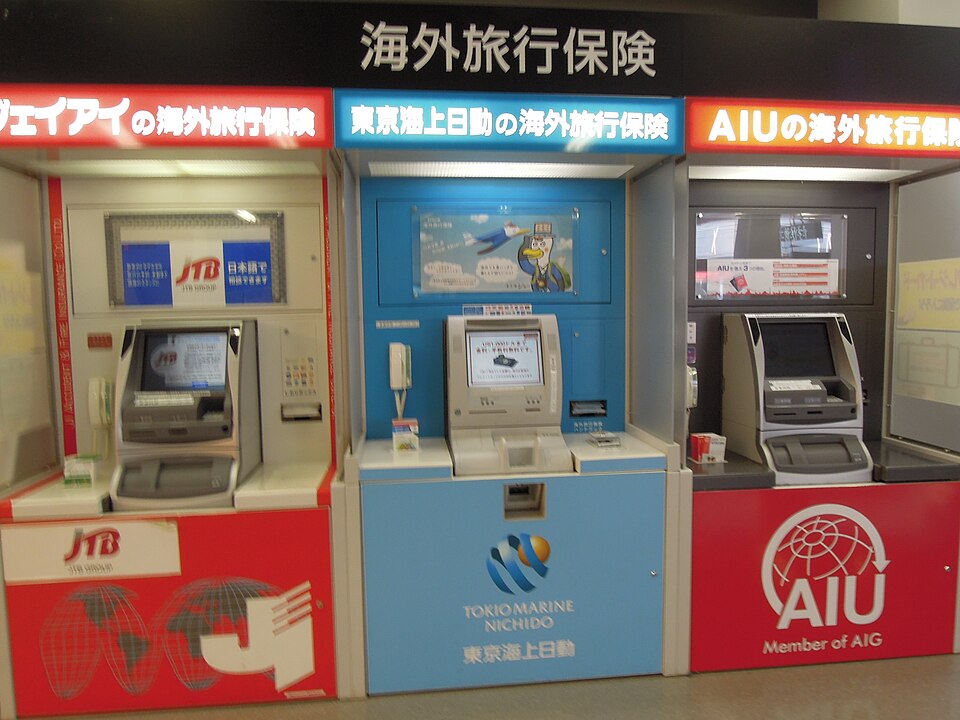
Travel insurance can be essential, but the add-on offered at checkout is often the priciest version of the idea and the least tailored to the trip’s real risks. It may duplicate credit card coverage, restrict common claim reasons, or bury strict documentation rules that become frustrating later. Some policies limit pre-existing conditions or require purchase within a narrow window, so people discover gaps only after something changes. A smarter path is comparing plans, matching coverage to the cost of flights and lodging, and knowing what is already protected through cards or employers. Insurance can be valuable, but impulse insurance is often overpriced peace.