

Owning a home comes with hidden responsibilities, and sometimes dangers lurk where you least expect them. From structural damage and mold infestations to faulty wiring or hoarding hazards, everyday issues can escalate quickly, making a house unsafe for living. Condemnation isn’t just about neglect it can stem from overlooked repairs, unsafe modifications, or environmental hazards. Understanding these hidden risks can help homeowners take proactive steps to protect their property, ensure safety, and avoid surprises that threaten both the home and its occupants.
1. Severely Cracked or Broken Windows
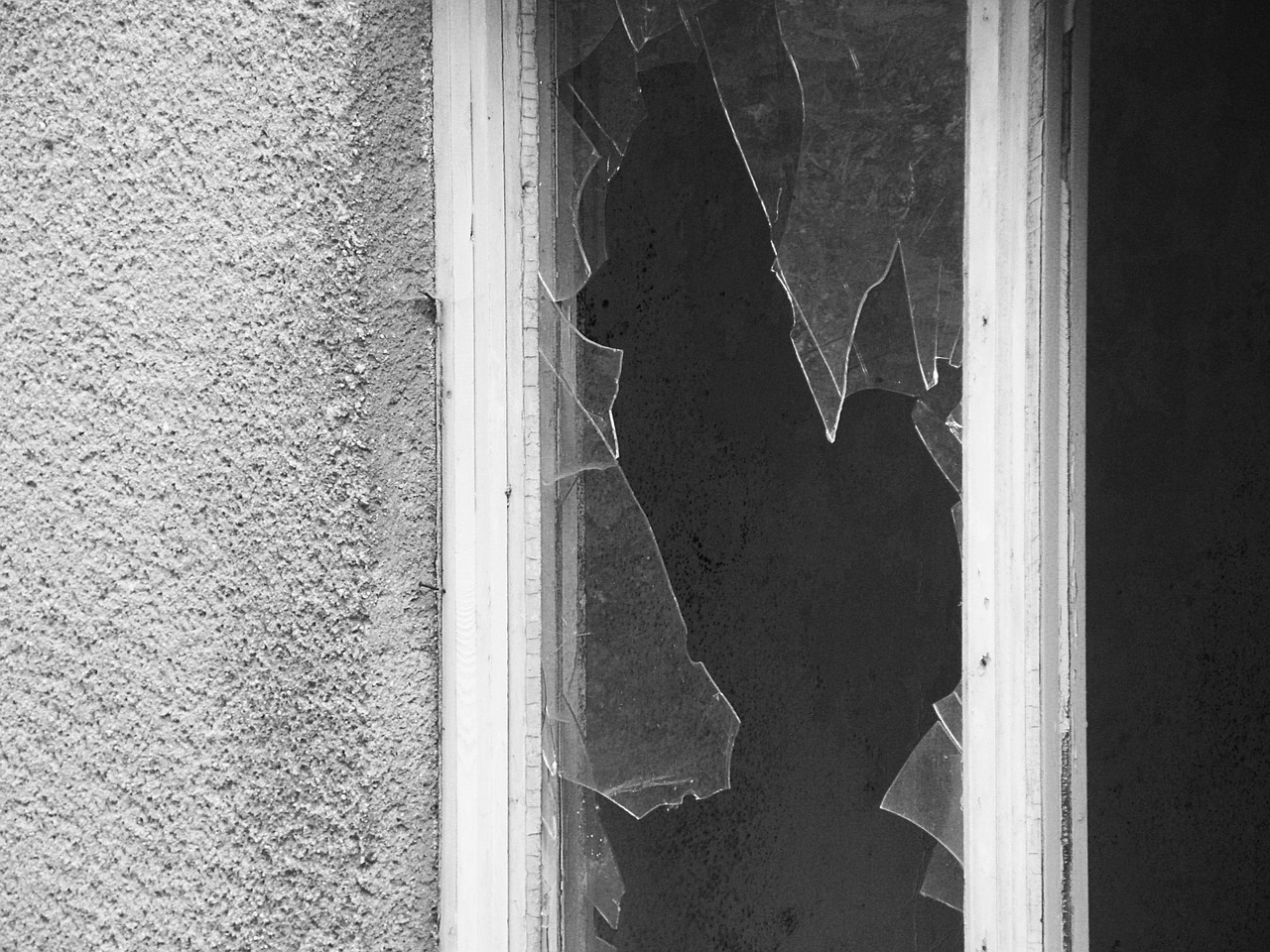
Windows may seem minor, but severely cracked or broken panes create serious safety and security risks. Shattered glass can injure residents, while gaps allow pests, water, and drafts to enter, potentially causing mold and structural damage over time. Weak or rotting frames further compromise the home’s integrity, and inspectors may deem properties unsafe if windows are at risk of falling or breaking. Regular inspections, timely repairs, proper sealing, and using safety glass help protect occupants, maintain energy efficiency, and preserve the home’s value.
2. Improper or Dangerous Stairways and Railings

Stairways without proper handrails, uneven steps, or missing supports present significant fall hazards. In multi-level homes, unsafe stairways can endanger all occupants, particularly children, elderly residents, and those with mobility challenges. Building codes require secure, well-constructed stairs and railings to ensure safe access. Homes failing to meet these standards may be condemned until corrections are made. This underscores how overlooked elements like stairs, railings, or landings can be as critical to safety as major structural repairs.
3. Faulty or Exposed Electrical Wiring Posing Fire Hazards

Electrical hazards are one of the most common reasons homes are condemned unexpectedly. Old, damaged, or improperly installed wiring can easily overheat, sparking fires that endanger both occupants and neighboring structures. Exposed wires, overloaded circuits, and outdated fuse boxes are often discovered during inspections, revealing a hidden risk that homeowners might overlook. When electrical systems fail to meet safety codes, the property can be deemed unsafe for habitation until full repairs or rewiring are completed, sometimes requiring extensive and costly interventions.
4. Broken or Unstable Foundations or Load-Bearing Walls
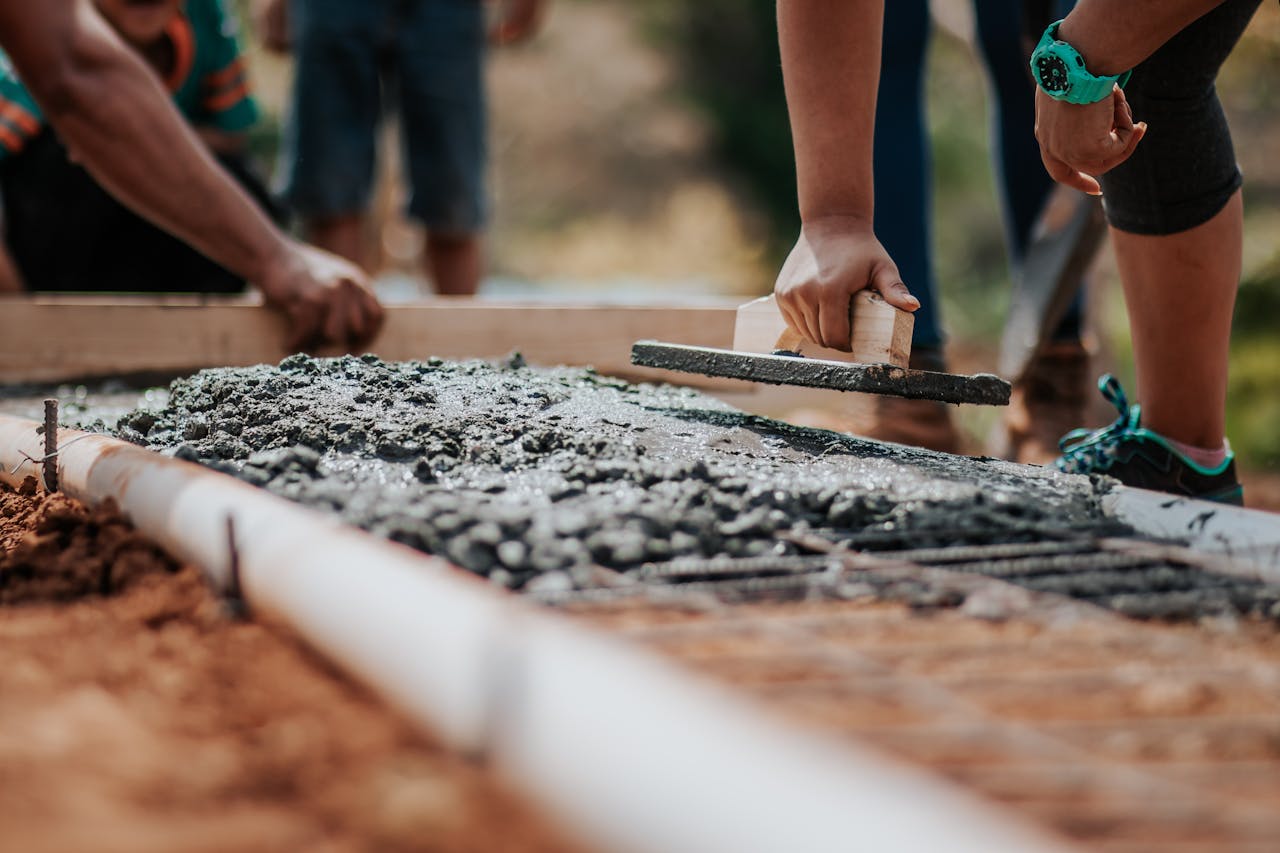
A home’s foundation and load-bearing walls are critical to its stability. Cracks, sinking, or shifting foundations, as well as compromised walls, can indicate severe structural problems. Even small shifts can propagate through the house, causing floors to sag, doors to jam, and walls to bow. Structural engineers often identify such weaknesses as immediate hazards. Homes with unstable foundations or compromised support beams may be condemned if the cost of repair outweighs safety, as the risk of collapse makes the property unsafe for residents.
5. Unsafe or Non-Functional Plumbing Leading to Contamination
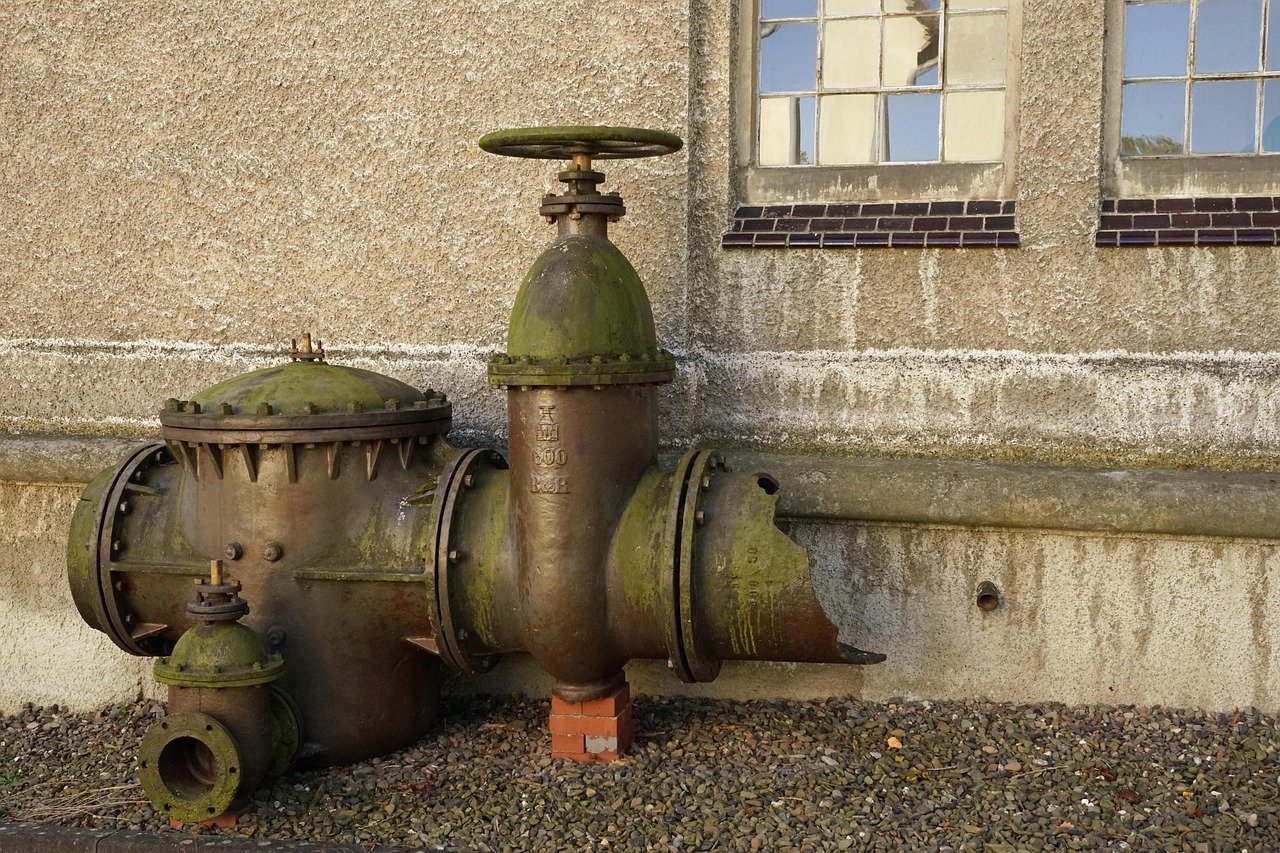
Plumbing issues may seem minor, but broken pipes, backflow, and sewage leaks create serious health hazards. Contaminated water can spread bacteria, viruses, and parasites, making the home unsafe for occupants. Chronic plumbing failures can also cause hidden water damage, promoting mold growth and structural deterioration. Municipal authorities may condemn homes with repeated or unresolvable plumbing problems to prevent health crises, ensuring that residents are not exposed to contaminated water or hazardous living conditions.
6. Lack of Proper Permits for Renovations or Additions

Renovations without proper permits are not only illegal but can also render a home unsafe. Unapproved electrical, plumbing, or structural modifications may fail to meet building codes, creating hidden hazards that inspectors detect. Even if the home looks functional, these illegal alterations can lead to condemnation because they compromise the integrity and safety of the property. Proper documentation ensures that all modifications are inspected, safe, and compliant with local regulations, protecting both occupants and future buyers from unexpected risks.
7. Presence of Hazardous Materials such as Asbestos or Lead Paint
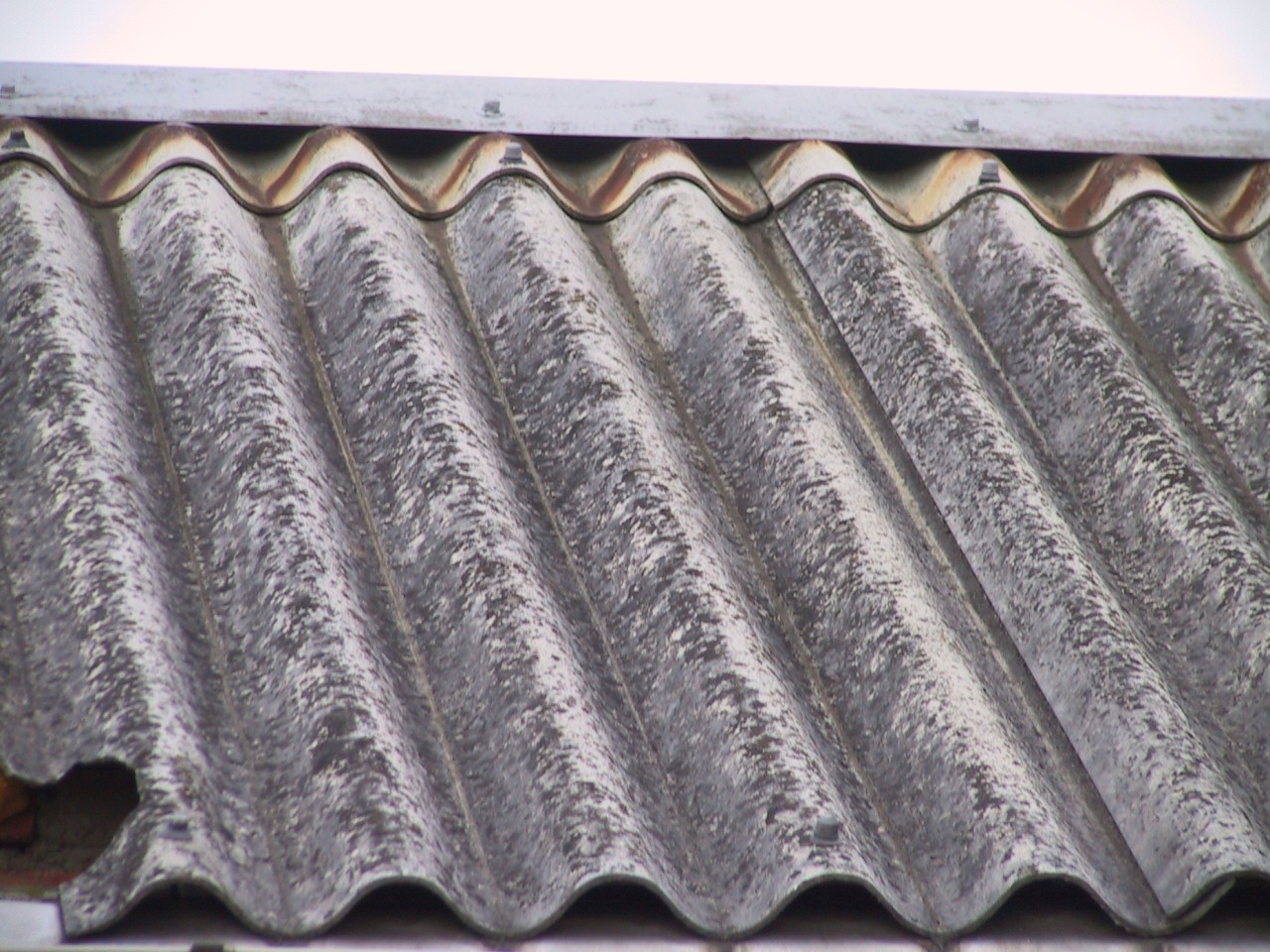
Many older homes contain asbestos, lead-based paint, or other hazardous materials that pose serious health risks. Asbestos fibers can cause lung disease and cancer if disturbed, while lead exposure can lead to neurological damage, especially in children. When inspections reveal significant contamination that cannot be safely remediated, authorities may condemn the home. Even minor renovation activities can release these toxins into the air, making proper containment and removal essential to ensure the safety and habitability of the property.
8. Collapsing Roofs or Severe Structural Deterioration
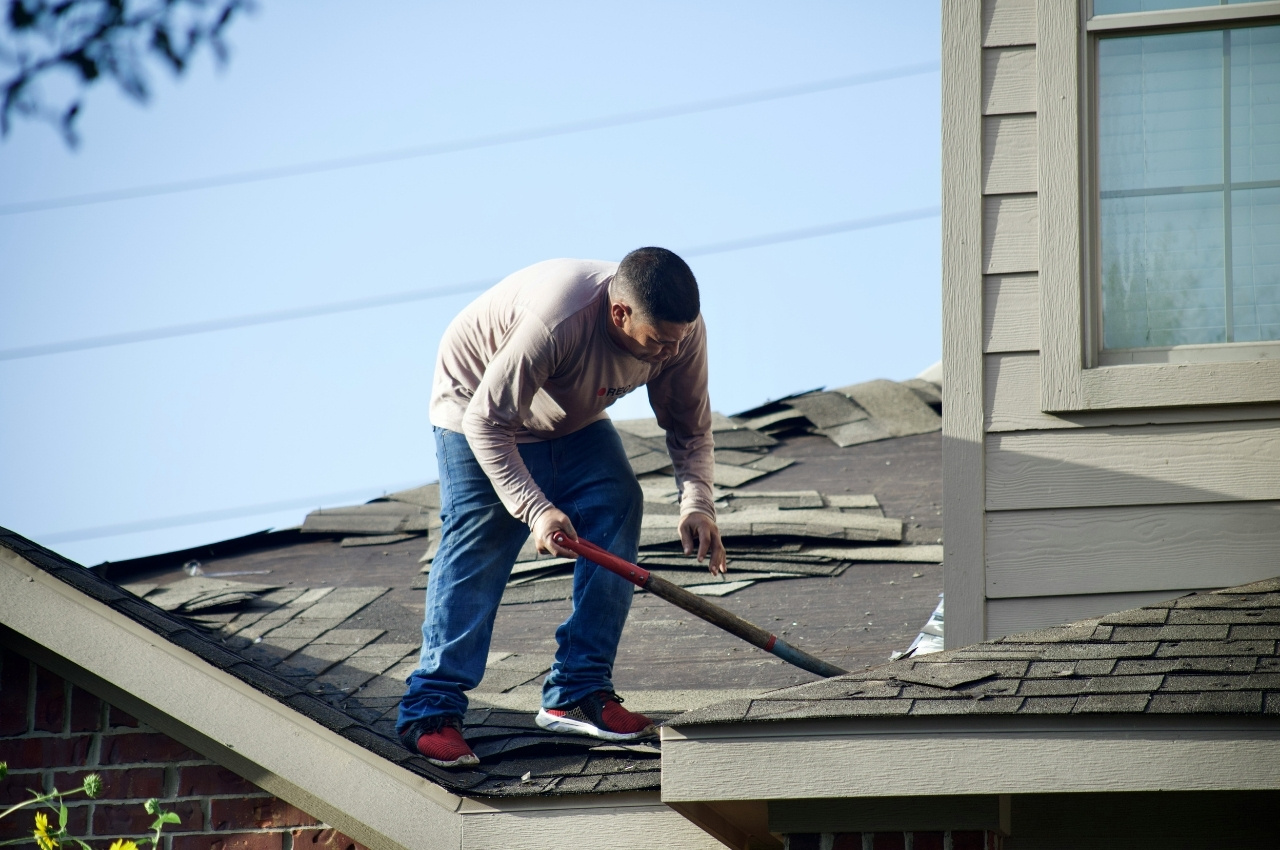
A sagging or leaking roof is more than a cosmetic problem it is a major safety concern. Roof collapse can occur suddenly, especially after storms or years of neglect, threatening anyone inside. Severe deterioration in other structural elements, such as beams, joists, or flooring, similarly increases the risk of injury. Buildings showing extensive decay often fail inspections and may be condemned until repairs restore the property’s stability. Condemnation in these cases prioritizes human safety over aesthetic or financial concerns.
9. Unstable Chimneys or Fireplace Structures

Fireplaces and chimneys may appear sturdy, but cracks, leaning stacks, or damaged flues create serious hazards. Loose bricks or crumbling mortar can fall unexpectedly, while blocked flues or damaged linings increase the risk of fire or carbon monoxide exposure. Homes with unstable chimneys are often flagged for condemnation until proper repairs or reconstruction are completed. Regular inspections and maintenance of these structures are critical, as they combine both fire safety and structural integrity considerations.
10. Accumulation of Trash, Debris, or Hoarding Creating Health Risks
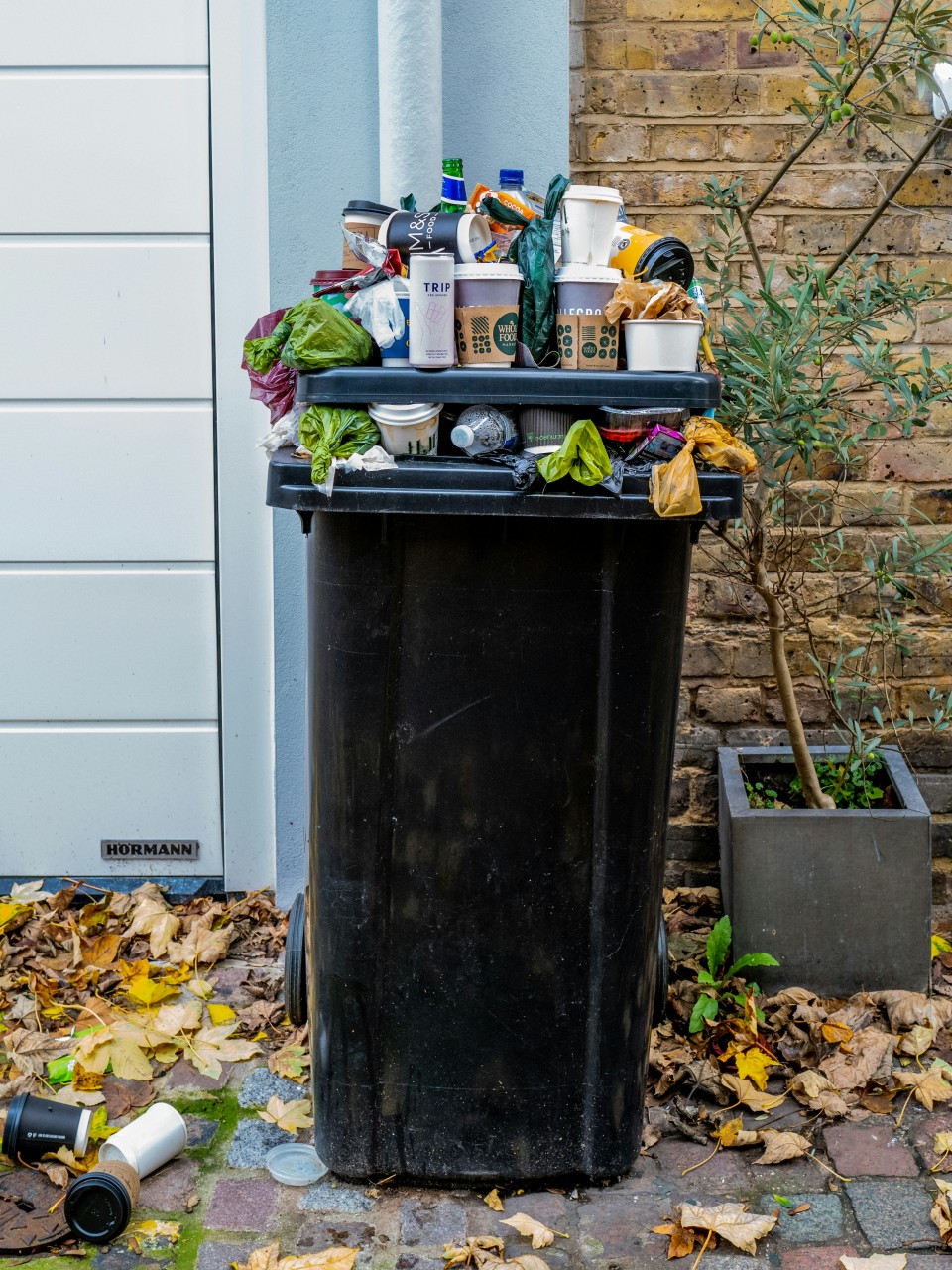
Excessive trash, debris, or hoarded items can create unsanitary living conditions, attracting pests and fostering mold or bacterial growth. These hazards compromise both health and structural integrity, as clutter can block ventilation, weigh down floors, and limit emergency access. Hoarding, in particular, can hide electrical faults or water damage, making problems harder to detect until they become severe. Municipal authorities may condemn homes that pose ongoing health risks from clutter and poor sanitation, emphasizing the importance of regular upkeep and responsible waste management.