

You did not grow up in the 1980s thinking about social rules, but you followed them every day. No one handed you a list, yet you understood what was acceptable and what would get you judged fast. These rules came from TV, school hallways, neighbors, and the quiet pressure of fitting in. Sociologists later noted that the decade emphasized conformity, personal responsibility, and public order, shaped by Cold War anxiety and rising media influence. You learned to read rooms, respect invisible boundaries, and avoid standing out in the wrong way. Looking back, many of these habits feel strange or outdated, but at the time they felt as solid as gravity. You did not debate them. You just knew. That unspoken agreement shaped how you dressed, spoke, traveled, and interacted, often without you realizing it until decades later.
1. You never called someone after 9 p.m.

You knew calling too late meant trouble unless it was an emergency. Landlines rang through the entire house, and there was no silent mode to save you. Etiquette guides from the era, including those cited by Emily Post Institute historians, stressed respect for family time and sleep. When you dialed after dinner hours, you risked waking parents, siblings, or anyone sharing the line. You learned to check the clock before picking up the receiver, especially if you were calling someone you liked. Breaking this rule made you seem inconsiderate or immature. It trained you to think before intruding and to respect shared spaces, even when you could not see them.
2. You dressed differently for airplanes

You treated air travel as an occasion, not a chore. Airline archives and travel historians note that flying in the 1980s still carried social weight, even as prices dropped. You wore clean clothes, real shoes, and something presentable because airports felt public and formal. Dressing well suggested you took the experience seriously and respected the people around you. You believed appearance affected how staff treated you, and often it did. Showing up sloppy felt embarrassing. This rule taught you that certain places required effort, even when no one explicitly demanded it. You absorbed that expectation early, and it stayed with you long after flying became routine and casual dress started to feel normal.
3. You never showed up unannounced

You knew better than to appear at someone’s door without calling first. Without texting or instant updates, showing up meant interrupting routines or creating pressure. Family life researchers from the University of Michigan observed that households in the 1980s valued predictability and clear boundaries. You called ahead, even when visiting close friends or relatives. Ignoring this norm made you seem intrusive or entitled. Following it showed respect for other people’s time and space. You learned early that access to someone’s life was not automatic and had to be requested. That small act of asking first quietly defined what good manners looked like.
4. You respected the TV schedule

You planned your evening around what aired and when. Nielsen data from the decade shows families structured time around broadcast television. If you missed a show, there was no replay waiting for you. Talking during someone’s favorite program felt rude. Changing the channel without agreement could start an argument. You learned to coordinate chores, phone calls, and visits around scheduled shows. This rule trained you to compromise and share limited resources, especially in households with one television and many opinions. It quietly taught you patience and negotiation long before those skills had names.
5. You did not question adults publicly

You learned quickly that challenging adults in front of others made you look disrespectful. Cultural historians connect this to postwar authority norms that still shaped schools and families in the 1980s. You might disagree with a teacher, neighbor, or relative, but you waited for a private moment. Public confrontation embarrassed everyone involved. Following this rule signaled self-control and good upbringing. Breaking it labeled you as rude or difficult. You absorbed the idea that timing and setting mattered as much as what you said. That awareness often stayed with you well into adulthood. It shaped how you chose your words long after the moment passed.
6. You answered the phone politely

You answered clearly and respectfully because you never knew who was calling. Telephone etiquette manuals from AT&T and regional phone companies stressed proper greetings and tone. You did not mumble or joke around when you picked up. Saying your name showed confidence and courtesy. A sloppy answer reflected poorly on you and your household. This rule trained you to treat every interaction as potentially important. Even without visual cues, you learned that voice alone could shape first impressions. You understood that a few seconds on the phone could define how someone remembered you. That habit carried over into how you spoke in every formal setting.
7. You did not talk about money

You knew asking about income, rent, or savings crossed a boundary. Economic sociologists describe stronger privacy norms around finances before online comparison culture. You avoided direct questions and changed subjects when money came up. Discussing it openly felt intrusive or boastful. Following this rule showed discretion and good manners. Breaking it made people uncomfortable. You learned that curiosity did not justify crossing personal lines, especially when it came to financial matters. Silence often signaled respect more than words did. You judged character by behavior, not by numbers.
8. You waited your turn in line

You accepted waiting as part of public life. Retail behavior studies from the 1980s describe strong expectations around fairness and order. Cutting in line drew immediate pushback from strangers. You learned patience because the group enforced it. This rule applied everywhere, from grocery stores to movie theaters. Following it showed respect for others’ time. Ignoring it labeled you as selfish. The simplicity of the rule made it powerful and widely upheld. You trusted strangers to hold each other accountable. That sense of shared responsibility made public spaces feel safer and fairer.
9. You returned borrowed items promptly
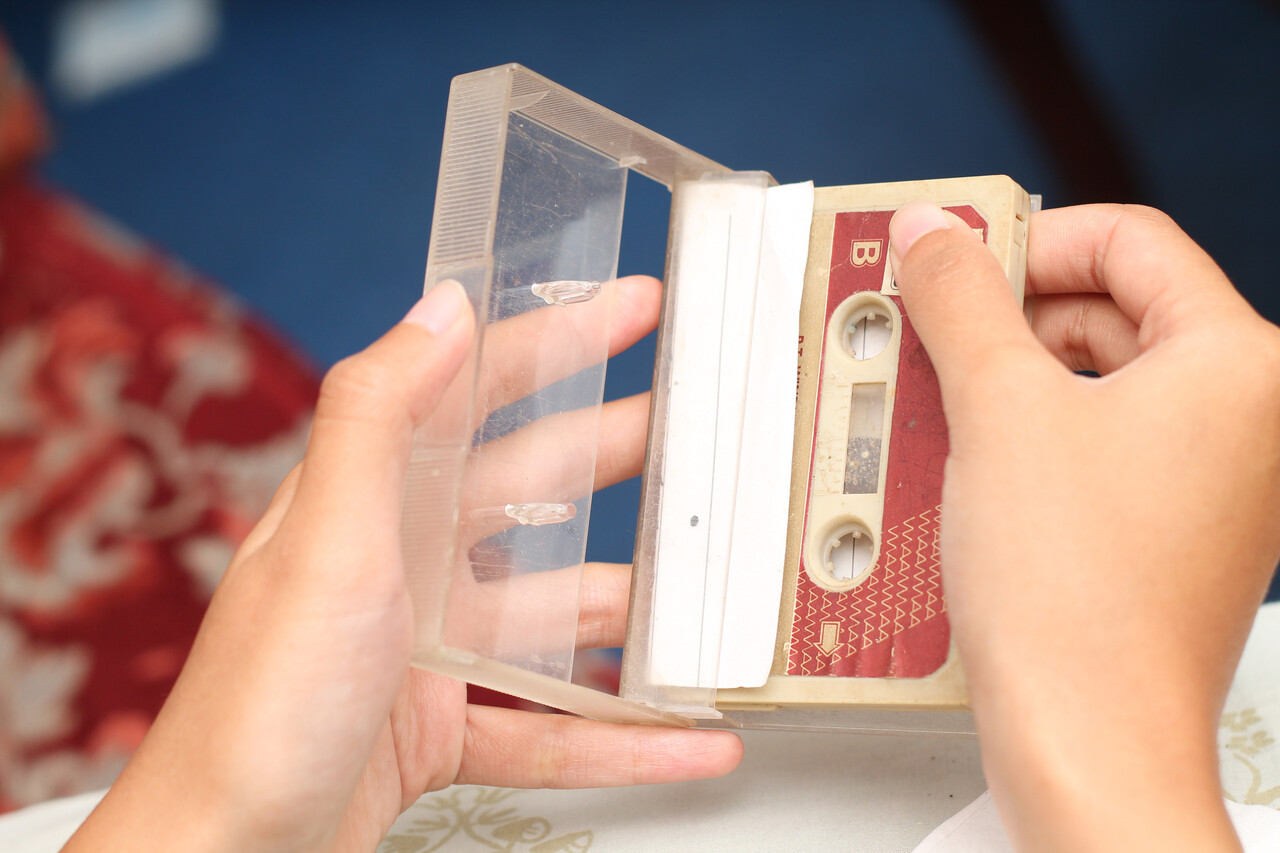
Borrowing meant responsibility because replacements were expensive or hard to find. VHS tapes, records, and books were physical and limited. Media historians note that scarcity shaped stronger norms around sharing. You returned items quickly and in good condition. Forgetting damaged trust. Following this rule showed reliability and respect for ownership. You understood that borrowing was a privilege, not a right, and you treated it accordingly. People remembered whether you could be trusted with their things. That lesson carried into how you handled other responsibilities as well.
10. You blended in at school

You avoided standing out too much because attention often came with consequences. Education researchers link this to conformity pressures before individuality gained cultural reward. You followed dress expectations and trends quietly. Blending in reduced risk of teasing or discipline. This rule shaped how you dressed, spoke, and behaved daily. While it limited self-expression, it also created a sense of shared identity. You learned how powerful group norms could be, even without being stated aloud. Staying unnoticed often felt safer than being seen. That instinct to observe before acting stayed with you in many social situations later.