
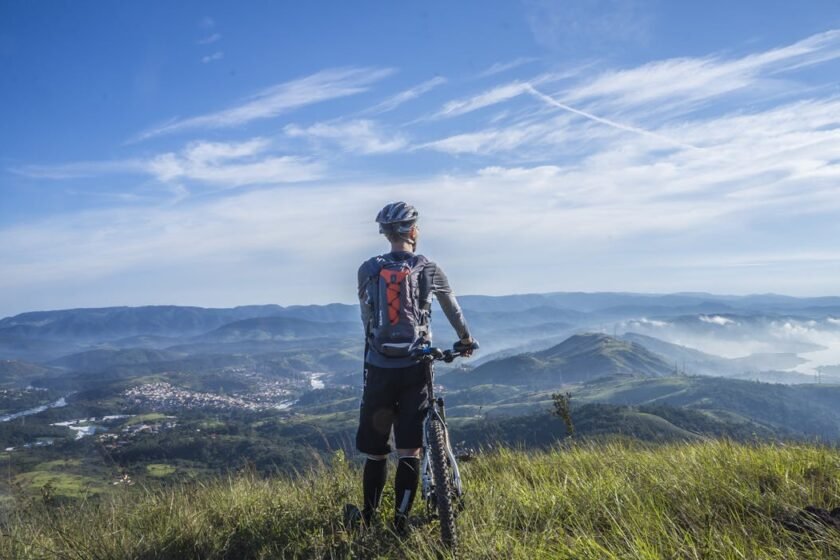
Long expeditions demand a level of physical preparation that supports endurance, balance, and recovery across days or even weeks in unpredictable environments. Outdoor enthusiasts often approach training with a mix of practical conditioning and mindful routines that prepare both muscles and lungs for rugged terrain. Preparing the body for extended challenges means strengthening and stabilizing muscles, improving cardiovascular efficiency, and practicing movement patterns similar to those encountered on trails, mountains, or expedition routes. This preparation also helps reduce the risk of injuries that can occur when carrying weight, navigating steep inclines, or adjusting to repeated long-distance travel. Many adventurers find that consistent training builds confidence while enhancing stamina and overall enjoyment during demanding outdoor pursuits. The combination of strength work, mobility training, and mental readiness ultimately allows them to move more comfortably through varied landscapes and maintain steady energy throughout longer expeditions.
Building a Strong Aerobic Base Through Steady Cardio
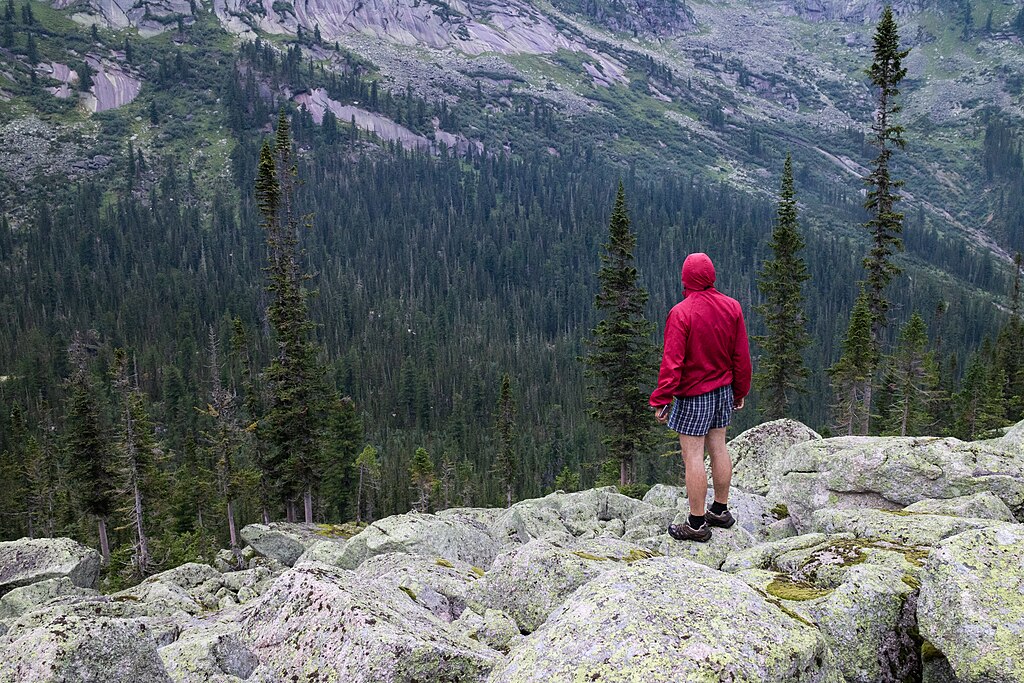
Building a strong aerobic base remains one of the most important steps outdoor enthusiasts take before embarking on long expeditions. Steady cardio sessions, such as brisk walking, cycling, rowing, or moderate running, help strengthen the heart and lungs while improving overall stamina. A solid aerobic foundation allows the body to maintain energy during lengthy days of hiking, climbing, or paddling without excessive fatigue. Training consistently over weeks or months also enhances oxygen efficiency, making it easier to handle long climbs or uneven terrain. These workouts mimic the sustained, low-intensity effort required on many expeditions, helping adventurers maintain a comfortable pace across rugged landscapes while feeling more prepared for extended physical effort.
Increasing Leg Strength for Steep Terrain
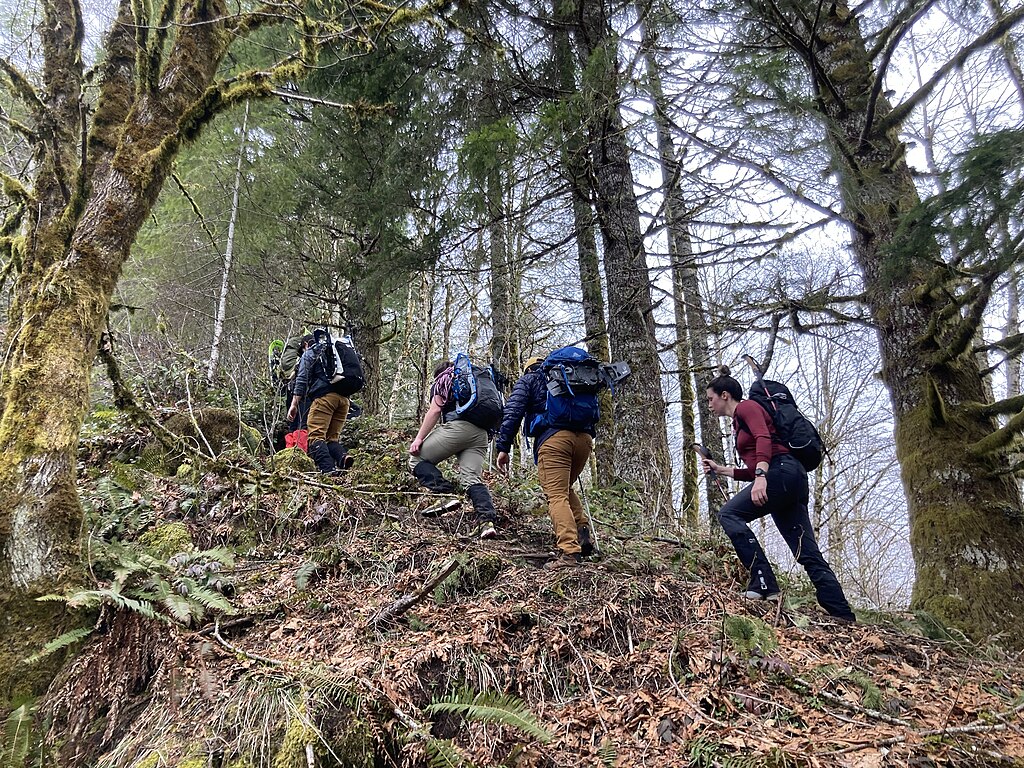
Increasing leg strength supports outdoor movement across steep, rocky, or uneven terrain commonly encountered during long expeditions. Enthusiasts often incorporate exercises such as squats, lunges, step-ups, and hill climbs to target major muscle groups responsible for stability and propulsion. Strong legs reduce strain on joints and improve balance when carrying heavy loads or navigating challenging routes. Building this strength helps hikers and climbers maintain steady pacing during ascents and avoid fatigue on lengthy descents where controlled movement is essential. Training often focuses on slow, deliberate repetition to mimic real-world trail demands. With consistent conditioning, adventurers experience greater confidence during steep sections and feel more capable of sustaining effort throughout multi-day journeys.
Strengthening the Core for Better Pack Support
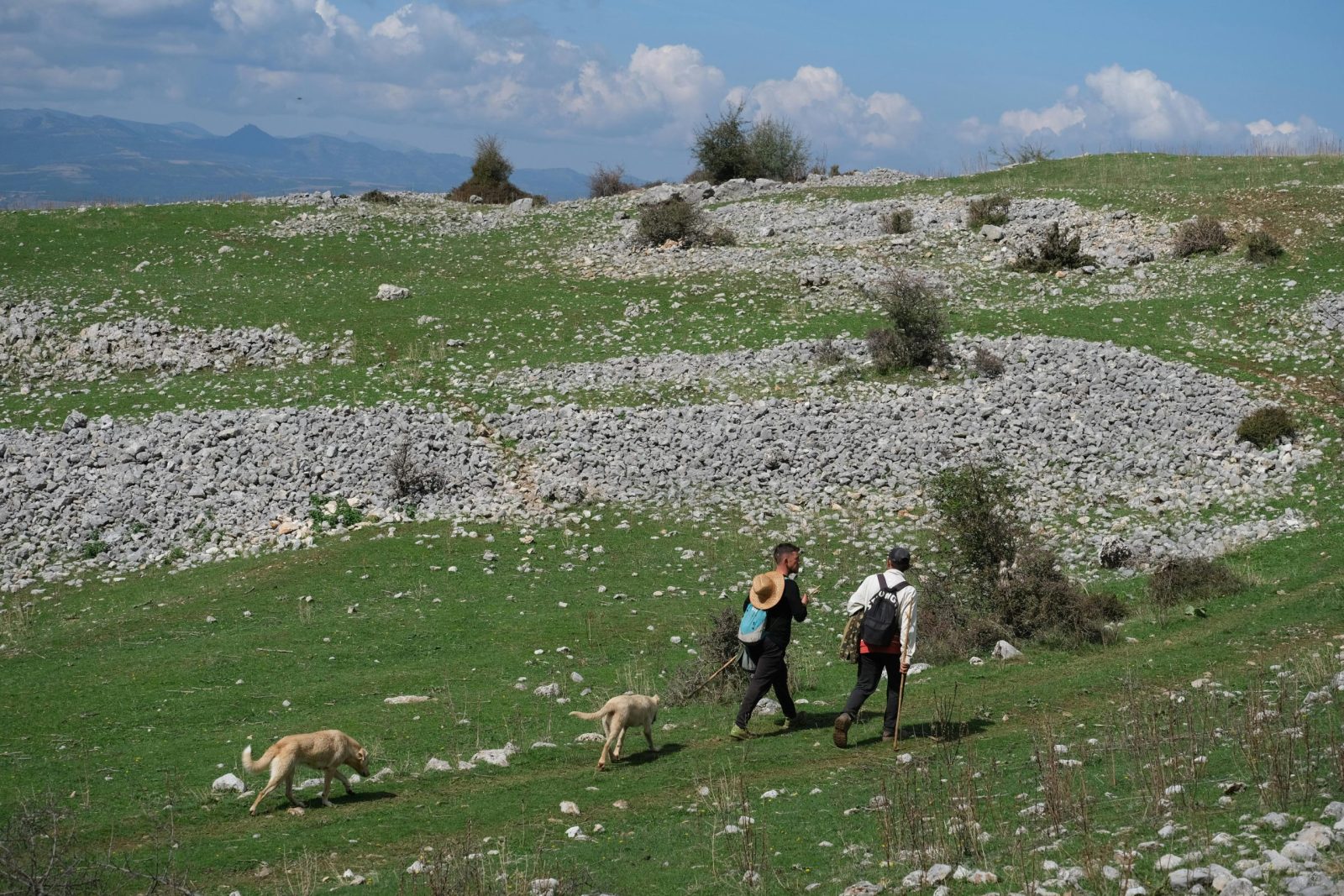
Strengthening the core provides essential support for the spine and enhances overall stability when carrying expedition packs. Outdoor enthusiasts train the abdominal muscles, obliques, and lower back to handle shifting weight loads encountered on long treks. Exercises such as planks, dead bugs, and controlled rotational movements help build resilience and reduce the risk of strain or injury during extended days on the trail. A strong core also improves posture, preventing fatigue from accumulating quickly when climbing or navigating uneven ground. With better stability, adventurers move more efficiently and maintain control while stepping over obstacles or adjusting to sudden changes in terrain, ultimately preserving energy throughout demanding journeys.
Practicing Balance and Mobility for Technical Ground
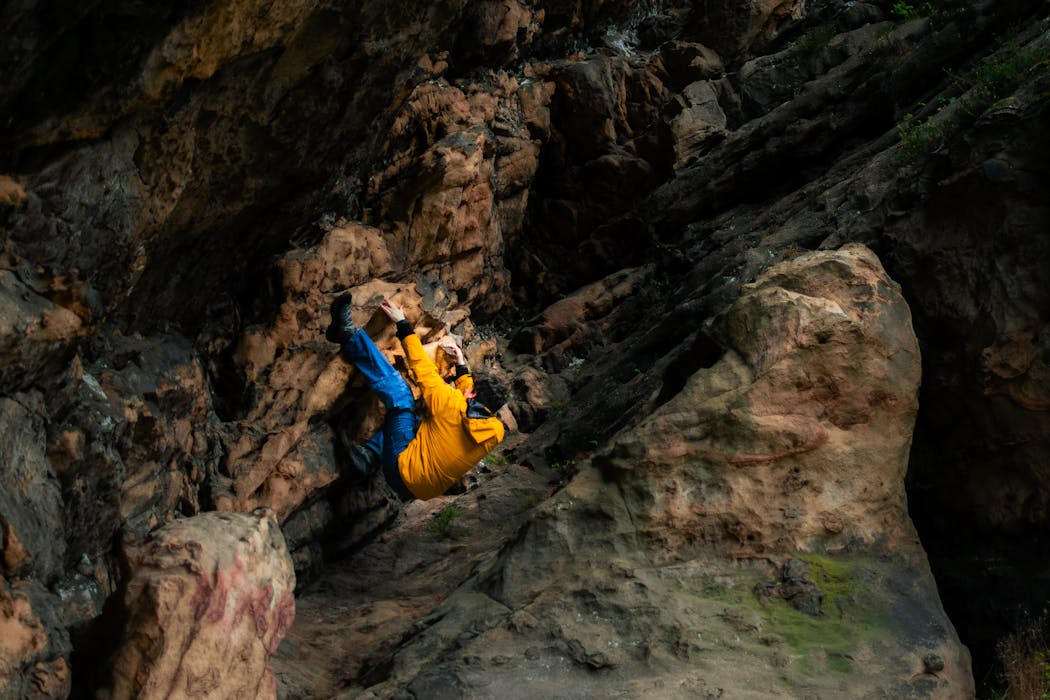
Practicing balance and mobility prepares outdoor enthusiasts for the uneven, unpredictable ground commonly encountered during long expeditions. Training often includes single-leg exercises, controlled step sequences, and dynamic stretching routines that enhance flexibility in hips, ankles, and knees. Improved mobility helps the body adjust smoothly when navigating rocks, roots, or narrow ledges, reducing the risk of missteps. Balance work strengthens stabilizing muscles that support agility under load, especially when carrying gear. These abilities become essential during long-distance travel because fatigue makes even simple movements more challenging. Consistent practice ensures that adventurers maintain safe, fluid movement throughout the expedition, regardless of shifting conditions or weather changes on the trail.
Carrying Pack Weight Ahead of the Expedition

Carrying pack weight during training helps the body adapt gradually to the demands of long expeditions where gear loads remain significant. Enthusiasts often begin with lighter weights and increase gradually to match the expected pack size. Walking or hiking with loaded packs strengthens the shoulders, hips, and legs while conditioning the body to maintain proper posture despite added strain. This practice also reveals potential discomfort in pack fit, allowing time for adjustments before the trip. Training with weight helps adventurers understand how their bodies respond to long days under load, reducing surprise fatigue and improving movement efficiency once the actual expedition begins.
Training on Similar Terrain to Build Familiarity
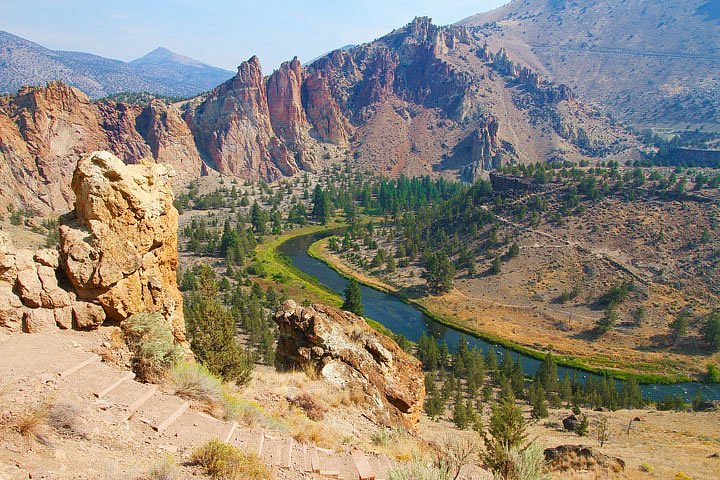
Training on terrain similar to the expedition route helps outdoor enthusiasts prepare both mentally and physically for the challenges ahead. Whether trekking through rocky foothills, sandy desert paths, or forested trails, practicing on comparable surfaces builds confidence and sharpens technique. This familiarity helps adventurers anticipate how the ground responds to each step and how footing changes when the weather varies. Rehearsing on similar slopes or elevations also helps condition the body for the incline patterns expected during the trip. Because terrain strongly influences fatigue, this targeted preparation reduces stress during the actual journey and supports smoother movement across unfamiliar landscapes.
Improving Flexibility and Joint Range of Motion
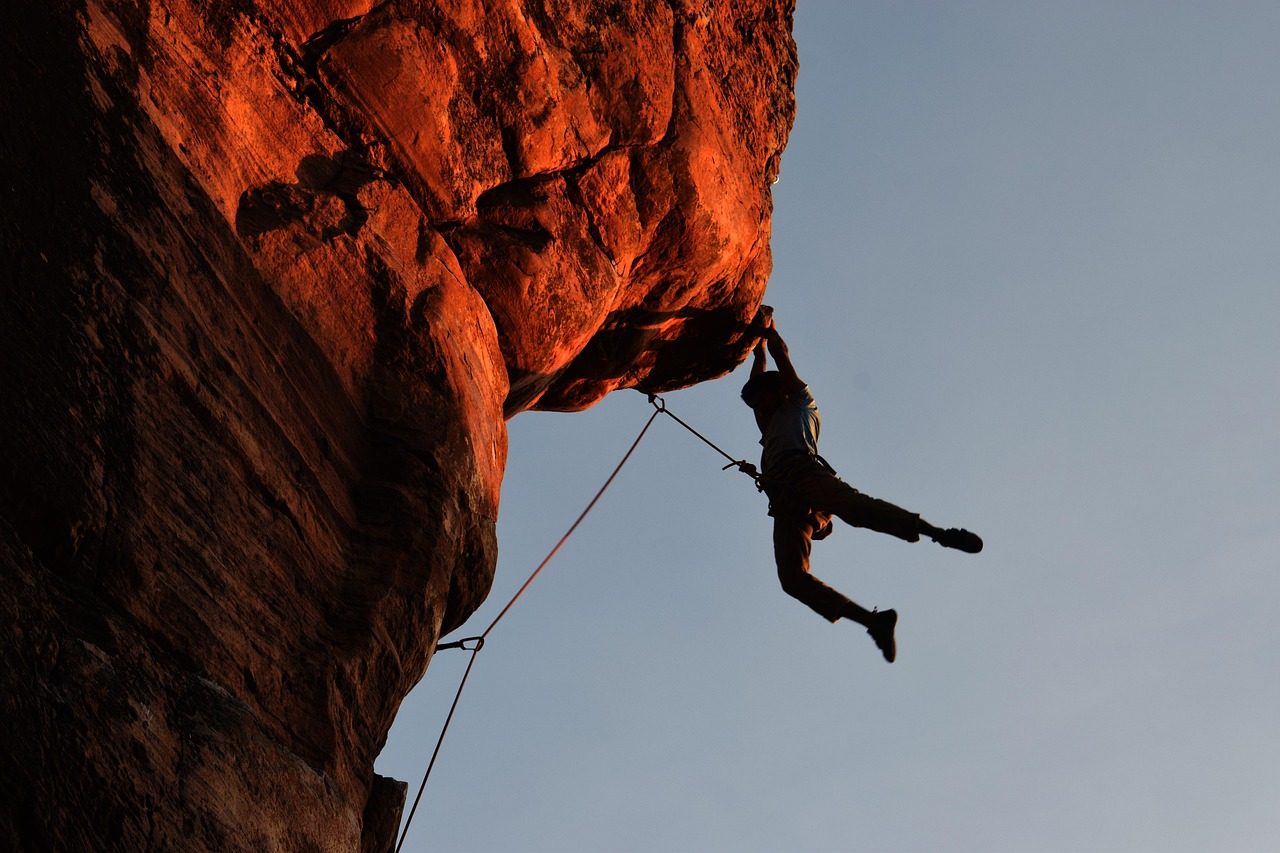
Improving flexibility and joint range of motion supports long-distance travel by helping muscles work efficiently throughout varied movement patterns. Outdoor enthusiasts include stretching routines that target tight or overworked areas such as the hips, hamstrings, shoulders, and lower back. Enhanced mobility reduces the likelihood of strains and supports better posture when carrying packs or climbing. Flexible joints adapt more readily to uneven terrain, making transitions between surfaces feel more natural. Consistent mobility work also supports recovery, which becomes essential during multi-day expeditions where cumulative fatigue can build quickly. This training prepares the body to move smoothly through long routes that demand resilience and fluidity.
Building Upper Body Strength for Climbing and Scrambling
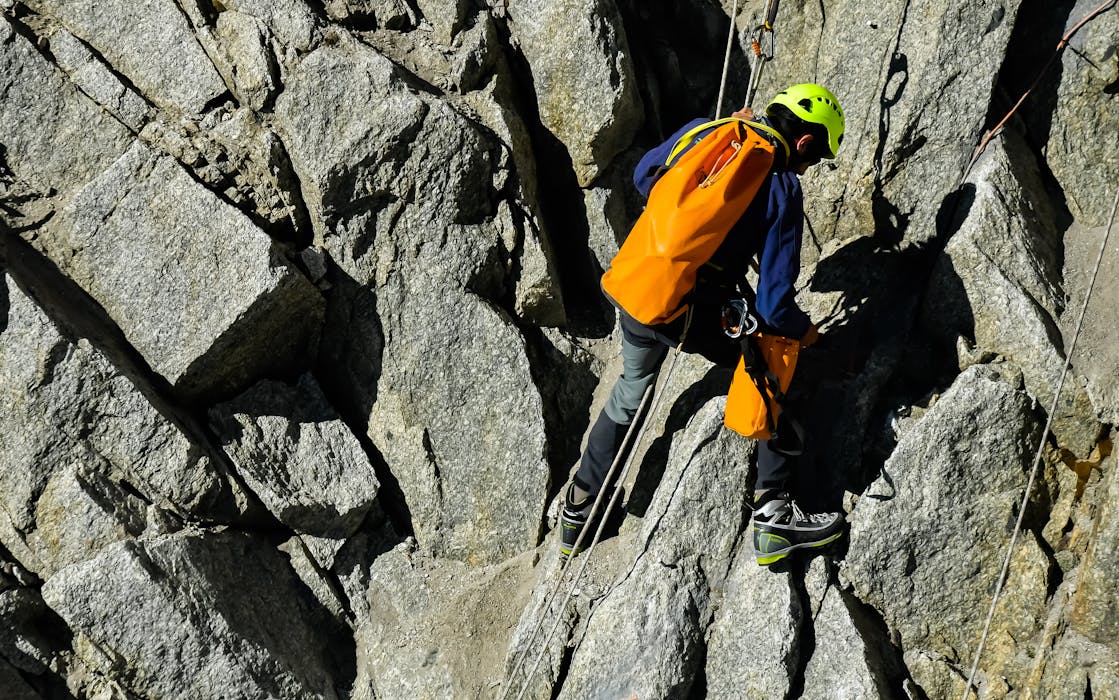
Building upper body strength assists outdoor enthusiasts who expect climbing, scrambling, or technical movements during their expeditions. Training includes exercises such as pull-ups, push-ups, rowing variations, and grip work that strengthen the arms, shoulders, and back. A strong upper body helps distribute effort more evenly during challenging sections, preventing legs from becoming overworked. This strength also supports safety when navigating steep or exposed routes that require controlled pulling or bracing. Developing grip endurance helps with rope handling, rock contact, or managing gear. Upper body conditioning ensures that adventurers feel capable during technical terrain and maintain confidence throughout difficult segments of the journey.
Practicing Recovery Habits Before the Expedition Begins
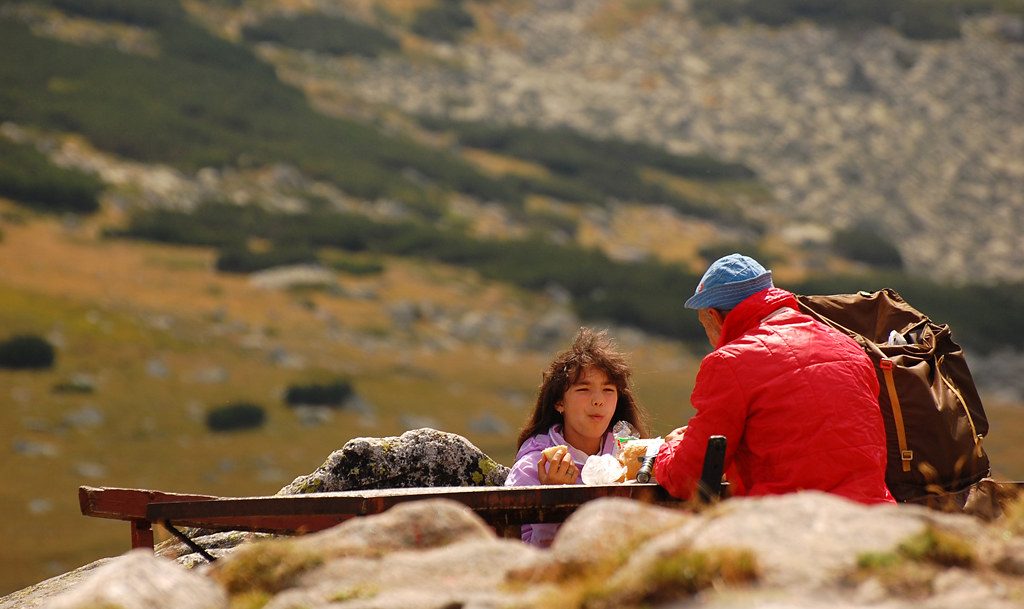
Practicing recovery habits before an expedition helps outdoor enthusiasts manage fatigue and maintain performance throughout long trips. Recovery routines may include stretching, hydration strategies, balanced nutrition, and adequate rest between training sessions. Developing these habits early ensures the body adapts well to increasing workloads and learns to bounce back efficiently. Understanding how muscles respond to sustained activity helps adventurers avoid overtraining and build resilience for consecutive long days. Effective recovery also supports mental clarity and decision-making during physically demanding moments. By integrating thoughtful recovery strategies into the preparation process, explorers create a foundation that sustains energy and reduces discomfort on extended routes.
Training in Varied Weather Conditions

Training in varied weather conditions prepares outdoor enthusiasts for the unpredictability of long expeditions where temperatures, wind, and moisture may shift rapidly. Conditioning in rain, heat, cold, or wind helps the body adapt to environmental stressors and teaches adventurers how clothing layers perform under real conditions. This experience improves judgment when selecting gear and managing comfort during the trip. Training in changing weather also builds resilience by exposing the body to fluctuations in humidity, sunlight, and wind chill. Because expeditions rarely offer perfect weather, preparing in mixed conditions ensures that adventurers remain confident and capable no matter what challenges arise along the route.
The post 10 Ways Outdoor Enthusiasts Prepare Their Bodies for Long Expeditions appeared first on Bushcraft Base Camp.