

Outdoor gear is designed to survive rough use, harsh weather, and repeated trips into demanding environments, but even the best equipment fails early when it is neglected. Extending the life of your gear is less about expensive products and more about consistent habits that reduce stress, moisture damage, abrasion, and chemical breakdown. Simple routines such as proper drying, correct storage, and mindful use can add years to backpacks, boots, tents, clothing, and tools. Well-maintained gear also performs better, keeping you safer and more comfortable outdoors. By treating every item as a long-term investment instead of a disposable tool, you reduce replacement costs, minimize waste, and avoid failures when conditions turn serious. These ten practical strategies focus on prevention, routine care, and smart handling habits that work for nearly all types of outdoor equipment.
1. Clean gear immediately after every trip
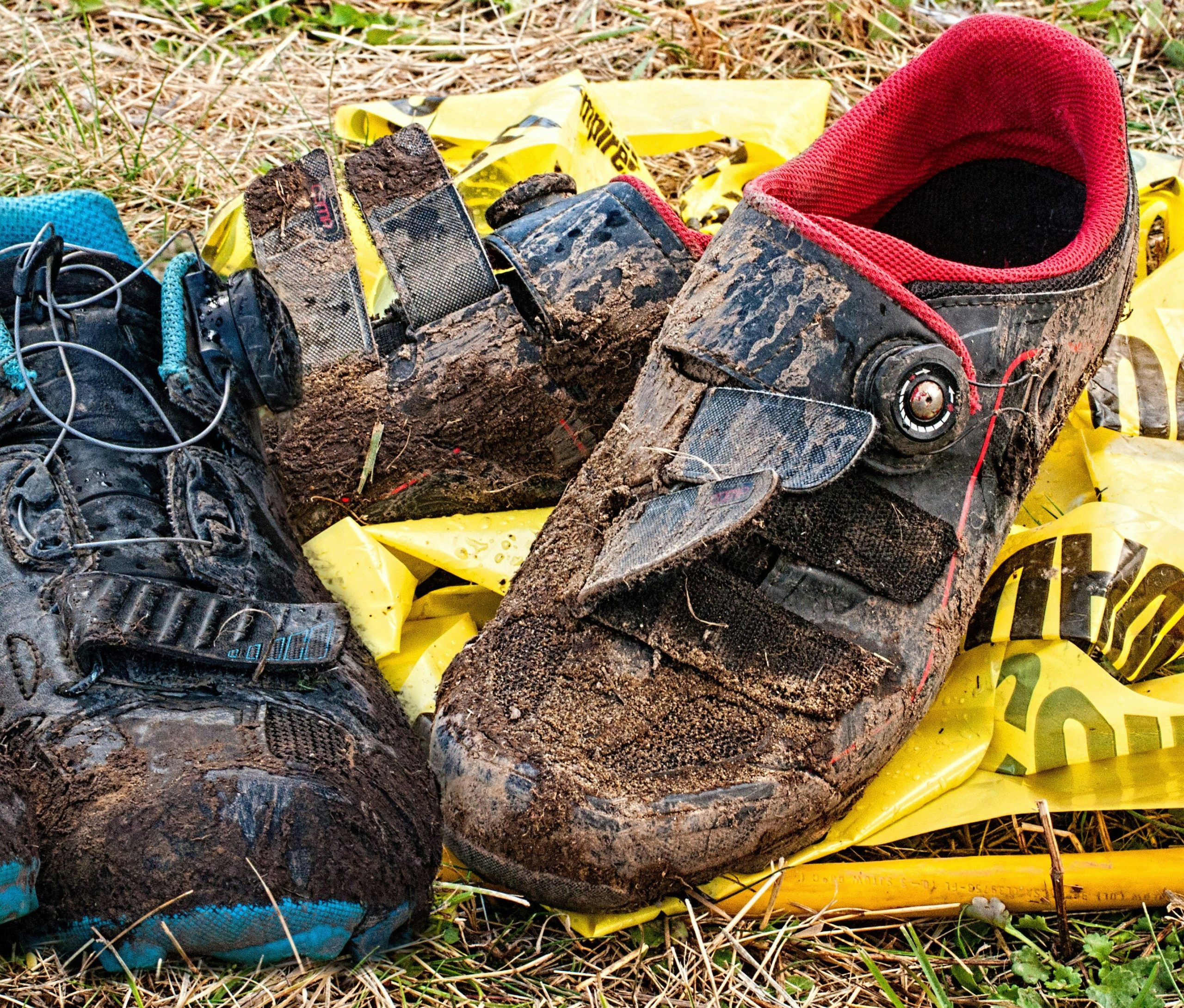
Dirt, salt, sweat, plant sap, and body oils slowly break down fabrics, coatings, and metal finishes if they are left in place. After every trip, clean your gear as soon as possible rather than letting grime sit for weeks. Use lukewarm water and mild soap designed for technical fabrics or a simple, unscented detergent. Avoid harsh cleaners, bleach, or fabric softeners, which damage fibers and waterproof coatings. Pay extra attention to zippers, seams, and high-friction areas where debris hides. Even boots benefit from brushing off dried mud and rinsing salt residue. Regular light cleaning prevents deep buildup, reduces odor, and keeps materials flexible, extending usable life without heavy scrubbing later.
2. Dry everything completely before storage
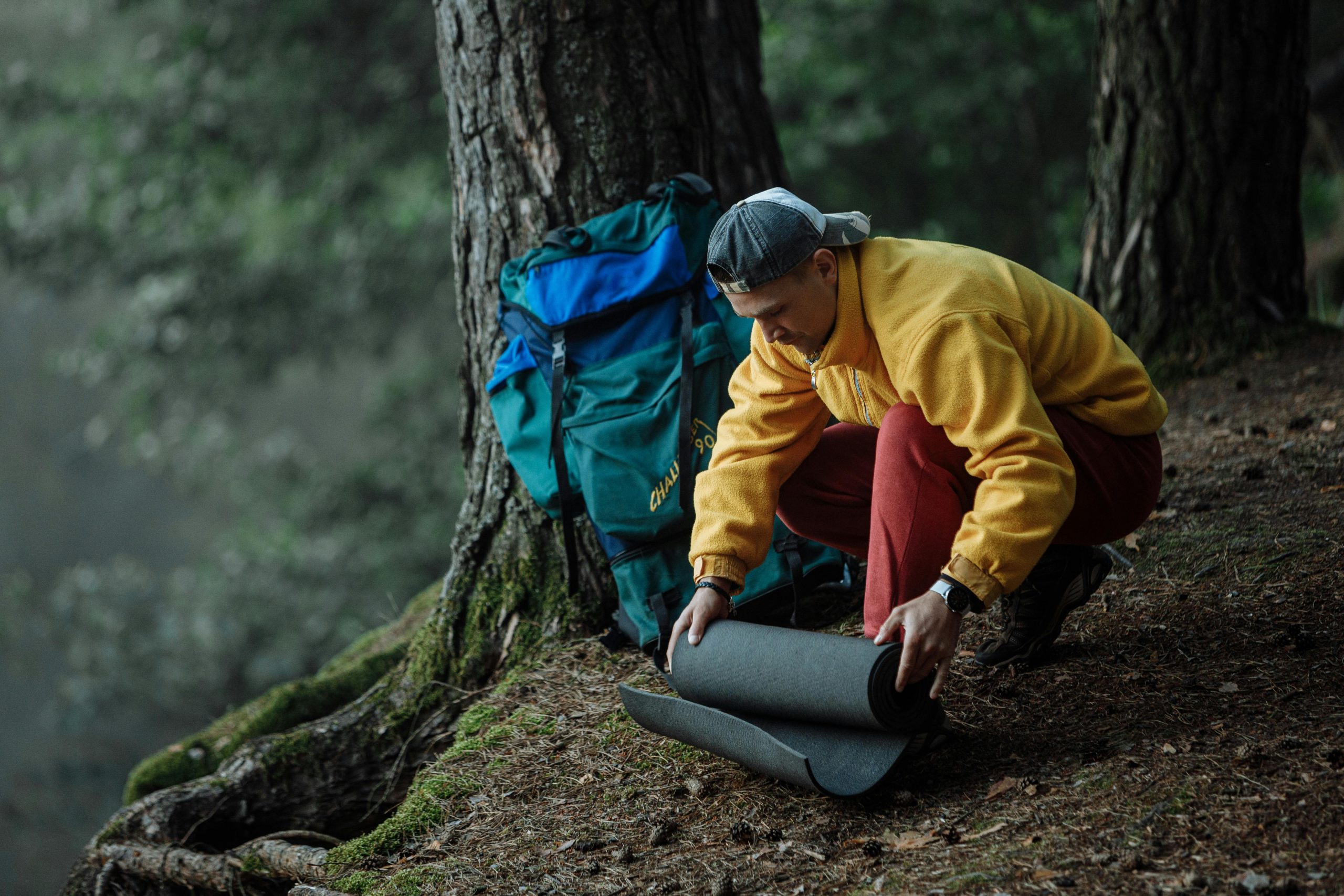
Moisture is one of the fastest ways to destroy outdoor gear. Storing items while damp encourages mold, mildew, corrosion, and fabric delamination. After cleaning or a wet trip, fully air-dry everything in a shaded, ventilated area. Avoid direct heat sources like radiators or intense sun, which can warp plastics and weaken synthetic fibers. Open pockets, loosen straps, remove insoles, and unroll sleeping bags so trapped moisture can escape. Even gear that feels dry on the surface may still hold moisture inside the padding or seams. Taking extra time to dry thoroughly prevents hidden damage that slowly shortens the lifespan of your equipment.
3. Store gear in a cool, dark, breathable space
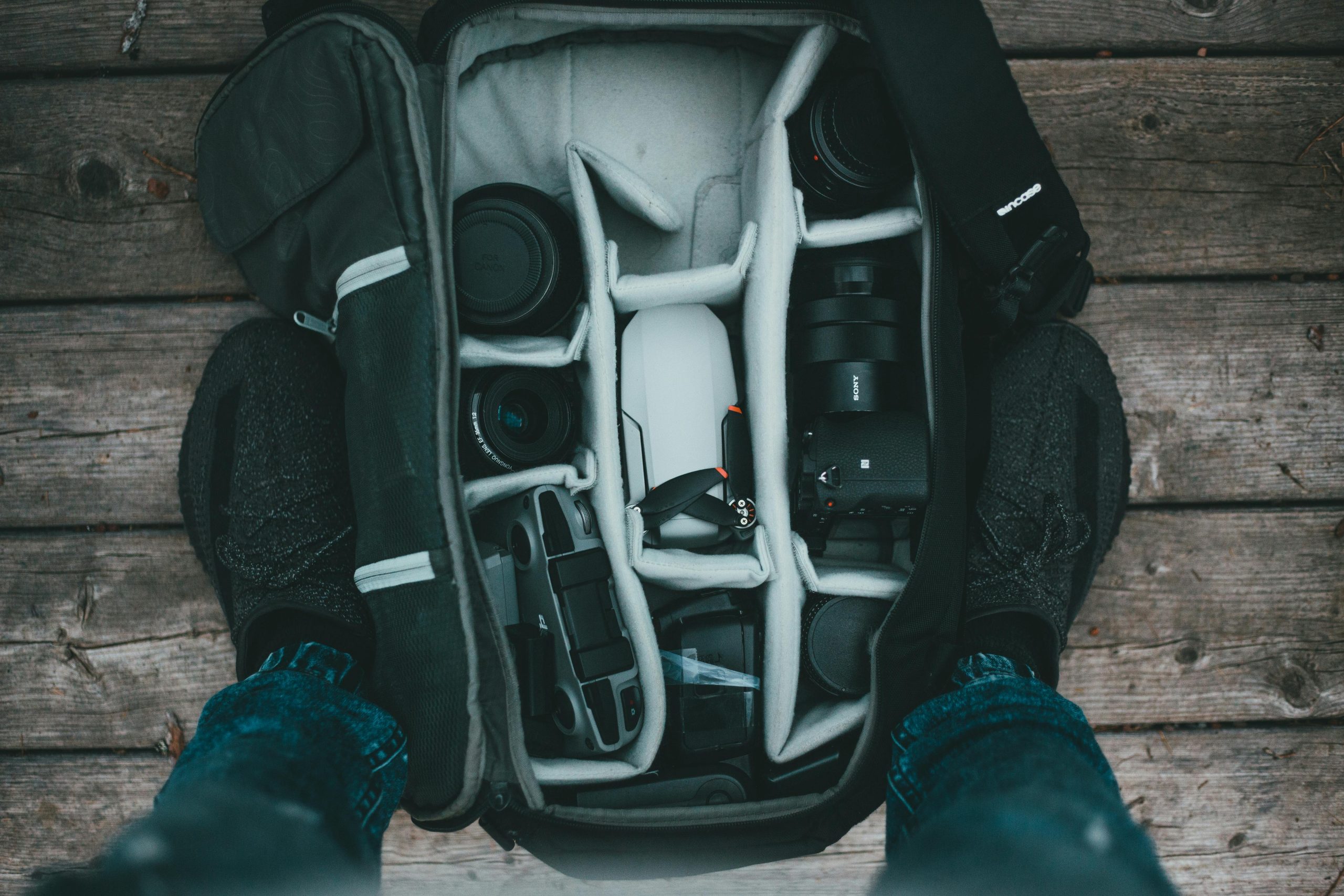
Long-term storage conditions matter just as much as use. Heat, sunlight, and poor airflow accelerate material aging and adhesive failure. Store gear in a cool, dry, dark location with good ventilation. Avoid sealed plastic bins for items like sleeping bags and clothing; instead, use breathable storage sacks or hang them loosely. Keep gear away from direct UV exposure, which weakens nylon, polyester, and rubber over time. Tools and metal items should be stored clean and lightly oiled if appropriate. A stable storage environment reduces stress on materials and keeps gear ready for use instead of slowly degrading between trips.
4. Follow the manufacturer’s care instructions closely
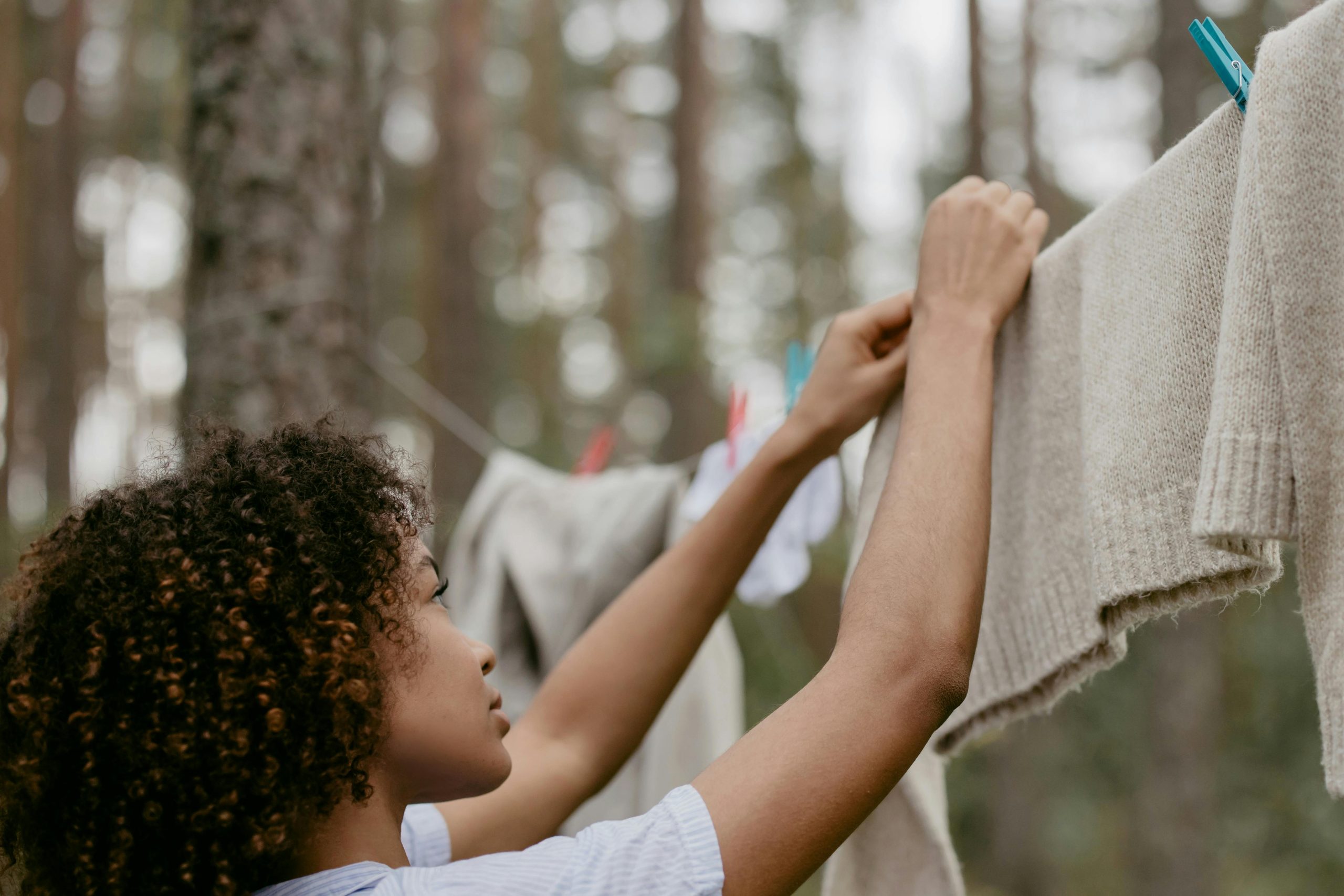
Outdoor gear is engineered with specific materials and treatments that require proper care. Always read and follow the manufacturer’s instructions for washing, drying, and maintenance. Waterproof-breathable fabrics, for example, often require special detergents and occasional reproofing to maintain performance. Ignoring these guidelines can strip coatings, clog membranes, or void warranties. Even simple items like packs and tents may have temperature limits or cleaning restrictions. Manufacturers test their products extensively, and their care recommendations are based on real material behavior. Respecting those instructions ensures you are maintaining gear in a way that aligns with how it was designed to function and last.
5. Repair small damage before it spreads
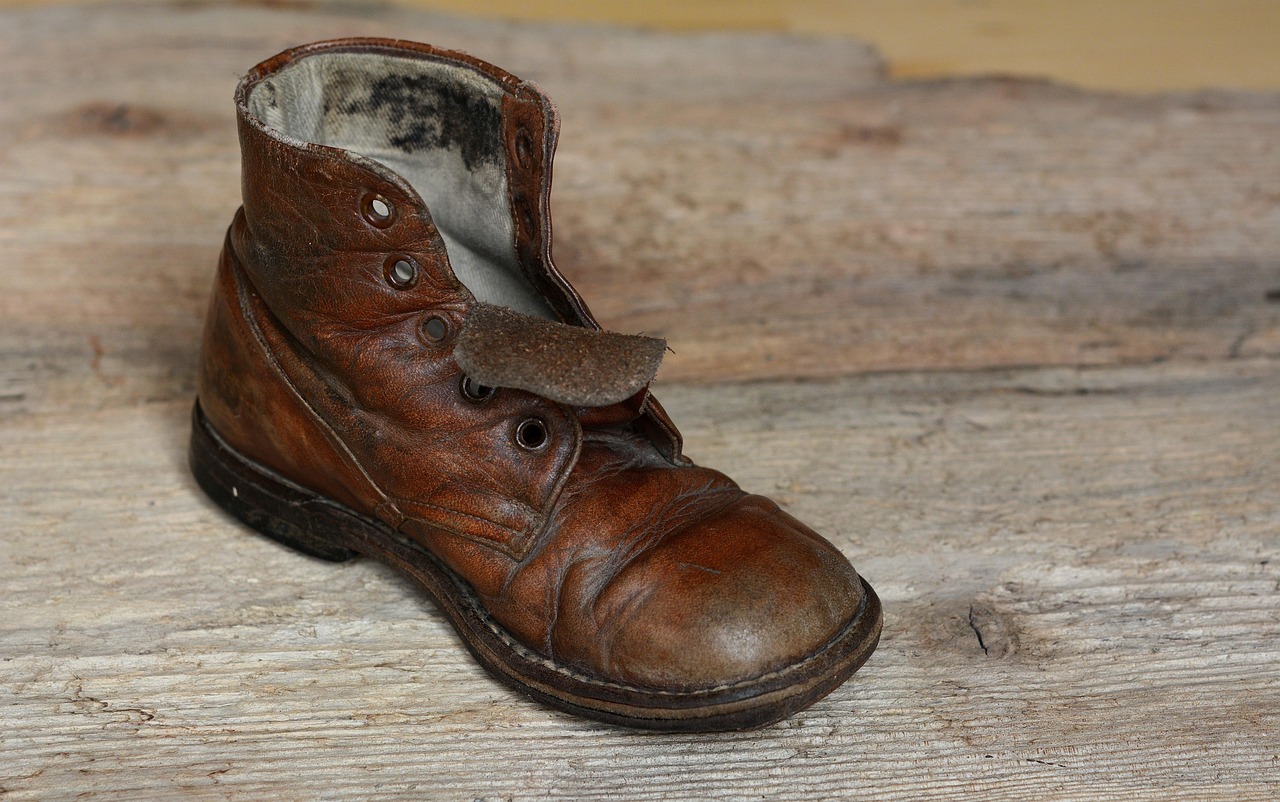
Minor damage rarely stays minor when it comes to outdoor gear. A tiny tear, loose seam, or bent zipper can quickly become a failure in the field. Inspect your gear after trips and repair small issues immediately. Use patch kits, seam sealant, zipper lubricant, or basic stitching to stop damage early. Addressing problems right away reduces stress on surrounding material and prevents larger repairs later. Many brands also offer repair services or replacement parts. Quick fixes not only extend gear life but also increase reliability, ensuring your equipment doesn’t fail when you depend on it most.
6. Avoid unnecessary overloading and misuse
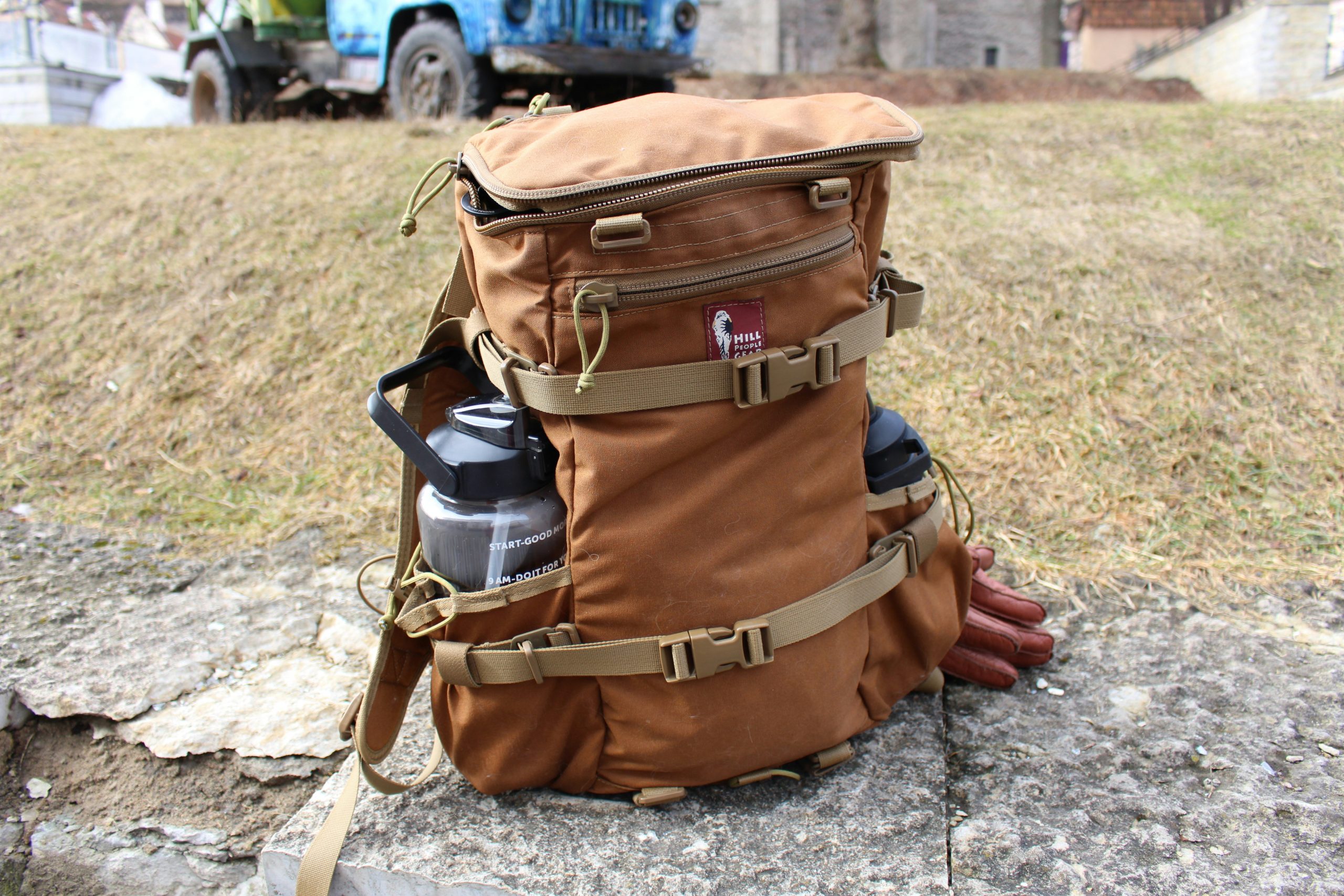
Every piece of gear has design limits, even if they are not always obvious. Overloading backpacks, forcing zippers, or using gear for purposes it was not intended for increases wear dramatically. Respect weight limits, distribute loads properly, and avoid dragging or crushing equipment. Treating gear gently does not mean being delicate, but it does mean using it as designed. Proper use reduces stress on seams, frames, buckles, and fasteners. When gear is consistently overloaded or misused, failure becomes a matter of when, not if. Smart handling preserves structural integrity and long-term performance.
7. Protect gear from prolonged UV exposure
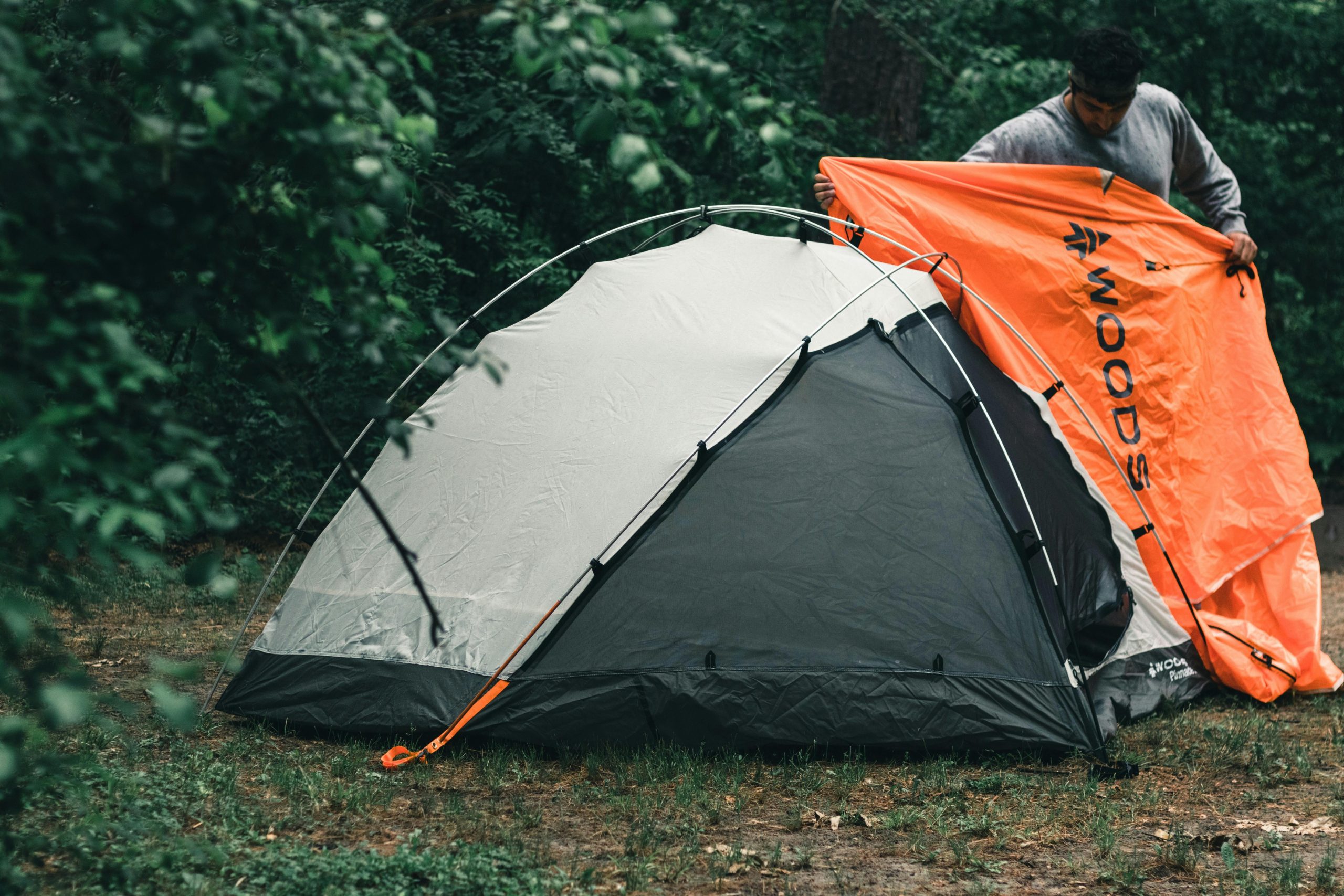
Sunlight slowly degrades most outdoor materials, especially synthetic fabrics and rubberized components. Extended UV exposure weakens fibers, fades colors, and causes brittleness. When camping, avoid leaving gear in direct sunlight longer than necessary. At home, store items away from windows or bright light. Use stuff sacks or covers when gear must remain outdoors. Even durable items like tents and packs benefit from shade. Limiting UV exposure significantly slows material breakdown and preserves strength, flexibility, and waterproof performance, helping your gear stay reliable over many seasons.
8. Use appropriate lubrication and conditioning
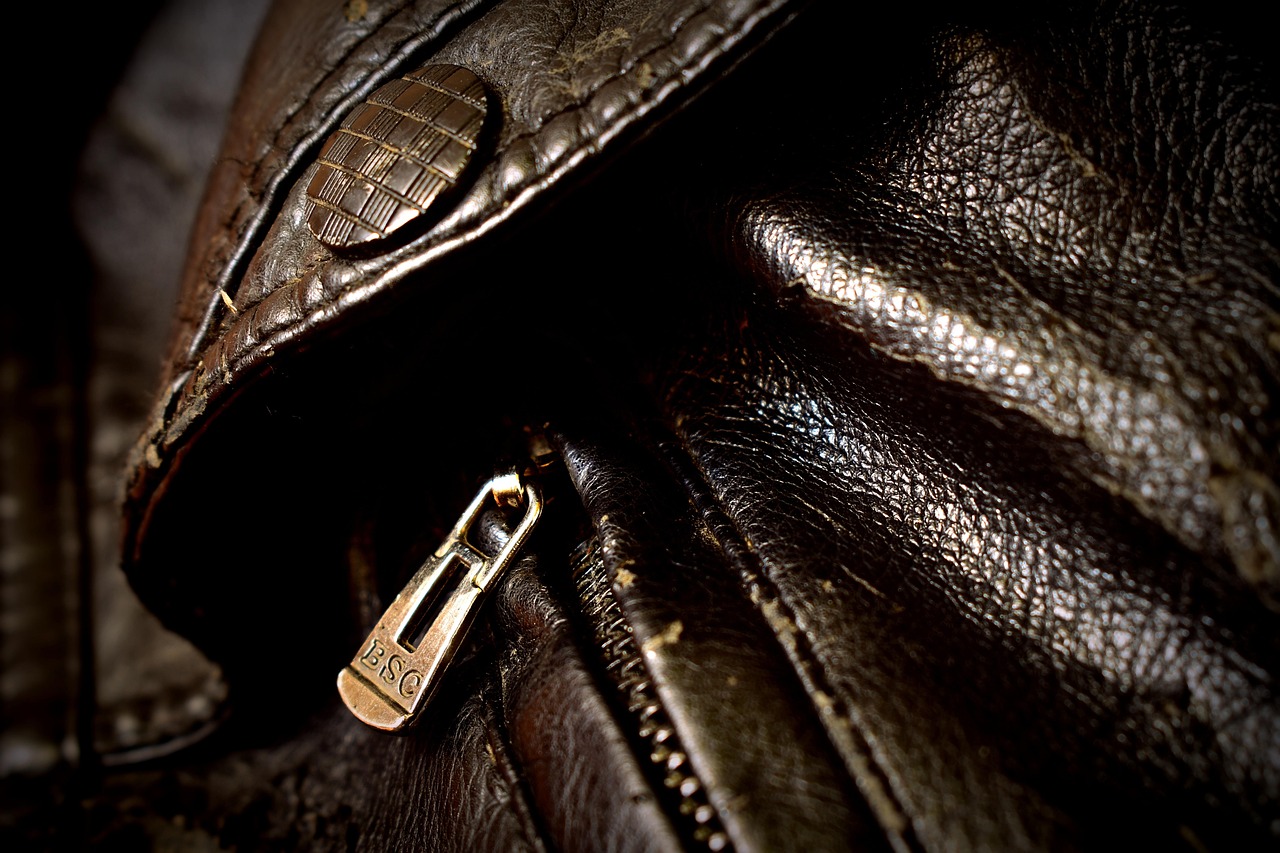
Some gear components require periodic lubrication or conditioning to function smoothly. Zippers benefit from zipper-specific lubricants that reduce friction and prevent corrosion. Leather boots need occasional conditioning to prevent cracking and drying. Metal tools may require light oiling to stop rust. Avoid over-lubrication, which attracts dirt and grit. Using the right product for the right material keeps moving parts functional and prevents premature wear. Regular, minimal maintenance maintains performance while reducing strain on components that would otherwise fail under repeated use.
9. Rotate the gear and avoid constant compression
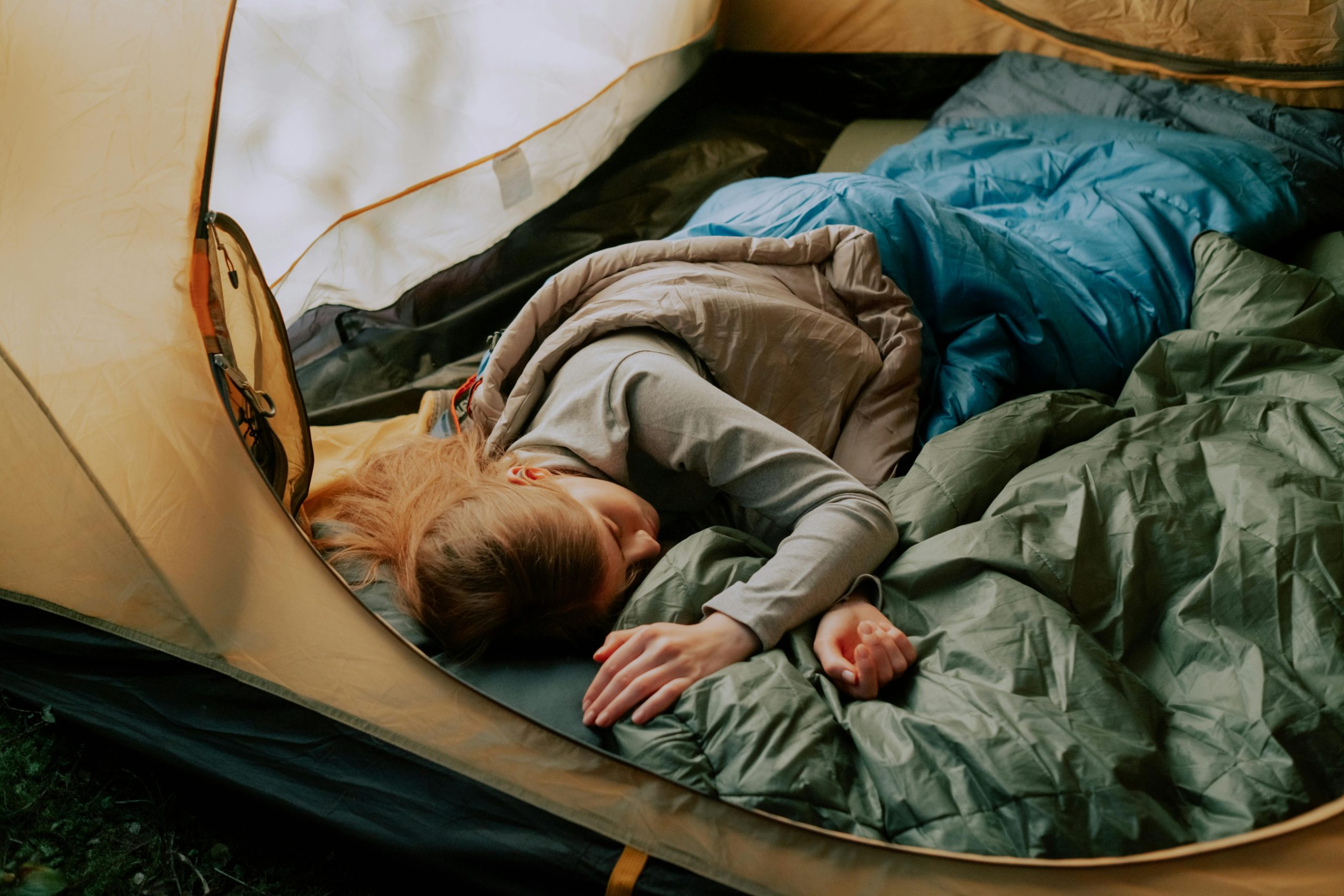
Keeping gear compressed for long periods reduces insulation loft and stresses materials. Sleeping bags, insulated jackets, and pads should be stored uncompressed whenever possible. Rotating between similar items also spreads wear evenly. If you own multiple pieces of gear for the same purpose, avoid using one exclusively. Rotation reduces fatigue in fabrics and components, allowing materials to recover between uses. Giving gear time to rest may sound unnecessary, but it meaningfully extends lifespan, especially for insulation and elastic materials that degrade under constant pressure.
10. Develop consistent maintenance habits
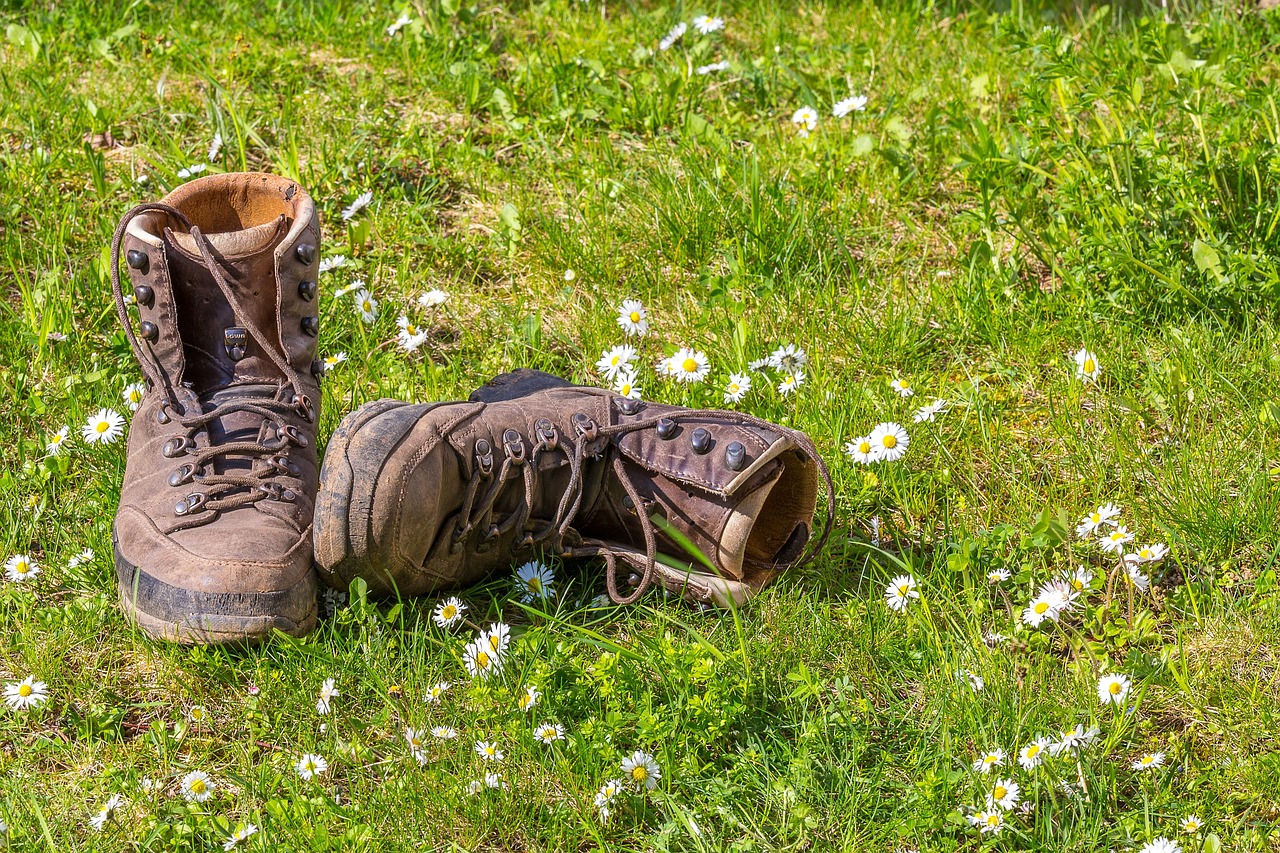
The most effective way to extend gear life is consistency. Create simple routines: clean after trips, inspect regularly, store properly, and address problems early. These habits take little time but prevent the most common causes of failure. Treat maintenance as part of the outdoor experience rather than a chore. When gear is always ready, you spend less time fixing problems and more time enjoying the outdoors. Consistent care transforms gear from disposable equipment into long-term companions that perform reliably season after season.
The post 10 Ways to Extend the Life of Every Piece of Outdoor Gear You Own appeared first on Bushcraft Base Camp.