
Every year brings its own set of unusual rules, but 2025 stood out for laws that blended everyday life with the fast rise of new technology. As cities grew denser, devices grew smarter, and people tried to balance convenience with safety, governments found themselves creating regulations that felt both oddly specific and surprisingly telling. These strange laws offered a glimpse into how quickly the world was changing and how society tried to adapt. Exploring them is like stepping into a snapshot of a world learning to manage modern habits, old problems, and futuristic innovations all at once.
1. Wearing full-face LED masks in public shopping areas

LED face masks, popular for skincare routines and costume effects, became a legal concern in some busy shopping districts. By 2025, several malls and commercial zones will restrict their use because they obscure identity, interfere with security cameras, and raise safety concerns in crowded spaces. Shoppers could still wear the masks at home, private events, or controlled environments, but public areas required clear visibility. The rule struck a balance between allowing personal expression and ensuring the safety and security of everyone in high-traffic retail spaces.
2. Selling raw, unpasteurized almond milk

Raw plant milks grew popular, but regulators began treating them similarly to raw dairy. The issue centered on microbial contamination and inconsistent acidity that can let harmful bacteria survive. By 2025, some states will require pasteurization or commercial-grade safety controls before almond milk can be sold to the public. Small producers had to invest in sanitation protocols or validated processing methods, while consumers saw fewer unregulated options. The rules followed a long-standing principle: once food leaves a home kitchen and enters the marketplace, it must meet safety standards designed to protect the public.
3. Walking dogs without a visible leash in urban green zones

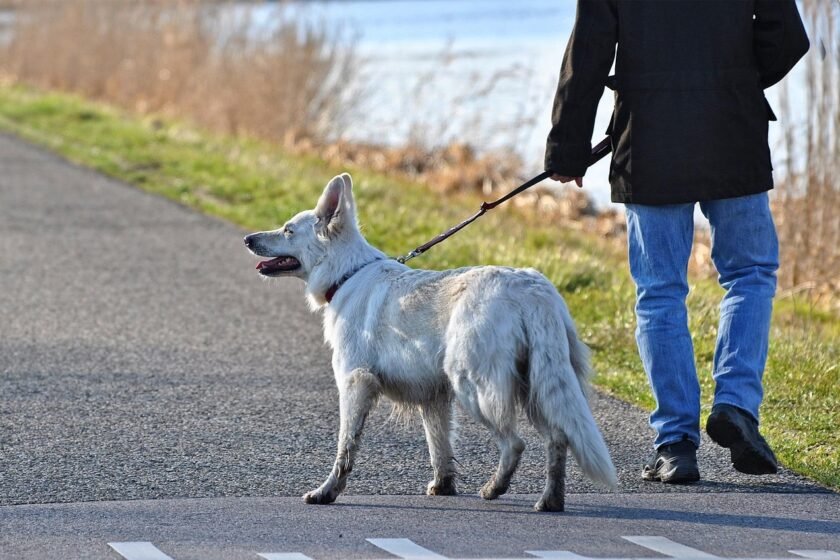
Even well-trained pets became the focus of regulation in some cities. By 2025, walking a dog off-leash in designated urban parks or green zones was illegal in certain areas, regardless of behavior. Authorities cited risks of aggressive encounters, disturbances to wildlife, and safety hazards for other park users. Leash requirements helped maintain public safety, and repeat offenders could face fines or temporary bans from park access. Some cities also mandated that leashes be of a certain length and strength to ensure full control over the animal at all times.
4. Feeding pigeons in urban “no-nuisance” zones

Tossing crumbs to city birds feels innocent, yet many cities struggle with property damage, droppings, and pest infestations caused by concentrated pigeon populations. To address this, some municipalities created “no-feeding zones” where tossing food was prohibited. These rules cut sanitation costs and protected historic structures damaged by acidic droppings. Instead of banning compassion, cities emphasized designated feeding areas and wildlife-friendly management systems. Residents simply had to learn where feeding was allowed and how to help without creating urban problems.
5. Driving with old-style halogen headlights

As lighting technology evolved, older halogen headlights became outdated for efficiency and safety. By 2025, certain regions phased them out entirely, requiring drivers to upgrade to LED or other compliant options. Vehicles that continued using halogen bulbs could fail inspections or be flagged for noncompliance. Regulators focused on reducing energy waste, improving nighttime visibility, and lowering the frequency of bulb replacements. Transition periods and retrofit kits helped drivers adapt without facing abrupt changes.
6. Owning more than two roosters in urban areas

The rise of backyard poultry brought charm to neighborhoods, but it also sparked early-morning noise complaints. To keep peace in densely populated communities, many cities restricted the number of roosters allowed per household. Typically, the cap was one or two, with special permits required for more. These rules balanced hobby farming with urban living. Permits often require proper waste management, coop distance from neighbors, and steps to control noise. Anyone wanting additional roosters had to follow stricter guidelines or relocate their birds.
7. Walking with large Bluetooth speakers in quiet zones

Portable speakers were everywhere, but some cities cracked down on the loudest offenders to protect public peace. Certain quiet zones, like hospital districts, historic neighborhoods, and public libraries, make it illegal to walk through with high-volume Bluetooth speakers. The rules aimed to prevent sudden noise spikes that disrupted residents and workers. People could still enjoy music, but only with headphones in these protected areas. Repeat offenses could lead to fines or confiscation of the speaker to ensure compliance and maintain quiet for everyone.
8. Keeping exotic aquarium species without a containment permit

The popularity of home aquariums surged, but with it came growing concerns about ecological impacts if non-native species escaped into local waterways. By 2025, many regions will require permits for keeping high-risk species, including certain snails, shrimp, tropical fish, and fast-spreading aquatic plants. Owners had to demonstrate that their tanks were secure, properly maintained, and equipped with reliable containment and disposal methods to prevent accidental releases. Violations could result in fines, confiscation of animals, and legal action, emphasizing that responsible hobbyists needed to balance their interest in exotic species with environmental stewardship and community safety.
9. Sleeping overnight in a fully autonomous car
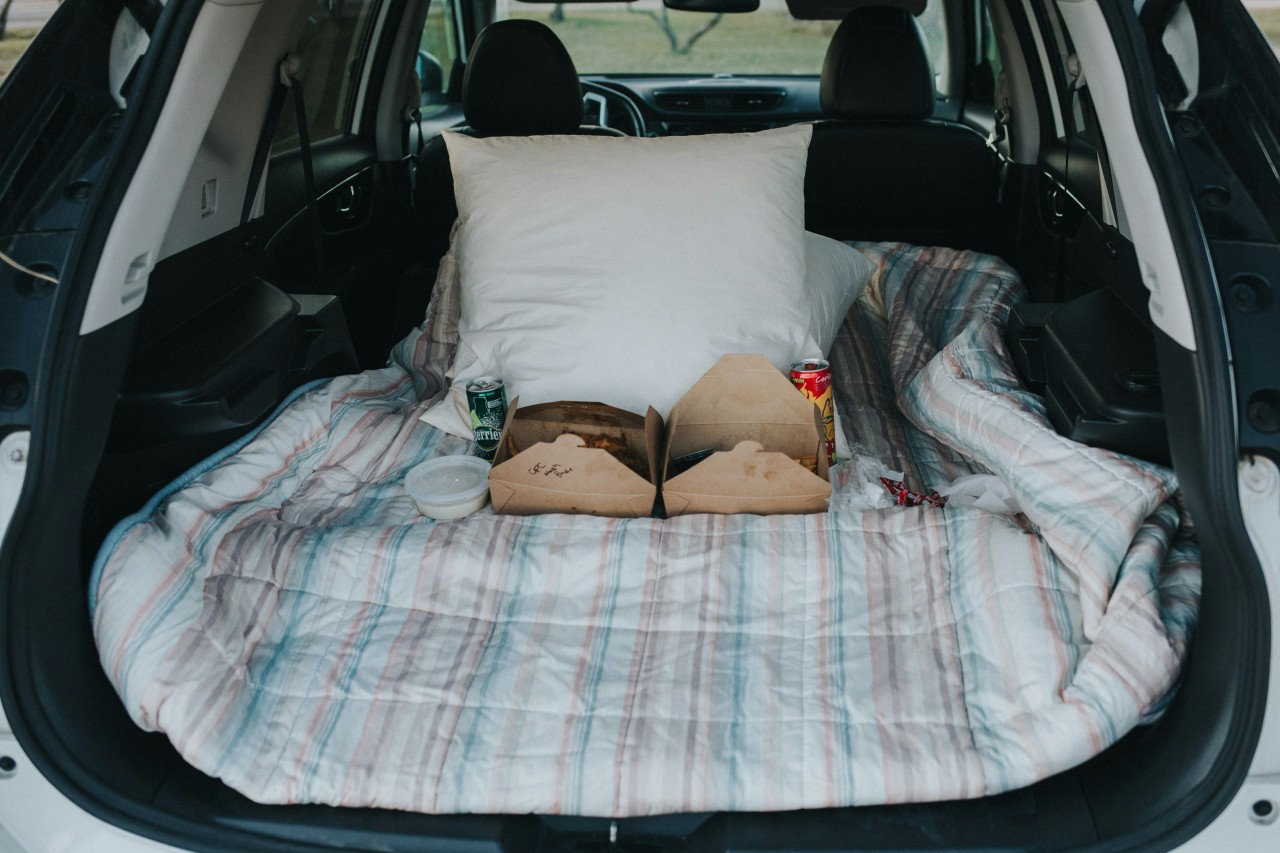
The idea of napping in a self-driving car seemed futuristic, but the law hadn’t caught up. Most jurisdictions still required a capable human to supervise the vehicle, even when parked, because the technology wasn’t yet certified for completely hands-off use. Sleeping inside an autonomous car parked on public streets could violate safety, liability, or parking codes. Even in regions testing higher levels of autonomy, overnight “car camping” remained restricted. Until fully autonomous vehicles are widely approved, sleeping in one in public spaces remains legally questionable.
10. Collecting rainwater without approved storage systems

Rainwater harvesting became more common as homeowners looked for eco-friendly ways to cut water use, but by 2025, many regions tightened the rules to protect public health. Standing water in open barrels attracted mosquitoes, and poorly designed overflow pipes could flood neighboring yards or contaminate runoff systems. To prevent these issues, some areas require certified collection units built to meet safety and drainage standards. Systems needed secure lids, screened openings, and proper flow controls that kept insects out and ensured water was stored responsibly.