

Wellness is no longer confined to gyms or spas; it has become a part of how people design and use their homes. According to the Global Wellness Institute, more individuals are transforming their living spaces into areas that support relaxation, mindfulness, and health. Simple design choices and intentional spaces can improve sleep, reduce stress, and boost productivity. Whether through fitness areas, meditation nooks, or nature-inspired corners, wellness spaces at home make well-being more accessible. These spaces bring balance to modern life, encouraging healthier routines while creating environments that nurture both body and mind every day.
1. Meditation Corner
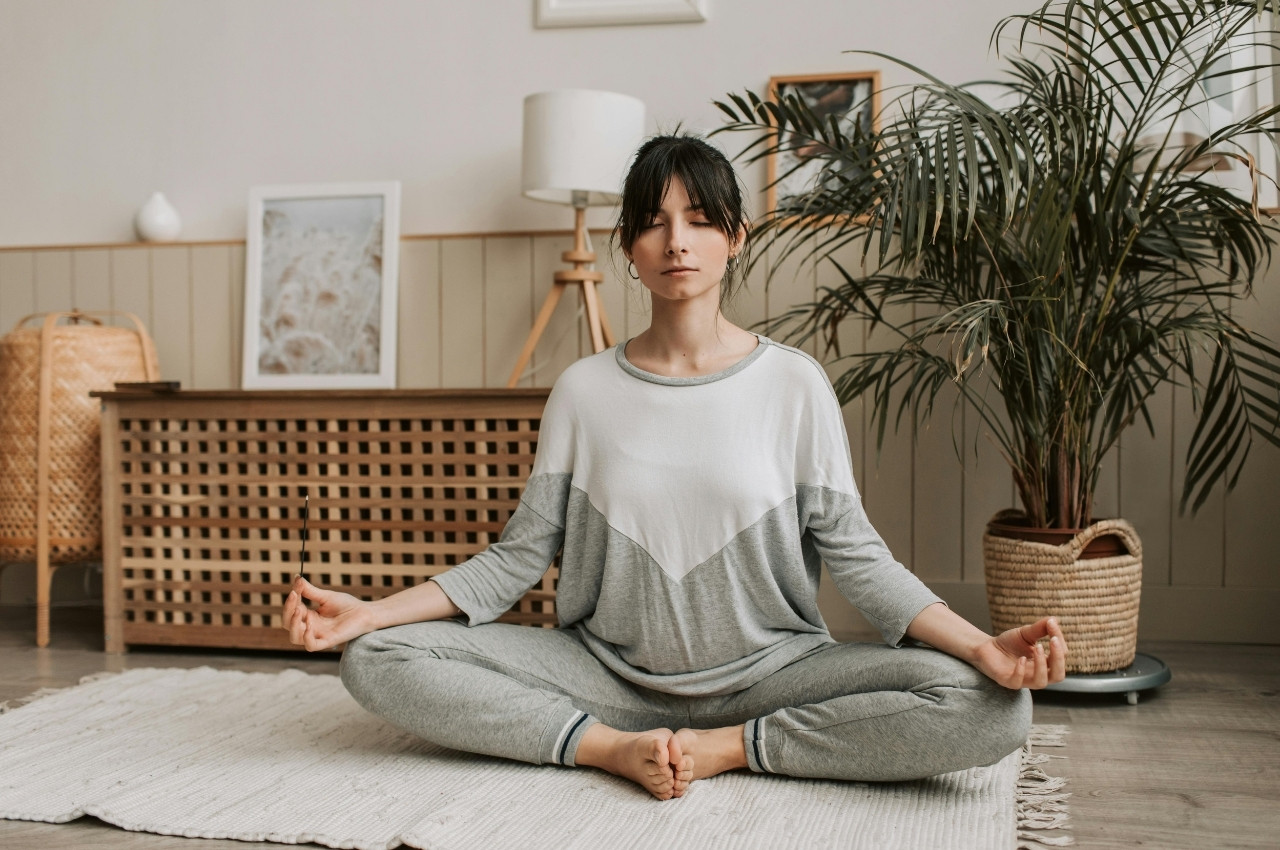
A meditation corner provides a personal retreat for mindfulness and relaxation. According to Psychology Today, practicing meditation reduces stress and improves focus. Setting up this space requires minimal items: a floor cushion, calming artwork, and perhaps a small plant or candle. Keeping distractions away is essential, ensuring the area remains peaceful and intentional. Many choose quiet corners of bedrooms or living rooms where natural light enhances serenity. A meditation corner supports daily grounding, encouraging mental clarity and calm. This wellness space shows how small design choices can profoundly impact overall well-being and inner balance.
2. Home Yoga Studio
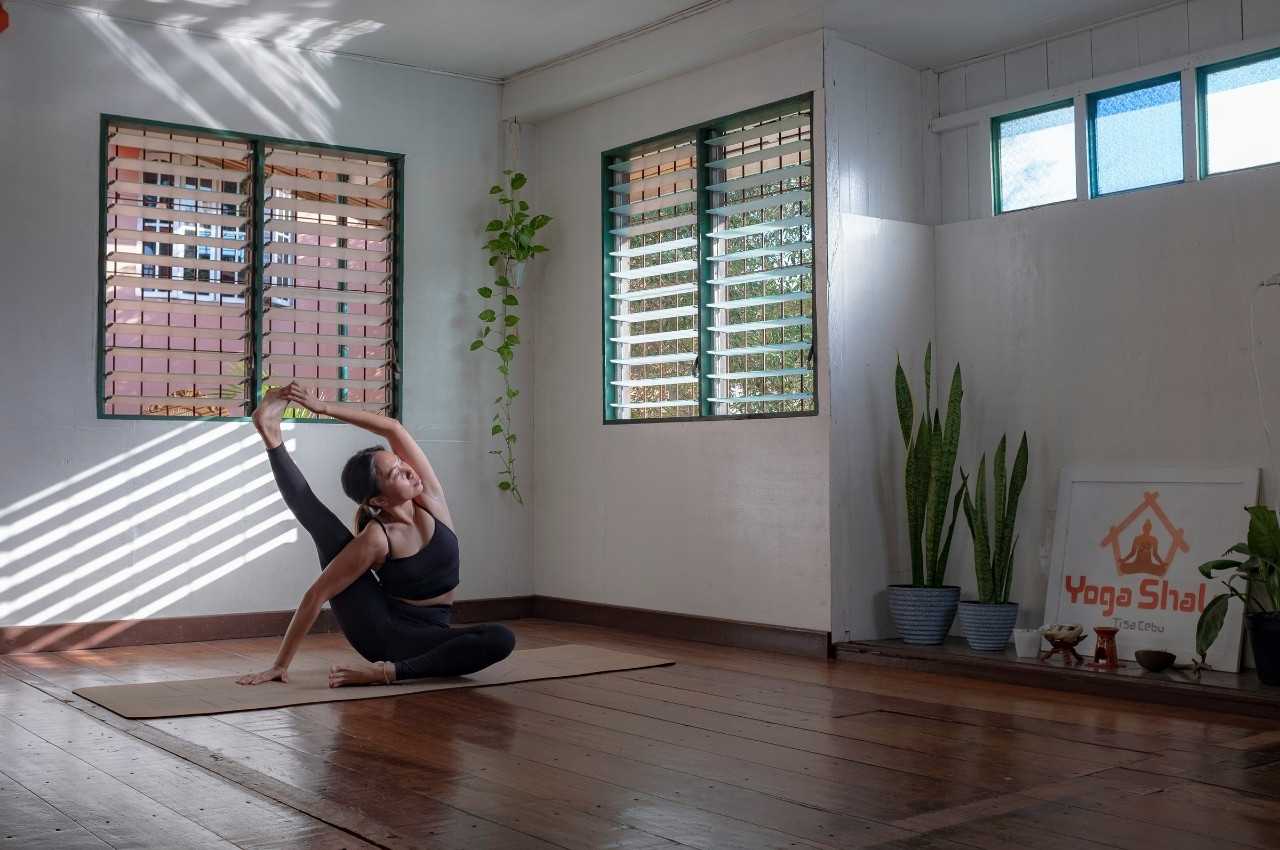
A yoga space at home combines fitness with mindfulness, creating both physical and mental benefits. According to Harvard Health, yoga improves flexibility, reduces anxiety, and supports cardiovascular health. A yoga studio can be as simple as a mat placed in a quiet, open area, with optional props like blocks or straps. Soft lighting, mirrors, or calming wall colors enhance the atmosphere. Music or aromatherapy can further improve the experience. A designated yoga spot encourages regular practice, ensuring health remains part of the daily routine. This space promotes holistic well-being by blending exercise with meditation.
3. Indoor Gym Corner
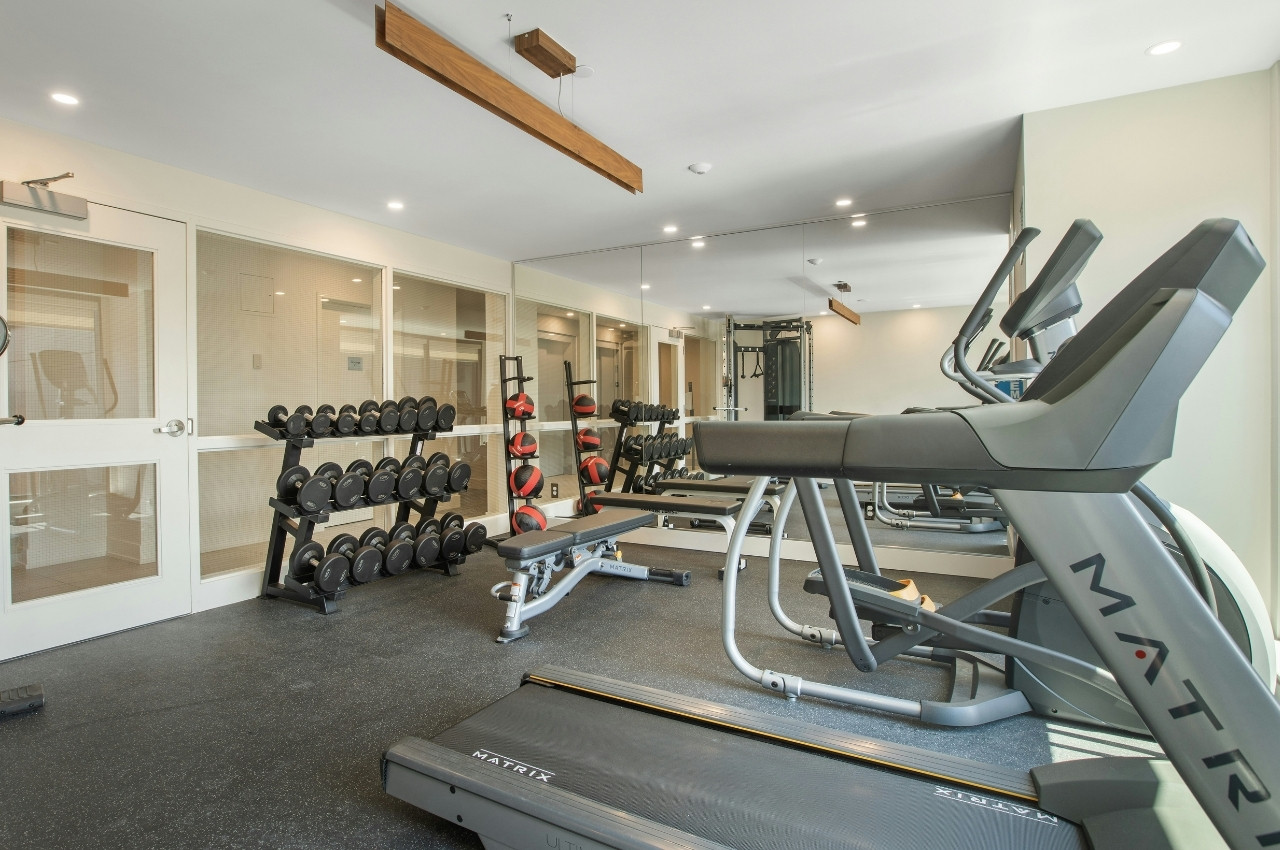
An at-home gym provides convenience and consistency for physical fitness routines. According to the Mayo Clinic, regular exercise improves mood, strengthens the heart, and boosts energy. A home gym does not need to be elaborate; essential equipment like dumbbells, resistance bands, or a treadmill can transform a small corner. Placing motivational posters, mirrors, or storage racks helps organize the area. By having fitness tools within reach, it becomes easier to commit to regular workouts. Daily exercise becomes a habit that can be achieved with the help of an indoor gym corner, which also promotes discipline and physical health.
4. Reading Nook
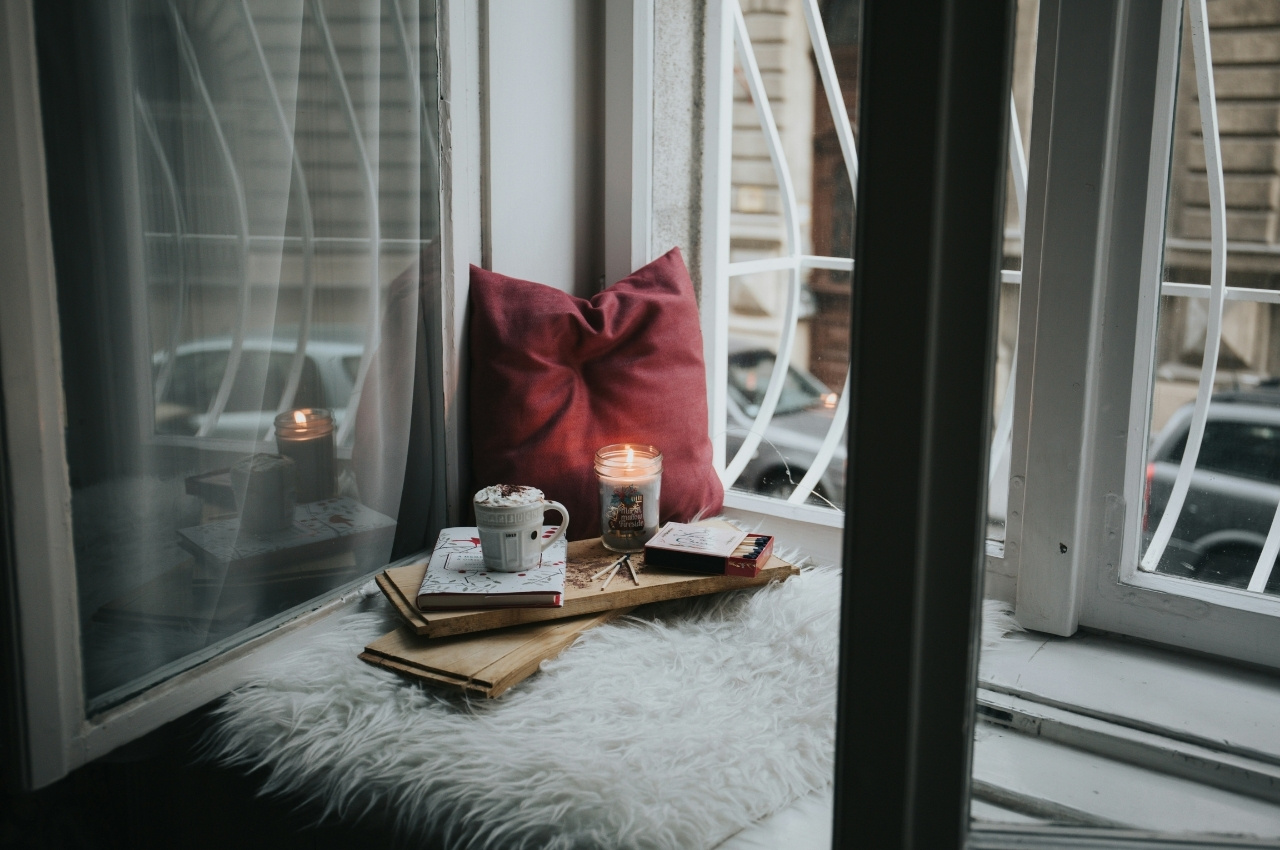
Reading reduces stress, boosts focus, and supports emotional health, making a reading nook a wellness space in its own right. According to The New York Times, immersing in books lowers heart rate and tension, providing a mental escape. A comfortable chair, good lighting, and soft textiles define this space. Shelves or a side table keep books accessible, while calming décor adds a relaxing atmosphere. Many create these nooks by windows to enjoy natural light. A reading nook fosters quiet reflection and lifelong learning, showing how wellness extends beyond fitness into mental restoration and relaxation.
5. Spa-Inspired Bathroom

Bathrooms can become wellness sanctuaries by adding spa-like elements. According to Elle Décor, features such as rainfall showers, soft towels, and natural scents transform bathrooms into calming retreats. Warm lighting, soothing colors, and candles help create a restorative atmosphere. Small additions like bath salts or eucalyptus bundles elevate the experience without major renovations. Turning a bathroom into a spa space encourages self-care rituals and daily relaxation. This trend makes wellness part of ordinary routines, helping people slow down and recharge. A spa-inspired bathroom proves that everyday spaces can become havens of tranquility and comfort.
6. Outdoor Retreat
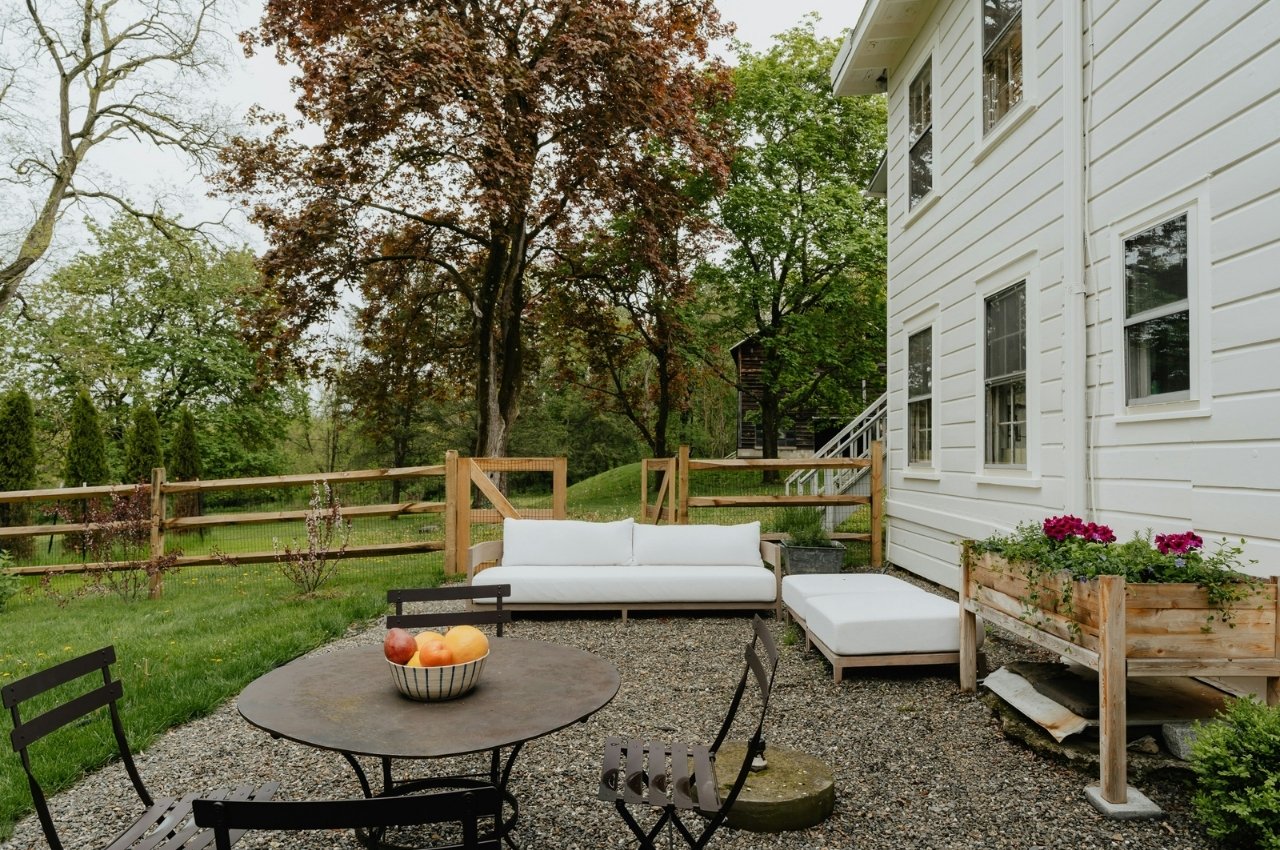
Nature is strongly linked to improved mental health, which makes outdoor retreats a valuable wellness space. According to the American Psychological Association, spending time outdoors lowers stress and improves overall well-being. Patios, balconies, or backyards can be transformed with comfortable seating, plants, and gentle lighting. Adding elements like hammocks, water features, or fire pits enhances the atmosphere. Outdoor retreats allow people to disconnect from screens and reconnect with fresh air. These spaces create a balance between the indoors and outdoors, offering an escape within reach. A well-designed outdoor retreat becomes a daily sanctuary of calm.
7. Creative Studio

Creative activities like painting, writing, or crafting can significantly improve mental health. According to the National Endowment for the Arts, engaging in creativity reduces anxiety and enhances happiness. A creative studio does not require a large room; a desk with art supplies, instruments, or journals can be enough. Proper lighting, inspiring décor, and storage keep the space functional. By dedicating an area for creativity, people foster expression and reduce stress. A creative studio celebrates imagination while encouraging relaxation. This wellness space highlights how personal expression supports emotional resilience and adds joy to daily life.
8. Sleep Sanctuary
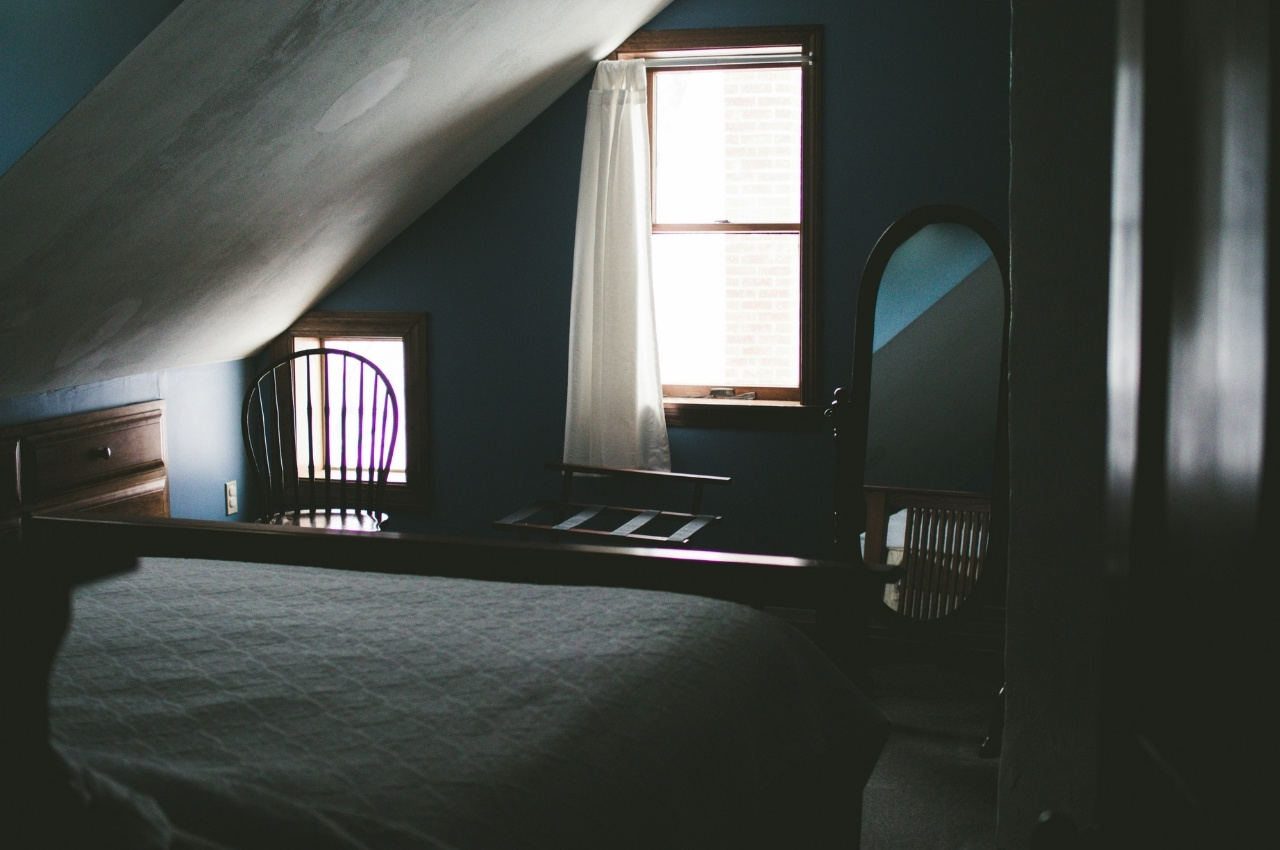
Sleep is vital for wellness, making a restful bedroom one of the most important spaces at home. According to the Sleep Foundation, proper sleep improves immunity, mood, and concentration. A sleep sanctuary focuses on comfortable bedding, blackout curtains, and minimizing electronic distractions. Soft colors, calming scents, and noise machines can further improve relaxation. Keeping the room clutter-free helps promote calmness. Prioritizing sleep hygiene through thoughtful design makes rest a true part of self-care. A sleep sanctuary transforms bedrooms into spaces that support deep restoration, showing how wellness begins with consistent, high-quality rest.
9. Kitchen Wellness Zone
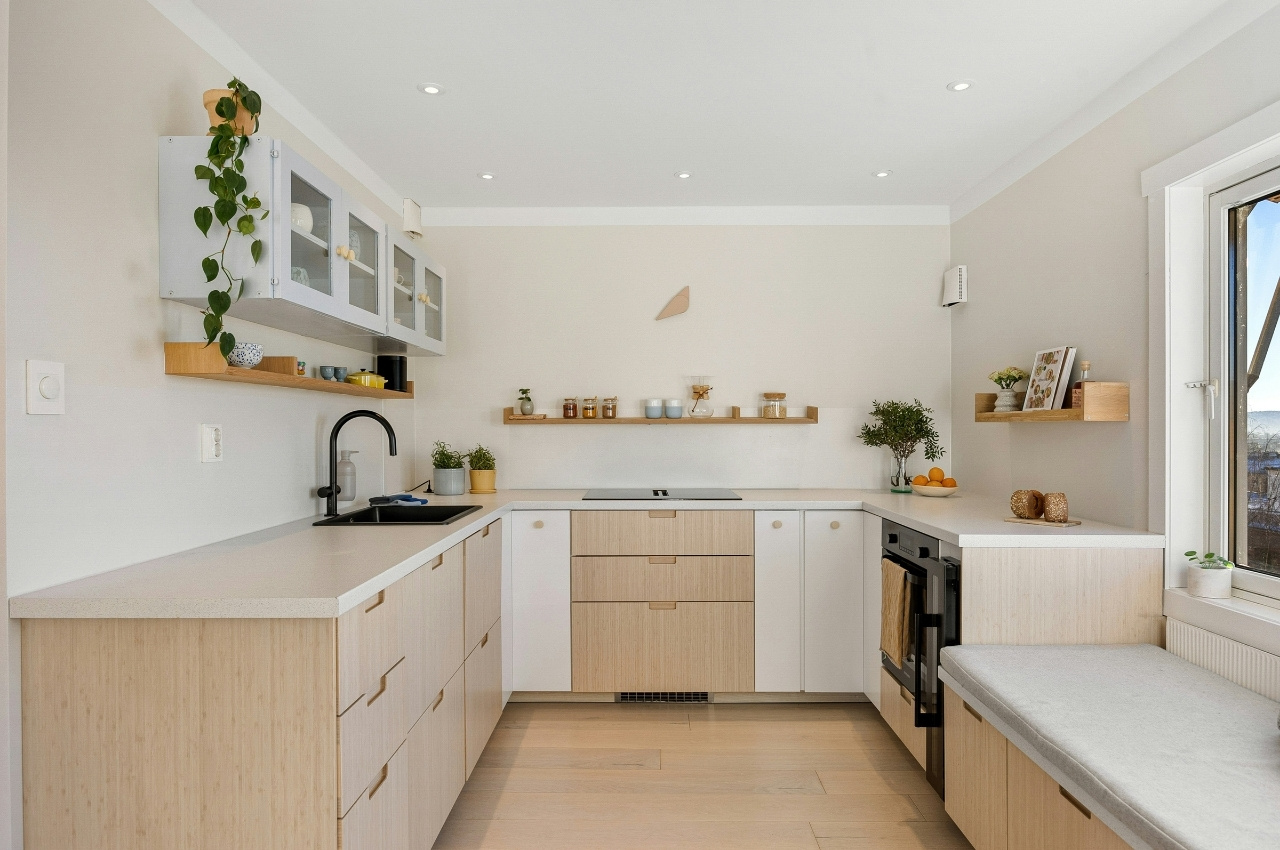
Kitchens can also be designed to encourage health and well-being. According to the Journal of Nutrition, cooking at home improves dietary habits and promotes mindful eating. A wellness kitchen emphasizes organization, natural lighting, and easy access to fresh ingredients. Features such as open shelving, herb gardens, or juicers inspire healthier cooking. Creating a pleasant atmosphere encourages more time spent preparing balanced meals. This wellness space fosters better nutrition while connecting people to the process of food preparation. A kitchen wellness zone shows how design can shape healthier lifestyles by encouraging mindful choices.
10. Digital Detox Space
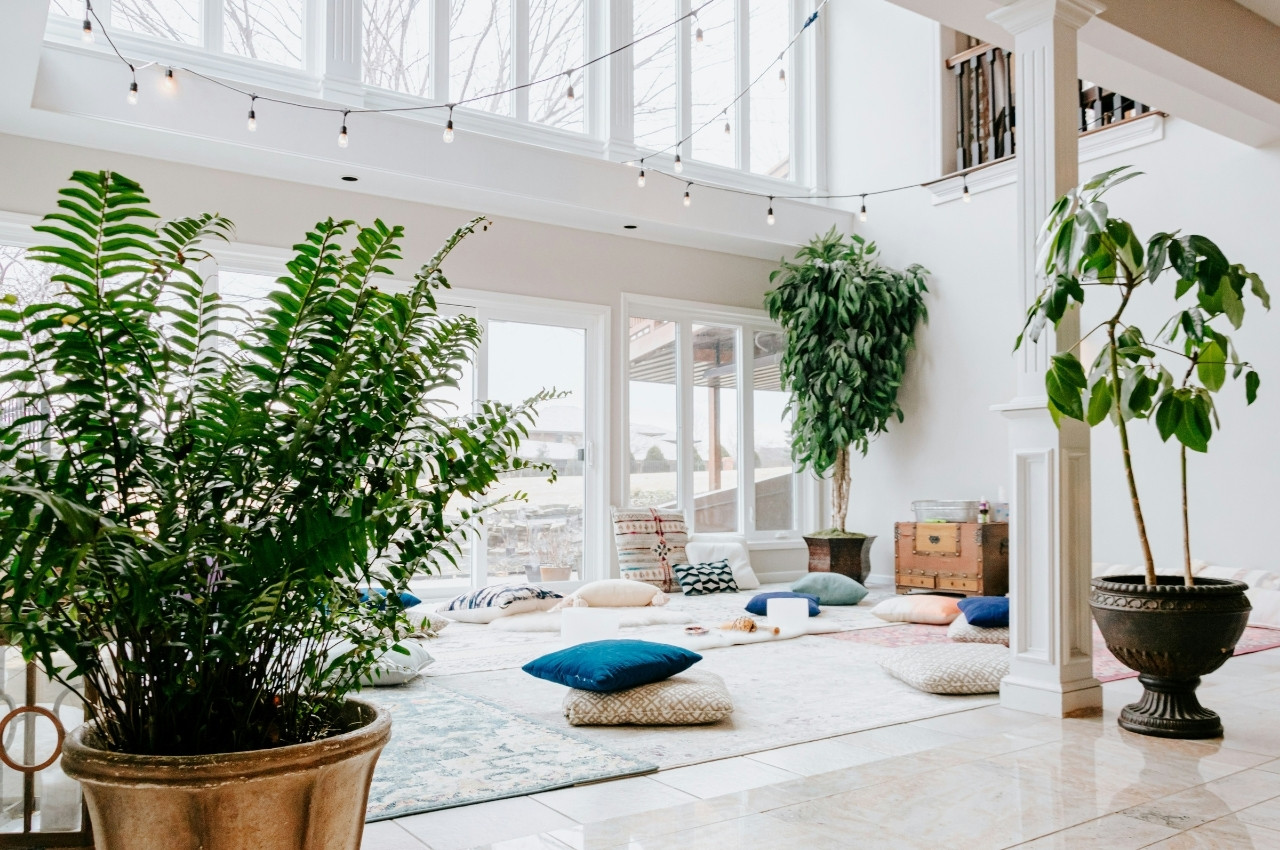
Constant screen exposure contributes to stress and fatigue, making digital detox spaces essential. According to the American Academy of Pediatrics, reduced screen time improves mental health and focus. A detox space is a room or corner free from technology, filled instead with calming activities such as puzzles, journaling, or meditation. Comfortable seating, natural décor, and quiet ambiance make the area inviting. This designated zone helps families reconnect and individuals recharge without digital interruptions. A digital detox space demonstrates how intentionally unplugging supports wellness, offering a balanced approach to modern living in technology-heavy environments.