
The Wild West was a land of daring adventures, colorful characters, and traditions that defined an era. From dramatic duels at high noon to lawless boomtowns and perilous cattle drives, these customs shaped daily life in unpredictable ways. While thrilling in stories and films, many of these practices were dangerous, inefficient, or ethically questionable. Today, they serve as fascinating historical lessons, highlighting how society, law, and technology have transformed once-essential traditions into relics of a wilder, riskier time.
1. Traveling Medicine Shows
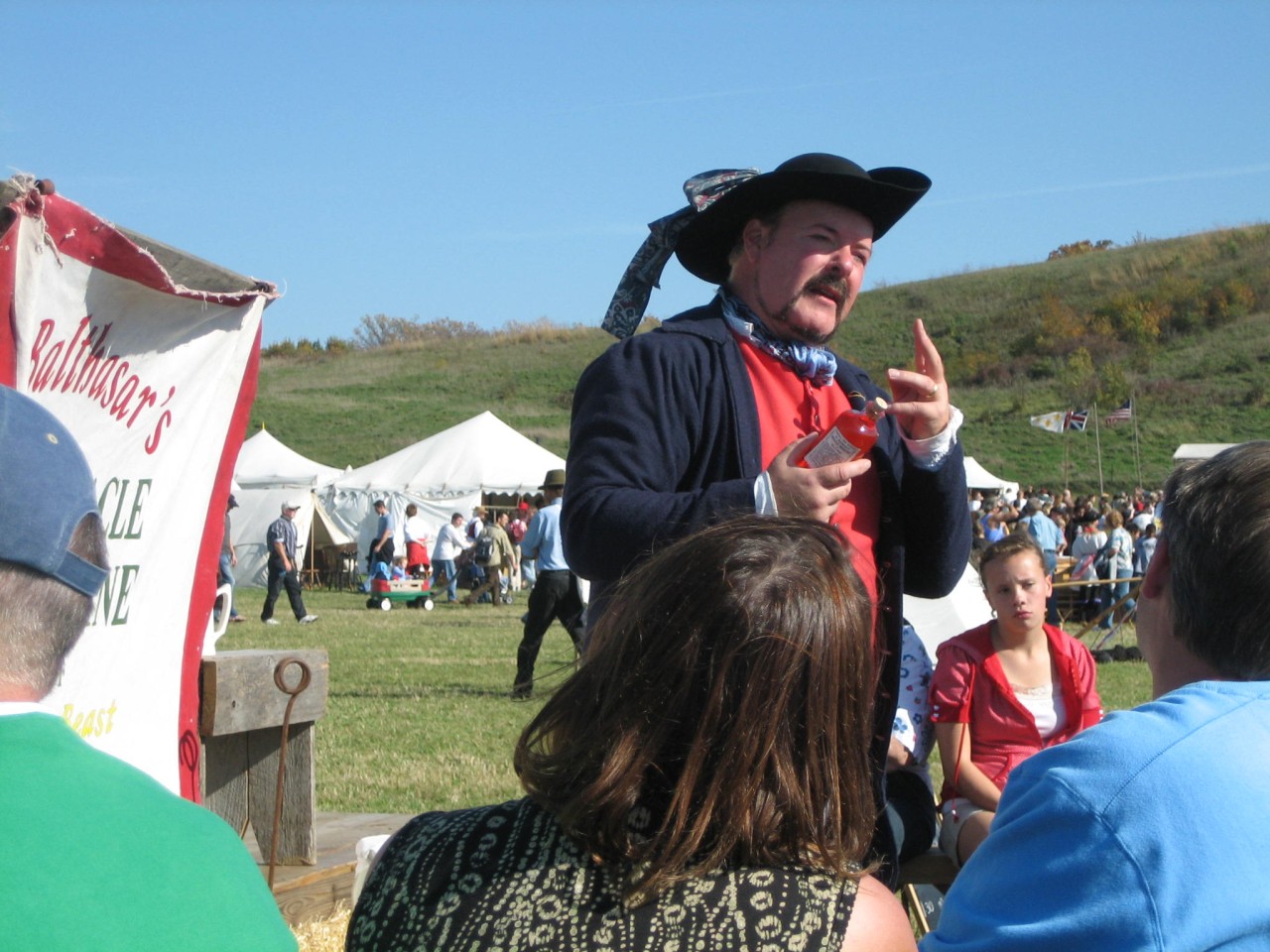
Traveling medicine shows brought entertainment, music, and so-called “cures” to remote communities. They often sold dubious remedies with exaggerated claims, exploiting public trust for profit. Today, medical practices are regulated by strict health standards and licensing requirements, making these itinerant shows fraudulent and illegal. While they were a source of social connection and excitement in the past, their combination of quackery and spectacle wouldn’t survive modern legal, scientific, or ethical scrutiny.
2. Buffalo Hunts
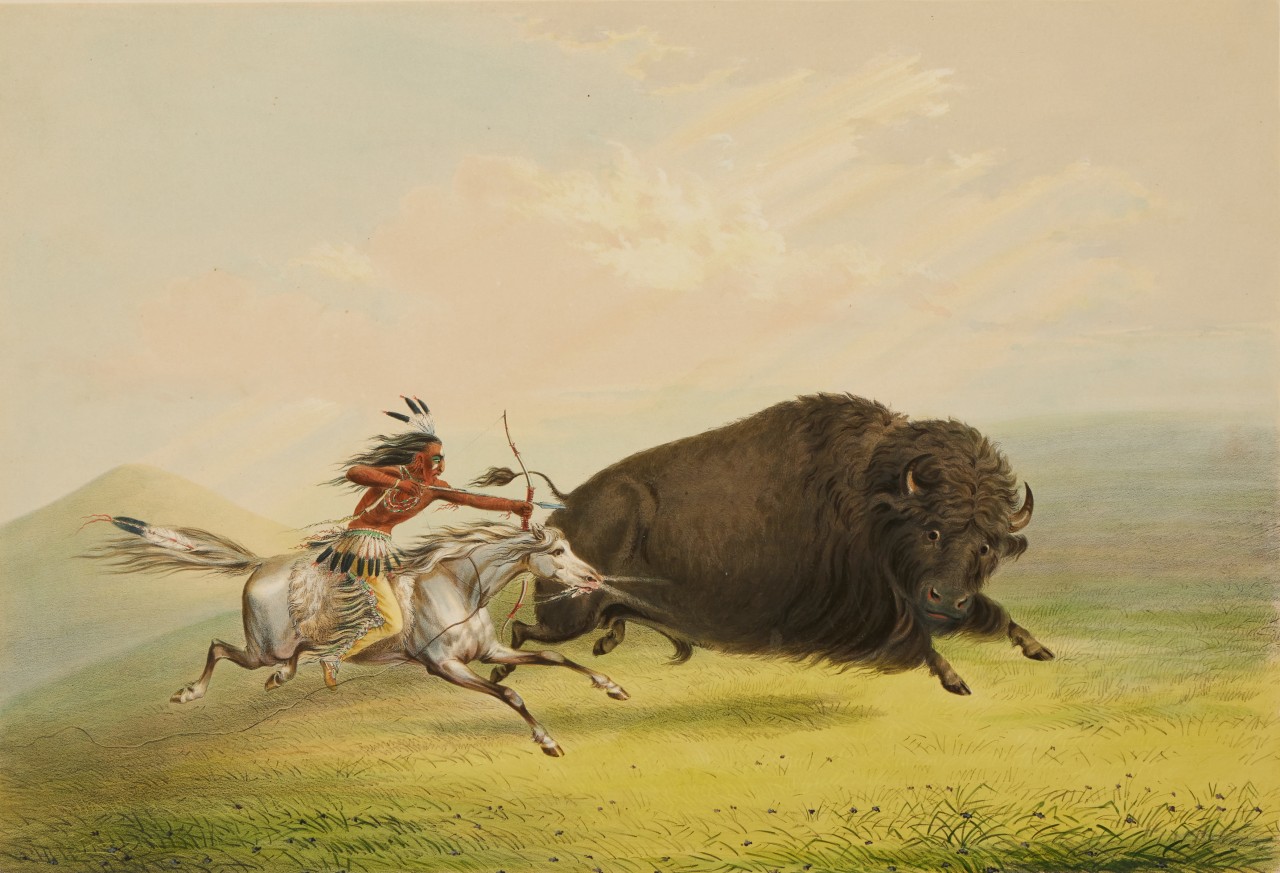
Buffalo hunts were large-scale events vital to both Native American communities and commercial hide traders. They involved coordinated tracking and often resulted in mass slaughter, which devastated wildlife populations. Today, conservation laws, wildlife management, and ethical hunting practices make such indiscriminate hunts illegal and unsustainable. While historically important for survival and economy, repeating large-scale buffalo hunts today would be ecologically irresponsible and legally prohibited, highlighting how environmental awareness has reshaped human-animal interactions.
3. Stagecoach Travel
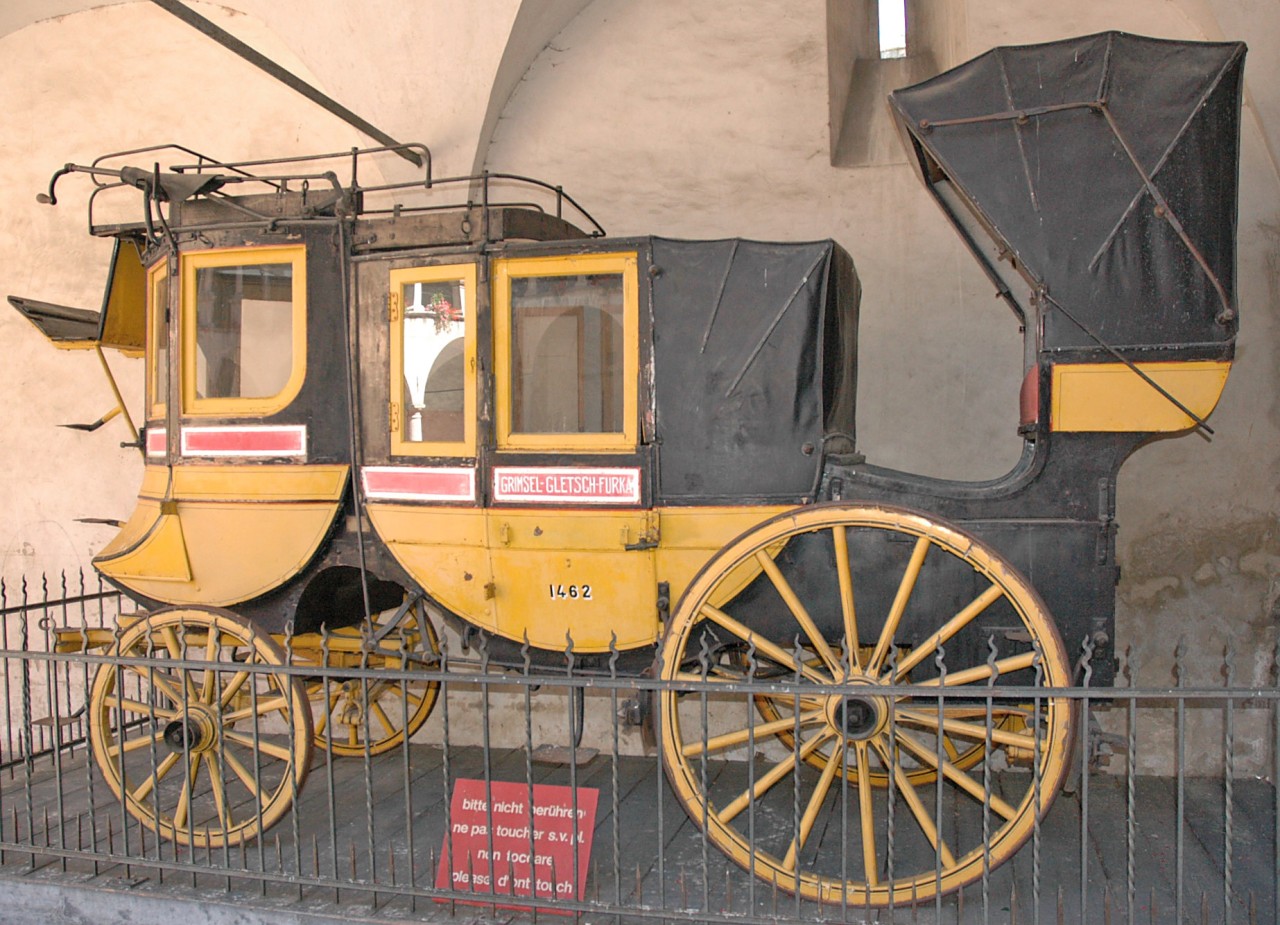
Stagecoaches were essential for travel and communication across vast, undeveloped terrain. Journeys were slow, uncomfortable, and fraught with danger, including harsh weather, bandits, and accidents. Modern transportation offers far safer, faster, and more reliable alternatives. Cars, trains, and planes not only reduce travel time but also follow strict safety regulations. Stagecoach travel is now a historical curiosity rather than a practical method of getting from one place to another.
4. Saloon Gambling
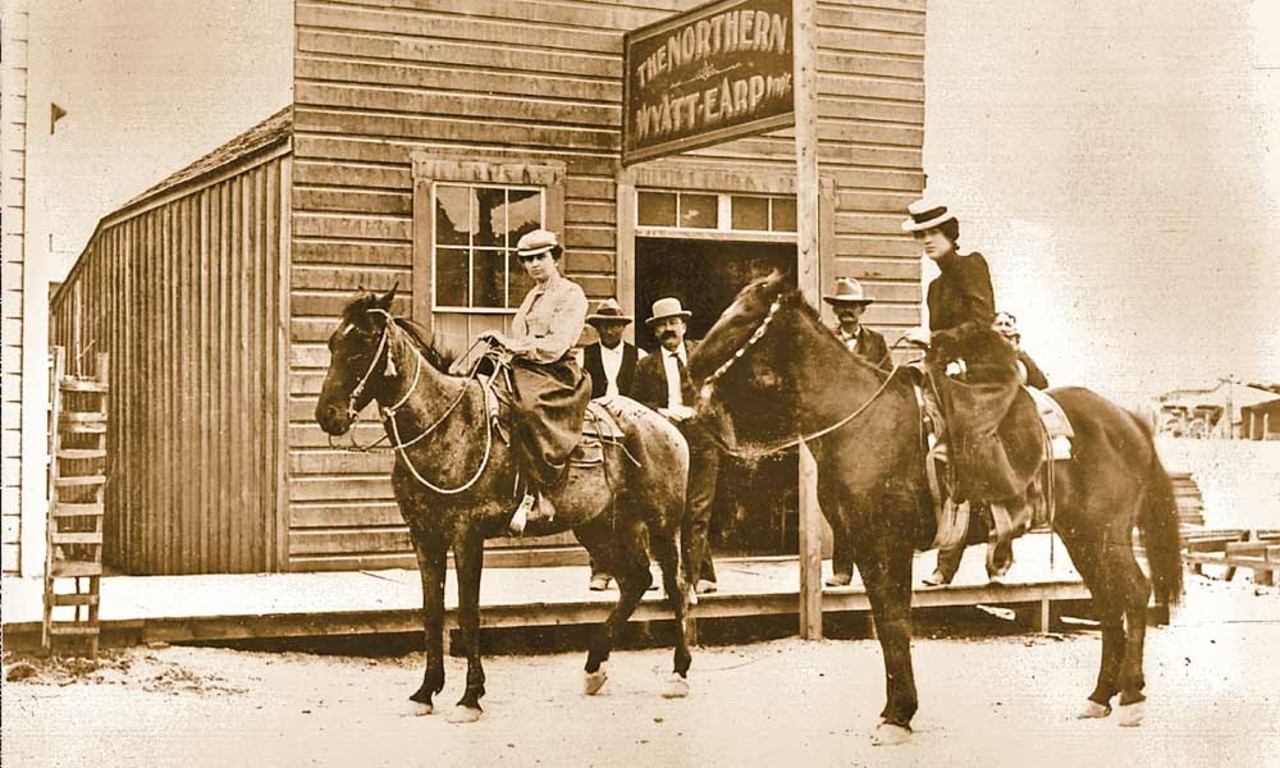
Saloons were bustling social hubs where poker, blackjack, and other gambling games drew locals together. While thrilling, these venues often fostered debt, cheating, and occasional violence. Today, gambling is heavily regulated, with licensed casinos, oversight, and safeguards to protect players. The informal, unpredictable saloon culture wouldn’t withstand modern legal or social standards, making it more of a cinematic fantasy than a viable pastime. This contrast highlights how far society has come in ensuring fairness, safety, and accountability in entertainment.
5. Wagon Trains
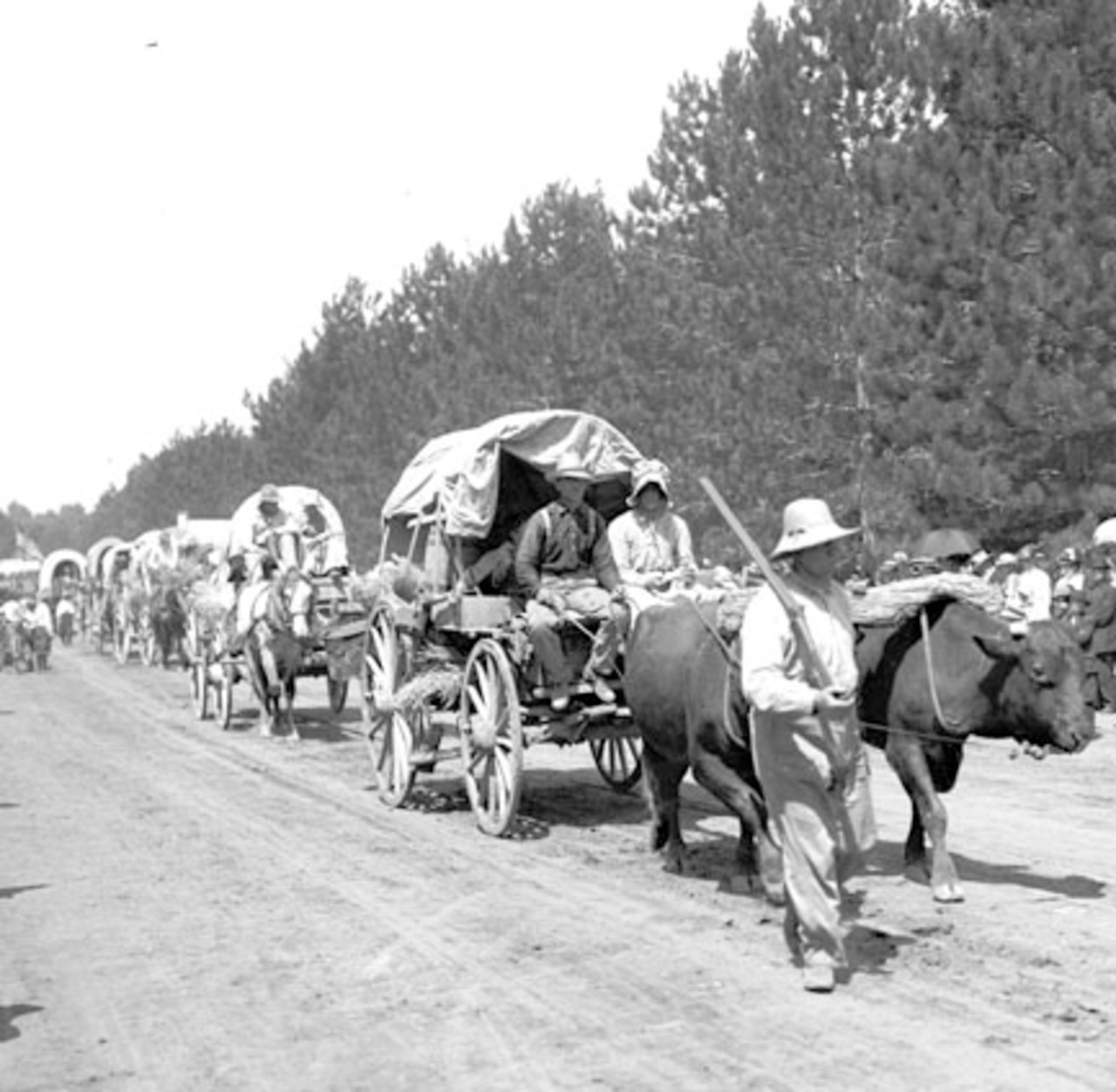
Wagon trains were long caravans of settlers traveling together for safety and mutual support. The journey was slow, exhausting, and risky due to disease, accidents, and unpredictable weather. Modern vehicles, roads, and infrastructure make such overland treks unnecessary and inefficient. While wagon trains are romanticized in history, attempting such travel today would be impractical, unsafe, and far less comfortable than modern modes of transportation, which prioritize speed, safety, and convenience.
6. Cattle Drives
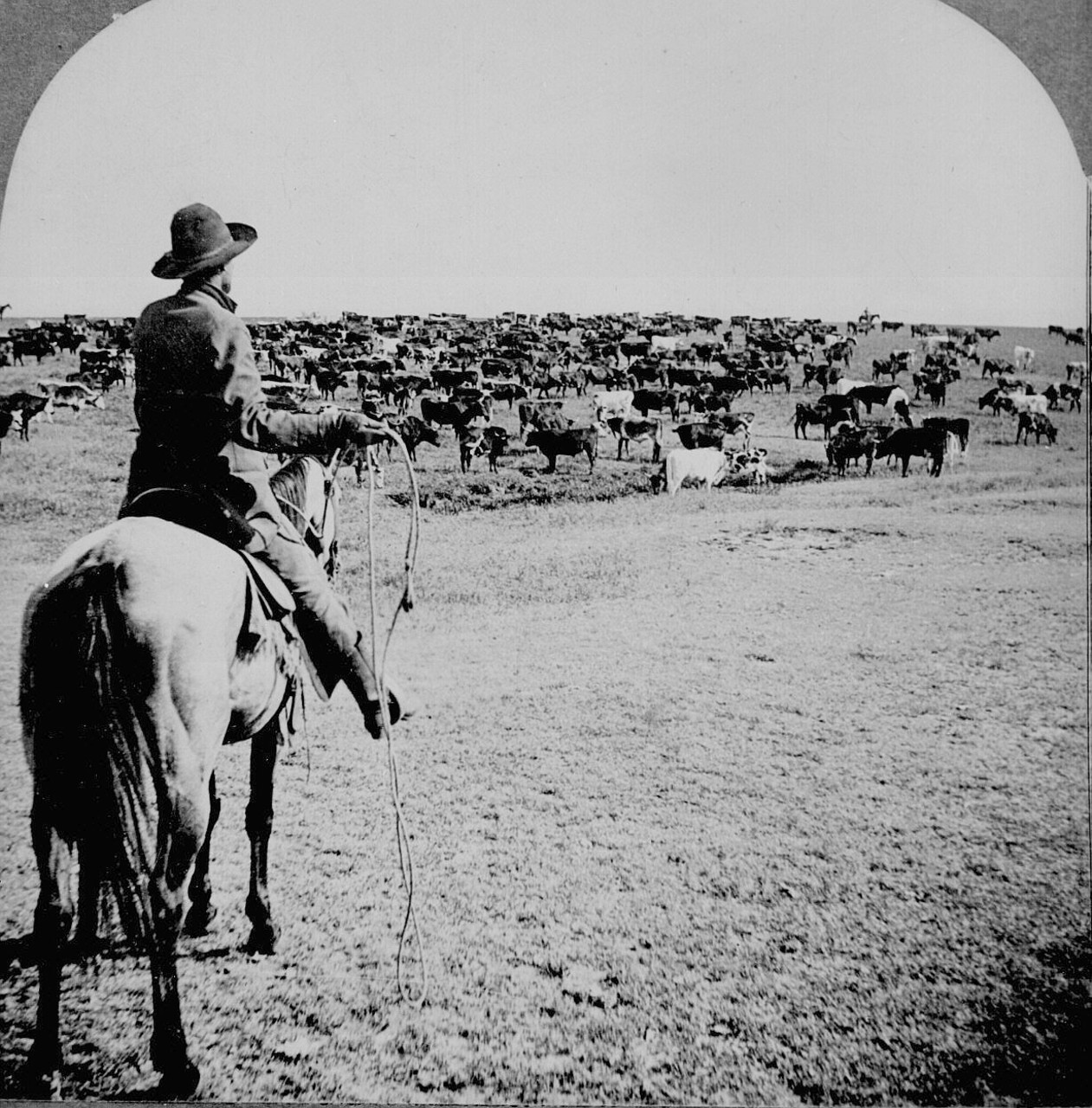
Cattle drives moved massive herds over hundreds of miles, requiring skilled cowhands and months of effort. This was crucial for the economy of the time, but physically demanding and dangerous. Today, ranchers use trucks, trains, and even helicopters to move livestock efficiently, reducing risk and labor. Large-scale horseback drives are now mostly ceremonial or recreational. The traditional cattle drive is no longer practical as a commercial practice, replaced by modern technology and infrastructure.
7. Gold Rush Prospecting
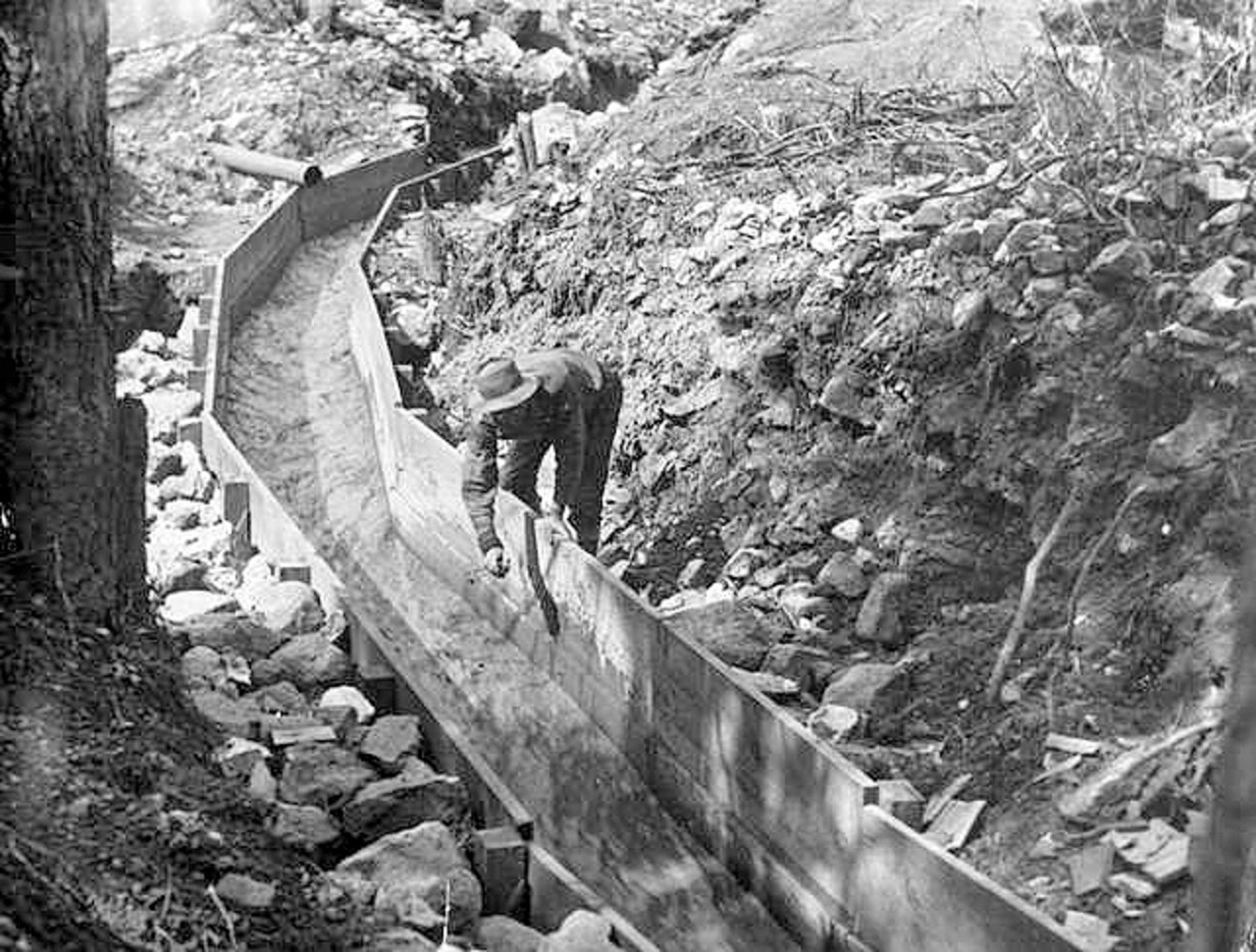
During the Gold Rush, prospectors relied on pans, sluices, and sheer luck to strike it rich. The work was unpredictable, physically exhausting, and often dangerous due to accidents or exposure. Modern mining relies on advanced machinery, environmental regulations, and strict safety protocols. Solo prospecting with basic tools would be inefficient, illegal in many areas, and environmentally irresponsible. Today, Gold Rush-style prospecting exists mostly as a nostalgic or recreational activity rather than a practical livelihood.
8. Town Showdowns

Shootouts between outlaws and lawmen became iconic in Wild West stories, but in reality, they were chaotic, deadly, and often endangered innocent bystanders. Modern law enforcement focuses on de-escalation, strict protocols, and legal procedures to protect the public. Drawing pistols in the street is illegal, unsafe, and socially unacceptable today. While romanticized in movies and literature, these dramatic town showdowns would be entirely incompatible with contemporary laws, public safety standards, and societal expectations, making them a relic of a far wilder time.
9. Pony Express
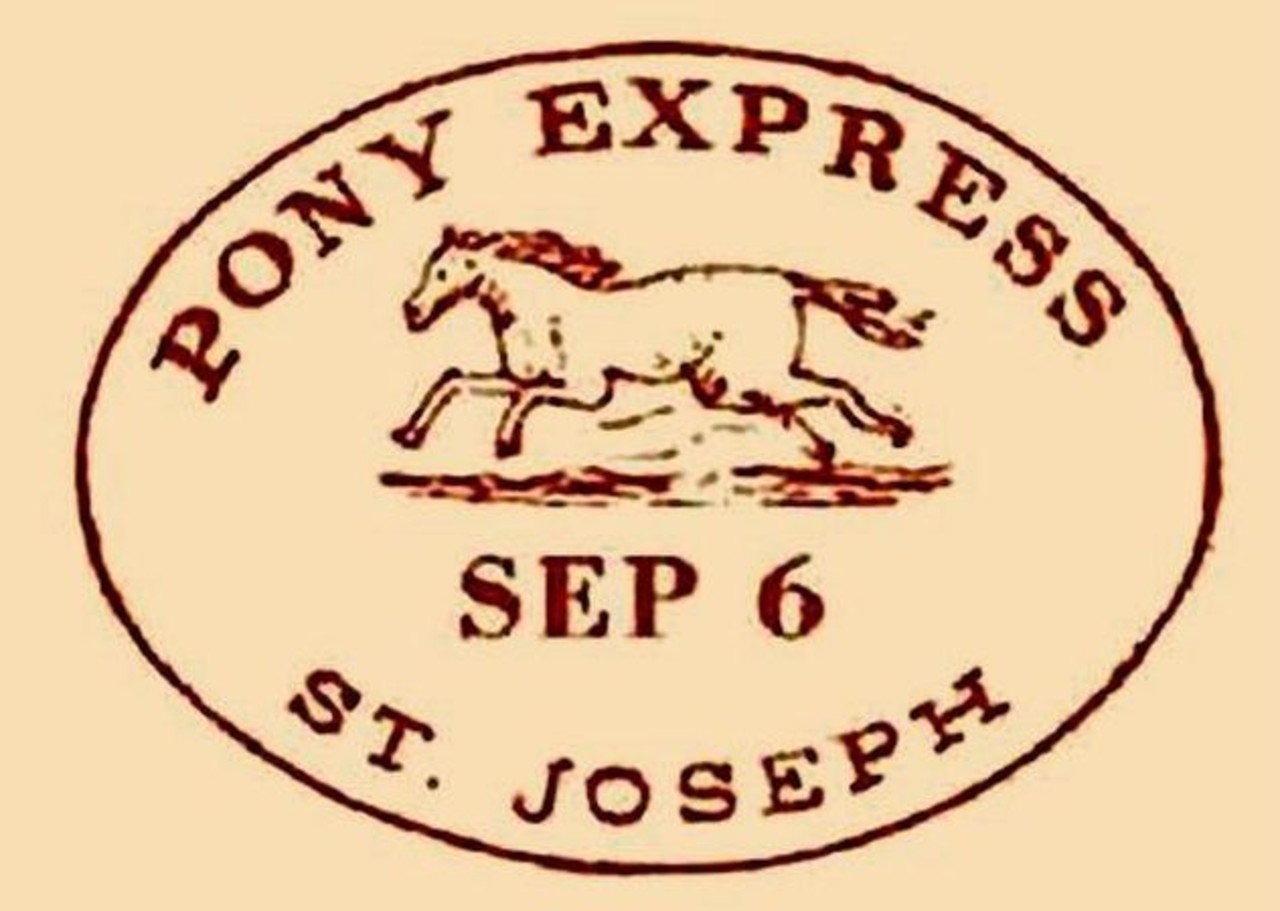
The Pony Express relied on swift horseback riders to deliver mail across vast distances, achieving remarkable speed for its time. Despite its ingenuity, the system was dangerous, costly, and operated for only a short period. Today, modern postal services, email, and courier networks transport messages far more quickly, reliably, and affordably. Reviving the Pony Express now would be impractical, inefficient, and legally unnecessary, leaving it as a nostalgic historical symbol rather than a feasible method of communication in the contemporary world.
10. Mining Boomtowns
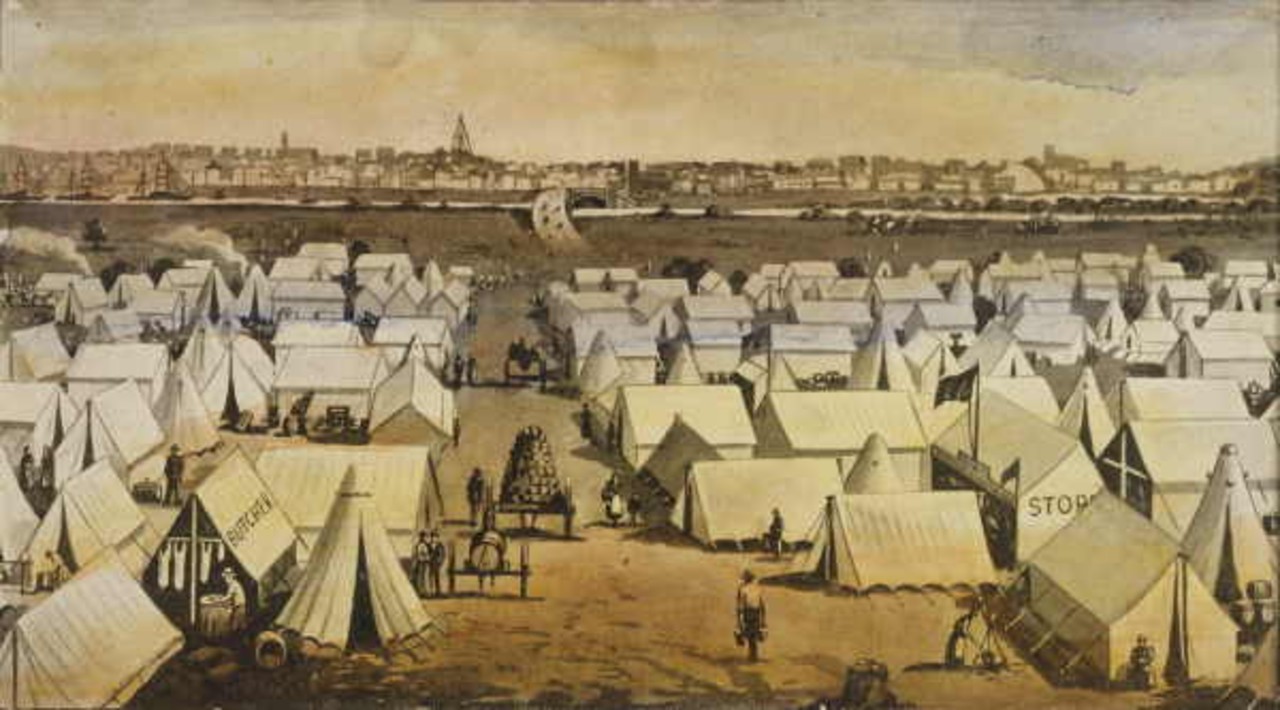
Mining boomtowns appeared overnight when precious metals were discovered, attracting miners, gamblers, and entrepreneurs. These towns were often lawless, chaotic, and temporary, disappearing once resources were depleted. Today, spontaneous settlements without zoning, safety standards, and infrastructure would be unsustainable. Modern urban planning, environmental regulations, and building codes prevent the rapid, risky, and unregulated growth seen in historical boomtowns, making this Wild West tradition largely impossible in today’s world.