

River Walk, San Antonio, Texas
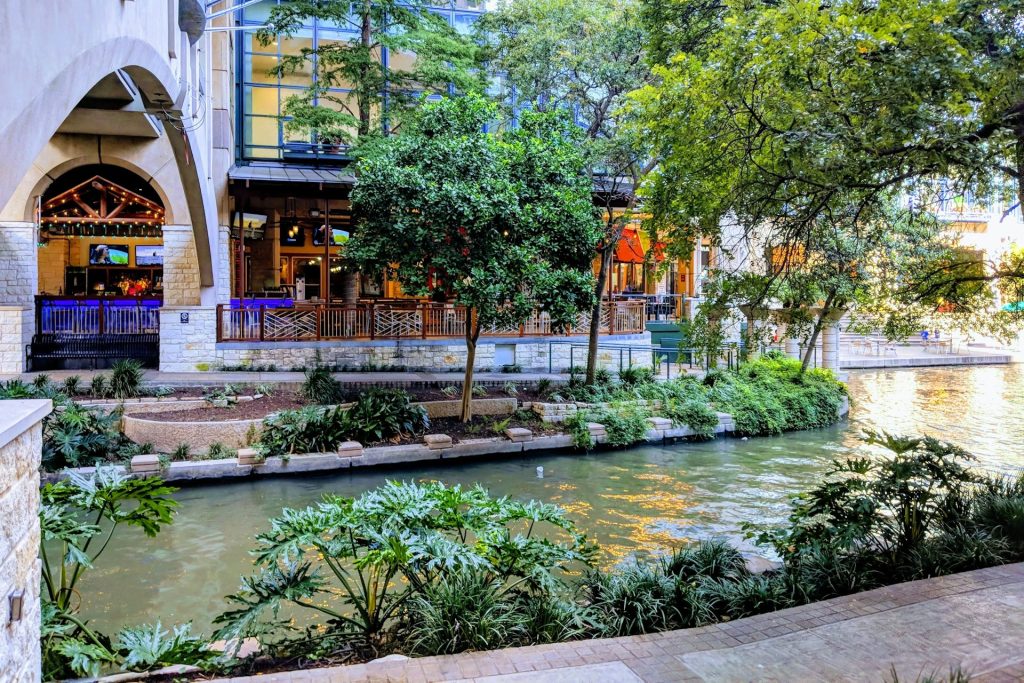
San Antonio’s River Walk presents a neatly enclosed loop of restaurants, music, boat rides, and hotel entrances that keep visitors beside the water and away from traffic. Its self-contained charm makes it feel like the entire trip for families and conference groups, and it photographs beautifully in any light, inviting another lap rather than exploring a new neighborhood. Above street level, the city’s broader character unfolds at the missions, Market Square, Southtown galleries, and around the Pearl, where taco stalls and cafés draw locals into unhurried conversations and a sense of everyday life.
Las Vegas Strip, Las Vegas, Nevada
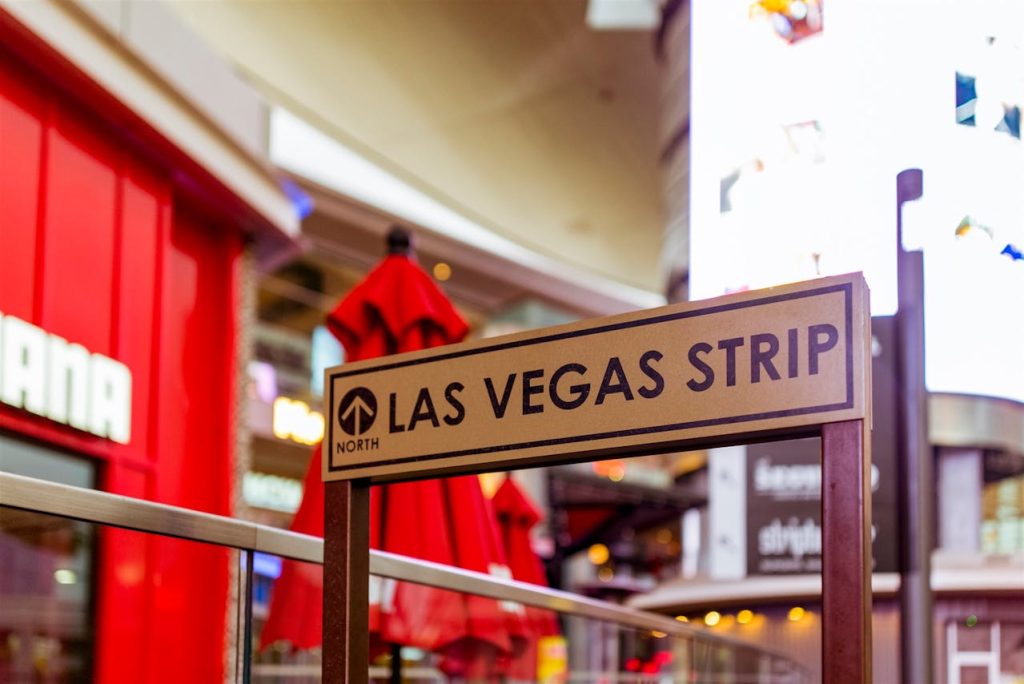
Las Vegas is engineered to keep guests on the Strip, where megaresorts bundle rooms, dining, shows, shopping, and late-night energy into a single glittering spine. Practical needs stay indoors, so a single casino can resemble a climate-controlled city with its own map, scent, and escalator routes guiding crowds back to familiar corridors. Visits usually remain between pedestrian bridges and marquee lights, while the Arts District, Fremont Street’s vintage neon, and the quiet desert overlooks at Red Rock Canyon or Valley of Fire sit nearby, waiting for anyone willing to step off the loop, even briefly.
Waikiki, Honolulu, Hawaii
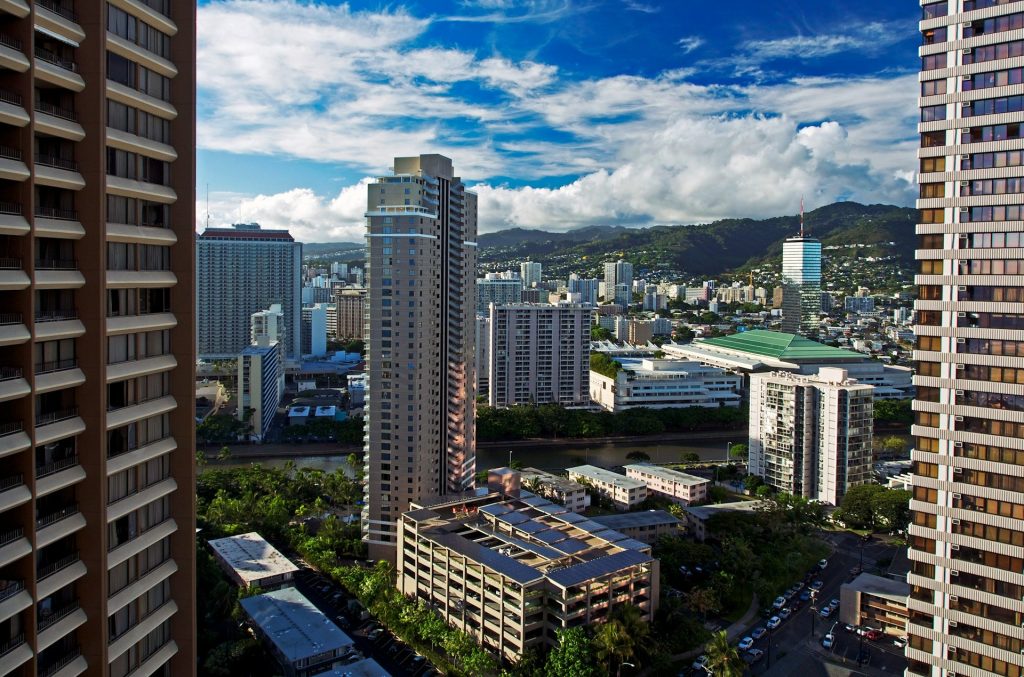
Waikiki compresses a vacation into a few walkable blocks, with hotels, surf lessons, beach rentals, shops, and tour desks lining the same shoreline. The convenience is the lure, because day trips start and end at the same lobby, so evenings drift back to Kalakaua Avenue as if the entire island can be absorbed in one sunset. Honolulu’s Chinatown dinners, the Bishop Museum, ridge walks above Manoa, and the quieter Windward coast stay beyond the frame, not because they are distant, but because Waikiki already delivers sunset swims, shave ice, shopping, and easy entertainment in a tight radius, with buses and shuttles making the loop effortless.
Times Square, New York City, New York
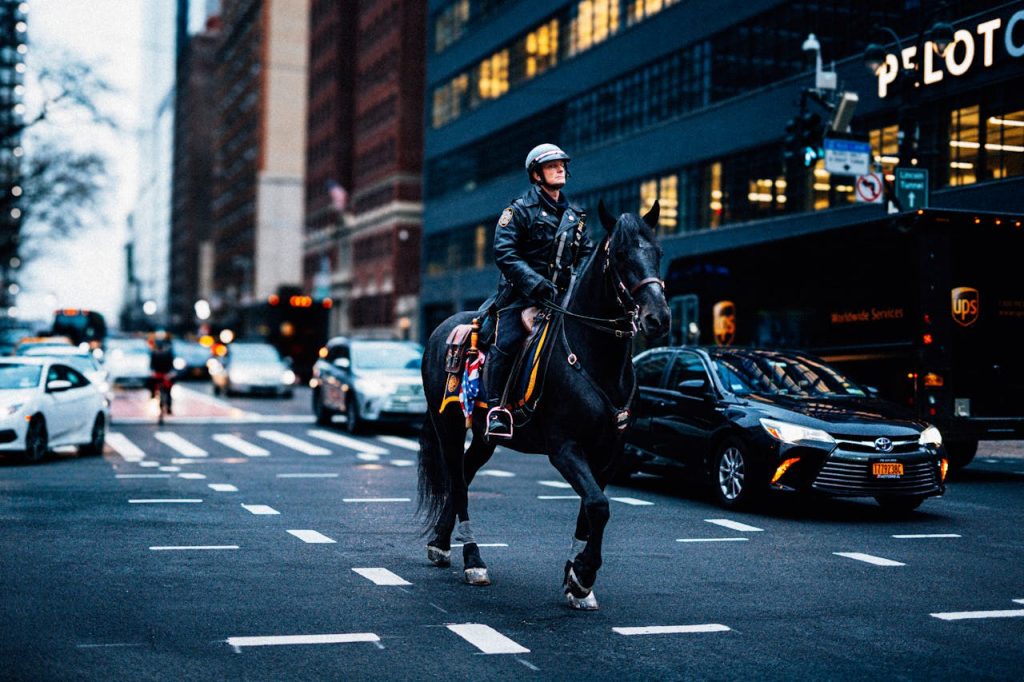
Times Square pulls visitors into a bright loop of billboards, Broadway lights, chain dining, and souvenir shops that can fill a short trip with almost no planning. The area is transit-rich and crowded, which oddly makes it feel simpler to navigate, so people keep circling Midtown’s core between showtimes and photo stops. A few subway rides away, New York’s deeper rhythm lives in small parks, bookshops, street markets, and neighborhood meals from Harlem to Jackson Heights, plus museums and waterfront walks downtown, but many itineraries never cross that line because the neon makes the city feel finished.
Fisherman’s Wharf, San Francisco, California
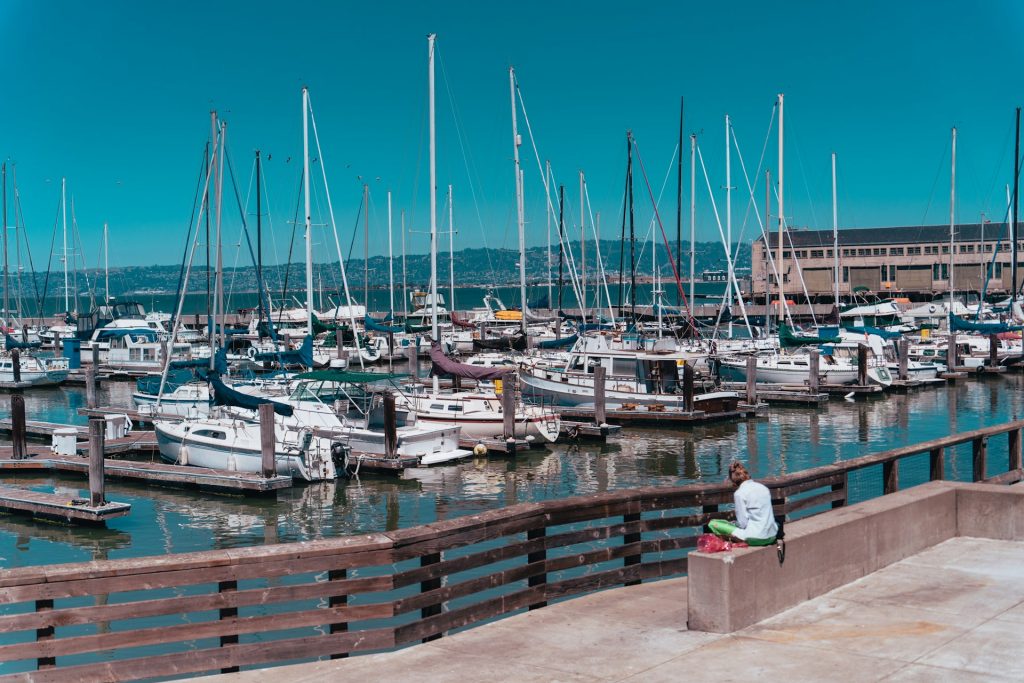
Fisherman’s Wharf operates as a tourist funnel, stacking sea lions, chowder bowls, gift shops, and bay cruises along a compact waterfront that rewards staying close. It delivers instant postcard views without forcing anyone up the steep hills that can wear out first-timers, and every pier offers another easy stop for photos and tickets. Many visitors linger between Pier 39 and the promenade, then depart thinking the city is mostly a boardwalk, overlooking North Beach cafés, Mission murals, the Ferry Building, and Golden Gate Park’s calm trails that reveal San Francisco’s quieter confidence, especially at dawn.
Bourbon Street, New Orleans, Louisiana
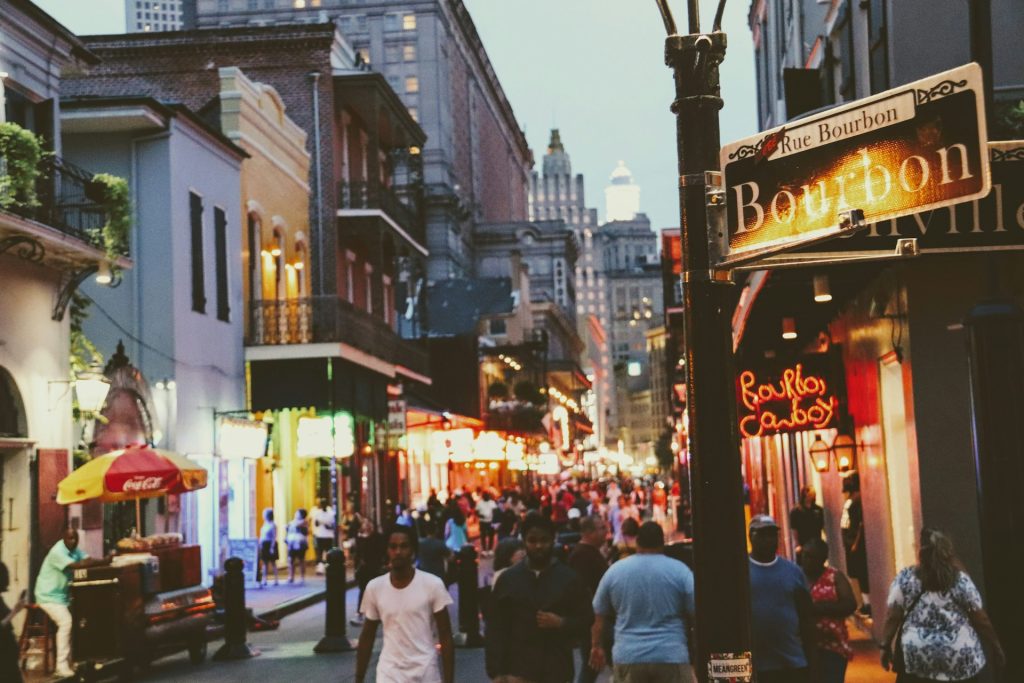
Bourbon Street can absorb a New Orleans visit, offering music, cocktails, balconies, and spectacle with minimal planning from afternoon into late night. The intensity can blur the city’s culture into one loud lane, especially on quick group trips where the next doorway promises another band. A few blocks away, the mood softens in courtyards and corner bars, with po’boy counters, jazz on smaller stages, and neighborhood clubs in the Marigny, Tremé, and Uptown, plus slow strolls in City Park where locals chat, eat, and let the night unfold at a human pace.
Hollywood Boulevard, Los Angeles, California
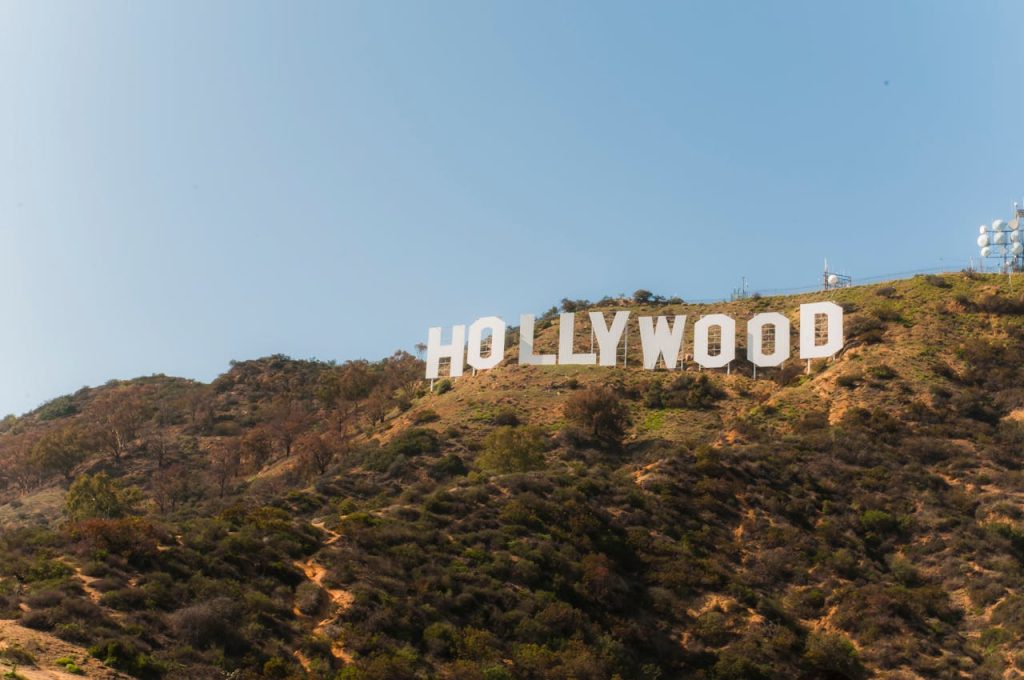
Hollywood Boulevard feels iconic enough that many travelers treat the Walk of Fame as the centerpiece, weaving between handprints, tour buses, and quick photo stops that hint at celebrity proximity. The strip is built for snapshots and souvenirs, which can flatten Los Angeles into a single stage, especially when traffic makes detours feel time-consuming. Meanwhile, afternoons at museums, Korean BBQ blocks, taco counters, studio-era neighborhoods, and Griffith Park trails lie nearby, but they require choosing a neighborhood over a checklist, and many trips never take that turn.
Ocean Drive, South Beach, Miami Beach, Florida
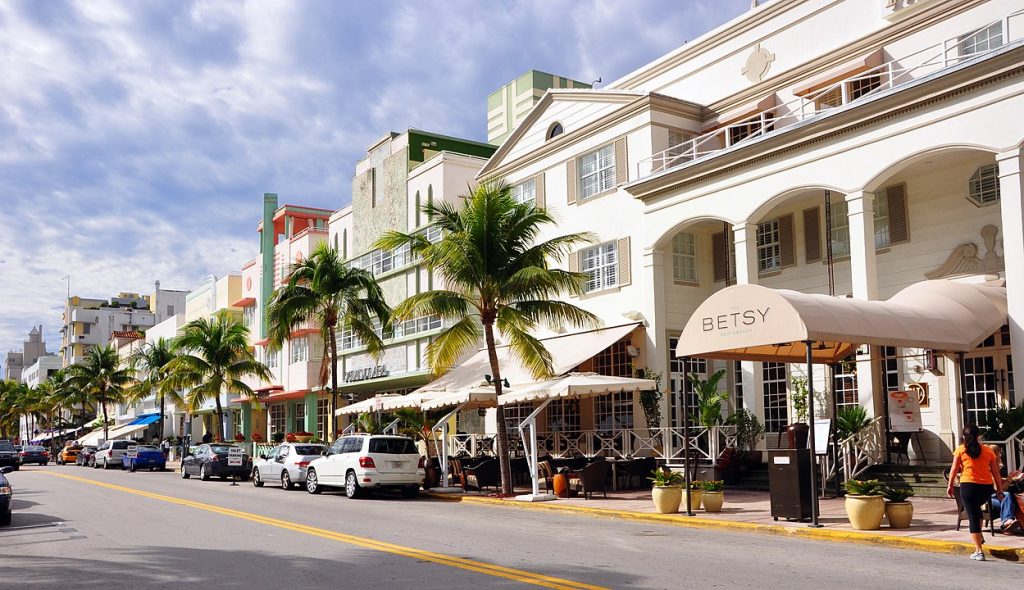
South Beach concentrates travelers along Ocean Drive and Collins Avenue, where Art Deco hotels, patio cafés, rooftop drinks, and beach access line up in a compact, walkable band. Nightlife and people-watching turn the area into the default plan, especially on weekends that reward staying near the room and the music. Many vacations end with sand and a tab, while Miami’s broader narrative sits across the bridge in Little Havana, Wynwood, Coconut Grove, and quieter bayside streets near Biscayne, where the city feels more lived-in than performed, and the cuisine tells a longer history.
River Walk, San Antonio, Texas
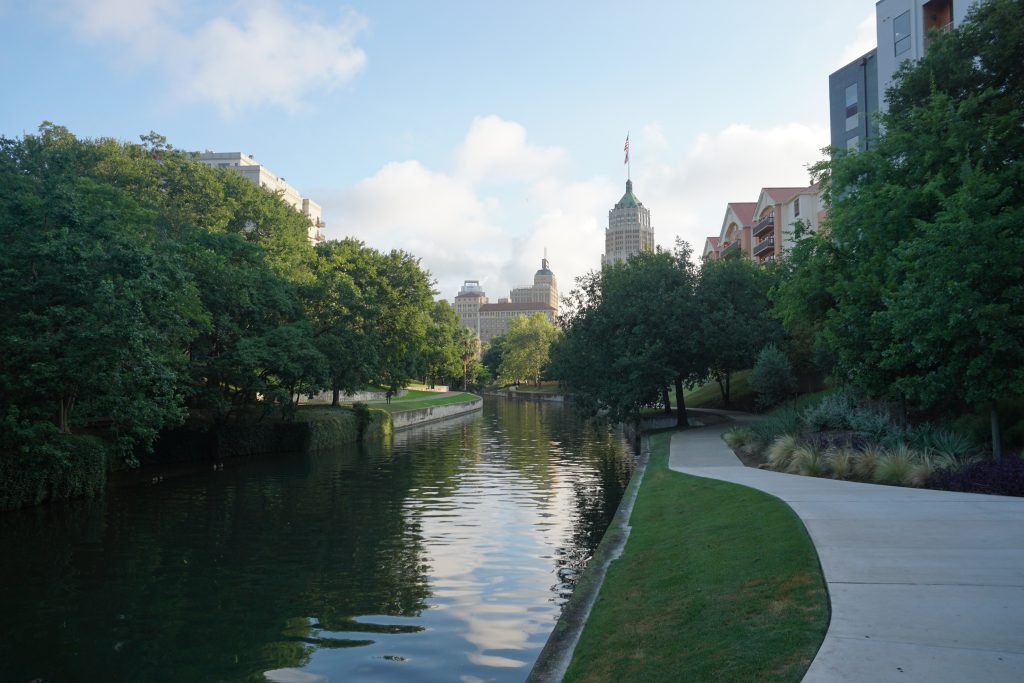
San Antonio’s River Walk remains a neatly arranged loop of dining, live tunes, boat rides, and hotel entrances hugging the water, encouraging guests to linger by the river and skip the traffic. Its contained, easy rhythm makes it ideal for families and conference crowds, and it photographs well in any light, inviting another lap instead of venturing into a new neighborhood. Above ground, the city’s fuller character emerges at the missions, Market Square, Southtown galleries, and around the Pearl, where casual eateries draw locals into unhurried chats and a sense of everyday life.
West 76 Country Boulevard, Branson, Missouri
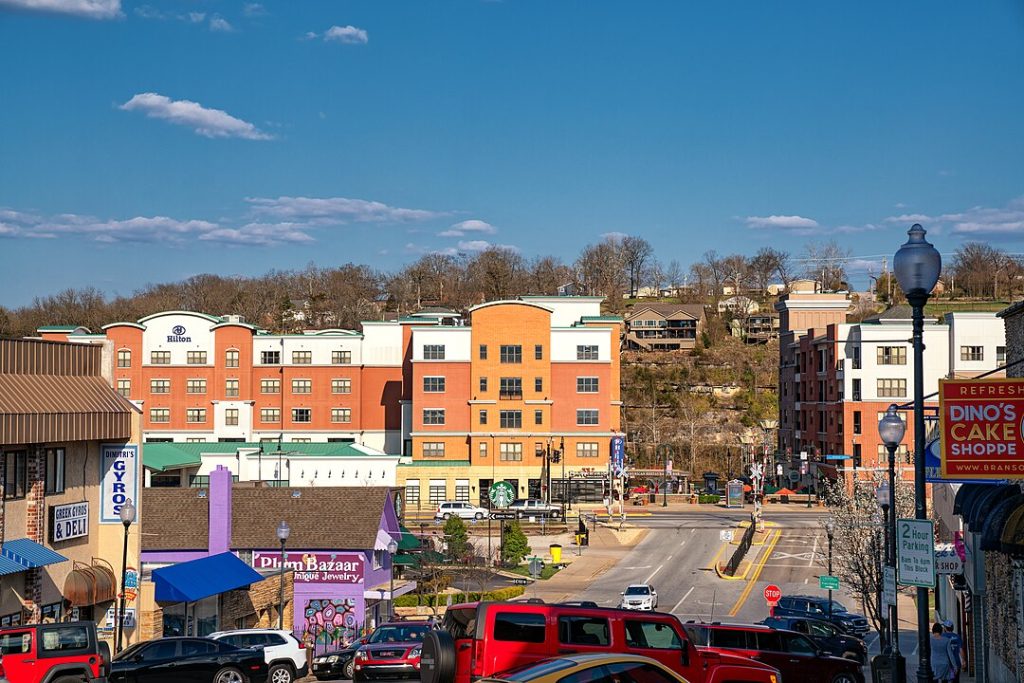
Branson’s tourism heartbeat centers on West 76 Country Boulevard, where theaters, bright marquees, themed restaurants, and family attractions stack into a simple, car-friendly strip. Showtimes shape the rhythm, so the boulevard becomes the destination by default, one parking lot after another, with little incentive to wander. A short drive away, Table Rock Lake coves, Lakeside Forest trails, and back-road diners offer a gentler Ozark mood, but they require a deliberate detour, and many visitors stay where the signs are loudest, the next show is near, and the evening unfolds as planned.
The Parkway, Gatlinburg, Tennessee
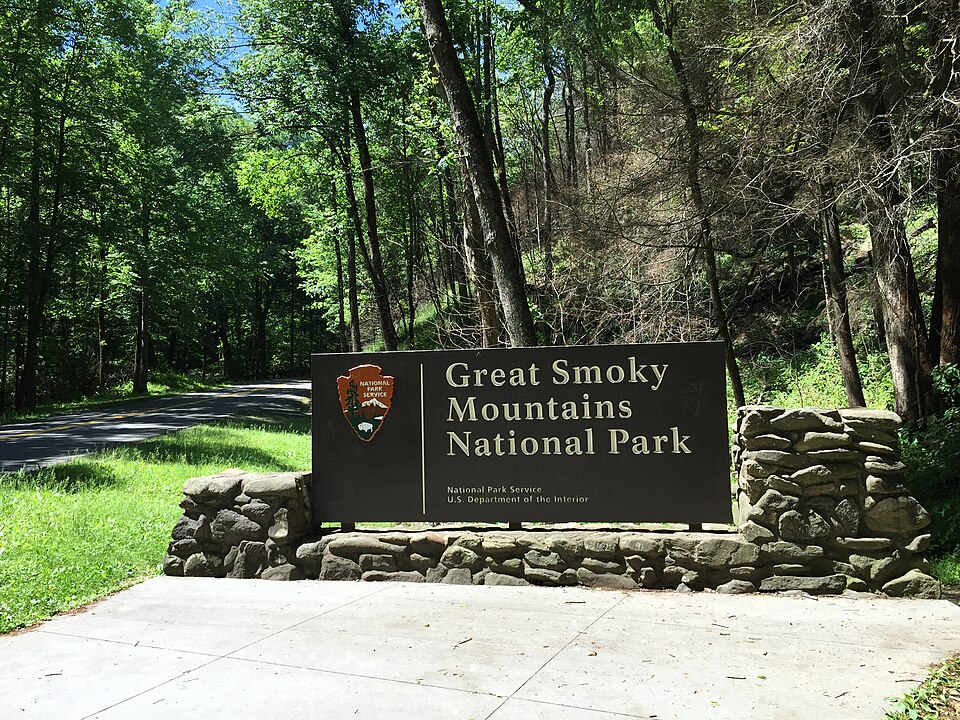
Gatlinburg’s Parkway is a quintessential mountain-strip magnet, packed with arcades, pancake houses, tastings, and storefront attractions that can fill days without leaving town. The Great Smoky Mountains loom just outside, yet visits often become a loop of traffic lights and novelty stops that feel productive because something new appears every block. Crowds and parking pressure make the Parkway feel like the safest bet, so quiet trailheads, the Roaring Fork drive, river pull-offs, and the Arts and Crafts community nearby stay close, yet seem strangely untouched, even when the woods are the reason people came.
Duval Street, Key West, Florida
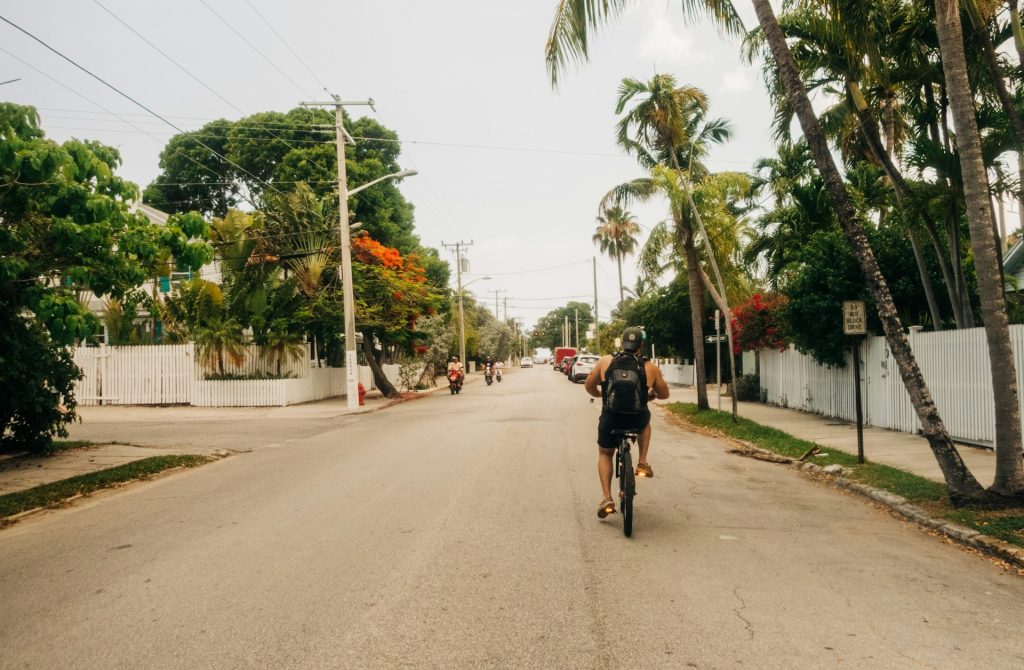
Duval Street delivers the Key West fantasy in a straight run, with bars, live music, patios, and sunset chatter flowing from block to block. It is walkable, social, and packed with famous corners, so many travelers don’t bother with a map beyond that stretch, especially on short stays where the next stop is always visible. The island’s quieter edges—from Truman Annex lanes and shaded cemeteries to Fort Zachary Taylor, Higgs Beach, and mangrove waterlines—can feel overlooked when the center strip calls, even in calm morning hours when bicycles glide by and the air cools, a sentiment felt by locals as well.