
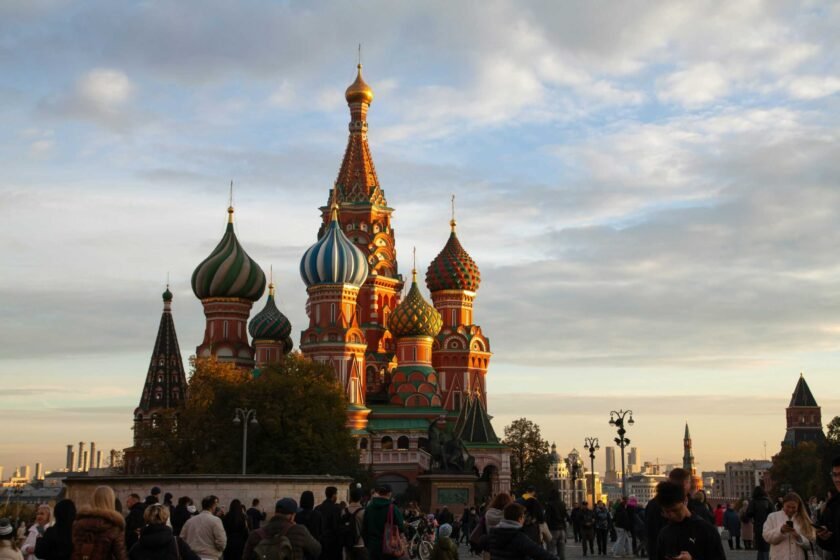
MAINLAND CHINA
Great Wall Of China


In Mainland China, the Great Firewall reshapes everyday browsing, with many Western social networks, search tools, and messaging services blocked or unreliable. Cross-border connectivity is treated as a regulated telecom service, and companies often rely on approved international private lines rather than improvised tunneling. For U.S. travelers, the surprise is how basic logistics depend on access: verification texts, cloud documents, and menus can sit behind platforms that do not load, so offline backups and local apps become continuity for tickets, check-ins, and last-minute route changes in a taxi at night.
RUSSIA


Russia’s internet rules have tightened in ways that catch visitors off guard, especially when familiar platforms suddenly vanish mid-trip. Authorities have expanded blocking, cracked down on material seen as promoting VPN services, and introduced penalties tied to accessing content labeled extremist. Messaging can be unpredictable, with regulators restricting call features on major apps. For Americans, the surprise is how quickly the boundary shifts, turning ordinary habits—opening saved pages or sharing links—into choices made carefully, even when the phone is used for navigation and plans between cities now.
IRAN

Iran’s online environment can feel normal for a moment, then sharply narrowed, with major social platforms and services frequently blocked and access sometimes disrupted. Officials have moved to criminalize the VPN market and have signaled tougher enforcement around circumvention tools, even as carve-outs like tourist SIM proposals surface in public debate. The travel friction is immediate: hotel Wi-Fi may not reach common apps, booking confirmations can stall, and a day plan built on live maps may need paper addresses and preloaded translation packs. Short slowdowns happen around big events, so timing matters on arrival.
UNITED ARAB EMIRATES


In the United Arab Emirates, the surprise is less about speed and more about rules behind the signal. The regulator requires filtering of prohibited content, and VoIP calling features can work inconsistently across networks, even when messaging remains fine. VPN use is not automatically illegal, but the legal framework targets unlawful use, which makes intent and context matter. Frequent flyers keep backup contact methods and avoid assuming a hotel router will behave like a home connection. Many rely on carrier-approved calling apps and phone minutes for calls especially for pickups at odd hours.
SAUDI ARABIA


Saudi Arabia can surprise travelers with how communication rules change by function, not by app: texts go through, but voice and video features may be limited on everyday platforms. Reports of calling features returning appear, then service remains uneven across carriers and updates, and online content is filtered as well. The result is a trip where a group chat can coordinate dinner, yet a quick call to a hotel desk will not ring, nudging visitors toward approved alternatives and phone minutes. Even business logins can stall when a verification call is required so email backups matter during tight schedules.
OMAN


Oman’s rules tend to surprise remote workers more than beachgoers, but the effect can be the same: a mismatch between a routine and what the network permits. The telecom regulator treats private networks as a licensed activity and official licensing categories include operating private telecom networks or services. Legal guidance has also flagged proxy and VPN tools as sensitive when used to reach prohibited content. For travelers, that can mean corporate security tools behave differently on local data, and calling features feel inconsistent, turning a quiet Muscat evening into a scramble for quick fixes too.
EGYPT


Egypt often catches travelers with a gap between what messaging apps show and what they can actually do. Freedom observers have documented restrictions on WhatsApp VoIP calling that were briefly lifted during COP27, then restored, a reminder that access can shift for political or economic reasons. The practical problem shows up in small moments: a call to a driver fails, a tour guide cannot reach a hotel room, and a family check-in becomes a chain of missed connections. Service can vary by carrier and neighborhood so treating connectivity as an on/off switch can waste time at a curb while the line keeps moving in silence.
TURKEY

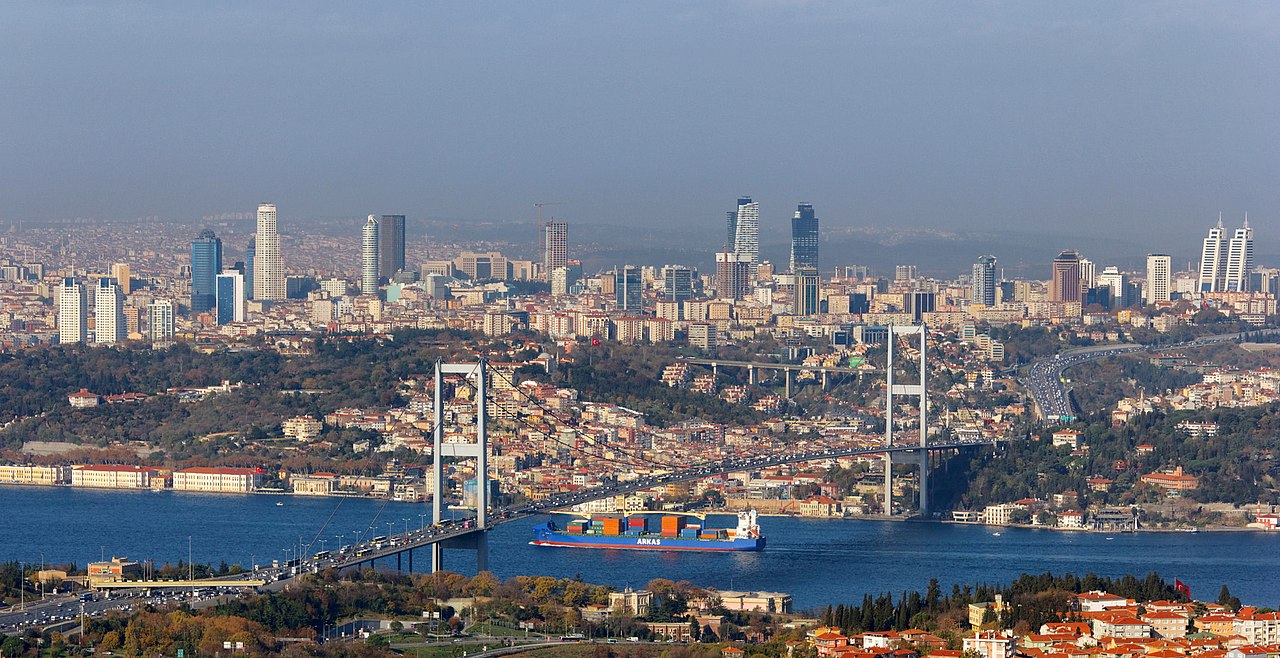
Turkey’s internet can feel modern and fast until a breaking-news moment flips a switch. Reuters and internet monitors have documented sudden restrictions and throttling on major platforms, and Freedom House has reported blocks on multiple VPN services, narrowing the usual escape hatches. For travelers, the surprise is timing: a protest, an election night, or a security incident can turn an airport transfer into a dead zone for maps, ride-hails, and messaging, while bank logins and verification codes lag, making printed confirmations and offline navigation feel prudent during crowded Istanbul evenings.
INDIA
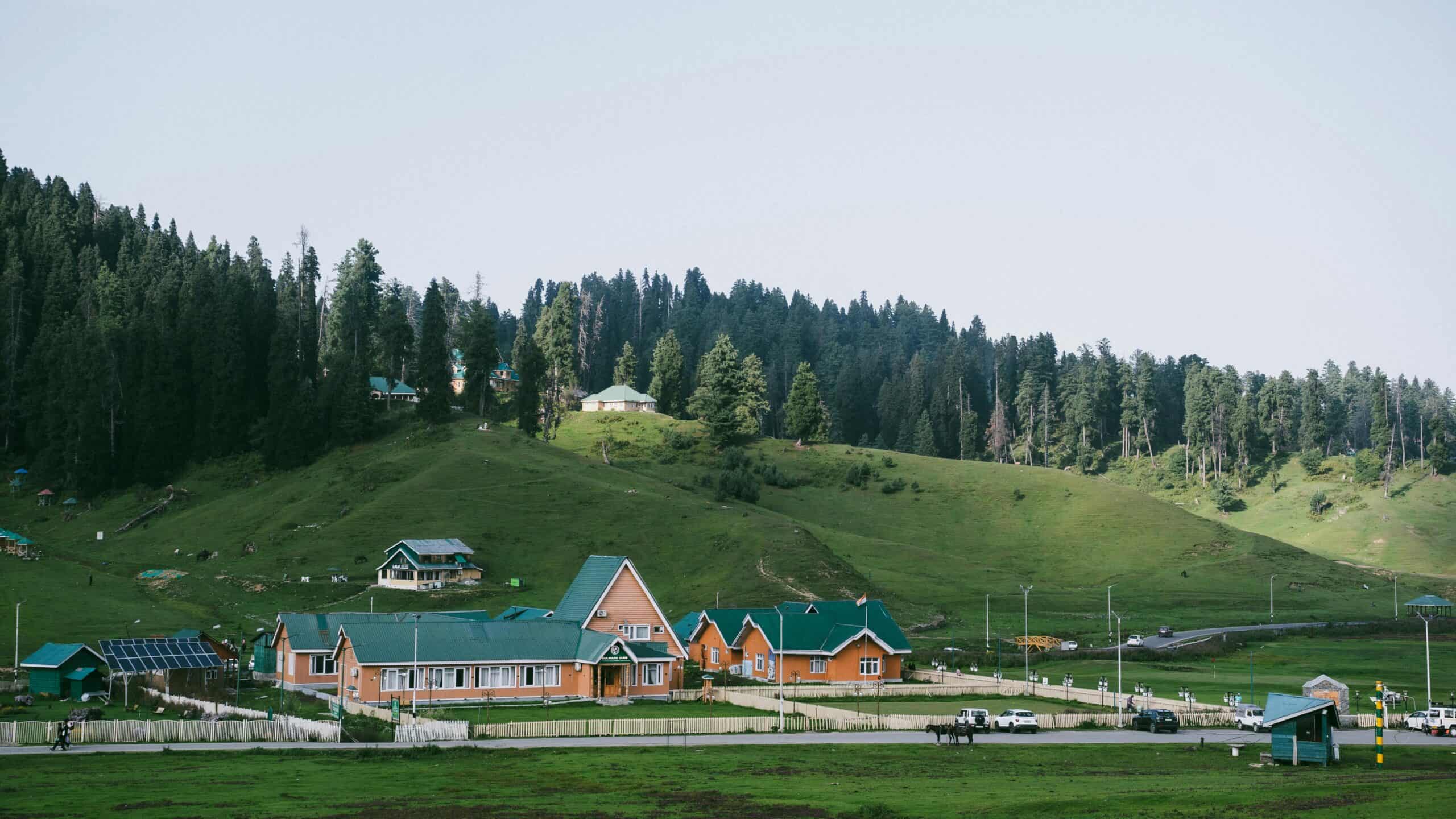
India isn’t known for a sweeping national firewall, yet compliance rules can still catch travelers off guard who assume VPNs are purely private. CERT-In’s directives compel VPN providers and related infrastructure services to collect and retain customer details for extended periods, with FAQs steering toward consumer services rather than employer-controlled networks. That framework reshapes the login experience at a café: open Wi‑Fi is common, but record-keeping expectations are not. Tool selection and transparency matter. Remote workers keep work inside corporate systems and store offline copies for journeys ahead.
VIETNAM


Vietnam’s online rules lean toward targeted pressure rather than broad shutdowns. Authorities have ordered telecom providers to block Telegram, and a cybersecurity law taking effect July 1, 2026, reinforces state control over online activity. For travelers, the surprise is which tools become unreliable: a meet-up runs on Telegram, then the app stalls, or a news link loads on one network but times out on another. Redundancy matters, with alternate contact channels and offline copies of tickets and addresses proving useful for the day’s first ride and hotel check-ins.
CUBA


Cuba’s connectivity quirks are often structural: limited bandwidth, state-run infrastructure, and rules that tighten access during political tensions. Freedom House notes heavy restrictions and penalties for online dissent, and reporting has highlighted temporary disruptions to major messaging platforms during unrest. For American travelers, sanctions can complicate access to U.S.-based services or payments even when the signal is strong. In Havana, success comes from tempered expectations, cached data, and a backup plan that doesn’t rely on a single app for every step.