
A UNESCO designation signals global significance, yet satisfaction hinges on what a visitor can actually do at the site. At marquee locations, timed entries, roped viewpoints, and steady crowds can alter the mood compared with photos that show empty paths. Travel reviews also flag price shocks, pushy selling, and rules that curb wandering. Weather, queues for transit, and security checks can color the day, making the memory feel curated rather than personal. Here are eleven iconic World Heritage sites where repeated traveler feedback hints at a gap between expectations and the on-site experience.
MACHU PICCHU, PERU
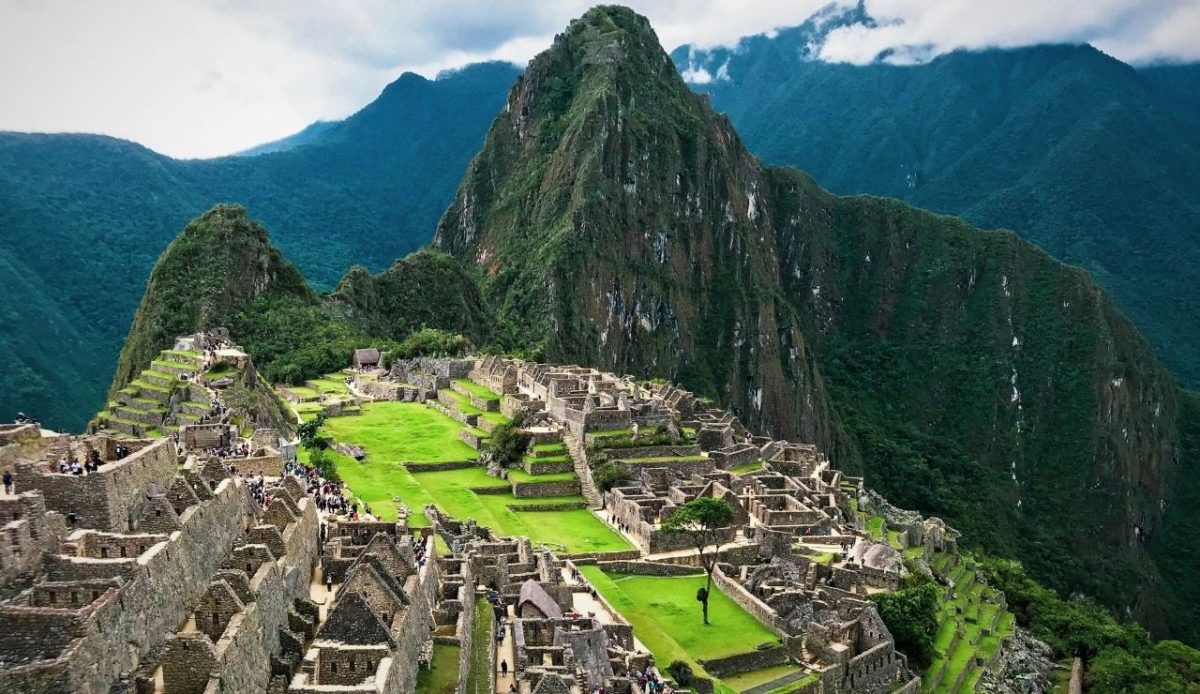
Machu Picchu can resemble a checklist stop because logistics shape the visit. Permits are booked well ahead, entry windows are enforced, and routes determine where someone may pause. At the popular terraces, groups pile up, and staff monitor the view to keep the line moving. High altitude and sudden downpours can affect comfort, while extra charges for buses, guides, and train rides accumulate. In Aguas Calientes, morning queueing for shuttles and checkpoints is common, and arriving late can mean missing access. Many visitors say they’re awed by the scenery but irritated that quiet time isn’t easily accessible.
STONEHENGE, UNITED KINGDOM
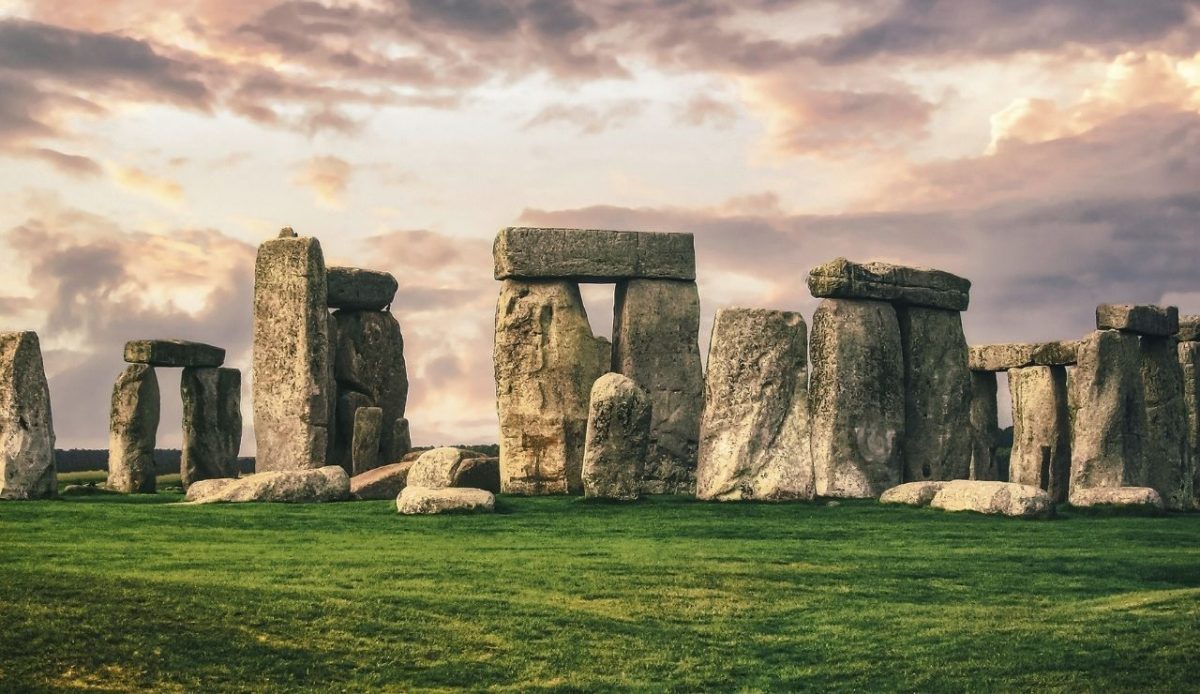
Stonehenge is globally renowned, yet many leave with a sense that the encounter is brief and distant. During standard hours, the stones sit behind barriers and visitors follow a fixed loop, limiting close viewing. Time is often eaten by parking, shuttle rides, and security checks, after which the main scene is quickly passed. The visitor center sits back, adding extra steps, and the open plain’s wind can make pauses uncomfortable. Audio guides add context, but the setting frequently feels like a managed attraction beside a busy road. Those seeking solitude at sunrise are often disappointed unless they pay for premium access sessions.
VENICE AND ITS LAGOON, ITALY
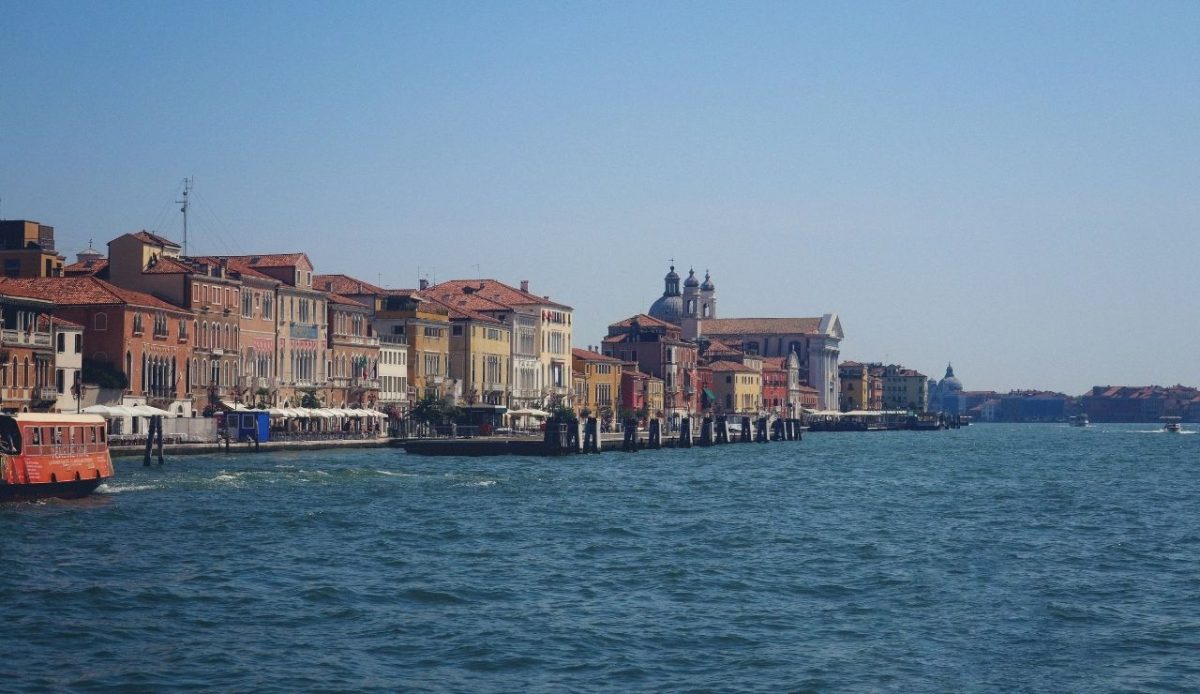
Venice remains impressive, though the center often feels overwhelmed. On peak days, lanes near Rialto and St. Mark’s Square flood with waves of tour groups. Vaporetto queues grow, boats fill quickly, and a brief crossing can feel stressful. Photo spots become stop-and-go scenes, accompanied by guide chatter and baggage noise. Nearby cafes may skew toward fast turnover, making stops feel transactional. Although fees and entry controls have been announced, some reviews note the midday crush endures. Those who stay overnight or stroll toward quieter districts report a more authentic and less tiring experience.
TAJ MAHAL, INDIA
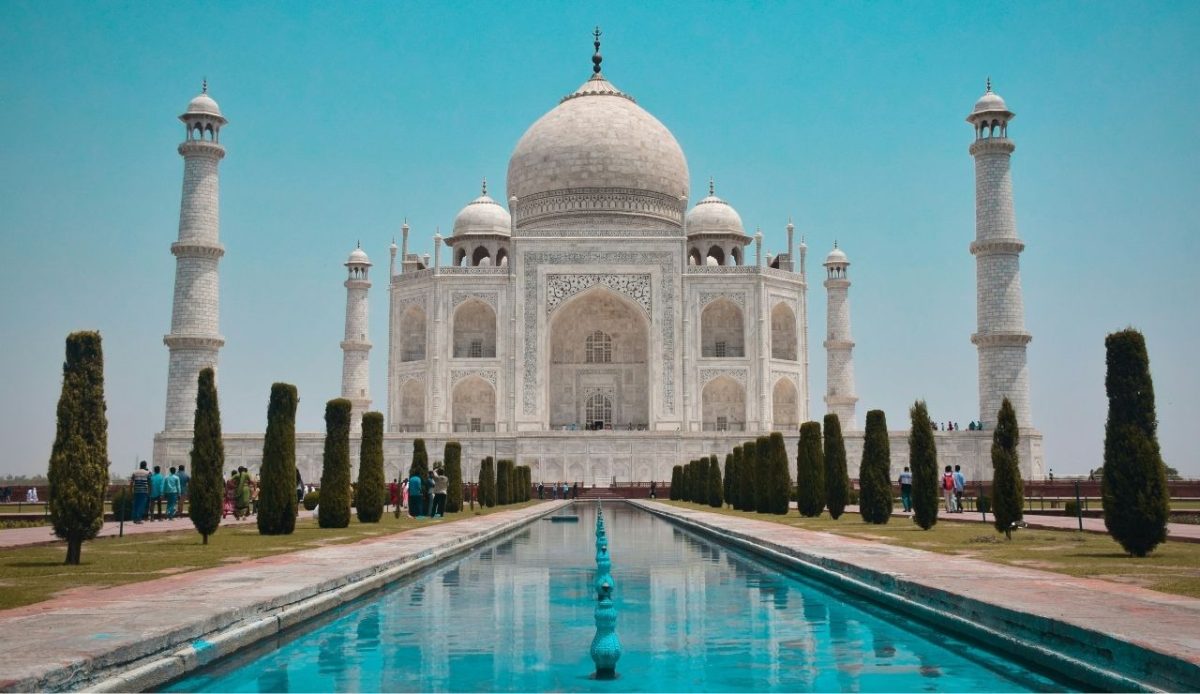
The Taj Mahal often looks serene in imagery, but many travelers describe a rushed, crowded circuit. Security lines can be lengthy, and timed entry plus strict checkpoints shape the visit from the outset. Inside the complex, the main platform becomes a photo queue with limited space, and staff direct the flow. Shoe covers, bag rules, and little shade add frustrations that accumulate. Heat and haze may dull views, particularly around midday. Outside the gates, transport touts and scam stories are widely reported, heightening stress before and after entry. Visitors frequently praise the monument’s beauty, yet the surrounding process can lessen the payoff.
GREAT WALL OF CHINA, BADALING SECTION

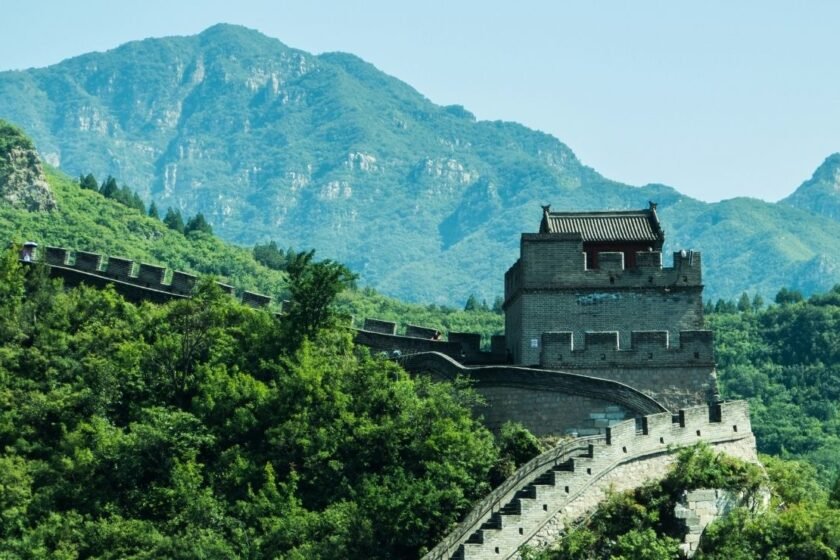
The Great Wall is vast, but Badaling is often criticized as the wrong opening move. It’s easy to reach from Beijing, so crowds surge early, turning the walk into slow shuffling on steep steps. Barriers steer people into narrow lanes, and photo pauses cause abrupt jams. Vendors cluster near entryways, and some visitors describe the area as a theme park with constant upselling. Cable cars ease the climb, yet lines for them can be long, shortening time on the wall. Those hoping for a peaceful hike report that the busiest stretches feel more like crowd management than history.
ACROPOLIS OF ATHENS, GREECE
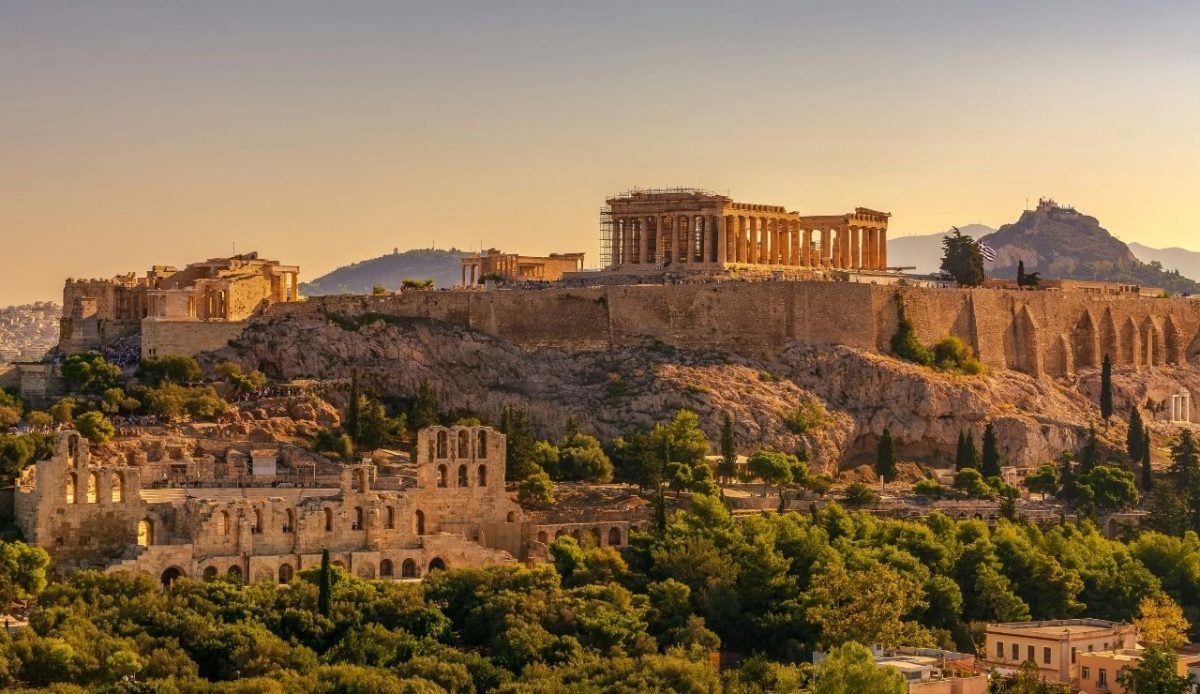
The Acropolis carries immense historical weight, yet many visitors feel pressured during the experience. Timed-entry means large groups arrive together, and uphill paths fill quickly. Ticket scans and bag checks can take time, and the ascent continues on smooth stone that can be slick. Summer heat compresses visiting hours into a shorter window, with little shade along the approach. At the summit, photo clusters form around the Parthenon while staff manage flow to prevent backups. Some travelers leave impressed by the ruins but disappointed that calm viewing was hard to find.
ANGKOR, CAMBODIA
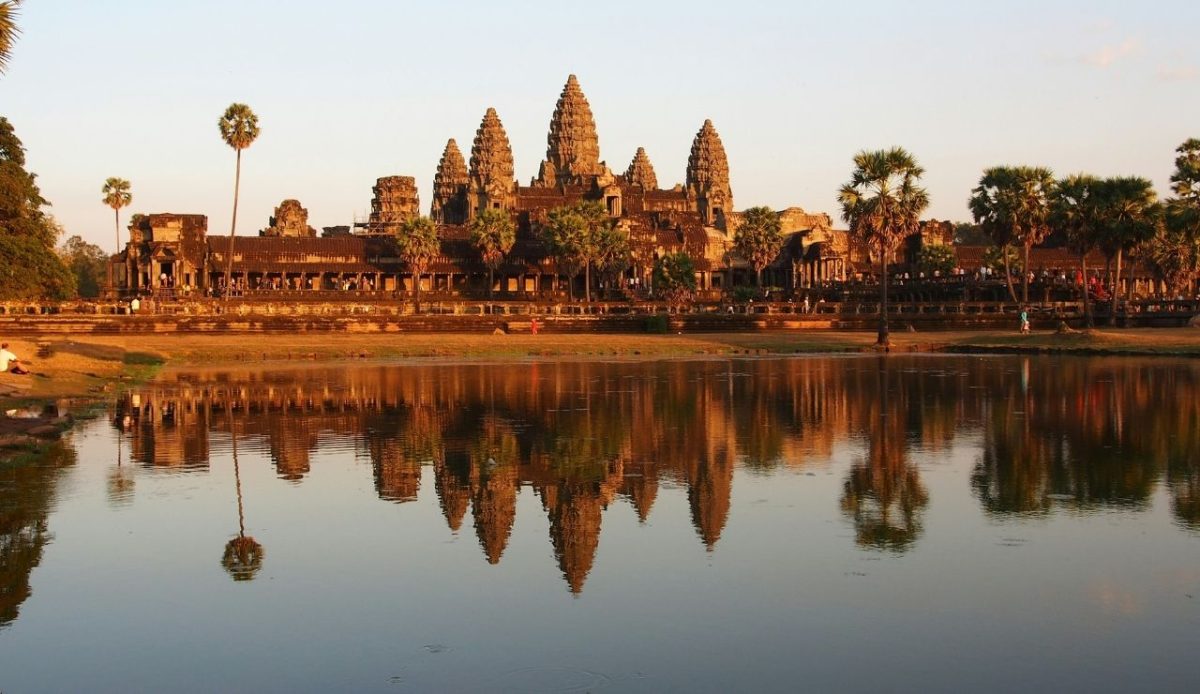
Angkor spans vast distances, yet many visitors judge it by the famed sunrise at Angkor Wat. Before dawn, crowds gather at the reflecting ponds as the view is shared by countless phones and tripods. After sunrise, tour buses spread out, and key temples can feel jammed, especially through narrow doorways and steep stairs. Tickets are bought in Siem Reap, and the early start can feel like an endurance test. Heat and distance add fatigue, prompting some to hurry rather than linger, and weather often imposes midday breaks. Reviews consistently note the site’s grandeur, but peak-hour crush and non-stop touring can drain the magic.
MEMPHIS AND ITS NECROPOLIS, EGYPT
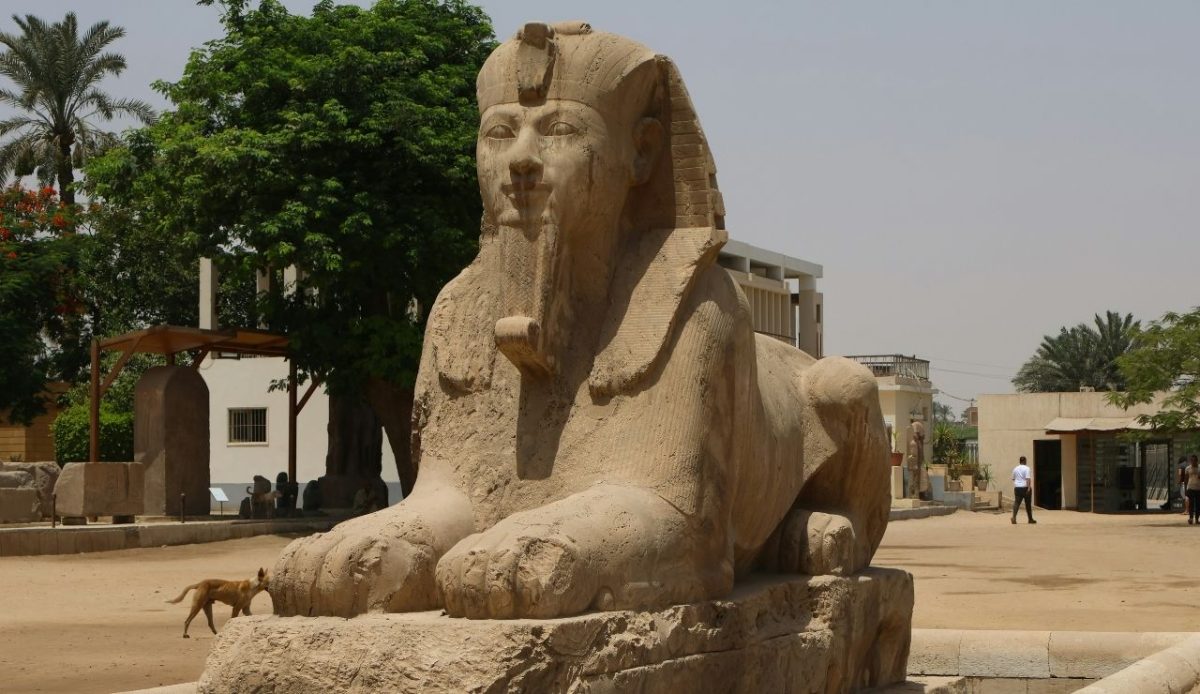
The pyramid fields at Giza inspire awe, yet the surrounding scene can dampen the visit. Reports of aggressive hawkers, photo demands, and unwanted camel or horse rides near entrances and viewpoints are common. Negotiation fatigue sets in quickly, and some visitors feel they must stay on guard rather than focus on the monuments. Ticket checks can be confusing on arrival, and roped-off areas limit where one can stand for key shots. Traffic and dust are heavy, and the best angles may be crowded with tour groups. Many posts suggest fixed-price tours or official guides, implying that without a plan the day can sour.
MONT-SAINT-MICHEL AND ITS BAY, FRANCE
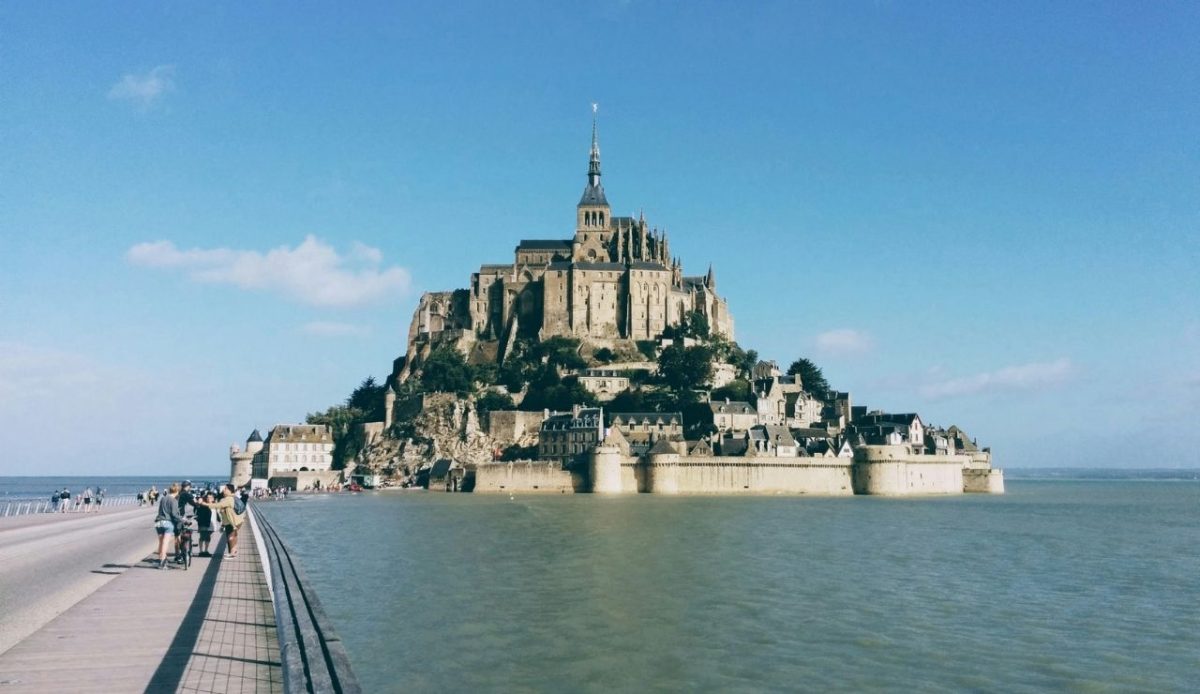
Mont Saint-Michel looks like a fairy-tale from afar, but inside the site many visitors describe it as a busy funnel. At peak hours, the causeway and narrow lanes fill, and shopfronts aimed at day-trippers dominate the ascent. Parking is distant, shuttles operate constantly, and the transfer adds waiting before walking begins. Abbey lines can be long, and once inside, stairwells become slow-moving. With most people arriving simultaneously, the village feels more commercial than historic. Early birds, late visitors, or winter travelers often report a calmer experience than the midday rush.
OLD CITY OF DUBROVNIK, CROATIA

Dubrovnik’s Old Town is stunning, yet peak season is frequently described as a crowded corridor. Large cruise arrivals can overwhelm the gates, and the main street becomes shoulder-to-shoulder under summer heat. Selfie stops create blockages on stairways, so walks take longer than expected. Walking the walls remains popular, but ticket prices and narrow passages make the loop feel like a slow procession. Some visitors also note that restaurants in the core cater to quick tourist demand, impacting value. Reviews often advise visiting in the early morning or evening when the streets feel far more enjoyable with fewer people.
PETRA, JORDAN
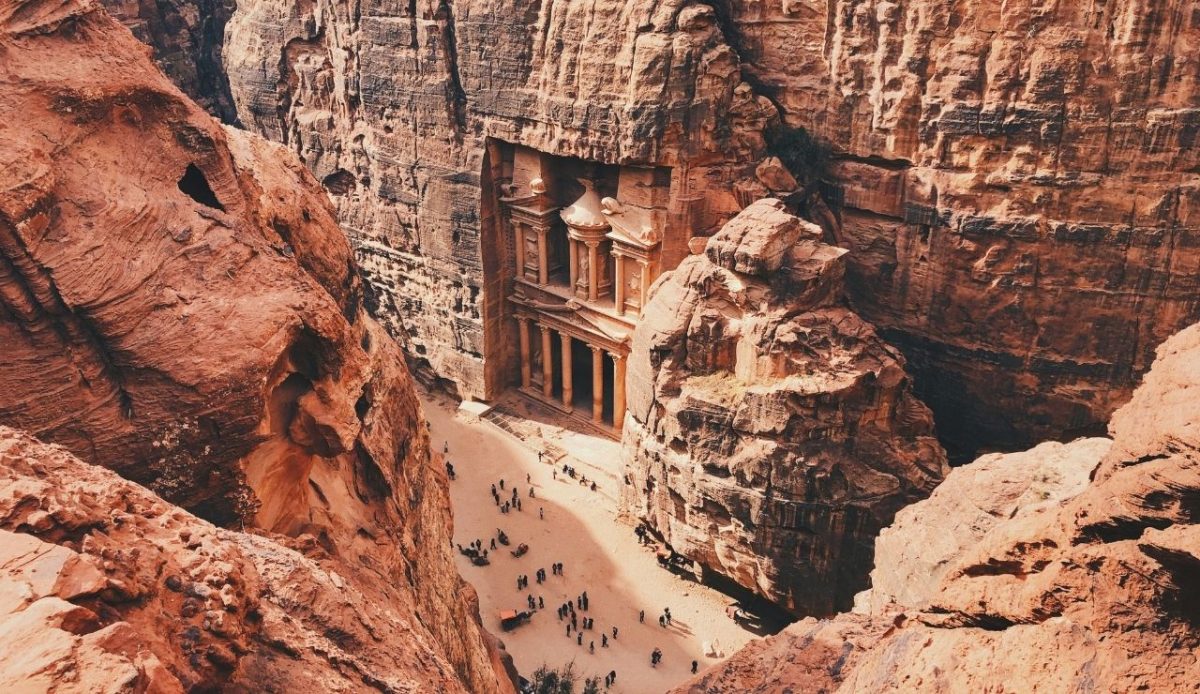
Petra’s Treasury delivers a striking moment, but the rest of the visit is frequently interrupted by sales pressure. Along the Siq and near major tombs, repeated offers for rides, photos, and souvenirs can break concentration. At the Treasury, crowds cluster for the same shot as staff guide people forward. Distances are long, and heat can sap energy before adventurers reach quieter areas like the Monastery. Some travelers also raise concerns about animal welfare tied to ride services, which affects enjoyment. With a solid plan, the day can be rewarding, yet reviews warn that without clear boundaries it can feel transactional.