

The modern gun show is a sensory overload of beef jerky, political bumper stickers, and rows of black rifles, but hidden among the legitimate dealers are traps designed to separate the uninformed from their cash. While many tables offer honest surplus and fair deals, a specific subset of vendors relies on myths, modifications, and flat-out forgeries to inflate prices on otherwise common firearms. Understanding the difference between a rare historical artifact and a garage-cobbled fabrication requires a skeptical eye and a knowledge of specific manufacturing tells. The following list highlights the most pervasive “scams” currently circulating the show circuit, offering the necessary details to spot them before the wallet comes out.
1. The “Mitchell’s Mausers” Trap
For years, ads promised pristine German K98ks stored in salt mines, but these are actually aggressively refurbished Russian captures. The main giveaway is the bolt; original German bolts were blued, while these are polished bright “in the white” to look new. With sanded, bleached stocks and scrubbed markings, they are overpriced mix-masters sold as collector-grade artifacts rather than shooters.
2. The Mythical “Tanker” Garand
The “Tanker” Garand is a persistent myth; this short-barreled configuration was never standard issue. The U.S. military tested a prototype but rejected it for excessive muzzle blast. The versions found at shows are commercial creations made by welding cut operating rods. These modifications often cause serious timing issues, making them unreliable novelties rather than historical rarities.
3. Fake Nazi-Marked “Capture” Pistols

High prices for Nazi-marked weapons encourage forgers to apply fake eagle stamps to standard commercial pistols. A key tell is the “cold stamp” technique; if the metal inside the stamp looks bright or raw compared to the surrounding blueing, it was applied recently. Forgers also frequently use the wrong inspection codes for the specific make and model, a detail easily checked with a reference guide.
4. The Deadly Khyber Pass Copy
Originating from Pakistan’s Darra Adam Khel region, these handmade copies of British military rifles are often unsafe to fire. Built from soft, unhardened steel, they cannot withstand modern ammunition pressures. Visual giveaways include reversed letters in the stampings or a “V.R.” royal cypher dated after 1901. Selling these ethnographic curiosities as functional surplus is a dangerous scam.
5. “Re-Welded” M1 Garand Receivers

Between the 1960s and 1980s, cut-up receiver scrap was welded back together to build functional rifles. These “rewelds” are structurally suspect and hold a fraction of the value of an uncut receiver. To spot one, examine the receiver legs for discoloration in the parkerization or grinding marks. If the drawing number’s heat lot code does not match the serial number date, it is a welded marriage.
6. The “All-Matching” Mosin Nagant

With Soviet surplus, there is a massive difference between factory original and “force-matched” refurbs. During post-war rebuilding, arsenals swapped parts and restamped them to match the barrel. A seller claiming an “all-matching” Mosin is rare; if the font on the bolt differs from the barrel, or the floorplate has a struck-through number, it is a refurbished shooter, not a collector piece.
7. The Counterfeit PU Sniper

Genuine Soviet PU snipers are rare, leading to a flood of fakes created by drilling standard infantry rifles. A real sniper will have the scope’s serial number stamped on the barrel shank. Fakes often feature pristine wood cuts for the mount, whereas authentic stocks show patina or shellac inside the cut. If the mounting screws look like modern hardware store replacements, the rifle is a fabrication.
8. Re-Blued Colt Pythons

With Colt Python prices soaring, dishonest sellers often re-blue worn examples to pass them off as mint originals. A factory finish is legendary for its mirror-like depth, while a re-blue often blurs the stamped lettering. The “rampant colt” logo may look shallow or washed out from buffing. Additionally, the side plate should fit perfectly; a visible gap or rounded edges indicate an aftermarket finish.
9. The “Vietnam Bring-Back” Story

Sellers often price standard SKS or Tokarev pistols at triple value based on unverifiable stories of them being “taken off an officer.” Without the official DD Form 603 capture papers, the firearm is legally just a standard import. Dealers rely on emotional storytelling to close the sale, but the golden rule of collecting applies: buy the gun, not the story. Without documentation, the history is worthless.
10. The “Unfired” Commemorative Winchester
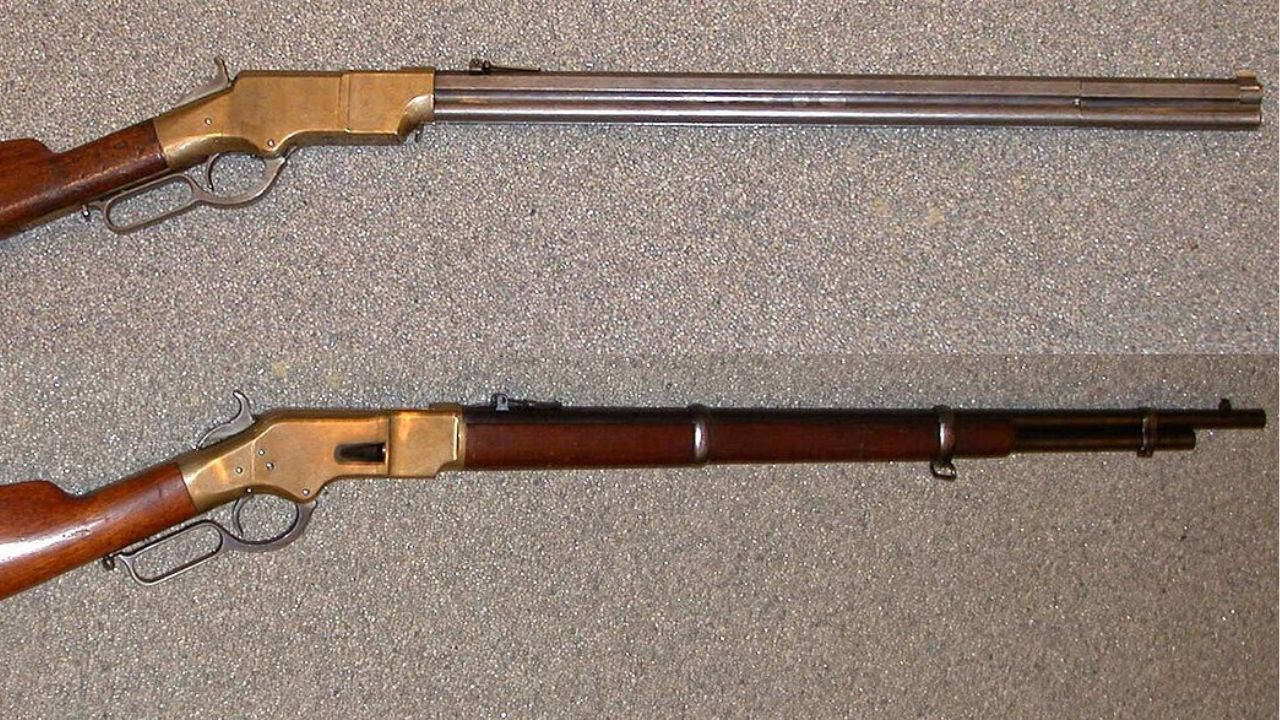
In the 1970s, Winchester produced endless “Commemorative Edition” rifles featuring gold plating and medallions. Sold as instant investments, they were made in such high numbers that they possess little collector scarcity today. Sellers often price them high, hoping a buyer mistakes “shiny” for valuable. In reality, the gaudy plating makes them poor shooters, and they often sell for less than standard models.
11. No-Name “Custom” AR-15 Builds

Tables covered in “custom” AR-15s with bright anodized parts often hide cheap components behind flashy aesthetics. These builds are frequently assembled from bottom-tier parts and out-of-spec receivers, yet carry price tags over $1,200. Unless the seller provides a build sheet listing reputable manufacturers for the barrel and bolt, these are often overpriced “Franken-guns” worth less than an entry-level rifle.