
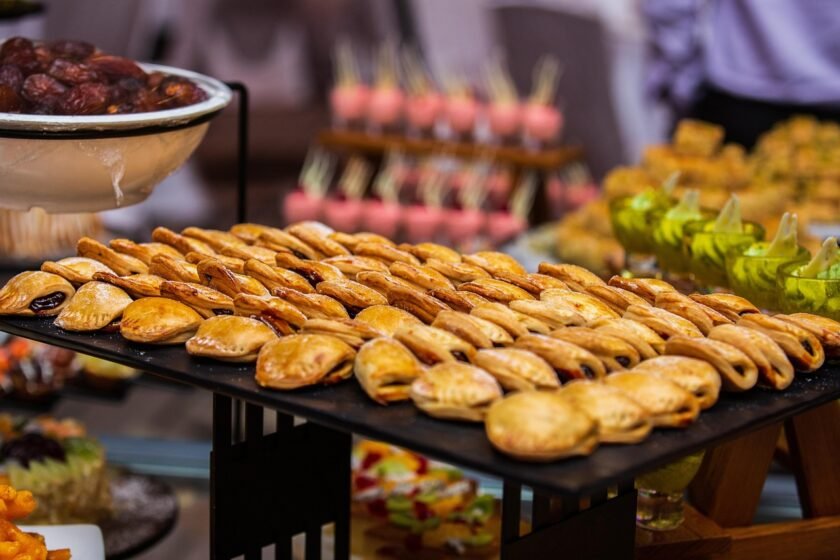
Hispanic appetizers have long been guided by practicality, regional ingredients, and communal dining. Over the years, many of these traditional starters have transformed as home cooks adapted them to modern kitchens, new tools, and evolving preferences. Frying gave way to baking, raw components became more structured, and classic flavors found fresh formats suited for sharing. These bites still honor their origins, yet they mirror how contemporary cooking blends authenticity with convenience, imagination, and accessibility while keeping bold flavors at the center of the table.
Guacamole Has Evolved From Rustic Dip to Flavor Canvas

Guacamole began as a simple mash of avocado, salt, and citrus, meant to celebrate the fruit rather than compete with it. In today’s kitchens, it serves as a flexible base that accommodates a wide array of tastes and textures. Chefs now fold in elements like roasted garlic, grilled peppers, fruit, or smoky spices to tailor the dip for different meals and occasions. Despite these twists, the core function remains intact: the avocado’s fat coats the palate, balancing acidity and heat. Its evolution reflects greater access to ingredients and a willingness to experiment while keeping the avocado’s central role intact.
Taco Dip: From Practical Party Staple to Layered Expression

Taco dip began as a pragmatic crowd-pleaser designed for sharing, often built in layers with beans, sour cream, cheese, and salsa. Over time, cooks adjusted the layers to reflect regional flavors and dietary preferences. Meat-forward variants now feature seasoned chorizo or shredded chicken, while plant-forward versions rely on beans, roasted vegetables, or dairy-free options. The layered approach creates balance, as creamy elements temper heat and acidity, adding contrast. This evolution mirrors a shift toward more intentional casual appetizers that deliver both visual appeal and varied textures in every bite.
Taquitos: Healthier Cooking Without Sacrificing Crunch

Traditional taquitos were fried for crispness and durability, making them ideal street-food and party snacks. In modern kitchens, they’re often baked or air-fried to cut down on oil while preserving texture. Fillings have broadened beyond basic meat and cheese to include beans, vegetables, and seasoned plant-based options. These changes reflect broader cooking habits without abandoning the taquito’s core appeal. The tight roll still delivers crunch and concentrated flavor; what changed is how heat, oil, and ingredients are managed. Taquitos stay familiar, but their preparation now aligns with today’s expectations of balance and accessibility.
Elote-Inspired Dips: Bringing Street Flavor Indoors

Elote began as grilled corn dressed simply with lime, chili, cheese, and fat. As it moved into home kitchens, it transformed into spoonable formats that capture the same flavor profile. Creamy corn dips, spreads, and layered appetizers now replicate the charred sweetness without open flames. These versions emphasize a balance of heat, acidity, and richness. The corn’s natural sweetness anchors the dish while chili and citrus provide contrast. The evolution enables elote flavors to reach larger groups more easily and demonstrates how street-food identities adapt to indoor cooking without losing character.
Ceviche Tostadas: Raw Seafood Made Approachable
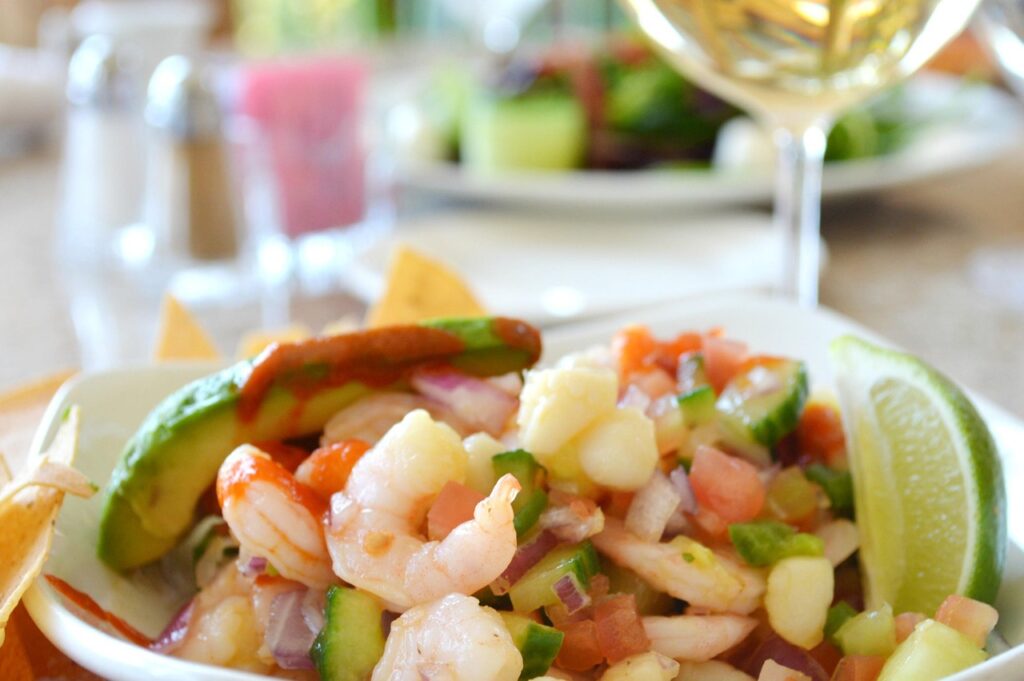
Ceviche once reserved for sit-down meals with strict timing and freshness controls. Turning it into a tostada makes the dish more accessible and easy to portion. The crisp base provides texture and stability, while citrus-marinated seafood remains the focal point. Contemporary versions incorporate fruits or avocado to soften acidity and broaden appeal. This evolution helped ceviche travel beyond coastal regions into mainstream kitchens. The tostada format respects the dish’s origins while making it easier to serve safely and consistently, helping ceviche tostadas become a common staple at modern gatherings.
Salsa Verde and Salsa Macha: Deeper, Richer Flavor Profiles
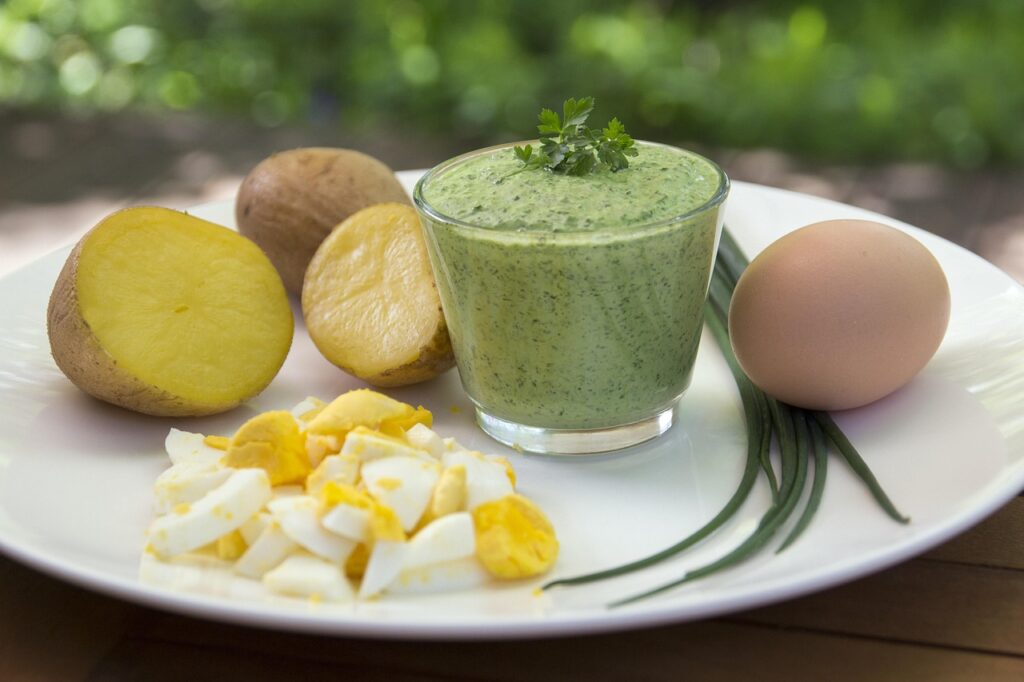
Traditional salsas emphasized brightness and immediacy. Modern versions frequently incorporate roasting, toasting, or oil infusions to deepen flavor. Salsa verde often includes charred ingredients that add bitterness and smokiness. Salsa macha introduces nuts and seeds to create richness and texture. These changes reflect a broader move toward layered flavor rather than pure, raw freshness alone. The sauces remain versatile but now function as condiments, dips, and cooking components. Thicker textures also improve shelf life compared to fresh-only salsas, making them more practical for home cooks.
Empanadas: Embracing Diversity Without Losing Structure
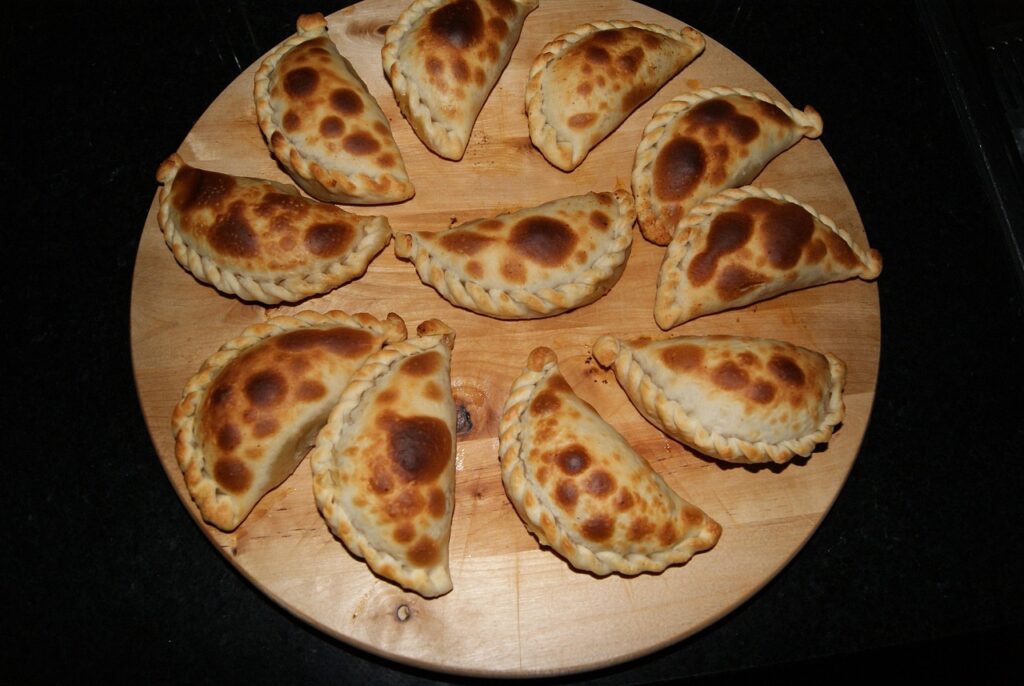
Empanadas have always been adaptable, but contemporary kitchens have expanded their fillings dramatically. While dough and folding techniques stay consistent, interiors now reflect regional produce, dietary needs, and global influences. This adaptability lets empanadas function as appetizers, snacks, or small meals. Baking methods have diversified, with some opting for oven baking instead of frying. The core appeal remains: a sealed pastry delivers a contrast between a crisp exterior and a soft interior. The uniform shape makes empanadas easy to portion and serve, supporting both casual meals and catered events.
Patatas Bravas: From Bar Food to Home Staple
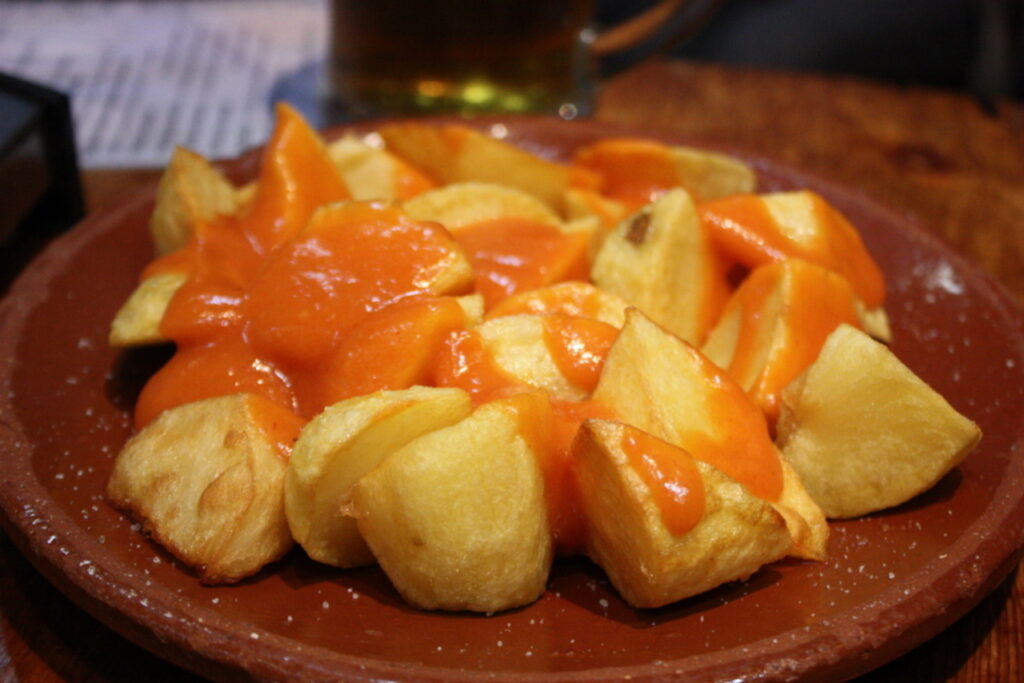
Patatas bravas started as simple fried potatoes paired with bold sauce in Spanish bars. Home cooks adapted by tweaking cooking methods and sauces. Oven roasting and air frying replaced deep frying in many kitchens. Sauces became customizable, ranging from smoky to creamy. The dish kept its role as a shared starter but became easier to prepare at home. This evolution shows how classic bar foods translate to domestic settings without losing their social function. The use of pantry-friendly ingredients also boosted its appeal, helping the dish spread beyond restaurant culture.
Croquetas: A Canvas for Creativity
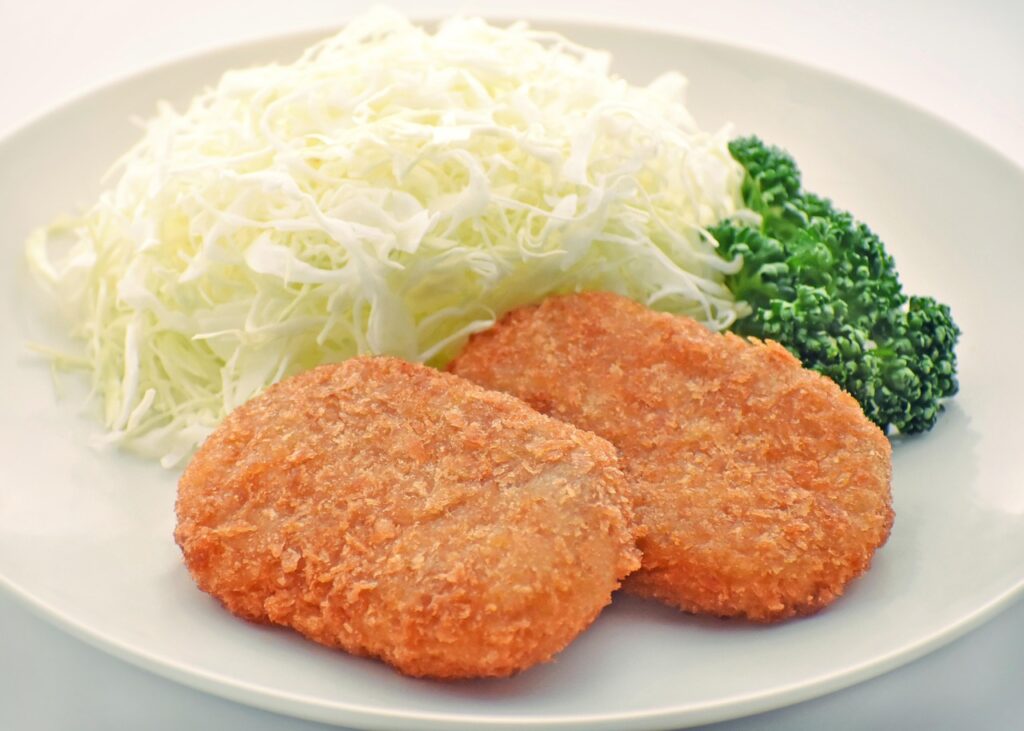
Croquetas originated as a way to reuse leftovers bound in béchamel and fried. Modern versions preserve the structure while exploring new fillings and textures. Mushrooms, cheeses, seafood, and vegetables now appear alongside traditional options. Techniques have improved, yielding smoother interiors and lighter crusts. Croquetas remain labor-intensive, but their evolution reflects a shift from thrift to craftsmanship. They demonstrate how humble origins can support refinement without losing soul. Precise chilling and frying techniques now enhance consistency, making croquetas more approachable for home cooks.
Pan con tomate began as bread rubbed with tomato and garlic, finished with oil. Modern kitchens elevate it through better ingredients rather than complexity. Superior bread, ripe tomatoes, and thoughtful toppings expand its role, turning it into a composed starter rather than a snack. This evolution highlights restraint: nothing superfluous is added, yet each element matters more. Pan con tomate’s journey shows how simplicity can become intentional without becoming excessive. Its flexibility pairs well with many menus without overpowering them, ensuring relevance across generations.
Nachos started as a quick assembly of chips and cheese but quickly expanded as toppings diversified. Contemporary nachos reflect layered thinking rather than mere coverage. Proteins, sauces, vegetables, and garnishes are distributed with intention to avoid sogginess and uneven bites. This evolution mirrors a growing focus on texture and structure in casual fare. Nachos are now designed to stay hot, resist collapse, and deliver balance across the tray. The transformation demonstrates how simple foods become more deliberate as expectations rise, especially in social settings. Careful layering ensures every serving tastes complete rather than patchy, making nachos a true shared dish rather than a messy pile.